Understanding Comparative Governance Among Civilizations
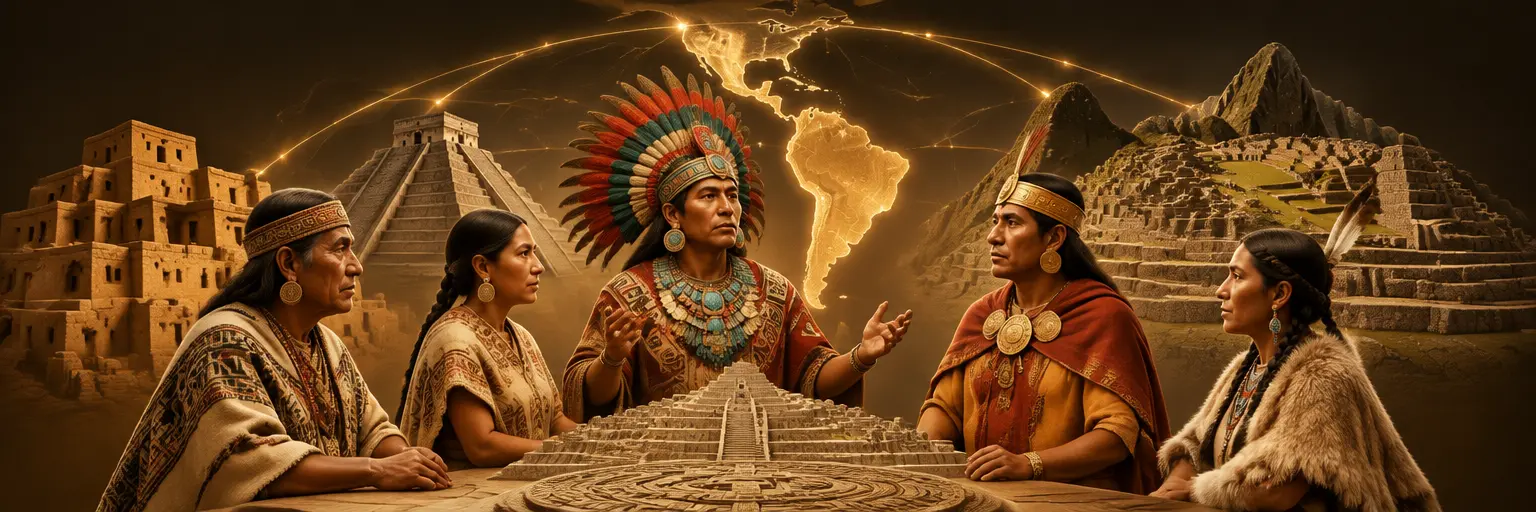
This subcategory delves into the fascinating ways Indigenous civilizations of the Americas organized power, law, and social order—from the Aztec empire’s tributary system to the Inca’s centralized state and the Iroquois Confederacy’s consensual federalism. Here, you’ll discover how governance shaped monumental architecture, trade networks, and daily life, while also comparing these systems to those of Mesopotamia, Rome, or China. This content is crafted for history enthusiasts, students, and educators seeking a nuanced view of political innovation before 1492.
🏛️ Core Political Structures and Leadership Models
Explore how the Mexica (Aztec) combined a divine kingship with a council of nobles, while the Inca emperor (Sapa Inca) ruled as a living deity with bureaucratic governors—contrasting sharply with Maya city-states governed by hereditary lords and war councils. These systems demonstrate diverse solutions to legitimacy, succession, and checks on power, often rivaling contemporary Old World empires in complexity. Expect detailed breakdowns of roles like tlatoani, curaca, and halach uinic, plus comparisons of elite councils versus autocratic rule. Understanding these models reveals how governance was not monolithic but adapted to geography, religion, and resource control.
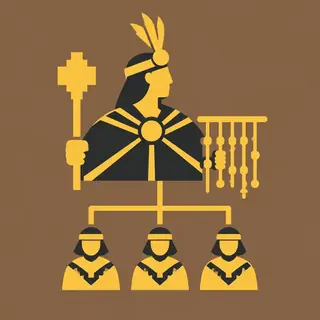
For instance, the Inca used a decimal administrative system with officials responsible for groups of 10 to 10,000 households, while the Aztec relied on allied city-states paying tribute—showing flexibility between centralized control and federated autonomy. These structures also influenced public works, such as road systems and irrigation, which were direct tools of political cohesion. By comparing leadership styles, you’ll gain insight into how each civilization managed conflict, trade, and religious duties, and how succession crises sparked civil wars—like the Inca’s 1529 conflict—revealing vulnerabilities that Europeans later exploited.
🌾 Economic Governance: Tribute, Redistribution, and Land Rights
Governance extended deeply into economics, with the Aztec exacting a detailed tribute system—recorded in codices listing goods like cacao, cotton, and feathers—while the Inca implemented a mit’a labor tax and state warehouses for redistribution during famines. Meanwhile, Maya polities used marketplaces and elite-managed trade routes for obsidian and jade. These economic governance models ensure that rulers controlled surplus, but also provided welfare, something rare in contemporary European feudal systems. Learn how land tenure varied: communal calpulli plots among the Aztec versus Inca state-owned lands worked collectively.
Comparatively, these systems show how tribute-funded public religion and infrastructure—like Aztec temples or Inca royal estates—also created political legitimacy. But they also sparked rebellion when demands grew excessive, as seen in Aztec–Tlaxcala tensions. Understanding economic governance helps clarify why some civilizations thrived for centuries while others collapsed under fiscal strain or external shocks. The redistribution networks also enabled swift mobilization of labor for wars and festivals, which was a core governmental function skillfully balancing coercion and consent.
⚖️ Law, Justice, and Social Order Across Civilizations
Judicial systems varied dramatically—the Aztec had a formal code with judges and capital punishment for theft and adultery, while Inca law emphasized restorative justice, with crimes punished by public shaming or forced labor. Maya nobility often acted as final arbiters, using oral tradition and calendar-based divination. Compare these to Roman law’s written codes or Han China’s legalism, and you’ll see indigenous systems prioritized social harmony and deterrence over abstract legalism. Courts were often public, ensuring transparency, and punishments aimed at reintegration rather than permanent exile. Expect details on trial procedures, evidence, and the role of confession.
What’s remarkable is the absence of prisons—punishments included exile, fines, or ritual sacrifice for grave offenses, with family and clan undertaking collective responsibility. Governance also meant managing gender and class distinctions, as sumptuary laws regulated clothing and ornaments. By examining legal records (mostly Aztec and Inca via Spanish chronicles), you’ll appreciate how justice was intertwined with cosmology—an offense disrupts cosmic balance, requiring ritual purification. These systems were not primitive; they were robust, culturally coherent mechanisms for maintaining order and authority.
🌐 Diplomacy, Alliances, and Inter-Polity Relations
Comparative governance shines through diplomacy—the Aztec formed the Triple Alliance (Tenochtitlan, Texcoco, Tlacopan) but maintained tributary prestige warfare (“flower wars”) against rivals like Tlaxcala to capture sacrificial victims. The Inca expanded via marriage alliances, military conquest with resettlement, and gift-giving to local elites. Maya kingdoms engaged in elaborate royal marriages, trade treaties, and occasional warfare over succession. These diplomatic structures parallel Renaissance Italian city-states or Greek leagues, showing pragmatic power balancing. Learn how ambassadors, tribute missions, and shared religious festials facilitated inter-state communication.
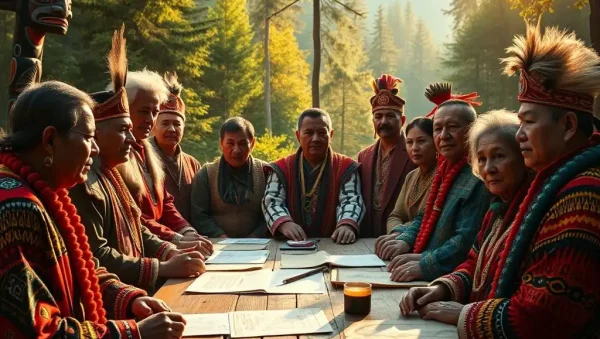
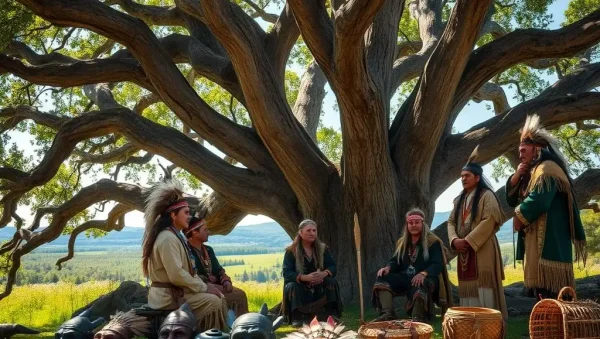
Notably, some federations, like the Iroquois Confederacy (Haudenosaunee), used a consensus-based council with clan mothers holding veto power—a governance model inspiring later American federalists. This subcategory highlights how scale and terrain influenced diplomatic strategies: immense Inca roads enabled rapid troop deployment, while Maya lowland cities relied on riverine trade and marriage pacts. By comparing these patterns, you’ll see that governance was not just internal but relentlessly outward-looking, managing borderlands and buffer zones. This content reveals how indigenous diplomacy shaped resistance to European colonization, as alliances (or their absence) determined survival.
📜 Legacy and Modern Comparisons in Governance
Finally, examine how these governance systems influenced post-colonial institutions—for example, the Inca’s ayllu (kinship collective) persists in Andean community governance, and the Aztec’s calpulli echoes in Mexican communal land grants (ejidos). These historical frameworks offer lessons for contemporary debates on federalism, indigenous sovereignty, and participatory democracy. Compare indigenous governance to modern nation-states: while not democratic in the Western sense, many had participatory councils, rotation of offices, and accountability mechanisms that challenge Eurocentric political theory. You’ll also see how Spanish colonizers dismantled or co-opted these systems, but indigenous resilience continues in movements like Zapatismo.
This subcategory draws on archaeology, ethnohistory, and Indigenous knowledge to correct misconceptions of “primitive” governance. Instead, you’ll find sophisticated forms of representational government, environmental stewardship, and conflict resolution that still inspire political scientists. For instance, the Haudenosaunee Great Law of Peace has been traced as a model for the US Constitution’s separation of powers. By understanding these legacies, readers gain a deeper appreciation for the Americas’ contributions to global political thought and the ongoing relevance of indigenous governance in today’s struggles for equity and sustainability.
Frequently Asked Questions
How did Aztec governance differ from Inca governance?
The Aztec ruled via a tributary empire with local leaders retaining autonomy under a loose alliance, focusing on resource extraction and conquest for sacrificial captives. The Inca centralized power with a divine emperor, provincial governors, and labor taxes, emphasizing state redistribution and resettlement. Aztec power was more decentralized and military-based; Inca power was bureaucratic and infrastructural, with a uniform language and road system.
Were indigenous governments democratic before colonization?
Many incorporated democratic elements—the Iroquois Confederacy had a council with consensus voting and female clan mothers who could veto decisions. Maya kingdoms had noble councils that sometimes check the king’s power. However, most were theocratic oligarchies or monarchies, not universal suffrage democracies. Still, they employed principles of accountability, checks and balances, and participatory deliberation that challenge simplistic “despot” labels.
What was the role of religion in governance among these civilizations?
Religion legitimized rulers as divine or divinely chosen—Aztec kings performed auto-sacrifice; Inca emperors were considered sons of the sun. Religious festivals tied to calendar cycles synchronized labor and tribute, and temples acted as state treasuries. Priests often held high administrative posts, influencing foreign policy, warfare timing, and legal verdicts, making governance inseparable from cosmology and ritual.
How did tribute systems function economically?
Tribute was a tax in labor, goods, or services, collected from subordinate polities or commoner groups. The Aztec demanded periodic deliveries of maize, cotton textiles, cacao, and exotic items like feathers, stored in central warehouses. The Inca used a rotating labor obligation (mit’a) for agriculture, road construction, and mining. These systems supported elite consumption, funding infrastructure and armies, but also caused resentment when excessive.
Can we still see indigenous governance models today?
Absolutely—many Indigenous communities in Peru, Bolivia, Guatemala, and Mexico still practice ayllu-based collective decisions, communal land councils, and rotational leadership. Constitutional reforms in countries like Bolivia and Ecuador have recognized Indigenous justice systems and autonomy. The Zapatista autonomous municipalities in Chiapas employ participatory assemblies inspired by Maya traditions. These models influence environmental and social movements worldwide, proving their enduring relevance.