The Influence of Indigenous Agriculture on Modern Farming Practices
🌿 Indigenous agriculture's impact on farming is profound, revealing sustainable practices and crop diversity that modern techniques often overlook. By studying these…
Read article
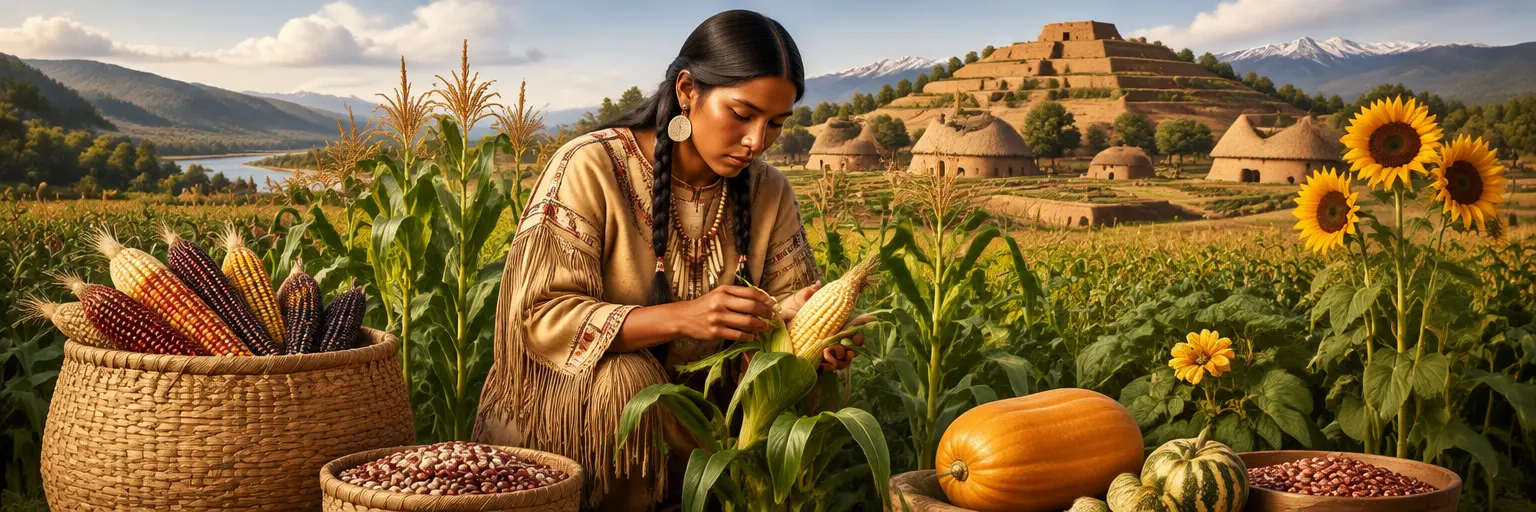
Discover the remarkable ingenuity of North American Indigenous agriculture, where ancient wisdom met sustainable innovation long before modern farming. From the Three Sisters—corn, beans, and squash—cultivated in harmonious polycultures, to sophisticated irrigation systems in the arid Southwest, these practices not only fed thriving communities but also enriched soil health and biodiversity. Explore how Indigenous farmers developed drought-resistant crops, terraced hillsides, and controlled burns to manage ecosystems, creating food security that sustained millions. Their achievements in plant breeding, soil conservation, and ecological balance offer timeless lessons for today’s sustainable agriculture, proving that traditional knowledge remains a powerful blueprint for the future. Uncover the legacy of these pioneering agriculturalists and their enduring impact on global food systems.
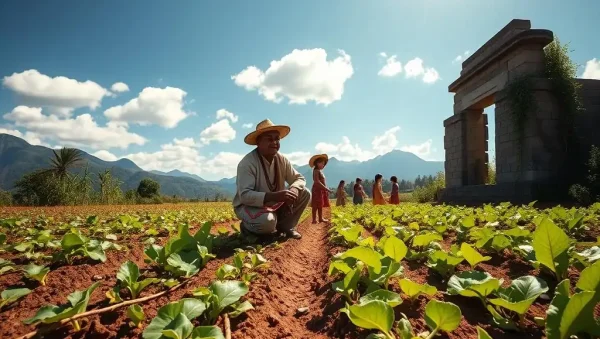
🌿 Indigenous agriculture's impact on farming is profound, revealing sustainable practices and crop diversity that modern techniques often overlook. By studying these…
Read article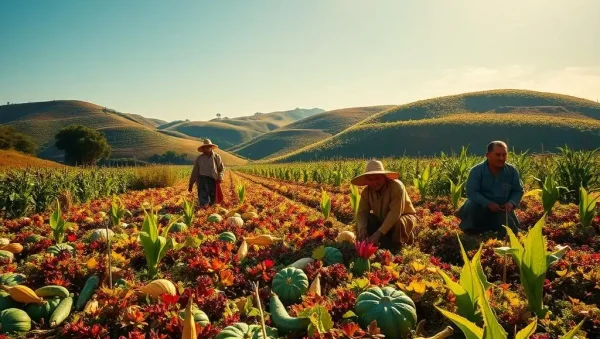
🌱 Indigenous agricultural practices history reveals sustainable techniques that modern farming can adopt. By learning from the ecological wisdom of pre-colonial societies,…
Read article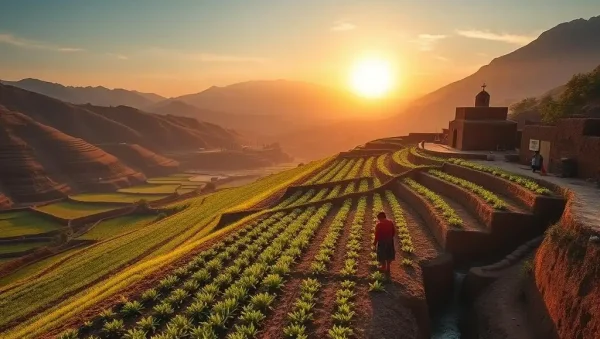
🌾 Discover the remarkable Pueblo Peoples agricultural innovations that transformed arid landscapes into thriving farms. Their sophisticated techniques and deep understanding of…
Read article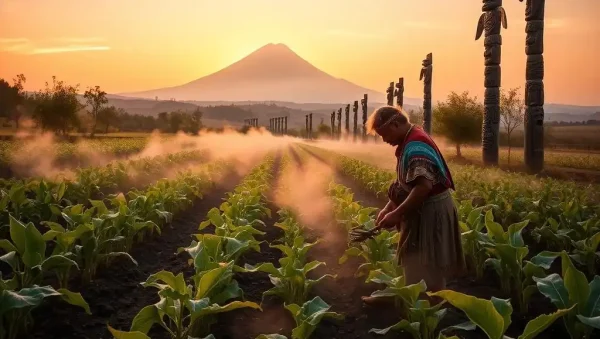
🌱 The spiritual significance of agriculture in Native American cultures transcends mere sustenance, embodying deep connections to the land, community, and ancestral…
Read articleNorth American Indigenous Agriculture represents one of history’s most sophisticated and sustainable food systems, long before European contact. From the arid deserts of the Southwest to the lush woodlands of the East, Indigenous peoples engineered resilient farming techniques that fed millions, shaped ecosystems, and built the foundation for modern crops like corn, beans, and squash. This subcategory delves into the remarkable advancements—such as companion planting, terracing, and irrigation—that demonstrate not only agricultural genius but also deep ecological wisdom. Discover how these practices sustained vast populations, supported complex trade networks, and continue to influence regenerative farming today. Here, we honor the ingenuity, spiritual connection to the land, and enduring achievements of Native American farmers, whose methods remain a vital blueprint for food security and environmental stewardship.
The legendary Three Sisters system—corn, beans, and squash—is a cornerstone of Indigenous agriculture, particularly among Haudenosaunee and other Eastern Woodlands peoples. This polyculture wasn’t just about crop variety; it was a carefully calibrated ecosystem. Corn stalks provided natural trellises for climbing beans, which in turn fixed nitrogen in the soil, enriching it for corn and squash. Meanwhile, the broad leaves of squash shaded the ground, suppressing weeds and retaining moisture. This trio delivered balanced nutrition—carbohydrates, protein, and vitamins—while reducing labor and preventing soil exhaustion. For sustainable agriculture enthusiasts, the Three Sisters offer a time-tested model of intercropping that modern permaculture still celebrates. Tribal oral histories often frame this trio as a gift from the Creator, reinforcing reciprocity between humans and nature.
Beyond nutrition, the Three Sisters system fostered community cooperation and food sovereignty. Fields were often communal, with families tending assigned sections but sharing harvests during festivals and trade. The technique also enabled long-term settlement, as yields were reliable and storage of dried corn and squash allowed winter survival. Archaeological evidence shows this system thrived for over a thousand years, supporting population densities unheard of in Europe at the time. Today, many Indigenous communities are reviving Three Sisters gardens as a means of cultural reclamation, health improvement, and resistance to industrial agriculture. For readers seeking actionable knowledge, this section provides planting guides, soil preparation tips, and historical context—perfect for gardeners, educators, and history buffs alike.
In the harsh Sonoran and Chihuahuan deserts, Indigenous peoples like the Hohokam and Ancestral Puebloans engineered irrigation networks that rival ancient Rome. The Hohokam carved over 500 miles of canals from the Salt and Gila Rivers, some up to 30 feet wide, to water fields of maize, beans, cotton, and agave. These canals featured headgates, sluices, and distribution ditches, demonstrating advanced hydraulic engineering and surveying skills. Water conservation was paramount, with techniques like waffle gardens—sunken beds that concentrated moisture—and rock mulching to reduce evaporation. In cliff dwellings, the Anasazi built check dams and terraces called *trincheras* to capture rainfall and slow erosion, turning steep slopes into productive mesquite and maize plots. This innovation allowed thriving city-states like Cahokia’s outliers and Mesa Verde to flourish in marginal environments.
What’s remarkable is the resilience of these systems over centuries. The Hohokam canal networks functioned for nearly 1,500 years, until social-ecological shifts and drought, yet their legacy persists in modern Arizona’s canal systems, which still follow ancient routes. Agave cultivation also stood out—these succulents could be roasted for food, fermented into beverages, and their fibers woven into textiles, all while thriving with minimal water. Indigenous desert farmers practiced *milpa* rotation and fallowing, restoring soil fertility naturally. For modern sustainability advocates, these methods offer lessons in drought-proof agriculture, soil salinity management, and climate adaptation. This section highlights case studies, archaeological findings, and cultural rituals tied to rain and harvest, making it a treasure trove for environmental scientists and regenerative growers.
The vast prairies and dense forests of the Eastern and Central regions birthed a rich diversity of native crop varieties, often called *landraces*. Tribes such as the Mandan, Hidatsa, and Pawnee cultivated over a dozen types of corn—flint, flour, pop, and dent—each adapted to specific soils and growing seasons. They also grew sunflowers for oil and seeds, tobacco for ceremonial use, and a range of squash including pumpkins and gourds. Seed saving was a sacred duty; women, as primary farmers, passed down knowledge of selection, drying, and storage, ensuring genetic resilience. These seed banks were not just local but shared through extensive trade networks. The Mandan villages, for instance, traded their famous golden corn along pipelines to the Pacific Northwest and the Great Lakes, while receiving dried fish, wild rice, and shells in return. This interconnected agricultural economy debunks the myth of isolated, primitive tribes.
Agriculture here was embedded in a *swidden* or shifting cultivation system, where fields were cleared by controlled burns, farmed for a few years, then allowed to revert to forest. This fallowing period maintained soil health and wildlife habitat. The Eastern Woodlands also pioneered the use of fish as fertilizer—the famous Algonquian technique of planting a fish head with each corn seed—increasing yields dramatically. Wild plant management complemented farming: tribes cultivated ramps, berries, and nuts through selective thinning and orchard-like stands. For present-day organic farmers, these practices inspire agroforestry, polyculture, and seed sovereignty. This section provides detailed botanical descriptions, trade route maps, and recipes from historical accounts, appealing to ethnobotanists, culinary historians, and those interested in regional food heritage.
Indigenous agriculture is not a relic but a living, evolving movement. Today, tribes across the US and Canada are reclaiming their food systems through initiatives like the Native American Food Sovereignty Alliance and the White Earth Land Recovery Project. These programs restore traditional seed varieties—such as the Tuscarora White Corn or the Arikara Yellow bean—by establishing community seed libraries and educational farms. Modern Indigenous farmers are blending ancestral knowledge with contemporary regenerative practices: cover cropping, no-till methods, and compost teas, all grounded in a worldview of kinship with the land. Studies show that these traditional agroecosystems often outperform industrial monocultures in biodiversity, water retention, and carbon sequestration, making them crucial allies against climate change. For example, the *milpa* system reduces pesticide dependence and builds soil organic matter within a few seasons.
Revival efforts also address food deserts on reservations, where fresh produce is scarce due to economic marginalization. By establishing community gardens and farmers’ markets, tribes improve community health, abate diabetes, and reconnect youth to their heritage. Moreover, cultural events like the Three Sisters Harvest Festival and language immersion programs teach agricultural terms in Indigenous tongues, ensuring that knowledge persists. For food policy advocates and sustainability leaders, this section offers case studies, grant resources, and success stories. It emphasizes that Indigenous agriculture isn’t only about the past—it’s a dynamic model for regenerative food justice. Through partnerships with universities and NGOs, these efforts are gaining visibility, proving that ancient wisdom holds keys for our planetary future.
Modern archaeology, using techniques like phytolith analysis, pollen dating, and stable isotope studies, has uncovered astonishing details about Indigenous farming. For instance, carbonized maize kernels found in ancient hearths across the Eastern Woodlands date back to 1000 BCE, showing early adoption of Mexican crops. LiDAR scanning has revealed enormous raised-field systems in the Florida everglades and extensive terraces in the Appalachians, previously hidden by dense vegetation. These raised beds, built to manage seasonal flooding, elevated crops above waterlogged soils, and were enriched by mounding mud and rotting vegetation. Excavations at Poverty Point (Louisiana) and Cahokia (Illinois) show storage pits, granaries, and toolkits like deer scapula hoes and digging sticks, reflecting efficient crop handling. Early diaries of Spanish explorers, such as Pánfilo de Narváez and Hernando de Soto, describe vast cornfields so expansive that “the land looked like a golden sea.” These accounts verify that agriculture was not marginal but central to societal organization.
Contrary to old stereotypes, Indigenous farmers were not passive foragers but intentional breeders. They selected seeds for flavors, colors, and resilience, creating varieties like the 92-day flint corn for short growing seasons in the Dakotas. Molecular studies show that Indigenous peoples independently domesticated sumpweed, marsh elder, and little barley—crops later abandoned but now being re-studied as climate-resilient alternatives. The discovery of *carbonized wild rice* paddies in Minnesota’s lakes confirms early wetland cultivation. For archaeology buffs and historians, this section presents the latest academic research in accessible language, with timelines, maps, and artifact descriptions. It underscores that rigorous science is now partnering with Indigenous oral histories to reconstruct a more accurate and respectful narrative of pre-contact agriculture—a narrative of brilliance, adaptation, and sustainability.
Beyond the famous corn, beans, and squash, they domesticated sunflowers (for seeds, oil, and dye), sumpweed (an oily seed), goosefoot (a quinoa relative), and little barley. In the Southwest, they bred cotton, agave, and amaranth; in the East, they cultivated tobacco exclusively for ceremony. These crops were selectively bred for larger seeds, better taste, and regional adaptation, proving sophisticated horticultural knowledge.
Indigenous farming emphasized polyculture (interplanting), minimal soil disturbance (using hand tools, not plows), and long-term soil fertility through fallowing and organic amendments. European systems often relied on monoculture plowing, which depleted soil and required moving to new land. Indigenous methods also incorporated wild plant management and sacred rituals, treating the land as a relative rather than a commodity.
Absolutely. The Mississippian culture, centered at Cahokia, supported a population of 20,000–30,000 people in 1200 CE, fed by intensive maize agriculture along the Mississippi floodplains. The Hohokam in Arizona irrigated over 50,000 acres, maintaining a trading hub. The Cherokee and Creek confederacies practiced surplus farming, exporting corn and deerskins to colonial settlements, proving agricultural systems rivaled any globally.
Choose a sunny spot with fertile soil. Plant corn in mounds (5-6 seeds per mound) spaced 3 feet apart. When corn is 6 inches tall, plant beans around the base, and two weeks later, plant squash seeds between mounds. Water consistently, and use compost. Avoid chemical fertilizers. Harvest corn first, then beans, letting squash mature to full size. This method supports natural nitrogen fixation and pest control.
It addresses food sovereignty, climate resilience, and cultural preservation. Traditional crops are drought-tolerant and adapted to local soils, reducing reliance on fossil-fuel-intensive systems. They also offer healthy, nutrient-dense foods that combat diet-related diseases in Indigenous communities. Reviving these practices reconnects people with their heritage and provides sustainable models for global agriculture facing environmental crises.