Deities and Ancestors: Understanding Cahokia’s Pantheon
🌍 Delve into the rich tapestry of Cahokia indigenous culture and beliefs, exploring the complex pantheon of deities and ancestral figures that…
Read article
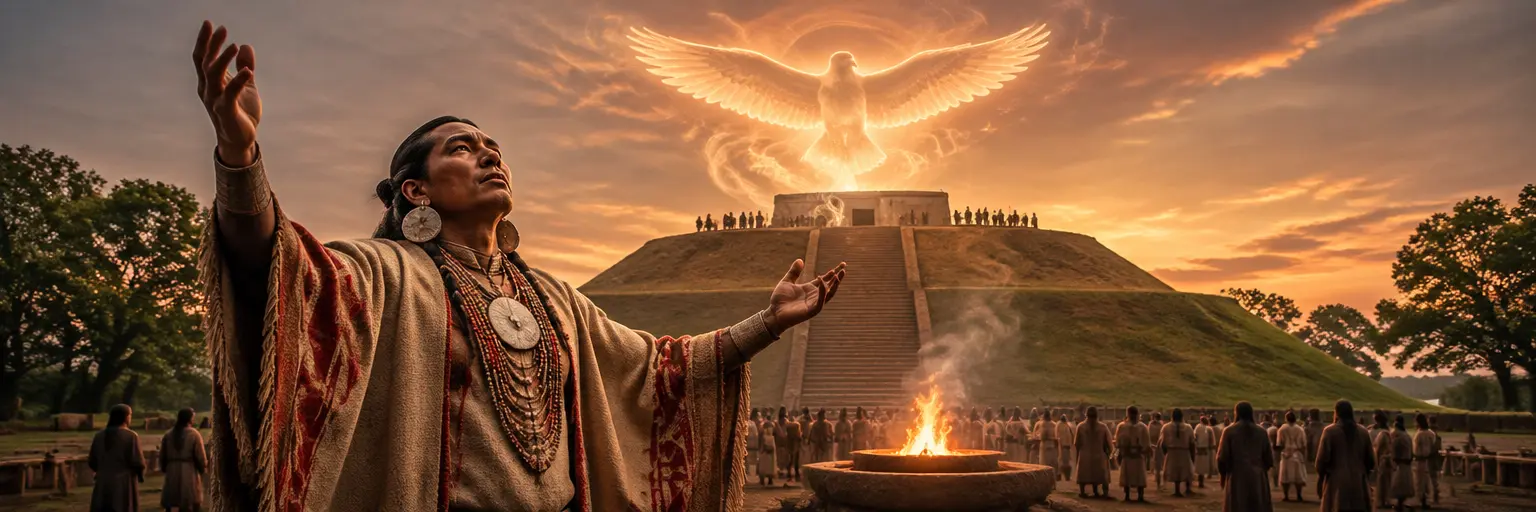
Explore the profound spiritual world of the Cahokia people, where religion and mythology shaped every aspect of life in North America’s most advanced pre-Columbian city. Discover how sacred mounds, celestial alignments, and powerful deities intertwined with daily existence, rituals, and governance. From the iconic Monks Mound to the mysterious Woodhenge, this journey unveils a rich tapestry of beliefs—honoring ancestors, nature spirits, and the cosmic order. Unearth the myths of creation, heroic figures, and the underworld that guided a thriving metropolis of thousands. Perfect for history enthusiasts, students, and travelers seeking deeper cultural insight, this content illuminates the enduring legacy of Cahokian spirituality, blending archaeology with oral traditions. Dive into a world where the divine met the earthly, and every mound told a story of power, faith, and resilience. Key highlights include ritual practices, symbolic art, and the role of shamans, offering a holistic view of a civilization whose sacred landscape still echoes today.
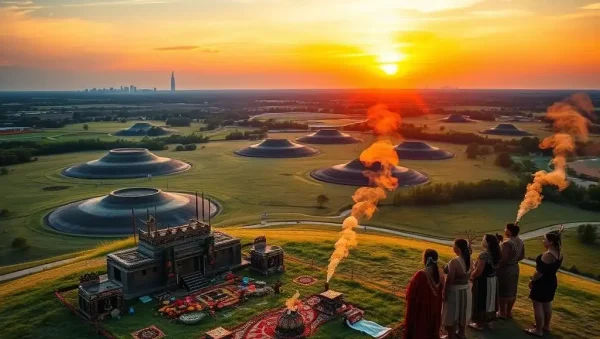
🌍 Delve into the rich tapestry of Cahokia indigenous culture and beliefs, exploring the complex pantheon of deities and ancestral figures that…
Read article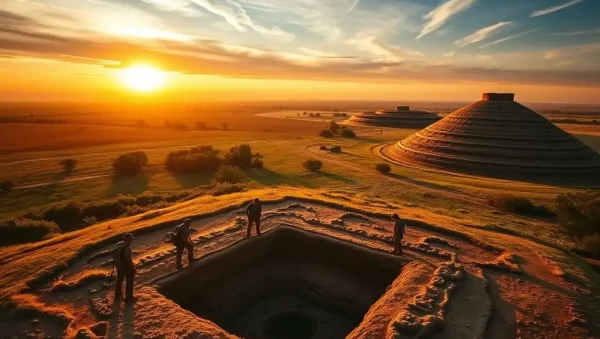
Cahokia afterlife beliefs and myths reveal a rich tapestry of indigenous views on death and rebirth, highlighting the profound spiritual connections that…
Read article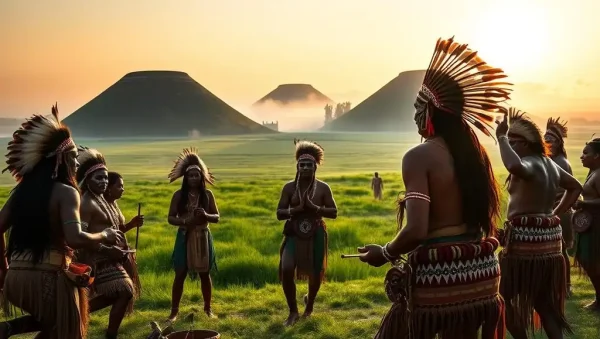
Cahokia indigenous rituals and ceremonies reveal the profound spirituality of this ancient society. Through vibrant practices and communal gatherings, the Cahokians connected…
Read articleDelve into the sacred beliefs and supernatural narratives that shaped the Mississippian civilization centered at Cahokia, the largest pre-Columbian city north of Mexico. This subcategory uncovers the rituals, deities, and cosmological frameworks that gave purpose to daily life, monumental architecture, and political power. From the Great Sun to the underworld serpent, discover how religion intertwined with governance, agriculture, and communal identity.
The Cahokian pantheon centered on celestial beings, with the Great Sun as the supreme life-giving force. Priests tracked solstices and equinoxes to align temples and plazas, ensuring cosmic harmony. The sun was not just a star but a living deity whose daily rebirth symbolized agricultural renewal and chiefly legitimacy.
Expect to learn how the sun cult legitimized rulers, who claimed descent from solar ancestors. Ritual fires, sun circles, and the famous woodhenge calendars reveal a sophisticated astronomy. The moon, Venus, and morning star also held roles in prophecy and warfare, with their movements dictating planting seasons and sacrificial ceremonies.
Beneath the sky gods, the Earthmother personified fertility, soil, and the cycle of life. Maize, beans, and squash—the “Three Sisters”—were seen as her gifts, requiring ritual thanksgiving. Fertility figurines and ceramic effigies depict female deities with corn motifs, underscoring the sacred link between women, harvest, and community survival.
Expect to explore seasonal ceremonies like the Green Corn Festival, where fasting, purification, and new fire rites renewed the world. Priestesses led planting prayers, while offerings of food, tobacco, and shell beads were buried in field shrines. This reverence ensured bountiful yields and social cohesion, blending agriculture with spiritual obligation.
Opposing the sky, the underworld was ruled by horned serpents and water spirits, embodying chaos, transformation, and death. The famous “Birdman” tablet from Cahokia depicts a warrior-shaman in serpent regalia, suggesting mediation between realms. Myths told of a great underwater panther whose movements caused earthquakes and floods.
Expect to discover how burial mounds mirrored this cosmology: elevated ridges represented the sky, while low platforms symbolized the underworld. The dead journeyed westward across a “path of souls,” led by dog guides, to a paradise of eternal hunting. Funerary offerings—such as mica, copper arrowheads—aided this passage, reflecting deep anxiety and hope about afterlife.
Monks Mound, the largest earthen structure in North America, functioned as a cosmic axis axis mundi connecting earth, sky, and underworld. Its four terraces mirrored the cardinal directions, while the summit temple housed sacred fires and idols. Smaller mounds flanking plazas served as stages for public rituals, where thousands watched reenactments of creation myths.
Expect to understand the engineering and spiritual logic behind mound construction. Each layer of earth represented a mythic era, and builders ritually deposited objects—pottery, stone pipes, human effigies—to consecrate the structure. Alignments with lunar standstills and summer solstice sunrise demonstrate that architecture was theology in physical form.
Elite shamans, often depicted as human-bird hybrids, served as intermediaries between the human and spirit worlds. They ingested tobacco or other hallucinogens to enter trances, seeking visions for war, healing, and weather prediction. The iconic “Birdman” copper plate, found at Cahokia, shows a dancer with falcon wings, embodying martial prowess and celestial favor.
Expect to learn about the shaman’s toolkit: carved shells, bone whistles, and quartz crystals used for scrying. Vision quests involved fasting on isolated mounds or caves, where spirit helpers in animal forms offered guidance. This tradition persisted into historic tribes like the Osage, ensuring continuity of Cahokian religious practices.
Evidence suggests a shared cosmological framework, but local variations existed. Excavations reveal common sun-serpent motifs, yet different neighborhoods had distinct shrine types. Likely, the elite promoted a standardized state cult centered on the Great Sun, while commoners practiced household-level ancestor worship and fertility rites.
Isotope and burial analyses of Mound 72 indicate high-status individuals were interred with retainers who were likely sacrificed. These victims may have been war captives or servants honoring a deceased chief. However, mass sacrifice was rare versus Mesoamerican practices; most ritual killing was symbolic or focused on game animals.
The woodhenge circles—posts marking solstices and equinoxes—served as calendars for priests. The summer solstice sunrise aligned precisely with Monks Mound’s front slope, signaling planting time. Lunar standstills (every 18.6 years) triggered renewal ceremonies and major mound expansions, embedding celestial cycles into public life.
While direct texts are lost, oral histories from Osage, Omaha, and other Dhegiha Sioux tribes retain elements like the “Great Sun” as a sky being, the horned serpent, and the path of souls. Linguists and ethnographers trace these stories to Mississippian roots, though adaptations over centuries are inevitable.
Climate shifts, resource depletion, and political fragmentation weakened the elite’s divine authority. Floods and crop failures contradicted priestly claims of cosmic control, eroding faith. As the city dispersed, regional cults reverted to local practices, yet sun and serpent motifs endured in successor societies down to European contact.