Linguistic Preservation: Keeping Indigenous Voices Alive
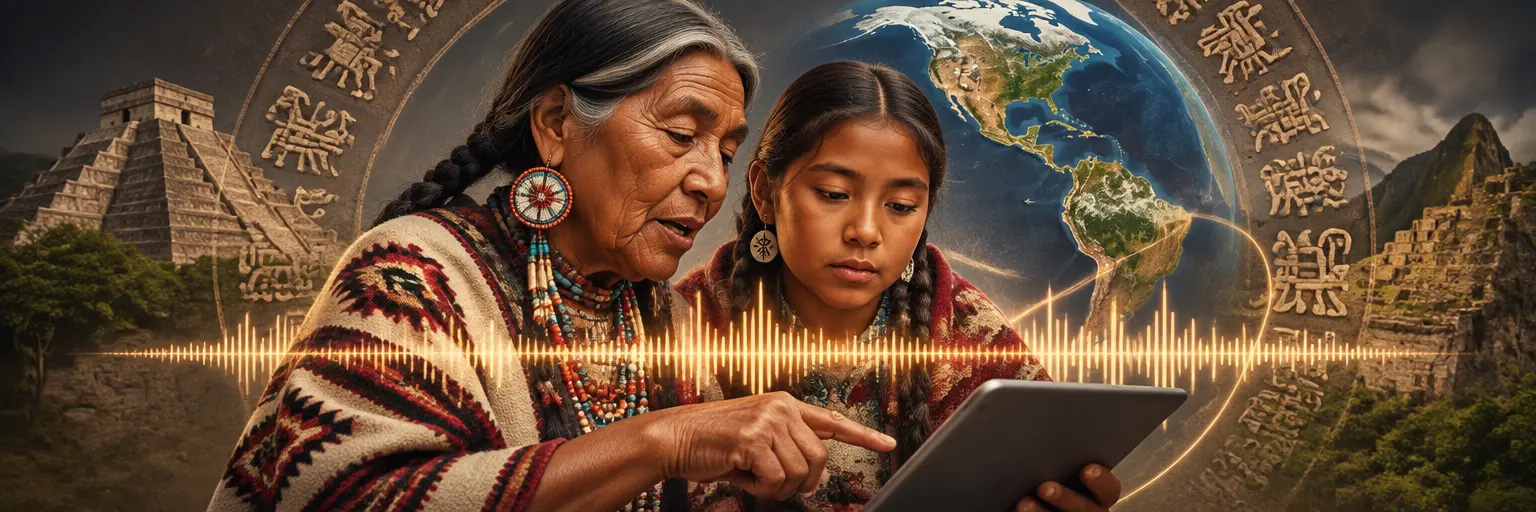
Linguistic Preservation within Indigenous Civilizations of the Americas is your gateway to understanding how native languages—from Quechua to Navajo, from Nahuatl to Guarani—are being documented, revitalized, and passed to future generations. Here, you’ll explore the profound connection between language, identity, and ancestral knowledge, and discover actionable ways to support these living treasures in a modern world.
📜 The Living Archive: Documentation and Digital Tools
This section focuses on the cutting-edge methods used to record and store endangered indigenous languages. You’ll learn about audio-video archives, orthography development, and AI-driven transcription tools that capture not just words, but the storytelling, songs, and ceremonial speech embedded within them. Expect deep dives into projects like the Archive of the Indigenous Languages of Latin America and grassroots community-led recording initiatives.
Digital platforms now allow elders to share their native tongues with remote learners, creating searchable databases that bridge time and geography. We highlight successful examples where mobile apps, interactive dictionaries, and virtual reality environments are making linguistic preservation accessible. Key takeaway: technology is not replacing tradition—it’s amplifying it, ensuring that no syllable of a vanishing language becomes silences.
🌱 Revitalization in Action: Immersion Schools and Community Programs
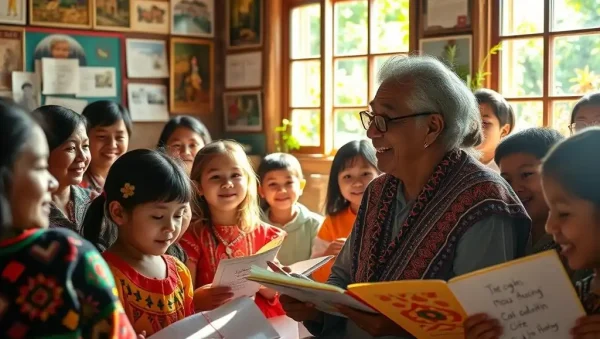
Here, we showcase the grassroots movements that are reversing language loss on the ground. From Hawaiian language immersion preschools to Māori “language nests” and Cherokee online classes, these programs prove that fluency can be rebuilt even after decades of suppression. Expect practical case studies of how communities design curricula, train new speakers, and integrate language into daily family life.
The obstacles are real—limited funding, few fluent elders, and the pull of dominant languages—but the successes are inspiring. You’ll find statistics on language recovery rates, testimonials from second-language learners, and strategies for building intergenerational bonds through cultural events like storytelling nights and traditional games. Important: revitalization is a marathon, not a sprint, requiring patience, creativity, and local leadership.
🗣️ Political and Legal Battles for Language Rights
This facet explores the legal frameworks and advocacy efforts that protect indigenous languages as human rights. We examine national constitutions that recognize native languages, international declarations like the UN’s 2019 International Year of Indigenous Languages, and court cases where communities won the right to education and government services in their own tongues. Expect balanced analysis of both victories and ongoing struggles.
Language preservation is inseparable from land rights, self-determination, and historical trauma, so we contextualize each legal win within broader social movements. You’ll learn how organizations like UNESCO and the Organization of American States provide technical support, while local activists lobby for bilingual policies in schools and courts. Critical insight: legal recognition creates the foundation, but implementation demands sustained community pressure and governmental accountability.
🎨 Language as Cultural Keystone: Literature, Arts, and Media
Discover how indigenous languages are thriving in creative spaces—through poetry, novels, hip-hop, film, and social media. We profile contemporary writers like Natalie Diaz (Mojave) and César “Ata” Huamán (Quechua) who weave their mother tongues into global literature, and highlight YouTube channels, podcasts, and radio stations broadcasting entirely in indigenous languages. This section proves that linguistic preservation is not about freezing languages in amber but letting them evolve.
Expect to find translation projects of sacred texts, bilingual children’s books, and graphic novels that make ancestral words relevant for Gen Z. We also discuss the vital role of music—from Andean folk to punk rock in Zapotec—as a vehicle for protest and pride. Remember: a living language is one that is sung, joked, and argued in, not just catalogued in a museum.
🔍 How You Can Help: Citizen Science and Ethical Tourism
This final body section empowers you to participate, whether you’re a linguist, a student, or a traveler. We provide clear, low-barrier actions: contributing recordings to open archives, using language-learning apps that partner with communities, and supporting indigenous-owned tours that include language classes. You’ll also find ethical guidelines to avoid extractive research—always prioritizing community consent and benefit-sharing.
We break down specific volunteer opportunities, such as transcribing oral histories for the Smithsonian’s Recovering Voices or donating to the Endangered Language Fund. Additionally, we explain how to approach travel respectfully, seeking experiences where your money directly funds local language programs rather than performative displays. Bottom line: every download, share, or dollar can help keep a language breathing.
Frequently Asked Questions
Why is linguistic preservation important for indigenous civilizations?
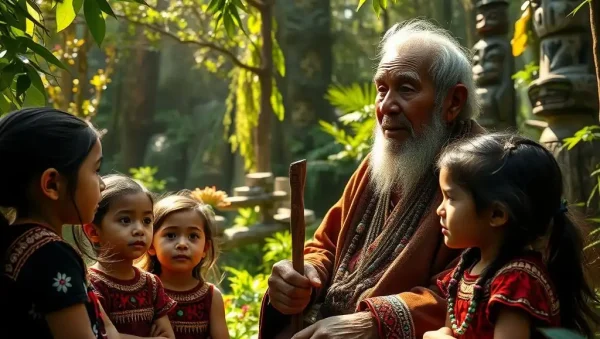
Language carries unique worldviews, ecological knowledge, and historical memories not translatable into other tongues. When a language dies, we lose irreplaceable insights into medicine, astronomy, and sustainable living. For indigenous peoples, language is also a core marker of identity, dignity, and sovereignty, directly linked to mental health and cultural resilience.
How many indigenous languages in the Americas are endangered?
According to UNESCO, over 60% of the estimated 700 indigenous languages in the Americas are at risk of disappearing within a generation. Some, like the Ayoreo of Paraguay, have fewer than 50 speakers, while others, like Quechua with over 8 million, are stronger but still face pressure from Spanish or Portuguese.
Can a dead indigenous language be revived?
Yes, but it requires intensive effort. The most famous case is Hebrew, but in the Americas, the Wampanoag language of Massachusetts was successfully revived after a century of dormancy, using written records and community dedication. Revitalization is harder for languages with no audio or written documentation, but modern technology helps reconstruct pronunciation from linguistic analysis.
What are the biggest obstacles to linguistic preservation today?
Primary barriers include a shortage of fluent elder speakers, lack of government funding for bilingual education, and systemic discrimination that pressures younger generations to assimilate. Additionally, many communities face poverty and lack internet access, limiting digital preservation tools. Climate change also threatens environments tied to traditional vocabulary.
How can I learn an indigenous language respectfully?
Start by researching official language courses or apps created by the community itself, such as Cherokee’s online portal or Navajo’s Duolingo course. Avoid appropriating sacred forms without permission. Best practice is to enroll in a community-led program, pay fair fees, and commit to active listening. Use your learning to support, not replace, native speakers.