
The Role of Festivals: Celebrating Knowledge and Community Learning in Indigenous Cultures

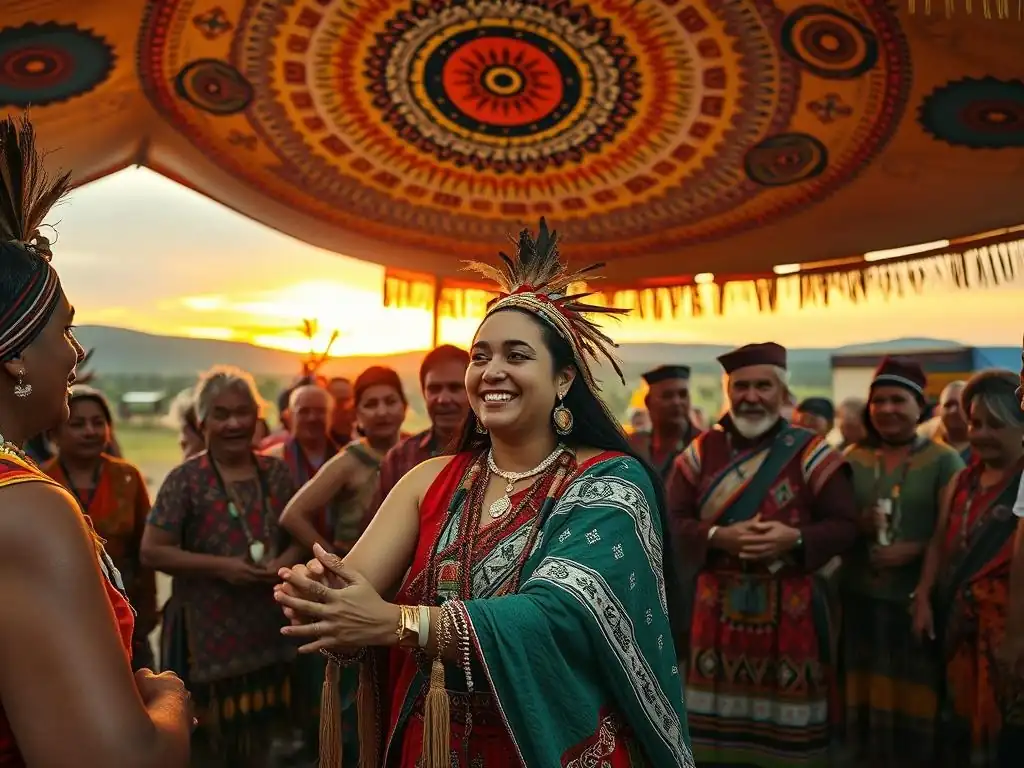
Welcome to Indigenous Civilizations of the Americas, where we invite you on an enlightening journey through the rich tapestry of pre-colonial cultures that flourished across this vast land. In our featured article, "The Role of Festivals: Celebrating Knowledge and Community Learning in Indigenous Cultures," we delve into the vibrant world of indigenous festivals—a cornerstone of community life that not only celebrates traditions but also fosters collective learning and resilience.
Discover how these colorful gatherings have shaped identities and preserved wisdom through generations. Join us as we explore the significance of these festivals and their enduring impact on indigenous societies, sparking curiosity and connection to a heritage that continues to inspire.
Festivals hold a vital place in the tapestry of Indigenous cultures across the Americas. They are not merely occasions for celebration; rather, they serve as crucial platforms for knowledge transmission, community bonding, and the preservation of cultural identity.
As we delve into the theme of "Indigenous festivals and community learning," we uncover the intricate ways in which these events foster education, celebrate heritage, and reinforce the values and traditions that have sustained Indigenous communities for generations. This article will explore the multifaceted roles that festivals play, highlighting their significance in promoting understanding, sharing knowledge, and nurturing a strong sense of community among Indigenous peoples.
Introduction to Indigenous Festivals and Community Learning
Indigenous festivals are dynamic expressions of culture that encapsulate the rich history, values, and beliefs of various communities. These events often coincide with seasonal changes, agricultural cycles, or significant historical events, creating a rhythm that connects the community with the land and its ancestors. Through music, dance, storytelling, and ritual, festivals become avenues for cultural education, where younger generations learn from elders and the wisdom of their ancestors is preserved and celebrated.
Understanding the Importance of Festivals in Indigenous Cultures
Festivals are essential in Indigenous cultures for several reasons:
- Cultural Preservation: Festivals are a means of preserving and passing down traditions, languages, and practices that might otherwise be lost.
- Community Cohesion: They foster a sense of belonging and unity among community members, reinforcing social bonds and shared identities.
- Education and Learning: Festivals provide a unique space for informal learning, where participants engage with cultural narratives and teachings through participation and observation.
These elements together highlight the intricate relationship between Indigenous festivals and the education of community members, illustrating how celebrations are intertwined with knowledge and cultural identity.
Overview of Knowledge Transmission in Indigenous Societies
Knowledge transmission in Indigenous societies occurs through various means, often embedded within cultural practices, oral traditions, and communal activities. Key aspects include:
- Oral Traditions: Stories, songs, and teachings passed down orally serve as vehicles for knowledge, imparting lessons about history, morality, and societal roles.
- Mentorship: Elders play a pivotal role as mentors, guiding the younger generation through personal interactions and communal gatherings.
- Practical Learning: Skills related to agriculture, crafts, and spiritual practices are often taught during festivals, allowing participants to learn by doing.
This holistic approach to education emphasizes experiential learning, where knowledge is not just shared but lived and felt within the community context.
The Significance of Indigenous Festivals
Indigenous festivals are significant beyond their immediate celebratory aspects; they are profound expressions of identity and community learning, serving as a vital link between past, present, and future.
Celebrating Heritage and Identity Through Festivals
Festivals allow Indigenous peoples to celebrate their unique heritages and identities. They provide spaces for:
- Cultural Expression: Through music, dance, and art, participants express their cultural narratives, showcasing the diversity within Indigenous cultures.
- Reaffirmation of Identity: Festivals serve as a reminder of cultural pride and resilience, especially in the context of historical challenges faced by Indigenous communities.
- Intergenerational Connections: They create opportunities for intergenerational dialogue, as stories and traditions are shared across ages, reinforcing identity and belonging.
These celebrations become powerful affirmations of cultural identity, enabling communities to assert their existence and values in the contemporary world.
Festivals as a Medium for Community Learning
Beyond celebration, festivals function as rich environments for community learning. They:
- Foster Collaboration: Participants work together in planning and executing festivals, promoting teamwork and collective learning.
- Encourage Dialogue: Festivals facilitate conversations about cultural practices, beliefs, and contemporary issues, allowing for a dynamic exchange of ideas.
- Promote Lifelong Learning: The lessons learned during festivals often extend beyond the events themselves, influencing community members' perspectives and actions in daily life.
Through these interactions, festivals become vital educational experiences that enhance community knowledge and strengthen bonds among members, ensuring that the wisdom of the past continues to guide the present and future.
Types of Indigenous Festivals and Their Educational Aspects
Indigenous festivals are rich cultural events that serve as platforms for community learning and knowledge transmission. Each type of festival plays a unique role in educating participants about their heritage, traditions, and the environment. The various types of indigenous festivals can be broadly categorized into seasonal, ceremonial, and arts and crafts festivals, each with distinct educational aspects.
Seasonal Festivals: Celebrating Cycles of Nature
Seasonal festivals are intricately linked to the natural cycles, such as planting, harvesting, and solstices. These festivals not only commemorate the changing seasons but also educate community members about agricultural practices, environmental stewardship, and the interconnectedness of life.
For example, the Green Corn Festival celebrated by various tribes, including the Cherokee and the Iroquois, marks the beginning of the corn harvest. During this festival, community members engage in activities that emphasize the importance of corn as a staple food and its cultural significance. Participants learn about traditional farming techniques, the life cycles of crops, and the spiritual beliefs surrounding nature and sustenance. These teachings foster a deep respect for the environment and encourage sustainable practices.
Ceremonial Festivals: Rituals and Knowledge Sharing
Ceremonial festivals often involve rituals that are steeped in spiritual significance and cultural history. These events serve as vital opportunities for communities to share knowledge about their beliefs, values, and traditions.
An example is the Sun Dance, practiced by various Plains Indigenous nations. This festival involves a series of rituals that may include fasting, dancing, and drumming, all aimed at spiritual renewal and communal bonding. Participants learn the history and meaning behind the rituals, which often include teachings about sacrifice, resilience, and the connection between the spiritual and physical worlds. Through these ceremonies, individuals gain insights into their cultural identity and the shared values of their community.
Arts and Crafts Festivals: Skills Transmission and Community Engagement
Arts and crafts festivals celebrate the creativity and craftsmanship inherent in indigenous cultures. These festivals not only showcase artistic expression but also serve as educational platforms for skill transmission and community engagement.
For instance, the Native American Arts Festival features artisans demonstrating traditional techniques such as pottery, weaving, and beadwork. Participants can engage in hands-on workshops, learning from experienced artisans about the cultural significance of various art forms and the methods involved in their creation. This interactive experience fosters appreciation for artistic traditions and encourages the preservation of these skills, ensuring that they are passed down through generations.
The Role of Elders and Knowledge Keepers in Festivals
Elders and knowledge keepers play a pivotal role in indigenous festivals, serving as the guardians of cultural heritage and educators within their communities. Their wisdom and experience are essential in ensuring that traditional knowledge is preserved and shared.
Elders as Educators: Passing Down Oral Traditions
Elders are often seen as the primary educators in indigenous cultures, responsible for passing down oral traditions, stories, and teachings during festivals. Their storytelling serves not only to entertain but also to convey important lessons about morality, history, and community values.
During festivals, elders might share creation stories or historical narratives that illustrate the struggles and triumphs of their people. These stories are rich with teachings about respect for nature, the importance of community, and the intergenerational bonds that tie the past to the present. By engaging with elders, younger generations develop a sense of identity and belonging, grounding their learning in the cultural context of their ancestors.
The Influence of Knowledge Keepers in Community Learning
Knowledge keepers, who may or may not be elders, hold specific expertise in various cultural practices, languages, or historical knowledge. Their influence during festivals is crucial for community learning, as they facilitate workshops, demonstrations, and discussions that deepen understanding and appreciation of indigenous traditions.
For example, a knowledge keeper specializing in traditional medicine may lead a workshop on the uses of local plants, educating participants about their healing properties and the importance of maintaining ecological balance. Such interactions not only promote individual learning but also strengthen community ties as members come together to share knowledge and experience.
Festivals serve as vital educational experiences within indigenous cultures, fostering community learning and ensuring the transmission of knowledge through various engaging formats. The roles of elders and knowledge keepers are integral to these festivals, enriching the learning experiences and preserving the cultural heritage for future generations.
Community Involvement and Participation
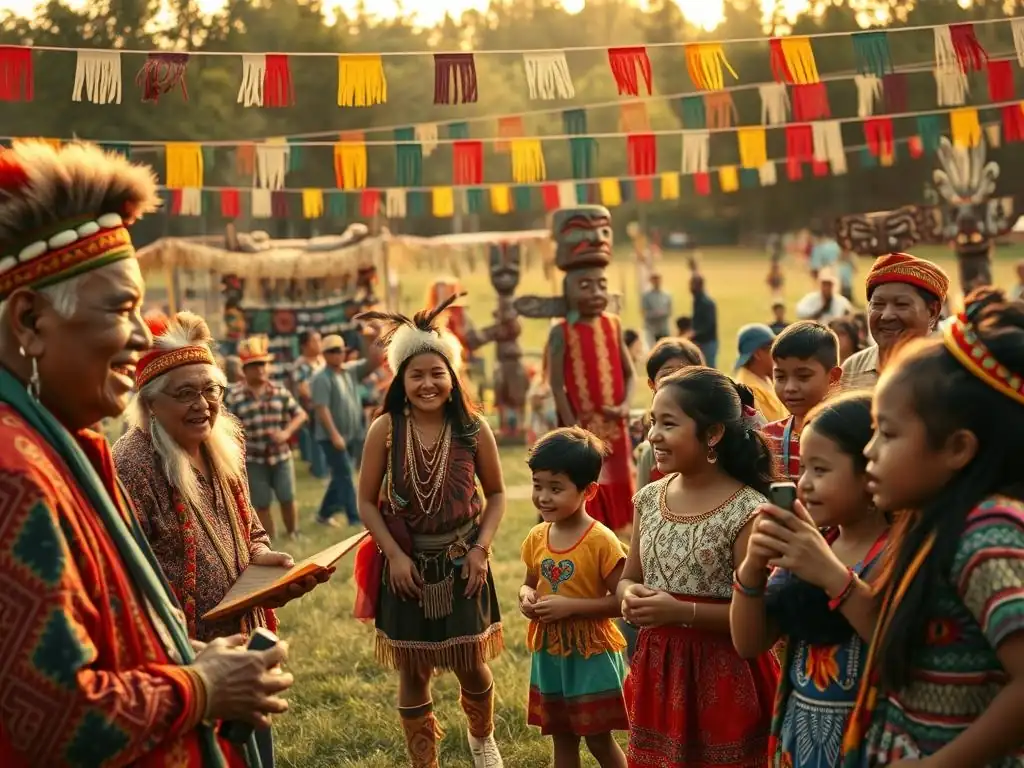
Indigenous festivals serve as a vibrant platform for community involvement and participation, fostering a sense of belonging among members of the community. These events are not just celebrations; they are a collective effort that brings together individuals from various backgrounds, ages, and roles within the society. Community members play active roles in organizing, planning, and executing the celebrations, which enhances their connection to their cultural heritage.
Festivals often feature a variety of activities, including traditional music, dance, storytelling, and artisan crafts, all of which require the input and participation of community members. This hands-on involvement allows individuals to share their knowledge and skills, creating an environment where learning occurs organically. By engaging in these activities, participants reinforce their cultural identity and pass on valuable traditions to younger generations.
Moreover, festivals can serve as a means for addressing contemporary social issues within the community. Discussions and workshops held during these events often focus on topics such as environmental stewardship, health, and education. This encourages collective problem-solving and empowers community members to take ownership of their narratives and futures.
Engaging Youth in Indigenous Festivals
Engaging youth in indigenous festivals is crucial for ensuring the continuity of cultural practices and knowledge. These events provide a unique opportunity for younger generations to learn about their heritage in an immersive and engaging manner. Through participation in festival activities, such as traditional dances, rituals, and storytelling, youth develop a deep appreciation for their culture and its significance.
In many indigenous communities, specific roles are designated for youth during festivals, allowing them to take on responsibilities that foster leadership skills and instill a sense of pride. For instance, young individuals may be tasked with leading a dance group, preparing traditional foods, or helping to coordinate logistics. By involving youth in these ways, festivals become a training ground for future cultural custodians.
Additionally, festivals often incorporate education programs designed specifically for younger audiences, emphasizing the importance of their role in preserving indigenous knowledge. Workshops may include lessons on traditional crafts, language classes, and discussions about the history and significance of various cultural practices. This not only enhances their understanding but also motivates them to engage actively in the preservation of their culture.
The Role of Community Collaboration in Learning
Community collaboration is a fundamental aspect of learning within indigenous cultures, particularly during festivals. These events are characterized by cooperative efforts among various community members, including elders, artists, educators, and youth. Such collaboration fosters an environment where knowledge can be shared freely and collectively.
Elders often play a pivotal role in this dynamic, acting as knowledge keepers who guide the community in sharing their stories, customs, and values. Through their participation in festivals, elders can pass down wisdom and teachings that have been preserved over generations. This intergenerational exchange is vital for maintaining cultural continuity and ensuring that traditional knowledge is not lost.
Moreover, community collaboration encourages the blending of diverse perspectives and talents. Different groups within the community can come together to showcase their unique contributions, leading to a richer festival experience. For example, musicians, dancers, and artisans may collaborate to create performances or displays that reflect the community's collective identity. This collaborative spirit not only enhances the festival but also strengthens the community's bonds and sense of unity.
The Impact of Festivals on Cultural Preservation
Festivals have a profound impact on cultural preservation within indigenous communities. They serve as living embodiments of cultural practices, allowing traditions to be celebrated and practiced in real-time. Through the vibrant expressions of art, music, and dance during these events, participants actively engage with their heritage, ensuring that it remains a vital part of their identity.
One significant aspect of this cultural preservation is the focus on storytelling. Festivals often include narrative sessions where elders recount historical events, legends, and teachings. This oral tradition not only preserves the community's history but also reinforces the values and teachings that are integral to their identity. By sharing these stories, communities instill a sense of pride and continuity among their members.
Furthermore, festivals act as a public display of cultural resilience, showcasing the richness and diversity of indigenous cultures to both community members and outsiders. This visibility can foster a greater appreciation for indigenous traditions and encourage support for their preservation from external audiences. As a result, festivals become a means of advocacy for cultural heritage, emphasizing the importance of maintaining these traditions in the face of modern challenges.
Strengthening Community Bonds Through Shared Knowledge
One of the most profound outcomes of indigenous festivals is the strengthening of community bonds through shared knowledge. These events create a space where members can come together to celebrate their heritage, engage in communal activities, and learn from one another. The collective experience of participating in a festival fosters a sense of unity and belonging that transcends individual differences.
During festivals, knowledge-sharing occurs organically as participants exchange stories, skills, and experiences. This not only reinforces cultural identity but also builds a supportive network among community members. The act of learning together cultivates trust and empathy, essential elements for a cohesive community.
Additionally, the communal aspect of festivals often extends beyond the event itself. Relationships forged during these celebrations can lead to ongoing collaborations in various community projects, further enhancing social cohesion. As individuals come together to celebrate their culture, they are more likely to engage in other community initiatives, fostering a spirit of cooperation and mutual support.
Festivals as a Tool for Revitalizing Indigenous Languages and Practices
Indigenous festivals play a crucial role in revitalizing languages and cultural practices that may be at risk of fading away. Language is a significant component of cultural identity, and many festivals incorporate traditional languages in their ceremonies, songs, and storytelling sessions. This active use of indigenous languages within a festive context encourages both young and older community members to embrace and practice their linguistic heritage.
Workshops and activities during festivals often focus on teaching traditional languages through engaging methods such as games, songs, and interactive storytelling. By making language learning fun and accessible, festivals can spark interest among youth, prompting them to take pride in their linguistic roots. The excitement of participating in a festival can reinforce the importance of language as a living and dynamic aspect of culture.
Furthermore, festivals often highlight traditional practices, crafts, and rituals that are essential for cultural identity. Demonstrations and participatory workshops allow attendees to learn these practices firsthand, ensuring they are passed down through generations. This emphasis on experiential learning not only preserves these traditions but also revitalizes them, making them relevant in contemporary contexts.
Indigenous festivals are invaluable for community learning, cultural preservation, and the revitalization of languages and practices, serving as powerful tools to foster connection and continuity within indigenous societies.
Challenges Facing Indigenous Festivals Today
Indigenous festivals have historically served as vital expressions of culture, community, and identity. However, various challenges now threaten their sustenance and evolution. These challenges include the effects of modernization, cultural appropriation, and a general decline in community involvement. Each of these factors contributes to the struggle of Indigenous peoples to maintain their cultural heritage through festival practices.
The Impact of Modernization on Traditional Celebrations
Modernization has profoundly impacted traditional Indigenous festivals. As urbanization spreads, many Indigenous communities face shifting priorities and lifestyle changes that can dilute traditional practices. With the advent of technology and globalization, younger generations may gravitate towards contemporary forms of entertainment, viewing traditional festivals as outdated or irrelevant.
Moreover, economic pressures often necessitate the migration of community members to urban centers in search of better opportunities, leading to a decrease in participation during these cultural events. This migration not only affects attendance but also diminishes the transmission of knowledge and skills essential for festival preparation and celebration.
Addressing Cultural Appropriation and Misrepresentation
Cultural appropriation poses another significant challenge to Indigenous festivals. When elements of Indigenous culture are adopted by non-Indigenous individuals or organizations without proper understanding or respect, it can lead to the commodification of sacred traditions. This misrepresentation can dilute the meaning of festivals and alienate community members who see their heritage being exploited for profit or entertainment.
Addressing these issues requires a concerted effort from both Indigenous communities and allies. It is essential to engage in dialogues that foster understanding, respect, and accurate representation of Indigenous cultures. Festivals should be spaces where authenticity is celebrated and where community members can reclaim their narratives.
Conclusion: The Future of Indigenous Festivals and Community Learning
The future of Indigenous festivals hinges on the ability of communities to adapt while remaining rooted in their traditions. By embracing innovations and fostering active community involvement, these celebrations can continue to thrive as essential platforms for knowledge transmission and cultural continuity.
Embracing Innovations While Honoring Traditions
Innovation does not have to come at the expense of tradition. Many Indigenous communities are finding ways to incorporate modern elements into their festivals without compromising their cultural integrity. For example, using social media platforms can enhance outreach and encourage younger generations to engage with their heritage.
Furthermore, integrating contemporary art forms, music, and storytelling can revitalize festivals, making them more accessible and appealing to diverse audiences. This blend of old and new can create a dynamic environment where cultural learning thrives, ensuring that knowledge transmission remains a core aspect of these gatherings.
The Ongoing Importance of Festivals in Indigenous Knowledge Systems
Indigenous festivals are more than mere celebrations; they serve as critical mechanisms for community learning and the transfer of knowledge across generations. These events embody the values, traditions, and histories of Indigenous peoples, providing a framework for educating both community members and outsiders about their rich heritage.
As challenges continue to arise, the resilience of Indigenous cultures will be tested. However, the ongoing importance of festivals in fostering identity, community cohesion, and the sharing of knowledge will remain vital. By prioritizing these gatherings as essential educational experiences, Indigenous communities can ensure the survival and flourishing of their unique cultural landscapes for generations to come.
- Introduction to Indigenous Festivals and Community Learning
- The Significance of Indigenous Festivals
- Types of Indigenous Festivals and Their Educational Aspects
- The Role of Elders and Knowledge Keepers in Festivals
- Community Involvement and Participation
- The Impact of Festivals on Cultural Preservation
- Challenges Facing Indigenous Festivals Today
- Conclusion: The Future of Indigenous Festivals and Community Learning
- What is the significance of festivals in Indigenous cultures?
- How do Indigenous festivals promote community learning?
- What are some examples of Indigenous festivals in the Americas?
- How do these festivals impact community cohesion?
- In what ways do festivals contribute to the preservation of Indigenous knowledge?
Frequently Asked Questions
What is the significance of festivals in Indigenous cultures?
Festivals serve as vital expressions of community identity, celebrating traditions, knowledge, and cultural heritage while fostering social bonds.
How do Indigenous festivals promote community learning?
Through ceremonies, storytelling, and artistic performances, Indigenous festivals facilitate the sharing of wisdom and skills, enhancing intergenerational knowledge transfer within communities.
What are some examples of Indigenous festivals in the Americas?
Examples include the Powwow among Native American tribes, the Inti Raymi in the Andes, and the Day of the Dead in Mexico, each reflecting unique cultural practices and beliefs.
How do these festivals impact community cohesion?
Indigenous festivals strengthen community ties by bringing people together, promoting collaboration, and reinforcing shared values and traditions.
In what ways do festivals contribute to the preservation of Indigenous knowledge?
By celebrating cultural practices and oral histories, Indigenous festivals play a crucial role in keeping traditional knowledge alive and relevant for future generations.
Final Reflection: Celebrating Knowledge and Community Through Indigenous Festivals
Indigenous festivals and community learning are not just events; they are vibrant expressions of identity, resilience, and shared wisdom. In today's world, where cultural homogenization threatens the uniqueness of diverse traditions, these festivals serve as vital lifelines that connect generations, foster understanding, and promote the rich tapestry of Indigenous knowledge systems. The importance of recognizing and participating in these celebrations cannot be overstated; they are essential in preserving cultural heritage and nurturing community bonds.
The influence of Indigenous festivals on our cultural landscape is profound and enduring. These gatherings are more than mere celebrations; they are opportunities for education, storytelling, and the exchange of ideas that transcend time and space. They remind us of the interconnectedness of all people and the importance of learning from one another.
As the renowned Indigenous scholar Vine Deloria Jr. once said, "> We are all part of the same great story, and it is our responsibility to ensure that it continues to be told." This perspective encourages us to appreciate the depth of knowledge embedded in these festivals and to recognize their role in shaping our collective future.
As we reflect on the significance of Indigenous festivals and community learning, I invite you to consider how you can engage with these rich traditions in your own life. Take the time to learn about the festivals in your area, participate in local events, or even share the stories of Indigenous cultures with others. By doing so, you contribute to the preservation of these vital traditions and help foster a more inclusive and understanding society. Let us celebrate knowledge and community together, ensuring that the wisdom of Indigenous cultures continues to thrive for generations to come.
Thank you for taking the time to explore the profound role of festivals in celebrating knowledge and community learning within Indigenous cultures. By diving into this topic, you've uncovered the rich tapestry of traditions that strengthen community bonds and preserve vital knowledge for future generations.
Now, let's channel that inspiration into action! Here’s how you can make a difference:
- Engage with Local Indigenous Festivals: Attend upcoming festivals in your area to immerse yourself in the culture, traditions, and stories that shape Indigenous identities.
- Share Your Learnings: Spread the word about the importance of these celebrations on social media or in community groups to foster greater appreciation and awareness.
- Support Indigenous Creators: Explore artwork, literature, and crafts from Indigenous creators to deepen your understanding and appreciation of their cultures.
As we celebrate and learn from these vibrant traditions, what aspect of Indigenous festivals inspires you the most to take action or share with others?