
Inca Knowledge of Plant Medicine: Ancient Remedies and Their Modern Applications

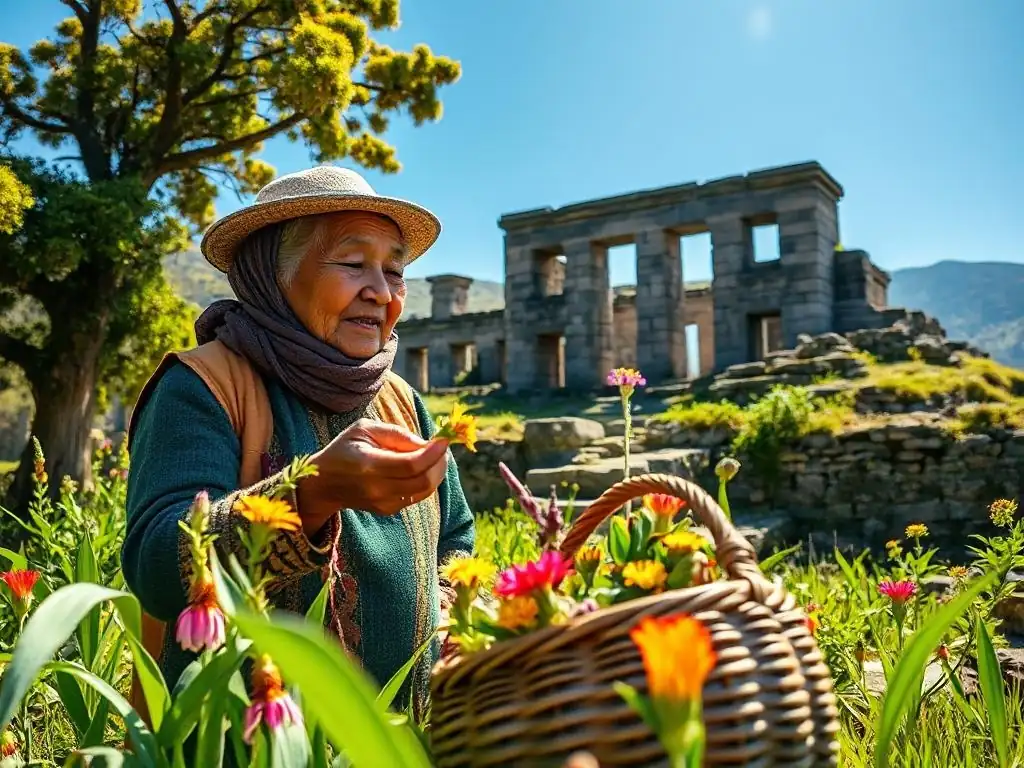
Welcome to Indigenous Civilizations of the Americas, where we invite you to embark on a journey through the rich tapestry of cultures that flourished long before European contact. In this vibrant exploration, we delve deeply into the remarkable achievements, intricate societies, and enduring legacies of indigenous peoples.
Our featured article, “Inca Knowledge of Plant Medicine: Ancient Remedies and Their Modern Applications,” uncovers the profound wisdom of the Inca civilization, revealing the secrets of their medicinal plants that continue to inspire and heal today. Prepare to be captivated by the stories and knowledge that await you—dive in and discover the transformative power of Inca plant medicine remedies!
Introduction to Inca Plant Medicine Remedies
The Inca civilization, one of the most remarkable cultures in pre-Columbian America, was not only known for its impressive architecture and vast empire but also for its sophisticated understanding of plant medicine. Inca plant medicine remedies played a crucial role in daily life, serving as primary healthcare solutions long before the advent of modern pharmaceuticals.
This article explores the intricate knowledge the Incas possessed regarding medicinal plants, the societal significance of these remedies, and their applications in contemporary medicine. By delving into the ancient practices of the Incas, we can uncover valuable insights into the harmonious relationship between indigenous cultures and their natural environment.
Overview of Inca Civilization and Its Medical Practices
The Inca Empire, which flourished from the early 15th century until the Spanish conquest in the 16th century, encompassed a vast territory across present-day Peru, Ecuador, Bolivia, and parts of Chile and Argentina. This civilization established a complex society with advanced agricultural techniques, impressive architectural feats, and a rich cultural heritage. Central to their way of life was a profound understanding of the natural world, particularly in the realm of medicine.
Inca medical practices were deeply intertwined with spirituality and the reverence for Pachamama (Mother Earth). They utilized a range of natural resources, including plants, minerals, and animal products, to treat various ailments. Inca healers, known as "curanderos," were highly respected figures within their communities, often acting as both medical practitioners and spiritual guides. Their knowledge was passed down through generations, forming an extensive body of traditional medicine that emphasized preventative care and the holistic well-being of individuals.
Importance of Plant Medicine in Inca Society
Plant medicine was integral to Inca society for several reasons:
- Accessibility: The Incas relied on the abundant flora in their environment, ensuring that remedies were accessible to all, regardless of social status.
- Cultural Significance: Many plants held symbolic meanings and were incorporated into rituals and ceremonies, reinforcing their importance in both health and spirituality.
- Community Health: With a strong emphasis on communal living, the use of herbal remedies fostered a sense of collective responsibility for health and wellness.
- Sustainability: The Incas practiced sustainable harvesting methods, ensuring that medicinal plants were available for future generations.
Through these practices, the Incas demonstrated an advanced understanding of botany and pharmacology, which continues to influence modern herbal medicine.
Key Inca Plant Medicine Remedies
The legacy of Inca plant medicine is evident in numerous remedies still in use today. Their profound knowledge of local flora has opened pathways for modern scientific research into the therapeutic properties of these plants.
Commonly Used Medicinal Plants in Inca Culture
The Incas utilized a vast array of medicinal plants, some of which are still recognized for their healing properties today. Here are a few notable examples:
- Chiric Sanango (Brunfelsia grandiflora): Known for its anti-inflammatory and analgesic properties, this plant was often used to relieve pain and treat fevers.
- Maca (Lepidium meyenii): A root vegetable praised for its energy-boosting effects and potential to enhance fertility.
- Sangre de Drago (Croton lechleri): The sap of this tree has been utilized for its wound-healing and anti-inflammatory properties.
- Eucalyptus (Eucalyptus globulus): Valued for its antiseptic and respiratory benefits, this plant has a long history of use in healing practices.
Preparation and Application of Inca Herbal Remedies
The preparation of Inca herbal remedies often involved various methods, including:
- Infusions: Steeping leaves or flowers in hot water to extract medicinal properties.
- Decoctions: Boiling roots or bark to create concentrated solutions.
- Pastes: Grinding plants into a paste for topical applications or poultices.
These remedies were administered based on a patient's specific condition, with careful attention to dosage and timing. The holistic approach of Inca medicine emphasized the importance of individual health profiles, taking into account a person's physical, emotional, and spiritual well-being.
Case Study: Eucalyptus and Its Uses in Inca Healing
Eucalyptus, native to Australia but widely adopted in South America, serves as a fascinating case study in Inca healing practices. Inca healers recognized its antiseptic properties and frequently used it to treat respiratory infections, coughs, and colds. The leaves would often be brewed into a tea or inhaled through steam to maximize its therapeutic effects.
Modern research corroborates the efficacy of eucalyptus in promoting respiratory health, showcasing how ancient knowledge can inform contemporary medical practices. This example highlights the enduring legacy of Inca plant medicine and its relevance in today's world, bridging the gap between traditional remedies and modern science.
The Science Behind Inca Plant Medicine
The Inca civilization exhibited a profound understanding of plant medicine that combined empirical observation with spiritual beliefs. Central to their medicinal practices was the concept of ayni, or reciprocity, which emphasized a balanced relationship with nature and the importance of sustainable harvesting. This holistic perspective contributed to their extensive knowledge of local flora, enabling them to identify and utilize a myriad of plants for health benefits.
The Inca utilized plants not only for their nutritional value but also for their therapeutic properties. They crafted remedies from diverse botanical sources, employing techniques that included infusions, decoctions, and poultices. The incorporation of rituals and spiritual elements into their healing practices illustrated the cultural significance of plant medicine within Inca society. Their extensive pharmacopoeia encompassed treatments for ailments ranging from digestive issues to respiratory conditions, showcasing their advanced understanding of phytotherapy.
Understanding Phytochemistry: How Plants Affect the Body
Phytochemistry is the study of the chemical compounds produced by plants, including their potential therapeutic effects. Inca plant medicine remedies are rich in bioactive compounds, such as alkaloids, flavonoids, and terpenes, which can interact with biological systems in various ways. For instance, alkaloids like those found in coca ( Erythroxylum coca) have stimulant properties and have been used traditionally to alleviate altitude sickness, while flavonoids present in quinoa ( Chenopodium quinoa) exhibit anti-inflammatory effects.
Research into the phytochemical properties of these plants has revealed how they can modulate bodily functions, support immune responses, and provide antioxidants. This scientific understanding validates many of the traditional remedies used by the Inca, as modern studies increasingly confirm the efficacy of these ancient applications. The exploration of phytochemistry not only enhances our appreciation for traditional knowledge but also opens avenues for developing new therapeutic agents derived from these indigenous plants.
Traditional Knowledge vs. Modern Scientific Validation
The intersection of traditional knowledge and modern scientific validation highlights the complexities of understanding Inca plant medicine. Traditional healers, known as curanderos, relied on centuries of cumulative knowledge, passed down through generations, to treat various ailments. Their insights were often based on direct experiences and observations in the natural world, which provided a rich context for understanding the medicinal properties of plants.
In recent years, there has been a growing interest in validating these traditional practices through scientific inquiry. Studies have aimed to isolate active compounds from Inca plant remedies and assess their pharmacological effects. For instance, llanten ( Plantago lanceolata), traditionally used for respiratory issues, has been subjected to clinical testing that confirms its efficacy in alleviating coughs and bronchial inflammation. This convergence of traditional wisdom and scientific validation not only reinforces the legitimacy of Inca plant medicine but also encourages an integrative approach to healthcare that respects and utilizes the insights of both paradigms.
Modern Applications of Inca Plant Remedies
The resurgence of interest in alternative medicine has brought Inca plant remedies back into the spotlight, revealing their potential applications in contemporary health practices. Many of these ancient remedies are being explored for their therapeutic benefits, both as standalone treatments and as complementary therapies alongside conventional medicine. This revival is partly due to the growing recognition of the importance of holistic and natural approaches to health, addressing both physical and emotional well-being.
Contemporary Uses of Inca Plant Medicine in Alternative Healing
Today, Inca plant medicine is increasingly employed in alternative healing practices, including herbalism, aromatherapy, and holistic health therapies. Practitioners often use traditional remedies derived from Inca plants such as maca ( Lepidium meyenii), known for its energizing effects, and ayahuasca ( Banisteriopsis caapi), which is utilized in spiritual and psychological healing sessions. These practices often emphasize the importance of connecting with the spiritual and emotional aspects of health, mirroring the Inca approach to medicine.
Furthermore, the contemporary wellness movement has seen a rise in the popularity of adaptogens—plants that help the body adapt to stress. Many Inca plants, such as ashwagandha ( Withania somnifera) and muña ( Minthostachys setosa), are being researched for their adaptogenic properties, leading to a renewed interest in their potential health benefits. This modern application not only preserves the cultural heritage of the Inca but also introduces these remedies to a broader audience seeking natural alternatives to health and wellness.
Integrating Ancient Remedies into Modern Medicine
The integration of ancient remedies into modern medicine poses both opportunities and challenges. As researchers and healthcare practitioners recognize the potential benefits of Inca plant medicine, there is a growing interest in incorporating these remedies into clinical practice. This involves rigorous scientific studies to ensure safety, efficacy, and standardized dosages, providing a pathway for these traditional practices to be embraced within the healthcare system.
Moreover, the collaboration between traditional healers and modern medical practitioners can facilitate knowledge exchange, enhancing the understanding of both systems. Such partnerships can lead to the development of integrative treatment protocols that honor the insights of Inca plant medicine while ensuring adherence to modern medical standards. By fostering this collaboration, we can create a more holistic approach to healthcare that respects the wisdom of indigenous traditions while leveraging contemporary scientific advancements for the benefit of patients.
Challenges and Preservation of Inca Knowledge
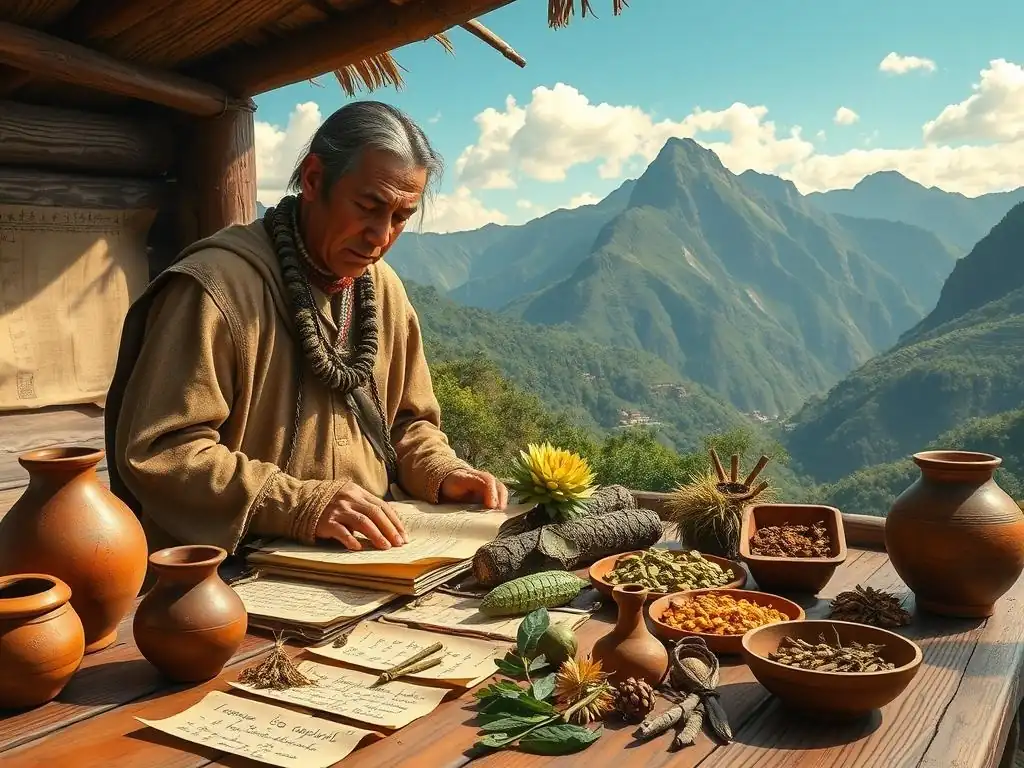
The knowledge of Inca plant medicine, once a vibrant and essential part of the daily lives of the Andean people, faces significant challenges in its preservation. As modernity encroaches on traditional practices, the rich tapestry of indigenous knowledge is at risk of being lost. This section explores the threats to traditional plant medicine practices and the ongoing efforts to preserve this invaluable heritage.
Threats to Traditional Plant Medicine Practices
One of the primary threats to traditional Inca plant medicine practices is globalization. As Western medicine becomes more dominant, younger generations are increasingly drawn away from their ancestral knowledge, opting for modern healthcare solutions that often overlook the value of natural remedies. This shift can lead to a decline in the transmission of traditional knowledge from elder to youth, which is crucial for keeping these practices alive.
Moreover, environmental changes, such as deforestation, climate change, and the introduction of invasive species, threaten the very plants that are integral to Inca remedies. Many medicinal plants are becoming scarce or extinct due to habitat loss, making it difficult for practitioners to access the materials they need. Additionally, economic pressures can lead communities to exploit their natural resources unsustainably, further jeopardizing the biodiversity that supports traditional medicine.
Efforts to Preserve Inca Remedies and Knowledge
Despite these challenges, there are concerted efforts to preserve Inca plant medicine and its knowledge. Community-led initiatives have emerged, focusing on documenting traditional practices and the medicinal properties of local plants. Collaborations between indigenous healers and researchers are fostering a revival of interest in plant medicine, allowing for the exchange of knowledge and techniques.
Educational programs aimed at younger generations are also crucial. By integrating traditional knowledge into school curricula, communities can instill a sense of pride and ownership over their heritage. Furthermore, the establishment of botanical gardens dedicated to native plants serves as a living repository of knowledge, ensuring that these important species and their uses are not forgotten.
Conclusion
The relevance of Inca plant medicine is increasingly recognized in today's world, offering insights into sustainable practices and holistic healing approaches. As we navigate modern healthcare challenges, the wisdom embedded in these ancient remedies holds promise for enhancing contemporary medical practices.
The Relevance of Inca Plant Medicine in Today's World
Inca plant medicine is not just a relic of the past; it is a burgeoning field of interest in both herbal medicine and pharmacology. The therapeutic potential of various Inca remedies, such as maca for energy and coca for altitude sickness, are being studied for their benefits in contemporary health practices. As more people seek natural and holistic alternatives to synthetic drugs, the principles of Inca plant medicine resonate with current wellness trends.
Moreover, the integration of traditional knowledge with modern science has led to new discoveries in pharmacognosy, the study of medicines derived from natural sources. Researchers are increasingly looking at the compounds found in Inca medicinal plants, leading to the development of new pharmaceuticals that are both effective and sustainable.
Future Prospects for Inca Remedies in Medicine and Healing
The future of Inca remedies in medicine and healing appears promising, particularly as there is a growing movement towards incorporating traditional medicine into public health frameworks. The recognition of indigenous knowledge as a legitimate form of healthcare is paving the way for collaborations between traditional healers and medical professionals.
Furthermore, as awareness of biodiversity and environmental sustainability increases, the conservation of medicinal plants is becoming a priority. Initiatives aimed at sustainable harvesting and cultivation of these plants can provide economic opportunities for indigenous communities while preserving their cultural heritage.
The revival and preservation of Inca plant medicine not only honors the past but also offers valuable insights for future healthcare practices. By bridging the gap between ancient knowledge and modern science, we can ensure that these remedies continue to thrive for generations to come.
References
Academic Sources and Studies on Inca Plant Medicine
The study of Inca plant medicine has garnered significant attention in academic circles, leading to a wealth of research that explores the intricate systems of healing practices developed by the Inca civilization. Several key academic sources provide valuable insights into the medicinal plants used by the Incas, their preparation methods, and the cultural significance of these practices.
- Ethnobotanical Studies: Research by scholars such as Dr. Michael J. Balick highlights the biodiversity of medicinal plants in the Andes and their traditional uses among indigenous populations, including the Incas. His work emphasizes how the knowledge of these plants is deeply rooted in the cultural practices and oral traditions of the Andean people.
- Phytochemical Research: Studies conducted by Dr. William A. Duke focus on the chemical properties of plants traditionally used in Inca medicine, such as Erythroxylum coca (coca) and Uncaria tomentosa (cat’s claw). These studies often evaluate the efficacy of these plants in treating various ailments, providing a scientific basis for their historical use.
- Historical Texts and Archaeological Findings: Research published in journals like the Journal of Ethnopharmacology often reviews historical texts and archaeological discoveries that shed light on the sophisticated understanding the Incas had regarding plant properties and their applications in healing practices.
- Cultural Perspectives: Academic works, such as those by Dr. Emiliano M. Aguirre, delve into the cultural dimensions of Inca medicine, illustrating how these practices were intertwined with spiritual beliefs and societal norms.
Indigenous Knowledge Holders and Practitioners in Plant Medicine
Indigenous knowledge holders and practitioners play a crucial role in the preservation and continuation of Inca plant medicine traditions. Their expertise is not only invaluable in maintaining cultural heritage but also in providing modern insights into the healing properties of plants.
- Traditional Healers: In many Andean communities, traditional healers, known as curanderos or curanderas, are the custodians of ancestral knowledge regarding plant medicine. They utilize a rich understanding of local flora, passed down through generations, to diagnose and treat various ailments. The practice often involves a combination of herbal remedies, rituals, and the use of spiritual elements.
- Community Workshops: Many indigenous groups engage in community workshops aimed at educating younger generations about traditional plant medicine. These workshops not only teach the practical aspects of harvesting and preparing medicinal plants but also emphasize the cultural significance of these practices in the context of identity and heritage.
- Collaborative Research: Partnerships between indigenous knowledge holders and academic researchers have emerged, leading to collaborative studies that validate traditional practices through scientific inquiry. This collaboration helps to bridge the gap between traditional knowledge and modern medicine, showcasing the efficacy of Inca plant medicine remedies in contemporary health practices.
- Cultural Resilience: The ongoing practice of plant medicine among indigenous communities reflects a broader cultural resilience. As modern health challenges arise, the knowledge of Inca plant medicine continues to offer viable solutions, demonstrating its relevance and potential in today's world.
By recognizing and honoring the knowledge of indigenous practitioners, we can better appreciate the rich tapestry of Inca plant medicine and its applications, both ancient and modern.
- Introduction to Inca Plant Medicine Remedies
- Key Inca Plant Medicine Remedies
- The Science Behind Inca Plant Medicine
- Modern Applications of Inca Plant Remedies
- Challenges and Preservation of Inca Knowledge
- Conclusion
- References
Frequently Asked Questions
What is the significance of Inca plant medicine remedies?
Inca plant medicine remedies played a crucial role in their healthcare practices, utilizing various native plants for healing and wellness. These remedies are still appreciated today for their natural properties.
How did the Inca civilization use plant medicine?
The Inca civilization employed plant medicine through a combination of traditional knowledge and spiritual beliefs. Shamans often administered these remedies, believing they could connect with spiritual forces to aid healing.
Are any Inca plant remedies used in modern medicine?
Yes, many Inca plant remedies have found applications in modern medicine, particularly in herbal treatments and natural healing practices. Some plants are researched for their potential effects on various health conditions.
What types of plants were commonly used in Inca medicine?
The Incas utilized a variety of plants, including coca leaves, quinoa, and various herbs. Each plant had specific uses, such as pain relief, digestive health, and wound healing.
How can I learn more about Inca plant medicine?
To explore Inca plant medicine, consider visiting dedicated websites, reading academic articles, or engaging in courses that focus on indigenous healing traditions and their relevance today.
Final Reflection: The Timeless Wisdom of Inca Plant Medicine
The ancient knowledge of Inca plant medicine remedies remains profoundly relevant today, as we increasingly seek holistic approaches to health and wellness. In a world dominated by synthetic pharmaceuticals, the resurgence of interest in natural remedies highlights a collective yearning for sustainable and effective healing practices. The wisdom of the Incas, rooted in a deep understanding of nature, offers invaluable insights that can guide us in navigating modern health challenges.
The influence of Inca plant medicine extends far beyond historical curiosity; it shapes contemporary cultural and social landscapes by fostering a renewed appreciation for indigenous knowledge systems. As we witness a growing movement towards integrative medicine, the principles of Inca remedies inspire a holistic view of health that emphasizes balance, connection, and respect for the environment. In nature, nothing exists alone.
– Rachel Carson. This quote encapsulates the essence of Inca plant medicine, reminding us that our well-being is intricately linked to the natural world.
As we reflect on the lessons of Inca plant medicine, let us embrace the opportunity to incorporate these ancient remedies into our lives. Consider exploring the natural world around you, learning about the plants that have been used for generations, and integrating their wisdom into your health practices. By honoring and applying this knowledge, we not only enrich our own lives but also contribute to the preservation of a legacy that has much to teach us about living in harmony with nature.
Unveil Ancient Wisdom for Modern Healing!
Thank you for diving into the fascinating world of Inca plant medicine! We hope you found inspiration in the ancient remedies that still hold relevance today. Now, it’s time to transform this knowledge into action.
Here's how you can start exploring and benefiting from these powerful traditions:
- Discover local herbs and plants that align with the principles of Inca plant medicine. Consider starting a small herb garden to cultivate your own natural remedies!
- Join online communities or local workshops focused on traditional medicinal practices to connect with like-minded individuals and deepen your understanding.
- Share what you’ve learned with others, whether through social media or in conversations with friends and family. Spark discussions about the importance of indigenous knowledge in contemporary healing.
What natural remedy from the Inca tradition are you excited to try, and how do you think it could enhance your well-being?