
Moche Ceramics and Their Religious Symbolism: An Artistic Perspective

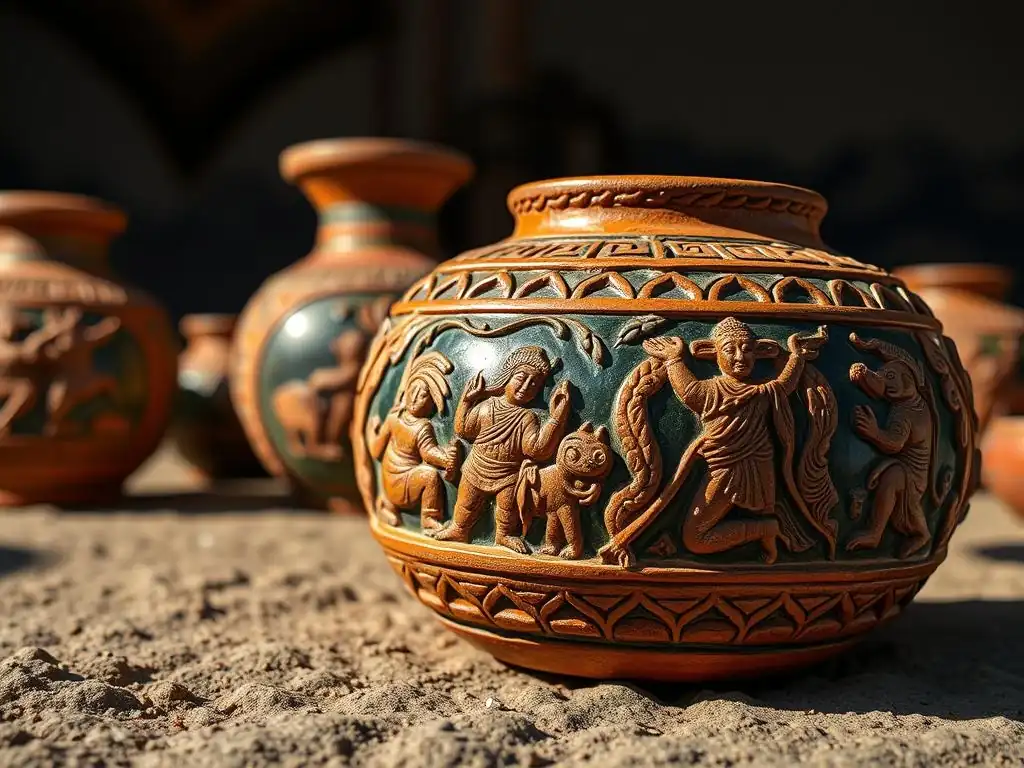
Welcome to Indigenous Civilizations of the Americas, where we embark on a captivating journey through the rich tapestry of cultures that flourished long before European contact. Here, you will uncover the profound stories of achievement and resilience that define these societies. Delve into our featured article on Moche ceramics and their religious symbolism, and discover how these exquisite artifacts not only reflect artistic mastery but also embody the spiritual beliefs and practices of the Moche civilization.
What secrets do these vibrant pieces hold? Join us as we explore the intricate connections between art and faith, and unlock the mysteries of the past that continue to resonate today.
- Introduction to Moche Ceramics and Their Religious Symbolism
- Characteristics of Moche Ceramics
- Religious Symbolism in Moche Ceramics
- The Role of Ceramics in Moche Rituals and Ceremonies
- Artistic Perspectives on Moche Ceramics
- Conclusion
- Frequently Asked Questions
- Final Reflection: The Enduring Legacy of Moche Ceramics and Their Religious Symbolism
- Unleash Your Creativity with Moche Ceramics!
Introduction to Moche Ceramics and Their Religious Symbolism
The Moche civilization, flourishing in northern Peru from approximately 100 to 800 CE, is renowned for its extraordinary artistic achievements, particularly in ceramics. This article delves into the intricate world of Moche ceramics religious symbolism, exploring how these remarkable artifacts reflect the spiritual and cultural beliefs of the Moche people.
Through an examination of their artistic techniques and the religious motifs embedded within their ceramics, we gain insight into the values, rituals, and mythology that shaped Moche society. These ceramics not only serve as a testament to the Moche's craftsmanship but also offer a window into their understanding of life, death, and the divine.
Overview of Moche Civilization and Art
The Moche civilization was characterized by its advanced agricultural practices, complex social structures, and impressive architectural feats, including the iconic pyramids of the Sun and Moon. However, it is the artistry of the Moche people that continues to captivate scholars and enthusiasts alike.
Moche art is distinguished by its vivid imagery and innovative techniques, particularly in pottery. Moche artisans skillfully crafted ceramics using a variety of methods, including:
- Molding and Hand-building: Techniques that allowed for intricate designs and detailed representations.
- Slip Painting: A process that involved applying a liquid clay mixture to create decorative patterns.
- Sculptural Forms: Ceramics often featured three-dimensional figures, depicting humans, animals, and supernatural beings.
The religious symbolism found in Moche ceramics is deeply intertwined with their worldview, illustrating the connection between the earthly and the spiritual. From depictions of deities to representations of rituals, these artifacts serve as historical records that illuminate the values and beliefs of the Moche civilization.
Importance of Ceramics in Moche Society
Ceramics played a crucial role in Moche society, serving both functional and ceremonial purposes. These artifacts were not merely utilitarian; they were imbued with religious significance and often used in rituals and offerings to the gods. The importance of ceramics can be summarized in several key aspects:
- Ritual Use: Many Moche ceramics were designed for ritualistic purposes, including ceremonial feasts and burial practices. These items often featured symbolic imagery that represented the spiritual beliefs of the Moche people.
- Cultural Identity: The distinct styles and motifs found in Moche ceramics helped to define cultural identity and continuity, linking communities through shared artistic expressions.
- Social Status: The quality and design of ceramics could signify status within Moche society, with intricately decorated pieces reserved for elites and used in important social events.
Moche ceramics are a rich source of information about the civilization's religious beliefs and societal structures. By studying these artifacts, we can better understand the spiritual dimensions of the Moche culture and their lasting impact on the history of the Americas.
Characteristics of Moche Ceramics
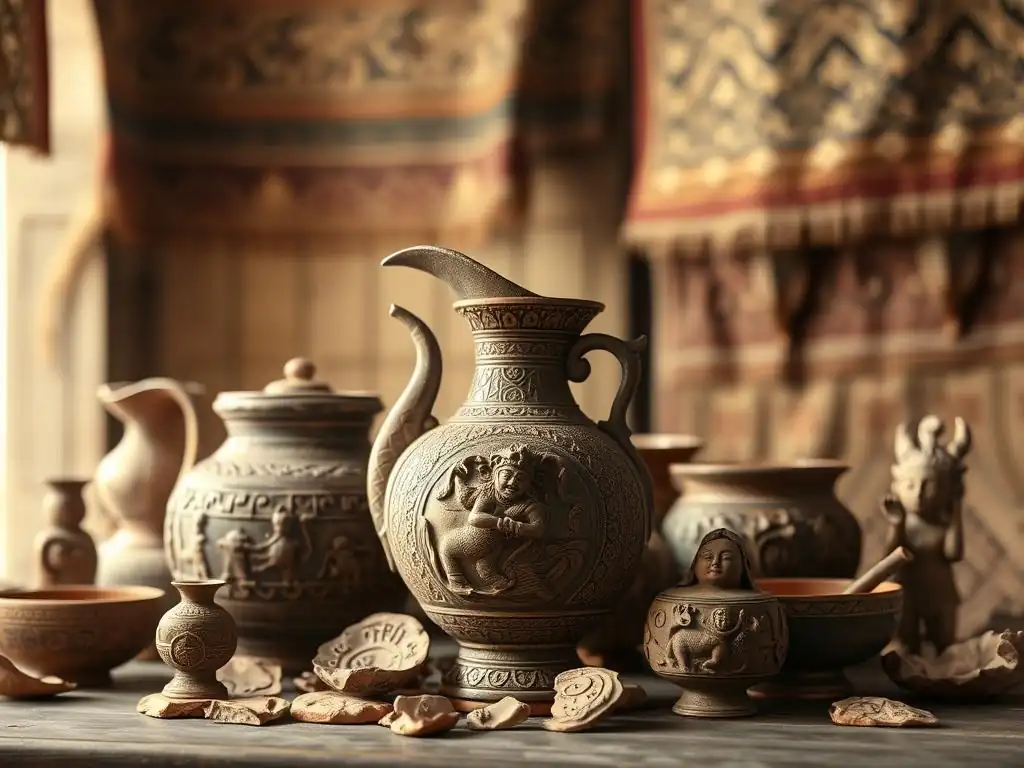
Moche ceramics are renowned for their distinctive characteristics that not only showcase the artistic prowess of the Moche civilization but also convey deep religious symbolism. These ceramics, primarily produced between 100 and 800 CE in present-day northern Peru, are distinguished by their intricate designs, innovative techniques, and varied forms that reflect the socio-religious context of Moche society.
The Moche people's ceramics often featured a range of colors, primarily earthy tones, achieved through precise firing techniques. The use of natural pigments from local minerals and plants allowed for a palette that included reds, blacks, and creams. Notably, the surface of Moche ceramics was often burnished to create a shiny finish, enhancing the visual appeal and reflecting light beautifully.
Additionally, the ceramics were often molded and decorated with reliefs and sculptural elements that depicted various aspects of Moche life, including daily activities, mythological narratives, and ritual practices. These artistic choices were not merely aesthetic; they were imbued with deep meaning, serving as a medium to communicate religious beliefs and cultural values.
Unique Techniques in Moche Ceramics Production
Moche artisans employed several unique techniques in the creation of their ceramics, which contributed to their durability and intricate artistry. One of the most notable methods was slip casting, a process where liquid clay is poured into molds to create uniform shapes. This technique allowed for the mass production of specific forms, such as effigy vessels representing deities or animals.
Another prominent technique was the use of stamping and incising, which involved pressing tools into the soft clay to create detailed designs. These techniques were vital for adding layers of meaning to the ceramics, as many designs were symbolic representations of Moche religious beliefs. For example, motifs of marine life frequently appeared, signifying the importance of water and fertility in Moche cosmology.
Moche potters also mastered the art of coiling, a technique where ropes of clay are stacked to form vessels. This method enabled the creation of large, complex shapes, which were then smoothed and decorated. The combination of these methods not only showcases the technical skills of Moche artisans but also reflects their understanding of form and function in relation to spiritual practices.
Types of Moche Ceramics: Functional vs. Artistic
Moche ceramics can be broadly categorized into two types: functional and artistic. Understanding the differences between these categories provides insight into their role in Moche society and their religious symbolism.
- Functional Ceramics:
- These pieces primarily served everyday purposes, such as cooking, storage, and serving.
- Common forms included pots, bowls, and jars, often designed with practicality in mind.
- Despite their utilitarian nature, even functional ceramics frequently featured decorative elements, reflecting the Moche's aesthetic values and the belief that everyday objects could carry spiritual significance.
- Artistic Ceramics:
- In contrast, artistic ceramics were created primarily for ceremonial purposes or as offerings.
- This category includes effigy vessels, which are sculptural forms that often depict deities, animals, or human figures, rich in symbolism and meant to convey religious narratives.
- These pieces were not intended for daily use; rather, they played a crucial role in rituals and were often buried with the deceased or placed in tombs.
- The intricate designs and craftsmanship of artistic ceramics highlight the Moche's spiritual beliefs, as they were often used to honor gods or ancestors.
The characteristics of Moche ceramics, combined with the unique production techniques and the distinction between functional and artistic forms, underscore the deep religious symbolism embedded in their creations. These artifacts not only provide a glimpse into the Moche civilization's artistic achievements but also serve as a testament to their complex belief systems and cultural identity.
Religious Symbolism in Moche Ceramics
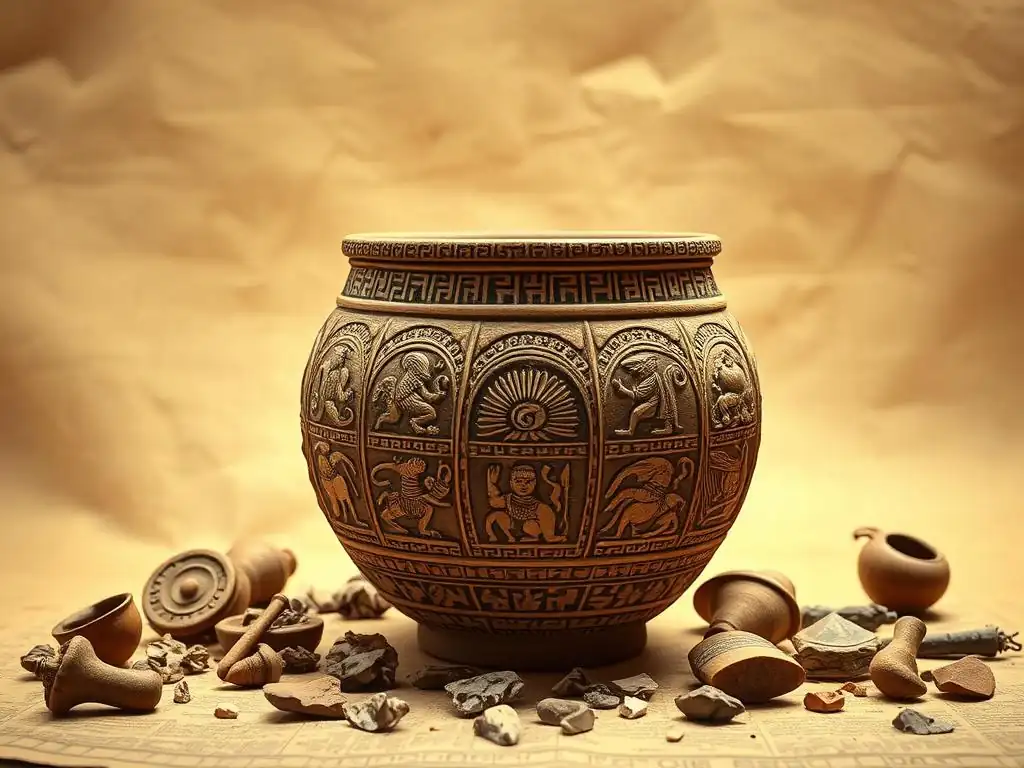
The Moche civilization, known for its remarkable artistic achievements, intricately wove religious symbolism into its ceramics. These artifacts serve not only as utilitarian objects but also as profound expressions of Moche spirituality and belief systems. Moche ceramics religious symbolism reflects the society's understanding of the cosmos, their deities, and their relationships with nature.
Overview of Moche Religious Beliefs
The Moche people, who flourished in present-day northern Peru from approximately 100 to 800 CE, practiced a complex polytheistic religion that centered around nature and the cosmos. Their beliefs were deeply intertwined with the environment, particularly the rivers, mountains, and agricultural cycles, which they revered as manifestations of divine forces.
Key Aspects of Moche Religious Beliefs:
- Deities: The Moche worshipped a pantheon of gods, each representing different natural elements and societal aspects.
- Duality: Many Moche deities embodied dualistic qualities, such as life and death, fertility and drought, which were often depicted in their art.
- Rituals: Ceremonial practices, including sacrifices and offerings, were integral to appeasing the gods and ensuring agricultural prosperity.
Moche ceramics are a vital source of information regarding these beliefs, as they often feature symbolic imagery that conveys spiritual significance.
Key Symbols in Moche Ceramics and Their Meanings
Moche ceramics are replete with symbols that reflect the civilization's religious beliefs. These symbols can be categorized into two primary themes: depictions of deities and representations of animals and nature.
Depictions of Deities in Moche Ceramics
Moche pottery frequently features anthropomorphic figures representing their deities. The most prominent deity is the Decapitator, often depicted wielding a weapon and associated with warfare and sacrifice. This figure symbolizes the cycle of life, death, and rebirth, illustrating the Moche understanding of the afterlife and the importance of ritual sacrifice.
- Iconography: The Decapitator is characterized by distinctive facial features, including exaggerated eyes and elaborate headdresses, which denote power and divine authority.
- Ceremonial Context: Ceramics depicting deities were often used in rituals, emphasizing their role in mediating between the human and divine realms.
Additionally, other deities such as Ai Apaec, the creator god, are represented in various forms, often highlighting attributes like fertility, agriculture, and the cosmos.
Symbolism of Animals and Nature in Moche Art
Animals and natural elements play a crucial role in Moche ceramics, symbolizing various aspects of life and spiritual beliefs. Through these representations, the Moche expressed their connection to the natural world.
- Feline and Avian Symbols: Jaguars and birds frequently appear in Moche ceramics, symbolizing strength, agility, and divine connection. These creatures were often linked to the underworld and the sky, respectively, illustrating the duality of existence.
- Agricultural Motifs: Depictions of crops and agricultural tools are prevalent, representing the Moche's reliance on farming and the importance of fertility in their religious practices.
| Symbol | Meaning | Context |
|---|---|---|
| Decapitator | Life, death, sacrifice | Rituals and ceremonies |
| Jaguars | Strength, power, underworld | Spiritual representation |
| Birds | Divine connection, sky | Symbol of freedom and spirits |
| Crops | Fertility, sustenance | Agricultural rituals |
Moche ceramics religious symbolism serves as a window into the rich spiritual life of the Moche civilization, revealing their intricate beliefs and the ways in which these beliefs influenced their artistic expression. Through the study of these artifacts, we gain insight into how the Moche understood their place in the cosmos and the divine forces that shaped their existence.
The Role of Ceramics in Moche Rituals and Ceremonies
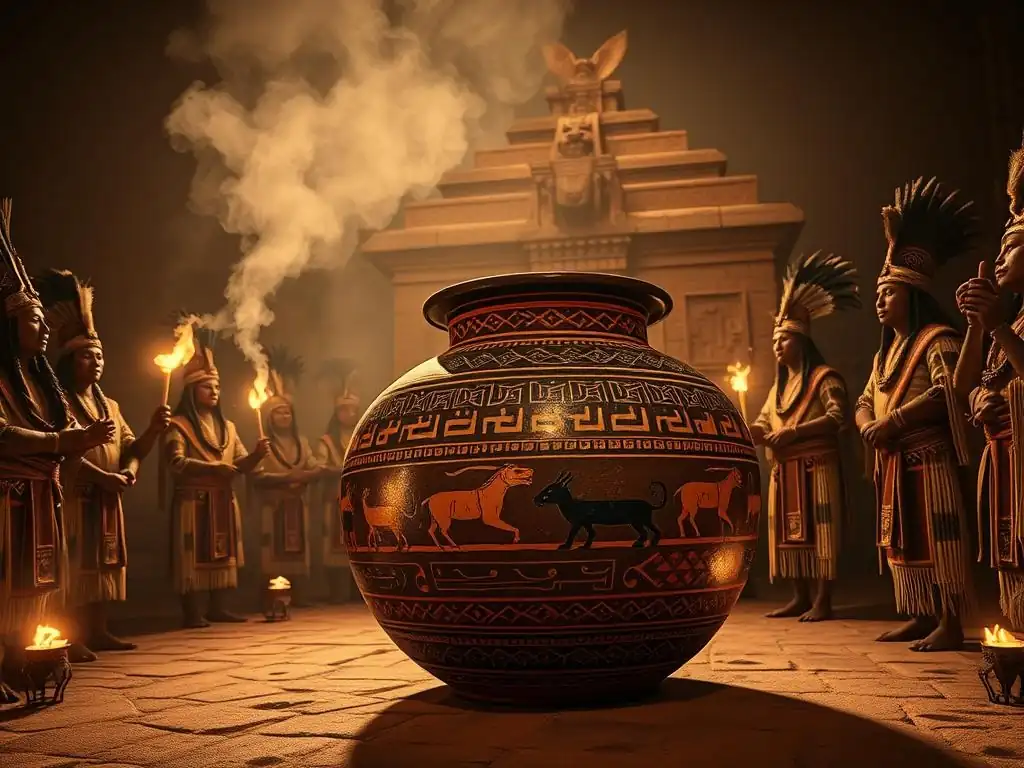
Moche ceramics played a pivotal role in the religious and ceremonial life of the Moche civilization, a culture that flourished on the northern coast of Peru from approximately 100 to 800 CE. These ceramics were not merely utilitarian objects; they were imbued with deep spiritual significance and served as vital components in various rituals and ceremonies. The intricate designs and motifs found on Moche pottery reflect a complex belief system that intertwined daily life with the divine.
Ceramics were often employed in significant ceremonial contexts, including funerary practices, agricultural rituals, and offerings to deities. The Moche believed that the act of creating and using ceramics was a way to communicate with and honor their gods. This relationship between pottery and spirituality is evident in the diverse forms and functions of the ceramics produced during this era.
Ceremonial Uses of Moche Ceramics
The ceremonial uses of Moche ceramics can primarily be categorized into two main types: ritualistic vessels and figurative pottery. Each type served distinct purposes within Moche religious practices.
-
Ritualistic Vessels:
Moche artisans crafted elaborate vessels that were used during rituals. These vessels often featured intricate designs, including depictions of deities, animals, and mythological scenes. Some vessels were specifically designed for ceremonial drinking, allowing participants to consume chicha (a fermented corn beverage) during religious ceremonies. The act of drinking from these decorated vessels was believed to facilitate a connection with the divine.
-
Figurative Pottery:
Another significant aspect of Moche ceramics is the creation of figurines and effigies. These three-dimensional representations often depicted gods, mythological creatures, or ancestral figures, and were utilized in various rituals. For instance, figurines may have been included in burial sites as offerings to ensure safe passage to the afterlife or as symbols of protection for the deceased.
The elaborate nature of Moche ceramics, characterized by their detailed iconography and skilled craftsmanship, underscores their importance in the spiritual and social fabric of Moche society.
Ceramics as Offerings: Insights into Moche Spiritual Practices
Ceramics also served as offerings in Moche spiritual practices, reflecting the culture's deeply held beliefs about the afterlife and the influence of the supernatural on daily existence. The use of ceramics as offerings can be understood through various dimensions:
-
Funerary Offerings:
Moche burial sites often contained an array of ceramic items placed alongside the deceased. These offerings were believed to accompany the individual in the afterlife, providing sustenance and protection. The inclusion of intricately designed vessels and figurines indicated the status of the deceased and their relationship with the divine.
-
Agricultural Rituals:
Ceramics were also integral to agricultural ceremonies, where they were used to make offerings to the earth and fertility deities. For example, during planting and harvesting seasons, Moche farmers would present ceramic vessels filled with food and drink as a way to ensure a bountiful crop. The symbolism of these offerings reflected the Moche belief in reciprocity between humans and the gods.
-
Ceremonial Burials of Ceramics:
In certain ritual contexts, specific ceramics were intentionally broken or buried as a form of offering. This practice symbolized the act of giving back to the earth and the deities, reinforcing the idea that the physical world and the spiritual realm were interconnected. The fragments of these ceramics often held as much significance as intact vessels, as they represented a transformed state of being.
The religious symbolism of Moche ceramics is deeply embedded in their ceremonial and offering practices. Through the lens of pottery, we gain valuable insights into the spiritual beliefs and rituals that shaped the Moche civilization, revealing a rich tapestry of artistic expression and profound reverence for the divine. The intricate relationship between Moche ceramics and their religious practices continues to captivate scholars and enthusiasts alike, highlighting the enduring legacy of this remarkable culture.
Artistic Perspectives on Moche Ceramics
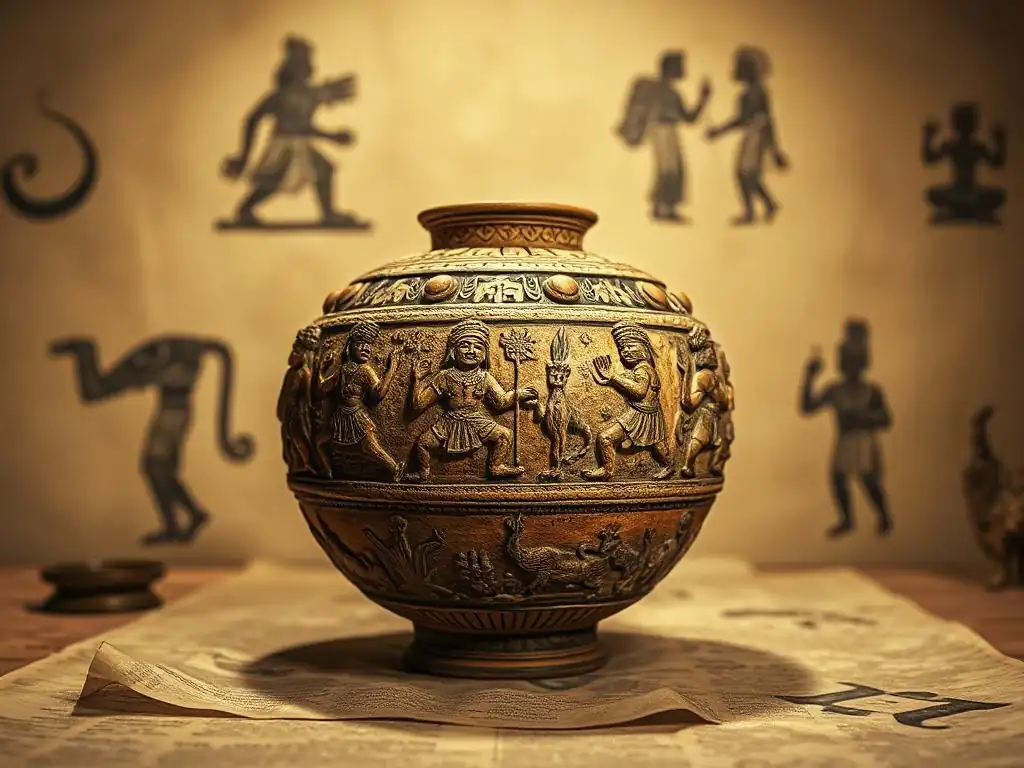
Moche ceramics are a remarkable testament to the artistic prowess and cultural depth of the Moche civilization, which flourished in present-day Peru from approximately 100 to 800 CE. These ceramics are not merely utilitarian objects; they are imbued with rich religious symbolism and reflect the complex social and spiritual lives of the Moche people. The intricate designs, vibrant colors, and diverse shapes of these ceramics offer a window into the beliefs, rituals, and everyday life of this ancient culture.
The artistry of Moche ceramics is characterized by its attention to detail and the use of various techniques, including mold-making and painting. One of the most striking features is the three-dimensional representations of deities, animals, and human figures, often linked to their religious practices. The use of iconography in these ceramics serves to convey narratives and ideologies central to Moche spirituality. For instance, many pieces depict the Moche's pantheon of gods, illustrating their reverence for natural forces and ancestral figures.
Moreover, ceramics were often used in ceremonial contexts, serving as offerings in rituals that aimed to appease deities or ensure agricultural fertility. The depictions on these vessels provide insights into the Moche's understanding of the cosmos, life, and death, which were deeply intertwined with their agricultural practices and seasonal cycles. Thus, Moche ceramics are not only artistic expressions but also vital records of their religious beliefs and societal values.
Influences of Moche Ceramics on Contemporary Indigenous Art
The impact of Moche ceramics extends beyond their historical context; they continue to influence contemporary indigenous art in Peru and beyond. Modern artists draw inspiration from Moche motifs, techniques, and themes, integrating them into their own works to express cultural identity and continuity. This revival of Moche aesthetics is particularly significant as it serves to reconnect contemporary indigenous communities with their ancestral heritage.
For example, many contemporary artisans incorporate traditional Moche designs into ceramics, textiles, and other art forms. These modern interpretations often blend ancient symbolism with contemporary narratives, addressing current social issues while honoring ancestral traditions. This artistic dialogue fosters a sense of pride and belonging among indigenous peoples, as it reinforces their cultural legacy and resilience.
In addition to visual arts, the themes of Moche ceramics are also echoed in performance art and storytelling. Artists often use these ancient narratives to explore themes of identity, spirituality, and community, creating a bridge between the past and present. As such, Moche ceramics not only serve as a source of inspiration but also as a medium for cultural expression and social commentary in the modern context.
Preservation of Moche Ceramics and Cultural Heritage
The preservation of Moche ceramics is crucial for understanding and appreciating the rich cultural heritage of the Moche civilization. Efforts to protect these artifacts are essential not only for historical scholarship but also for the cultural identity of contemporary indigenous communities. Various institutions, including museums and cultural organizations, are actively engaged in the conservation and study of Moche ceramics.
Key aspects of preservation efforts include:
- Archaeological Excavations: Ongoing excavations help uncover new ceramic artifacts, providing insights into Moche life and religious practices. These efforts are often conducted in collaboration with local communities to ensure that the cultural significance of the findings is respected and integrated into local heritage narratives.
- Conservation Techniques: Advanced conservation methods are employed to restore and preserve existing Moche ceramics, ensuring their longevity for future generations. This includes careful handling, climate control, and the use of specialized materials to stabilize fragile pieces.
- Cultural Education: Programs aimed at educating both the public and indigenous communities about the importance of Moche ceramics foster awareness and appreciation. Workshops, exhibitions, and community events encourage participation and dialogue around Moche heritage, reinforcing its relevance in contemporary society.
The ongoing efforts to preserve Moche ceramics not only safeguard these invaluable artifacts but also empower indigenous communities to reclaim and celebrate their cultural heritage. By recognizing the significance of these ceramic works, we can ensure that the artistic and religious symbolism inherent in Moche ceramics continues to inspire and educate future generations.
Conclusion
Summary of Moche Ceramics and Their Religious Symbolism
Moche ceramics are not just artistic expressions; they serve as pivotal artifacts that reveal the religious beliefs and practices of the Moche civilization. These ceramics, characterized by their intricate designs and diverse forms, often depict gods, mythological creatures, and ritualistic scenes that provide insight into the Moche worldview. The careful craftsmanship and symbolic elements embedded within these pieces indicate a society deeply connected to its religious and spiritual practices.
The Moche ceramics religious symbolism can be categorized into several key themes:
- Deities and Mythology: Many ceramics feature anthropomorphic figures representing the Moche pantheon, suggesting a complex belief system centered around deities associated with nature, fertility, and agriculture.
- Ritual Practices: The presence of ceremonial vessels indicates the importance of rituals in Moche society, often linked to agricultural cycles, ancestor worship, and communal gatherings.
- Duality and Transformation: Symbolic representations of duality, such as life and death or fertility and drought, emphasize the Moche understanding of the balance between opposing forces in the universe.
Moche ceramics are vital to understanding how religion influenced their daily lives and cultural identity. These artifacts not only showcase the artistic prowess of the Moche artisans but also serve as a window into the spiritual dimensions of their civilization.
The Legacy of Moche Ceramics in Understanding Indigenous Spirituality
The legacy of Moche ceramics extends beyond their immediate aesthetic value; they are essential for comprehending the broader framework of indigenous spirituality in the Americas. These artifacts have paved the way for a deeper appreciation of how ancient societies articulated their beliefs and traditions through material culture.
- Cultural Continuity: The motifs and symbols found in Moche ceramics have been studied extensively and continue to influence contemporary indigenous art, demonstrating a continuity of cultural expression.
- Archaeological Insights: Excavations of Moche sites have revealed a wealth of ceramic pieces, allowing archaeologists and historians to piece together the spiritual and social dynamics of the Moche civilization. This data contributes to a more nuanced understanding of how indigenous peoples interacted with their environment and each other.
- Educational Value: Moche ceramics serve as educational tools, offering insights not only into Moche society but also into the shared spiritual themes among various indigenous cultures in the Americas, promoting a broader understanding of indigenous philosophies.
The significance of Moche ceramics lies in their dual role as artistic masterpieces and profound symbols of religious belief. They encapsulate the essence of Moche spirituality and offer invaluable insights into the indigenous cultures of the Americas, enriching our understanding of their heritage and enduring impact.
Frequently Asked Questions
What are Moche ceramics?
Moche ceramics are intricately designed pottery created by the Moche civilization in ancient Peru, known for their vivid colors and realistic depictions of human figures and animals.
How did Moche ceramics reflect religious beliefs?
Moche ceramics often feature religious symbolism, portraying deities, mythological themes, and ritualistic scenes that highlight the importance of spirituality in their daily lives.
What techniques were used in Moche pottery?
Moche artisans utilized coiling, molding, and slip painting techniques to create detailed and expressive ceramics, showcasing their artistic skill and cultural significance.
What role did ceramics play in Moche society?
Ceramics were not only utilitarian but also served as a medium for cultural expression and religious practices, often used in ceremonial contexts to honor their gods.
Why is the study of Moche ceramics significant today?
Studying Moche ceramics allows us to understand their artistic achievements, social structure, and religious practices, contributing to our knowledge of pre-Columbian civilizations and their lasting impact on history.
Final Reflection: The Enduring Legacy of Moche Ceramics and Their Religious Symbolism
The intricate beauty and profound religious symbolism of Moche ceramics remain remarkably relevant today, as they offer a window into the spiritual and artistic practices of an ancient civilization. In a world increasingly disconnected from its historical roots, the Moche people's artistic expressions serve as a vital reminder of how art can encapsulate belief systems and cultural narratives. Their ceramics not only tell stories of the past but also challenge us to recognize the significance of art in understanding our own identities and spiritual journeys.
The influence of Moche ceramics extends beyond mere aesthetics; it shapes our cultural landscape by inviting us to explore the connections between art, spirituality, and community. The intricate designs and motifs found in Moche pottery resonate with contemporary discussions about the role of art in society, urging us to consider how our own artistic expressions reflect our beliefs and values. Art is the most beautiful of all lies.
This quote by Claude Debussy encapsulates the idea that while art may not always represent reality, it profoundly influences our understanding of the world and ourselves.
As we reflect on the lessons imparted by Moche ceramics and their rich religious symbolism, let us embrace the opportunity to explore our own creative expressions. I invite you to consider how your art—whether through visual mediums, writing, or other forms—can serve as a conduit for your beliefs and experiences. By engaging with the artistic legacies of the past, we can cultivate a deeper appreciation for our own narratives and the diverse tapestry of human expression that continues to evolve.
Unleash Your Creativity with Moche Ceramics!
Thank you for diving into the fascinating world of Moche ceramics and their rich religious symbolism! We hope you gained valuable insights that enhance your appreciation for this unique art form. Now, it’s time to transform that inspiration into action.
Here are a few ways you can engage further:
- Explore the Beauty: Visit a local museum or an online gallery that features Moche ceramics. Take the time to admire the intricate designs and contemplate their meanings.
- Create Your Own Art: Gather some clay and try replicating the themes you’ve learned about. Let your imagination flow and incorporate symbols that resonate with you!
- Share Your Discoveries: Join our community! Share your thoughts or creations on social media using the hashtag #IndigenousArt, and connect with others who are passionate about Indigenous art and culture.
What insights have you gained from Moche ceramics that could inspire your own creativity? We invite you to share your thoughts in the comments below!