
The Moche and Their Architectural Wonders: Science Meets Art in Ancient Peru

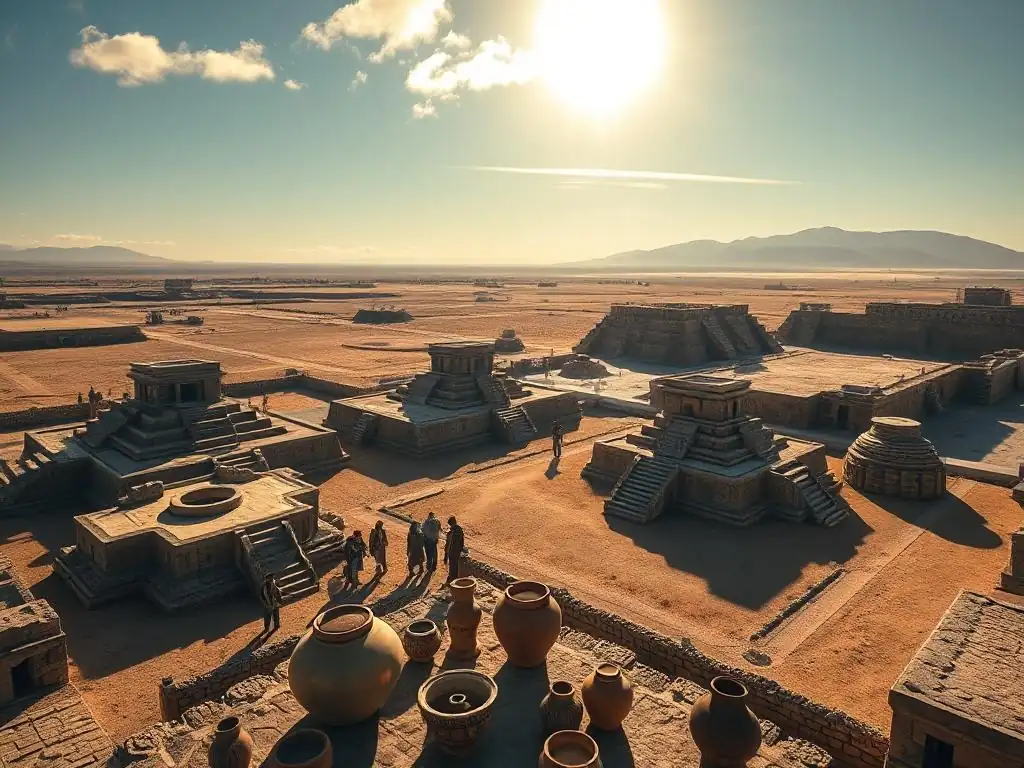
Welcome to Indigenous Civilizations of the Americas! Here, we invite you to embark on a fascinating journey through the rich tapestry of indigenous cultures that flourished across the Americas long before European contact. Dive deep into our featured article, "The Moche and Their Architectural Wonders: Science Meets Art in Ancient Peru," and discover the stunning Moche architecture and cultural significance that exemplified innovation and artistry in ancient Peru.
As you explore, prepare to uncover the remarkable achievements and societal structures that shaped these vibrant civilizations, leaving an indelible mark on history. Your adventure into the past starts now—let's unveil the wonders together!
Introduction to Moche Civilization
The Moche civilization, known for its remarkable achievements and artistic expressions, flourished on the northern coast of Peru between approximately 100 CE and 800 CE. This ancient society left an indelible mark on the cultural landscape of pre-Columbian America, showcasing a unique fusion of science and art through their architectural prowess. Moche architecture not only served functional purposes but also reflected the rich cosmology, social structure, and technological advancements of the Moche people. Through a comprehensive exploration of their architectural wonders, we can gain insight into the intricacies of Moche society and its enduring cultural significance.
Overview of the Moche Culture
The Moche civilization was characterized by its sophisticated culture, which encompassed a wide array of advancements in agriculture, metallurgy, and pottery. The society was structured around powerful elite classes, including priest-kings who wielded significant influence over both religious and political matters. Moche artisans were highly skilled, producing intricate ceramics and textiles that depicted scenes from their mythology, daily life, and rituals.
Key aspects of the Moche culture include:
- Religious Beliefs: The Moche practiced a polytheistic religion that revered a pantheon of gods related to nature and agriculture.
- Social Structure: Society was hierarchically organized, with a clear distinction between the elite and commoners. This structure was pivotal in the development of large-scale architectural projects.
- Artistic Expression: Moche art is celebrated for its realism and vivid storytelling, often portraying human figures, animals, and deities in dynamic poses.
Historical Context of the Moche Society
The Moche civilization emerged during a period of significant environmental and social change in the Andean region. The availability of fertile land along the coast allowed for the development of advanced agricultural techniques, such as irrigation systems that supported large populations. The Moche built extensive networks of canals to divert water from rivers, demonstrating their remarkable engineering skills.
Historically, the Moche were influenced by earlier cultures in the region, such as the Chavin, yet they developed their distinct identity through innovations in architecture and art. Their society thrived until around 800 CE, when a combination of environmental factors, including prolonged drought and possible internal strife, led to its decline.
Understanding Moche Architecture
Moche architecture stands out not only for its monumental scale but also for its intricate symbolic design. The structures, which included temples, pyramids, and burial sites, were imbued with cultural significance, serving both religious and civic purposes.
Definition of Moche Architecture and Cultural Significance
Moche architecture is defined by its grandiose construction techniques and elaborate designs that reflect the civilization's complex social and religious systems. The architectural remnants, such as the Huaca del Sol and Huaca de la Luna, highlight the Moche's cultural significance and their connection to the natural world.
Key cultural significances include:
- Religious Functions: Many structures were built as ceremonial centers where rituals and sacrifices took place, reinforcing the society's spiritual beliefs.
- Political Power: Monumental architecture was a means of demonstrating the power and wealth of the elite, serving as a physical representation of their authority.
Key Features of Moche Architectural Styles
The Moche architectural style is characterized by several distinctive features, including:
- Adobe Construction: Most structures were built using sun-dried adobe bricks, which were durable and well-suited to the arid climate.
- Pyramidal Temples: The use of stepped pyramids as platforms for temples is a defining aspect of Moche architecture, emphasizing their connection to the divine.
- Iconography: Structures often included intricate reliefs and murals depicting various deities, animals, and mythological scenes, showcasing the Moche's artistic sophistication.
Materials and Techniques Used in Moche Construction
The construction techniques employed by the Moche were both innovative and practical, utilizing the resources available in their environment:
- Adobe and Stone: The combination of adobe bricks and locally sourced stones allowed for robust and enduring structures.
- Engineering Skills: Moche builders demonstrated advanced knowledge of engineering principles, enabling them to construct large, complex buildings that have withstood the test of time.
- Irrigation Systems: The integration of irrigation systems into their architecture highlights the Moche's understanding of hydrology and resource management.
Through this exploration of Moche architecture, we uncover a civilization that harmonized science and art, leaving behind a legacy that continues to captivate scholars and enthusiasts alike.
Major Moche Architectural Sites
The Moche civilization, which flourished in northern Peru between 100 and 800 CE, is renowned for its impressive architectural sites that showcase their advanced engineering skills and profound cultural significance. These structures not only served practical purposes but also reflected the intricate social, religious, and artistic values of the Moche people. Among the most notable sites are the Huaca del Sol, Huaca de la Luna, and the Site of Sipán, each offering unique insights into Moche architectural practices and cultural narratives.
The Huaca del Sol: A Monumental Structure
The Huaca del Sol, or "Temple of the Sun," is one of the largest adobe structures in the Americas, standing at an impressive height of approximately 40 meters. Built primarily between 100 and 600 CE, this monumental site was constructed using millions of adobe bricks, showcasing the Moche's remarkable skill in large-scale construction. The Huaca del Sol served as a political and administrative center, symbolizing the power of the Moche elite.
Archaeological excavations have revealed that the Huaca del Sol was not merely a physical structure but a complex system of terraces and platforms. It was designed to align with celestial events, indicating the Moche's advanced understanding of astronomy. The site also contained numerous burial sites, suggesting its importance as a ceremonial space. The sheer scale and craftsmanship of the Huaca del Sol underline the Moche's architectural prowess and their ability to mobilize labor for monumental projects.
The Huaca de la Luna: Art and Rituals in Architecture
Adjacent to the Huaca del Sol, the Huaca de la Luna, or "Temple of the Moon," is another significant architectural marvel. This structure is characterized by its intricate murals and vibrant ceramic reliefs, depicting various deities and mythological scenes that played a central role in Moche culture. The Huaca de la Luna served as a religious center where rituals and ceremonies were performed, reinforcing the connection between architecture and Moche spirituality.
The site is divided into several platforms, each serving specific functions, including ceremonial offerings and burials. The artistry found within the Huaca de la Luna is particularly noteworthy, as it reflects the Moche's sophisticated artistry and storytelling abilities. The murals not only provided aesthetic appeal but also conveyed important cultural narratives, illustrating the Moche's beliefs and societal values. This fusion of art and architecture highlights the integral role that religious practice played in shaping Moche architectural designs.
The Site of Sipán: Discovery and Architectural Insights
The Site of Sipán, discovered in the 1980s, is one of the most significant archaeological finds related to the Moche civilization. This site revealed a complex of tombs belonging to elite rulers, showcasing not only the grandeur of Moche architecture but also their burial practices. The tomb of the Lord of Sipán, a notable Moche leader, was particularly striking, filled with a wealth of artifacts, including intricate gold and silver items, indicating the wealth and power of the Moche elite.
Architecturally, the Site of Sipán features a series of pyramids and platforms that served both administrative and ceremonial purposes. The careful construction and strategic layout of the site demonstrate the Moche's advanced engineering techniques, including the use of retaining walls and drainage systems to manage water runoff. The findings at Sipán have significantly enhanced our understanding of Moche society, revealing the importance of architecture in expressing power and cultural identity.
The Cultural Significance of Moche Architecture
Moche architecture serves as a testament to the civilization's complex social structure, religious beliefs, and artistic achievements. The architectural innovations and monumental structures created by the Moche not only fulfilled practical needs but also reinforced the cultural and spiritual identity of the Moche people.
Role of Architecture in Moche Society and Religion
Architecture played a pivotal role in Moche society, acting as a reflection of their hierarchical structure and religious beliefs. The grand scale of their constructions, such as the Huaca del Sol and Huaca de la Luna, symbolized the power of the ruling elite and their connection to the divine. These structures were not just functional; they were integral to the Moche cosmology, serving as venues for worship and rituals that reinforced societal cohesion.
In Moche religion, architecture was a means of communicating with the gods. Temples and ceremonial sites were strategically positioned to align with celestial events, signifying the importance of astronomy in their religious practices. This connection to the cosmos illustrated the Moche's belief in the interdependence of the natural and spiritual worlds, further solidifying the role of architecture as a conduit for divine interaction.
Architectural Innovations and Engineering Techniques
The Moche were pioneers in architectural innovation, utilizing advanced engineering techniques that set them apart from contemporary civilizations. Their use of adobe bricks, which were abundant in the region, allowed for the construction of large-scale structures that could withstand the test of time. The Moche also implemented sophisticated drainage and irrigation systems, addressing the challenges posed by their environment and ensuring the sustainability of their agricultural practices.
Furthermore, the construction methods employed by the Moche demonstrated a high level of craftsmanship and community collaboration. The organization and coordination required for such monumental projects indicate a well-developed social structure capable of mobilizing labor and resources effectively. These innovations not only highlight the Moche's architectural capabilities but also their adaptability to the diverse landscape of northern Peru.
Symbolism and Artistic Expression in Moche Structures
Moche architecture is rich with symbolism and artistic expression, serving as a canvas for cultural storytelling. The intricate murals and ceramic reliefs found in sites like the Huaca de la Luna depict a variety of themes, including mythology, warfare, and agricultural practices. These artistic elements are not only visually striking but also convey the values and beliefs of the Moche civilization.
The symbolism embedded in Moche architecture extends beyond mere decoration; it reflects the society's worldview and cultural identity. Structures were often adorned with motifs that represented fertility, power, and the connection to the divine, reinforcing the significance of these themes in daily life. Through their architectural achievements, the Moche left an indelible mark on their cultural legacy, demonstrating how art and architecture can intertwine to express the essence of a civilization.
Scientific Exploration of Moche Architectural Techniques
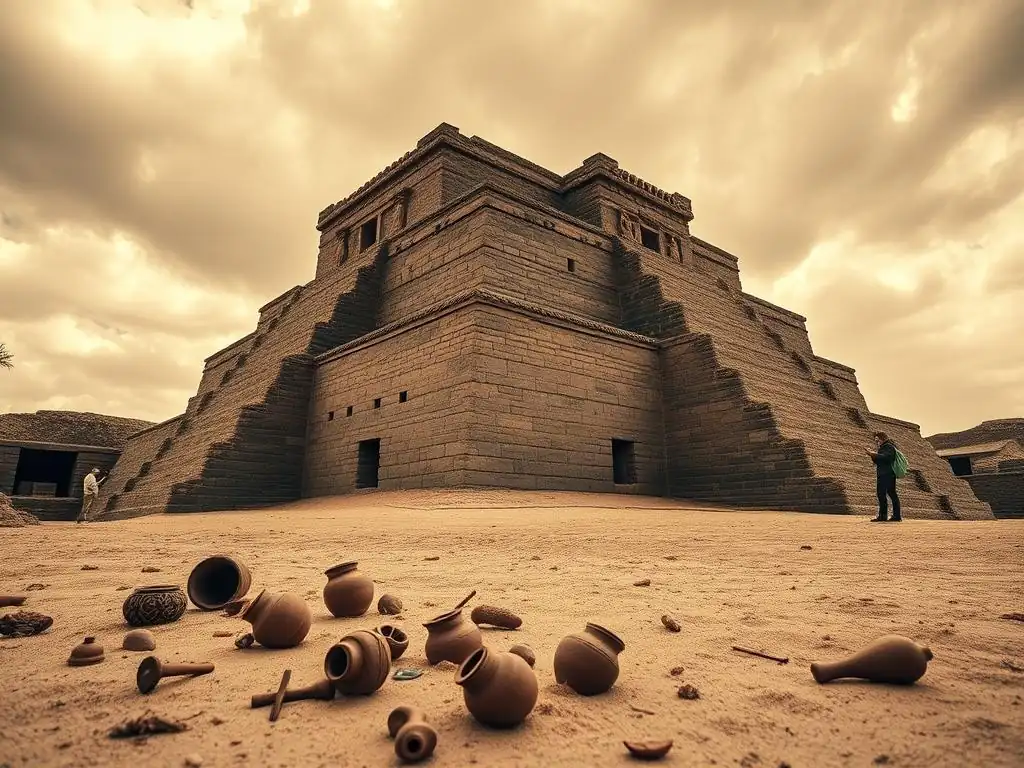
The Moche civilization, which flourished on the northern coast of Peru from approximately 100 to 700 AD, is renowned for its remarkable architectural achievements that reflect a sophisticated understanding of engineering and artistry. Scientific exploration of Moche architecture has revealed a combination of advanced techniques and materials that allowed them to construct monumental structures, including temples, irrigation systems, and intricate ceremonial centers. Scholars and scientists employ various methodologies, including archaeological excavations, geophysical surveys, and material analysis, to uncover the secrets behind these structures and their cultural significance.
Archaeological Discoveries and Their Importance
Archaeological discoveries related to Moche architecture have significantly advanced our understanding of their society and technological prowess. Key sites such as the Huaca del Sol and Huaca de la Luna provide a wealth of data regarding the construction techniques and purposes of these monumental edifices. Excavations have uncovered layers of adobe bricks, intricate frescoes, and ritualistic artifacts, which illustrate not only the architectural style but also the cultural and religious practices of the Moche people.
These findings are crucial, as they offer insights into the socio-political organization of the Moche civilization, revealing how architecture was used to convey power and authority. The scale and complexity of Moche structures indicate a highly organized labor force and sophisticated planning, suggesting that architecture played a central role in the Moche's ability to mobilize resources and people for large-scale projects. Furthermore, these discoveries have contributed to a broader understanding of pre-Columbian civilizations in the Americas, emphasizing the importance of architecture as a form of cultural expression.
Advanced Construction Methods Used by the Moche
The Moche employed several advanced construction methods that showcased their ingenuity and resourcefulness. One notable technique was the use of adobe, a mixture of clay and straw, which was molded into bricks and dried in the sun. This material was abundant in the arid coastal environment and provided durability for their structures.
Additionally, the Moche mastered the art of creating complex irrigation systems that were essential for agriculture in their desert environment. These systems included canals, reservoirs, and aqueducts that not only supported their farming practices but also facilitated the construction of large ceremonial centers by ensuring a reliable water supply.
Moreover, the Moche are known for their distinctive architectural style, characterized by stepped pyramids and intricate motifs that often depicted their deities and mythological narratives. The precise alignment of their buildings, often oriented towards celestial events, demonstrates their advanced understanding of astronomy and its integration into their architectural planning.
Preservation and Study of Moche Architectural Remains
Preserving Moche architectural remains is essential for ongoing research and education about this remarkable civilization. Various preservation efforts are underway to protect sites from natural erosion and human interference, which threaten the integrity of these ancient structures. These efforts often involve collaboration between archaeologists, conservationists, and local communities to ensure that the cultural heritage of the Moche is maintained for future generations.
Modern technology, such as 3D scanning and digital modeling, plays a vital role in the study and preservation of Moche architecture. These techniques allow researchers to create accurate representations of the sites, facilitating analysis and allowing for virtual reconstructions that can aid in understanding the original appearance and function of these structures. Additionally, ongoing excavations continue to uncover new artifacts and features, providing fresh insights into Moche construction methods and their societal implications.
Conclusion: The Legacy of Moche Architecture
The legacy of Moche architecture extends beyond their immediate cultural context, influencing subsequent generations and even contemporary architectural practices. The monumental structures they left behind serve as a testament to their advanced engineering capabilities and artistic expression, reflecting a civilization that was both innovative and deeply connected to its environment.
Lasting Impact on Peruvian Culture and Architecture
The architectural innovations of the Moche have left an indelible mark on Peruvian culture and subsequent architectural developments. Their techniques in adobe construction and irrigation have been adapted and refined by later civilizations, including the Incas, who built upon the Moche's foundational work in architecture and urban planning. The cultural significance of Moche structures is evident in the way they are integrated into the national identity of Peru, with many sites now recognized as critical components of the country’s historical heritage.
Moreover, the aesthetic elements of Moche architecture, including intricate carvings and vibrant murals, continue to inspire modern artists and architects, highlighting the enduring influence of this ancient civilization on contemporary cultural expressions.
Lessons from Moche Architectural Achievements in Modern Context
The architectural achievements of the Moche offer valuable lessons for modern society, particularly in areas such as sustainable construction and community organization. Their effective use of local materials and environmentally adapted building methods provides a model for sustainable architecture today.
Furthermore, the Moche's ability to mobilize resources and labor for large-scale projects underscores the importance of community collaboration and planning in achieving ambitious goals. As contemporary society grapples with challenges such as climate change and urbanization, the innovative practices of the Moche serve as a reminder of the potential for ancient wisdom to inform modern solutions. Their legacy continues to inspire a deeper appreciation for the intersection of science, art, and culture in the built environment.
References and Further Reading on Moche Architecture and Cultural Significance
To gain a deeper understanding of Moche architecture and its cultural significance, a variety of scholarly works and resources are available. These references provide insights into the architectural techniques, artistic expressions, and social structures of the Moche civilization, as well as their lasting impact on subsequent cultures in the Andes region.
- Books:
- Moche Architecture and Society in Ancient Peru by Chris E. Donnan: This book offers a comprehensive analysis of Moche architectural practices, exploring how their structures reflect societal organization and cultural beliefs.
- The Moche of Ancient Peru: Media, Materiality, and Cultural Significance by Monica E. Smith: This work examines the Moche's use of media and materials in architecture, highlighting the interplay between functionality and artistic expression.
- Ancient Peru: The Moche by Justin Jennings: A detailed overview of Moche civilization, this book discusses their architectural achievements alongside their cultural and historical context.
- Journal Articles:
- "The Role of Architecture in Moche Society" published in Journal of Anthropological Archaeology by William H. Isbell: This article explores the significance of Moche architectural forms in establishing social hierarchies and community identity.
- "Art and Architecture of the Moche: A Historical Perspective" in Latin American Antiquity by Kimberly L. Jones: This piece analyzes the symbolic meanings embedded in Moche architecture and how they relate to artistic practices.
- Online Resources:
- The Peruvian Ministry of Culture website offers numerous resources and publications pertaining to the archaeological findings in Moche sites, showcasing their architectural legacy and ongoing research.
- The Moche Archaeological Project provides updates on current excavations and scholarly work focused on Moche sites, presenting findings that highlight the importance of architecture in understanding Moche society.
- Documentaries and Visual Media:
- Secrets of the Moche: A Lost Civilization (PBS): This documentary provides a visual journey through Moche architecture, offering insights from archaeologists and historians regarding their significance in the ancient world.
- Ancient Civilizations: The Moche (National Geographic): Through captivating imagery and expert narratives, this documentary delves into Moche cultural practices, including their architectural innovations.
By exploring these references, readers can appreciate the complexity and sophistication of Moche architecture, as well as its vital role in the broader context of indigenous civilizations in the Americas. These resources collectively illustrate how Moche architecture is not merely a testament to engineering prowess but also a rich repository of cultural narratives and societal values.
- Introduction to Moche Civilization
- Understanding Moche Architecture
- Major Moche Architectural Sites
- The Cultural Significance of Moche Architecture
- Scientific Exploration of Moche Architectural Techniques
- Conclusion: The Legacy of Moche Architecture
- References and Further Reading on Moche Architecture and Cultural Significance
Frequently Asked Questions
What is Moche architecture known for?
Moche architecture is renowned for its innovative design and monumental structures, such as temples and ceremonial platforms, reflecting their advanced engineering skills.
How did the Moche people contribute to art?
The Moche people created intricate pottery and elaborate metalwork, showcasing their artistic talents and providing insights into their cultural practices and beliefs.
What was the cultural significance of Moche society?
Moche society was significant for its complex social structure, including skilled artisans and priests, which played a key role in their religious and political life.
How did Moche architecture influence later civilizations?
Moche architecture set a foundation for subsequent Andean cultures, influencing their building techniques and aesthetic styles, evident in later societies like the Incas.
What role did Moche religion play in their architectural designs?
Religion was central to Moche architecture, as many structures were built for ceremonial purposes and to honor deities, reflecting their deep spiritual beliefs and practices.
Final Reflection: The Enduring Legacy of Moche Architecture
The architectural wonders of the Moche civilization resonate with profound relevance today, as they embody the intricate relationship between art and science. These ancient structures not only showcase the Moche's engineering prowess but also reflect their cultural significance, serving as a testament to a society that harmonized functionality with aesthetic beauty. In a world increasingly driven by technology, the Moche remind us that innovation can emerge from a deep understanding of our environment and cultural heritage.
The influence of Moche architecture extends beyond its historical context; it continues to inspire contemporary discussions about sustainability and cultural identity. The intricate designs and advanced techniques employed by the Moche serve as a reminder of the importance of integrating tradition with modern practices. As we navigate the complexities of our own architectural landscapes, we can draw wisdom from the past. Architecture is the learned game, correct and magnificent, of forms assembled in the light.
– Le Corbusier. This quote encapsulates the essence of how Moche architecture was not merely functional but a celebration of their identity and environment.
As we reflect on the lessons from the Moche civilization, let us embrace the challenge of honoring our cultural narratives while innovating for the future. Consider how you can incorporate the principles of balance, creativity, and respect for heritage in your own life or work. Whether through architecture, art, or daily choices, we have the opportunity to build a legacy that honors the past while paving the way for future generations. Engage with your surroundings, appreciate the artistry in everyday life, and remember that every structure we create can tell a story worth sharing.
Unveil the Wonders of Ancient Peru Today!
Thank you for diving into the fascinating world of the Moche and their extraordinary architectural achievements! You’ve enriched your understanding of how science intertwined with art in ancient Peru. Now it’s time to take that knowledge and turn it into action.
Here are a few ways you can further explore and celebrate this rich history:
- Visit a local museum to discover artifacts or exhibitions related to the Moche civilization—immerse yourself in their legacy!
- Join an online community where you can discuss the Moche and share your newfound insights with others who appreciate ancient civilizations.
- Create a visual project, such as a scrapbook or a digital presentation, showcasing your favorite Moche structures or art pieces to inspire friends and family!
What aspect of the Moche's architectural wonders resonated with you the most, and why?