
Creation Myths: The Inca’s Origins and Their Connection to Nature

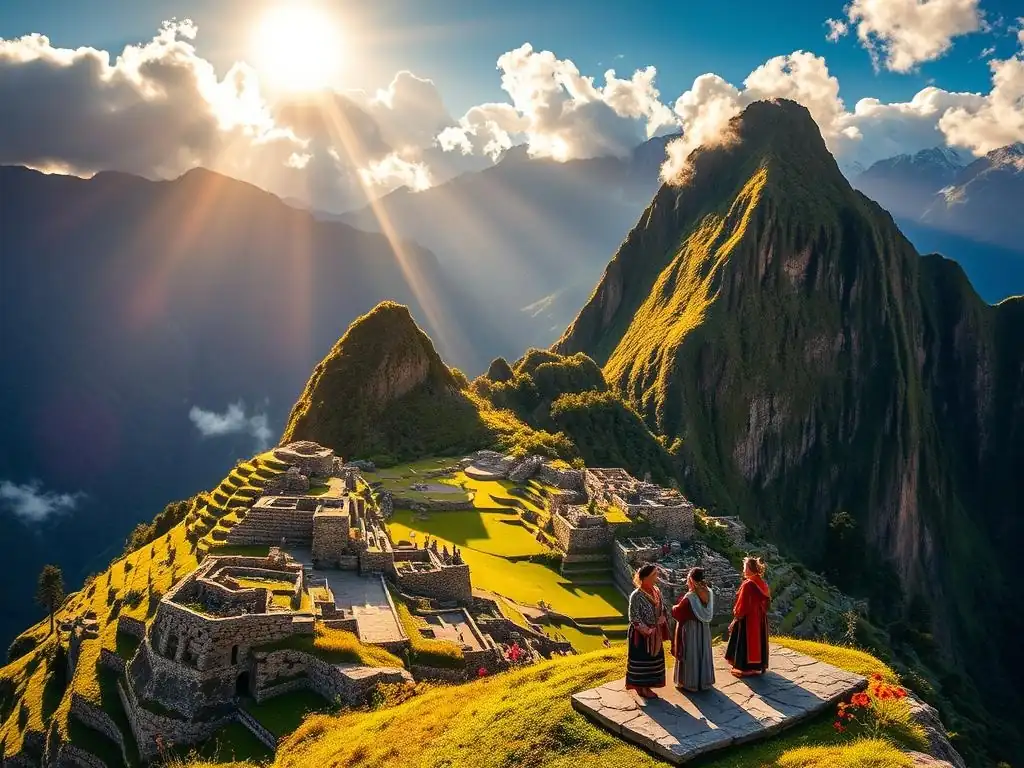
Welcome to Indigenous Civilizations of the Americas, where we invite you to delve into the rich tapestry of indigenous cultures that flourished across the continent long before European explorers set foot on these lands. Discover the fascinating world of the Inca civilization as we unravel their creation myths and nature, revealing how these ancient narratives shaped their understanding of the universe and their relationship with the natural world.
Prepare to be captivated by stories that not only explain their origins but also illuminate the profound connection these people had with their environment. Join us as we embark on this enlightening journey into the past!
- Introduction to Inca Creation Myths and Nature
- The Primary Inca Creation Myth
- Key Themes in Inca Creation Myths
- The Influence of Geography on Inca Creation Myths
- Variations of Inca Creation Myths
- The Legacy of Inca Creation Myths and Nature
- Conclusion: Understanding Inca Creation Myths and Their Connection to Nature
-
Frequently Asked Questions
- What are the main themes of Inca creation myths?
- How do Inca creation myths explain their connection to nature?
- What role did nature play in Inca society?
- How do these myths reflect the Inca’s understanding of their environment?
- Are there similarities between Inca creation myths and those of other indigenous cultures?
- Final Reflection: Inca Creation Myths and Nature: A Timeless Connection
- Unleash the Stories of Creation: Connect with the Inca's Heritage!
Introduction to Inca Creation Myths and Nature
The Inca civilization, one of the most remarkable and expansive societies in pre-Columbian America, is renowned not only for its impressive architectural feats and agricultural innovations but also for its rich tapestry of beliefs and creation myths. These myths are not merely stories; they are fundamental to understanding the Inca worldview, especially their profound connection to nature.
The Inca creation myths and nature intertwine intricately, reflecting how the Incas perceived their environment, deities, and their place within the cosmos. This article delves into these creation narratives, exploring their significance and the role they played in shaping the Inca society, spirituality, and their reverence for the natural world.
Overview of Inca Civilization and Its Beliefs
The Inca civilization, which flourished in the Andean region of South America from the early 15th century until the Spanish conquest in the 16th century, was characterized by a highly organized society and a sophisticated culture. The Incas established a vast empire, known as Tawantinsuyu, which extended across present-day Peru, Ecuador, Bolivia, and parts of Chile and Argentina. Central to Inca life was their belief system, which was deeply intertwined with agriculture, astronomy, and the natural landscape.
- Key Aspects of Inca Beliefs:
- Polytheism: The Incas worshipped a pantheon of gods, with Inti, the sun god, being the most significant. They believed these deities governed various aspects of life and nature.
- Nature as Sacred: The Incas viewed nature as a living entity filled with spiritual significance. Mountains, rivers, and other natural features were often personified as gods or ancestors.
- Cosmology: The Inca cosmology described a three-part universe: the hanan pacha (the upper world), kay pacha (the world we live in), and ukhu pacha (the underworld), illustrating their understanding of existence and the afterlife.
This rich belief system laid the groundwork for their creation myths, which served to explain the origins of the world, humanity, and the vital connection between the Incas and the environment they inhabited.
Importance of Creation Myths in Inca Culture
Creation myths played a pivotal role in Inca culture, serving not only as explanations for the origins of the universe and humanity but also as vital narratives that reinforced social order and cultural identity. These myths were passed down orally and were integral to religious ceremonies, rituals, and daily life.
- Functions of Creation Myths:
- Cultural Identity: By recounting their origins, the Incas fostered a sense of belonging and unity among their people, reinforcing their shared history and values.
- Moral Lessons: Many creation myths contained moral lessons, guiding the behavior of individuals and the community, often emphasizing the importance of harmony with nature and respect for the gods.
- Ritual Significance: Creation myths informed various ceremonies, from agricultural rites to rituals honoring the deities, highlighting the cyclical nature of life and death.
The integration of these myths into daily life underscores the Inca’s profound reverence for nature and the spiritual significance they attributed to their environment. Through these narratives, the Incas not only explained their existence but also celebrated their relationship with the world around them, a theme that continues to resonate in discussions about their legacy and impact on contemporary understanding of indigenous cultures.
The Primary Inca Creation Myth
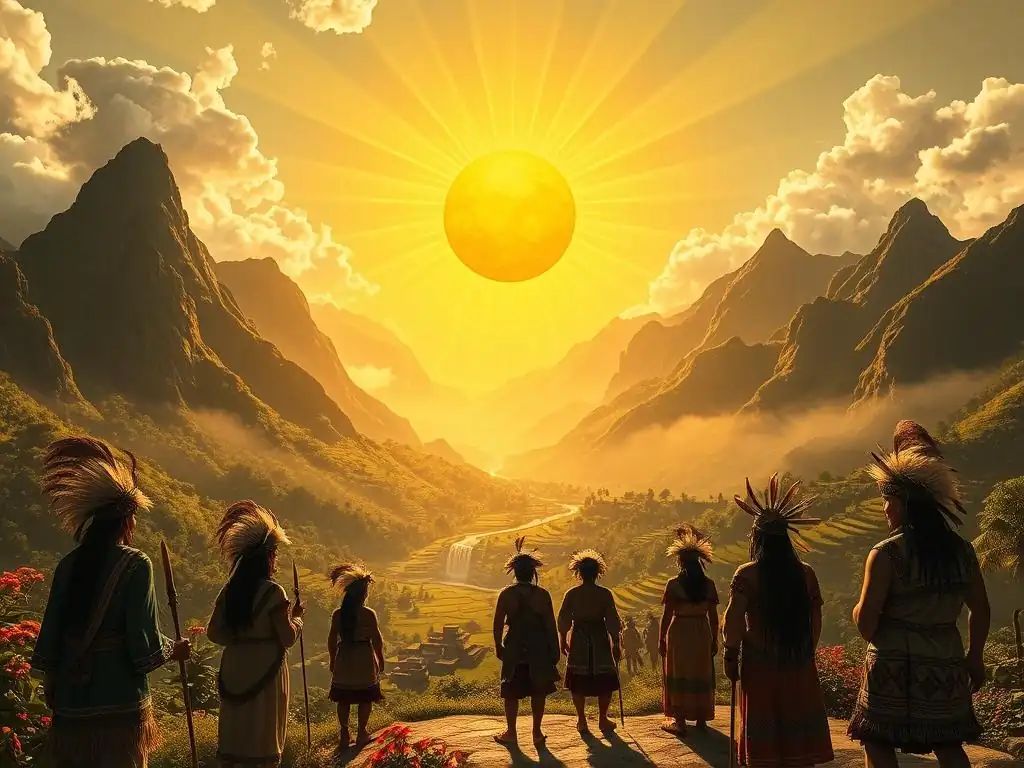
The Inca civilization, known for its rich tapestry of mythology, has a primary creation myth that encapsulates their understanding of the universe and humanity's place within it. Central to this myth is the figure of Viracocha, the creator god, who is revered as the source of all life and the architect of the natural world. This myth not only explains the origins of the Inca people but also underscores their deep connection to nature, shaping their beliefs, practices, and societal structures.
The Story of Viracocha: The Creator God
According to Inca mythology, Viracocha emerged from the waters of Lake Titicaca, a sacred body of water nestled in the Andes Mountains. This origin from water symbolizes the primordial state of existence, linking creation to the life-giving properties of water. Viracocha is often depicted as a bearded man, a feature that has led to various interpretations regarding his origins and the influence of external cultures.
Viracocha's journey began as he traveled across the earth, bringing light to the darkness and creating the first inhabitants, known as the "saya." However, these early beings failed to honor their creator, leading Viracocha to destroy them in a cataclysmic flood. Following this, he created a new race—humans who would respect and worship him. This narrative highlights the themes of divine retribution and the importance of maintaining a harmonious relationship with the forces of nature.
Viracocha also created the sun, moon, and stars, establishing the celestial order that governs the natural world. The sun, known as Inti, was especially significant to the Incas, as they regarded it as a vital source of life and energy. The duality of creation—light and dark, life and death—reflects the complex relationship between humans and nature that the Incas revered.
The Role of Nature in the Creation Process
Nature plays a pivotal role in the Inca creation myths, illustrating how the environment is intertwined with their spiritual beliefs. The earth, mountains, rivers, and celestial bodies are not merely backdrops to human life; they are integral to the Inca worldview and their understanding of creation.
- The Elements as Divine Forces:
- The Incas believed that elements like water, earth, and fire were manifestations of Viracocha's power. Each element was revered and treated with respect, as it was thought to possess a spirit that could influence human affairs.
- Sacred Geography:
- Geographic features such as mountains (apus) were considered sacred, embodying protective spirits. The Inca relationship with these natural formations was one of reverence and reciprocity, as they believed these spirits watched over them and required offerings.
- Agricultural Cycles:
- The Incas depended heavily on agriculture, and their creation myths emphasized the importance of harmonious interaction with nature for successful crops. Rituals and ceremonies were conducted to honor the gods of agriculture, ensuring fertility and prosperity.
- Seasonal Festivals:
- Events like Inti Raymi, the Festival of the Sun, celebrated the connection between the Inca people and the sun god, reinforcing the notion that their existence was tied to the rhythms of nature. These festivals were not merely cultural expressions but vital affirmations of their beliefs.
The Inca creation myths, particularly the story of Viracocha, reveal profound insights into the civilization's values and their intrinsic connection to nature. By understanding these myths, we can appreciate the ways in which the Incas perceived their environment, recognizing it as a living entity that shaped their identity and existence. This relationship with nature remains a testament to the enduring significance of indigenous beliefs and their impact on contemporary understandings of the natural world.
Key Themes in Inca Creation Myths
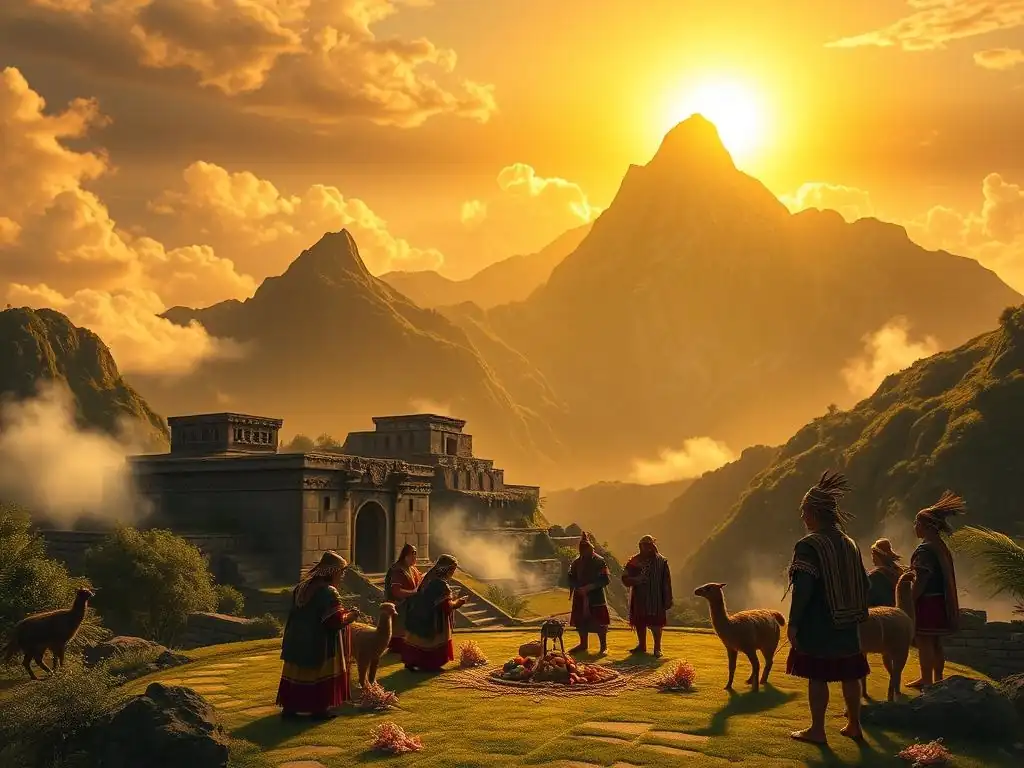
The Inca creation myths are rich narratives that reflect the profound connection between the Inca civilization and its environment. These myths serve not only as stories of origin but also as frameworks that shaped the Inca worldview, emphasizing the importance of nature in daily life, spirituality, and governance. By exploring these themes, we can gain insight into how the Incas understood their place in the cosmos and their relationship with the natural world.
The Interconnection Between Humans and Nature
In Inca mythology, the relationship between humans and nature is depicted as one of mutual dependence and reverence. The Incas believed that humans were created from the same elements that formed the earth, establishing a bond with the land and its resources.
- Creation of Humanity: According to the myth, the first humans were molded from clay and brought to life by the sun god Inti. This act symbolizes the connection between the divine and the earthly, highlighting that humans are inherently linked to nature.
- The Role of Pachamama: The earth goddess Pachamama is central to Inca beliefs, representing fertility, agriculture, and the sustenance of life. The Incas honored Pachamama through rituals and offerings, underscoring the importance of nurturing the land to ensure a bountiful harvest.
- Seasonal Cycles: The Incas acknowledged the cyclical nature of existence, with the seasons playing a vital role in their agricultural practices. They believed that the deities controlled these cycles, further illustrating the interconnectedness between the human experience and the natural world.
Symbolism of Natural Elements in Inca Myths
The Inca creation myths are replete with symbolism derived from natural elements, which serve to convey deeper meanings and values within their culture.
- Sun (Inti): The sun is not only a source of light but also a symbol of life, power, and authority. The Incas viewed Inti as the progenitor of their civilization, and his daily journey across the sky was a metaphor for the life-giving energy required for survival.
- Water: Water, represented through rivers and lakes, is a vital element in Inca mythology. It symbolizes purification, fertility, and the vital essence of life. The myth of the creation of Lake Titicaca, viewed as a sacred entity, emphasizes the importance of water in sustaining both the environment and the spiritual life of the people.
- Mountains (Apus): The Incas revered the mountains as sacred guardians, or Apus, believed to be the spirits of ancestors who watched over the land. These natural formations were seen as the embodiment of strength and permanence, reinforcing the notion that the Inca people were deeply rooted in their geography.
Inca creation myths encapsulate essential themes that reveal the intricate relationship between the Incas and their natural surroundings. Through their stories, the Incas not only explained their origins but also provided a framework for understanding their place within the world, emphasizing a profound respect for nature that continues to resonate in contemporary indigenous cultures.
The Influence of Geography on Inca Creation Myths
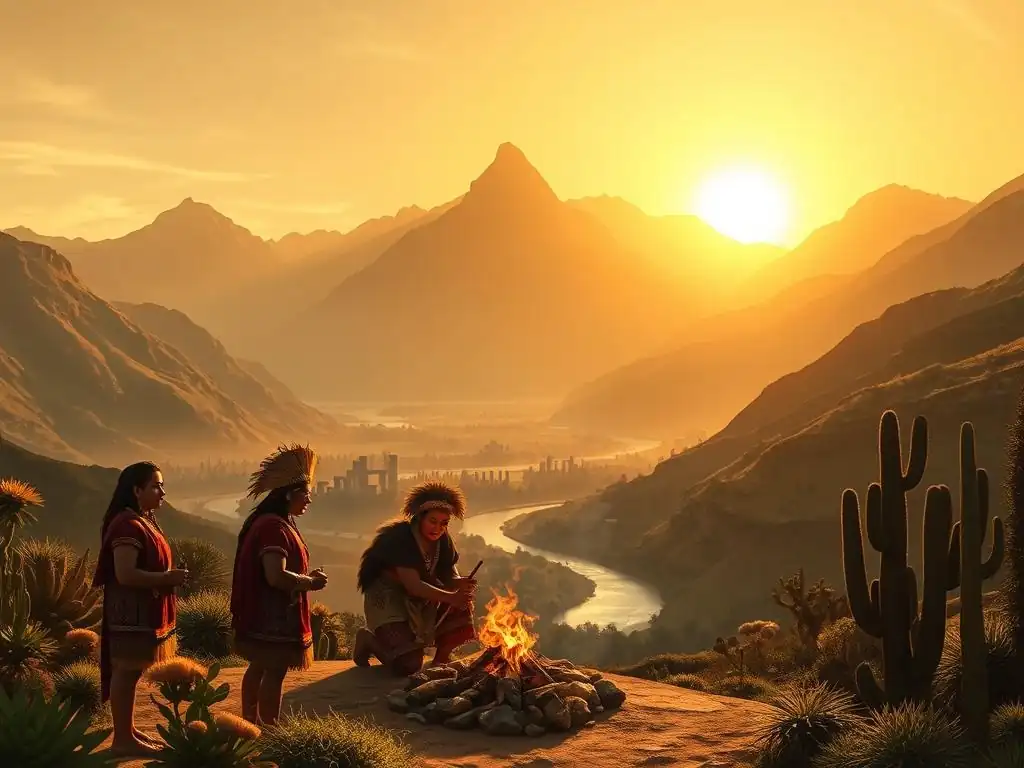
The geography of the Andes region played a pivotal role in shaping the Inca creation myths and their intricate connection to nature. The diverse landscapes, encompassing towering mountains, lush valleys, and flowing rivers, provided not only the physical backdrop for Inca life but also a rich tapestry of spiritual significance that permeated their mythological narratives.
By examining the geographical features of the Inca Empire, one can uncover how these elements influenced their understanding of creation, life, and the cosmos. The Inca viewed their environment as imbued with sacredness, where every mountain and river held a story that contributed to their identity. This relationship between geography and mythology reveals the depth of the Inca civilization's reverence for the natural world and its vital role in their cultural practices.
The Andes Mountains as a Sacred Space
The Andes Mountains, often referred to as "the spine of South America," were considered the backbone of the Inca civilization, both literally and metaphorically. In Inca cosmology, these mountains were not merely geographical features; they were revered as sacred entities, often personified as gods or ancestral spirits.
- Inti and Pachamama: The sun god Inti and the earth goddess Pachamama were central figures in Inca mythology, symbolizing the duality of the natural world. The Andes, towering into the sky, were seen as the dwelling place of Inti, while the fertile valleys below represented Pachamama's nurturing aspect. This duality reflected the Inca's understanding of balance in nature.
- Mythological Origins: According to Inca creation myths, the first humans emerged from the sacred mountains. The legendary figure Manco Cápac, believed to be the son of the sun, was said to have risen from the waters of Lake Titicaca, one of the most revered sites nestled within the Andes. This narrative illustrates the mountains' role as the origin of life and their significance in the Inca's spiritual beliefs.
- Ritual and Worship: The Andes served as the site for various rituals aimed at honoring the deities that governed the natural world. Sacred mountains were often the focal point for ceremonies, where offerings were made to ensure bountiful harvests or favorable weather. This practice reinforced the idea that the mountains were not just passive observers of life but active participants in the Inca's existence.
Rivers and Other Natural Features in Inca Cosmology
In addition to the Andes, rivers and other natural features held profound meaning within Inca creation myths. These elements enriched their cosmology and provided a framework for understanding the interconnectedness of life.
- The Role of Rivers: Rivers were likened to veins of the earth, vital for sustaining the land and its people. For the Incas, the Urubamba River, flowing through the sacred valley, was especially significant. It was believed to embody the spirit of the water god, and its waters were thought to carry the blessings of fertility and life.
- Symbolism of Water: Water, in Inca mythology, symbolized purity and renewal. Creation myths often depicted the emergence of life from water, emphasizing its role in the cyclical nature of existence. This connection to water also manifested in agricultural practices, where irrigation systems were developed to harness river waters for cultivation.
- Other Natural Features: Besides mountains and rivers, features such as caves, lakes, and even the stars were woven into the fabric of Inca mythology. Each element had specific meanings and associations, contributing to a holistic understanding of the cosmos. For example, caves were seen as portals to the underworld, representing the connection between the living and the ancestors.
The geography of the Inca Empire was instrumental in shaping their creation myths and the overarching narrative of their connection to nature. Through the reverence of mountains, rivers, and other natural features, the Incas articulated a worldview that celebrated the sacredness of the environment, reflecting a profound understanding of the interplay between the physical and spiritual realms. Their creation myths serve as a testament to this relationship, illustrating how geography influenced not only their mythology but also their daily lives and cultural practices.
Variations of Inca Creation Myths
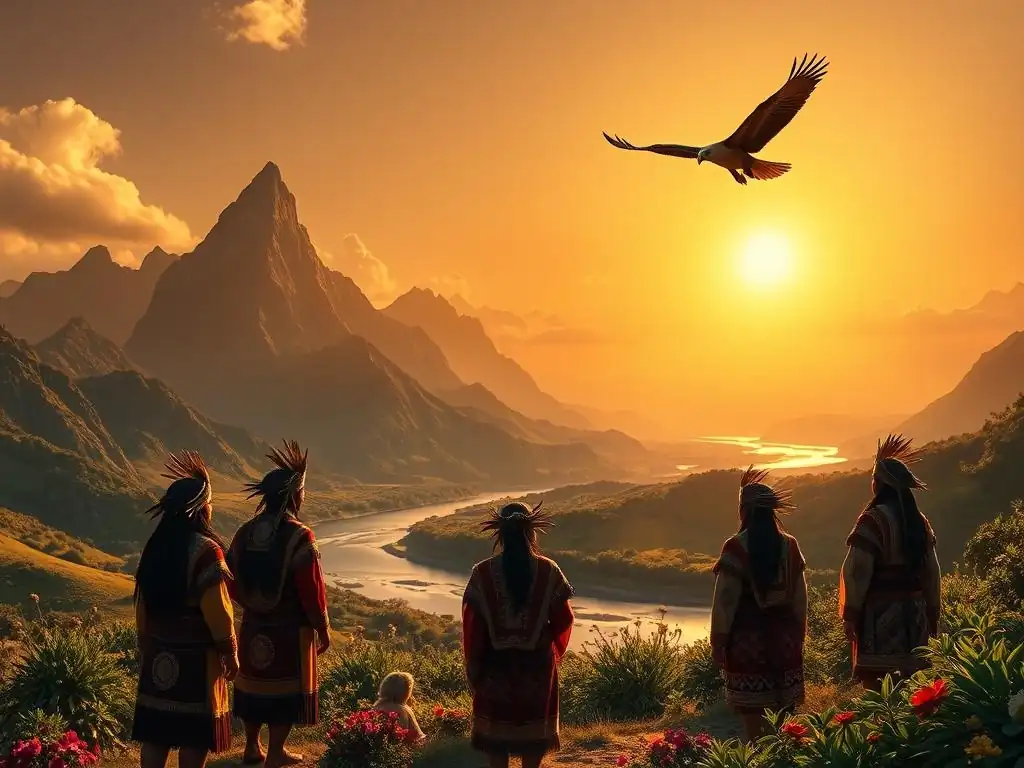
The Inca civilization, known for its rich cultural heritage and profound connection to nature, has a variety of creation myths that reflect the diverse landscapes and societal structures across its expansive territory. These myths are not only spiritual narratives but also embody the values, beliefs, and environmental understanding of the Inca people.
Regional Differences in Creation Stories
Inca creation myths vary significantly across different regions, each adapting to local geography, climate, and cultural influences. The central Andean region, where the Inca heartland was located, features myths that often center around the creator deity Viracocha. According to many traditions, Viracocha emerged from Lake Titicaca and created the earth, the heavens, and the first humans. This narrative emphasizes the importance of water sources and lakes in Andean cosmology.
In contrast, the coastal communities have their own versions of the creation myth, which frequently incorporate elements related to the sea and marine life. For example, in some coastal tales, the goddess Mama Cocha is venerated as the provider of sustenance from the ocean. Her role as a nurturing figure underscores the reliance of coastal populations on maritime resources.
Furthermore, the highland tribes may depict the creation story through the lens of agriculture and the mountains. In these versions, the mountains themselves are often revered as sacred entities that hold the power to sustain life. The myth of Pachamama (Mother Earth) and the duality of male and female deities also play a significant role in these narratives, showcasing the balance between the natural elements.
| Region | Creator Deity | Key Elements | Cultural Significance |
|---|---|---|---|
| Central Andes | Viracocha | Emergence from Lake Titicaca | Emphasizes water’s life-giving properties |
| Coastal Areas | Mama Cocha | Sea, fish, and marine life | Highlights dependence on the ocean |
| Highland Areas | Pachamama | Mountains, fertility, agriculture | Reflects reverence for nature’s cycles |
Common Elements Across Different Inca Myths
Despite the regional variations in Inca creation myths, several common themes and elements can be identified. One of the most prominent is the notion of duality, often symbolized through male and female deities. The interplay between Viracocha and Pachamama, for instance, illustrates the balance between creation and sustenance in the Inca worldview. This duality is not merely a reflection of gender roles but also signifies the complementary forces of nature, such as the sun and the moon, or the earth and the sky.
Another recurring theme is the significance of natural landscapes. Mountains, rivers, and lakes are not just physical features; they are imbued with spiritual meaning. The Incas believed that these natural elements were inhabited by spirits or deities that needed to be honored through rituals and offerings. The reverence for nature is evident in their agricultural practices, where respect for Pachamama was essential for successful harvests.
Furthermore, the concept of cyclical time is a crucial aspect of Inca mythology. Creation stories often depict a world that goes through cycles of destruction and rebirth, mirroring the agricultural cycles that govern life in the Andes. This cyclical view of time reinforces the idea that the creation is an ongoing process, where humans play a vital role in maintaining harmony with nature.
While Inca creation myths showcase a diverse array of stories influenced by geography and culture, they share common threads that highlight the Inca's deep-rooted connection to nature and the spiritual significance of their environment. These myths not only serve as a reflection of their beliefs but also as a guide for living in harmony with the earth and its resources.
The Legacy of Inca Creation Myths and Nature
Impact on Modern Indigenous Beliefs and Practices
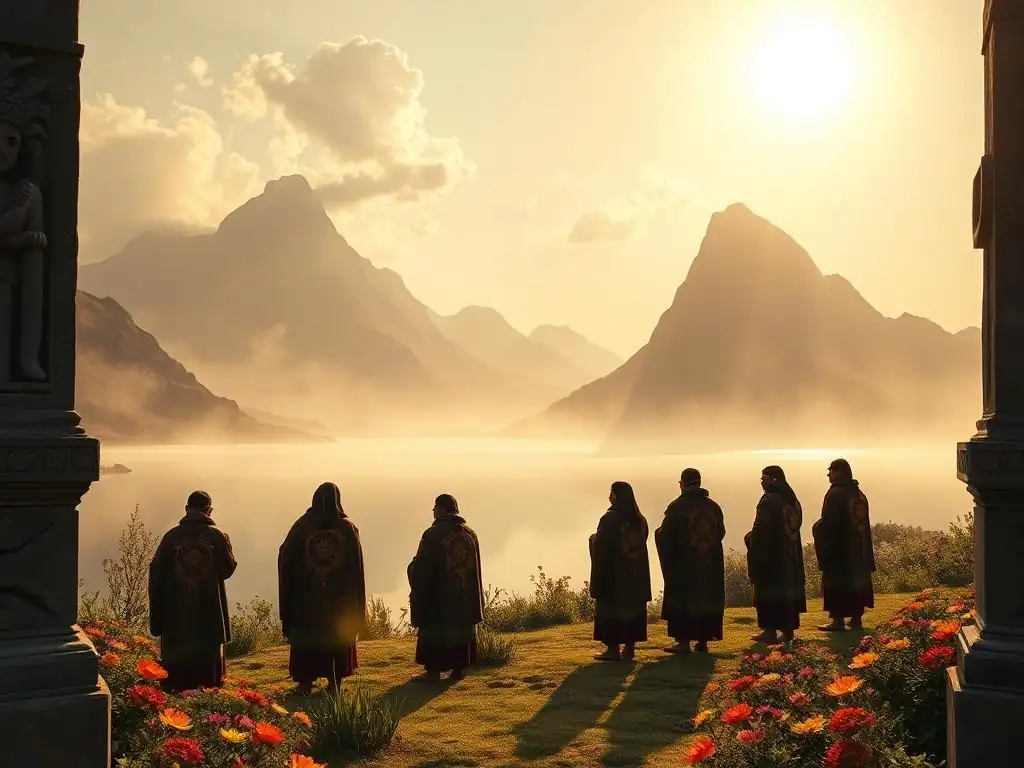
Inca creation myths, particularly those that emphasize the connection between nature and humanity, continue to resonate deeply within the beliefs and practices of modern Indigenous communities in the Andes. These myths, which depict the origins of the Inca civilization intertwined with natural elements, serve as a foundation for contemporary spiritual and cultural expressions.
- Nature as a Living Entity: Many modern Indigenous groups view the earth, rivers, and mountains not merely as resources but as living entities imbued with spiritual significance. This perspective can be traced back to the Inca belief that the sun god Inti and the earth goddess Pachamama are central to existence. In contemporary rituals, offerings to Pachamama, such as food and coca leaves, reflect a deep-seated respect for nature as a provider and protector.
- Agricultural Practices: The agricultural techniques developed by the Incas, including terracing and irrigation, are still practiced today. Modern farmers often incorporate traditional Inca beliefs in their farming rituals, invoking the spirits of ancestors and nature to bless their crops. This interconnectedness between farming and spirituality highlights the enduring legacy of Inca creation myths as guiding principles for sustainable living.
- Cultural Festivals: Festivals like Inti Raymi, which celebrates the winter solstice and honors the sun god, showcase the lasting influence of Inca mythology. These events are not only cultural celebrations but also a reaffirmation of the community’s connection to its heritage and the natural world. The rituals performed during these festivals reflect a blend of ancient beliefs and contemporary practices, reinforcing the role of nature in Indigenous spirituality.
Preservation of Inca Myths in Contemporary Culture
The preservation of Inca creation myths in contemporary culture is evident in various forms, including art, literature, and oral traditions. As globalization threatens Indigenous identities, these myths have become crucial for cultural resilience and identity affirmation.
- Art and Literature: Many contemporary artists and writers draw inspiration from Inca myths, weaving them into their works to explore themes of identity, nature, and spirituality. For instance, visual artists often depict scenes from Inca creation stories, using traditional motifs to convey messages about the environment and cultural heritage. Literature, too, reflects these themes, with stories that echo the Inca’s reverence for nature and ancestral connections.
- Oral Traditions: Oral storytelling remains a vital means of preserving Inca myths. Elders in Indigenous communities share these stories with younger generations, ensuring the transmission of knowledge and cultural values. This practice not only keeps the myths alive but also fosters a strong sense of community and identity among the people.
- Educational Initiatives: Various organizations and cultural institutions are working to integrate Inca creation myths into educational curricula. By teaching students about these myths and their significance in understanding nature, these initiatives aim to promote respect for Indigenous knowledge systems and the importance of biodiversity.
The legacy of Inca creation myths continues to shape modern Indigenous beliefs and practices, serving as a source of spiritual guidance and cultural identity. Their preservation in contemporary culture underscores the enduring connection between the Inca civilization and the natural world, highlighting the importance of these narratives in fostering a sustainable future.
Conclusion: Understanding Inca Creation Myths and Their Connection to Nature
Inca creation myths serve as a profound reflection of the civilization's relationship with nature and the cosmos. These myths not only narrate the origins of the world and humanity but also emphasize the central role that the natural environment played in the spiritual and daily lives of the Inca people. The intricacies of these stories reveal how the Inca civilization perceived their surroundings, revered the forces of nature, and integrated these beliefs into their societal structure and practices.
Central to Inca creation myths is the concept of Pachamama, or Mother Earth, which embodies the fertility and nurturing qualities of the land. The reverence for Pachamama is articulated through various myths that detail the creation of the earth, mountains, rivers, and plants. Such narratives underscore the belief that the natural world is imbued with spiritual significance and that humans are intrinsically connected to the environment. The Inca viewed themselves as caretakers of the earth, responsible for maintaining harmony and balance within the ecosystem.
Reflection on the Importance of Nature in Inca Spirituality
The Inca creation myths are rich with symbolism that highlights the significance of nature in their spirituality. For instance, the myth of Viracocha, the creator god, illustrates how the world was brought into existence through divine intention. Viracocha is often depicted as emerging from Lake Titicaca, a sacred site that embodies both creation and sustenance. This narrative reflects a profound respect for bodies of water, which were seen as vital to life, agriculture, and spirituality.
- Elements of Nature in Myths:
- Mountains: Considered sacred, the Andes were often personified in myths, representing strength and protection.
- Rivers: Seen as life-giving forces, rivers played crucial roles in both mythology and the practical aspects of agriculture and irrigation.
- Plants: The cultivation of crops like potatoes and maize was deeply intertwined with creation myths, emphasizing gratitude towards nature's bounty.
Inca spirituality was inherently linked to the cycles of nature, with various ceremonies and rituals aligned with agricultural seasons. The myths not only served as a means of explaining natural phenomena but also reinforced the importance of living in harmony with the environment. This connection remains a pivotal aspect of Andean culture, where respect for nature continues to influence contemporary practices.
The Ongoing Relevance of Inca Myths in Today’s World
In modern times, the relevance of Inca creation myths and their connection to nature persists, particularly among indigenous communities in the Andes. These myths are not merely historical artifacts; they provide a framework for understanding contemporary environmental challenges and the necessity of sustainable practices.
- Cultural Resurgence: Many indigenous groups are experiencing a revival of traditional practices, using creation myths as a foundation for advocating environmental conservation and sustainability. This resurgence emphasizes the need to protect natural resources, reflecting the Inca belief in the sacredness of the earth.
- Educational Initiatives: Institutions focused on indigenous knowledge are increasingly integrating Inca myths into educational curricula, fostering a deeper appreciation for the relationship between cultural heritage and environmental stewardship.
- Global Environmental Movements: The principles embedded in Inca creation myths resonate with global movements advocating for ecological balance and respect for nature, highlighting the universal relevance of these ancient narratives.
The enduring legacy of Inca creation myths reminds us of the profound connections between humanity and the natural world. As societies grapple with environmental crises, these stories offer valuable insights into sustainable living and the importance of nurturing our relationship with the earth.
Frequently Asked Questions
What are the main themes of Inca creation myths?
Inca creation myths often explore themes of origins, nature, and the relationship between humans and the natural world. They reflect the Inca worldview and their reverence for natural elements.
How do Inca creation myths explain their connection to nature?
Inca creation myths emphasize that humans are an integral part of nature. They narrate stories where deities interact with the natural world, highlighting the importance of agriculture, mountains, and water.
What role did nature play in Inca society?
Nature was central to Inca society, influencing their agricultural practices, religious beliefs, and daily life. The Incas revered natural elements as sacred, believing they were gifts from their gods.
How do these myths reflect the Inca’s understanding of their environment?
The Inca creation myths reflect a deep understanding of their environment, portraying it as a dynamic system where the mountains, rivers, and earth were essential for survival and prosperity.
Are there similarities between Inca creation myths and those of other indigenous cultures?
Yes, many indigenous cultures share similar themes in their creation myths, such as a connection to nature and the importance of sustaining the environment. The Inca myths often parallel those of other Andean civilizations in this regard.
Final Reflection: Inca Creation Myths and Nature: A Timeless Connection
The exploration of Inca creation myths and their profound connection to nature reveals not only the rich tapestry of the Inca civilization but also their enduring relevance in today's world. As we navigate an era marked by environmental challenges and a disconnection from the natural world, these ancient narratives remind us of the intrinsic bond between humanity and the earth. The Inca's reverence for nature serves as a powerful call to recognize our role as stewards of the environment, urging us to reflect on how these myths can guide our actions in the present.
The influence of Inca creation myths extends far beyond historical interest; they continue to shape cultural identities and environmental consciousness in contemporary society. These stories resonate deeply with those who seek to understand their place within the natural world. The Inca's teachings about harmony, respect, and reciprocity with nature inspire movements advocating for sustainability and ecological preservation. As the renowned environmentalist David Suzuki once said, We need to reconnect with nature and understand that we are part of it, not separate from it.
This perspective is vital as we face the consequences of climate change and ecological degradation.
As we conclude this exploration of Inca creation myths, I invite you to reflect on your own relationship with nature. Consider how these ancient stories can inspire you to cultivate a deeper appreciation for the environment and motivate you to take action in your community. Whether it's through sustainable practices, advocacy, or simply spending time in nature, let the wisdom of the Inca guide you toward a more harmonious existence with the world around you. Embrace the lessons of the past to forge a brighter, more sustainable future.
Unleash the Stories of Creation: Connect with the Inca's Heritage!
Thank you for exploring the captivating world of Inca creation myths and their deep ties to nature. We hope you found inspiration in these rich narratives and the enduring spirit of the Inca civilization. Now, it’s time to take action and enhance your understanding!
- Explore the Inca Legacy: Visit local museums or utilize online resources to learn more about Inca culture and its environmental wisdom.
- Share the Knowledge: Discuss these creation myths with friends or on social media to ignite curiosity about Indigenous philosophies.
- Join the Conversation: Engage with community events or online forums that celebrate Indigenous cultures and share your insights!
How do you perceive the connection between creation myths and our current relationship with nature? We invite you to share your thoughts below!