
The Incan Bureaucracy: Administration and Its Challenges

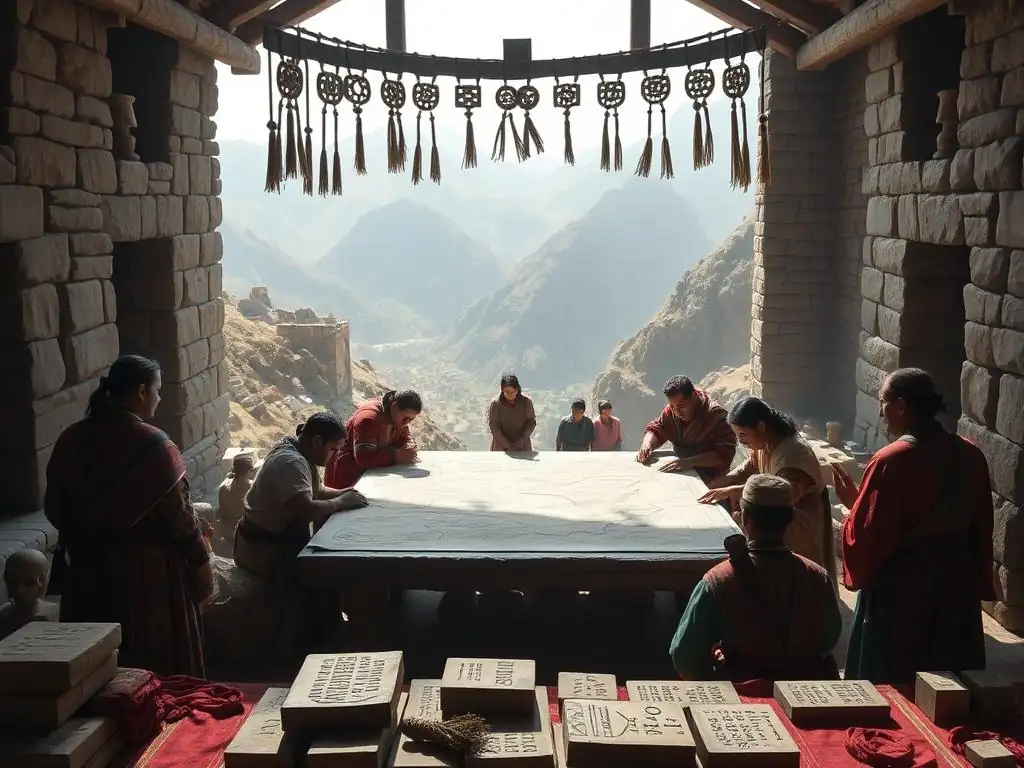
Welcome to Indigenous Civilizations of the Americas, where we invite you to embark on a captivating journey through the rich tapestry of pre-colonial cultures. Here, we delve into the remarkable achievements and complex societies that flourished across the Americas, offering a lens into their lasting legacies. In this edition, we shine a spotlight on the Incan bureaucracy and administration, exploring the intricacies and challenges that shaped one of history's most sophisticated empires.
Discover how the Inca managed their vast realm and what lessons can still resonate today. Prepare to uncover the stories that have shaped our world as you dive deeper into this fascinating topic!
Introduction to Incan Bureaucracy and Administration
The Incan Empire, one of the most sophisticated civilizations of the Americas, exhibited a remarkable system of governance that was integral to its expansion and maintenance. Incan bureaucracy and administration were not merely functional; they facilitated the management of a vast territory that extended across diverse landscapes and cultures. This article delves into the intricate web of administrative practices that defined the Incan state, exploring how these systems allowed for effective governance while also presenting unique challenges.
Overview of Incan Governance
The Incan governance system was characterized by its centralized authority and a well-defined hierarchy. The Sapa Inca, regarded as both a political leader and a divine figure, held absolute power over the empire. The administrative structure was designed to sustain this power, enabling the Sapa Inca to implement laws, collect taxes, and mobilize military forces. Local leaders, known as curacas, were appointed to manage smaller regions, ensuring that the central authority's directives were executed effectively.
- Key Features of Incan Governance:
- Centralization: Power was concentrated in the hands of the Sapa Inca.
- Local Administration: Curacas served as intermediaries between the Sapa Inca and the local populace.
- Divine Right: The Sapa Inca was seen as a descendant of the sun god, legitimizing his rule.
Importance of Bureaucracy in the Inca Empire
The Incan bureaucracy was essential for maintaining order and facilitating communication across the empire. With an extensive network of roads and messengers known as chasquis, information traveled swiftly, enabling the central authority to respond to regional needs promptly. The bureaucratic system also played a crucial role in the implementation of the mit'a labor system, which required citizens to contribute labor for state projects, including agriculture and construction.
- Functions of Incan Bureaucracy:
- Tax Collection: Ensured a steady flow of resources to the state.
- Public Works: Managed labor for infrastructure development.
- Cultural Integration: Helped assimilate diverse groups into the Incan culture.
Structure of Incan Bureaucracy
The structure of the Incan bureaucracy was hierarchical, with clearly defined roles and responsibilities. This organization allowed for efficient administration, although it also faced challenges related to communication and regional autonomy.
Centralized Authority in Incan Administration
At the apex of the bureaucratic structure was the Sapa Inca, whose decisions were executed through a network of officials. Below the Sapa Inca were high-ranking officials who oversaw various aspects of governance, including military, economic, and religious functions. This centralized authority was pivotal in ensuring that policies were uniformly applied across the empire.
- Central Authorities:
- Sapa Inca: Supreme ruler.
- Council of the Realm: Advisors and high officials.
- Provincial Governors: Managed regions and reported back to the central authority.
Role of the Sapa Inca in Governance
The Sapa Inca was not only a political figure but also a spiritual leader. His decisions impacted all aspects of life within the empire. The Sapa Inca's ability to mobilize resources and people was critical for the empire's expansion and stability. His divine status allowed him to enact laws and policies that were considered sacred, reinforcing his control over the populace.
- Key Responsibilities of the Sapa Inca:
- Legislation: Established laws that governed daily life.
- Military Command: Led military campaigns to expand the empire.
- Religious Authority: Performed rituals to appease the gods.
Hierarchical Levels of Bureaucratic Officials
The bureaucratic hierarchy in the Incan Empire consisted of multiple levels, each with specific roles. This structure allowed for a division of labor, enabling efficient governance across vast territories. Officials were often selected based on merit and loyalty, ensuring that the administration was both effective and stable.
- Levels of Bureaucratic Officials:
- High Officials: Directed major state functions.
- Regional Administrators: Oversaw provinces and reported to high officials.
- Local Leaders (Curacas): Managed community affairs and liaised with the central government.
By understanding the complexities of the Incan bureaucracy and administration, we gain insight into how this remarkable civilization managed to thrive and sustain itself for centuries before European contact. The challenges faced by the Incan administrative system also provide valuable lessons in governance and organizational structure.
Key Functions of Incan Bureaucracy
The Incan bureaucracy was a sophisticated system that played a crucial role in administering the vast Inca Empire, which stretched along the western coast of South America. At the heart of this bureaucracy was a hierarchical structure designed to ensure effective governance, resource distribution, and social order. The key functions of the Incan bureaucracy can be broadly categorized into several areas:
- Centralized Administration: The Sapa Inca, the emperor, was at the top of the administrative hierarchy, supported by a council of advisors. Below them were provincial governors (known as curacas) who oversaw regional affairs.
- Legal System: The bureaucracy implemented laws and maintained order throughout the empire. The Inca legal system emphasized communal responsibility and restitution rather than punitive measures.
- Census and Record Keeping: The Incas conducted regular censuses to keep track of the population and resources. This information was vital for taxation, labor distribution, and ensuring that each region received its fair share of resources.
- Resource Allocation: The bureaucracy was responsible for the fair distribution of resources, such as food and labor, ensuring that all subjects of the empire had their needs met, especially during times of scarcity.
- Military Organization: The bureaucratic structure also included military responsibilities, organizing troops for defense and expansion, and overseeing the logistics of military campaigns.
Administrative Responsibilities in the Empire
The administrative responsibilities within the Incan Empire were extensive and varied. Each level of bureaucracy had specific duties to ensure smooth governance:
- Provincial Governance: The curacas were responsible for collecting taxes, maintaining order, and implementing the Sapa Inca's policies. They acted as intermediaries between the central government and local communities.
- Judicial Oversight: Local officials had the authority to resolve disputes and enforce laws. Serious cases could be escalated to higher authorities, including the Sapa Inca, ensuring a tiered legal system.
- Public Works Management: Bureaucrats oversaw public works projects, such as irrigation systems and road construction, vital for the empire's infrastructure and agricultural productivity.
- Religious Administration: The bureaucracy also managed religious practices, ensuring that state-sponsored rituals and ceremonies were conducted to maintain the favor of the gods and the stability of the empire.
Taxation and Resource Management
Taxation was a fundamental aspect of Incan bureaucracy, enabling the state to maintain control and support its extensive infrastructure and military. The system was primarily based on labor and resource contribution rather than monetary taxation. Key elements of the Incan taxation system included:
- Mita System: This labor tax required subjects to work on public projects for a certain number of days per year. This system allowed the state to mobilize a labor force for infrastructure development and agriculture.
- Agricultural Contributions: Farmers were required to provide a portion of their harvest to the state. These contributions were stored in state-run warehouses, ensuring a supply for times of famine or military campaigns.
- Resource Redistribution: The Incan bureaucracy actively managed resource distribution to ensure all regions received adequate support. This included food, textiles, and tools necessary for daily life and agricultural productivity.
Challenges Faced by Incan Administration
Despite its remarkable efficiency, the Incan bureaucracy faced several significant challenges that threatened its stability and effectiveness.
Geographic and Environmental Challenges
The Incan Empire extended across diverse geographical terrains, including mountains, valleys, and coastal regions. These variations posed numerous challenges:
- Difficult Terrain: The rugged Andes mountains made communication and transportation of goods challenging. Establishing and maintaining roads in such terrain required significant resources and labor.
- Natural Disasters: The empire was susceptible to earthquakes, floods, and droughts, which could disrupt agricultural production and resource availability, complicating the bureaucratic efforts to manage the empire.
- Climate Variability: Different regions experienced distinct climate conditions, leading to disparities in agricultural yields and resource distribution. The bureaucracy had to adapt to these variations to ensure stable supply chains.
Communication and Transportation Issues
Effective governance relied heavily on communication and transportation systems, which were often strained:
- Road Network: The Inca constructed an extensive road network known as the Inca Trail, but maintaining these roads was challenging due to the harsh environmental conditions and the need for constant upkeep.
- Chasquis System: The empire utilized chasquis, or running messengers, to relay information quickly across vast distances. However, the reliance on human couriers could result in delays, especially during adverse weather conditions.
- Limited Written Records: The Incas did not have a written language. Instead, they used quipus, a system of knotted strings for record-keeping. This limitation made complex communication and documentation of laws and transactions challenging.
Resistance and Rebellions within the Empire
While the Incan bureaucracy was designed to maintain control, it sometimes faced opposition from within:
- Cultural Diversity: The empire encompassed various ethnic groups with distinct languages and customs. This diversity occasionally led to tensions and resistance against central authority.
- Local Rebellions: Discontent with the taxation system and labor obligations sometimes sparked uprisings. Leaders of local communities could rally support against the bureaucracy, challenging the Sapa Inca's authority.
- Succession Crises: Internal power struggles, particularly during succession crises, could lead to divisions and weaken the bureaucracy's control. Disputes over the rightful heir often incited conflict between factions within the empire.
Strategies for Effective Governance
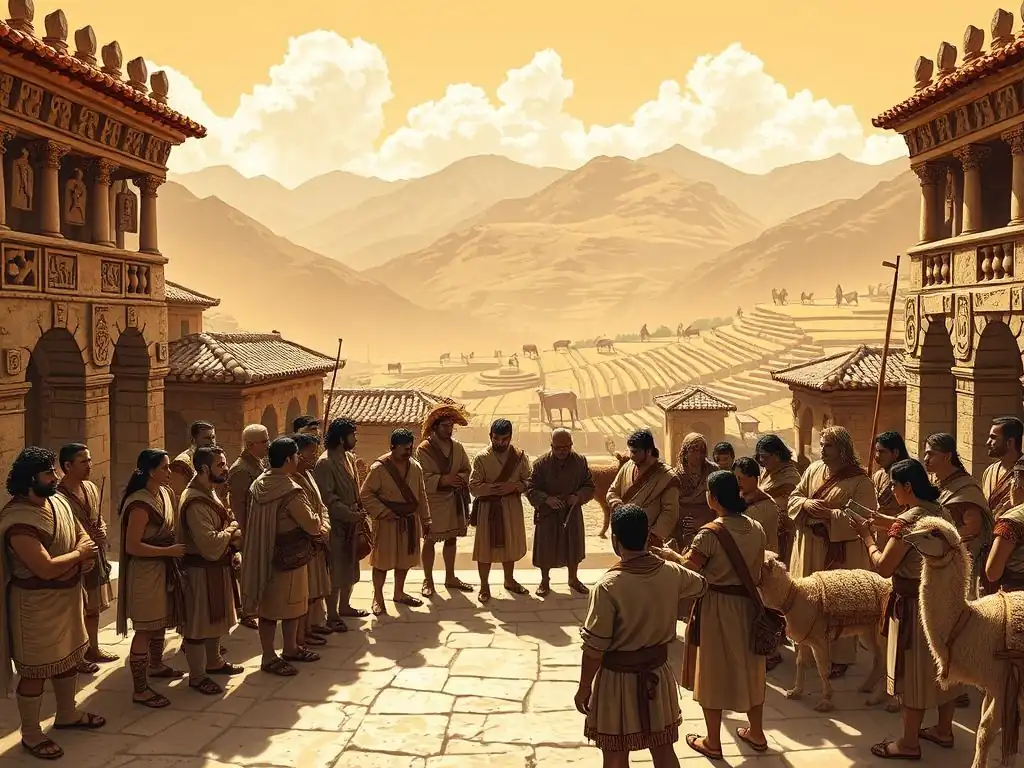
The Incan bureaucracy was characterized by a sophisticated system designed to maintain control over its vast territories and diverse populations. Effective governance strategies played a critical role in the functioning of the Incan state, allowing the administration to manage resources, labor, and cultural integration.
The Incas employed various methods to ensure that their empire remained cohesive and efficiently governed, including the implementation of the Mit'a System, the use of Quipus for record keeping, and the integration of diverse cultures and languages. Each strategy was tailored to meet the unique challenges posed by the expansive geographic and cultural landscape of the empire.
Implementation of the Mit'a System
The Mit'a System was a labor tax that required every able-bodied citizen to contribute a certain number of days of labor to state projects each year. This system was fundamental to the Incan economy and governance, as it ensured a steady supply of labor for agricultural, military, and infrastructure projects.
- Resource Allocation: The Mit'a system allowed the Incas to efficiently allocate labor to various sectors, such as agriculture, mining, and construction. This ensured that the empire's extensive road networks, agricultural terraces, and monumental architecture could be maintained and expanded.
- Social Cohesion: By requiring all citizens to participate in communal projects, the Mit’a fostered a sense of unity and shared purpose among the diverse populations of the Incan Empire. This not only strengthened the administrative control but also encouraged loyalty to the state.
- Economic Sustainability: The labor contributions helped sustain the economy by facilitating large-scale agricultural production, which was crucial for feeding the population and supporting the state’s military endeavors.
Use of Quipus for Record Keeping
The Incas developed a unique system of record keeping known as Quipus, which utilized a series of colored strings and knots. This innovative method was pivotal for the administration of the empire.
- Data Management: Quipus served as a means of recording census data, tribute obligations, and agricultural yields. This information was essential for planning and managing resources across the vast territories of the Incan Empire.
- Communication Tool: Quipus were also used for communication between different regions. The standardized method allowed for efficient transmission of administrative information, which was crucial for maintaining control over distant provinces.
- Cultural Significance: The use of Quipus reflected the Incas’ unique approach to documentation and their ability to adapt to the absence of a written language. This system demonstrated the ingenuity of Incan administration in overcoming challenges inherent in record keeping.
Integration of Diverse Cultures and Languages
The Incan Empire encompassed a multitude of ethnic groups, languages, and cultural practices. The administrative strategies employed by the Incas were instrumental in integrating these diverse elements into a cohesive society.
- Cultural Pluralism: The Incas promoted a policy of cultural pluralism, allowing various groups to maintain aspects of their own traditions while also fostering a shared Incan identity. This was particularly important in maintaining social harmony across the empire.
- Bilingual Administration: The Incan bureaucracy utilized bilingual officials who could communicate effectively in both Quechua, the official language, and local dialects. This ensured that messages and orders were understood across different regions, facilitating effective governance.
- Religious Integration: By incorporating local deities into the state religion and promoting a syncretic approach to spirituality, the Incas gained the allegiance of conquered peoples, further solidifying their administrative control.
The Legacy of Incan Bureaucracy
The Incan bureaucracy has left an indelible mark on the political landscape of the Andes and beyond. Its structures, practices, and principles continue to resonate in contemporary governance and serve as a point of reference for understanding administrative evolution in the region.
Influence on Subsequent Andean Societies
The administrative practices of the Incas significantly influenced subsequent Andean civilizations and governance structures.
- Political Models: Later Andean states, such as the Tiwanaku and Wari, adopted various elements from the Incan bureaucratic system, particularly in terms of labor organization and resource management.
- Cultural Continuity: The integration of diverse cultures and languages initiated by the Incas has persisted in Andean societies, influencing local governance practices and social structures that can still be observed today.
- Historical Narratives: The legacy of Incan bureaucracy has shaped historical narratives and national identities in modern-day Peru and Bolivia, where the memory of the Incan administrative system is often invoked in discussions of indigenous rights and governance.
Lessons from Incan Administrative Practices
The Incan bureaucracy provides several valuable lessons for contemporary governance.
- Efficient Resource Management: The effective use of labor through the Mit'a System illustrates the importance of resource management and planning in state governance, a lesson that remains relevant in modern contexts.
- Cultural Sensitivity: The Incan approach to integrating diverse cultures highlights the necessity of cultural sensitivity and inclusivity in governance, especially in multicultural societies.
- Innovative Record Keeping: The Quipu system serves as a reminder of the significance of data management and innovative solutions for record keeping, which is essential in today’s bureaucratic environments.
Modern Perspectives on Incan Governance
Modern scholars and political theorists examine Incan governance to gain insights into effective administrative practices and their relevance in today’s political landscape.
- Comparative Governance: The study of Incan bureaucracy allows for comparative analysis with other historical and contemporary governance systems, revealing patterns of success and failure that can inform current policy-making.
- Indigenous Governance Models: The principles of Incan governance are increasingly being revisited in discussions about indigenous rights and self-governance, as communities seek to reclaim traditional practices that resonate with their historical experiences.
- Sustainability and Community: The emphasis on communal labor and resource sharing in Incan governance offers valuable perspectives on sustainability and community resilience, which are crucial in addressing contemporary global challenges.
Conclusion: The Significance of Incan Bureaucracy and Administration
The Incan bureaucracy and administration were pivotal to the success and longevity of the Inca Empire, which flourished between the 15th and 16th centuries. This sophisticated system allowed for the effective management of a vast and diverse territory that spanned modern-day Peru, Ecuador, Bolivia, and parts of Chile and Argentina. The Incas implemented a hierarchical structure that facilitated centralized control while also enabling local governance through trusted officials.
The significance of this bureaucracy lies not only in its administrative efficiency but also in its ability to adapt to the needs of a diverse population. The Incas employed a system of mit'a, or labor tax, which required communities to contribute workers for public projects, thus fostering a sense of communal responsibility and integration among various ethnic groups. Moreover, the use of quipus—an intricate system of knotted strings for record-keeping—highlights the Incas' innovative approaches to information management, essential for taxation, resource distribution, and census-taking.
Ultimately, the Incan bureaucratic system laid the groundwork for societal organization, infrastructure development, and economic management, influencing subsequent administrative practices in the region even after the fall of the empire.
Reflections on the Impact of Incan Governance
The impact of Incan governance extends beyond mere administrative efficiency; it shaped the socio-economic landscape of the Andes and established a legacy that can still be seen today. Through their policies, the Incas cultivated a sense of unity among various ethnic groups, which was crucial for maintaining order in a geographically and culturally diverse empire. This cohesion was achieved through a combination of military power, strategic marriage alliances, and the promotion of a shared Incan identity.
Incan governance also emphasized the importance of infrastructure, with the construction of extensive road systems, agricultural terraces, and storage facilities. These innovations not only facilitated trade and communication but also improved agricultural productivity, which was vital for supporting a growing population.
Moreover, the Incas' approach to resource management showcased a deep understanding of sustainable practices. By implementing agricultural techniques that maximized land use while preserving ecological balance, the Incas ensured long-term food security and resource availability for their subjects. This foresight in governance served to reinforce the empire's stability and resilience.
Future Research Directions on Incan Bureaucratic Systems
As scholars continue to explore the complexities of Incan bureaucracy and administration, several key areas warrant further investigation. Firstly, a deeper examination of regional variations within the Incan administrative system could provide insights into how different ethnic groups adapted to and influenced governance. This could involve analyzing local adaptations of the mit'a system or the integration of local leaders into the bureaucratic framework.
Another promising avenue for research lies in the study of the quipus. While some progress has been made in deciphering this record-keeping system, a comprehensive understanding of its applications across various administrative functions remains to be fully realized. New technological methods, such as digital imaging and analysis, may offer innovative ways to decode these ancient records.
Additionally, comparative studies between Incan bureaucracy and other contemporary civilizations, such as the Aztecs or the Maya, could illuminate unique characteristics and shared practices in indigenous governance. Such comparisons may reveal broader trends in pre-Columbian political structures and their influences on indigenous societies post-European contact.
The legacy of Incan bureaucracy is rich and multifaceted, presenting numerous opportunities for future research that could enhance our understanding of ancient governance and its lasting impact on indigenous cultures in the Americas.
- Introduction to Incan Bureaucracy and Administration
- Structure of Incan Bureaucracy
- Key Functions of Incan Bureaucracy
- Challenges Faced by Incan Administration
- Strategies for Effective Governance
- The Legacy of Incan Bureaucracy
- Conclusion: The Significance of Incan Bureaucracy and Administration
Frequently Asked Questions
What was the structure of the Incan bureaucracy?
The Incan bureaucracy was a highly organized system consisting of various levels of officials who managed different regions and aspects of Incan society, ensuring efficient governance.
How did the Incan administration maintain control over vast territories?
The Incan administration utilized a network of messengers, known as chasquis, and a system of roadways, which facilitated communication and synchronized efforts across the empire.
What challenges did the Incan bureaucracy face?
The Incan bureaucracy faced challenges such as geographical diversity, resource allocation, and administrative complexity, which sometimes hindered effective governance and response to local issues.
How did Incan policies impact their subjects?
Incan policies focused on integration and assimilation, promoting loyalty among conquered peoples through economic support and cultural exchange, which helped maintain stability in the empire.
What legacy did the Incan administration leave behind?
The Incan administration established practices of centralized governance and record-keeping that influenced future administrations in the region, leaving a lasting impact on South American governance.
Final Reflection: The Enduring Legacy of Incan Bureaucracy
The complexities of the Incan bureaucracy and administration remain strikingly relevant today, illustrating how effective governance can shape societies. As we navigate the challenges of modern administration, the lessons drawn from the Incan Empire—its intricate systems, hierarchical structures, and innovative solutions—offer invaluable insights into the importance of organization and efficiency in governance. The Incan model serves as a reminder that the foundations of effective administration can transcend time and culture, urging us to reflect on how we can apply these principles in our own contexts.
The influence of the Incan bureaucracy is palpable in contemporary discussions about governance and public administration. The way the Incas managed resources, maintained order, and facilitated communication across vast territories showcases the power of a well-structured administrative system. As we grapple with issues of inequality, resource distribution, and governance in our own societies, we can draw inspiration from the past. A society grows great when people plant trees under whose shade they will never sit.
This quote resonates deeply, reminding us that the efforts of past administrations can create a legacy that benefits future generations.
As you reflect on the lessons of the Incan bureaucracy, consider how you can apply these insights in your own life and community. Embrace the challenge of effective administration in your daily endeavors, whether in leadership roles, community involvement, or personal projects. By recognizing the importance of organization, communication, and resource management, you can contribute to a more efficient and equitable society. Let the legacy of the Incas inspire you to cultivate systems that not only serve the present but also plant the seeds for a thriving future.
Unveil the Legacy: Take Action Today!
Thank you for diving into this exploration of the Incan bureaucracy and its intricate challenges! We hope you've gained valuable insights into how this ancient system shaped governance and administration. Now, let’s empower you to deepen that knowledge and engage with this fascinating history.
Here’s how you can take the next step:
- Dive deeper: Explore local museums or online resources that highlight Incan artifacts and history. Uncover stories that bring their administrative legacy to life!
- Share your insights: Start a conversation with friends or family about your newfound knowledge. Engaging with others can spark interest in the rich history of Indigenous civilizations.
- Join the community: Participate in online forums or social media groups that focus on the histories of Indigenous peoples. Exchanging ideas and resources can enhance your understanding and connection to the past.
What aspect of Incan administration intrigues you the most and why? Let’s keep the conversation going in the comments below!