
Agricultural Innovations of the Incas: How They Conquered the Harsh Andes

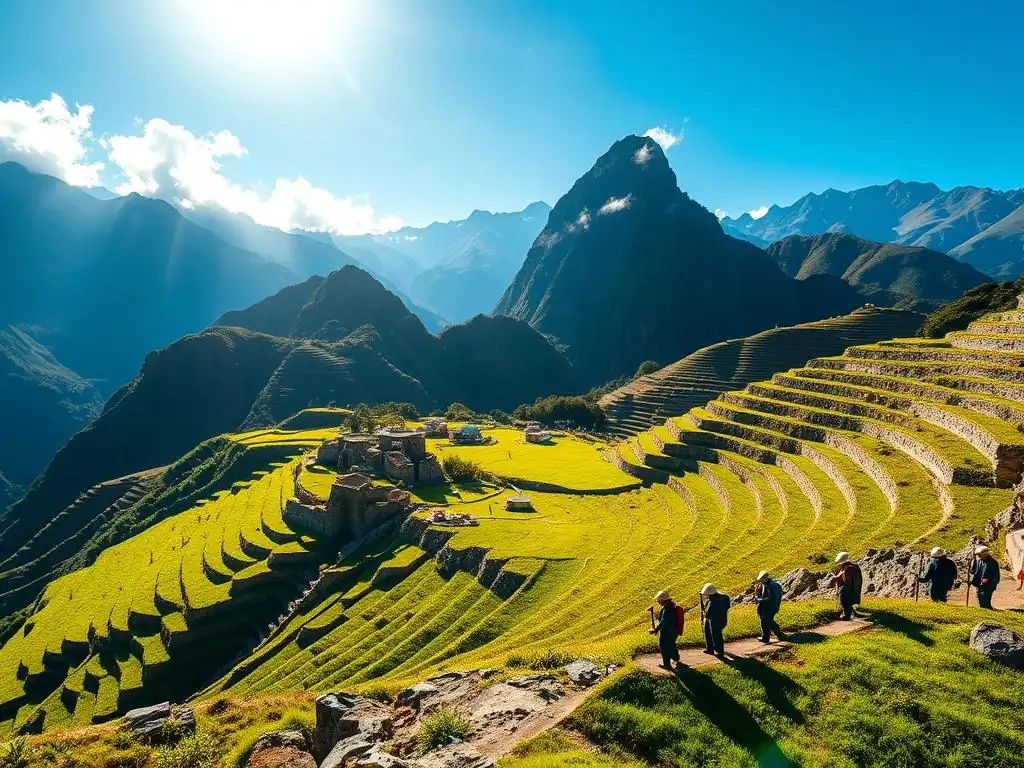
Welcome to Indigenous Civilizations of the Americas, where we invite you to embark on a journey through time to uncover the rich tapestry of cultures that flourished across the continent long before European contact. Delve into the remarkable world of the Inca agricultural innovations in the Andes, where ingenuity and resilience allowed a civilization to thrive in one of the planet's most challenging environments.
What secrets lay hidden in their farming techniques, and how did these practices shape their society? Prepare to be fascinated as you explore the extraordinary achievements of the Incas and the profound legacy they left behind.
- Introduction to Inca Agricultural Innovations in the Andes
- Key Agricultural Innovations of the Incas
- The Role of Agriculture in Inca Society
- Challenges Faced by the Incas in Agriculture
- Lasting Impact of Inca Agricultural Innovations
- Conclusion: The Legacy of Inca Agricultural Innovations in the Andes
-
Frequently Asked Questions
- What were the primary agricultural innovations of the Incas?
- How did the Inca agricultural innovations impact their society?
- What crops did the Incas cultivate in the Andes?
- How did the Incan agricultural techniques influence modern farming?
- What challenges did the Incas face in their agricultural endeavors?
- Final Reflection: The Enduring Legacy of Inca Agricultural Innovations in the Andes
- Unleash the Power of Ancient Wisdom!
Introduction to Inca Agricultural Innovations in the Andes
The Incas, renowned for their remarkable civilization, thrived in the challenging environment of the Andes Mountains, where they developed a sophisticated system of agricultural innovations that not only sustained their society but also transformed the landscape. This article delves into the ingenuity of the Inca agricultural practices, exploring how they adapted to the harsh Andean climate and terrain.
By implementing advanced techniques and tools, the Incas successfully cultivated a variety of crops, established extensive irrigation systems, and utilized terracing to maximize arable land. In understanding these innovations, we gain insight into the resilience and ingenuity of the Inca civilization, as well as their lasting impact on agricultural practices in the region.
Overview of Inca Civilization and Agriculture
The Inca civilization, which flourished from the early 15th century until the Spanish conquest in the 16th century, was the largest empire in pre-Columbian America. Centered in modern-day Peru, the Incas expanded their territory across a vast expanse of the Andean region, encompassing diverse climates and ecosystems. Agriculture was the backbone of Inca society, providing sustenance for a growing population and supporting a complex social structure.
Key aspects of Inca agriculture included:
- Terracing: The Incas mastered the art of terracing, creating stepped fields on the mountainsides. This method reduced soil erosion and allowed for more efficient water management.
- Irrigation Systems: They constructed intricate irrigation networks, which channeled water from highland rivers to farmlands, ensuring crops received sufficient moisture despite the region's arid conditions.
- Crop Diversity: The Incas cultivated a wide variety of crops, including potatoes, maize, quinoa, and coca. This diversity not only provided food security but also supported various cultural practices.
Importance of Agriculture in the Andean Region
Agriculture was not merely a means of survival for the Incas; it was a vital aspect of their culture and economy. The Andean region, characterized by its challenging geography and climate, posed unique challenges that the Incas adeptly overcame through their agricultural innovations.
Some key points about the significance of agriculture in the Andes include:
- Sustenance and Food Security: The agricultural practices established by the Incas ensured a stable food supply for their vast population, allowing for the growth of cities and the flourishing of trade networks.
- Cultural Identity: Agriculture influenced Inca religion, rituals, and social organization. Sacred crops, such as maize, played a pivotal role in ceremonies and festivals, reflecting the deep connection between the land and their cultural identity.
- Economic Development: The surplus produced through advanced agricultural techniques supported economic growth, enabling the Incas to engage in trade with neighboring cultures and maintain a robust economy.
By examining the agricultural innovations of the Incas, we can appreciate their profound understanding of their environment and the lasting legacy of their practices in sustainable agriculture today.
Key Agricultural Innovations of the Incas
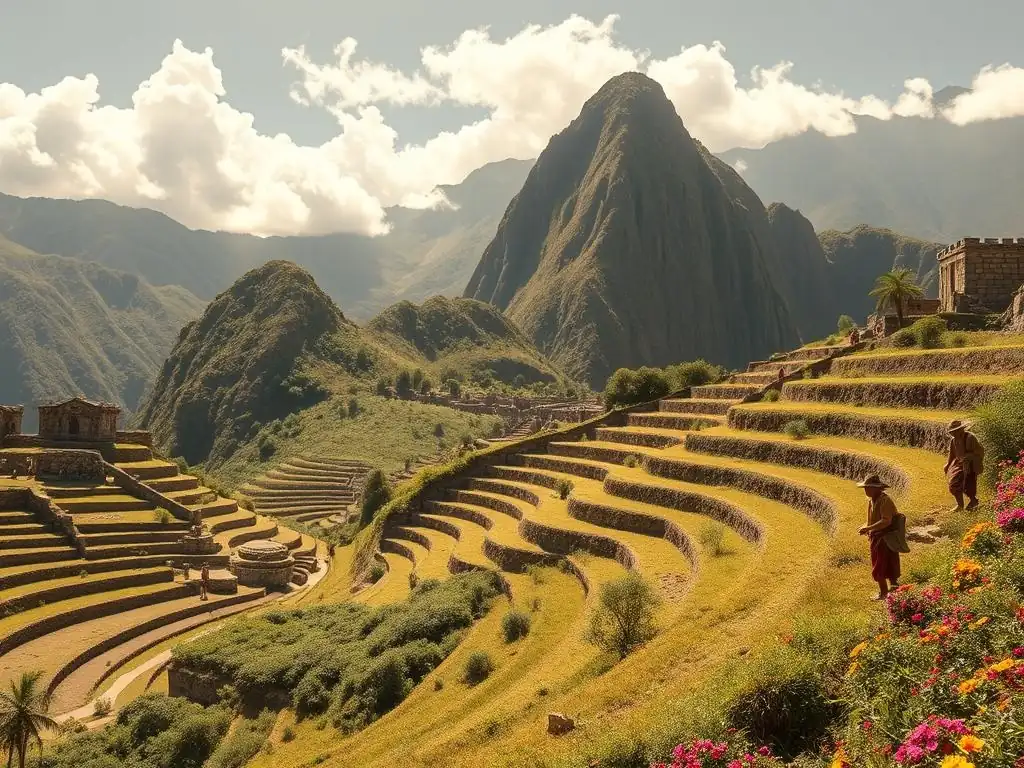
The Inca civilization, known for its incredible adaptability to the harsh environments of the Andes, developed several key agricultural innovations that allowed them to thrive in such challenging conditions. These innovations were not only critical for sustaining their population but also played a significant role in the empire's expansion and administration. Below, we delve into some of the most remarkable agricultural techniques employed by the Incas.
Terracing Techniques: Adapting to the Mountainous Landscape
One of the most impressive achievements of Inca agriculture was their use of terracing. This technique involved carving flat platforms into the steep slopes of the Andes, creating a series of stepped fields that significantly reduced soil erosion and maximized arable land.
- Construction: Inca terraces were constructed using a combination of earth, stone, and vegetation. The lower walls of the terraces often consisted of large stones, which helped to retain water and soil.
- Microclimates: The terraces created different microclimates, allowing for the cultivation of various crops at different altitudes. This was crucial in a region where temperature and weather conditions could change dramatically over short distances.
- Soil Management: The Incas also developed sophisticated methods for managing soil fertility. They utilized organic materials, such as llama manure and plant residue, to enrich the soil, ensuring sustainable farming practices over generations.
Irrigation Systems: Engineering Marvels of the Andes
The Inca civilization is renowned for its advanced irrigation systems, which were vital for their agricultural success in the arid regions of the Andes.
- Canal Systems: The Incas built extensive networks of canals that transported water from rivers and streams to their fields. These canals were meticulously engineered to ensure a steady flow of water, even on steep gradients.
- Water Conservation: They developed techniques to capture and store rainwater, utilizing natural depressions in the landscape as reservoirs. This allowed them to irrigate their crops during dry spells, increasing agricultural resilience.
- Community Involvement: The construction and maintenance of these irrigation systems often involved the entire community. This fostered a sense of collective responsibility and cooperation, which was a hallmark of Inca society.
Crop Diversification: Harnessing the Biodiversity of the Andes
The Incas recognized the importance of crop diversification, which allowed them to optimize their agricultural output and ensure food security.
- Staple Crops: The Incas cultivated a variety of staple crops such as potatoes, quinoa, and maize. They developed numerous varieties of these crops to suit different altitudes and climates, which helped mitigate the risks of crop failure.
- Complementary Planting: By employing companion planting techniques, the Incas maximized the benefits of biodiversity. For instance, planting maize alongside beans not only improved soil fertility but also provided mutual support for growth.
- Preservation Techniques: The Incas were also skilled in food preservation methods, such as freeze-drying and dehydration, which allowed them to store surplus crops for lean seasons.
The agricultural innovations of the Incas, including terracing techniques, advanced irrigation systems, and crop diversification, were instrumental in their ability to thrive in the challenging Andean environment. These practices not only supported their large population but also contributed to the empire's stability and longevity, leaving a lasting impact on agricultural practices in the region.
Use of Fertilizers: Enhancing Soil Productivity
The Incas were pioneers in the use of fertilizers, which played a crucial role in enhancing soil productivity across the challenging Andean landscape. The harsh climate and varied altitudes of the Andes posed significant challenges for agricultural practices; however, the Incas developed innovative methods to maintain and improve soil fertility.
One of the most notable techniques involved the use of organic fertilizers such as guano (bird droppings), which were harvested from coastal islands. Guano is rich in nitrogen, phosphorus, and potassium—essential nutrients that promote plant growth. The Incas transported this valuable resource across difficult terrains to enrich their fields. This practice not only improved the yield of crops but also ensured that the soil remained productive over time.
In addition to guano, the Incas employed other organic materials such as manure from domesticated animals and compost made from plant residues. These materials were often mixed into the soil, enhancing its structure and nutrient content. The incorporation of organic matter also improved soil aeration and moisture retention, which are vital in the dry highlands.
Furthermore, the Incas practiced crop rotation and intercropping as part of their agricultural strategy. By alternating crops and planting different species together, they minimized soil depletion and pest infestations. This practice not only maintained soil fertility but also diversified their agricultural output, ensuring a steady food supply.
The strategic use of fertilizers, combined with their advanced farming techniques, allowed the Incas to cultivate a wide variety of crops, including potatoes, maize, and quinoa, even in the most challenging environments of the Andes. This innovative approach to soil management underscores the Incas' deep understanding of their environment and their ability to adapt to it, ultimately leading to their agricultural success and societal stability.
The Role of Agriculture in Inca Society
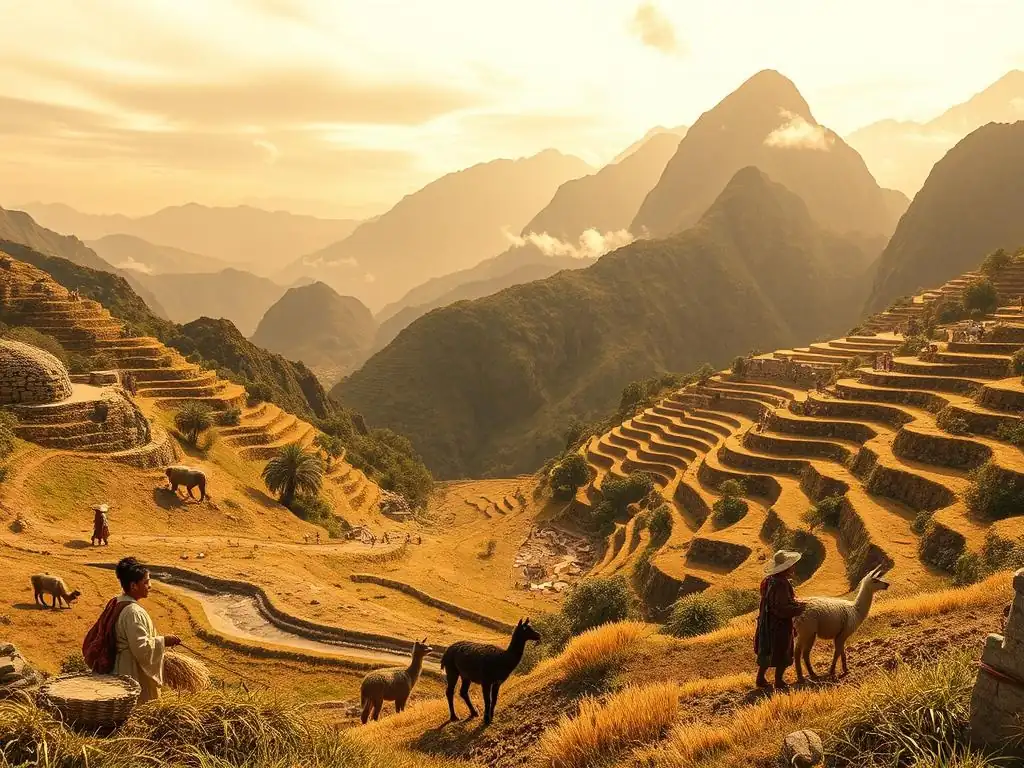
The Inca civilization, which flourished from the early 15th century until the Spanish conquest in the 16th century, heavily depended on agriculture as the backbone of its economy and culture. The harsh Andean environment posed significant challenges, including steep terrains, varying altitudes, and unpredictable weather patterns. However, the Incas developed remarkable agricultural innovations that not only allowed them to thrive but also to expand their empire across diverse ecological zones.
The Incas implemented advanced agricultural techniques, such as terracing and irrigation systems, which maximized their arable land. These innovations transformed steep mountainsides into productive farmland, enabling the cultivation of various crops at different altitudes. The effective use of the vertical ecological zone concept allowed the Incas to cultivate a wide variety of crops suited to different climatic conditions, thus enhancing food security across the empire.
Economic Impact of Inca Agricultural Innovations
The economic structure of the Inca Empire was fundamentally linked to its agricultural practices. By mastering the art of farming in the rugged Andes, the Incas were able to produce surplus food, which was crucial for sustaining their large population and military forces.
- Surplus Production: The implementation of crop rotation and the cultivation of diverse crops led to increased yields. For instance, the introduction of different varieties of potatoes and maize ensured a stable food supply, reducing the risk of famine.
- Trade and Exchange: Agricultural surplus facilitated trade between different regions of the empire. The Incas established an extensive trade network, exchanging agricultural products such as quinoa, maize, and textiles for goods from other regions, thus enhancing economic interdependence.
- State Control and Redistribution: The Inca government maintained a system of state control over agricultural production. Through the Mit'a system, labor was organized for public works and agricultural tasks, ensuring that farmers contributed to state projects while receiving protection and support in return. This system not only maintained agricultural productivity but also reinforced the power of the Inca state.
Cultural Significance of Crops: Maize, Potatoes, and Quinoa
The crops cultivated by the Incas were not only vital for survival but also held profound cultural significance. Each of these staple crops— maize, potatoes, and quinoa—played a crucial role in the social and spiritual life of the Andean people.
- Maize (Zea mays): Often referred to as the "sacred grain," maize was central to Inca rituals and ceremonies. It was used in offerings to the gods and played a significant role in festivals. Maize beer, or chicha, was a staple beverage consumed during social gatherings and religious ceremonies.
- Potatoes (Solanum tuberosum): The Incas domesticated and cultivated over 4,000 varieties of potatoes, making it a staple food source. Potatoes were not only vital for nutrition but also held symbolic significance in Inca mythology. The ability to store potatoes for extended periods allowed the Incas to manage food supplies effectively.
- Quinoa (Chenopodium quinoa): Known as the "mother grain," quinoa was a highly nutritious food source rich in protein. It was considered sacred and was used in rituals. The Incas also used quinoa to sustain their armies during expeditions, highlighting its importance in both daily life and military strategy.
Agricultural Labor: Community Collaboration and Organization
Inca agricultural practices were characterized by a strong sense of community collaboration and organization. Agricultural labor was not merely an individual effort; rather, it was a communal activity that fostered social cohesion and reinforced Inca societal structures.
- Mit'a System: The Mit'a system required communities to contribute labor for agricultural projects, such as terracing and irrigation. This system ensured that all members of society participated in agricultural production, promoting unity and shared responsibility.
- Collective Farming: Fields were often worked collectively, with families and community members coming together for sowing and harvesting. This collaboration not only increased efficiency but also strengthened social bonds among the Inca people.
- Knowledge Transfer: Agricultural knowledge was shared among community members, ensuring that techniques and practices were passed down through generations. This transfer of knowledge contributed to the sustainability of Inca agricultural innovations and resilience against environmental challenges.
The agricultural innovations of the Incas played a pivotal role in their ability to conquer and thrive in the harsh Andean landscape. By developing sophisticated techniques and fostering community collaboration, they established a robust agricultural system that supported their economy, cultural identity, and social organization. The legacy of Inca agricultural innovations continues to influence Andean agricultural practices to this day.
Challenges Faced by the Incas in Agriculture
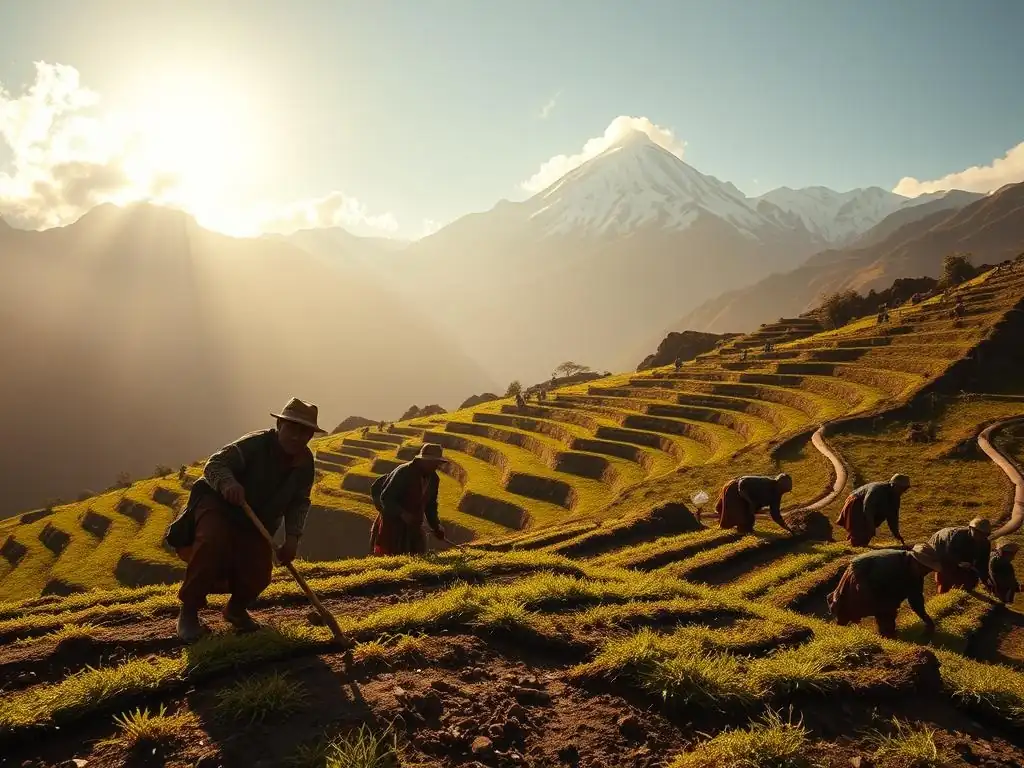
The Incas, renowned for their incredible agricultural feats, faced an array of challenges in their quest to cultivate the rugged terrains of the Andes. Understanding these challenges is crucial for appreciating the innovative solutions they developed. The harsh environmental conditions, coupled with the sociopolitical dynamics of the time, created a landscape where traditional farming methods were often insufficient.
Environmental Obstacles in the Andes
The Andean region posed significant environmental hurdles for agricultural development:
- Altitude Variability:
- The Andes mountains rise sharply, with elevations reaching over 6,000 meters (20,000 feet) in some areas. This variability creates diverse microclimates, which complicates agricultural practices.
- Crops that thrive at lower altitudes may struggle at higher elevations due to lower temperatures and reduced oxygen levels.
- Soil Degradation:
- The steep slopes of the Andean mountains lead to soil erosion, particularly during the rainy season. This erosion depletes the soil of vital nutrients required for crop growth.
- Additionally, the volcanic activity in some regions can result in soil that is too acidic for certain crops, necessitating careful management.
- Water Scarcity:
- Despite being home to significant rivers, many areas of the Andes experience dry seasons, leading to water scarcity. The Incas had to develop intricate irrigation systems to ensure a stable water supply for their crops.
- Seasonal fluctuations in rainfall, combined with the need to manage water flow in mountainous terrain, further complicated farming practices.
- Temperature Extremes:
- The temperature in the Andes can vary drastically between day and night, which can stress crops. Some plants may endure frost at night, while the daytime heat can be intense.
- Such temperature fluctuations require crops that can adapt to both conditions, or necessitate protective agricultural practices.
Solutions Developed by the Incas to Overcome Agricultural Challenges
To navigate the formidable challenges of Andean agriculture, the Incas implemented a series of innovative strategies:
- Terracing:
- The Incas constructed extensive terraces to create flat land in the mountainous landscape. This technique not only maximized arable land but also reduced soil erosion.
- Terracing facilitated the collection of moisture and nutrients, as the design allowed for better water retention and reduced runoff.
- Irrigation Systems:
- Advanced irrigation techniques were developed, including aqueducts and canals, to transport water from rivers to fields. This ensured a consistent water supply even during dry seasons.
- The Incas also constructed reservoirs to store water, allowing them to manage water distribution effectively.
- Crop Diversification:
- The Incas practiced crop diversification by cultivating a variety of crops suited to different microclimates. This not only mitigated the risks associated with crop failure but also enhanced soil fertility.
- Key crops included potatoes, maize, quinoa, and various beans, many of which were well adapted to the Andean environment.
- Farming Techniques:
- The Incas employed unique farming methods such as Chinampas, or floating gardens, in certain areas, particularly near lakes. This technique allowed for the cultivation of crops in water-rich environments.
- Additionally, they utilized companion planting, which involved planting different crops together to enhance growth and reduce pests.
- Selective Breeding:
- The Incas practiced selective breeding of crops to enhance desirable traits, such as drought resistance and higher yields. This method ensured that they cultivated the most resilient varieties suited to their environment.
Through these innovative solutions, the Incas not only overcame the challenges posed by the harsh Andean environment but also developed a sophisticated agricultural system that laid the foundation for their civilization's prosperity. Their agricultural innovations remain a testament to their ingenuity and adaptability, significantly contributing to the sustainability and longevity of Inca society.
Lasting Impact of Inca Agricultural Innovations
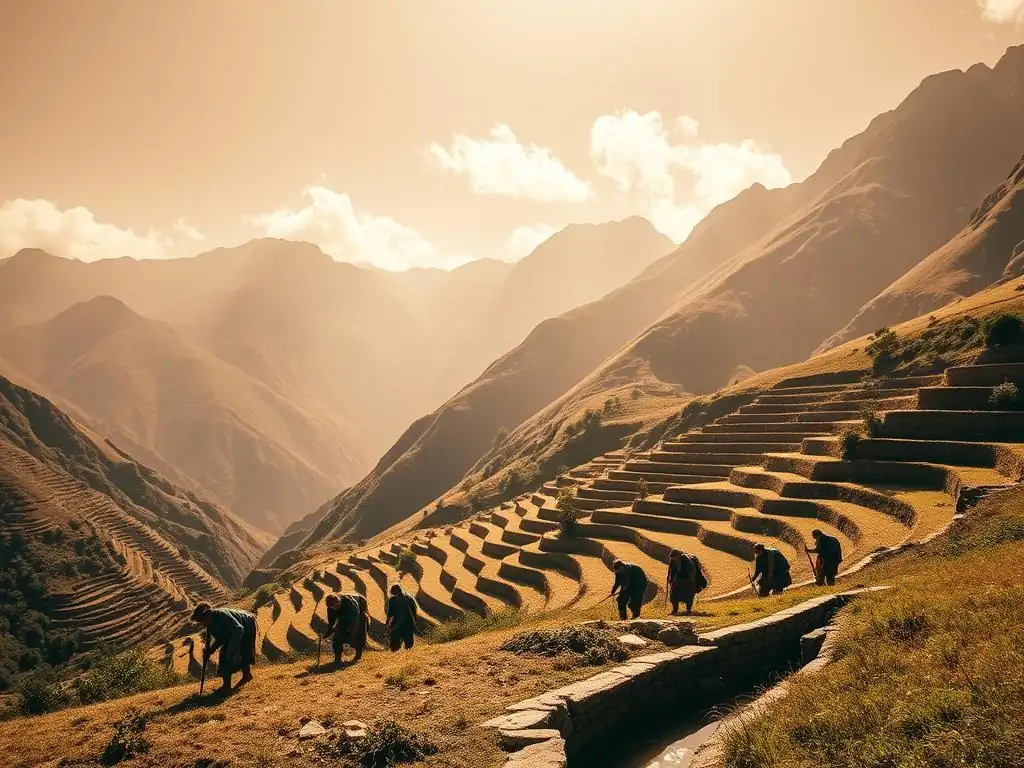
The agricultural innovations developed by the Incas have left a profound and lasting impact on the Andean region and beyond. Their sophisticated techniques not only ensured food security in one of the world’s most challenging environments but also laid a foundation for modern agricultural practices. The ingenuity of Inca agricultural innovations is evident in various aspects of contemporary farming in the Andes.
Influence on Modern Andean Agriculture
The techniques pioneered by the Incas, including terrace farming, irrigation systems, and crop diversity, continue to influence modern Andean agriculture in significant ways.
- Terrace Farming: The Incas built extensive terraces on the steep slopes of the Andes to maximize arable land. This technique is still prevalent today, as farmers utilize terraces to mitigate soil erosion and create microclimates. Modern farmers have adopted these methods to cultivate crops such as potatoes, maize, and quinoa, which thrive in the unique conditions of the Andes.
- Irrigation Systems: The Incas developed sophisticated irrigation systems that allowed them to channel water from rivers and streams to their fields. This innovation is crucial in areas where rainfall is scarce. Recent studies show that the principles of Incan irrigation are being replicated in contemporary agriculture to enhance water management and crop yields. For example, the use of canals and aqueducts has been revitalized to support sustainable farming practices in the region.
- Crop Diversity: The Incas were pioneers in promoting crop diversity, cultivating a wide range of crops adapted to different ecological zones. This practice not only increased resilience against pests and diseases but also improved nutritional security. Today, Andean farmers continue to grow native varieties of potatoes, maize, and beans, preserving the genetic diversity that the Incas emphasized. This heritage contributes to food sovereignty and cultural identity among Indigenous communities.
The enduring influence of Inca agricultural innovations on modern Andean agriculture highlights the relevance of traditional practices in contemporary farming. These techniques have not only sustained local economies but have also contributed significantly to global agricultural knowledge.
Preservation of Inca Agricultural Techniques in Indigenous Cultures Today
The agricultural techniques established by the Incas are not merely historical relics; they are actively preserved and practiced by Indigenous cultures in the Andes. This preservation is crucial for maintaining cultural heritage and promoting sustainable agricultural practices.
- Cultural Significance: For many Indigenous communities, the agricultural methods of their ancestors symbolize a deep connection to the land and a sustainable way of life. The rituals and practices associated with planting and harvesting remain integral to their cultural identity. For instance, the traditional celebration of Inti Raymi, which honors the sun god, is intertwined with agricultural cycles and reflects the continued importance of these practices.
- Knowledge Transmission: Indigenous elders play a vital role in passing down agricultural knowledge to younger generations. This intergenerational transmission ensures that Inca agricultural innovations are not lost. Workshops and community gatherings often focus on teaching traditional farming techniques, including seed selection, planting methods, and pest management strategies.
- Community Farming Initiatives: In recent years, there has been a resurgence of interest in traditional farming methods among Indigenous communities, often supported by NGOs and academic institutions. Community farming initiatives aim to revitalize Inca agricultural practices while addressing modern challenges such as climate change and market access. These initiatives often incorporate traditional knowledge with contemporary science, fostering a holistic approach to agriculture.
The preservation of Inca agricultural techniques within Indigenous cultures today not only honors a rich heritage but also fosters resilience in the face of modern agricultural challenges. By integrating traditional practices with contemporary techniques, these communities continue to thrive in the Andean environment, ensuring that the legacy of Inca agricultural innovations endures.
Conclusion: The Legacy of Inca Agricultural Innovations in the Andes
Summary of Key Innovations and Their Importance
The Inca civilization's agricultural innovations were remarkable and tailored to the unique challenges posed by the harsh Andean environment. Among their most significant achievements were:
- Terracing: The Incas constructed extensive terraced fields on steep mountain slopes. This technique minimized soil erosion and allowed for effective water management, increasing arable land significantly. Terracing helped create microclimates, which supported diverse crops.
- Irrigation Systems: The Incas developed intricate irrigation systems, including canals and aqueducts, to divert water from rivers to their fields. This innovation allowed them to cultivate crops in otherwise arid regions and ensured consistent water supply throughout the growing season.
- Crop Diversity: Understanding the importance of biodiversity, the Incas cultivated a wide variety of crops, such as potatoes, maize, quinoa, and beans. This not only improved food security but also enhanced soil fertility and resilience against pests and diseases.
- Farming Techniques: The Incas employed advanced farming techniques, including crop rotation and companion planting. These methods optimized yields and maintained soil health, demonstrating an early understanding of sustainable agricultural practices.
These innovations not only supported the Inca population but also laid the groundwork for agricultural practices that would benefit future generations. The legacy of Inca agricultural innovations continues to influence modern farming in the Andes.
Reflection on the Inca Civilization's Contribution to Sustainable Agriculture
The Inca civilization serves as a powerful example of sustainable agricultural practices that harmonized with their environment. Their ability to adapt to the challenging Andean ecosystem demonstrates a profound understanding of ecological principles.
- Sustainability Practices: The Inca's agricultural methods emphasized sustainability through the careful management of natural resources. Their use of terracing and irrigation minimized environmental degradation, ensuring that farming could continue for generations without depleting the land.
- Cultural Significance: Agriculture was deeply intertwined with Inca culture and spirituality. They revered agricultural deities and incorporated rituals into farming practices, which fostered a communal approach to agriculture. This cultural respect for the land contributed to the sustainability of their practices.
- Lessons for Modern Agriculture: Today, as the world faces challenges such as climate change and food insecurity, the Inca's agricultural innovations provide valuable lessons. Their holistic approach to farming can inspire modern sustainable agricultural practices that prioritize biodiversity, resource conservation, and community involvement.
The legacy of Inca agricultural innovations in the Andes is a testament to their ingenuity and adaptability. Their contributions not only transformed their civilization but also offer vital insights for the future of sustainable agriculture.
Frequently Asked Questions
What were the primary agricultural innovations of the Incas?
The Incas developed advanced irrigation systems, terrace farming, and diverse crop rotation methods, which allowed them to thrive in the challenging Andean environment.
How did the Inca agricultural innovations impact their society?
These innovations supported a large population by increasing food production, which contributed to the stability and expansion of the Inca Empire.
What crops did the Incas cultivate in the Andes?
The Incas grew a variety of crops, including potatoes, maize, and quinoa, all of which were essential for their diet and cultural practices.
How did the Incan agricultural techniques influence modern farming?
Many of the techniques developed by the Incas, such as terracing and crop diversity, continue to be relevant in contemporary agricultural practices in mountainous regions.
What challenges did the Incas face in their agricultural endeavors?
The Incas had to overcome challenges like harsh weather conditions, rocky terrain, and limited arable land, which they did through innovative farming methods and careful land management.
Final Reflection: The Enduring Legacy of Inca Agricultural Innovations in the Andes
The agricultural innovations of the Incas not only transformed their society but continue to resonate in today's discussions on sustainable farming practices. As we face the challenges of climate change and food security, the ingenuity of the Incas serves as a powerful reminder of how human creativity can adapt to even the harshest environments. Their methods, from terracing to irrigation, exemplify a profound understanding of the land that remains relevant in our quest for sustainable solutions.
The influence of Inca agricultural practices extends far beyond their historical context, shaping modern agricultural techniques and inspiring contemporary farmers. The principles of sustainability and respect for the environment that the Incas embodied are increasingly vital in our current climate. As we strive to cultivate our lands responsibly, we can draw inspiration from their legacy. The greatest threat to our planet is the belief that someone else will save it.
— Robert Swan. This quote encapsulates the urgency of taking action, reminding us that we must look to the past to inform our future.
As you reflect on the remarkable achievements of the Incas, consider how their innovations can inform your own practices and choices today. Embrace the lessons of resilience and adaptability that the Incas exemplified, and think about how you can contribute to a more sustainable future. Whether through supporting local agriculture, advocating for sustainable practices, or simply being mindful of your consumption, every action counts. Let the spirit of the Incas inspire you to cultivate not just the land, but also a deeper connection to our environment and a commitment to preserving it for generations to come.
Unleash the Power of Ancient Wisdom!
Thank you for exploring the incredible agricultural innovations of the Incas! You’ve uncovered how these ancient techniques helped them thrive in the challenging Andes, revealing valuable lessons for modern farming and sustainability. Now, let’s take some actionable steps to honor this knowledge and apply it today.
- Dive deeper: Research and implement an Incan agricultural practice in your gardening or farming strategy—consider techniques like terracing or companion planting!
- Share your journey: Post about how you're incorporating these ancient methods on social media to inspire others to reconnect with indigenous practices.
- Join a community: Engage with local agricultural organizations that focus on sustainable practices inspired by native techniques; discover workshops or events in your area!
How do you plan to integrate the wisdom of the Incas into your own life or community? Your thoughts could spark a meaningful conversation!