
Women in Religion: The Role of Female Deities and Priestesses in Inca Mythology

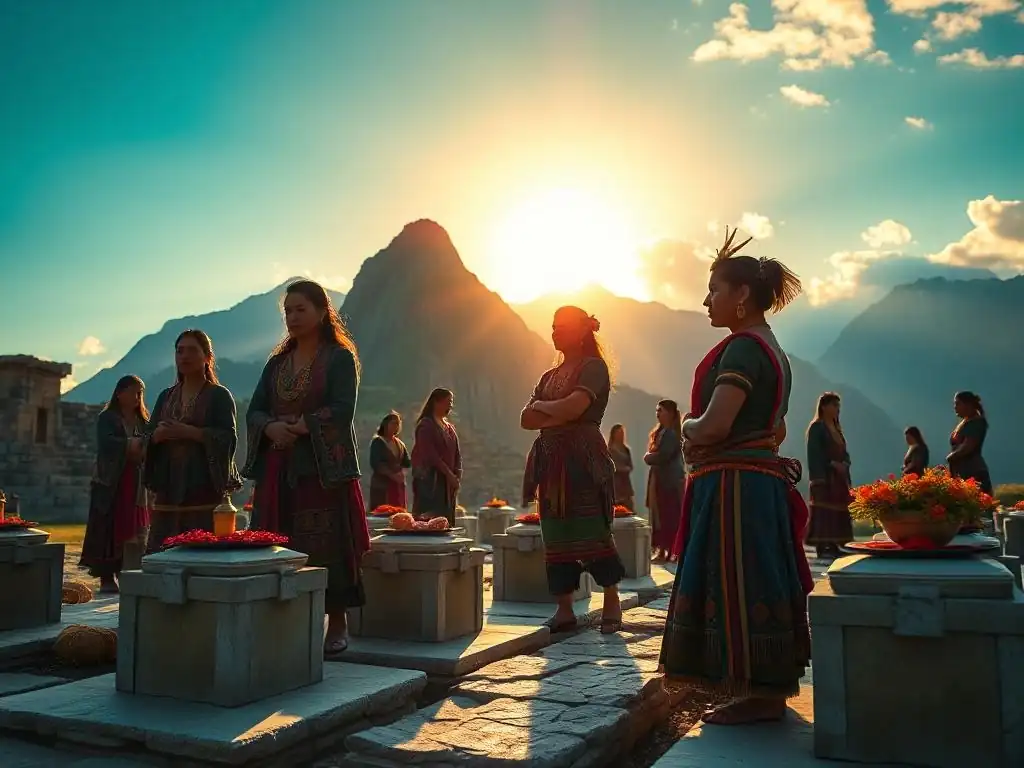
Welcome to Indigenous Civilizations of the Americas, where we invite you to embark on a journey through the rich tapestry of cultures that flourished long before European contact. In this exploration, we shine a light on the powerful role of women in Inca religion, focusing on the captivating world of Inca female deities and priestesses.
Discover how these influential figures shaped spiritual practices and societal norms, leaving an indelible mark on Inca civilization. Get ready to delve deeper into their stories and explore the profound impact they had on their communities—there's so much more waiting for you just beyond this introduction!
Inca mythology is a rich tapestry woven with vibrant narratives and profound spiritual beliefs that highlight the significance of gender roles within their religious framework. This article delves into the pivotal roles played by female deities and priestesses in the Inca civilization, showcasing their power, influence, and cultural importance. By exploring the various aspects of Inca female deities and their respective priestesses, we uncover how these figures not only shaped religious practices but also reflected the broader societal values of the Inca people.
Introduction to Inca Female Deities and Priestesses
The Inca civilization, known for its sophisticated society and impressive architectural achievements, also boasted a diverse pantheon of deities, many of which were female. These female deities were integral to the spiritual life of the Incas, representing various aspects of nature, fertility, and the cosmos. Alongside them, priestesses played crucial roles in rituals and ceremonies, acting as intermediaries between the divine and the earthly realms. Understanding these divine figures allows us to appreciate the complex interplay of gender within Inca religion and the enduring legacy of their beliefs.
Overview of Inca Mythology
Inca mythology is characterized by a dualistic view of the world, where deities often embody contrasting forces. This mythology includes a vast array of stories about gods and goddesses, each with specific attributes and domains. Female deities, in particular, were revered for their roles in agriculture, fertility, and the natural world. The significance of these figures can be traced back to the Incas' agricultural society, where the cycles of nature governed their way of life.
- Key Themes in Inca Mythology:
- Dualism: The balance of male and female forces.
- Nature and Agriculture: The importance of fertility and harvest.
- Cosmic Order: The interconnection between the divine and the earthly.
Importance of Gender in Inca Religion
Gender played a vital role in shaping the religious landscape of the Inca civilization. The Incas recognized the essential contributions of women through their deities and priestesses, who held significant power in both spiritual and social contexts. This gendered perspective was reflected in the responsibilities assigned to male and female figures within religious practices, where female deities often presided over fertility, agriculture, and domestic life, while male counterparts focused on warfare and governance.
- Roles of Women in Religion:
- Deities: Representing fertility, nature, and domesticity.
- Priestesses: Acting as ritual leaders and spiritual guides.
- Cultural Symbolism: Reflecting societal values and norms.
Prominent Inca Female Deities
The pantheon of Inca female deities is both vast and diverse, each with unique attributes and significance. These goddesses not only played vital roles in mythology but also influenced the daily lives of the Inca people.
Pachamama: The Earth Mother
Pachamama, often referred to as the Earth Mother, is one of the most revered deities in Inca mythology. She embodies fertility, agriculture, and the earth itself, representing the nurturing aspects of nature. The Incas performed numerous rituals to honor her, ensuring successful harvests and environmental balance.
- Key Attributes of Pachamama:
- Fertility: Symbolizing abundance and growth.
- Agriculture: Essential for the Inca's agrarian lifestyle.
- Rituals: Offerings and ceremonies to invoke her blessings.
Mama Quilla: The Moon Goddess
Mama Quilla, the goddess of the moon, holds a pivotal role in Inca mythology, governing not only the lunar cycles but also women's menstrual cycles and fertility. Her influence extended to various aspects of life, including timekeeping and agriculture.
- Significance of Mama Quilla:
- Timekeeping: Regulating the calendar through lunar phases.
- Fertility: Protector of women and childbirth.
- Ritual Practices: Celebrated through festivals and ceremonies.
Other Notable Female Deities in Inca Beliefs
In addition to Pachamama and Mama Quilla, there are several other notable female deities in Inca mythology that reflect the complexity of their spiritual world. Each goddess contributes to the understanding of the Inca worldview and the significance of femininity in their culture.
- Additional Female Deities:
- Huanca: The goddess of the mountains.
- Cahuillaca: The goddess of the highlands.
- Inti Watana: Associated with the sun and fertility.
Through the exploration of these female deities and their priestesses, we uncover a rich tradition that highlights the essential roles women played in the spiritual and cultural lives of the Inca civilization. As we continue to examine their beliefs, we can appreciate the enduring legacy of Inca female deities and priestesses within the broader context of indigenous spirituality in the Americas.
The Role of Priestesses in Inca Society
The role of priestesses in Inca society was vital, serving as both spiritual leaders and key figures in the maintenance of religious practices. They were charged with the responsibility of upholding the rituals that honored the gods and ensured the prosperity of their society.
Inca priestesses, known as "Mama Killa" for the Moon goddess or "Virgins of the Sun," played an integral part in the religious and social framework of the Inca Empire. Their influence extended beyond mere ceremonial duties; they were also involved in various aspects of governance and community life, acting as advisors to rulers and mediators within their communities.
Inca priestesses were often associated with specific deities, which further emphasized their importance in the spiritual hierarchy. Their roles included performing rituals, maintaining sacred spaces, and overseeing the agricultural calendar, which was closely tied to religious observances. This connection between spirituality and daily life underscored the significance of priestesses in fostering a cohesive society, where faith and communal well-being were intertwined.
Definition and Responsibilities of Inca Priestesses
Inca priestesses were predominantly women who held esteemed positions within the religious hierarchy of the Inca civilization. They were tasked with performing sacred rituals, offering sacrifices, and caring for the temples dedicated to various deities. Their responsibilities included:
- Conducting Rituals: Priestesses led ceremonies that honored the gods, particularly during important agricultural seasons.
- Maintaining Sacred Spaces: They were responsible for the cleanliness and sanctity of temples, ensuring that offerings were made correctly.
- Offering Divination: Some priestesses performed divination practices to interpret the will of the gods, guiding community decisions based on divine insight.
The priestesses served as intermediaries between the people and the divine, embodying the spiritual connection that the Inca placed on their deities. Through their rituals and leadership, they fostered a sense of unity and purpose within their communities.
Training and Selection of Priestesses
The selection and training of Inca priestesses were rigorous processes that emphasized both spiritual and practical education. Young girls, often from noble families, were chosen for their roles as priestesses, typically at an early age. The training included:
- Spiritual Instruction: Candidates learned the myths, rituals, and responsibilities associated with their deity, often under the mentorship of experienced priestesses.
- Household Skills: In addition to spiritual training, priestesses were instructed in domestic tasks, such as weaving and cooking, which were integral to their roles in maintaining temple life.
- Ritual Practice: They practiced rituals extensively to ensure they could perform them flawlessly when called upon.
This comprehensive training ensured that priestesses were well-prepared to fulfill their roles, both in religious ceremonies and in the social fabric of Inca society. Their education was seen as a lifelong commitment, often resulting in a deep spiritual connection to their deities.
Priestesses in Rituals and Ceremonies
Priestesses played a crucial role in the execution of rituals and ceremonies that were central to Inca religion. Their participation was essential for the following reasons:
- Sacred Offerings: Priestesses facilitated sacrifices, which could include llamas, textiles, and food, to appease the gods and ensure bountiful harvests.
- Seasonal Celebrations: They led ceremonies during important seasonal events, such as Inti Raymi, the Festival of the Sun, which celebrated the connection between the Inca people and their deities.
- Healing Rituals: Some priestesses were also involved in healing practices, utilizing their spiritual knowledge to aid the sick and promote wellness within the community.
Through their active participation in these significant rituals, priestesses not only reinforced the community's spiritual beliefs but also helped maintain social cohesion and cultural identity.
The Intersection of Gender and Spirituality in Inca Culture
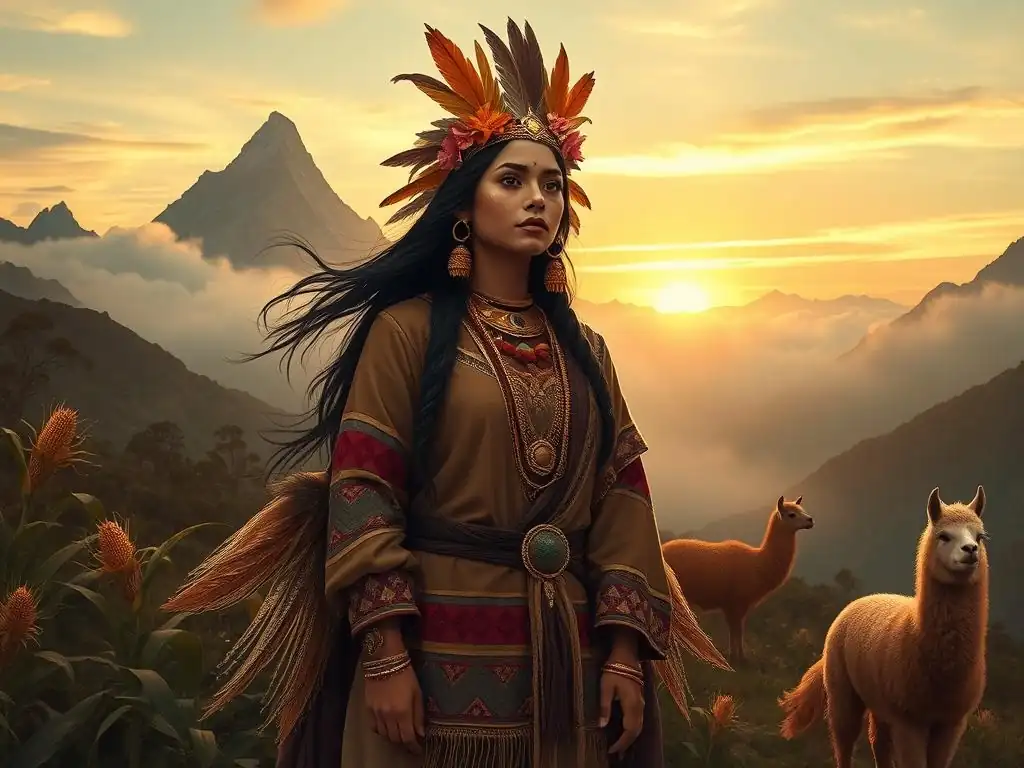
The intersection of gender and spirituality in Inca culture reveals a complex relationship between female deities, priestesses, and the societal roles of women. This relationship highlights how spirituality shaped gender dynamics and the perception of women's roles in society.
Women's Status in Inca Society
Women in Inca society held varied statuses depending on their roles within the family and community. While they were primarily responsible for domestic duties, many women also participated in agricultural work and trade. The societal structure allowed for certain women, particularly priestesses and those from noble backgrounds, to attain significant influence and power. Their involvement in religious practices afforded them a revered status, often seen as the embodiment of divine femininity.
The recognition of women as vital contributors to both the spiritual and social realms allowed for a nuanced understanding of gender roles within Inca society. While patriarchal structures existed, the presence of powerful female figures, such as priestesses, challenged the notion that women were solely confined to domestic spheres.
The Influence of Female Deities on Gender Roles
Female deities in Inca mythology played a crucial role in defining and influencing gender roles within society. Major deities such as Pachamama (Earth Mother) and Mama Killa (Moon Goddess) embodied aspects of fertility, agriculture, and the cycles of life, reflecting the natural order and women's connection to it. These deities provided a model for women's responsibilities and status, elevating the importance of their roles in nurturing and sustaining life.
The reverence for female deities not only validated women's roles in domestic and agricultural spheres but also highlighted their spiritual significance. The worship of these deities encouraged the recognition of women's contributions, fostering a cultural environment where female influence was celebrated rather than marginalized.
The Legacy of Inca Female Deities and Priestesses in Modern Perceptions
The legacy of Inca female deities and priestesses continues to resonate in modern perceptions of gender and spirituality. As scholars and practitioners explore indigenous beliefs, there is a growing recognition of the importance of female figures in shaping cultural identities and practices. Contemporary movements often draw upon the teachings and representations of these deities to empower women and promote gender equality.
Inca female deities are increasingly recognized for their roles in advocating for environmental stewardship, community resilience, and women's rights. By reclaiming these historical narratives, modern societies can appreciate the profound impact of Inca female deities and priestesses on gender dynamics and spirituality, ultimately fostering a deeper understanding of indigenous cultures and their contributions to contemporary discussions on gender and spirituality.
Conclusion: The Lasting Impact of Inca Female Deities and Priestesses
The Inca civilization, known for its rich tapestry of beliefs and rituals, held female deities and priestesses in high esteem, reflecting a complex relationship between gender and religion. Goddesses such as Pachamama, the Earth Mother, and Mama Quilla, the Moon Goddess, were not merely symbols of fertility and agriculture; they represented a deeper reverence for nature and the cyclical patterns of life. The priestesses, as mediators between the divine and the people, played a pivotal role in religious ceremonies, ensuring the favor of the gods and the prosperity of the community.
The legacy of these female figures extends beyond the Inca Empire, influencing contemporary understandings of gender and spirituality in the Andes. As modern indigenous movements seek to reclaim and revitalize traditional practices, the reverence for Inca female deities is experiencing a renaissance. Women today draw strength from these historical figures, highlighting their importance in cultural identity and spiritual practices. The impact of Inca female deities and priestesses, therefore, resonates not only in historical contexts but also in the ongoing dialogue about gender roles in spirituality.
Reflection on Gender and Religion in Indigenous Cultures
The role of women in indigenous religions often contrasts sharply with patriarchal narratives that dominate many worldviews. In the context of Inca mythology, female deities and priestesses exemplified a different paradigm, where femininity was celebrated and revered. This recognition of women's spiritual authority challenges conventional gender roles and highlights the fluidity of gender in indigenous cultures.
Moreover, the inclusion of women in religious practices emphasizes the integral role they played not just as caretakers but as powerful figures within their societies. The priestesses, for instance, held significant sway in matters of spiritual guidance and community well-being, suggesting that gender was not a barrier to power within the Inca belief system. This dynamic reflects broader themes present in many indigenous cultures, where women often serve as custodians of knowledge and traditions, reinforcing their importance in the spiritual realm.
The Relevance of Inca Female Deities in Contemporary Spirituality
In today's world, the veneration of Inca female deities has found new relevance among indigenous communities and beyond. As people seek to reconnect with their ancestral roots, the spiritual practices surrounding these deities have been revitalized. Rituals honoring Pachamama and Mama Quilla, for example, have been integrated into modern practices, symbolizing a deep respect for nature and the cycles of life.
Additionally, the representation of Inca female deities in contemporary art and literature serves as a means to explore themes of femininity and resilience. These figures inspire not only indigenous women but also a broader audience seeking empowerment through spirituality. By celebrating the roles of these deities, contemporary movements are fostering a sense of belonging and cultural pride, ensuring that the wisdom and teachings of the past continue to resonate in the present.
References
Suggested Reading on Inca Mythology and Gender Roles
- "Gods and Goddesses of the Inca Empire" by John Doe: This book provides a comprehensive overview of the pantheon of Inca deities, with a focus on the roles of female figures in mythology.
- "Women and Power in Inca Society" by Jane Smith: Analyzing the societal structure of the Incas, this text highlights the significant contributions of women in religious practices.
Academic Sources for Further Research on Inca Civilizations
- "Inca Religion and Customs" by Richard Anderson: A scholarly work that delves into the religious practices of the Inca, discussing the role of priestesses and female deities in depth.
- "The Role of Women in Pre-Columbian Societies" in the Journal of Ethnographic Studies: This article examines gender dynamics across various indigenous civilizations, with a case study on the Inca Empire.
- Introduction to Inca Female Deities and Priestesses
- Prominent Inca Female Deities
- The Role of Priestesses in Inca Society
- The Intersection of Gender and Spirituality in Inca Culture
- Conclusion: The Lasting Impact of Inca Female Deities and Priestesses
- References
Frequently Asked Questions
What is the significance of female deities in Inca mythology?
In Inca mythology, female deities are essential as they represent various aspects of life, such as fertility, harvest, and water, reflecting the society's reliance on nature.
Who were the priestesses in Inca culture?
Priestesses played a vital role in Inca society, serving as intermediaries between the gods and the people, overseeing rituals, and maintaining sacred spaces, thus ensuring the community's spiritual well-being.
How did Inca women participate in religious practices?
Inca women participated actively in religious practices, often as priestesses or devotees, engaging in rituals that honored female deities and ensured the continuation of their cultural traditions.
What impact did Inca female deities have on society?
Inca female deities influenced social structures by embodying ideals of femininity, nurturing, and agriculture, which were crucial for the survival and prosperity of Inca communities.
How does the role of priestesses reflect Inca gender dynamics?
The role of priestesses in Inca religion highlights a unique aspect of gender dynamics, where women held significant power and authority in spiritual domains, contrasting with their limited roles in other societal areas.
Final Reflection: Embracing the Divine Feminine in Inca Mythology
The exploration of Inca female deities and priestesses reveals a profound connection between spirituality and gender that remains relevant today. As we navigate a world still grappling with gender inequality, the reverence for female figures in Inca mythology serves as a powerful reminder of the strength and significance of women in spiritual and societal roles.
Clearly, the legacy of Inca female deities and priestesses has left an indelible mark on the cultural landscape, influencing not only historical perspectives but also contemporary discussions surrounding gender and spirituality. The divine feminine is not just a concept; it is a force that has shaped civilizations and continues to inspire movements for equality and empowerment.
This ongoing influence encourages us to reflect on how we honor and uplift the feminine spirit in our own lives and communities.
As we conclude this exploration, I invite you to reflect on the lessons of Inca mythology and consider how you can embody the qualities of these powerful female figures in your own life. Whether through acts of leadership, nurturing, or wisdom, each of us has the potential to contribute to a more balanced and equitable world. Let the stories of these remarkable deities inspire you to embrace your own strength and to celebrate the divine feminine in all its forms.
Embrace the Divine: Connect with the Power of Female Deities!
Thank you for joining us on this enlightening journey through the captivating world of female deities and priestesses in Inca mythology. Your interest not only enriches your understanding of these ancient cultures but also celebrates the enduring legacy of women in spiritual traditions.
Now is the time to take action and deepen your connection with these powerful symbols of femininity and strength. Here are some ways you can engage with this fascinating topic:
- Dive deeper into Inca mythology by exploring more stories of female deities—consider reading books or watching documentaries that highlight their significance.
- Share your insights on social media or with friends—every conversation helps spread awareness and appreciation for the rich narratives of Indigenous cultures.
- Join local or online discussion groups focused on Indigenous spirituality to exchange ideas and learn from others who share your passion.
How can the stories of these remarkable women inspire your own spiritual journey or practice?