
Understanding the Materials Traded: A Deep Dive into Indigenous Economies

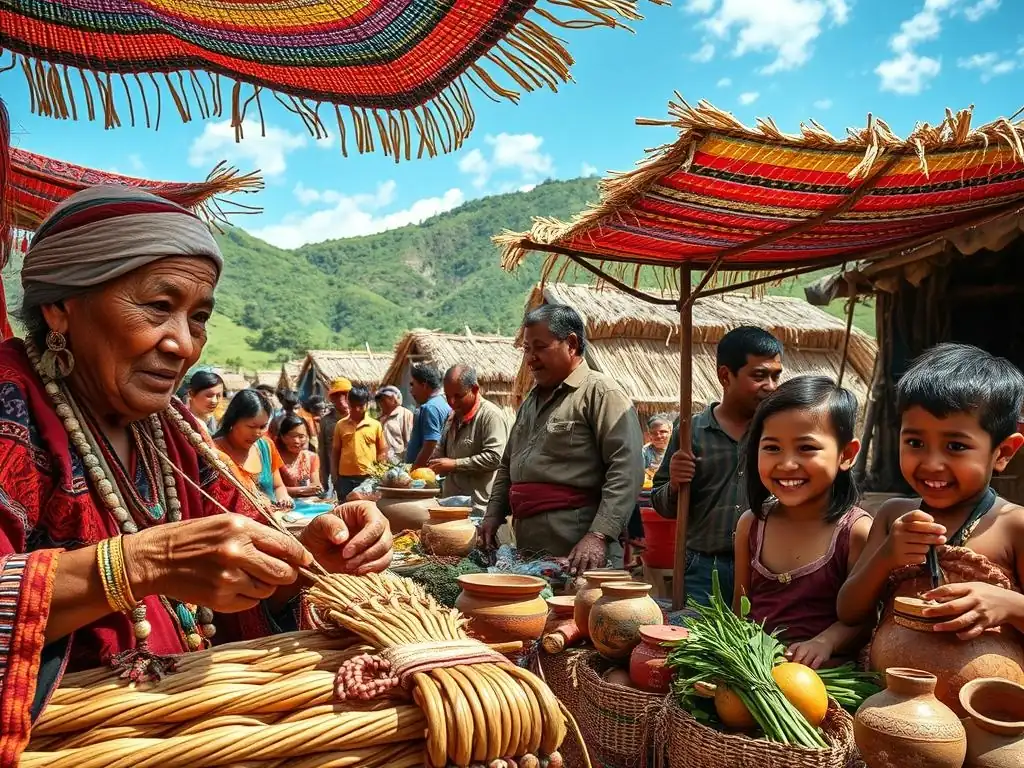
Welcome to Indigenous Civilizations of the Americas, where we invite you to embark on a fascinating journey through the rich tapestry of indigenous cultures that flourished long before European contact. Here, we delve into the indigenous economies of the Americas, revealing the intricate systems of trade, resource management, and community interconnections that sustained these vibrant societies. Are you curious about the materials that shaped their economies and the legacy they left behind? Join us as we uncover the depths of their achievements and the lessons that continue to resonate today.
Introduction to Indigenous Economies of the Americas
The indigenous economies of the Americas represent a rich tapestry of trade systems that were integral to the survival and prosperity of diverse cultures long before European colonization. These economies were not merely transactional; they were deeply interwoven with social structures, spiritual beliefs, and communal identities.
From the vast trade networks connecting the Great Lakes peoples to the intricate systems of barter and exchange utilized by the Andean civilizations, the indigenous peoples of the Americas developed sophisticated economic practices that facilitated the movement of goods, ideas, and cultural values. Understanding these economies is essential to appreciating the historical complexity and resilience of indigenous societies, as well as their lasting impact on contemporary cultures.
Overview of Indigenous Economies
Indigenous economies in the Americas were characterized by a variety of practices and materials that reflected the unique environments and resources of different regions. Often organized around communal values, these economies emphasized sustainable practices and social reciprocity. Key elements included:
- Subsistence Farming: Many indigenous groups practiced agriculture, growing staple crops such as maize, beans, and squash, which were integral to their diets and economies.
- Hunting and Gathering: In regions where agriculture was less viable, communities relied on hunting, fishing, and gathering for sustenance and trade.
- Craftsmanship: Skilled artisans created goods like pottery, textiles, and jewelry, which were often traded over long distances, highlighting the importance of craftsmanship in indigenous economies.
Trade was not only a means of acquiring goods but also a way to establish and maintain social relationships, with exchanges often accompanied by rituals and ceremonies.
Importance of Trade Networks in Indigenous Cultures
Trade networks were vital to the economic systems of indigenous cultures, serving as conduits for the flow of goods, ideas, and cultural practices. These networks facilitated:
- Cultural Exchange: As tribes and nations interacted through trade, they shared knowledge, technologies, and cultural practices, enriching their societies.
- Resource Distribution: Trade enabled communities to access resources that were not locally available, enhancing their quality of life and economic stability.
- Political Alliances: Trade relationships often solidified alliances between tribes, influencing social dynamics and power structures within and between communities.
The intricate web of trade networks across the Americas underscores the sophistication and depth of indigenous economies, illustrating their roles not just as economic systems but as frameworks for social cohesion and cultural resilience.
Key Materials Traded in Indigenous Economies
Understanding the specific materials that were traded provides further insight into the economic practices of indigenous cultures. The types of materials exchanged varied greatly depending on geography, culture, and available resources.
Overview of Trade Materials
The following materials were commonly traded across various indigenous economies:
- Foodstuffs: Items like dried fish, maize, and cacao were central to trade, often forming the basis of diets in different regions.
- Textiles: Woven materials, including cotton and wool, were highly valued for both functional and decorative purposes.
- Metals and Tools: Items crafted from stone, bone, and later metals played significant roles in both everyday life and trade.
- Ceramics: Pottery, used for storage and cooking, was often traded across regions, with unique styles reflecting cultural identities.
These materials not only served practical purposes but also held cultural significance, often representing the identity and traditions of the communities that produced them.
The Role of Materials in Cultural Expression
The materials traded among indigenous economies were not just commodities; they were expressions of cultural identity and heritage. For example, the intricate designs on pottery or textiles often conveyed stories, beliefs, and social status. Trade in these materials facilitated:
- Cultural Preservation: The exchange of goods helped maintain cultural practices and traditions, ensuring they were passed down through generations.
- Artistic Exchange: As artisans shared techniques and styles through trade, they enriched their own cultural expression and fostered innovation.
- Identity Formation: The materials and goods traded became symbols of cultural identity, connecting communities to their histories and values.
The indigenous economies of the Americas were complex, dynamic systems rooted in the rich cultural heritage of the peoples who inhabited the continent long before European contact. By exploring the materials traded and the networks established, we gain a deeper understanding of how these economies shaped social structures and cultural identities, leaving a lasting legacy that continues to influence indigenous communities today.
The Trade Networks of Indigenous Peoples
Trade networks among Indigenous peoples of the Americas were complex systems that facilitated the exchange of goods, ideas, and cultural practices. These networks were not just about the transfer of materials; they also played crucial roles in social relationships, political alliances, and cultural exchanges. The vastness of the Americas, with its diverse environments and resources, fostered a multitude of trade routes that connected various Indigenous groups across regions.
Indigenous trade networks varied significantly in scale and complexity, ranging from local exchanges within small communities to large-scale trading systems that spanned hundreds of miles. For example, the trade routes established by the Ancestral Puebloans in the Southwest allowed them to acquire essential resources like turquoise, cotton, and pottery from neighboring tribes. Similarly, the extensive networks of the Mississippian culture facilitated the movement of goods like copper, shell, and agricultural products throughout the southeastern United States.
Trade not only provided access to valuable resources but also reinforced social bonds and interdependence among tribes. Through trade, Indigenous peoples could share their knowledge about agriculture, hunting, and crafts, which enriched their societies and fostered cooperation.
Types of Trade Networks
The types of trade networks among Indigenous peoples were as diverse as the cultures themselves. They can be broadly categorized into three main types:
- Local Trade Networks:
- These networks operated within smaller geographic areas, often involving nearby communities. Goods such as food, pottery, and textiles were commonly exchanged. For instance, the Plains Indians traded buffalo products and agricultural goods among themselves.
- Regional Trade Networks:
- These networks connected larger groups across broader territories. They facilitated the movement of more valuable goods, like minerals and luxury items, that were not locally available. The Pacific Northwest tribes, for example, traded salmon, cedar wood, and woven baskets with tribes further inland.
- Intercontinental Trade Networks:
- Some Indigenous peoples engaged in extensive trade that crossed significant distances, often reaching into other continents. The Mesoamerican civilizations, such as the Aztecs and Mayans, traded cacao, obsidian, and textiles with groups as far north as the Great Lakes.
These trade networks were vital for the survival and prosperity of Indigenous economies, as they allowed for the exchange of surplus goods and the acquisition of essential resources that were otherwise unavailable.
Impact of Geography on Trade Networks
Geography played a pivotal role in shaping the trade networks of Indigenous peoples across the Americas. The diverse landscapes, climates, and natural resources influenced how and where trade occurred. Key geographical factors include:
- Natural Resources: Regions rich in particular resources often became trade hubs. For instance, the Great Lakes area was abundant in fish, while the Appalachian Mountains were known for their mineral wealth, encouraging trade with neighboring tribes.
- Geographical Barriers: Natural features like mountains, rivers, and deserts affected the movement of goods and people. For instance, the Rocky Mountains acted as a barrier to trade, prompting Indigenous peoples to establish specific routes around or over them.
- Climate Variations: Different climates influenced the types of goods produced in various regions, creating demand for diverse products. For example, the arid Southwest required trade for agricultural products from the more fertile regions, such as the Mississippi River Valley.
Overall, geography dictated the flow of trade, the types of goods exchanged, and the relationships formed between different Indigenous groups.
Indigenous Economies and Their Societal Structures
Indigenous economies were intricately linked to the social structures of the communities. The economic systems in place reflected the values, traditions, and environmental contexts of each culture, establishing a unique framework for trade and resource management.
Economic Systems within Indigenous Communities
Economic systems varied widely among Indigenous communities, often reflecting their lifestyles and the resources available to them. Some common systems included:
- Subsistence Economies: Many Indigenous peoples practiced subsistence agriculture, hunting, and gathering. They produced just enough to meet their needs, with any surplus traded locally. Communities like the Iroquois relied on agriculture, growing crops such as maize, beans, and squash, known as the "Three Sisters."
- Gift Economies: In some cultures, trade involved gift-giving rather than direct exchanges. This practice reinforced social ties and obligations within communities. The Potlatch ceremony among the Pacific Northwest tribes exemplified this system, where wealth was distributed to enhance social status.
- Barter Systems: Barter was a common practice in which goods were exchanged directly without the use of currency. This system allowed for flexibility and negotiation, adapting to the needs of the community.
These economic systems were vital for sustaining communities and were often intertwined with cultural practices, reinforcing the significance of trade in Indigenous societies.
Social Hierarchies and Trade Relationships
Social hierarchies within Indigenous communities often influenced trade relationships and economic transactions. The roles of individuals and groups within these hierarchies shaped who participated in trade and how resources were allocated.
- Leadership Roles: Chiefs or elders often played crucial roles in facilitating trade, negotiating agreements, and ensuring that resources were distributed fairly within the community. Their authority was essential in maintaining social order and managing trade relations with other tribes.
- Specialization of Labor: In many Indigenous cultures, individuals specialized in particular crafts or trades, such as pottery, weaving, or hunting. This specialization fostered interdependence among community members, as people relied on each other's skills for survival and trade.
- Trade Alliances: Relationships between tribes were often formalized through trade alliances, which could include intermarriage, treaties, or mutual defense pacts. These alliances not only enhanced trade opportunities but also strengthened social and political ties.
The interplay between social hierarchies and trade relationships underscores the complexity of Indigenous economies and their foundational role in sustaining vibrant and interconnected communities.
Case Studies of Indigenous Trade Practices
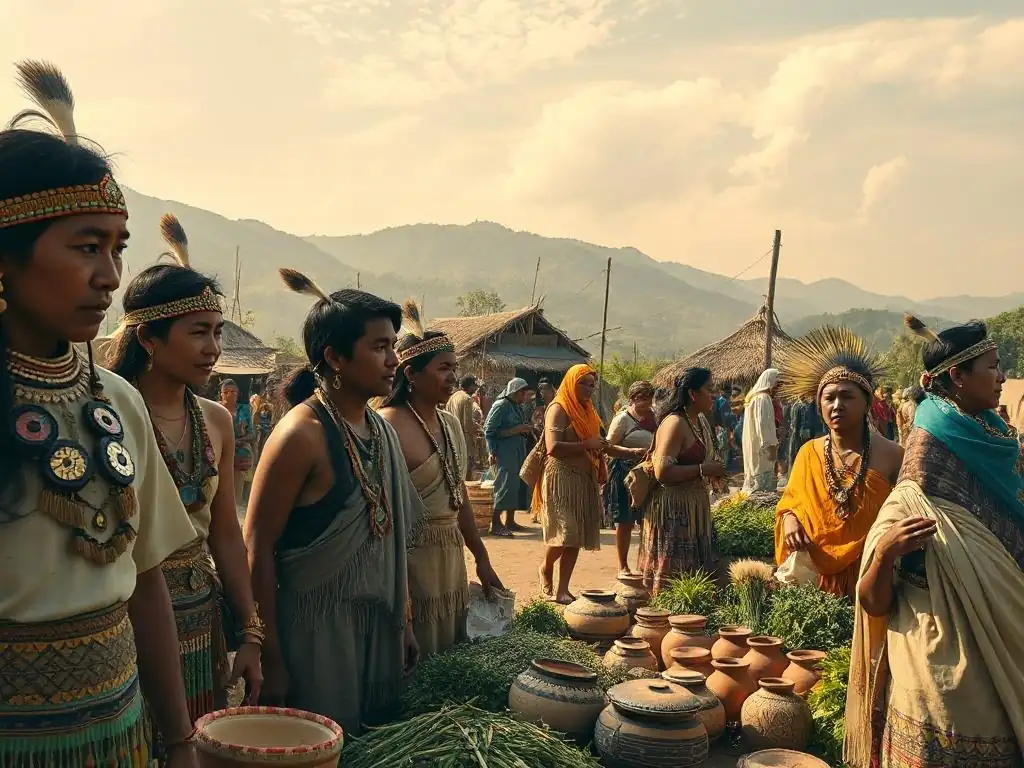
Indigenous economies of the Americas were characterized by a rich tapestry of trade practices that varied significantly across regions and cultures. These practices were intricately tied to local resources, social structures, and environmental factors. By examining specific case studies, we can gain deeper insights into the diverse economic systems and trade networks that flourished before European contact.
The Inca Empire: A Model of Economic Organization
The Inca Empire, which thrived in the Andean region from the early 15th century until the Spanish conquest in the 16th century, serves as a remarkable example of economic organization. The Incas developed an extensive network of trade routes that connected various ecological zones, allowing for the exchange of goods such as textiles, pottery, and agricultural products.
- Mit'a System: One of the key components of Inca economic organization was the mit'a system, a form of labor taxation that required communities to contribute labor for state projects, including agriculture and infrastructure. This system facilitated the movement of goods and resources throughout the empire, ensuring a steady supply of materials.
- State-Controlled Trade: The Inca government regulated trade to maintain stability and control over the economy. They established storehouses, known as "qollqas," where surplus goods were stored and distributed during times of scarcity.
- Cultural Exchange: Trade also played a vital role in cultural exchange. Through commerce, the Incas were able to share agricultural techniques, religious practices, and artistic styles, which enhanced their societal cohesion.
The Mississippian Culture: Trade and Urban Development
The Mississippian culture, which flourished from approximately 800 CE to 1600 CE in the southeastern United States, is known for its complex societies and urban centers, such as Cahokia. Trade was central to the development of these urban environments and their surrounding regions.
- Trade Networks: The Mississippians established extensive trade networks that spanned from the Gulf of Mexico to the Great Lakes. They traded goods such as copper, shell beads, and pottery, facilitating cultural exchanges and economic interdependence among tribes.
- Mound Building: The construction of earthen mounds in urban centers served not only religious purposes but also as platforms for trade gatherings. These mounds acted as focal points for commerce, drawing traders from various regions.
- Resource Distribution: The strategic location of Mississippian cities allowed for the efficient distribution of resources. Agricultural surplus from the fertile floodplains was traded for materials that were not locally available, fostering economic resilience and diversity.
The Ancestral Puebloans: Trade in the Southwest
The Ancestral Puebloans, also known as the Anasazi, inhabited the Four Corners region of the United States from around 100 CE to 1300 CE. Their trade practices were deeply influenced by the arid environment and the need for resource management.
- Material Exchange: The Ancestral Puebloans engaged in long-distance trade to acquire essential materials, such as turquoise, obsidian, and macaw feathers. These goods were critical for crafting jewelry, tools, and ceremonial items, reflecting the cultural significance of trade.
- Agricultural Innovations: The development of irrigation systems allowed the Ancestral Puebloans to cultivate crops like corn, beans, and squash. Surplus agricultural products were traded with neighboring communities, supporting their economy and fostering alliances.
- Cultural Networks: Trade facilitated the establishment of social networks among different tribes. Shared rituals and practices often accompanied the exchange of goods, reinforcing cultural ties and mutual dependence.
The Impact of European Colonization on Indigenous Trade
The arrival of Europeans in the Americas dramatically transformed indigenous economies, disrupting centuries-old trade practices and altering the landscape of commerce.
Disruption of Trade Networks
European colonization led to significant disruptions in indigenous trade networks. The introduction of new political and economic structures often dismantled established relationships among tribes.
- Loss of Territory: As European powers claimed land, many indigenous communities lost access to critical trade routes and resource-rich areas. This loss hindered their ability to engage in traditional trading practices.
- Violence and Conflict: The competition for resources often resulted in violence and conflict between indigenous groups and European settlers. This instability further fragmented indigenous trade networks, making it difficult for tribes to maintain their economic systems.
Introduction of New Materials and Goods
European colonization also brought new materials and goods that altered indigenous trade dynamics.
- Trade Goods: Items such as metal tools, firearms, and textiles were introduced into indigenous economies. While some tribes embraced these innovations, others faced challenges in adapting to the new materials.
- Dependency on European Goods: Over time, many indigenous communities became increasingly dependent on European goods, which undermined traditional economies and self-sufficiency. This shift created vulnerabilities that would have lasting effects on indigenous societies.
Long-term Effects on Indigenous Economies
The long-term effects of European colonization on indigenous economies were profound and enduring.
- Economic Disruption: Many indigenous groups experienced a decline in traditional economic practices, leading to increased poverty and dependence on European trade systems. This transition often diminished their social cohesion and cultural identity.
- Resilience and Adaptation: Despite the challenges, some indigenous communities demonstrated remarkable resilience, adapting their economic practices to incorporate new materials while retaining elements of their cultural heritage.
- Continued Legacy: The impacts of colonization continue to resonate today, as many indigenous groups strive to revive traditional trade practices and reclaim their economic autonomy in a modern context, illustrating a complex interplay between tradition and change.
The exploration of indigenous economies of the Americas reveals a rich history of trade practices that were not only integral to the survival of these communities but also pivotal in shaping their cultural identities. The profound changes brought about by European colonization underscore the resilience of indigenous peoples and their ongoing journey towards economic recovery and cultural revitalization.
Conclusion: The Legacy of Indigenous Economies
The indigenous economies of the Americas were characterized by a rich tapestry of trade networks, materials, and cultural exchanges that not only thrived before European contact but also laid the groundwork for contemporary economic practices. These economies were not solely transactional; they were deeply intertwined with social, spiritual, and communal values, which underscored the importance of reciprocity and sustainability. The legacy of these economies can be seen today in various forms, from the preservation of traditional practices to the resurgence of interest in indigenous knowledge systems.
The impact of indigenous economies continues to resonate, reminding us of the sophisticated ways these communities managed their resources and engaged in trade. Understanding their strategies provides invaluable insights into sustainable development and ecological stewardship, which are critical topics in today's global economy. By examining the materials traded and the networks established, we can appreciate the ingenuity and resilience of indigenous cultures and recognize their contributions to the broader narrative of human economic history.
Lasting Influence on Modern Economic Practices
The principles of indigenous economies have left an indelible mark on modern economic practices, particularly in areas such as sustainability, community engagement, and ethical trade. Many contemporary movements advocating for fair trade and environmentally responsible practices draw inspiration from indigenous methods of resource management and trade.
For instance, the concept of community-supported agriculture (CSA) echoes the indigenous practice of local, sustainable farming that prioritizes community ties and ecological balance. Moreover, the emphasis on reciprocity in trade relationships, as practiced by numerous indigenous groups, encourages a collaborative approach in modern business practices, fostering stronger connections between producers and consumers.
In addition, the rise of indigenous-led enterprises highlights the potential for economic self-determination and prosperity. These enterprises often prioritize not only economic gain but also cultural preservation and community well-being, illustrating how indigenous practices can inform and inspire modern economic frameworks.
Preservation of Indigenous Trade Knowledge and Materials
The preservation of indigenous trade knowledge and materials is crucial for maintaining cultural heritage and fostering sustainable development. Many indigenous communities are actively engaged in revitalizing traditional trade practices and knowledge systems that were threatened or disrupted during colonization.
Efforts to document and teach traditional crafts, such as weaving, pottery, and beadwork, not only serve to keep these skills alive but also create economic opportunities for artisans. By promoting these crafts in local and global markets, communities can assert their identity while generating income that supports their families and cultural initiatives.
Furthermore, the revival of traditional food systems, which includes the cultivation and trade of indigenous crops, plays a significant role in food sovereignty movements. This not only enhances community health but also reconnects people with their cultural heritage and the land.
References and Further Reading
Suggested Books and Articles on Indigenous Economies
- "1491: New Revelations of the Americas Before Columbus": by Charles C. Mann - This book provides a comprehensive overview of the sophisticated societies and economies that existed in the Americas prior to European contact.
- "Indigenous Economics: What We Know So Far": by various authors - A collection of essays discussing the historical and contemporary economic practices of indigenous peoples.
- "The Invention of Nature: Alexander von Humboldt's New World": by Andrea Wulf - While not exclusively about indigenous economies, this book touches on the interplay between indigenous knowledge and European exploration.
Online Resources for Further Exploration
- Indigenous Knowledge and Trade Networks - A comprehensive online archive that explores the trade practices of various indigenous groups and their historical significance.
- Native American Rights Fund (NARF) - Provides resources and information related to the economic rights and initiatives of indigenous communities.
- Cultural Survival - An organization dedicated to promoting indigenous peoples' rights, including access to traditional trade knowledge and materials.
By delving into these resources, readers can gain a deeper understanding of the diverse and rich indigenous economies of the Americas and their ongoing legacy today.
- Introduction to Indigenous Economies of the Americas
- Key Materials Traded in Indigenous Economies
- The Trade Networks of Indigenous Peoples
- Indigenous Economies and Their Societal Structures
- Case Studies of Indigenous Trade Practices
- The Impact of European Colonization on Indigenous Trade
- Conclusion: The Legacy of Indigenous Economies
- References and Further Reading
- What are the main materials traded in Indigenous economies of the Americas?
- How did geography influence Indigenous economies?
- What role did trade networks play in Indigenous economies?
- How did colonization impact Indigenous economies?
- What are the key achievements of Indigenous economies before colonization?
Frequently Asked Questions
What are the main materials traded in Indigenous economies of the Americas?
Indigenous economies were rich with a variety of natural resources such as furs, textiles, and agricultural products. These materials were crucial for trade among different tribes and with early European settlers.
How did geography influence Indigenous economies?
The geographic diversity of the Americas shaped local economies, with communities utilizing local resources for trade. Coastal tribes focused on fishing, while inland tribes specialized in agriculture and hunting.
What role did trade networks play in Indigenous economies?
Trade networks were vital for the exchange of goods and ideas, linking diverse communities. These connections facilitated access to exotic materials and fostered cultural exchange among different Indigenous groups.
How did colonization impact Indigenous economies?
European colonization disrupted traditional trade routes and introduced new economic challenges. It often led to the exploitation of resources and the imposition of foreign economic structures, undermining Indigenous economic autonomy.
What are the key achievements of Indigenous economies before colonization?
Indigenous economies demonstrated advanced knowledge of agriculture, trade systems, and craftsmanship. They developed sophisticated methods for resource management and established extensive trade networks that showcased their economic ingenuity.
Final Reflection: Embracing the Richness of Indigenous Economies
The exploration of Indigenous economies of the Americas is not just a historical inquiry; it is a vital examination of how these economies shape contemporary society and culture. Today, as we face global challenges such as climate change and economic inequality, understanding the sustainable practices and resilience of Indigenous economies offers invaluable insights. The wisdom embedded in these systems can guide us toward a more equitable and sustainable future, reminding us that the past is not merely a relic but a source of knowledge and inspiration.
The ongoing influence of Indigenous economies is evident in the resurgence of traditional practices and the recognition of Indigenous rights across the globe. As communities reclaim their economic sovereignty, they are not only preserving their cultural heritage but also contributing to broader discussions about sustainability and social justice. Indigenous peoples are not just the custodians of the land; they are also the architects of a sustainable future.
This sentiment encapsulates the transformative power of Indigenous economies, which continue to inspire movements for environmental stewardship and community resilience.
As we reflect on the lessons learned from Indigenous economies, let us take a moment to consider how we can integrate these insights into our own lives. I invite you to explore the ways in which you can support Indigenous communities and their economic practices, whether through conscious consumer choices, advocacy, or simply by educating yourself and others about their contributions. Together, we can honor the rich tapestry of Indigenous knowledge and work towards a future that respects and uplifts these vital economies.
Unveil the Richness of Indigenous Economies Today!
Thank you for exploring the profound insights of Indigenous economies with us. Your journey in understanding the materials traded highlights not only their historical significance but also their cultural relevance in the modern world. Now, it’s time to take that knowledge and put it into action!
Here’s how you can deepen your connection to Indigenous economies:
- Explore local Indigenous marketplaces or craft fairs—support artists and learn about their trade practices firsthand.
- Share this article with friends and family to raise awareness about the importance of these economies in our shared history.
- Engage in discussions on social media about the materials highlighted—your voice can foster a deeper appreciation and understanding!
What aspect of Indigenous trade practices sparked your interest the most, and how do you plan to incorporate this knowledge into your daily life?