
Astronomy and Religion: How Inca Cosmology Influenced Their Understanding of the Stars

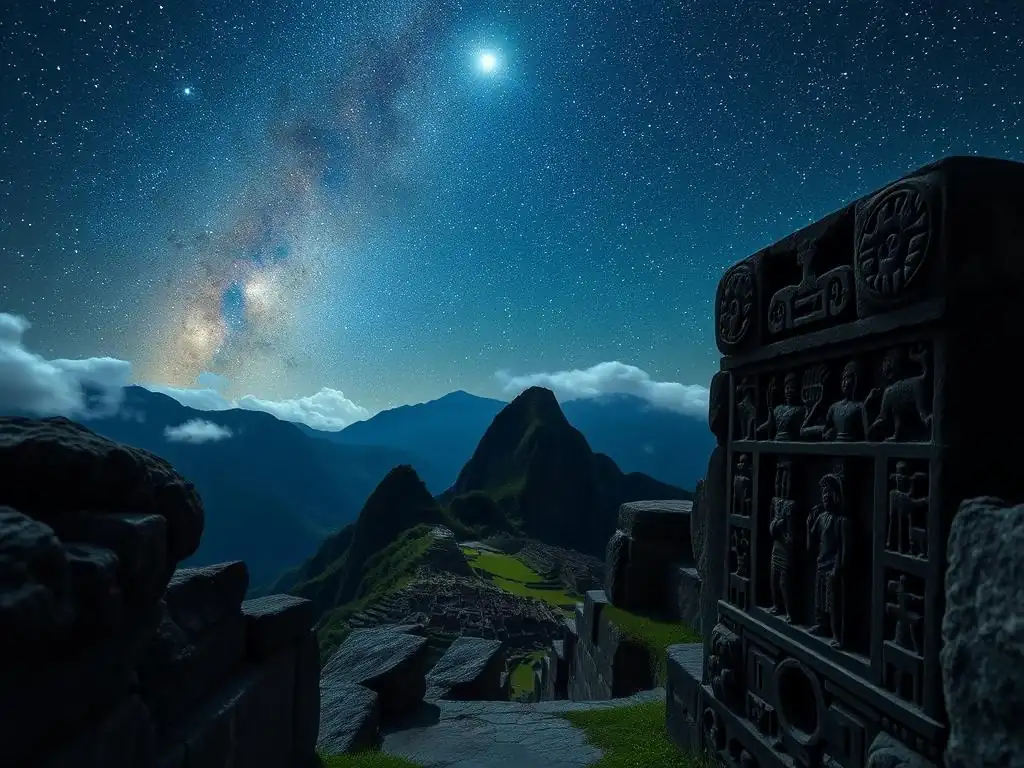
Welcome to Indigenous Civilizations of the Americas, where we invite you to embark on a fascinating journey through the rich tapestry of pre-colonial cultures that shaped the continent. Delve into our featured article, “Astronomy and Religion: How Inca Cosmology Influenced Their Understanding of the Stars,” and discover how the Inca civilization's profound connection with the cosmos not only guided their spirituality but also illuminated their everyday lives.
What celestial secrets did the Incas uncover, and how did these insights inform their societal structures? Join us as we explore these captivating questions and more, revealing the enduring legacy of indigenous wisdom that still resonates today.
- Introduction to Inca Cosmology and Astronomy
- The Foundations of Inca Cosmology
- Inca Observations of Celestial Bodies
- Rituals and Practices Related to Astronomy
- Influence of Inca Cosmology on Daily Life
- Comparisons with Other Indigenous Cosmologies
- Conclusion: The Lasting Legacy of Inca Cosmology and Astronomy
- Frequently Asked Questions
- Final Reflection: The Cosmic Dance of Inca Cosmology and Astronomy
- Unveil the Cosmos: Deepen Your Connection to Inca Wisdom!
Introduction to Inca Cosmology and Astronomy
The Inca civilization, one of the most advanced and influential cultures of pre-Columbian America, possessed a rich and complex understanding of the cosmos that deeply intertwined with their religious beliefs and societal practices. This intricate relationship between Inca cosmology and astronomy not only shaped their rituals and mythology but also dictated their agricultural calendar, architectural designs, and societal organization.
The stars, planets, and celestial patterns were not mere points of light in the night sky; they were integral to the Inca worldview, guiding their daily lives and spiritual beliefs. In this article, we will explore how Inca cosmology influenced their understanding of the stars and the significance of these astronomical observations within their culture.
Overview of Inca Civilization's Relationship with the Cosmos
The Inca civilization, flourishing from the early 15th century until the Spanish colonization in the 16th century, was located in the Andean region of South America, primarily in modern-day Peru. The Incas were exceptional astronomers, using their extensive knowledge of the heavens to navigate their world. They developed sophisticated methods to track celestial bodies, which were essential for:
- Agriculture: The Incas timed their planting and harvesting according to the seasonal movements of the sun and moon. For instance, the summer solstice was crucial for determining the start of the growing season.
- Religious Practices: Celestial events, such as eclipses and the appearance of certain stars, were seen as divine omens. The Incas held elaborate ceremonies to honor celestial deities, reinforcing the belief that the cosmos was a reflection of the gods’ will.
- Territorial Organization: The layout of important cities, such as Cusco, was often aligned with astronomical features, demonstrating the Incas' reverence for celestial order.
Through careful observation, the Incas developed a calendar that aligned with both their agricultural needs and ceremonial practices, illustrating the profound impact of astronomy on their civilization.
Significance of Astronomy in Inca Culture
Astronomy in Inca culture served not only practical purposes but also played a vital role in their spirituality and mythology. The Incas perceived the universe as a living entity, where celestial bodies were imbued with divine significance. Some key aspects of this relationship include:
- Deities and Cosmology: The sun god, Inti, was the most important deity, central to Inca cosmology. The Incas believed that Inti provided life and sustenance, and thus, his cycles were critical to their survival. Rituals, such as the Inti Raymi festival, celebrated the sun's return at the winter solstice, emphasizing its importance in their religious worldview.
- Mythological Narratives: The stars and constellations were woven into the fabric of Inca mythology. Stories often depicted celestial bodies as ancestors or significant figures, highlighting their narrative importance in understanding the cosmos.
- Architectural Alignments: Many Inca structures, including temples and observatories, were oriented towards celestial events. The famous Sacsayhuamán fortress, for instance, aligns with solar phenomena, illustrating the Incas' architectural prowess and astronomical knowledge.
The interplay between Inca cosmology and astronomy reveals a society that viewed the cosmos as a vital component of their existence, influencing everything from agriculture to spirituality. Understanding this connection provides deeper insight into the achievements and beliefs of one of the Americas' most remarkable civilizations.
The Foundations of Inca Cosmology
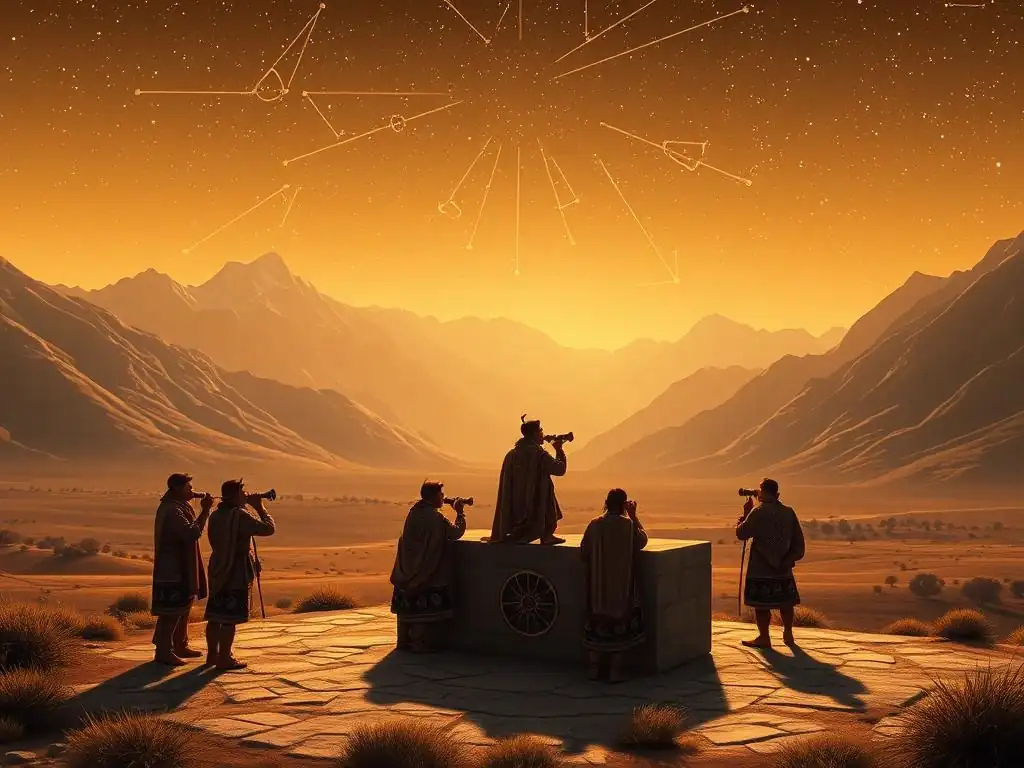
Inca cosmology is a complex and rich tapestry of beliefs and knowledge that guided the Inca civilization's understanding of the universe. It is rooted in a deep connection to the natural world, where celestial bodies were not merely physical entities but integral elements of their spiritual and cultural identity. The Inca viewed the cosmos as a structured system, with a clear hierarchy that influenced their daily lives, agricultural practices, and religious rituals.
Key Concepts in Inca Cosmology
Inca cosmology is built upon several key concepts that intertwine their understanding of the universe with their religious and societal practices:
- Pachamama and Pachakuti: Central to Inca belief is Pachamama, the Earth Mother, symbolizing fertility and sustenance. Conversely, Pachakuti represents the cosmic order, embodying the cyclical nature of existence and the balance between the seen and unseen worlds.
- Duality: The Inca worldview is characterized by a dualistic approach, where every element in the universe is paired with its opposite. This duality is evident in their understanding of the Hanan Pacha (upper world) and Kay Pacha (world of the living), reflecting the balance between spiritual and material realms.
- Cycles of Time: The Inca believed in cyclical time, where events repeat themselves in a rhythmic pattern. This perspective is crucial for agricultural planning, as they observed celestial cycles to determine planting and harvesting times.
Inca cosmology is not just a theoretical framework; it profoundly influenced their rituals, governance, and interactions with the environment, creating a holistic worldview where the heavens and Earth were in constant dialogue.
The Role of Deities in Inca Astronomy
Inca astronomy was closely linked with their pantheon of deities, each associated with specific celestial bodies and natural phenomena. The major deities played a significant role in shaping their understanding of the stars and their influence on human affairs:
- Inti: The sun god, Inti, was perhaps the most revered deity in Inca cosmology. The Incas believed that Inti was the source of life and light, guiding their agricultural cycles and symbolizing the divine connection between the ruler and the heavens. Temples, such as Qorikancha, were dedicated to Inti, showcasing the importance of solar observations in their religious practices.
- Mama Quilla: The moon goddess, Mama Quilla, represented femininity and fertility. She was vital in regulating the lunar calendar, which was essential for various agricultural activities and rituals. Her phases were intricately linked to the timing of ceremonies and festivals.
- Other Celestial Entities: The Inca also acknowledged other celestial bodies, such as stars and planets, attributing them specific roles in their mythology. For instance, the Pleiades were seen as a significant marker for agricultural events, influencing both planting and harvesting schedules.
The interdependence of deities and celestial phenomena highlights the Inca's profound respect for the cosmos, as they sought to align their earthly actions with the divine order represented by the stars.
Connection Between Earth and Sky in Inca Beliefs
The relationship between Earth and sky in Inca beliefs is foundational to understanding their cosmology. The Inca viewed the cosmos as a unified whole, where terrestrial and celestial realms interacted continually. This connection manifested in various aspects of their culture:
- Rituals and Offerings: Inca rituals often involved offerings to both Pachamama and celestial deities, reflecting their belief in the reciprocity between the Earth and the heavens. These rituals were performed during specific celestial events, such as solstices and equinoxes, to ensure harmony and balance.
- Architecture and Urban Planning: The layout of Inca cities and temples was meticulously aligned with celestial events. Structures were often oriented to capture the first light of the sun during solstices, further emphasizing the connection between their built environment and the cosmos.
- Agricultural Practices: The Inca agricultural calendar was intricately tied to celestial cycles. Observing constellations and the sun's position allowed them to optimize crop yields. For instance, the appearance of certain stars indicated the right time for planting specific crops, which showcased their practical application of astronomy.
The connection between Earth and sky in Inca beliefs was not merely symbolic but an essential aspect of their daily lives, providing a framework for understanding their place in the universe and guiding their actions on Earth. Through their intricate cosmological system, the Incas demonstrated a profound respect for the celestial realm, which shaped their identity and legacy.
Inca Observations of Celestial Bodies
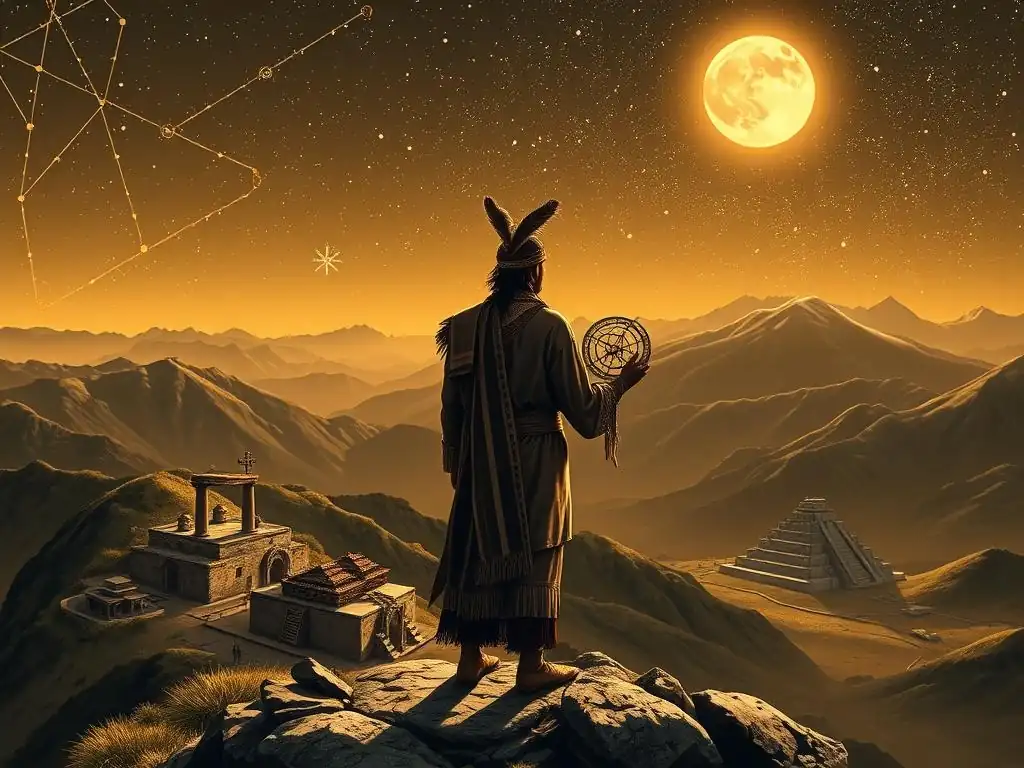
The Inca civilization possessed a profound understanding of astronomy, deeply intertwined with their religious beliefs and agricultural practices. Their observations of celestial bodies were not merely scientific; they were infused with spiritual significance, guiding their cultural and societal structures. The Incas meticulously tracked celestial events, using them to inform agricultural cycles, religious ceremonies, and social organization.
The Importance of the Sun in Inca Cosmology
The Sun, or Inti, was central to Inca cosmology and held the highest reverence among their deities. The Incas believed that Inti was the ancestor of their rulers, linking the divine with the earthly realm. This connection was evident in various aspects of their society:
- Worship Practices: Temples, such as the Coricancha in Cusco, were built in honor of Inti, where elaborate rituals were conducted during solstices and equinoxes. The Inti Raymi festival, celebrated during the winter solstice, was a significant religious event, symbolizing the Sun's return and the renewal of agricultural fertility.
- Agricultural Cycles: The Incas used solar movements to dictate planting and harvesting times. For instance, the appearance of the Pleiades star cluster signaled the start of the planting season, reflecting their acute awareness of celestial cycles.
- Architectural Alignments: Structures were often aligned with solar events. The famous Inca ruins of Machu Picchu showcase structures designed to capture sunlight during solstices, highlighting the importance of solar observation in Inca architectural practices.
The Incas’ veneration for the Sun was not merely a religious sentiment but a foundational element that influenced their social hierarchies, governance, and daily life.
The Moon and Stars: Symbols of Inca Spirituality
The Moon, known as Mama Killa, also held a significant place in Inca cosmology, embodying femininity and maternal care. The relationship between the Moon and the stars was pivotal in shaping Inca spiritual beliefs:
- Lunar Cycles: The Inca calendar was lunar-based, with months corresponding to the phases of the Moon. This connection emphasized the Moon's role in agricultural practices, particularly in the timing of sowing and harvesting crops.
- Mythological Narratives: The Incas believed that the stars were the souls of their ancestors. Many constellations were associated with mythological stories that reinforced cultural values and provided moral lessons. For example, the constellation of the Southern Cross was considered a guide for travelers, reflecting the Inca's profound connection to the night sky.
- Ceremonial Importance: Rituals and festivals were often timed according to lunar phases, with certain ceremonies occurring during full moons to invoke blessings for fertility and prosperity. The interplay between lunar and solar calendars demonstrates the complexity of Inca cosmology and their understanding of celestial phenomena.
Seasonal Changes and Their Influence on Inca Agriculture
The Inca civilization was intricately linked to the rhythms of nature, and their agricultural practices were heavily influenced by celestial observations and seasonal changes:
- Andean Seasons: The Incas recognized two primary seasons: the wet season (sumaq) and the dry season (ch'isi). These seasons were determined by the solar cycle and significantly affected crop cultivation. The timing of rains was critical for the success of maize, potatoes, and quinoa, staple crops in Inca society.
- Terracing and Irrigation: Inca farmers developed sophisticated agricultural techniques, including terracing and irrigation systems, that maximized the use of seasonal changes. Observations of the stars and weather patterns allowed them to optimize their agricultural practices, ensuring food security.
- Cultural Integration: Seasonal festivals were celebrated to honor the natural cycles, reinforcing community bonds and cultural identity. These festivities often coincided with agricultural milestones, reflecting the Inca belief that their prosperity was linked to the favor of celestial deities.
The Inca's holistic approach to astronomy and agriculture not only sustained their civilization but also ensured the continuity of their rich cultural heritage, deeply rooted in the observations of the cosmos. Through their understanding of Inca cosmology and astronomy, we can appreciate the intricate relationship between the stars and the Inca way of life.
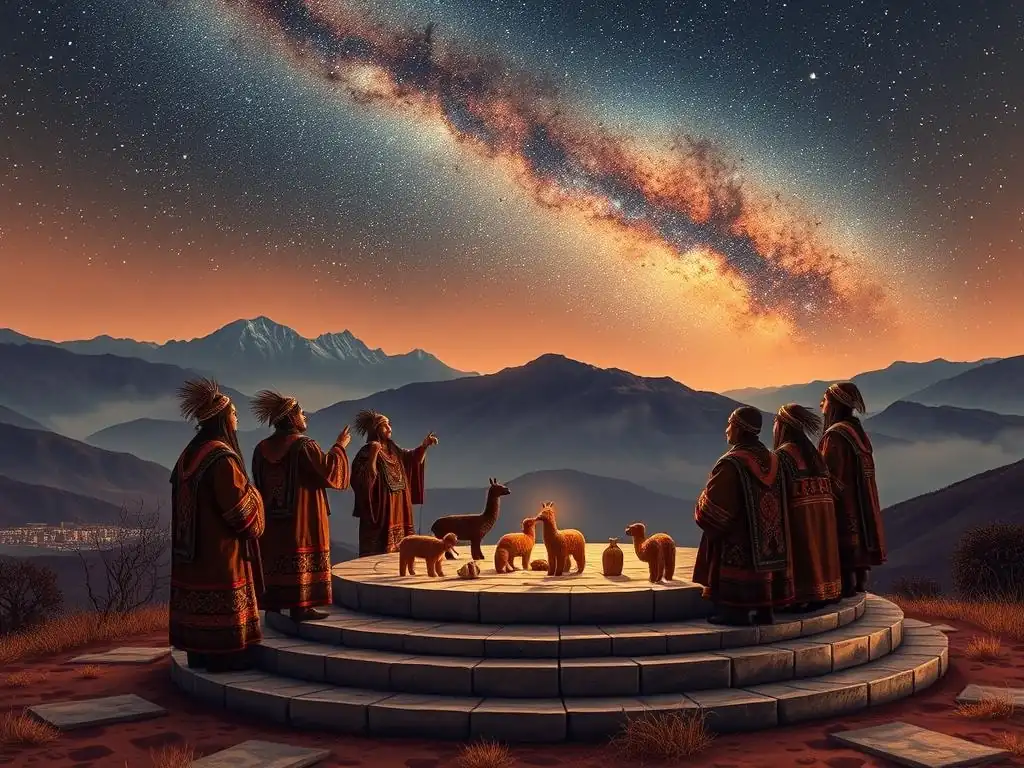
The Inca civilization possessed a profound understanding of astronomy, which was intricately woven into their rituals and practices. This connection between the celestial and the terrestrial manifested in various aspects of their daily lives, religious beliefs, and social organization. The Incas viewed celestial bodies as divine entities that influenced their agricultural cycles, seasonal changes, and, ultimately, their existence. Rituals tied to astronomical observations were essential in maintaining harmony between the people, their environment, and the cosmos.
Astronomical Events and Inca Ceremonies
The Inca calendar was heavily reliant on astronomical events, which dictated agricultural practices and ceremonial activities. Significant celestial phenomena, such as solstices, equinoxes, and lunar phases, were marked by elaborate ceremonies.
- Inti Raymi (Festival of the Sun): Celebrated during the winter solstice, this festival honored Inti, the Sun god, and marked the end of the harvest season. It was a time for the Incas to express gratitude and seek blessings for the upcoming planting season. The alignment of the sun at this time was crucial, as it symbolized the return of longer days and the reawakening of agricultural productivity.
- Pachamama Raymi: This ceremony took place around the summer solstice and was dedicated to Pachamama, the Earth Mother. It celebrated fertility and abundance, with rituals aimed at ensuring a bountiful harvest. Observing the position of the sun during this event helped the Incas time their agricultural activities effectively.
- Lunar Observations: The Incas also paid close attention to lunar cycles. For instance, the full moon was a time for various agricultural tasks, including planting and harvesting, as the Incas believed that lunar phases influenced the moisture levels in the soil.
How Inca Festivals were Aligned with Celestial Events
Inca festivals were meticulously timed to align with key astronomical events, reflecting their advanced understanding of celestial cycles. The synchronization of these festivals with the movements of the sun, moon, and stars not only reinforced religious beliefs but also helped ensure agricultural success.
- Seasonal Festivals: The Inca year was divided into two primary seasons: the dry season and the rainy season. Festivals were held at the onset of these seasons to invoke divine favor for a successful crop yield. For example, the "Chacra" festival, marking the beginning of the planting season, was celebrated with offerings to ensure the fertility of the land.
- Equinox Celebrations: The equinoxes, when day and night are of equal length, were significant markers for the Incas. They held ceremonies that emphasized balance and harmony, reinforcing the importance of equilibrium in both the cosmos and their society. Rituals during these times involved food offerings and communal celebrations that brought the community together.
- Star Observations: Certain constellations, such as the Southern Cross, held great significance for the Incas. Festivals were organized to honor these stars, as their positions in the sky indicated the right times for planting and harvesting. The Incas' ability to forecast seasonal changes based on celestial observations showcased their advanced astronomical knowledge.
The Role of Astronomy in Inca Architecture
Inca architecture reflects their astronomical expertise, as many structures were intentionally aligned with celestial bodies. This alignment served both practical and spiritual purposes, intertwining their architectural achievements with their cosmological beliefs.
- Sacsayhuamán: This impressive fortress near Cusco is aligned with the sun, especially during the solstices. The placement of its walls and terraces showcases the Incas' intent to create a connection with the celestial realm. The fortress served not only as a military stronghold but also as a ceremonial site.
- Temple of the Sun (Coricancha): Located in Cusco, this temple was the most important religious site in the Inca Empire. Its construction featured precise solar alignments, allowing sunlight to illuminate specific areas during solstices and equinoxes. The temple represented the fusion of astronomy and spirituality, encapsulating the Incas' reverence for cosmic forces.
- Agricultural Terraces: The orientation of agricultural terraces was often determined by celestial observations. The Incas designed these terraces to maximize sunlight exposure and rainfall, showcasing their practical use of astronomical knowledge. This integration of astronomy into agriculture was essential for sustaining their civilization.
The rituals and practices related to astronomy within Inca cosmology were deeply embedded in their culture. From ceremonies aligned with celestial events to architectural designs that honored the stars, the Incas demonstrated a sophisticated understanding of the cosmos that shaped their religious beliefs and daily life. The legacy of Inca cosmology and astronomy continues to influence our understanding of their civilization and its profound connection to the universe.
Influence of Inca Cosmology on Daily Life
Agricultural Practices Guided by Celestial Events
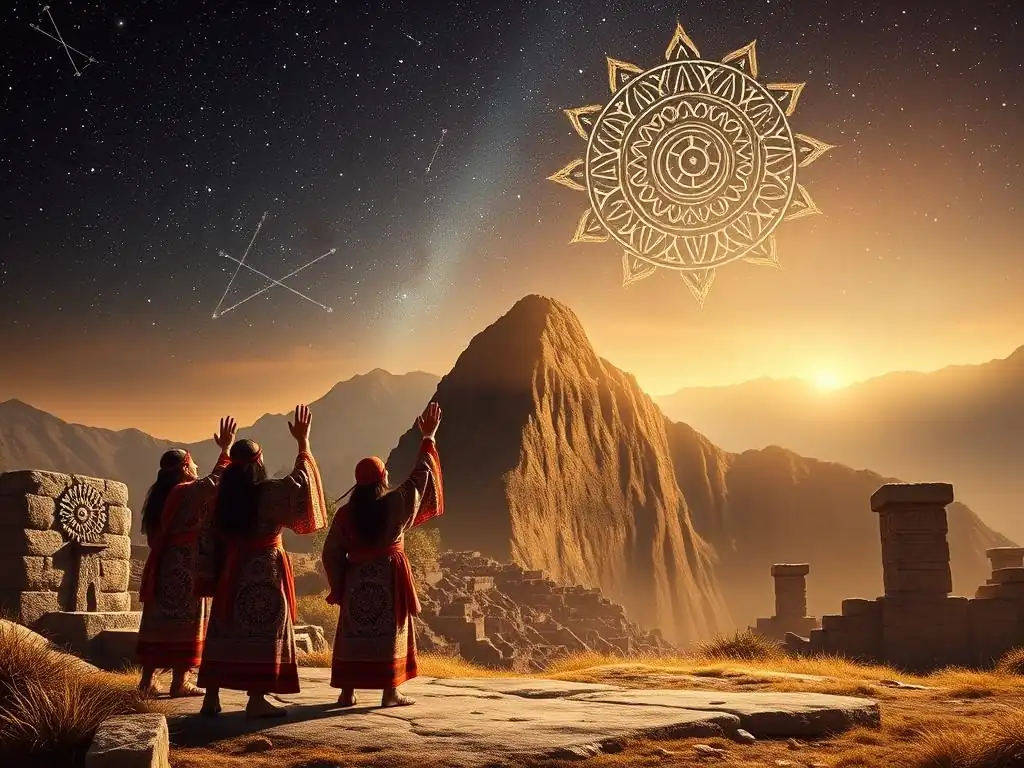
Inca cosmology intricately linked the heavens with agricultural practices, forming a fundamental aspect of daily life. The Incas meticulously observed celestial bodies, particularly the sun, moon, and stars, to time their agricultural activities. Their farming calendar was heavily influenced by the positions of these celestial entities.
- Solar Calendar: The Incas utilized a solar calendar, known as the Inti Raymi, to align their planting and harvesting seasons with solar cycles. The winter solstice, for instance, marked the beginning of the agricultural year, with the sun's return signaling the time to plant crops.
- Lunar Influence: The moon's phases also played a crucial role, as certain crops were believed to thrive when planted during specific lunar cycles. For example, the waxing moon was considered favorable for sowing while the waning moon was reserved for harvesting.
- Star Clusters and Constellations: Specific constellations, such as the Pleiades, were critical indicators for agricultural activities. The visibility of the Pleiades in the night sky signified the onset of the planting season, guiding farmers in their preparations.
This reliance on astronomy not only optimized crop yields but also reinforced the spiritual connection the Incas had with their environment and the cosmos.
The Incas were adept navigators, utilizing their understanding of astronomy to facilitate trade and transportation across their vast empire. The knowledge of celestial navigation was essential for traversing the rugged Andean terrain and the expansive coastal areas.
- Celestial Navigation Techniques: Inca traders relied on the positions of stars to navigate during nighttime voyages, effectively using constellations as guides. The Southern Cross, for example, was a significant navigational point for coastal navigation.
- Trade Routes and Landmarks: Along established trade routes, the Incas would often use natural landmarks in conjunction with astronomical observations to guide their journeys. This dual reliance on terrestrial and celestial cues ensured safe passage and efficient trade.
- Cultural Exchange: Astronomy was not only practical; it also served as a means of cultural exchange among various Andean civilizations. Shared astronomical knowledge fostered relationships and trade partnerships, facilitating the exchange of goods and ideas.
By integrating astronomical insights into their navigation, the Incas demonstrated a sophisticated understanding of their environment, enabling them to establish one of the most extensive trade networks in pre-Columbian America.
Inca cosmology was deeply intertwined with their social hierarchy and governance, as the cosmos was believed to influence the earthly realm. This connection between the heavens and society was reflected in various aspects of Inca life.
- Divine Kingship: The Sapa Inca, the emperor, was viewed as a divine figure, believed to be the son of the sun god, Inti. This belief established a direct link between celestial authority and earthly governance, legitimizing the Sapa Inca's rule over the people.
- Religious Hierarchy: Priests played a pivotal role in interpreting celestial events, acting as mediators between the gods and the populace. Their understanding of astronomy allowed them to conduct rituals and ceremonies aligned with celestial occurrences, reinforcing their status within the society.
- Communal Identity: The shared beliefs in cosmological principles fostered a sense of communal identity among the Incas. Festivals and agricultural practices were often timed to celestial events, creating a collective rhythm of life that united diverse groups under a common cosmological framework.
Inca cosmology profoundly influenced their social structure, intertwining governance, religion, and community life with the celestial order. The stars were not merely distant bodies but integral components of the Inca worldview, shaping their identity and societal organization.
Comparisons with Other Indigenous Cosmologies
Similarities Between Inca and Mesoamerican Cosmologies
Inca cosmology and astronomy share several striking similarities with Mesoamerican cosmologies, particularly in their interpretations of celestial phenomena and their spiritual significance. Both cultures placed great importance on the movements of celestial bodies, which they viewed as reflections of divine will and interconnected with agricultural cycles.
- Celestial Bodies as Deities:
- In both cultures, significant celestial bodies were personified as deities. For the Incas, the sun god Inti was central to their religious beliefs, while the Mesoamericans revered the sun as Tonatiuh. Both civilizations believed that these deities had direct influence over human affairs, including agriculture and warfare.
- Calendar Systems:
- The Incas and Mesoamericans developed intricate calendar systems based on astronomical observations.
- Inca Calendar: The Inca calendar was intricately linked to the solstices and equinoxes, guiding agricultural practices.
- Mesoamerican Calendar: Similarly, the Mesoamerican calendar, particularly the 260-day Tzolk'in, was used for religious and agricultural purposes.
- The Incas and Mesoamericans developed intricate calendar systems based on astronomical observations.
- Rituals and Offerings:
- Both civilizations performed rituals and made offerings to appease celestial deities. For instance, Inca rituals often coincided with astronomical events such as solstices, while Mesoamerican cultures celebrated similar occurrences with elaborate ceremonies.
Overall, these shared elements underscore a common understanding of the heavens, where celestial events were deeply intertwined with earthly existence.
Unique Aspects of Inca Cosmology and Astronomy
While the Inca civilization shared similarities with other indigenous cultures, their cosmology and astronomical practices also exhibited unique characteristics shaped by their environment and societal structure.
- Mountain Worship:
- The Incas revered the Andean mountains, known as Apus, as sacred entities with spiritual significance. Their cosmology emphasized the relationship between the high peaks and celestial phenomena, viewing mountains as connectors between the earth and the heavens.
- Equinox and Solstice Alignments:
- Inca architecture and ceremonial sites were meticulously aligned with celestial events. For instance, the Temple of the Sun in Cusco was constructed to capture sunlight during the winter solstice, signifying the importance of solar cycles in their agricultural calendar.
- Quipu and Astronomical Recordkeeping:
- The Incas developed the quipu, a system of knotted strings, to record various types of information, including astronomical data. This unique method allowed them to maintain records of celestial events and agricultural cycles, showcasing their advanced understanding of astronomy.
- Integration with Agriculture:
- Inca cosmology was heavily integrated with agricultural practices. The timing of planting and harvesting was determined by astronomical observations, particularly the phases of the moon and the positions of the sun and stars.
These unique aspects highlight how Inca cosmology and astronomy were not only reflections of their beliefs but also practical tools for sustaining their civilization.
Influence of Other Cultures on Inca Astronomical Understanding
The Inca civilization was not isolated; its astronomical knowledge was influenced by interactions with neighboring cultures and earlier civilizations in the Andes region.
- Tiwanku and Wari Cultures:
- Prior cultures such as the Tiwanku and Wari had already established advanced astronomical practices. The Incas inherited and adapted these practices, incorporating them into their own cosmological framework.
- Cultural Exchange and Trade:
- The extensive trade networks established by the Incas facilitated the exchange of ideas, including astronomical knowledge. Interactions with coastal cultures, such as the Moche, introduced new concepts of celestial navigation and calendar systems.
- Spanish Influences:
- Following Spanish colonization, some Inca astronomical practices were altered or suppressed. However, the fusion of indigenous and European astronomical knowledge led to the development of unique interpretations of celestial events within the colonial context.
Through these influences, Inca cosmology and astronomy evolved, reflecting a dynamic interplay of cultural exchange and adaptation in response to changing societal needs.
The study of Inca cosmology and astronomy reveals a rich tapestry of beliefs and practices that were both distinct and interconnected with broader indigenous traditions. Understanding these aspects helps illuminate the profound relationship between the Inca people and the cosmos that guided their lives and rituals.
Conclusion: The Lasting Legacy of Inca Cosmology and Astronomy
Inca cosmology and astronomy represent a profound intersection of spirituality, science, and culture that has left an indelible mark on the heritage of the Andes region. The Inca civilization, through its meticulous observations of the night sky, formulated a complex understanding of celestial bodies that influenced not only their agricultural practices but also their religious rituals and societal structures. This legacy persists in various forms today, as contemporary Andean communities continue to honor and integrate aspects of Inca astronomical knowledge into their cultural practices.
Reflection on the Interplay of Religion and Astronomy in Inca Society
The Inca viewed the cosmos as an integral part of their religious framework. Stars, planets, and constellations were not merely astronomical phenomena but were imbued with spiritual significance, often personified as deities or ancestral spirits. For instance, the Inti, the sun god, was central to their cosmology, symbolizing life and fertility, while the Mama Quilla, goddess of the moon, represented the cycles of time and agriculture.
- Religious Rituals: Many Inca ceremonies were timed according to celestial events. The Inti Raymi festival, celebrating the winter solstice, exemplifies this relationship, marking the return of longer days and the sun’s renewed strength. This alignment reflects the Inca's deep reliance on astronomical knowledge to dictate agricultural cycles and social events.
- Temple Architecture: The Inca constructed their temples and ceremonial sites with astronomical alignments in mind. For example, the Coricancha (Temple of the Sun) in Cusco was designed to capture sunlight during solstices, emphasizing the connection between their religious practices and celestial movements.
This intricate bond between religion and astronomy demonstrates how Inca cosmology provided a framework for understanding the world, influencing everything from daily life to governance. As such, it is essential to appreciate how these elements coalesced to create a society that revered the cosmos and its divine connections.
The Importance of Preserving Inca Astronomical Knowledge Today
In light of globalization and modernization, the preservation of Inca astronomical knowledge is crucial for maintaining cultural identity among Andean peoples. This knowledge encompasses not only ancient practices but also a worldview that recognizes the interdependence of humanity and the cosmos.
- Cultural Heritage: Efforts to document and revive traditional astronomical practices are vital for cultural continuity. By integrating Inca cosmology into education systems and community events, younger generations can connect with their heritage, fostering pride and identity.
- Sustainable Practices: The Inca's understanding of celestial cycles can inform contemporary agricultural practices, especially in the context of climate change. By revisiting these ancient methods, farmers can adapt to environmental challenges, promoting sustainability and food security.
- Scientific Contribution: The Inca’s astronomical observations contribute to the broader narrative of human understanding of the cosmos. Recognizing their achievements can enrich global history and inspire modern scientific inquiry, bridging ancient wisdom with contemporary knowledge.
The legacy of Inca cosmology and astronomy is not merely a relic of the past but a living tradition that continues to shape identity, inform practices, and inspire future generations. Embracing and preserving this knowledge is essential for honoring the rich cultural tapestry of the Andes and ensuring that the wisdom of the Inca civilization endures.
Frequently Asked Questions
What is Inca cosmology?
Inca cosmology refers to the complex belief system of the Inca civilization, which shaped their understanding of the universe, the stars, and their spiritual connection to the cosmos.
How did Inca astronomy influence their daily life?
Inca astronomy played a crucial role in agriculture, religious ceremonies, and navigation, enabling the Incas to track celestial events for planting and harvesting.
The Incas incorporated celestial observations into their religious practices, worshipping deities associated with the sun and moon, and using astronomical phenomena to guide ceremonies.
How did the Incas use astronomical tools?
The Incas developed tools like the hitching post of the sun and observatories to monitor celestial movements, which were vital for their agricultural planning and religious rituals.
What lasting impact did Inca cosmology have on modern astronomy?
The Inca cosmology has influenced contemporary understanding of astronomy in the Andes, preserving traditional knowledge that continues to inform cultural practices and scientific research today.
Final Reflection: The Cosmic Dance of Inca Cosmology and Astronomy
The intricate relationship between Inca cosmology and astronomy remains profoundly relevant today, as we continue to seek meaning in the stars and our place within the universe. The Inca civilization's understanding of celestial bodies not only shaped their agricultural practices and religious beliefs but also laid the groundwork for a holistic view of life that resonates with contemporary discussions about the interplay between science and spirituality. As we navigate our modern existence, the lessons from Inca cosmology remind us of the importance of looking beyond the surface of our daily lives to find deeper connections with the cosmos.
The influence of Inca cosmology extends far beyond its historical context, shaping cultural narratives and inspiring contemporary thinkers to explore the universe's mysteries. The reverence the Incas held for celestial phenomena serves as a powerful reminder of our shared human experience in gazing at the night sky. As noted by renowned astronomer Carl Sagan, The cosmos is within us. We are made of star-stuff. We are a way for the universe to know itself.
This perspective encourages us to appreciate the interconnectedness of all things and the role that ancient wisdom plays in our understanding of the universe today.
As we reflect on the profound insights offered by Inca cosmology, let us embrace the invitation to explore our own relationship with the stars. Consider how the lessons of the past can inform our present and future, urging us to cultivate a sense of wonder and curiosity about the universe. Whether through stargazing, studying the sciences, or engaging in spiritual practices, we can honor the legacy of the Incas by nurturing our connection to the cosmos and recognizing the beauty of our shared existence.
Unveil the Cosmos: Deepen Your Connection to Inca Wisdom!
Thank you for taking the time to explore the intertwining of astronomy and Inca religion! By delving into Inca cosmology, you’ve gained insight into how ancient civilizations viewed the stars and their influence on daily life. Now, it’s your turn to take meaningful steps in honoring this rich heritage.
Here are some simple and impactful actions you can take:
- Dive deeper into the stars: Explore online resources or books that focus on Inca astronomy and the cultural significance of their constellations.
- Share the knowledge: Discuss this fascinating topic with friends or family, or post a thought-provoking question on social media about how ancient cultures have shaped our current understanding of the cosmos.
- Visit a local planetarium or attend an astronomy event to experience the wonders of the night sky, just as the Incas once did!
What insights about the stars have influenced your own understanding of the universe around you?