
The Interplay of Geography and Culture in Aztec Origins

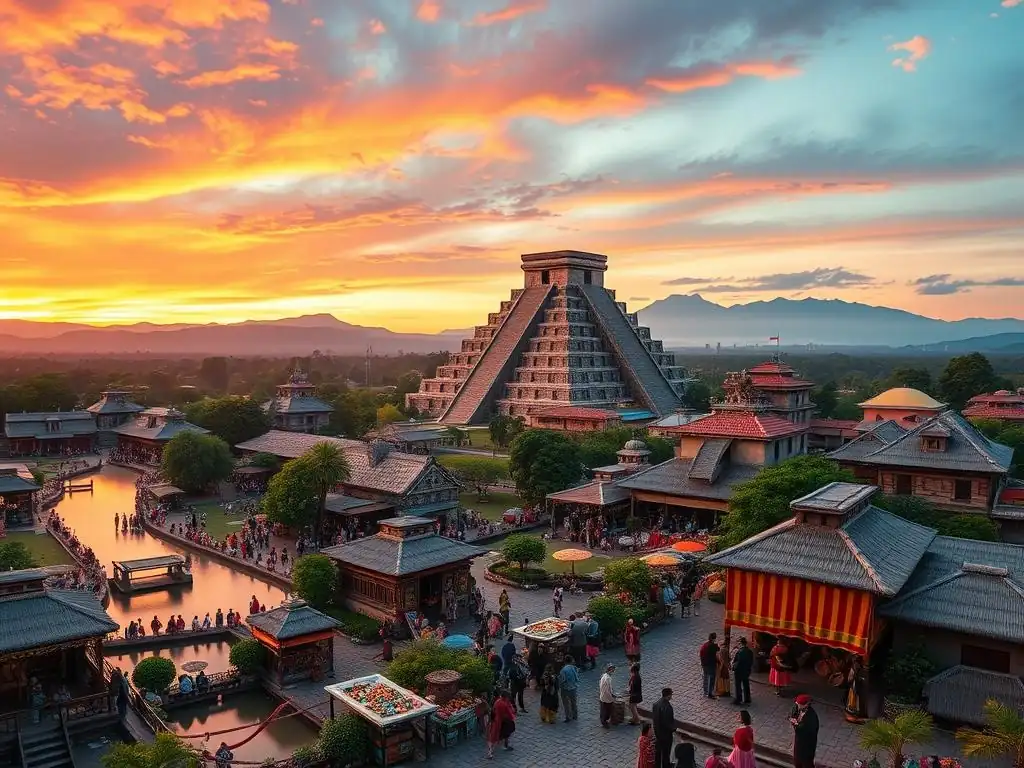
Welcome to Indigenous Civilizations of the Americas, where we invite you to embark on a fascinating journey through the rich tapestry of pre-colonial cultures that shaped the American landscape. In our featured article, "The Interplay of Geography and Culture in Aztec Origins," we delve deep into the intricate relationship between Aztec culture and geography—a vital exploration that reveals how the majestic mountains and fertile valleys influenced one of history's most remarkable civilizations.
Prepare to uncover the achievements, societies, and enduring impact of these indigenous peoples, igniting your curiosity to learn more about their incredible legacies. Join us as we unlock the stories that lie within the heart of the Americas!
Introduction to Aztec Culture and Geography
The rich tapestry of Aztec culture is deeply intertwined with the geographical features of the land they inhabited. The Aztecs, known for their advanced society and significant achievements, thrived in a region that profoundly influenced their way of life, beliefs, and social structures. This article delves into the dynamic interplay between geography and culture, illuminating how the natural environment played a pivotal role in shaping the Aztec civilization. By examining the unique characteristics of their landscape, we can gain a clearer understanding of the complexities of Aztec society and the lasting impact they had on the Americas.
Overview of Aztec Civilization
The Aztec civilization, which flourished from the 14th to the 16th centuries, was marked by its impressive urban centers, intricate social hierarchies, and profound spiritual beliefs. Central to their identity was the capital city of Tenochtitlán, built on an island in Lake Texcoco, which showcased their architectural ingenuity and ability to adapt to their environment. The Aztecs developed a sophisticated society that included:
- Political structure: Governed by an emperor and a council of nobles.
- Economic systems: Based on agriculture, trade, and tribute from conquered peoples.
- Cultural practices: Rich in mythology, art, and religious rituals.
The Aztecs' achievements were not only remarkable but also a direct result of their geographic setting, which provided both challenges and opportunities for development.
Importance of Geography in Shaping Culture
The geography of the Aztec Empire was not merely a backdrop for their civilization; it actively influenced their daily lives and cultural practices. Key aspects of this relationship include:
- Resource availability: Access to fertile land allowed for the cultivation of staple crops like maize, beans, and squash, which were foundational to their diet.
- Trade routes: The natural layout of the land facilitated trade with neighboring cultures, enriching their economy and cultural exchanges.
- Defensive advantages: The mountainous terrain and lakes offered strategic advantages against potential invaders, allowing the Aztecs to establish a powerful empire.
Understanding how geography shaped Aztec culture provides insight into their resilience and adaptability in a diverse and sometimes harsh environment.
The Geographic Landscape of the Aztec Empire
To fully appreciate the intricacies of Aztec culture, we must examine the specific geographic features that characterized their empire.
Key Geographic Features of Mesoamerica
Mesoamerica is defined by its diverse landscapes and climates, which include:
- Mountain ranges: Such as the Sierra Madre, influencing weather patterns and agricultural practices.
- Valleys and plains: Providing fertile land for farming, crucial for sustaining large populations.
- Rivers and lakes: Essential for water supply and transportation, fostering trade and communication.
These geographic features played a significant role in the development of the Aztec civilization, determining settlement patterns, agricultural practices, and trade routes.
The Valley of Mexico: Heart of the Aztec Civilization
The Valley of Mexico was the epicenter of Aztec civilization, characterized by its unique topography and climate. Key points about the valley include:
- Elevation: Sitting at approximately 7,000 feet above sea level, it created a temperate climate ideal for agriculture.
- Water sources: Lake Texcoco and surrounding lakes provided essential irrigation for farming.
- Strategic location: The valley served as a crossroads for trade between various Mesoamerican cultures, enhancing the Aztecs' economic power.
The Valley of Mexico not only supported a thriving population but also became a cultural melting pot, where ideas and traditions melded to form a distinct Aztec identity.
Climate and Natural Resources Influencing Aztec Life
The climate of the Valley of Mexico was a critical factor in the success of the Aztec civilization. The region experienced distinct seasonal changes, including:
- Rainy seasons: Essential for crop cultivation, allowing for multiple harvests per year.
- Dry seasons: Posed challenges but also encouraged the development of irrigation technologies.
Natural resources such as obsidian, used for tools and weapons, and various plants and animals contributed to the Aztecs' economic and cultural practices. The interplay of these elements not only shaped their daily lives but also reinforced their beliefs and societal structures, making geography an indispensable aspect of Aztec culture.
Cultural Developments Influenced by Geography
The geographical landscape of the Aztec Empire significantly shaped its cultural developments, influencing everything from agricultural practices to urban design. The interplay between the Aztecs’ environment and their cultural evolution is evident in various aspects of their society, including how they utilized natural resources, adapted their livelihoods, and expressed their beliefs through art and architecture. The highlands and valleys of central Mexico provided a unique setting that fostered innovation and complexity in Aztec culture.
Agriculture and Food Production in Aztec Society
Agriculture was the backbone of Aztec society, and its development was intricately linked to the geographical features of the region. The Aztec people utilized a variety of farming techniques to maximize their agricultural output, including:
- Chinampas: Often referred to as "floating gardens," chinampas were a revolutionary form of agriculture that allowed the Aztecs to cultivate crops on shallow lake beds. These man-made islands were created by piling up mud and decaying vegetation, which provided nutrient-rich soil for planting. This technique enabled the production of staple crops such as maize, beans, and squash, supporting a growing population.
- Terracing: The mountainous areas surrounding the Valley of Mexico were utilized through terraced farming methods. By carving steps into the hillside, the Aztecs could effectively manage water drainage and reduce erosion, allowing for the cultivation of crops in otherwise challenging terrains.
- Irrigation Systems: The Aztecs constructed sophisticated irrigation systems to channel water from nearby rivers and lakes to their fields. This innovation was crucial, especially during dry seasons, and allowed for multiple harvests throughout the year.
The result of these agricultural advancements was a rich and diverse food supply that played a key role in the social and economic structure of the Aztec civilization.
Urban Planning and Architecture: Responding to Geography
The geographic features of the Aztec Empire also influenced its urban planning and architectural styles. Tenochtitlan, the capital city, exemplified how the Aztecs adapted their urban environment to the challenges posed by their surroundings:
- City Layout: Tenochtitlan was strategically built on an island in the middle of Lake Texcoco. The city's layout featured a series of canals and causeways, allowing for efficient transportation and trade. The careful planning of streets and public spaces facilitated the movement of people and goods, making it one of the largest cities in the world at the time.
- Architecture: The design of temples and public structures in Tenochtitlan was heavily influenced by the geography of the area. For example, the Templo Mayor, a central temple complex, was constructed to honor the gods associated with both the land and the cosmos. Its placement on a raised platform symbolized a connection between the earthly and the divine, underscoring the Aztecs’ reverence for their environment.
- Resource Utilization: The choice of building materials was also dictated by geography. The Aztecs primarily used volcanic stone, which was abundant in the region, for constructing their impressive structures. This not only showcased their architectural skills but also highlighted their ability to harmoniously integrate their surroundings into their cultural identity.
The Relationship Between Geography and Religion in Aztec Culture
The Aztecs held a profound connection between their belief system and the physical landscape surrounding them. Geography played a crucial role in shaping their religious practices, rituals, and the significance of various natural features.
Sacred Geography: Mountains, Rivers, and Temples
Mountains, rivers, and other geographical features were not merely physical elements for the Aztecs; they were imbued with spiritual significance. Key aspects include:
- Mountains as Sacred Spaces: The Aztecs regarded mountains as sacred entities and believed they were the homes of gods. For instance, the nearby mountains of Popocatépetl and Iztaccíhuatl were seen as significant in their mythology, representing the duality of life and death. These mountains played a pivotal role in religious narratives and were often the sites of pilgrimage.
- Rivers and Waterways: Water bodies such as the rivers and lakes surrounding Tenochtitlan were viewed as vital sources of life and fertility. They were often associated with deities related to agriculture and sustenance, emphasizing the relationship between the natural environment and the divine.
- Temples and Shrines: The positioning of temples and shrines was meticulously planned to align with specific geographical features. These locations were chosen to enhance the spiritual experience of worshipers and to symbolize the connection between the heavens, the earth, and the water.
Rituals and Festivals: Geographical Significance of Locations
The Aztec calendar was filled with festivals and rituals that were often tied to specific geographical locations. These celebrations reflected the cyclical relationship between the seasons, agricultural cycles, and religious beliefs:
- Seasonal Festivals: Many Aztec festivals coincided with the agricultural calendar, celebrating the planting and harvesting of crops. For example, the festival of Tlacaxipehualiztli was held in honor of the god Xipe Totec, marking the beginning of the agricultural season and the importance of maize cultivation.
- Geographical Locations of Rituals: Certain rituals were performed at sacred sites, such as the Templo Mayor, to honor deities tied to specific geographical features. These locations served as focal points for cultural expressions and collective identity, reinforcing the connection between the Aztecs and their environment.
- Pilgrimages: The Aztecs also undertook pilgrimages to significant geographical sites, such as sacred mountains and springs, to pay homage to their gods. These journeys were not only religious acts but also community-building activities that reinforced social ties and shared cultural identity.
The interplay of geography and culture in Aztec origins is a rich tapestry that weaves together agricultural practices, urban planning, religious beliefs, and cultural expressions, reflecting the profound influence of their environment on their civilization.
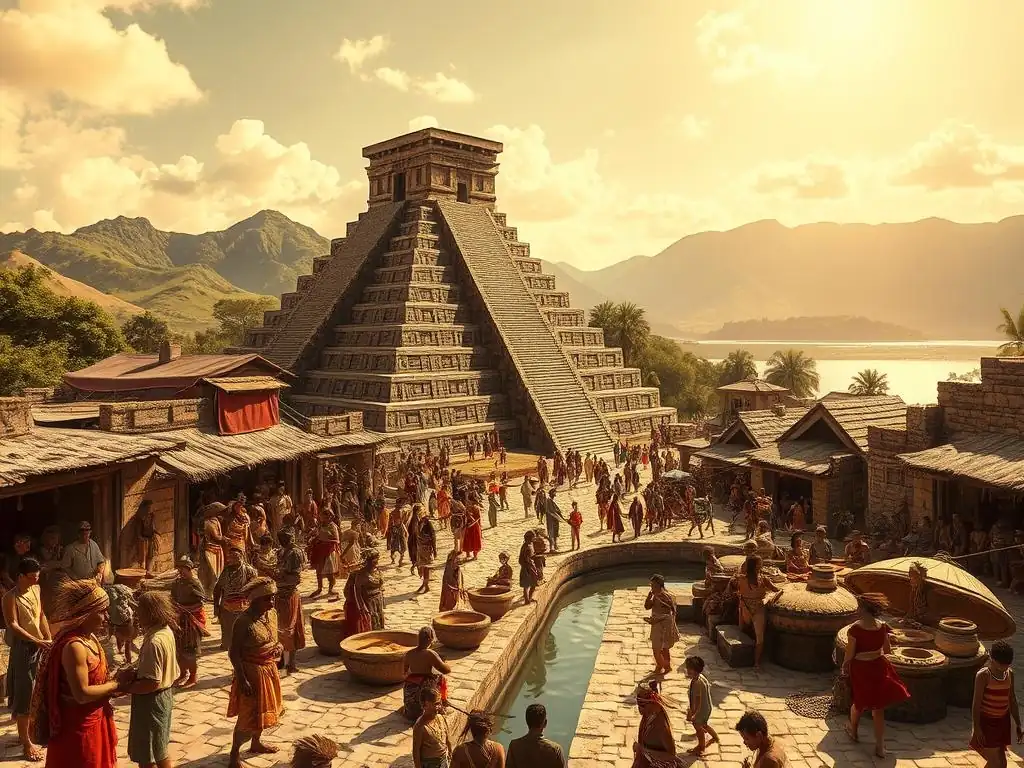
The social structure of the Aztec civilization was intricately tied to its geography, shaping not only the hierarchy within the society but also influencing daily life, economic activities, and cultural practices. The Aztecs organized themselves into a complex hierarchy that included nobles, priests, warriors, merchants, and farmers, with each group playing a specific role influenced by the geographical landscape of the Valley of Mexico. The availability of resources and the configuration of the land determined where different social classes could thrive, impacting settlement patterns and community organization.
The geographical features of the region, including mountains, lakes, and rivers, facilitated or hindered various aspects of Aztec life. For instance, the central location of Tenochtitlan—situated on an island in Lake Texcoco—allowed for the development of a powerful urban center, while surrounding rural areas were primarily agricultural, supporting the needs of the urban populace. This duality of urban and rural life created a dynamic society where social interactions and economic exchanges flourished, all influenced by the geographical context.
Settlement Patterns: Urban vs. Rural in Aztec Society
Settlement patterns in Aztec society were starkly divided between urban and rural environments, each serving distinct purposes within the civilization. Tenochtitlan, the capital, exemplified urban life with its grand temples, bustling markets, and intricate canals, which facilitated transportation and trade. The urban population was primarily composed of nobles, priests, and merchants, who engaged in political and economic activities that centered on the city's vibrancy.
In contrast, rural areas were primarily agricultural, populated by farmers who cultivated crops such as maize, beans, and squash. These communities operated under a more communal structure, often organized into calpullis—kinship groups that managed lands collectively. The division of labor between urban and rural settings was crucial for sustaining the Aztec economy, with rural farmers providing the necessary food resources for the urban elite. This relationship highlights how geography not only dictated the location of these settlements but also influenced the overall social structure and interdependence between different societal groups.
Trade Routes and Economic Interactions Across Geography
Trade routes played a significant role in the economic interactions among various Aztec communities, dictated by the geography of the region. The intricate network of canals and roads facilitated the movement of goods and people, linking Tenochtitlan with other regions of Mesoamerica. Key trade routes connected the Aztecs to valuable resources such as obsidian from the nearby mountains, cotton from the Gulf Coast, and cacao from further south, enriching their economy and cultural exchanges.
The geography of the Valley of Mexico, characterized by its diverse ecological zones, allowed for a variety of agricultural products to be cultivated and traded. This abundance fostered economic interdependence among different communities, as regions specialized in specific goods based on their geographical advantages. The Aztec economy thrived on these interactions, with markets in Tenochtitlan serving as hubs for commerce, where traders from various regions would converge to exchange goods, ideas, and cultural practices.
The Impact of Geography on Aztec Warfare and Expansion
Geography significantly influenced the warfare strategies and expansion efforts of the Aztec civilization. The natural landscape provided both challenges and advantages during military campaigns. The Aztecs adapted their strategies to the geographical features they encountered, such as mountains and valleys, using them to their advantage when engaging in conflicts with rival city-states.
The geographic context of the Valley of Mexico also played a crucial role in the expansion of Aztec territories. The strategic positioning of Tenochtitlan allowed the Aztecs to launch military campaigns efficiently against neighboring regions, consolidating power and extending their influence over vast areas. Access to waterways facilitated troop movements and supply lines, crucial for sustaining prolonged military engagements.
Geographic Strategies in Aztec Conquests
The Aztecs utilized specific geographic strategies during their conquests to maximize their military effectiveness. By leveraging the terrain, they could ambush enemies or fortify their positions in preparation for battle. The highlands and valleys around their territory provided natural barriers that could be used defensively, while also serving as vantage points during offensives.
Additionally, the Aztecs employed tactical use of their knowledge of local geography to navigate and control trade routes, which were vital during military campaigns. By securing these routes, they could disrupt enemy supply lines and establish dominance over economically critical areas. This strategic maneuvering was essential in expanding their empire, as it allowed the Aztecs to integrate newly acquired territories into their economic and military frameworks.
The Role of Geography in Defensive Tactics
The geography of the Valley of Mexico was not only a boon for offensive strategies but also served as a protective barrier against invasions. The Aztecs capitalized on their island city of Tenochtitlan, surrounded by water, to create formidable defenses. This natural moat complicated enemy assaults, providing a significant advantage in battles.
In addition to the natural terrain, the Aztecs constructed extensive fortifications, including walls and ditches, to enhance their defensive capabilities. They also utilized their knowledge of the geography to establish watchtowers and lookout points to monitor approaching threats. These defensive tactics, combined with their understanding of the land, allowed the Aztecs to maintain control over their territory and fend off rival forces effectively, showcasing the critical interplay between geography and military strategy in Aztec civilization.
Conclusion: The Legacy of Geography on Aztec Culture
The Aztec civilization, flourishing in the heart of Mesoamerica, was profoundly shaped by its geographical context. The unique topography of the Valley of Mexico, characterized by its highland lakes, mountain ranges, and temperate climate, influenced not only the settlement patterns of the Aztecs but also their agricultural practices, trade routes, and social structures. The strategic location of Tenochtitlán, situated on an island in Lake Texcoco, provided both defensive advantages and access to abundant resources, fostering economic prosperity.
Moreover, the Aztecs developed sophisticated agricultural techniques, such as chinampas—floating gardens that maximized arable land—demonstrating their adaptability to the environment. This interplay between geography and culture not only facilitated the growth of a complex society but also left a lasting legacy that can be observed in contemporary Mexican culture. The Aztec reverence for nature and their intricate cosmology, rooted in their geographical surroundings, continue to influence indigenous beliefs and practices today.
Lasting Influences of Geography on Contemporary Indigenous Cultures
The geographical influences that shaped Aztec culture are still evident in many contemporary indigenous cultures across Mexico and Central America. Many indigenous communities today maintain traditional agricultural practices similar to those of the Aztecs, utilizing local resources and sustainable methods that reflect an intimate knowledge of their environment.
For instance, the use of milpas (swidden agriculture) and the cultivation of native crops such as maize, beans, and squash persist in many rural areas. Additionally, the geographical significance of sacred sites, such as mountains and lakes, continues to play a central role in cultural identity and spiritual practices. These connections underscore the enduring impact of geography on cultural narratives, community organization, and environmental stewardship among modern indigenous groups.
Reflections on the Interplay of Geography and Culture in Historical Context
The interplay of geography and culture in the Aztec civilization serves as a compelling case study in understanding historical development. The strategic utilization of the diverse and challenging landscape of the Valley of Mexico allowed the Aztecs to thrive in a region that many might have deemed inhospitable. Their ability to adapt to and manipulate their environment not only facilitated agricultural abundance but also enabled the establishment of a powerful political entity.
In historical context, this relationship highlights how geography can dictate the trajectory of cultural evolution. As the Aztecs expanded their influence, they absorbed elements from neighboring cultures while simultaneously imposing their own. This dynamic exchange, driven by geographical interactions, contributed to the rich tapestry of Mesoamerican culture and continues to inform historical narratives about the region.
References and Further Reading on Aztec Culture and Geography
Suggested Books and Articles
-
"The Aztecs: A Very Short Introduction" by David Carrasco
This concise book provides an overview of Aztec civilization, including its cultural and geographical context.
-
"The History of the Aztecs" by Diego Durán
A primary source that offers insights into Aztec society, culture, and the geographical factors influencing their development.
-
"The Aztecs: New Perspectives" edited by Matthew Restall
A collection of essays that examine various aspects of Aztec life, including the significance of geography in shaping their culture.
Notable Archaeological Sites Related to Aztec Origins
-
Tenochtitlán
The capital of the Aztec Empire, now Mexico City, offers critical insights into the urban planning and architectural achievements influenced by its geographical context.
-
Teotihuacan
While predating the Aztecs, this ancient city significantly impacted Aztec culture and provides clues about the geographical factors that influenced its development.
-
Cholula
Known for its Great Pyramid, this site illustrates the cultural exchanges facilitated by trade routes established due to geographical considerations.
-
Xochimilco
Famous for its canals, this area highlights the Aztec ingenuity in agriculture and transportation, showcasing the lasting effects of their geographical adaptations.
- Introduction to Aztec Culture and Geography
- The Geographic Landscape of the Aztec Empire
- Cultural Developments Influenced by Geography
- The Relationship Between Geography and Religion in Aztec Culture
- Social Structure and Geography
- The Impact of Geography on Aztec Warfare and Expansion
- Conclusion: The Legacy of Geography on Aztec Culture
- References and Further Reading on Aztec Culture and Geography
Frequently Asked Questions
What were the key features of Aztec culture?
The Aztec culture was characterized by advanced agricultural practices, a rich mythology, and a complex social structure, including a ruling class of nobles and priests.
How did geography influence the Aztec civilization?
The geography of the Valley of Mexico, with its fertile land and abundant water sources, enabled the Aztecs to develop a strong agricultural base, facilitating their expansion and population growth.
What role did religion play in Aztec society?
Religion was central to Aztec society, influencing their daily lives, rituals, and the construction of monumental architecture, such as temples dedicated to their gods.
How did the Aztecs adapt to their environment?
The Aztecs utilized chinampas, or floating gardens, to maximize agricultural output in their swampy surroundings, demonstrating their ingenuity in adapting to challenging geographical conditions.
What is the legacy of Aztec culture today?
The legacy of Aztec culture persists in modern Mexican society, visible in language, art, and traditions, reflecting the enduring impact of their achievements and ways of life.
Final Reflection: The Enduring Legacy of Aztec Culture and Geography
The intricate relationship between geography and culture in the context of Aztec origins remains profoundly relevant today, as it underscores how environmental factors shape societal development and cultural identity. The Aztecs thrived in a complex landscape that influenced their agricultural practices, social structures, and religious beliefs, illustrating that our surroundings play a pivotal role in defining who we are. This interplay is not merely a historical curiosity; it serves as a reminder of the continuous impact of geography on contemporary cultures around the world.
The legacy of Aztec culture is a testament to the resilience and adaptability of human societies in the face of environmental challenges. The rich tapestry of traditions, art, and social organization that emerged from the Aztec civilization continues to inspire and inform modern discussions on cultural identity and environmental stewardship. As we navigate the complexities of globalization and climate change, we can draw wisdom from the Aztecs' harmonious relationship with their environment. The land is not just a resource; it is a living entity that shapes our culture and identity.
As we reflect on the lessons from Aztec culture and geography, I invite you to consider how your own environment influences your identity and values. What aspects of your surroundings shape your worldview and cultural practices? Embrace the opportunity to engage with your geography, recognizing its role in your personal narrative. By fostering a deeper connection with our environments, we can cultivate a richer understanding of ourselves and our communities, ensuring that the legacy of cultures like the Aztecs continues to inspire future generations.
Unveil the Rich Tapestry of Aztec Heritage!
Thank you for joining us on this fascinating exploration of the geography and culture that shaped the origins of the Aztecs. We hope you’ve uncovered insights that enhance your understanding of this vibrant civilization. Now, it’s time to take the next step in your journey!
Here's how you can dive deeper into the Aztec world:
- Explore local museums or cultural centers that showcase Indigenous artifacts and history for a hands-on experience.
- Join an online community or forum dedicated to Indigenous cultures, where you can engage with fellow enthusiasts and share your insights.
- Create a personal project or blog reflecting on your learnings and the impact of geography on Aztec culture—your perspective can inspire others!
What new perspectives have you gained about the relationship between culture and geography, and how can you effectively share them with others?