
Educational Shifts: The Impact of European Education Systems on Indigenous Learning

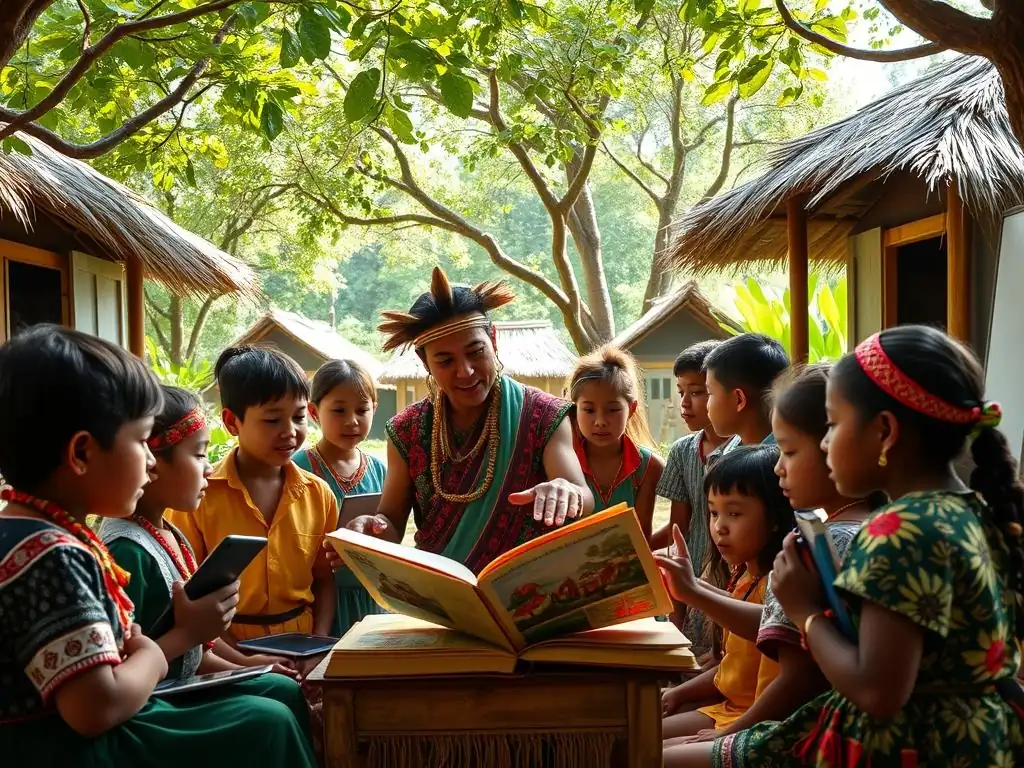
Welcome to Indigenous Civilizations of the Americas, your gateway to discovering the rich tapestry of indigenous cultures that flourished across the Americas long before European colonization. Here, we invite you to delve into the profound impact of European education on indigenous cultures, a crucial chapter in the narrative of survival and resilience. As you explore this pivotal topic, you’ll uncover how the introduction of foreign educational systems reshaped traditional learning practices, influencing generations and leaving a lasting legacy.
Prepare to embark on a journey that not only reveals the challenges faced but also celebrates the enduring spirit of indigenous knowledge and identity. Dive deeper to see how history continues to echo through the ages!
Introduction to European Education and Indigenous Cultures
The impact of European education on indigenous cultures marked a significant turning point in the history of the Americas. As European powers expanded their reach across the continent, they brought with them not only their political and economic systems but also their educational ideologies. This article explores how these European education systems reshaped indigenous learning practices, often leading to the erosion of rich cultural traditions that had been cultivated over millennia. By examining the intersection of these two educational paradigms, we can better understand the challenges and adaptations faced by indigenous communities in the wake of colonization.
Overview of European Education Systems
European education systems, characterized by formal schooling, standardized curricula, and an emphasis on literacy, diverged significantly from the informal, community-based learning frameworks practiced by indigenous cultures. European educational models were often hierarchical, favoring a top-down approach where knowledge was imparted by a select group of educators, usually with limited connection to the local community. This system prioritized subjects such as mathematics, science, and literature, often neglecting the rich cultural and historical contexts of indigenous peoples.
- Key Features of European Education:
- Formal institutions such as schools and universities
- Emphasis on written language and literacy
- Standardized curricula focusing on European history and sciences
- Hierarchical structure of knowledge dissemination
Significance of Indigenous Learning Traditions
Indigenous learning traditions, in contrast, were deeply embedded in the cultural and spiritual lives of the communities. Education was a communal process, where knowledge was passed down through generations via storytelling, practical engagement, and participation in daily life. Such traditions emphasized the importance of connection to the land, kinship ties, and the spiritual world, creating a holistic educational experience that fostered a sense of identity and continuity.
- Core Aspects of Indigenous Learning:
- Community-based and experiential learning
- Oral traditions and storytelling as primary methods of knowledge transfer
- Integration of spiritual beliefs and practices in education
- Emphasis on ecological knowledge and sustainability
Historical Context of Indigenous Education Before European Contact
Pre-Conquest Educational Practices in Indigenous Cultures
Before European contact, indigenous cultures across the Americas exhibited a wide variety of educational practices that were unique to their social and environmental contexts. For instance, the Mayan civilization employed a sophisticated system of schools for the elite, focusing on astronomy, mathematics, and writing, while many North American tribes utilized mentorship and apprenticeships to teach skills and cultural values.
- Examples of Indigenous Educational Practices:
- The Inca's quipu system for record-keeping and communication
- The use of storytelling by the Lakota to impart cultural values
- The agricultural knowledge and practices shared among the Pueblo peoples
Role of Oral Tradition in Indigenous Knowledge Transmission
Oral tradition played a crucial role in the transmission of knowledge among indigenous cultures. This method not only preserved historical narratives but also reinforced community values and identities. Stories of creation, ancestral lineage, and moral lessons were shared during gatherings, ensuring that each generation inherited a deep understanding of their culture and environment.
- Functions of Oral Tradition:
- Preservation of history and cultural identity
- Social cohesion through shared narratives
- Adaptation and flexibility of knowledge based on community needs
The educational shifts resulting from European colonization had profound implications for the survival and adaptation of indigenous cultures. Understanding these dynamics is essential to appreciate the resilience and ongoing contributions of these communities in contemporary society.
The Arrival of European Educational Models
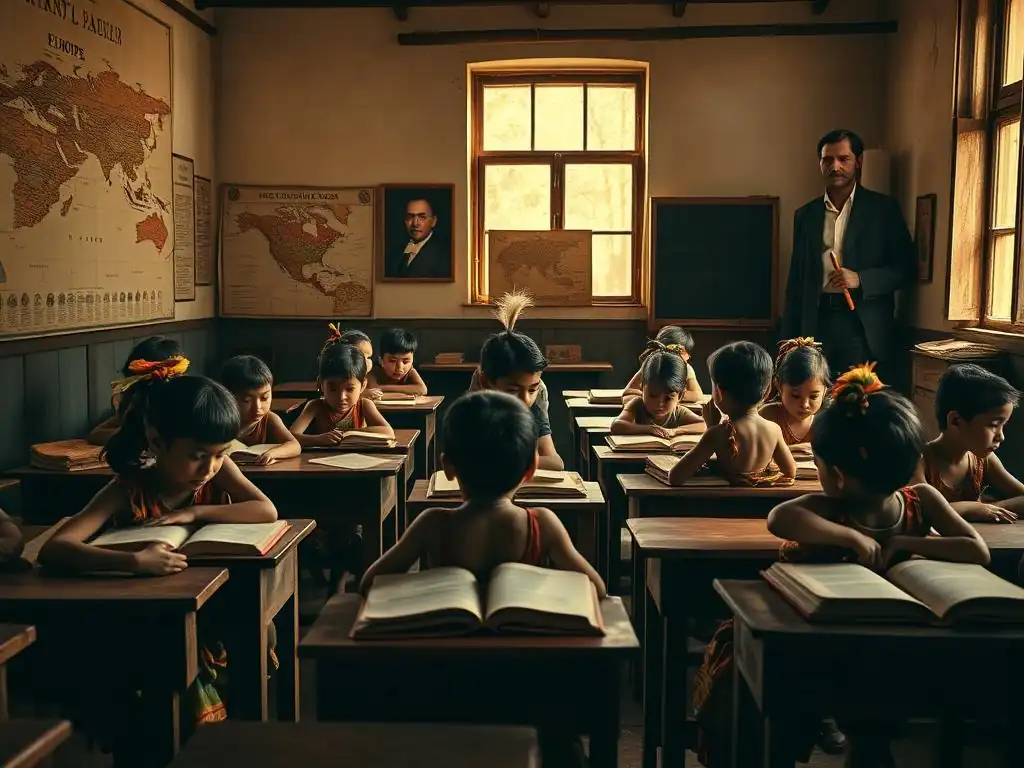
The arrival of European educational models marked a significant shift in the learning paradigms of indigenous cultures across the Americas. European colonizers brought with them established systems of education that were deeply intertwined with their cultural, religious, and political ideologies. These educational models often operated under the assumption that European ways of knowing were superior, which led to the imposition of their systems on indigenous populations.
Introduction of European Education Systems to Indigenous Communities
The introduction of European education systems to indigenous communities often began with the establishment of missionary schools. These institutions aimed to convert indigenous peoples to Christianity while simultaneously teaching them European languages, customs, and ways of life. The curriculum was heavily influenced by European values, which prioritized literacy and academic disciplines that were foreign to many indigenous cultures. For instance, subjects such as mathematics, science, and history were taught through a European lens, neglecting indigenous knowledge systems and perspectives.
As European settlers moved deeper into indigenous territories, formal educational institutions began to emerge. These schools were typically designed to assimilate indigenous children into Eurocentric cultures, often erasing their own languages and traditions in the process. The colonial governments often mandated attendance, using education as a tool for colonization, which further highlighted the power dynamics at play.
Initial Reactions of Indigenous Peoples to European Education
The initial reactions of indigenous peoples to European education were varied. Some viewed these new educational opportunities as a way to gain knowledge and skills that could be beneficial for their communities. This pragmatic approach led to a subset of indigenous individuals who embraced European education, learning the language and skills necessary to navigate the colonial landscape.
Conversely, many indigenous peoples resisted European educational models, perceiving them as direct threats to their cultural identity and autonomy. This resistance manifested in various forms, from outright rejection of the schools to the establishment of alternative educational systems that incorporated indigenous knowledge and practices. The tension between acceptance and resistance highlighted the complexities of cultural adaptation during this period.
Analyzing the Impact of European Education on Indigenous Learning
The impact of European education on indigenous learning was profound, affecting not only the structures of education but also the very fabric of indigenous cultures. This influence can be categorized into several key areas, each demonstrating the deep and often detrimental effects of colonial educational systems.
Changes in Educational Structures and Content
European education systems fundamentally altered the structure and content of indigenous learning. Traditional forms of education, which were often communal and experiential, were replaced by formal schooling with rigid curricula. Indigenous knowledge, which was transmitted orally and through practice, was marginalized in favor of written texts and standardized examinations. This shift not only changed how knowledge was imparted but also who had the authority to define what constituted valid knowledge.
Furthermore, the focus on individual achievement over communal learning led to a breakdown of traditional educational practices. Elders, who were once the primary educators within indigenous communities, found their roles diminished as European educators assumed control over instruction. This shift created a generational divide, as younger indigenous individuals were often pulled between two conflicting educational paradigms.
Effects of Language and Curriculum on Indigenous Knowledge
The language of instruction in European educational systems posed significant challenges for indigenous cultures. Many indigenous languages were suppressed or deemed inferior, leading to a decline in fluency among younger generations. The imposition of European languages not only hindered communication but also affected how knowledge was conceptualized and shared within indigenous communities.
The curriculum often excluded indigenous histories, philosophies, and worldviews, creating a knowledge gap that left many indigenous students disconnected from their cultural heritage. As a result, the indigenous understanding of the world—rooted in their languages and traditions—was systematically undermined. This loss had long-lasting repercussions, as it contributed to the erosion of cultural identities and the intergenerational transmission of indigenous knowledge.
Loss of Traditional Knowledge and Practices
The encroachment of European education systems led to a significant loss of traditional knowledge and practices among indigenous populations. With the prioritization of European academic disciplines, many indigenous practices—such as traditional storytelling, agricultural methods, and healing practices—were neglected or forgotten. The focus on formal education created a hierarchy of knowledge that elevated European concepts while devaluing indigenous ways of knowing.
This loss was not merely a matter of knowledge but also a cultural and spiritual crisis. Traditional knowledge systems were integral to the identity and resilience of indigenous communities. As these systems were dismantled, the social cohesion and cultural continuity that had sustained indigenous peoples for generations began to wane. Today, the ongoing efforts to revitalize indigenous knowledge and education reflect both a recognition of past injustices and a commitment to cultural survival.
Case Studies of Indigenous Communities Affected by European Education
The impact of European education systems on indigenous cultures can be understood through various case studies. These examples highlight the ways in which traditional knowledge systems were disrupted, altered, or blended with European methods. By examining specific indigenous communities, we can gain insight into the broader implications of educational shifts and their enduring effects on cultural identity.
Case Study 1: The Navajo Nation and European Educational Influence
The Navajo Nation, located in the southwestern United States, provides a profound example of the influence of European education on indigenous learning. Historically, the Navajo people had their own systems of knowledge transmission, which emphasized oral traditions, storytelling, and connection to the land. However, with the establishment of European-style schools in the late 19th and early 20th centuries, Navajo children were often removed from their communities and placed in boarding schools.
These institutions aimed to assimilate indigenous students into Euro-American culture, often imposing English as the primary language of instruction while forbidding the use of Navajo. This led to significant language loss and a disconnection from cultural practices. Despite these challenges, the Navajo Nation has actively worked to revive their language and cultural practices, integrating traditional knowledge with contemporary educational frameworks, thereby demonstrating resilience in the face of historical educational oppression.
Case Study 2: The Maori of New Zealand and Adaptation of Learning Methods
The Maori of New Zealand faced a similar encounter with European education systems during the colonial period. Initial contact with European settlers introduced new educational paradigms, which were often at odds with Maori learning traditions that emphasized communal knowledge sharing, spirituality, and connection to the environment.
In response to the colonial education system, Maori leaders began to adapt and incorporate aspects of European education while striving to preserve their own cultural identity. This led to the establishment of Maori-language schools and educational initiatives that aimed to blend traditional Maori learning with western pedagogical methods. Notably, the Kura Kaupapa Maori movement emerged in the 1980s, promoting education conducted in the Maori language and rooted in Maori values. This adaptation reflects a critical response to colonial education and illustrates the ongoing negotiation of identity and learning in the Maori community.
The Lasting Impact of European Education on Indigenous Cultures
The consequences of European education systems on indigenous cultures extend beyond immediate changes in learning methods. They have produced long-lasting effects that continue to shape the identities and languages of indigenous peoples, often resulting in complex dynamics between preservation and assimilation.
Long-term Effects on Language and Identity
One of the most profound impacts of European education on indigenous cultures is the erosion of native languages. As European educational systems prioritized the dominant language, many indigenous languages faced decline or even extinction. Language is intrinsically linked to identity, culture, and worldview, and the loss of language can lead to a diminished sense of self within indigenous communities.
Moreover, the emphasis on European curricula often marginalized indigenous knowledge and perspectives, leading to a disconnect from cultural practices. However, many communities are actively working to revitalize their languages and cultural identities. Language revitalization programs, community initiatives, and educational reforms that incorporate indigenous knowledge are crucial steps toward healing the wounds caused by colonial education.
Preservation vs. Assimilation: Struggles of Indigenous Learning
The tension between preservation and assimilation remains a critical struggle for indigenous cultures affected by European education. On one hand, indigenous communities strive to maintain their unique traditions, languages, and ways of learning. On the other hand, the influence of European educational systems often pressures these communities to conform to mainstream educational standards and practices.
This struggle has led to the emergence of hybrid educational models that seek to balance both worlds. These models aim to respect and honor indigenous traditions while providing access to broader educational resources. The challenge lies in ensuring that such models do not further perpetuate assimilation but rather empower indigenous students to thrive in both their cultural contexts and the wider world. By focusing on culturally relevant education, indigenous communities can reclaim their knowledge systems and foster a sense of pride and identity among future generations.
Contemporary Perspectives on European Education's Impact
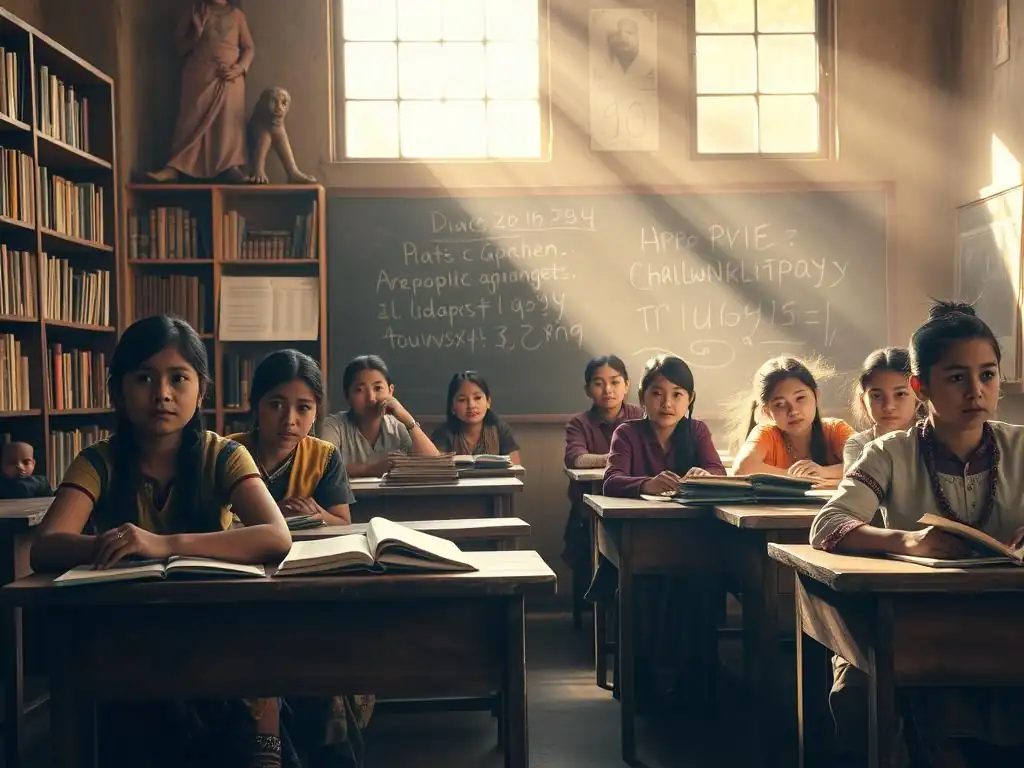
The impact of European education systems on indigenous cultures has been profound and multifaceted, shaping the educational landscape in ways that continue to resonate today. Contemporary perspectives highlight the duality of this influence: while European systems sought to assimilate indigenous peoples, they also inadvertently catalyzed movements toward cultural preservation and educational reform. Scholars and indigenous leaders alike emphasize the importance of understanding historical contexts to appreciate the ongoing struggles and achievements of indigenous communities in reclaiming their educational narratives.
Indigenous perspectives on education offer a critique of Eurocentric curricula, which often marginalize native knowledge systems and languages. Many contemporary educators advocate for a more inclusive approach that respects and integrates indigenous methodologies and worldviews. This shift not only honors the rich heritage of indigenous cultures but also enriches the educational experience for all students. By recognizing the limitations of traditional European models, there is a growing acknowledgment of the need to adapt educational practices to better serve diverse populations.
Current Indigenous Educational Movements
Current indigenous educational movements are characterized by a resurgence of cultural pride and the desire for self-determination in educational practices. Across North America and beyond, indigenous communities are actively developing curricula that reflect their unique histories, languages, and traditions. These movements seek to counteract the historical narrative imposed by colonial education systems, promoting a more balanced understanding of indigenous contributions to society.
One notable initiative is the incorporation of indigenous languages into school curricula, which not only helps preserve these languages but also strengthens community identity. Programs such as language immersion schools or dual-language programs aim to create a bilingual environment where indigenous languages are celebrated and taught alongside mainstream subjects. Additionally, grassroots organizations often lead workshops and training for educators to facilitate culturally relevant pedagogy, allowing for a more respectful and effective engagement with indigenous students.
Reclamation of Indigenous Learning Practices in Modern Education
The reclamation of indigenous learning practices in modern education reflects a broader movement towards culturally responsive teaching. Educators are increasingly recognizing the value of indigenous knowledge systems, which emphasize experiential learning, storytelling, and community engagement. These methodologies contrast sharply with the often rigid and standardized approaches typical of European education systems.
Many indigenous communities are advocating for the revitalization of traditional ecological knowledge (TEK), which encompasses the understanding of local ecosystems and sustainable practices passed down through generations. By integrating TEK into educational settings, students gain not only academic knowledge but also practical skills that are deeply rooted in their cultural heritage. This approach fosters a sense of identity and belonging, empowering indigenous youth to connect with their ancestors’ wisdom while navigating contemporary challenges.
Conclusion: Reflecting on the Impact of European Education on Indigenous Cultures
The impact of European education on indigenous cultures has been both transformative and tumultuous. While it has led to significant disruptions in traditional learning practices, it has also spurred movements towards cultural reclamation and educational reform. Understanding this complex relationship is crucial for fostering a more equitable educational landscape that honors the diverse contributions of all cultures.
Summary of the Transformative Effects of European Education
The transformative effects of European education on indigenous cultures can be summarized through various dimensions, including:
- Cultural Disruption: European education often aimed to erase indigenous identities, leading to the loss of languages, traditions, and knowledge systems.
- Assimilation Policies: Many indigenous children were forcibly removed from their families and placed in residential schools, where they were prohibited from speaking their languages or practicing their cultures.
- Resistance and Resilience: Despite the challenges, indigenous communities have shown remarkable resilience, leading to modern movements that reclaim and celebrate their cultural heritage.
These effects underscore the importance of recognizing the historical context and the ongoing implications of educational policies on indigenous identities.
Future Directions for Indigenous Education in a Global Context
Looking ahead, the future of indigenous education in a global context requires a commitment to collaboration and respect for indigenous knowledge systems. Key directions include:
- Integration of Indigenous Knowledge: Educational institutions must prioritize the incorporation of indigenous perspectives and practices into their curricula, ensuring that all students learn about the rich histories and contributions of indigenous cultures.
- Policy Advocacy: Advocating for policies that support indigenous self-determination in education will empower communities to develop culturally relevant programs that align with their values and aspirations.
- Global Partnerships: By fostering partnerships between indigenous communities and educational institutions worldwide, there is potential to share best practices and enhance understanding of diverse educational methodologies.
In this way, the future of indigenous education can be shaped by a commitment to inclusivity, respect, and the recognition of the invaluable contributions that indigenous cultures offer to the global educational landscape.
- Introduction to European Education and Indigenous Cultures
- Overview of European Education Systems
- Significance of Indigenous Learning Traditions
- Historical Context of Indigenous Education Before European Contact
- The Arrival of European Educational Models
- Analyzing the Impact of European Education on Indigenous Learning
- Case Studies of Indigenous Communities Affected by European Education
- The Lasting Impact of European Education on Indigenous Cultures
- Contemporary Perspectives on European Education's Impact
- Current Indigenous Educational Movements
- Reclamation of Indigenous Learning Practices in Modern Education
- Conclusion: Reflecting on the Impact of European Education on Indigenous Cultures
- What are the main themes explored in the article regarding indigenous cultures?
- How did European education systems affect indigenous learning?
- What were some positive outcomes of European education on indigenous communities?
- How did indigenous cultures respond to the changes imposed by European education?
- What is the lasting impact of European education on indigenous cultures today?
Frequently Asked Questions
What are the main themes explored in the article regarding indigenous cultures?
The article focuses on the diverse indigenous cultures that existed in the Americas, their achievements, and how they were affected by European colonization.
How did European education systems affect indigenous learning?
European education introduced new teaching methods, often undermining traditional practices and leading to a significant shift in indigenous learning systems.
What were some positive outcomes of European education on indigenous communities?
In some cases, European education provided access to new knowledge and skills, enabling indigenous communities to adapt and navigate changing social and economic landscapes.
How did indigenous cultures respond to the changes imposed by European education?
Many indigenous cultures adapted by integrating certain European educational elements while striving to preserve and maintain their cultural identity and traditional knowledge.
What is the lasting impact of European education on indigenous cultures today?
The impact of European education is complex, leading to both challenges in preserving indigenous languages and customs, as well as opportunities for empowerment and advocacy in contemporary society.
Final Reflection: The Lasting Impact of European Education on Indigenous Cultures
The intersection of European education systems and Indigenous learning is more relevant today than ever, as we witness the ongoing struggle for cultural preservation and educational equity. The historical imposition of European educational frameworks has not only shaped the academic landscape but has also left indelible marks on Indigenous identities and ways of knowing. This dynamic continues to provoke critical conversations about the need for inclusive and culturally responsive education that honors Indigenous knowledge systems.
Cultural resilience and adaptation are at the heart of the ongoing dialogue surrounding the impact of European education on Indigenous cultures. The legacy of colonization has prompted Indigenous communities to reclaim their narratives and assert their educational rights, fostering a renewed sense of identity and purpose. As we navigate this complex terrain, it is essential to remember the words of Vine Deloria Jr.: Education is not a preparation for life; education is life itself.
This perspective underscores the importance of integrating Indigenous knowledge into educational frameworks, ensuring that the voices and experiences of Indigenous peoples are not only acknowledged but celebrated.
As we reflect on the lessons drawn from the historical and contemporary impacts of European education on Indigenous cultures, I invite you to consider your own role in this narrative. How can you contribute to a more equitable educational landscape that respects and uplifts Indigenous perspectives? Whether through advocacy, education, or personal reflection, each of us has the power to foster understanding and promote cultural appreciation. Let us embrace this opportunity to learn from the past and work towards a future where all educational systems honor the richness of diverse cultures.
Embrace Change: Transform Indigenous Education Today!
Thank you for exploring the profound ways education systems have influenced Indigenous learning. Your engagement is crucial for understanding and fostering meaningful change. Now, it’s time to take action and make a real impact!
Here are a few simple yet powerful steps you can take:
- Advocate for Indigenous Perspectives: Reach out to local schools or educational programs and encourage them to incorporate Indigenous knowledge and methodologies into their curricula.
- Explore Community Resources: Connect with Indigenous education organizations in your area to learn about workshops, events, or programs that promote Indigenous learning.
- Share Your Insights: Discuss and share this article on your social media platforms to spark conversations about the importance of preserving Indigenous education.
What unique perspectives can you contribute to your community to support Indigenous education?