
The Role of Traditional Ecological Knowledge in Indigenous Sustainability Practices

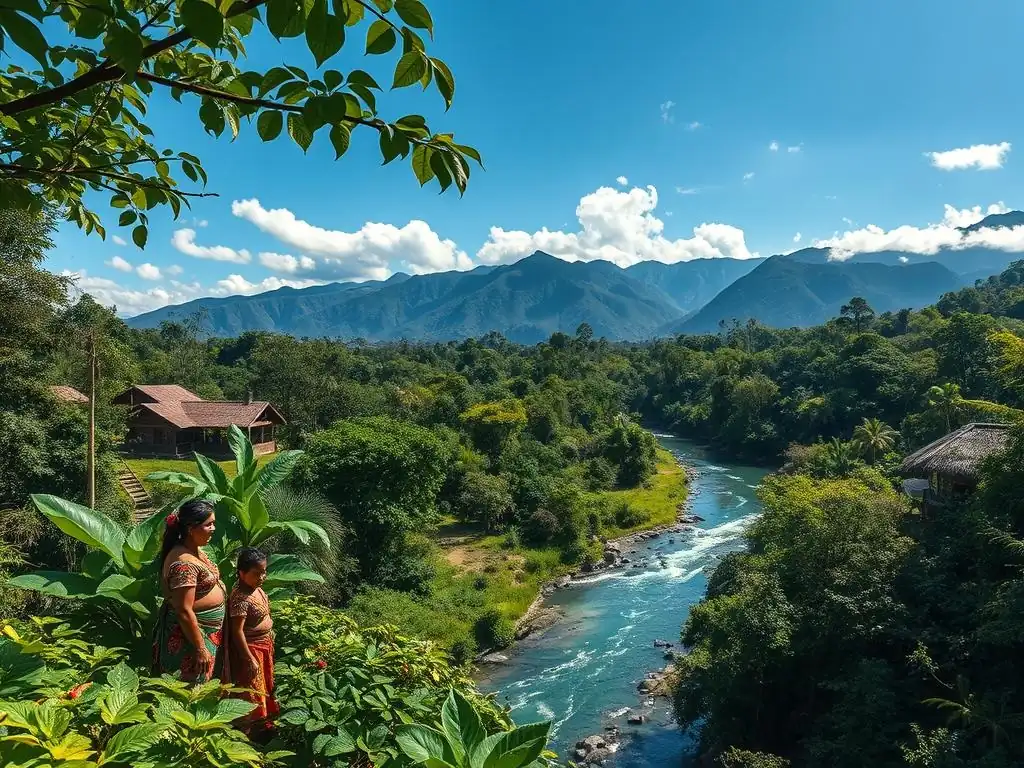
Welcome to Indigenous Civilizations of the Americas, where we invite you to embark on a fascinating journey through the rich tapestry of indigenous cultures that flourished long before European colonization. Here, we delve deep into the traditional ecological knowledge that underpins indigenous sustainability practices, revealing how these time-honored traditions continue to shape our understanding of the environment today. Discover the remarkable achievements and enduring impact of these societies as you explore the intricate relationship between culture and sustainability. Uncover the wisdom of the ancients and see how it resonates in our modern world—your exploration begins now!
Traditional Ecological Knowledge (TEK) encompasses the understanding, skills, and philosophies developed by indigenous peoples over generations through their interactions with the environment. This intricate knowledge system is deeply rooted in the cultural, spiritual, and social frameworks of indigenous societies and plays a crucial role in promoting sustainable practices.
As we explore the significance of TEK in the context of indigenous sustainability, it becomes evident that these age-old practices offer valuable insights and solutions for contemporary environmental challenges. Through this lens, we can appreciate how TEK not only preserves cultural heritage but also fosters a harmonious relationship with nature, essential for the well-being of both ecosystems and indigenous communities.
Introduction to Traditional Ecological Knowledge
Definition of Traditional Ecological Knowledge (TEK)
Traditional Ecological Knowledge (TEK) can be defined as the cumulative body of knowledge, practices, and beliefs that indigenous peoples have developed through their relationships with the environment. TEK encompasses various aspects, including:
- Observation: Indigenous communities have closely observed ecological patterns and changes over time.
- Cultural Practices: Rituals and traditions that reflect their understanding of nature's cycles.
- Resource Management: Techniques for sustainable harvesting and land use that ensure environmental balance.
In essence, TEK integrates ecological knowledge with cultural values, offering a holistic approach to understanding and interacting with the natural world.
Historical Context of TEK in Indigenous Cultures
The historical roots of TEK in indigenous cultures span thousands of years, with practices shaped by local landscapes, climates, and ecosystems. For instance:
- Agriculture: Indigenous peoples developed sophisticated agricultural techniques, such as the "Three Sisters" method (corn, beans, and squash), which promotes soil health and biodiversity.
- Cultural Narratives: Stories and myths handed down through generations often convey ecological wisdom and emphasize the importance of respecting nature.
- Adaptive Strategies: Indigenous communities have historically adapted to environmental changes, showcasing resilience and sustainable living practices.
These historical contexts highlight the deep connection between indigenous cultures and their environments, underscoring the relevance of TEK in contemporary sustainability efforts.
Importance of Traditional Ecological Knowledge in Sustainability
TEK as a Framework for Sustainable Practices
TEK serves as a vital framework for sustainable practices, emphasizing the need to respect and maintain the integrity of ecosystems. Key components include:
- Holistic Perspective: TEK promotes an understanding of the interconnectedness of all living beings and their environments.
- Long-term Sustainability: Indigenous practices are often based on the principle of meeting present needs without compromising future generations.
- Community Engagement: TEK emphasizes the role of community and collective decision-making in resource management.
By integrating TEK into modern sustainability initiatives, we can create more effective and culturally relevant strategies.
How TEK Contributes to Biodiversity Conservation
The application of TEK has proven essential for biodiversity conservation in various ways:
- Species Management: Indigenous knowledge often includes detailed information about local flora and fauna, enhancing conservation efforts.
- Habitat Restoration: Traditional practices can contribute to the restoration of ecosystems, promoting resilience against environmental degradation.
- Cultural Preservation: Protecting biodiversity also aids in preserving the cultural heritage of indigenous peoples who rely on these ecosystems for their way of life.
TEK fosters a deep understanding of ecological systems, leading to more effective conservation measures.
The Role of TEK in Climate Change Adaptation
As the impacts of climate change become more pronounced, TEK offers valuable insights for adaptation strategies:
- Local Knowledge: Indigenous communities possess unique knowledge of local climates and historical patterns, essential for adapting to changing conditions.
- Resilient Practices: TEK often includes practices that enhance ecosystem resilience, such as controlled burns and diverse cropping systems.
- Community-Based Solutions: Engaging indigenous peoples in climate action ensures that adaptation strategies are culturally appropriate and grounded in local realities.
Incorporating TEK into climate change discussions is crucial for developing adaptive strategies that honor indigenous wisdom and experiences.
Indigenous Sustainability Practices Rooted in Traditional Ecological Knowledge
Indigenous sustainability practices are deeply intertwined with traditional ecological knowledge (TEK), which encompasses the insights and practices developed by indigenous peoples over generations. This knowledge is based on a profound understanding of local ecosystems and a holistic view that considers the interdependence of all living entities. TEK informs sustainable practices that promote biodiversity, resource conservation, and ecological balance, allowing communities to thrive in harmony with their environment.
The integration of TEK into indigenous sustainability practices is evident across various domains, including agriculture, water management, and forest conservation. These practices are not only environmentally sustainable but also culturally significant, reflecting the values and beliefs of indigenous communities. By leveraging TEK, indigenous peoples have developed adaptive strategies that enhance resilience against climate change and promote long-term ecological health.
The significance of TEK in indigenous sustainability practices is further highlighted by its ability to address contemporary environmental challenges. As modern society grapples with issues such as deforestation, pollution, and resource depletion, the wisdom embedded in TEK offers valuable insights that can guide sustainable resource management and conservation efforts. The revival and recognition of TEK are crucial in fostering a more sustainable future for both indigenous and non-indigenous communities alike.
Agriculture and Permaculture Techniques
Indigenous agricultural practices are often characterized by their emphasis on biodiversity and sustainability, reflecting a deep understanding of local ecosystems. Techniques such as companion planting and crop rotation are common, as they enhance soil health and reduce the need for chemical fertilizers and pesticides. For example, the Three Sisters planting method, used by various Native American tribes, involves planting corn, beans, and squash together. This technique not only maximizes space but also promotes soil fertility and provides a balanced diet.
Permaculture, which aligns closely with traditional agricultural methods, emphasizes working with nature rather than against it. Indigenous communities often utilize permaculture principles to create self-sustaining agricultural systems that mimic natural ecosystems. By incorporating diverse crops, utilizing organic materials, and implementing water-saving techniques, these systems contribute to food security while maintaining ecological integrity.
Moreover, the knowledge of seasonal cycles, plant behavior, and animal interactions plays a crucial role in indigenous agriculture. This understanding allows for the cultivation of resilient crops that can withstand climate variability, ensuring sustainable food production for future generations. The revival of these practices not only supports indigenous food sovereignty but also offers valuable lessons for modern agricultural practices seeking sustainability.
Water Management Systems
Water management is a critical aspect of indigenous sustainability practices, as access to clean water is vital for both human survival and ecosystem health. Traditional ecological knowledge has led to the development of innovative water management systems that promote conservation and equitable distribution of water resources. Indigenous peoples often view water as a sacred element, guiding their practices in a way that respects its intrinsic value.
One prominent example is the use of traditional irrigation methods, such as the canal systems developed by the Hohokam people in the arid regions of present-day Arizona. These systems effectively captured and distributed water from rivers to support agriculture in challenging environments. Similarly, the use of check dams and terracing by various indigenous cultures helps to slow down water runoff, allowing for groundwater recharge and reducing soil erosion.
Indigenous water management practices also emphasize the importance of maintaining the health of watersheds. This includes protecting wetlands, restoring riparian zones, and implementing sustainable fishing practices to ensure the ecological balance of aquatic habitats. By integrating TEK into contemporary water management policies, communities can foster resilience against water scarcity and pollution, contributing to long-term sustainability.
Forest and Wildlife Management
Indigenous peoples have historically practiced sustainable forest and wildlife management, guided by their deep understanding of ecosystems and species interactions. Traditional ecological knowledge plays a crucial role in these practices, as it informs decision-making regarding hunting, gathering, and land stewardship.
In many indigenous cultures, sustainable hunting practices are rooted in spiritual beliefs and cultural traditions. For instance, the use of seasonal hunting, where specific species are hunted only during certain times of the year, allows populations to recover and thrive. Moreover, techniques such as controlled burns, utilized by various indigenous groups, help to maintain healthy ecosystems by promoting new growth and preventing catastrophic wildfires.
Additionally, the management of plant resources is intricately linked to wildlife conservation. Indigenous peoples often engage in practices such as selective harvesting, which ensures that medicinal and edible plants are gathered sustainably. This approach helps to preserve biodiversity while maintaining the cultural significance of these plants.
Overall, the forest and wildlife management practices rooted in TEK not only support ecological health but also reinforce the cultural identity of indigenous communities. By recognizing the value of these practices, modern conservation efforts can benefit from the insights and wisdom of indigenous peoples, promoting more effective and inclusive environmental stewardship.
Case Studies of Successful Indigenous Sustainability Practices
Case Study 1: The Maori of New Zealand
The Maori of New Zealand exemplify the successful integration of traditional ecological knowledge into contemporary sustainability practices. Their concept of "kaitiakitanga," or guardianship, emphasizes the responsibility of humans to protect the environment for future generations. This philosophy guides their approach to resource management, including fisheries, forests, and freshwater systems.
One notable example is the revival of traditional fishing practices in the marine areas surrounding New Zealand. The Maori have implemented community-based management systems that prioritize sustainable fishing and the protection of marine biodiversity. These practices involve the establishment of no-take zones and seasonal fishing restrictions, allowing fish populations to regenerate and ecosystems to thrive.
Furthermore, the Maori's commitment to reforestation and habitat restoration showcases their dedication to environmental stewardship. Collaborative initiatives between Maori communities and governmental agencies have led to successful replanting projects that restore native flora and fauna. Through these efforts, the Maori not only preserve their cultural heritage but also contribute to the broader goals of environmental sustainability.
Case Study 2: The Sami Reindeer Herding in Scandinavia
The Sami people, indigenous to the Arctic regions of Scandinavia, have developed a unique system of reindeer herding that exemplifies sustainable land use and resource management. Rooted in traditional ecological knowledge, Sami herding practices are adapted to the harsh and changing climate of the Arctic, ensuring the health of both the reindeer populations and the ecosystems they inhabit.
The Sami utilize a rotational grazing system, which allows reindeer to access different pastures throughout the year. This practice prevents overgrazing and promotes the regeneration of vegetation. Additionally, the Sami have a profound understanding of the migratory patterns of reindeer, enabling them to move herds in sync with seasonal changes and available resources.
Moreover, the Sami's connection to the land is deeply spiritual, reinforcing their commitment to sustainable practices. Their traditional ecological knowledge informs not only their herding techniques but also their interactions with wildlife and the preservation of biodiversity. As climate change poses new challenges to the Sami way of life, the integration of TEK into modern conservation efforts is essential for ensuring the sustainability of both reindeer herding and the Arctic ecosystems.
Challenges Facing Traditional Ecological Knowledge Today
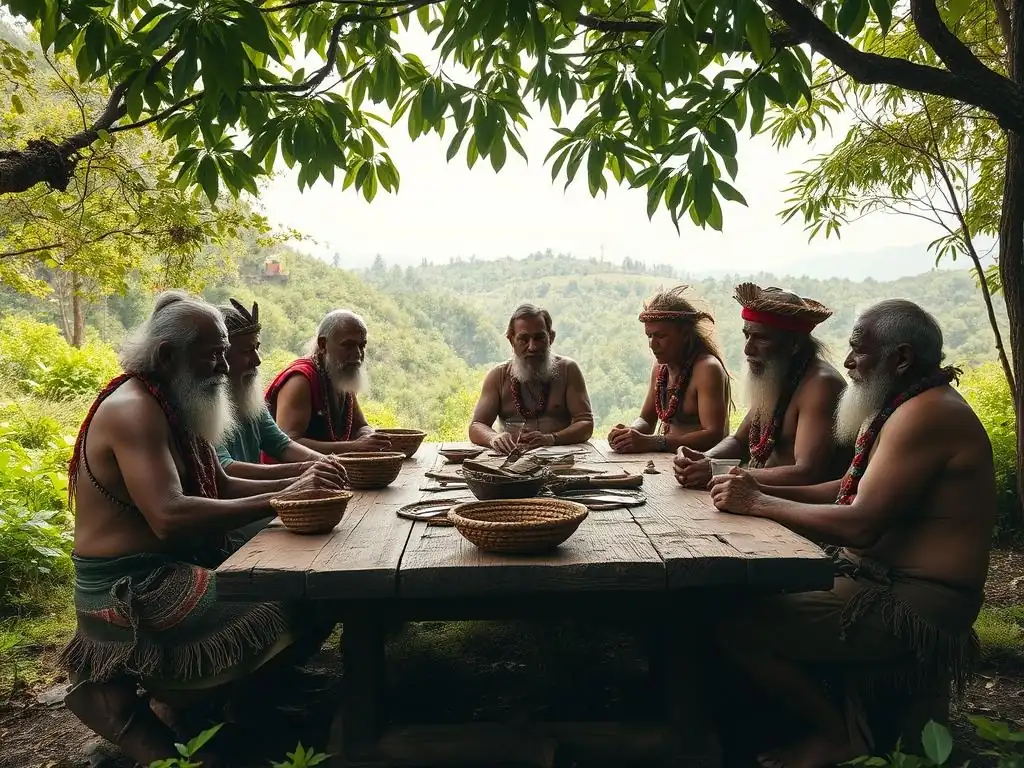
Traditional Ecological Knowledge (TEK) is a vital component of indigenous sustainability practices, yet it faces numerous challenges in today’s world. The erosion of TEK can lead to the loss of invaluable wisdom that has been passed down through generations. The following sections delve into some significant challenges, including modernization, legal barriers, and cultural transmission.
Modernization and Its Impact on Indigenous Practices
Modernization has brought significant changes to the lifestyles of indigenous communities, often leading to the marginalization of TEK. As societies become increasingly urbanized and industrialized, traditional practices that emphasize sustainable resource management are frequently overlooked or deemed irrelevant. The influx of modern technology can disrupt age-old practices, as younger generations may be more inclined to adopt contemporary lifestyles and values, leading to a disconnect from their ecological heritage. This shift not only threatens the continuity of TEK but also impacts the ecological systems that indigenous knowledge systems have historically supported.
Legal and Political Barriers to TEK Recognition
The recognition of Traditional Ecological Knowledge often encounters legal and political obstacles. Many governments fail to acknowledge TEK as a legitimate source of environmental knowledge, prioritizing scientific approaches that may not align with indigenous perspectives. This lack of recognition can hinder indigenous communities' rights to manage their lands and resources sustainably. Additionally, policies that do not incorporate TEK into environmental management can result in the implementation of practices that are detrimental to both the environment and indigenous peoples. Overcoming these barriers requires advocacy for the inclusion of TEK in legal frameworks and decision-making processes at all levels.
Loss of Language and Cultural Transmission
Language plays a crucial role in the preservation and transmission of TEK. Many indigenous languages are at risk of extinction, which directly affects the ability to pass down traditional knowledge. As languages fade, unique ways of understanding the environment, including cultural practices, stories, and ecological insights, are also lost. The decline in language fluency among younger generations can lead to a weakened connection to their cultural identity and ecological wisdom. Efforts to revitalize indigenous languages are essential for ensuring that TEK continues to thrive and be integrated into sustainable practices.
Revitalizing Traditional Ecological Knowledge for Future Generations
Despite the challenges facing TEK, there are numerous efforts underway to revitalize and sustain this vital knowledge for future generations. By fostering educational initiatives and community-led conservation efforts, indigenous peoples are reclaiming their roles as stewards of the land. Collaboration with external organizations also plays a significant role in enhancing the visibility and appreciation of TEK.
Education and Intergenerational Knowledge Transfer
Education is key to revitalizing TEK. Programs that focus on intergenerational knowledge transfer allow elders to share their insights and practices with younger community members. This can take place through workshops, storytelling, and hands-on training in traditional practices such as farming, fishing, and foraging. Incorporating TEK into formal education systems also helps bridge the gap between indigenous knowledge and contemporary environmental science, fostering respect and understanding among diverse communities.
Community-Led Conservation Initiatives
Community-led conservation initiatives are essential for implementing TEK in practical ways. These initiatives empower indigenous communities to take charge of their natural resources and implement sustainable practices based on their ancestral knowledge. Such projects often demonstrate the effectiveness of TEK in biodiversity conservation, habitat restoration, and sustainable agriculture. By championing local leadership and participation, these initiatives can inspire other communities and promote resilience in the face of environmental challenges.
Collaborations Between Indigenous Peoples and Environmental Organizations
Collaborations between indigenous peoples and environmental organizations can enhance the recognition and application of TEK. These partnerships often focus on sharing resources, knowledge, and strategies for conservation and sustainability. By valuing TEK alongside scientific approaches, these collaborations can lead to more holistic and effective environmental management practices. Successful partnerships not only help in addressing pressing ecological issues but also promote cultural pride and the revitalization of indigenous knowledge systems, ensuring they remain a vital component of sustainability efforts.
Conclusion: The Future of Traditional Ecological Knowledge in Indigenous Sustainability
As we look toward the future, the integration of Traditional Ecological Knowledge (TEK) into contemporary sustainability practices presents a promising path for both indigenous communities and global environmental strategies. TEK encompasses a wealth of cultural wisdom, observational data, and ecological insights that have been refined over generations. This indigenous knowledge not only provides sustainable solutions for resource management but also fosters resilience in the face of climate change. Acknowledging and respecting TEK can lead to more effective conservation efforts, emphasizing the importance of collaboration between indigenous peoples and scientific communities to create holistic approaches to sustainability.
The Need for Recognition and Support
Recognition of Traditional Ecological Knowledge is imperative for its survival and application in modern contexts. Many indigenous communities have faced historical marginalization, leading to the erosion of their knowledge systems. To support TEK, it is essential to advocate for policies that honor indigenous rights and include their voices in decision-making processes related to environmental management. This recognition can take various forms, including legal protections for indigenous land rights and the incorporation of TEK in environmental education programs. By valuing this knowledge, we can empower indigenous communities and enhance their roles as stewards of their ancestral lands.
Potential for Global Environmental Impact
The potential for Traditional Ecological Knowledge to contribute to global environmental solutions is significant. TEK offers insights into biodiversity conservation, sustainable agriculture, and climate adaptation strategies that have been tested over centuries. For instance, indigenous practices such as controlled burns and polyculture farming can improve ecosystem resilience and productivity. By integrating TEK with scientific research, we can develop innovative solutions to pressing environmental challenges, such as habitat destruction and climate change. Collaborative frameworks that combine indigenous wisdom with modern science can lead to sustainable practices that benefit both local and global communities.
Call to Action
To ensure that Traditional Ecological Knowledge thrives and contributes to sustainable practices, a concerted effort is required from all sectors of society. Individuals, governments, and organizations must take proactive steps to promote the value of TEK and support indigenous peoples in their sustainability efforts.
Encouraging Respect for Indigenous Knowledge Systems
It is crucial to cultivate a societal respect for indigenous knowledge systems. This involves not only recognizing the value of TEK but also actively engaging with indigenous communities to learn from their practices. Educational initiatives that highlight the significance of traditional knowledge in contemporary sustainability can foster greater appreciation and understanding among non-indigenous populations. Workshops, lectures, and community events can serve as platforms for sharing indigenous perspectives, thereby encouraging mutual respect and collaboration.
Supporting Indigenous Rights and Sustainability Efforts
Supporting indigenous rights is fundamental to preserving Traditional Ecological Knowledge and enhancing sustainability practices. This includes advocating for the protection of indigenous lands, which are often vital ecosystems that harbor rich biodiversity. Supporting initiatives that empower indigenous communities, such as funding for sustainable development projects and recognition of land sovereignty, is essential. By aligning with indigenous-led efforts and respecting their governance structures, we can create a more equitable and sustainable future that honors the contributions of indigenous peoples to environmental stewardship.
- Introduction to Traditional Ecological Knowledge
- Importance of Traditional Ecological Knowledge in Sustainability
- Indigenous Sustainability Practices Rooted in Traditional Ecological Knowledge
- Case Studies of Successful Indigenous Sustainability Practices
- Challenges Facing Traditional Ecological Knowledge Today
- Revitalizing Traditional Ecological Knowledge for Future Generations
- Conclusion: The Future of Traditional Ecological Knowledge in Indigenous Sustainability
- Call to Action
Frequently Asked Questions
What is Traditional Ecological Knowledge (TEK)?
Traditional Ecological Knowledge (TEK) refers to the cumulative body of knowledge, practices, and beliefs about the environment developed by indigenous cultures over generations. It emphasizes sustainable practices and a deep understanding of local ecosystems.
How does TEK contribute to indigenous sustainability?
TEK plays a crucial role in indigenous sustainability by promoting practices that are environmentally sound and culturally relevant. It helps communities manage their natural resources while preserving their cultural heritage.
What are some examples of TEK in practice?
Examples of TEK include crop rotation, fire management, and the use of native plants for medicinal purposes. These practices not only support biodiversity but also enhance the resilience of ecosystems.
Why is TEK important in the context of modern environmental issues?
TEK is vital in addressing modern environmental challenges because it offers innovative solutions rooted in long-standing relationships with nature. It can inform contemporary practices and policies aimed at sustainability.
How can TEK be integrated into contemporary environmental management?
Integrating TEK into modern environmental management involves collaborative approaches that respect and incorporate indigenous knowledge. This can lead to more effective and inclusive strategies for sustainability.
Final Reflection: Embracing Traditional Ecological Knowledge for a Sustainable Future
The integration of traditional ecological knowledge into contemporary sustainability practices is not just a nod to the past; it is a vital necessity for our future. As we face unprecedented environmental challenges, the wisdom embedded in Indigenous practices offers invaluable insights that can guide us toward a more sustainable and harmonious relationship with our planet. The urgency of climate change and biodiversity loss underscores the importance of these time-tested methods, reminding us that the answers we seek may lie in the very traditions we often overlook.
Cultural narratives and practices rooted in traditional ecological knowledge continue to shape our understanding of sustainability in profound ways. This knowledge not only fosters a deep connection to the land but also promotes resilience and adaptability in the face of changing environmental conditions. As Indigenous leaders remind us, “We do not inherit the earth from our ancestors; we borrow it from our children.” > This quote encapsulates the essence of stewardship and responsibility that traditional ecological knowledge embodies, urging us to rethink our relationship with nature and the legacy we leave behind.
As you reflect on the insights shared in this article, consider how you can incorporate the principles of traditional ecological knowledge into your own life and community. Embrace the wisdom of Indigenous practices, advocate for their recognition, and actively participate in sustainability efforts that honor these traditions.
The journey toward a sustainable future is not solely the responsibility of policymakers or organizations; it is a collective endeavor that requires each of us to engage, learn, and act. Together, we can weave the threads of traditional ecological knowledge into the fabric of modern sustainability, ensuring a thriving planet for generations to come.
Embrace Indigenous Wisdom for a Sustainable Future
Thank you for taking the time to explore the vital role of Traditional Ecological Knowledge in Indigenous sustainability practices. Your engagement with this topic sparks hope for a future where respect for the earth and its resources leads to lasting environmental harmony. Now, it’s time to take action!
Here are a few straightforward steps you can take to deepen your connection and support these invaluable practices:
- Integrate Traditional Ecological Knowledge: Start incorporating Indigenous wisdom into your daily life and environmental practices. Research local Indigenous methods and see how they can enhance your sustainability efforts.
- Share and Advocate: Spread the word! Share what you've learned with friends and family, and consider advocating for Indigenous voices in your community's environmental policies.
- Engage in Community Events: Participate in local workshops or events that celebrate Indigenous cultures and ecological practices— your involvement makes a difference!
Now, let’s spark a conversation: How can we all work together to honor and integrate Indigenous knowledge into our modern sustainability practices?