
Rebuilding Identity: How Indigenous Architecture Reflects Cultural Resilience

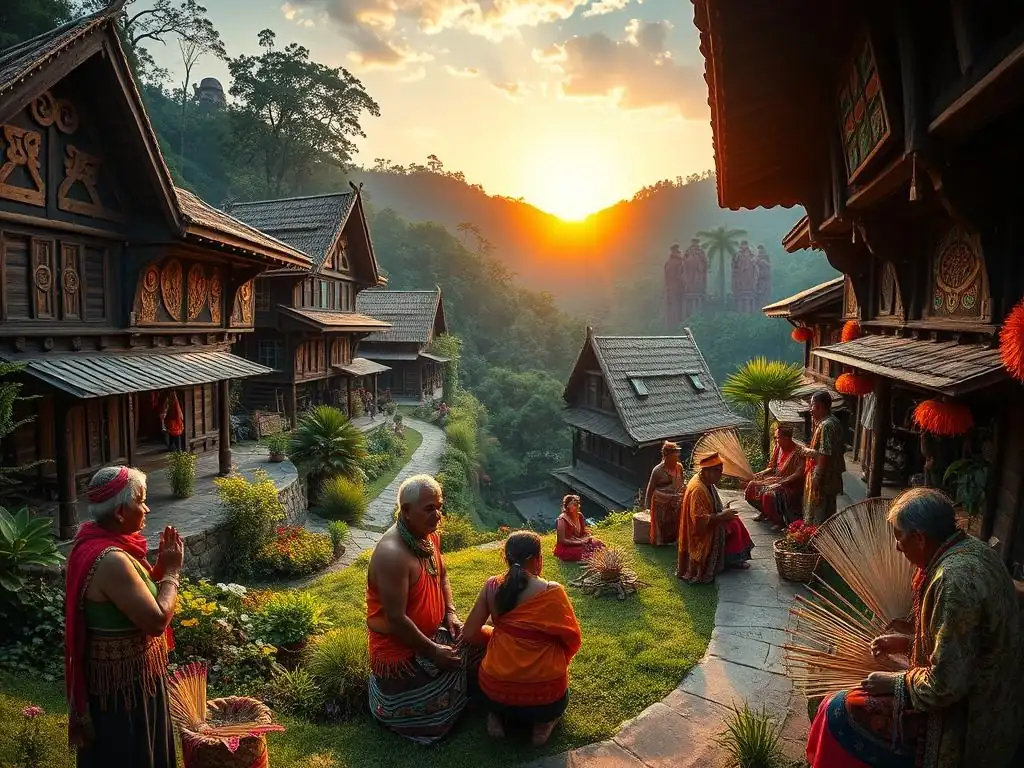
Welcome to Indigenous Civilizations of the Americas, where we embark on a fascinating journey through the rich tapestry of cultures that flourished long before European contact. In our featured article, "Rebuilding Identity: How Indigenous Architecture Reflects Cultural Resilience," we delve into the profound relationship between architectural practices and cultural identity. Discover how ancient structures not only served practical purposes but also embodied the strength and resilience of indigenous communities.
Join us as we explore the remarkable achievements that continue to inspire and inform the present. Your adventure into the heart of indigenous heritage starts here—uncover the stories waiting to be told!
- Introduction to Indigenous Architecture and Cultural Resilience
- Historical Context of Indigenous Architecture
- Elements of Indigenous Architecture Reflecting Cultural Resilience
- Case Studies of Indigenous Architecture
- The Role of Indigenous Architecture in Modern Cultural Identity
- Challenges Facing Indigenous Architecture Today
- Conclusion: The Future of Indigenous Architecture and Cultural Resilience
-
Frequently Asked Questions
- What is the focus of the article "Rebuilding Identity: How Indigenous Architecture Reflects Cultural Resilience"?
- How does indigenous architecture reflect cultural resilience?
- What are some examples of indigenous architectural styles mentioned in the article?
- Why is cultural resilience important for indigenous communities?
- How can understanding indigenous architecture contribute to broader cultural appreciation?
- Final Reflection: Embracing Resilience Through Indigenous Architecture
- Embrace Your Roots and Ignite Change!
Introduction to Indigenous Architecture and Cultural Resilience
Indigenous architecture serves as a profound testament to the rich cultural tapestry woven by the various indigenous communities across the Americas. This architectural expression not only reflects the unique identities and histories of these communities but also embodies their enduring connection to the land, traditions, and spiritual beliefs.
In the face of historical challenges, such as colonization and displacement, indigenous architecture has evolved as a form of cultural resilience, showcasing how these communities adapt and thrive while maintaining their ancestral legacies. This article delves into the intricate relationship between indigenous architecture and cultural resilience, highlighting the ways in which these structures symbolize identity, continuity, and resistance against erasure.
Definition of Indigenous Architecture
Indigenous architecture encompasses the diverse building styles and techniques developed by the indigenous peoples of the Americas, rooted in their cultural practices, environmental contexts, and social structures. This architecture is characterized by:
- Use of Local Materials: Indigenous builders often utilize readily available resources, such as wood, stone, mud, and grasses, reflecting a deep understanding of their environment.
- Cultural Significance: Structures are imbued with cultural meaning, often serving specific functions related to community rituals, social gatherings, and spiritual practices.
- Adaptation to Environment: The design and layout of indigenous buildings are typically tailored to the local climate, showcasing innovative solutions that address ecological challenges.
- Community Involvement: Many indigenous architectural projects are collaborative efforts that involve the community, fostering a sense of belonging and shared identity.
These characteristics not only illustrate the ingenuity of indigenous peoples but also highlight their relationship with the land and their cultural narratives.
Importance of Cultural Resilience in Indigenous Communities
Cultural resilience refers to the ability of a culture to maintain its core values and identity in the face of external pressures and changes. In indigenous communities, this resilience is vital for several reasons:
- Preservation of Identity: Cultural resilience enables indigenous peoples to preserve their unique identities, languages, and traditions, which are often threatened by globalization and assimilation.
- Strengthening Community Bonds: By engaging in traditional architectural practices, communities reinforce social ties and foster a sense of belonging among members.
- Adaptive Strategies: The resilience demonstrated through architectural practices allows communities to adapt to contemporary challenges while honoring their past, ensuring the survival of their cultural heritage.
- Empowerment and Pride: Revitalizing indigenous architecture instills a sense of pride and empowerment among community members, affirming their role in shaping their own narrative and future.
Through the lens of architecture, we can witness the profound ways in which indigenous communities express their resilience, reclaim their spaces, and sustain their cultural legacy against all odds.
Historical Context of Indigenous Architecture
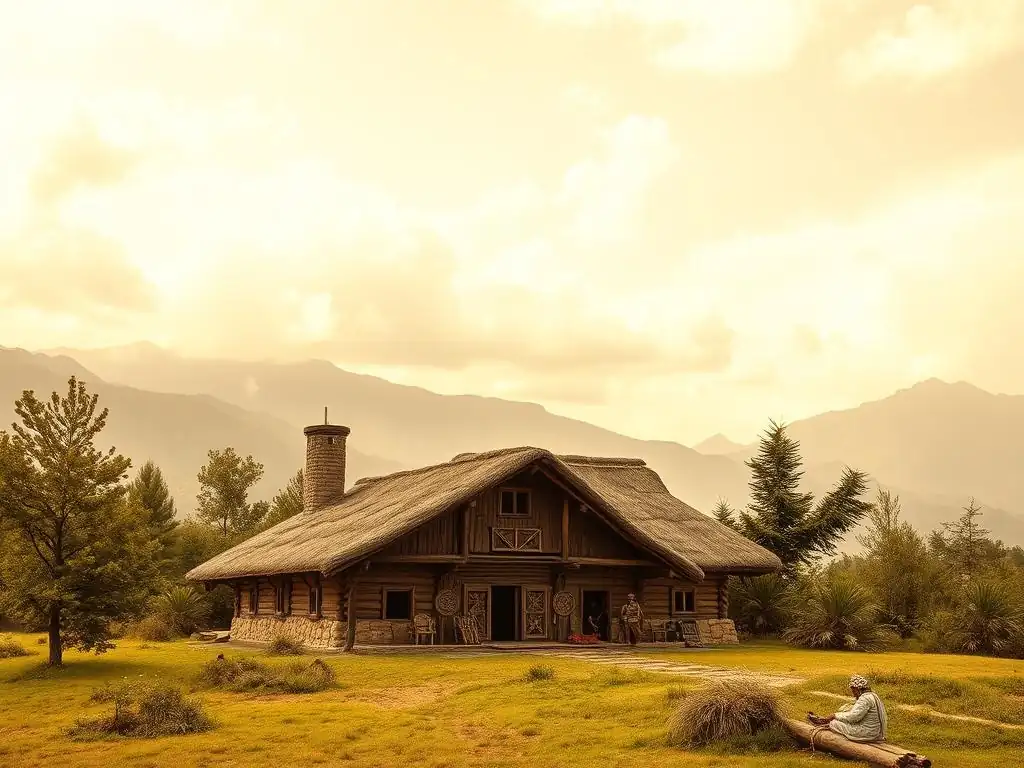
Indigenous architecture in North America is a rich tapestry woven from the threads of culture, history, and environmental adaptation. Before European colonization, diverse indigenous groups developed unique architectural practices that reflected their values, beliefs, and social structures. The historical context of indigenous architecture is not just about the physical structures but also encompasses the spiritual, social, and economic dimensions that shaped these creations.
Understanding the historical context involves recognizing the various tribes and their interactions with the land. From the nomadic Plains tribes to the sedentary agricultural communities of the Southwest, each group manifested their identity through architecture. This section will delve into the pre-colonial architectural practices, the influence of the environment on architectural choices, and key structures that exemplify the cultural resilience of indigenous peoples in North America.
Pre-Colonial Architectural Practices
Indigenous peoples of North America employed a variety of architectural styles and techniques, which were largely influenced by their social organization, cultural beliefs, and environmental conditions. Here are some notable practices:
- Earth Lodges:
- Constructed primarily by Plains tribes, earth lodges were semi-subterranean structures made of wooden frames covered with earth and grass. They provided insulation and protection against the harsh weather conditions.
- Adobe and Pueblo Architecture:
- In the Southwest, the Pueblo peoples built multi-storied dwellings from adobe—a mixture of clay, sand, and straw. These structures were designed to be energy efficient and harmonized with the desert landscape.
- Longhouses:
- Used by tribes such as the Iroquois, longhouses were elongated wooden structures that housed multiple families. The design reflected communal living and the importance of kinship ties in their societies.
- Tipis:
- Nomadic tribes of the Great Plains utilized tipis, portable conical tents made of animal hides and wooden poles. This design allowed for quick assembly and disassembly, essential for their migratory lifestyle.
Each architectural practice was not only functional but held profound cultural significance, serving as a physical manifestation of the community's identity and values.
Influence of Environment on Architectural Choices
The environment played a crucial role in shaping the architectural choices of indigenous communities. Factors such as climate, available materials, and geographical features dictated how structures were designed and built:
- Climate Adaptation:
- In colder regions, such as the Arctic, indigenous peoples built igloos from snow blocks, utilizing natural insulation to survive extreme temperatures. Conversely, in warmer areas, open structures with ventilation were favored to promote airflow.
- Material Availability:
- The choice of materials was often dictated by the surroundings. For example, coastal tribes used wood from abundant trees for their canoes and houses, while desert tribes relied on adobe and stone, which were readily available.
- Cultural Significance of Location:
- The locations of structures were often imbued with spiritual significance. Many tribes built their homes in places that aligned with their cosmological beliefs, reflecting a deep connection to the land.
This interplay between environment and design illustrates how indigenous architecture is a dynamic response to both cultural identity and the natural world.
Key Structures in Indigenous Architecture
Several key structures stand out as remarkable examples of indigenous architecture, showcasing the ingenuity and resilience of these cultures:
| Structure | Description | Cultural Significance |
|---|---|---|
| Chaco Canyon | A complex of large stone buildings that served as a major center for trade and culture among the Pueblo peoples. | Reflects advanced engineering and social organization. |
| Cahokia Mounds | Large earthen mounds built by the Mississippian culture, serving as both platforms for temples and burial sites. | Signifies the complexity of societal hierarchies and ritual practices. |
| The Great Serpent Mound | An effigy mound representing a serpent, located in Ohio. | Demonstrates the rich spiritual life and cosmological beliefs of indigenous peoples. |
| Totem Poles | Carved wooden poles used by Pacific Northwest tribes, depicting ancestral spirits and clan lineage. | Highlights the importance of storytelling and cultural heritage. |
These structures are not merely remnants of the past; they embody the cultural resilience of indigenous peoples, representing their ability to adapt, innovate, and maintain their identities in the face of challenges.
The historical context of indigenous architecture in North America offers profound insights into the cultural resilience of these communities. Their architectural practices reflect a deep connection to the environment, social structures, and spiritual beliefs, underscoring the importance of preserving these legacies for future generations.
Elements of Indigenous Architecture Reflecting Cultural Resilience
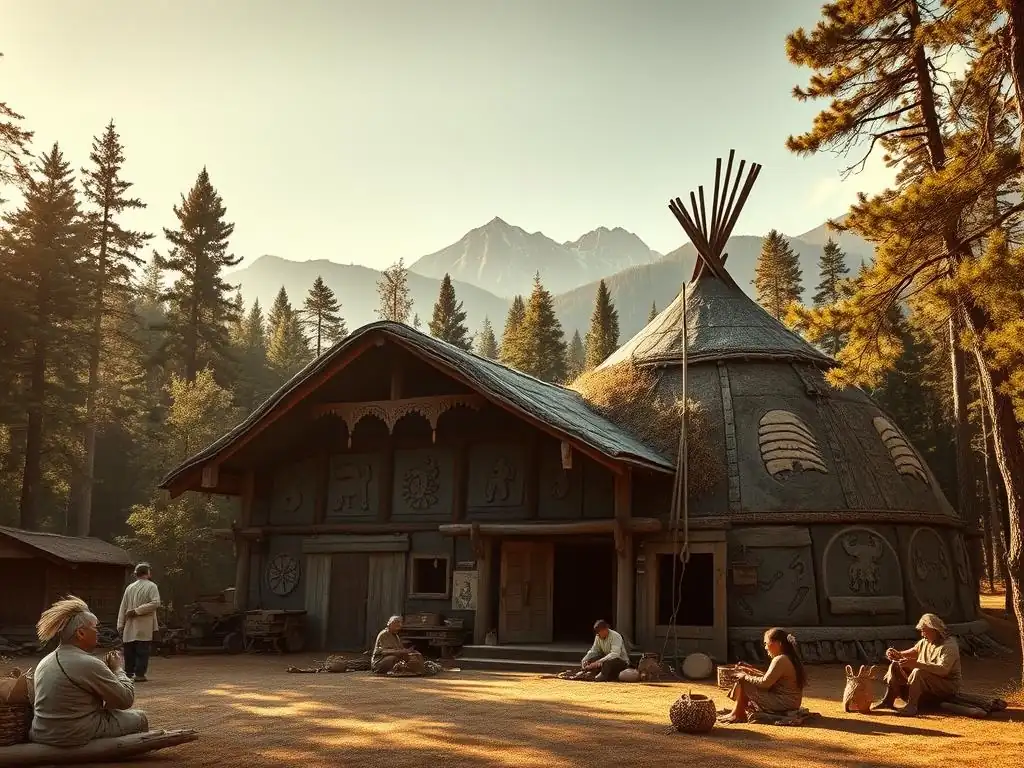
Indigenous architecture serves as a testament to the cultural resilience of Native American communities. This architectural heritage is not merely about physical structures; it embodies deep-rooted traditions, values, and beliefs that have been passed down through generations. The elements of indigenous architecture reflect the ability of these communities to adapt, survive, and flourish in the face of adversity, particularly during the periods of colonization and cultural upheaval.
Materials Used in Indigenous Building Techniques
The choice of materials in indigenous architecture speaks volumes about the relationship between the builders and their environment. Indigenous peoples have historically utilized locally sourced materials, demonstrating a profound understanding of their surroundings. Common materials include:
- Wood: Many tribes, particularly those in forested regions, relied heavily on timber for constructing longhouses, totem poles, and other structures. The use of wood not only provided durability but also allowed for intricate carvings that conveyed cultural stories and values.
- Stone: In areas where wood was scarce, such as the Southwest, indigenous peoples utilized stone to build enduring structures like pueblos. These stone edifices were not only practical but also symbolized permanence and stability within their communities.
- Adobe: The creation of adobe bricks from clay, straw, and water is a technique that has allowed many indigenous cultures to adapt to harsh climates. This method showcases resilience, as adobe structures remain cool in the summer and retain heat during winter.
- Natural Fibers: Various indigenous groups employed materials such as reeds, grasses, and animal hides for roofing and wall construction. These materials were often readily available and required minimal processing, emphasizing sustainability in their building practices.
The use of these materials not only reflects an intimate knowledge of local ecosystems but also indicates a sustainable approach to architecture, fostering resilience in the face of environmental challenges.
Symbolism in Design and Structure
Indigenous architecture is rich with symbolism, where every design element and structural choice carries cultural significance. The following aspects highlight this depth of meaning:
- Sacred Geometry: Many indigenous structures incorporate geometric designs that hold spiritual significance. For example, circular structures often represent the cycle of life, while square shapes may symbolize stability and groundedness.
- Orientation and Location: The placement of buildings often aligns with astronomical events or natural features, emphasizing the community's connection to the cosmos and earth. For instance, some structures are oriented to capture sunlight during solstices, reflecting a deep understanding of celestial patterns.
- Cultural Narratives: Carvings and decorations on buildings serve as storytelling devices, weaving narratives that connect the community's history, mythology, and identity. This practice not only preserves cultural knowledge but also reinforces community bonds.
- Functional Symbolism: The design of structures often reflects their purpose, with communal spaces fostering social interaction and collaboration. For example, longhouses served as both living quarters and gathering spaces, promoting unity among community members.
The symbolic aspects of indigenous architecture are vital for cultural resilience, as they reinforce identity and continuity in the face of external pressures.
Adaptations to Environmental Changes
Indigenous architecture exemplifies adaptability, with designs evolving in response to environmental changes. This resilience is evident in several key aspects:
- Climate-responsive Design: Indigenous builders have historically crafted structures that respond to their specific climate conditions. For example, in areas with heavy snowfall, roofs are steeply pitched to prevent accumulation, while in arid regions, thick walls help regulate indoor temperatures.
- Resource Management: The use of renewable resources and techniques that minimize waste showcases the ingenuity of indigenous architects. Techniques like seasonal building and the repurposing of materials demonstrate an ability to adapt to changing resource availability.
- Integration with Nature: Many indigenous structures are designed to blend harmoniously with their surroundings, minimizing ecological impact. This approach reflects a worldview that sees humans as part of the natural ecosystem, rather than separate from it.
- Cultural Practices and Innovations: As environmental conditions shift, indigenous communities have adapted their building practices to incorporate new techniques while maintaining cultural integrity. This ability to innovate while honoring tradition is a hallmark of cultural resilience.
Indigenous architecture not only serves functional purposes but also acts as a powerful symbol of cultural resilience. By examining the materials used, the symbolism embedded in their designs, and the adaptations made to environmental changes, we gain insight into how indigenous peoples have maintained their identities and survived through centuries of challenges.
Case Studies of Indigenous Architecture
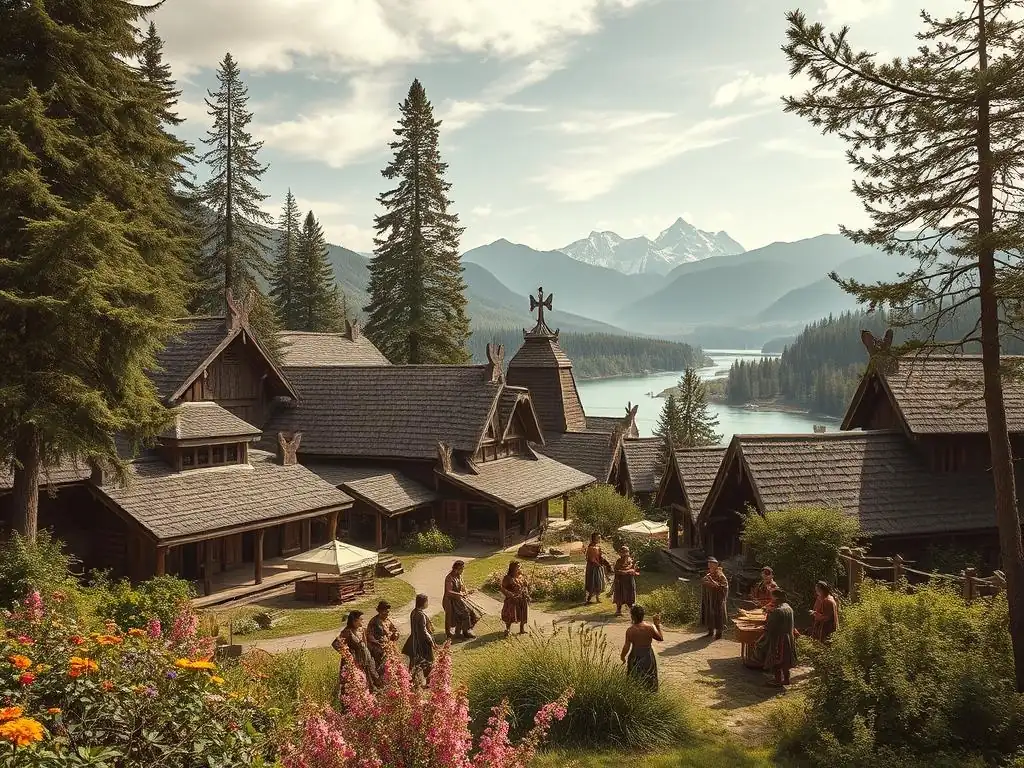
Example 1: Taos Pueblo
Historical Significance
Taos Pueblo, located in northern New Mexico, is a remarkable example of indigenous architecture that dates back over 1,000 years. This UNESCO World Heritage Site is home to the Pueblo people, who have maintained their ancestral traditions despite the challenges brought by colonization. The pueblo's enduring presence serves as a testament to the resilience of the Taos community and their commitment to preserving their cultural identity. The village consists of multi-storied adobe structures that have withstood the test of time, both physically and culturally, illustrating the sophisticated building techniques and social organization of the Pueblo people.
Architectural Features
Taos Pueblo showcases a unique architectural style characterized by its adobe construction and distinctive multi-level dwellings. The buildings are made from local materials, primarily adobe clay, which provides excellent insulation against the harsh climate of the region. The pueblo features:
- Terraced design: The stacked, interconnected units create a natural defensive structure, while also facilitating communal living.
- Kivas: These circular, subterranean rooms serve as ceremonial spaces and are integral to the spiritual practices of the Pueblo people.
- Natural integration: The structures are harmoniously integrated into the surrounding landscape, demonstrating a deep respect for the environment.
Cultural Resilience Demonstrated
The architecture of Taos Pueblo is not merely functional; it embodies the cultural resilience of the Taos people. The preservation of traditional building methods and communal living reflects a strong sense of identity and continuity. Despite external pressures, including economic and political challenges, the community has successfully maintained its language, rituals, and social structures. The pueblo stands as a living symbol of indigenous perseverance, showcasing how architecture can serve as a vessel for cultural expression and resilience.
Example 2: Longhouses of the Haudenosaunee
Historical Context
The longhouses of the Haudenosaunee (Iroquois) Confederacy, located in the northeastern United States and parts of Canada, represent a significant architectural tradition among indigenous peoples. These structures were central to the social, political, and spiritual lives of the Haudenosaunee, housing extended families and serving as venues for important gatherings. Historically, longhouses played a pivotal role in the formation of the Haudenosaunee Confederacy, symbolizing unity and collaboration among the different nations.
Unique Design Elements
Haudenosaunee longhouses are notable for their elongated, rectangular shape and efficient use of space. Key design features include:
- Frame construction: Built with a wooden frame and covered with bark, longhouses are designed to withstand the elements while providing warmth and shelter.
- Interior layout: The interior is typically divided into compartments for different families, promoting a sense of community and shared purpose.
- Symbolic decoration: The exterior often features carvings and paintings that convey cultural stories and values, enhancing the building's significance beyond mere shelter.
Community Impact and Resilience
The longhouses illustrate the cultural resilience of the Haudenosaunee people, reflecting their adaptation to changing circumstances while preserving their heritage. The communal aspect of longhouse living fosters strong familial ties and social cohesion, essential for maintaining cultural practices and traditions. Despite historical disruptions caused by colonization, the Haudenosaunee continue to honor their architectural legacy, using longhouses as sites for cultural education and community gatherings. This enduring connection to their architectural heritage exemplifies the broader theme of indigenous architecture as a powerful expression of cultural resilience.
The Role of Indigenous Architecture in Modern Cultural Identity
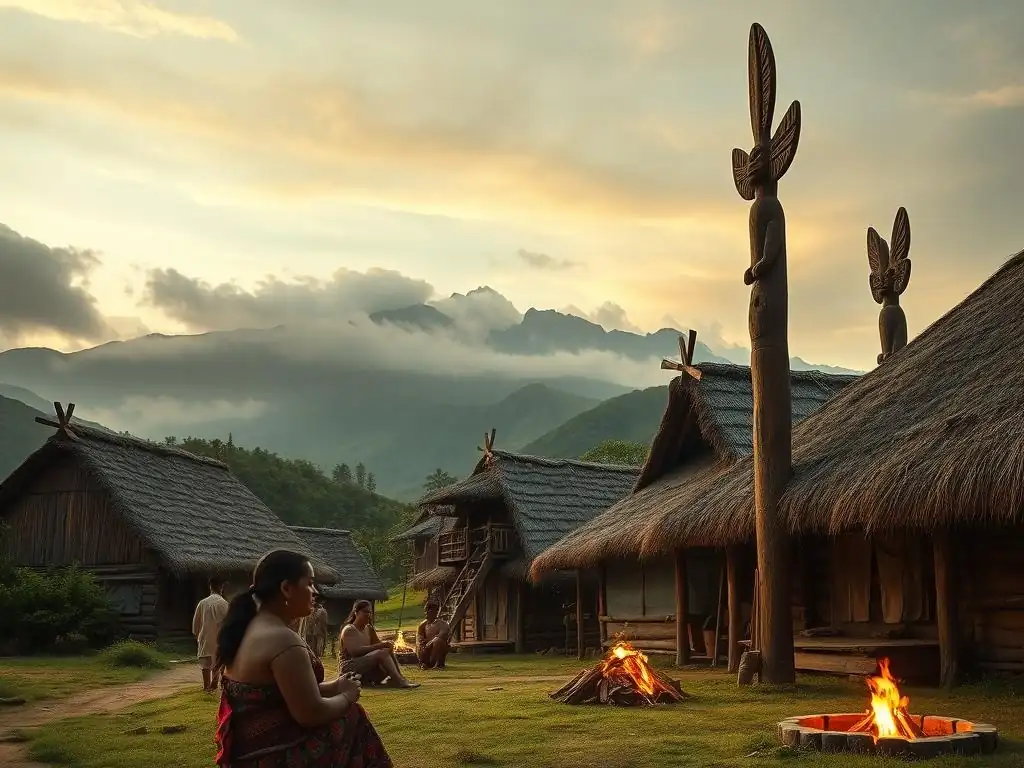
Indigenous architecture serves as a living testament to the resilience and adaptability of cultural identities among Native American communities. As contemporary indigenous societies navigate the complexities of modern existence, the architectural expressions of their heritage play a crucial role in reaffirming cultural ties and fostering community cohesion. This section explores how indigenous architecture embodies cultural resilience through the revitalization of traditional techniques, the integration of indigenous principles in contemporary designs, and the profound impact on cultural identity.
Revitalization of Traditional Techniques
The revitalization of traditional architectural techniques is essential for preserving indigenous knowledge and practices. Many tribes are returning to ancestral building methods, utilizing locally sourced materials and time-honored skills. This resurgence is not merely about aesthetics; it represents a deeper connection to the land and cultural heritage.
- Use of Natural Materials: Indigenous architects often emphasize the use of natural materials such as wood, stone, and clay, which not only reflect a sustainable approach but also convey cultural significance. For instance, the use of adobe in Pueblo architecture symbolizes a harmonious relationship with the environment.
- Community Workshops: Many communities organize workshops to teach traditional building methods to younger generations. This not only helps preserve these techniques but also strengthens community bonds through shared learning experiences.
- Cultural Significance: Structures built using traditional techniques often serve as cultural landmarks. For example, longhouses among the Haudenosaunee are not just shelters; they are representations of communal living and clan structures.
Integration of Indigenous Architectural Principles in Contemporary Designs
Contemporary indigenous architecture increasingly incorporates traditional principles while adapting to modern needs. This fusion of old and new reflects a commitment to cultural resilience and innovation.
- Sustainable Design: Many indigenous architects are at the forefront of sustainable design practices. By integrating passive solar techniques, rainwater harvesting systems, and energy-efficient materials, they create buildings that honor indigenous values while addressing contemporary environmental challenges.
- Cultural Symbolism: Elements such as circular layouts or earth-based materials are often incorporated into modern designs to symbolize continuity with ancestral practices. For example, the design of the Indian Community School in Milwaukee integrates traditional motifs while functioning as an educational hub.
- Collaborative Projects: Collaborative efforts between indigenous architects and non-indigenous designers have led to innovative projects that respect cultural narratives. These partnerships can enhance the visibility of indigenous perspectives in urban planning and architecture.
The Impact on Cultural Identity and Community Cohesion
Indigenous architecture not only serves functional purposes but also plays a pivotal role in shaping cultural identity and fostering community cohesion.
- Cultural Revitalization: By embracing traditional architectural styles, communities are actively participating in a cultural revitalization process. This reinvigoration of identity can lead to increased pride and awareness among community members.
- Spaces for Gathering: Buildings designed with cultural significance in mind provide spaces for communal gatherings, ceremonies, and educational activities. Such spaces reinforce social ties and facilitate the sharing of knowledge across generations.
- Identity Affirmation: The presence of indigenous architecture in both rural and urban settings serves as a powerful reminder of cultural heritage and resilience. For instance, the construction of the National Museum of the American Indian in Washington, D.C., emphasizes the ongoing presence and contributions of Native peoples to American society.
Indigenous architecture plays a pivotal role in modern cultural identity by revitalizing traditional techniques, integrating indigenous principles into contemporary designs, and reinforcing cultural identity and community cohesion. As these architectural expressions continue to evolve, they remain a vital aspect of indigenous resilience, highlighting the enduring connection between past and present.
Challenges Facing Indigenous Architecture Today
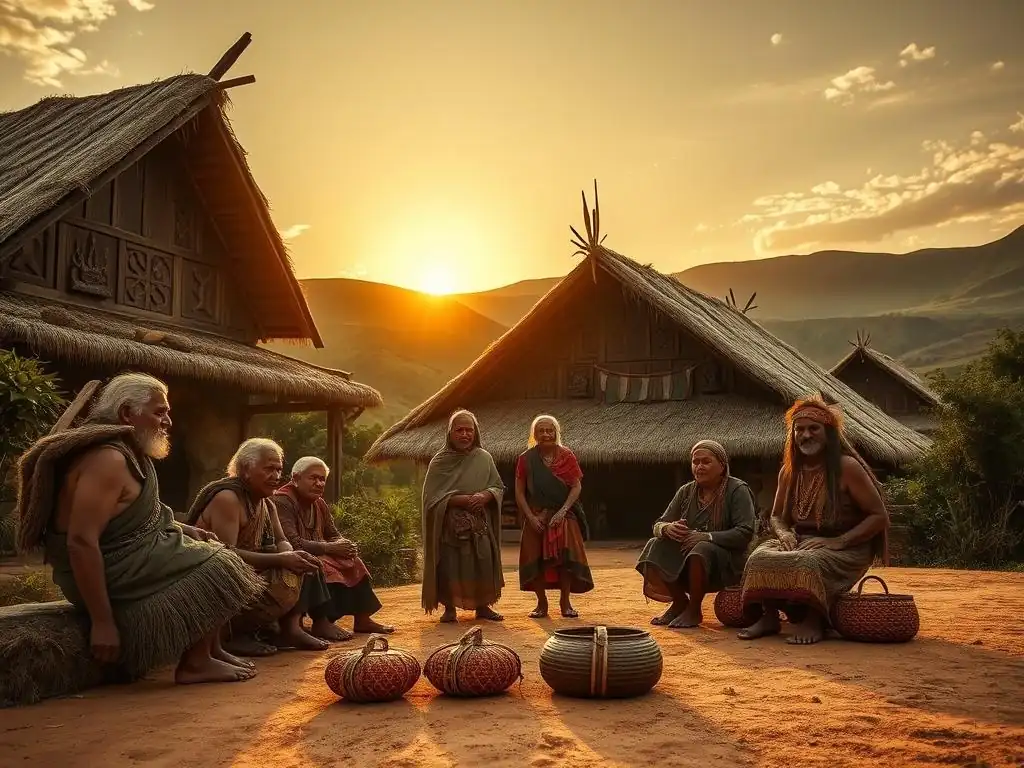
Indigenous architecture in North America is not only a reflection of cultural identity but also a testament to the resilience of Indigenous communities. However, several challenges threaten the preservation and evolution of these architectural traditions. The following sections delve into the specific issues faced by Indigenous architecture today, including the lingering effects of colonization, the tension between modernization and tradition, and the efforts being made to preserve cultural heritage.
Effects of Colonization on Indigenous Building Practices
Colonization has had a profound impact on Indigenous building practices, resulting in significant changes to architectural styles, materials, and techniques. Historical events, such as the forced relocation of Indigenous peoples and the imposition of European architectural norms, disrupted traditional practices.
- Erasure of Traditional Knowledge: The introduction of Western education systems often led to the marginalization of Indigenous knowledge, including building techniques. As youth were educated outside their communities, valuable skills and practices were lost.
- Displacement and Resource Loss: The colonization process frequently involved the displacement of Indigenous communities from their ancestral lands. This loss of territory often meant a loss of access to traditional building materials, such as specific types of wood, clay, and stone, which were integral to their architectural practices.
- Imposition of Legal Frameworks: European legal frameworks often disregarded Indigenous land rights and practices, further complicating the ability to construct traditional structures. This has led to a reliance on modern building codes and regulations that may not align with Indigenous practices.
Modernization vs. Tradition: The Ongoing Struggle
The tension between modernization and tradition presents a significant challenge for contemporary Indigenous architecture. As communities navigate the pressures of a rapidly changing world, many find themselves at a crossroads, seeking to balance modern needs with the preservation of their cultural heritage.
- Adapting to Modern Needs: Indigenous communities often face the necessity of modern infrastructure to meet contemporary needs (e.g., housing, schools, and healthcare). This can lead to the adoption of modern architectural styles that may not reflect traditional values.
- Cultural Appropriation: There is a growing concern about cultural appropriation, where elements of Indigenous architecture are co-opted by non-Indigenous designers without proper understanding or respect for their meanings. This can dilute the cultural significance of traditional practices.
- Community Engagement: Many Indigenous architects and planners advocate for community-based approaches that incorporate traditional knowledge and practices into modern designs. This ensures that new constructions resonate with cultural identity while fulfilling modern requirements.
Preservation Efforts and Cultural Heritage
Despite the challenges, there are numerous efforts aimed at preserving Indigenous architecture and fostering cultural resilience. These initiatives are critical in ensuring that traditional practices continue to thrive in today's context.
- Cultural Heritage Programs: Various organizations and tribes have established cultural heritage programs that focus on documenting and revitalizing traditional building techniques. These programs often involve workshops, mentorships, and community events designed to pass knowledge between generations.
- Architectural Projects: Some contemporary Indigenous architects are merging traditional practices with modern technology, creating innovative designs that respect and reflect their cultural heritage. These projects often serve as a bridge between the past and the present.
- Legal Advocacy: Advocacy for Indigenous rights has gained momentum, leading to increased recognition of the importance of preserving Indigenous cultural landscapes, including architecture. Legal frameworks are being challenged and reformed to better protect these cultural sites.
- Collaborative Efforts: Partnerships between Indigenous communities and academic institutions can facilitate research and documentation of traditional building practices. This collaboration can help highlight the significance of indigenous architecture as a form of cultural resilience.
While Indigenous architecture faces numerous challenges, the spirit of resilience remains strong. Through conscious efforts to integrate traditional knowledge with contemporary needs, Indigenous communities continue to assert their identity and cultural heritage in the face of adversity.
Conclusion: The Future of Indigenous Architecture and Cultural Resilience
As the world increasingly recognizes the importance of cultural heritage, indigenous architecture stands as a testament to the resilience and adaptability of indigenous communities. The ability of these cultures to incorporate traditional practices with contemporary needs showcases a profound understanding of sustainability and respect for the environment. Indigenous architecture not only reflects the past but also offers a blueprint for the future—one that prioritizes community, harmony with nature, and cultural identity.
The Importance of Recognizing Indigenous Voices
The representation of indigenous voices in the discourse surrounding architecture is crucial. Indigenous architects and designers bring unique perspectives that challenge conventional methods and encourage the incorporation of traditional knowledge and practices into modern design. This recognition empowers communities, fostering a sense of pride and ownership over their cultural narratives.
- Cultural Reclamation: Acknowledging indigenous voices aids in the reclamation of cultural identities that may have been suppressed or distorted over centuries. It allows for the revival of traditional building techniques that are not only aesthetically pleasing but also environmentally friendly.
- Community Engagement: Engaging indigenous communities in architectural projects ensures that their needs, preferences, and values are central to the design process. This collaborative approach fosters trust and strengthens the social fabric of the community.
- Educational Opportunities: By highlighting indigenous architecture, educational institutions can provide valuable insights into the historical and cultural significance of these structures, promoting a broader understanding of indigenous contributions to society.
Building a Sustainable Future Through Indigenous Architecture
Indigenous architecture offers innovative solutions to contemporary challenges, particularly in the realm of sustainability. By integrating traditional ecological knowledge with modern technology, indigenous architects are paving the way for environmentally responsible building practices.
- Natural Materials: Many indigenous cultures have a deep understanding of local materials and their properties. Utilizing sustainably sourced materials not only reduces the carbon footprint but also pays homage to ancestral practices.
- Energy Efficiency: Traditional architectural designs often incorporate passive solar heating, natural ventilation, and other energy-efficient strategies. These designs minimize reliance on fossil fuels and promote a harmonious relationship with the surrounding environment.
- Resilience Against Climate Change: Indigenous architecture is inherently adaptable, often designed to withstand local climate conditions. This resilience is crucial as communities face increasing environmental challenges, allowing them to thrive even in adversity.
The future of indigenous architecture lies in its ability to reflect cultural resilience while addressing the pressing challenges of our time. By recognizing and elevating indigenous voices, we can build a sustainable future that honors the rich heritage and innovative spirit of indigenous communities.
Frequently Asked Questions
What is the focus of the article "Rebuilding Identity: How Indigenous Architecture Reflects Cultural Resilience"?
The article explores how indigenous architecture embodies the cultural resilience of various indigenous communities in the Americas, showcasing their unique achievements and societal structures.
How does indigenous architecture reflect cultural resilience?
Indigenous architecture demonstrates cultural resilience by preserving traditional building techniques and design elements that have been passed down through generations, adapting to modern challenges while maintaining cultural identity.
What are some examples of indigenous architectural styles mentioned in the article?
The article highlights various styles, including the earth lodges of the Plains tribes and the adobe structures of the Southwest, each representing the adaptation of indigenous cultures to their environments.
Why is cultural resilience important for indigenous communities?
Cultural resilience is crucial as it allows indigenous communities to preserve their identities, traditions, and languages, fostering a sense of belonging and continuity despite historical challenges.
How can understanding indigenous architecture contribute to broader cultural appreciation?
Understanding indigenous architecture offers insights into the values, beliefs, and historical experiences of these communities, promoting respect and appreciation for their contributions to global culture and heritage.
Final Reflection: Embracing Resilience Through Indigenous Architecture
Indigenous architecture serves as a powerful testament to the enduring spirit of cultural resilience in the face of adversity. Today, as we navigate a world increasingly defined by globalization and rapid change, the significance of these architectural expressions becomes even more pronounced. They are not merely structures; they are living narratives that embody the history, values, and identity of Indigenous peoples. In a time when cultural homogenization threatens diversity, Indigenous architecture stands as a beacon of hope and a reminder of the strength found in heritage.
Cultural resilience is not just a concept; it is a lived experience that shapes communities and fosters a sense of belonging. The architectural practices of Indigenous peoples reflect a deep connection to the land, traditions, and communal values that have been passed down through generations. As we witness a resurgence of interest in these practices, we are reminded of the words of architect David Adjaye: Architecture is a way of telling stories.
This sentiment resonates deeply as we explore how Indigenous architecture not only preserves stories but also revitalizes cultural identity and inspires future generations to honor their roots.
As we conclude this exploration of Indigenous architecture and its role in cultural resilience, I invite you to reflect on your own relationship with heritage and identity. Consider how you can embrace and celebrate the diversity of cultures around you, recognizing that each architectural form tells a story worth sharing. Let us all commit to fostering an environment where cultural resilience thrives, ensuring that the voices and stories of Indigenous peoples continue to inspire and shape our collective future.
Embrace Your Roots and Ignite Change!
Thank you for taking the time to explore the powerful connection between Indigenous architecture and cultural resilience. By understanding this unique perspective, you’ve taken a significant step toward appreciating the rich heritage and enduring spirit of Indigenous cultures. Now, it’s time to act and deepen your engagement with this vital subject.
Here are some exciting steps to help you get involved:
- Dive deeper into Indigenous architecture: Visit your local library or explore online resources to discover more about traditional building techniques and their cultural significance.
- Join a community discussion or forum: Connect with others who share your interest; together, you can discuss the importance of cultural heritage and explore ways to promote it in modern contexts.
- Share your insights on social media: Raise awareness by sharing this article or your newfound knowledge about Indigenous architecture with friends and family—let’s start conversations that matter!
What aspect of Indigenous architecture resonates most with you, and how do you think this can foster greater cultural appreciation in your community?