
The Legacy of Indigenous Textiles: Weaving History into Contemporary Style

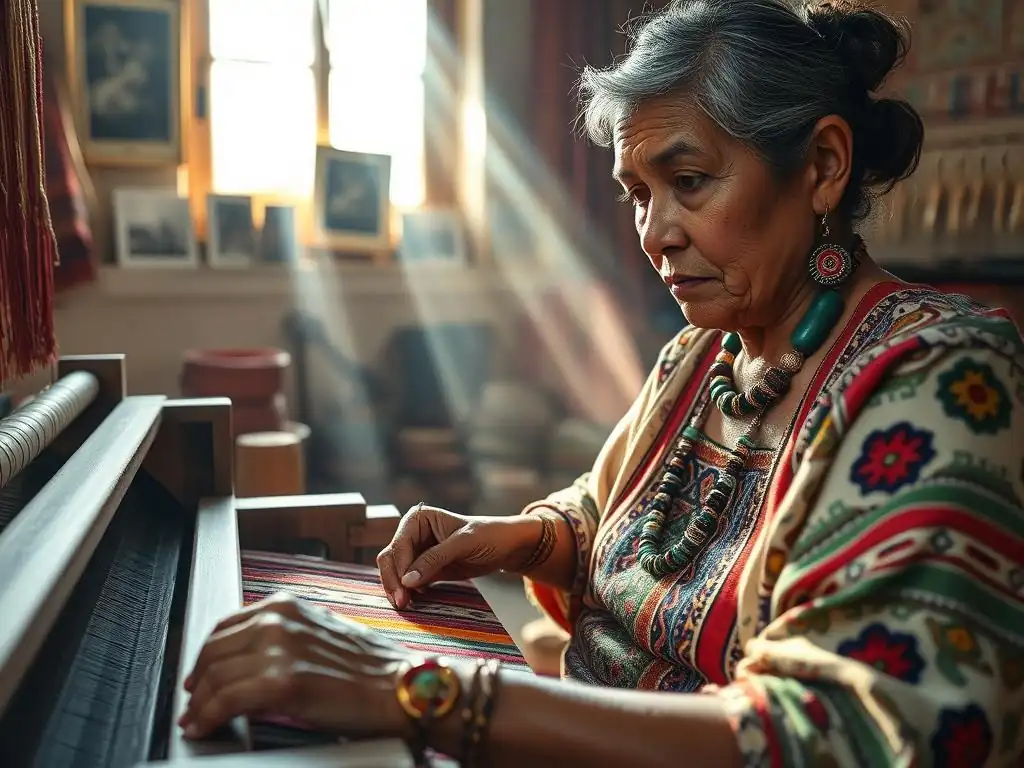
Welcome to Indigenous Civilizations of the Americas, where we invite you to embark on a fascinating journey through the vibrant tapestry of indigenous cultures that flourished long before European contact. Here, we delve deep into the rich heritage of indigenous textiles and culture, uncovering the remarkable stories woven into every thread. Our featured article, "The Legacy of Indigenous Textiles: Weaving History into Contemporary Style," highlights how these artistic expressions not only reflect the past but also inspire modern creativity.
Prepare to be captivated by the intricate designs and profound meanings that connect generations and cultures. Join us as we explore the enduring impact of these civilizations and their art on today’s world—your adventure begins now!
Introduction to Indigenous Textiles and Culture
The rich tapestry of indigenous textiles serves as a vital link to the past, showcasing the incredible diversity of cultures that flourished across the Americas long before European colonization. These textiles are not merely functional items; they are a profound expression of identity, tradition, and artistry.
Through colors, patterns, and techniques, indigenous peoples have conveyed their histories, spiritual beliefs, and social values, creating a legacy that resonates even in contemporary fashion. As we explore the intricate world of indigenous textiles and culture, we uncover how these ancient practices continue to inspire and influence modern design, merging history with contemporary style.
The Historical Significance of Indigenous Textiles
Indigenous textiles are deeply intertwined with the cultural narratives of various communities across the Americas. Each region boasts its own unique styles, materials, and meanings that tell the story of its people.
- Symbol of Identity: Textiles often reflect the identity of the weaver, serving as a means of expressing personal and cultural narratives.
- Economic Importance: Historically, textiles played a crucial role in trade among indigenous groups, facilitating not only economic exchange but also the sharing of ideas and artistic techniques.
- Ceremonial Use: Many textiles are integral to rituals and ceremonies, marking significant life events such as births, marriages, and funerals.
Traditional Techniques and Materials
The creation of indigenous textiles is a labor-intensive process that often employs traditional techniques passed down through generations.
- Weaving Techniques: Methods such as backstrap weaving, loom weaving, and finger weaving are commonly used, each with unique characteristics reflective of the weaver's culture.
- Materials: Indigenous artisans utilize a variety of natural materials, including cotton, wool, and dyes derived from plants, minerals, and insects. This sustainable approach to sourcing materials is not only environmentally friendly but also imbues the textiles with deeper cultural significance.
The threads of our textiles carry the stories of our ancestors, binding us to the past while connecting us to the future.
Cultural Narratives Woven into Fabrics
Every piece of indigenous textile art tells a story. The patterns and symbols used are often rich with meaning, representing everything from spiritual beliefs to historical events.
- Symbolic Patterns: Many indigenous textiles feature intricate designs that are more than mere decoration; they often embody cosmological beliefs, ancestral stories, or geographic elements, creating a narrative that connects the weaver to their heritage.
- Revival of Traditions: In recent years, there has been a resurgence in interest in indigenous textiles, not only as fashion statements but also as a means of preserving and celebrating cultural heritage. Contemporary designers are increasingly collaborating with indigenous artisans to create pieces that honor traditional techniques while appealing to modern aesthetics.
As we delve deeper into the legacy of indigenous textiles, we'll uncover how these rich cultural artifacts continue to shape contemporary fashion, bridging the gap between past and present in remarkable ways.
The Influence of Indigenous Textiles on Contemporary Fashion
Indigenous textiles have a profound impact on contemporary fashion, serving as a bridge connecting past traditions with modern aesthetics. The intricate patterns, vibrant colors, and unique weaving techniques originating from various indigenous cultures not only tell stories of heritage and identity but also inspire designers globally. These textiles embody centuries of craftsmanship and cultural significance, making them increasingly relevant in today's fashion landscape.
The revival of interest in sustainable and ethical fashion practices has further amplified the appreciation for indigenous textiles. As consumers become more conscious of the environmental and social implications of their purchases, the demand for authentic, handmade items that honor traditional techniques has surged. Designers are increasingly incorporating indigenous motifs and methods into their collections, thus honoring the artistry and historical context behind these textiles. This melding of indigenous artistry with contemporary design not only enriches the fashion narrative but also respects and elevates the cultures from which these textiles originate.
Rising Trends in Indigenous-Inspired Fashion
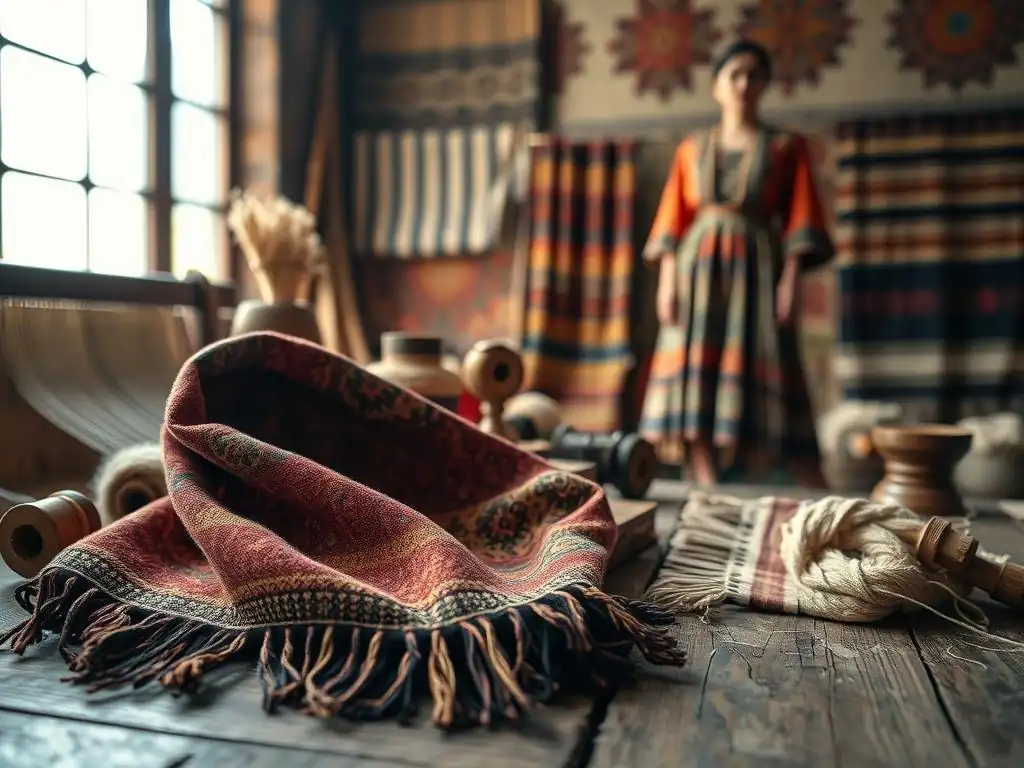
The last decade has witnessed a significant rise in indigenous-inspired fashion trends, showcasing the beauty and diversity of indigenous textiles. Designers are increasingly drawing inspiration from traditional patterns, colors, and materials, translating them into modern garments that appeal to a broader audience. This trend has resulted in the emergence of collections that celebrate indigenous identity while remaining relevant in contemporary fashion.
One prominent trend is the use of bold, geometric patterns often found in indigenous weaving. These designs have been reinterpreted into various clothing lines, from casual wear to high fashion, making them accessible to a wider audience. Another rising trend is the incorporation of natural dyes and sustainable fabrics, which aligns with the growing demand for eco-friendly fashion. This practice not only highlights the traditional methods of dyeing and weaving but also supports the environmental values held by many indigenous cultures.
Furthermore, fashion events and platforms are increasingly showcasing indigenous designers and their unique contributions to the industry. These initiatives not only provide visibility but also foster a greater understanding of the cultural significance behind the designs, encouraging consumers to appreciate the stories woven into each piece.
Collaborations Between Indigenous Artists and Fashion Brands
Collaborations between indigenous artists and mainstream fashion brands have become a powerful way to honor and promote indigenous textiles and culture. By partnering with indigenous creators, brands can integrate authentic cultural elements into their collections while providing vital support to indigenous communities. These collaborations often result in unique, limited-edition pieces that celebrate traditional craftsmanship and storytelling.
One notable example is the collaboration between major fashion houses and indigenous artisans, where traditional weaving techniques are employed to create exclusive collections. These partnerships not only help preserve ancient skills but also empower indigenous artisans by providing them with a platform to share their heritage with a global audience. Such collaborations can also contribute economically to indigenous communities, creating job opportunities and preserving cultural practices that may be at risk of fading away.
Moreover, these partnerships often encourage a dialogue about cultural representation and authenticity in fashion. By working directly with indigenous artists, brands can ensure that their representations are respectful and accurate, helping to combat stereotypes and promote a deeper understanding of indigenous cultures.
Challenges Facing Indigenous Textile Producers Today
Despite the growing interest in indigenous textiles, producers face significant challenges that hinder their ability to thrive in the contemporary market. These challenges include economic struggles, limited market access, and the complexities of navigating cultural appropriation versus cultural appreciation.
Economic Struggles and Market Access
Economic resilience remains a significant hurdle for many indigenous textile producers. Often, these artisans operate within small-scale, community-based structures that lack the resources to compete with mass-produced fashion. The cost of materials, labor, and marketing can be prohibitive, leading to a reliance on local markets that may not provide adequate financial returns.
Additionally, access to larger markets is often limited. Many indigenous producers may not have the necessary training or resources to effectively promote their work online or through social media platforms, which are essential for reaching a broader audience. This lack of visibility can significantly impact their economic sustainability, making it difficult for them to maintain their traditional practices while also generating income.
Cultural Appropriation vs. Cultural Appreciation
A critical concern facing indigenous textile producers is the fine line between cultural appropriation and cultural appreciation. As indigenous patterns and motifs gain popularity in mainstream fashion, the risk of appropriation increases, where elements of indigenous culture are used without proper understanding or respect for their significance.
Cultural appropriation often leads to the commodification of indigenous designs, stripping them of their historical context and meaning. This can be particularly damaging, as it undermines the authenticity and value of the original cultural expressions. In contrast, cultural appreciation involves recognizing and honoring the stories, traditions, and meanings behind indigenous textiles, often through collaboration with indigenous artists who can provide insight and context.
To promote authentic representation, it is essential for fashion brands to engage with indigenous communities, ensuring that they give credit to the cultures that inspire their designs. This approach not only respects the heritage of indigenous textiles but also fosters a more ethical and sustainable fashion industry.
How to Support Indigenous Textiles and Culture
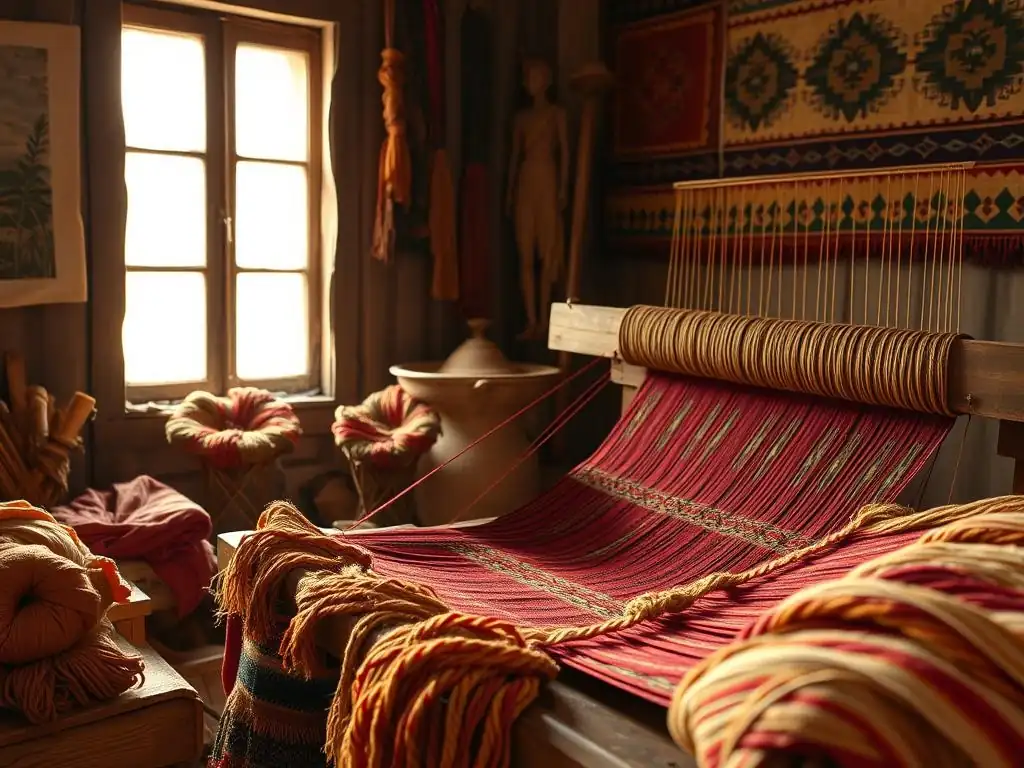
Supporting indigenous textiles and culture is essential to preserving the rich heritage and traditions of indigenous communities. By consciously engaging with these cultures, consumers can play a significant role in promoting sustainability and cultural integrity. Here are two critical avenues through which individuals can contribute to the support of indigenous textiles.
Purchasing Authentic Indigenous Textiles
When looking to purchase indigenous textiles, authenticity is key. Authentic textiles are crafted by indigenous artisans who use traditional techniques passed down through generations. Here are some guidelines to ensure your purchases support indigenous communities:
- Research the Source: Investigate the origins of the textiles. Look for brands and artisans who are transparent about their practices and the cultural significance of their work.
- Support Fair Trade: Choose products that are certified fair trade, ensuring that artisans receive fair compensation for their labor and craftsmanship.
- Buy Directly from Artisans: Whenever possible, buy directly from indigenous artisans at local markets, fairs, or through community cooperatives. This not only supports the artisans financially but also fosters a deeper understanding of their cultural expressions.
- Avoid Appropriation: Be mindful of cultural appropriation. Seek out textiles that are created in collaboration with indigenous communities, ensuring that their stories and meanings are respected and preserved.
By purchasing authentic indigenous textiles, consumers not only acquire unique, handcrafted items but also help sustain the livelihoods of the artisans and their cultural practices.
Engaging with Indigenous Communities
Engagement with indigenous communities extends beyond consumerism and can take various forms, fostering mutual respect and understanding. Here are some effective ways to engage:
- Participate in Workshops: Attend textile workshops led by indigenous artisans. These opportunities allow participants to learn traditional weaving and dyeing techniques while gaining insight into the cultural significance of the crafts.
- Support Indigenous Art Programs: Contribute to or volunteer with organizations that promote indigenous arts and crafts. These programs often focus on preserving traditional practices and providing platforms for indigenous voices.
- Promote Awareness and Education: Share knowledge about indigenous textiles and their cultural significance within your community. Education is a powerful tool in combating stereotypes and promoting appreciation for diverse cultures.
- Advocate for Indigenous Rights: Support policies and initiatives that protect the rights of indigenous peoples, including their cultural heritage and intellectual property related to traditional designs and techniques.
Engaging with indigenous communities fosters a deeper connection and appreciation for their cultures, ensuring that their voices are heard and valued.
Conclusion: The Future of Indigenous Textiles in Contemporary Fashion
The future of indigenous textiles in contemporary fashion is promising, as more designers and consumers recognize the value of cultural heritage. By integrating indigenous textiles into modern fashion, designers can create unique pieces that tell stories and honor traditions.
The growing trend of sustainability in fashion also aligns with indigenous practices, which often emphasize a deep respect for nature and resourcefulness. As awareness increases, collaborations between indigenous artisans and contemporary designers are likely to flourish, leading to innovative designs that respect traditional methods while appealing to modern aesthetics.
Moreover, the digital age offers a platform for indigenous voices to reach a broader audience. Through social media and online marketplaces, artisans can showcase their work, share their narratives, and connect with consumers who appreciate authenticity and cultural significance.
As we embrace the legacy of indigenous textiles, we not only celebrate their beauty but also acknowledge the resilience and creativity of indigenous cultures. By supporting these textiles and the communities behind them, we contribute to a future where cultural diversity is cherished and preserved in the world of fashion.
Additional Resources on Indigenous Textiles and Culture
Exploring indigenous textiles and culture opens a window into the rich heritage and artistry of indigenous peoples across the Americas. Below, we provide a curated list of resources that delve deeper into this fascinating subject, offering insights into traditional practices, contemporary applications, and the cultural significance of textiles.
Books
-
"The Art of Native American Basketry: A Living Tradition"
This book showcases the intricate techniques and cultural stories behind Native American basket weaving, reflecting the broader context of indigenous textile arts.
-
"Textiles of the Andes: The Colonial Era"
A comprehensive examination of the textile traditions of the Andean region, focusing on how colonial influences shaped indigenous practices.
-
"Indigenous Fashion: A Global Perspective"
This work explores how traditional textile practices have influenced contemporary fashion across the globe, with specific case studies from various indigenous cultures.
Documentaries
-
"Weaving Worlds"
This documentary highlights the lives of Native American weavers, showcasing their artistry and the stories woven into their textiles. It emphasizes the connection between cultural identity and textile creation.
-
"Threads of Heritage"
A visually stunning exploration of indigenous textile traditions across North America, featuring interviews with artisans who carry on these ancient practices.
Online Platforms
-
The Textile Museum
An invaluable online resource featuring exhibitions, articles, and educational materials focusing on textiles from various cultures, including indigenous American textiles.
-
Indigenous Fashion Week
This platform showcases the works of contemporary indigenous designers and highlights the intersection of traditional textile practices with modern fashion.
Academic Journals
-
"Textiles in Context: A Journal of Indigenous Studies"
This journal publishes peer-reviewed articles that explore the role of textiles in indigenous cultures, examining both historical and contemporary perspectives.
-
"The Journal of American Folklore"
A scholarly publication that frequently includes studies on indigenous textile traditions, folklore, and their impact on contemporary practices.
Workshops and Exhibitions
-
Local Artisan Workshops
Many indigenous communities offer workshops where participants can learn traditional weaving techniques. These hands-on experiences foster a deeper understanding of the cultural significance behind the crafts.
-
Exhibitions at Museums
Check local museums for exhibitions dedicated to indigenous textiles. These often feature historical pieces alongside contemporary creations, showcasing the evolution of textile arts.
By engaging with these resources, individuals can gain a more profound appreciation for the artistry and cultural significance of indigenous textiles, as well as their lasting influence in contemporary fashion.
- Introduction to Indigenous Textiles and Culture
- The Historical Significance of Indigenous Textiles
- The Influence of Indigenous Textiles on Contemporary Fashion
- Rising Trends in Indigenous-Inspired Fashion
- Collaborations Between Indigenous Artists and Fashion Brands
- Challenges Facing Indigenous Textile Producers Today
- How to Support Indigenous Textiles and Culture
- Conclusion: The Future of Indigenous Textiles in Contemporary Fashion
- Additional Resources on Indigenous Textiles and Culture
- What are indigenous textiles, and why are they important?
- How did indigenous cultures influence contemporary fashion?
- What materials were traditionally used in indigenous textiles?
- Can indigenous textiles be seen in today's fashion industry?
- How do indigenous textiles contribute to cultural preservation?
Frequently Asked Questions
What are indigenous textiles, and why are they important?
Indigenous textiles refer to the traditional fabrics and weaving techniques created by Native American cultures. They are important as they reflect cultural identity, history, and the artistic expression of these communities.
How did indigenous cultures influence contemporary fashion?
Indigenous cultures have greatly influenced contemporary fashion by incorporating traditional designs and techniques into modern clothing. This fusion showcases the lasting impact of indigenous artistry and promotes cultural appreciation.
What materials were traditionally used in indigenous textiles?
Historically, indigenous textiles were made from natural fibers like cotton, wool, and plant materials. These resources were often dyed using natural dyes, reflecting the environment and cultural practices of the communities.
Can indigenous textiles be seen in today's fashion industry?
Yes, many designers today are integrating indigenous textiles and patterns into their collections, highlighting their cultural significance and promoting sustainability by sourcing materials ethically.
How do indigenous textiles contribute to cultural preservation?
Indigenous textiles play a crucial role in cultural preservation by passing down traditional techniques and stories through generations. They help maintain a sense of community identity and foster appreciation for indigenous cultures in a modern context.
Final Reflection: Weaving the Threads of Culture into Our Lives
The exploration of indigenous textiles and culture reveals a profound connection between history and contemporary expression. Today, as we navigate a world increasingly influenced by globalization, the significance of these textiles transcends mere aesthetics; they serve as powerful symbols of identity, resilience, and heritage. The intricate patterns and techniques passed down through generations not only tell stories but also remind us of the rich cultural tapestries that shape our societies. In a time when cultural appropriation often overshadows appreciation, understanding the roots of indigenous textiles becomes essential.
The impact of indigenous textiles on the cultural landscape is undeniable. These textiles are not just fabric; they are living narratives that connect us to the past and inform our present. The revival and celebration of these art forms foster a deeper appreciation for the diverse cultures they represent, encouraging dialogue and understanding among different communities. As we embrace these textiles in contemporary fashion, we honor the artisans and their stories, ensuring that their legacies endure. Textiles are the stories we wear, a reflection of our identity and a bridge to our ancestors.
As we reflect on the lessons woven into the fabric of indigenous textiles, I invite you to consider how you can incorporate this understanding into your life. Let us celebrate and support indigenous artisans, advocate for cultural respect, and recognize the stories behind the garments we choose to wear. By doing so, we not only enrich our own lives but also contribute to a more inclusive and respectful world. Embrace the beauty of these textiles, and allow their history to inspire your journey forward.
Embrace and Celebrate Indigenous Textiles Today!
Thank you for diving into the captivating world of Indigenous textiles with us! We hope you feel inspired by the rich history and artistry woven into every thread. Now, let’s transform that inspiration into action!
Here’s how you can further explore and make a difference:
- Support Indigenous artisans by purchasing their handmade textiles from local markets or reputable online platforms, ensuring their crafts thrive economically.
- Share your newfound knowledge with friends and family by hosting a themed gathering or discussion about the significance and beauty of Indigenous textiles.
- Join a workshop to learn about traditional weaving techniques, allowing you to immerse yourself in the culture firsthand.
As you reflect on this beautiful legacy, we invite you to consider: How will you incorporate the spirit of Indigenous artistry into your own life or style?