
Integrating Indigenous Wisdom: How Ancient Practices Can Inform Modern Sustainability

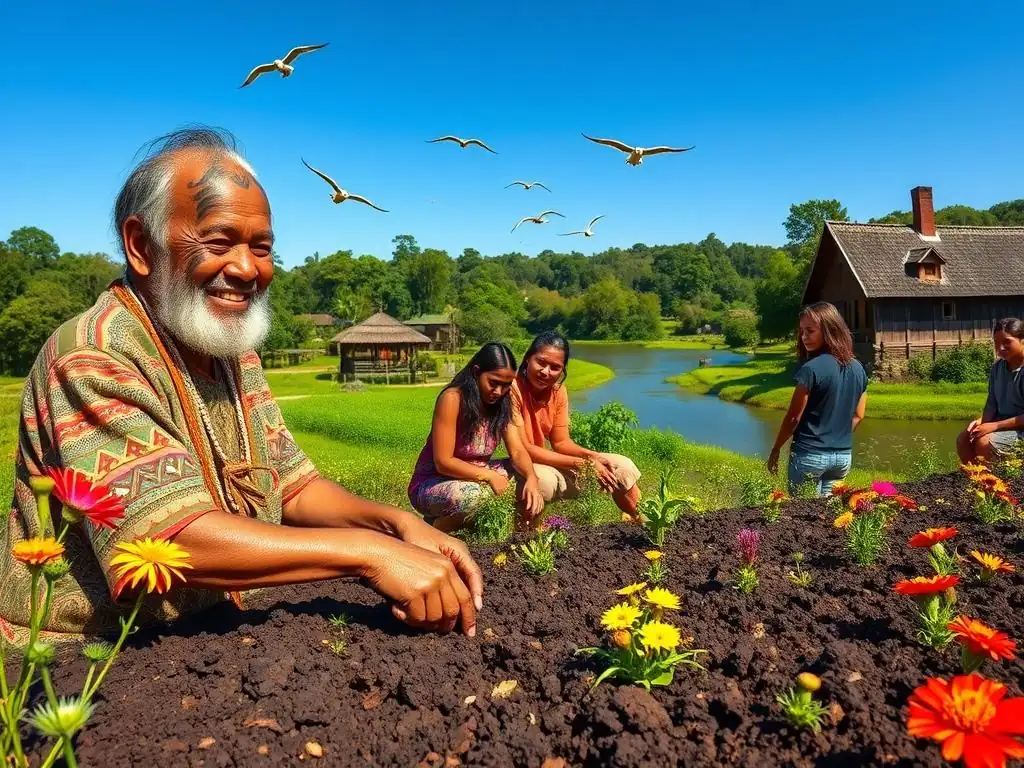
Welcome to Indigenous Civilizations of the Americas, where we invite you to embark on a fascinating journey through the rich tapestry of indigenous cultures that flourished long before European contact. Here, you'll uncover the profound indigenous practices for modern sustainability that not only shaped ancient societies but continue to inspire contemporary approaches to environmental stewardship.
As we delve into the intersection of past wisdom and present challenges, prepare to be captivated by stories of resilience, innovation, and the enduring legacy of these remarkable civilizations. Join us as we explore how integrating indigenous knowledge can pave the way for a sustainable future!
Introduction to Indigenous Practices for Modern Sustainability
In an era marked by significant environmental challenges, the wisdom of Indigenous cultures offers valuable insights into sustainable practices that can inform modern approaches to agriculture, conservation, and resource management. The term Indigenous practices for modern sustainability encapsulates a rich repository of traditional knowledge that has been honed over millennia.
These practices are not merely remnants of the past; they are dynamic systems of understanding that emphasize harmony with nature, biodiversity, and community resilience. By integrating these ancient methodologies into contemporary frameworks, we can address pressing ecological issues while honoring the legacies of the Indigenous peoples who cultivated these practices.
Overview of Indigenous Wisdom in Sustainability
Indigenous wisdom encompasses a myriad of practices rooted in deep ecological understanding and a profound respect for the Earth. These practices include:
- Crop rotation and polyculture: Techniques that enhance soil health and biodiversity.
- Water management: Sustainable systems such as terracing and rainwater harvesting that optimize water usage.
- Forest stewardship: Methods of cultivation that maintain ecological balance and promote biodiversity.
These practices reflect a holistic worldview where every element of the ecosystem is interconnected. Indigenous peoples understood long before modern science validated it that sustainable living is not just about resource management; it is about fostering relationships with the land, water, and each other.
Importance of Ancient Practices in Today's Environmental Challenges
As the world grapples with climate change, deforestation, and diminishing biodiversity, the integration of Indigenous practices offers practical solutions. The effectiveness of these practices lies in their:
- Adaptability: Ancient methods can often be adapted to contemporary contexts, making them relevant in today's climate scenarios.
- Community focus: Indigenous practices emphasize collective stewardship, encouraging local communities to engage in sustainable management.
- Resilience: These time-tested approaches contribute to ecosystem resilience, helping communities withstand environmental stresses.
Embracing Indigenous wisdom not only aids in addressing current challenges but also serves as a pathway to fostering respect and recognition for the Indigenous cultures that have safeguarded this knowledge.
The Historical Context of Indigenous Practices
Understanding the historical context of Indigenous practices is crucial for appreciating their significance. These practices evolved through centuries of observation and interaction with diverse environments across the Americas. They were shaped by the unique ecological, social, and cultural contexts of each Indigenous community, leading to a rich tapestry of agricultural and ecological knowledge.
Traditional Knowledge and Its Role in Crop Domestication
Traditional knowledge has been instrumental in the domestication of crops, leading to the development of some of the world's most vital agricultural products. For instance, Indigenous peoples played a pivotal role in the domestication of:
- Maize (corn)
- Potatoes
- Beans
- Squash
These staple crops are not only dietary foundations but also exemplify the principles of sustainability, such as intercropping and companion planting, which enhance soil fertility and reduce pests naturally.
Examples of Indigenous Cultures and Their Sustainable Practices
Across the Americas, various Indigenous cultures have implemented sustainable practices that can serve as models for modern agriculture. Some notable examples include:
- The Navajo: Utilizing rotational grazing to maintain healthy pastures.
- The Inca: Developing sophisticated terrace farming systems in the Andes to reduce erosion and maximize arable land.
- The Maya: Practicing agroforestry techniques that promote biodiversity and soil health.
By studying these cultures and their sustainable practices, we can glean lessons that are applicable to today's agricultural and environmental challenges, ensuring a more sustainable future for generations to come.
Core Principles of Indigenous Sustainability
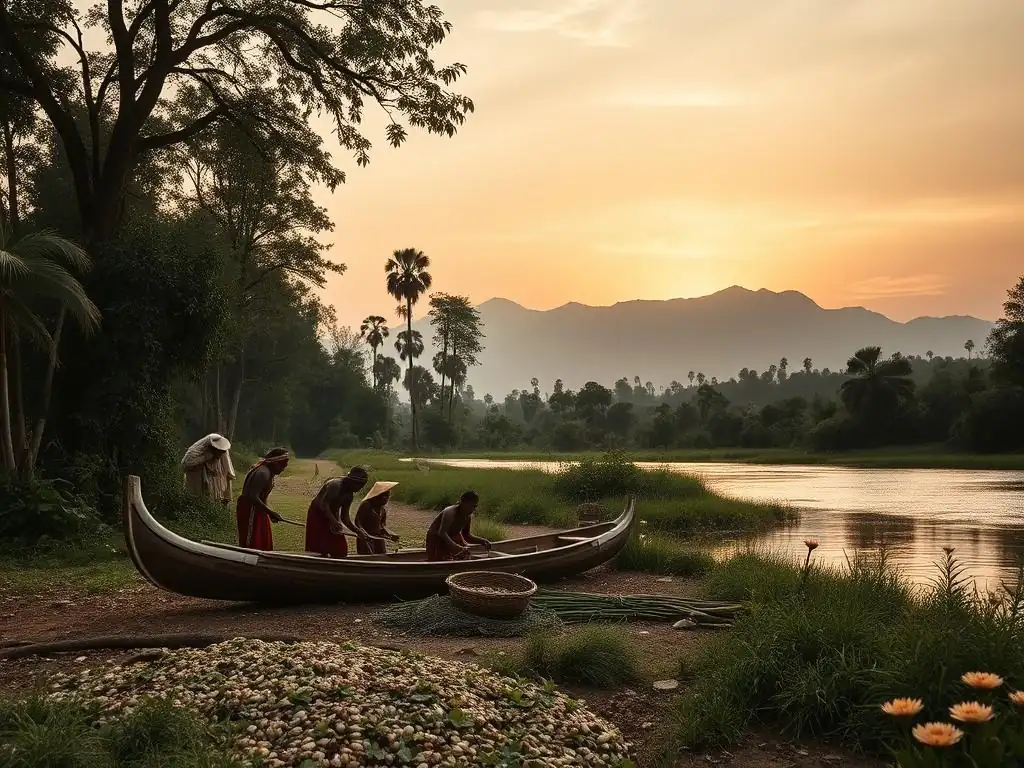
Indigenous sustainability is deeply rooted in a set of core principles that prioritize the balance between human needs and the health of the ecosystems. These principles often stem from a profound understanding of local environments, passed down through generations. Key elements include:
- Interconnectedness: Indigenous cultures view all elements of nature as interconnected. This holistic perspective emphasizes that the well-being of one part of the ecosystem directly affects the others, promoting practices that support biodiversity and ecosystem health.
- Respect for Tradition: Traditional ecological knowledge (TEK) is crucial in shaping sustainable practices. Indigenous communities have cultivated a wealth of knowledge regarding local flora, fauna, and climate patterns, which informs their agricultural techniques and land management strategies.
- Sustainable Resource Use: Indigenous practices often involve using resources in a way that does not deplete or degrade them. This includes rotational farming, selective harvesting, and the use of native plants, ensuring that natural resources are available for future generations.
- Cultural Significance: Many practices are not solely economic but are also tied to spiritual traditions and cultural identity. This connection fosters a deep commitment to the land and its preservation, ensuring sustainable practices are upheld.
Holistic Approaches to Agriculture and Land Management
Indigenous agricultural practices are characterized by their holistic approaches, where farming is seen as part of a larger ecological system. These methods often integrate various crops, animals, and natural elements to create resilient agricultural systems. Key aspects include:
- Polyculture: Unlike monoculture, which is prevalent in modern industrial agriculture, indigenous farming often employs polyculture strategies. This involves planting multiple crops together, which enhances soil health, reduces pest outbreaks, and increases yields.
- Agroforestry: Many indigenous communities practice agroforestry, combining trees and shrubs with crops and livestock. This method not only improves biodiversity but also promotes soil fertility and provides habitats for wildlife.
- Soil Management Practices: Indigenous knowledge includes sophisticated soil management techniques, such as composting and the use of natural fertilizers, to enhance soil health without relying on synthetic chemicals.
- Water Conservation: Techniques like rainwater harvesting and the use of swales (shallow trenches) to manage water runoff exemplify indigenous approaches to water conservation, ensuring that crops receive adequate moisture while minimizing erosion.
The Connection Between Spirituality and Environmental Stewardship
For many indigenous cultures, spirituality and environmental stewardship are inseparable. This connection manifests in various ways, influencing how communities interact with their environment:
- Sacredness of Land: Many indigenous peoples regard the land as sacred, viewing themselves as stewards rather than owners. This belief fosters a strong sense of responsibility towards maintaining the health of the ecosystem.
- Rituals and Practices: Spiritual rituals often incorporate elements of nature, reinforcing the idea that humans are part of a larger ecological web. Such practices promote respect for all living beings and emphasize the importance of maintaining harmony within the environment.
- Cultural Narratives: Stories and teachings passed down through generations often highlight the importance of respecting nature and its cycles. These narratives serve as guiding principles for sustainable living and environmental stewardship.
- Community Engagement: Spiritual beliefs often encourage communal practices, where the collective effort of the community plays a vital role in environmental management, fostering a sense of unity and shared responsibility.
Case Studies of Indigenous Practices in Modern Sustainability
Indigenous practices have increasingly gained recognition for their relevance in modern sustainability efforts. Various case studies illustrate how these ancient methods can inform contemporary approaches to agriculture and environmental management:
Successful Integration of Indigenous Methods in Agriculture
Numerous projects around the world have successfully integrated indigenous agricultural practices into modern farming systems. For instance:
- Milpa System in Mesoamerica: The milpa system, a form of shifting cultivation used by many indigenous groups in Mesoamerica, has been adapted to enhance food security while promoting biodiversity. This system allows farmers to rotate crops, ensuring soil health and resilience against pests.
- Community Supported Agriculture (CSA): Some indigenous communities have established CSAs that utilize traditional farming techniques, connecting local consumers directly with sustainable food sources. This model supports local economies and fosters community engagement.
- Permaculture Initiatives: Indigenous knowledge has influenced the principles of permaculture, leading to the design of sustainable agricultural systems that mimic natural ecosystems, emphasizing diversity and resilience.
Lessons Learned from Indigenous Communities on Climate Resilience
Indigenous communities offer valuable lessons in climate resilience, drawing from their historical experiences with environmental changes. Key lessons include:
- Adaptive Strategies: Indigenous knowledge systems have developed adaptive strategies that allow communities to cope with changing climates. These include diversifying crops and adopting traditional practices that enhance resilience to extreme weather events.
- Local Knowledge: Indigenous peoples possess deep knowledge of their local ecosystems, enabling them to observe and respond to environmental changes effectively. This localized understanding can complement scientific approaches to climate adaptation.
- Community-Based Solutions: Many indigenous communities emphasize community-driven solutions to climate challenges, fostering collective action and collaboration. This approach contrasts with top-down initiatives and often leads to more effective outcomes.
- Cultural Preservation: Maintaining cultural practices and languages is essential for resilience, as these elements are intertwined with traditional ecological knowledge and sustainable practices. Protecting cultural heritage ensures that valuable knowledge is not lost, allowing future generations to continue these practices.
Comparative Analysis of Indigenous and Modern Sustainable Practices
The integration of indigenous wisdom into modern sustainability practices offers a unique perspective on how societies can thrive without depleting natural resources. Indigenous practices have evolved over thousands of years, deeply rooted in the ecological knowledge accumulated through generations. In contrast, modern sustainability often relies on scientific advancements and technological innovations. However, both approaches aim to achieve a balance between human needs and environmental stewardship.
Indigenous methods often emphasize holistic relationships with the land, viewing ecosystems as interconnected rather than isolated. This perspective fosters biodiversity and resilience, promoting practices such as crop rotation, polyculture, and agroforestry. Conversely, modern methods may prioritize efficiency and productivity, sometimes at the expense of ecological balance. By examining these two frameworks, we can identify opportunities for synergy that enhance sustainability efforts.
Key Differences Between Indigenous and Conventional Approaches
- Knowledge Systems:
- Indigenous practices rely on traditional ecological knowledge (TEK), passed down orally and through practice, focusing on local biodiversity, seasonal cycles, and natural indicators.
- Conventional approaches often depend on scientific research and data-driven methodologies, which can overlook the nuanced understanding of local ecosystems that indigenous knowledge provides.
- Resource Management:
- Indigenous cultures typically engage in sustainable harvesting techniques, ensuring that resources are used in a manner that allows ecosystems to regenerate.
- In contrast, modern practices may lean towards intensive agriculture or resource extraction, which can lead to environmental degradation and loss of biodiversity.
- Cultural Significance:
- Many indigenous practices are embedded in cultural and spiritual beliefs, emphasizing a deep respect for nature and community well-being.
- Conventional approaches might prioritize economic gain and industrial efficiency, sometimes neglecting the cultural dimensions of sustainability.
Advantages of Incorporating Indigenous Practices into Modern Systems
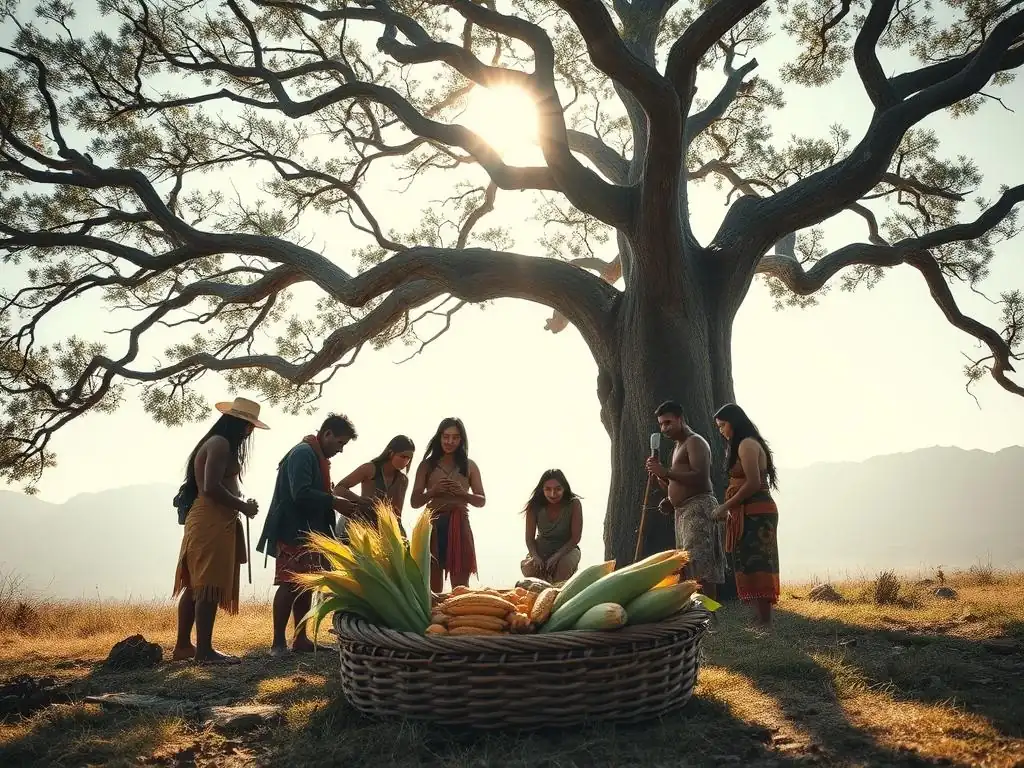
Incorporating indigenous practices into modern sustainability frameworks offers several notable advantages:
- Enhanced Resilience: Indigenous methods often promote biodiversity, which can enhance ecosystem resilience to climate change and other environmental stresses.
- Community Engagement: Integrating local practices fosters greater community involvement and stewardship, as local populations are more invested in sustainability initiatives that reflect their cultural values.
- Cost-Effectiveness: Many indigenous practices utilize low-cost, local resources, which can reduce reliance on expensive and environmentally harmful inputs found in conventional agriculture.
- Holistic Approaches: Indigenous practices encourage a systems-thinking approach, recognizing the interdependence of social, ecological, and economic systems, thus promoting sustainable development that respects all facets of life.
Challenges in Integrating Indigenous Wisdom into Modern Sustainability Efforts
Despite the potential benefits of integrating indigenous wisdom into modern sustainability efforts, several challenges persist:
Barriers to Recognition and Application of Indigenous Knowledge
- Skepticism from Conventional Scientists: There can be a reluctance among some scientists to recognize indigenous knowledge as valid or credible, often viewing it as anecdotal rather than empirical.
- Legal and Policy Constraints: Many regions lack legal frameworks that recognize and protect indigenous knowledge and practices, leading to marginalization in decision-making processes.
- Cultural Misunderstandings: Misinterpretation of indigenous practices and beliefs can lead to ineffective or inappropriate applications of their knowledge in modern contexts.
- Loss of Traditional Knowledge: Rapid globalization and cultural assimilation have led to a decline in traditional practices, threatening the transmission of valuable ecological knowledge.
Strategies for Overcoming Challenges in Collaboration
- Building Partnerships: Establishing collaborative relationships between indigenous communities and modern practitioners can foster mutual respect and knowledge exchange, leading to more effective sustainability strategies.
- Education and Training: Raising awareness among policymakers, scientists, and the public about the value of indigenous knowledge can help bridge gaps and promote its incorporation into sustainability initiatives.
- Legal Protection: Advocating for policies that recognize and protect indigenous rights and knowledge is crucial in ensuring that these practices are respected and utilized in modern contexts.
- Incorporating Indigenous Voices: Actively involving indigenous leaders and communities in sustainability planning and decision-making processes can ensure that their knowledge is integrated meaningfully and respectfully.
By addressing these challenges and recognizing the value of indigenous wisdom, modern sustainability efforts can become more inclusive and effective, ultimately benefiting both people and the planet.
Future Directions for Indigenous Practices in Sustainable Development
The integration of Indigenous practices into modern sustainable development holds immense potential for addressing contemporary environmental challenges. As climate change continues to pose significant threats to ecosystems and livelihoods, there is a growing recognition of the value that Indigenous knowledge systems can bring to sustainability efforts. Future directions in this realm may include the following:
- Revitalization of Traditional Ecological Knowledge (TEK): Emphasizing the importance of TEK in policy-making can guide sustainable land management practices. This includes documenting and revitalizing Indigenous agricultural systems, which are often adaptive and resilient.
- Holistic Approaches to Resource Management: Indigenous practices often emphasize a holistic view of ecosystems, recognizing the interconnectedness of all living beings. Future sustainability frameworks should incorporate these holistic approaches, fostering respect for biodiversity and promoting ecological balance.
- Education and Capacity Building: Developing educational initiatives that focus on Indigenous practices can empower both Indigenous and non-Indigenous communities. This can lead to a broader understanding of sustainable practices that respect cultural heritage and promote environmental stewardship.
Potential for Policy Changes Incorporating Indigenous Wisdom
As policymakers begin to acknowledge the significance of Indigenous knowledge in sustainable development, there is a potential for transformative policy changes. By integrating Indigenous wisdom into environmental governance, policies can become more inclusive and effective:
- Legal Recognition of Indigenous Rights: Policies must recognize Indigenous land rights and the governance systems that accompany them. This legal framework can facilitate the co-management of natural resources, ensuring that Indigenous voices are included in decision-making processes.
- Incorporating Indigenous Knowledge in Environmental Assessments: Formalizing the inclusion of Indigenous perspectives in environmental impact assessments can lead to more thorough evaluations of proposed projects, mitigating negative impacts on ecosystems and communities.
- Support for Indigenous-Led Initiatives: Governments can create funding opportunities and resources to support Indigenous-led sustainability projects. This can empower communities to implement practices that align with their cultural values and ecological knowledge.
Collaborative Opportunities Between Indigenous Communities and Modern Scientists
Collaboration between Indigenous communities and modern scientists offers a unique opportunity to blend traditional knowledge with contemporary scientific research. Such partnerships can enhance the effectiveness of sustainability initiatives:
- Research Partnerships: Collaborative research that respects Indigenous knowledge systems can lead to innovative solutions for environmental challenges. This includes joint studies on biodiversity conservation, climate resilience, and sustainable agriculture.
- Community-Based Monitoring: Engaging Indigenous communities in environmental monitoring can provide valuable data and insights. Their long-standing relationship with the land equips them with unique observational skills that can complement scientific methodologies.
- Cultural Exchange Programs: Encouraging cultural exchange programs between Indigenous communities and researchers can foster mutual understanding. By sharing knowledge and practices, both parties can learn from each other, enriching the field of sustainable development.
Conclusion: The Importance of Indigenous Practices for Modern Sustainability
Indigenous practices represent a wealth of knowledge that can significantly contribute to modern sustainability efforts. As societies worldwide strive to find solutions to pressing environmental issues, it is essential to recognize the value of these ancient practices.
Recap of Key Insights from Indigenous Wisdom
- Sustainable Land Management: Indigenous peoples have long employed sustainable land management techniques that prioritize biodiversity and ecological balance. Their approaches often include crop rotation, agroforestry, and the use of native plants, which can enhance soil health and ecosystem resilience.
- Holistic Worldview: Indigenous wisdom emphasizes the interconnectedness of all life forms, advocating for a respectful and reciprocal relationship with nature. This holistic perspective can inform modern sustainability efforts by promoting practices that consider ecological, social, and cultural dimensions.
- Community-Centric Approaches: Indigenous practices are often rooted in community values and collective responsibility. This focus on community well-being can inspire modern sustainability initiatives to prioritize social equity and inclusivity.
Call to Action for Integrating Ancient Practices in Sustainability Efforts
As we move towards a more sustainable future, it is imperative that we embrace and integrate Indigenous practices into our environmental strategies. This call to action includes:
- Advocating for Policy Reforms: Support legislative changes that recognize and protect Indigenous rights and knowledge systems.
- Promoting Education on Indigenous Practices: Encourage educational institutions to include Indigenous perspectives in their curricula, fostering a deeper understanding of sustainable practices.
- Fostering Collaborative Research: Engage in partnerships with Indigenous communities to explore innovative solutions for sustainability, ensuring that research is respectful, equitable, and beneficial for all involved.
By recognizing the invaluable contributions of Indigenous wisdom, we can enhance our efforts towards a sustainable future that honors both our environment and the cultures that have thrived for millennia.
- Introduction to Indigenous Practices for Modern Sustainability
- Overview of Indigenous Wisdom in Sustainability
- Importance of Ancient Practices in Today's Environmental Challenges
- The Historical Context of Indigenous Practices
- Core Principles of Indigenous Sustainability
- Case Studies of Indigenous Practices in Modern Sustainability
- Comparative Analysis of Indigenous and Modern Sustainable Practices
- Key Differences Between Indigenous and Conventional Approaches
- Advantages of Incorporating Indigenous Practices into Modern Systems
- Challenges in Integrating Indigenous Wisdom into Modern Sustainability Efforts
- Future Directions for Indigenous Practices in Sustainable Development
- Conclusion: The Importance of Indigenous Practices for Modern Sustainability
- What are Indigenous practices for modern sustainability?
- How can ancient Indigenous wisdom benefit contemporary society?
- What are some examples of Indigenous achievements related to sustainability?
- How do Indigenous cultures view their relationship with the environment?
- Why is it important to integrate Indigenous practices into modern sustainability efforts?
Frequently Asked Questions
What are Indigenous practices for modern sustainability?
Indigenous practices for modern sustainability involve traditional methods and principles that promote environmental stewardship, resource conservation, and community well-being, drawing from ancestral knowledge.
How can ancient Indigenous wisdom benefit contemporary society?
Ancient Indigenous wisdom offers insights into sustainable living, emphasizing the interconnectedness of ecosystems and the importance of respecting nature, which can guide modern approaches to sustainability.
Indigenous civilizations developed advanced agricultural techniques, such as crop rotation and permaculture, which enhanced food security and biodiversity, showcasing their deep understanding of ecological balance.
How do Indigenous cultures view their relationship with the environment?
Indigenous cultures often see themselves as caretakers of the land, fostering a spiritual connection to nature that promotes harmonious living and reinforces the importance of sustainable practices.
Why is it important to integrate Indigenous practices into modern sustainability efforts?
Integrating Indigenous practices can enhance sustainability initiatives by providing holistic perspectives and time-tested methodologies that address contemporary environmental challenges and promote community resilience.
Final Reflection: Embracing Indigenous Wisdom for a Sustainable Future
The integration of Indigenous practices for modern sustainability is not just a choice; it is a necessity. As we face unprecedented environmental challenges, the ancient knowledge and holistic approaches of Indigenous cultures offer invaluable insights that can guide us toward a more sustainable future. This connection between past wisdom and present needs underscores the urgency of embracing these practices, as they hold the key to restoring balance in our ecosystems and communities.
The ongoing influence of Indigenous wisdom is evident in the growing recognition of its value in contemporary environmental discourse. As we witness a shift toward more inclusive and holistic approaches to sustainability, it becomes clear that Indigenous practices are not relics of the past but rather essential components of our collective future. To be Indigenous is to be in a relationship with the land, and that relationship is what sustains us.
This quote encapsulates the essence of Indigenous knowledge, reminding us that our survival is intricately tied to the health of our planet and the wisdom of those who have lived in harmony with it for generations.
As you reflect on the themes presented in this article, I invite you to consider how you can incorporate Indigenous practices into your own life and community. Let this be a call to action: seek out Indigenous voices, learn from their experiences, and advocate for their inclusion in sustainability efforts. By doing so, you not only honor their rich heritage but also contribute to a more equitable and sustainable world for all. Together, we can weave the threads of ancient wisdom into the fabric of modern sustainability, creating a brighter future for generations to come.
Embrace the Wisdom of the Ancients for a Sustainable Future!
Thank you for taking the time to explore the profound insights of Indigenous wisdom and its relevance to modern sustainability. By understanding these practices, you’ve taken a step toward a more harmonious relationship with our planet. Now, it’s time to put that knowledge into action!
Here are some practical steps you can take to further integrate these ancient teachings into your lifestyle and community:
- Start a Community Garden: Collaborate with local organizations to establish a garden that features traditional crops and sustainable practices that honor the land.
- Deepen Your Understanding: Explore literature or attend workshops focused on Indigenous environmental practices to enhance your knowledge and strengthen your connection to this vital subject.
- Share Your Journey: Discuss what you’ve learned with friends and family; consider hosting a gathering to share Indigenous stories and sustainable practices within your community.
What action will you take today to incorporate Indigenous wisdom into your life and help promote sustainability in your community?