
Beyond Survival: Indigenous Ecological Knowledge and Its Relevance Today

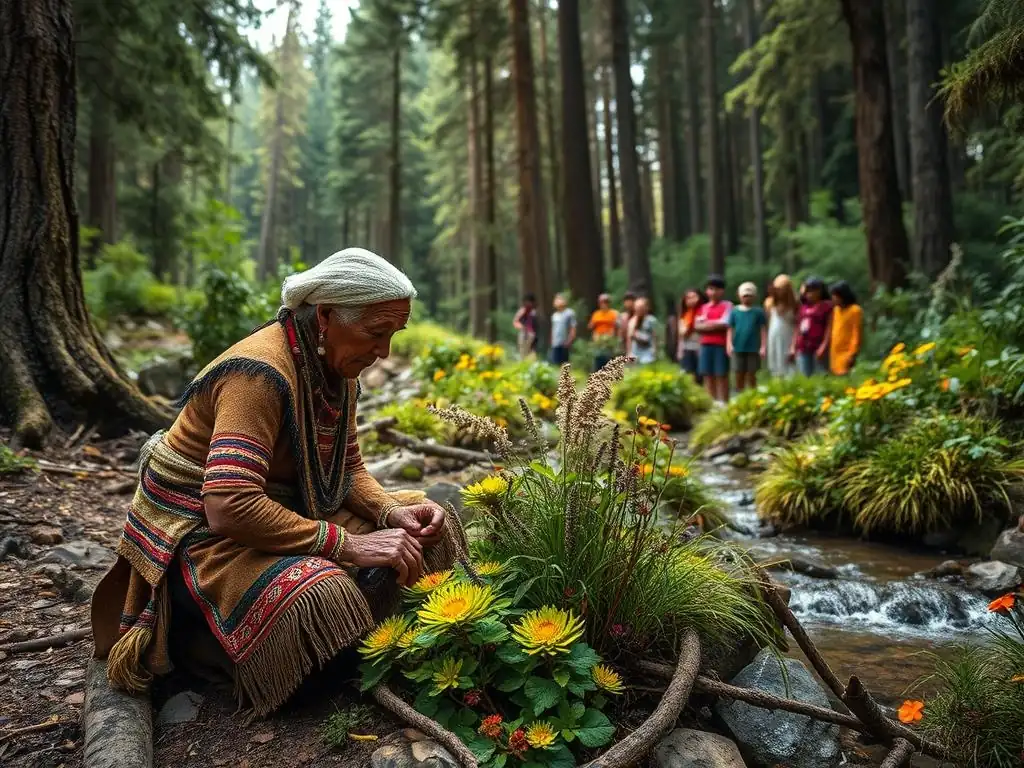
Welcome to Indigenous Civilizations of the Americas, where we invite you on a captivating journey through the rich tapestry of cultures that flourished across the continent long before European encounters. In our featured article, "Beyond Survival: Indigenous Ecological Knowledge and Its Relevance Today," we delve into the profound wisdom that indigenous peoples have cultivated over millennia—knowledge that not only sustained their communities but offers invaluable insights for our modern world.
What lessons can we learn from the past, and how can these ancient practices inform our approach to today’s environmental challenges? Join us as we explore these questions and uncover the enduring legacy of indigenous cultures.
Indigenous ecological knowledge (IEK) represents a rich repository of information cultivated over centuries by Indigenous peoples across the Americas. This knowledge encompasses traditional practices, observations, and understandings of the environment, and serves as a vital component in the sustainable management of natural resources. As we delve into the depths of Indigenous ecological knowledge, it becomes increasingly clear that its relevance extends far beyond mere survival; it offers innovative solutions to contemporary environmental challenges. In an era marked by climate change and biodiversity loss, this knowledge can illuminate pathways toward sustainability, bridging ancient wisdom with modern practices.
Introduction to Indigenous Ecological Knowledge
Indigenous ecological knowledge is rooted in the intricate relationships that Indigenous communities maintain with their surrounding environments. Unlike Western scientific approaches, which often compartmentalize knowledge, IEK is holistic, viewing ecosystems as interconnected entities. This perspective fosters a profound respect for nature, emphasizing the importance of living in harmony with the land rather than exploiting it.
Key Features of Indigenous Ecological Knowledge:
- Holistic Understanding: IEK integrates spiritual, cultural, and practical elements, recognizing the significance of all living beings.
- Adaptive Management: Indigenous practices often adapt to changing environmental conditions, ensuring sustainability over generations.
- Local Knowledge: It is specific to particular regions, encompassing unique ecosystems and species.
By understanding these foundational elements, we can appreciate the depth and breadth of knowledge that Indigenous cultures have developed, which remains crucial for addressing modern ecological issues.
The Relevance of Indigenous Ecological Knowledge Today
The contemporary world faces myriad environmental challenges, including climate change, habitat destruction, and resource depletion. As societies seek solutions, the relevance of Indigenous ecological knowledge becomes increasingly apparent. This knowledge not only offers insights into sustainable practices but also fosters resilience in the face of shifting climatic conditions.
Preserving Biodiversity Through Traditional Practices
Indigenous communities have long recognized the importance of biodiversity in maintaining ecological balance. Their traditional practices often promote the conservation of native species and habitats, reflecting a profound understanding of local ecosystems.
Examples of Biodiversity Conservation:
- Agroecological Techniques: Many Indigenous groups employ agroecological methods, such as crop rotation and companion planting, to enhance soil health and reduce pests naturally.
- Sacred Sites: Certain areas are designated as sacred, protecting them from exploitation and preserving biodiversity.
These practices not only contribute to the conservation of ecosystems but also provide models for modern agricultural practices that prioritize sustainability.
Climate Change Mitigation Strategies from Indigenous Perspectives
Indigenous peoples possess invaluable insights into climate change adaptation and mitigation. Their long-standing relationships with the land equip them with strategies that can inform contemporary climate action.
Strategies Include:
- Controlled Burns: Many Indigenous cultures utilize controlled burning to manage landscapes, promote biodiversity, and reduce the risk of larger wildfires.
- Water Management Techniques: Traditional water conservation methods, such as rainwater harvesting and the construction of terraces, demonstrate effective ways to adapt to changing precipitation patterns.
By integrating these strategies into broader climate action frameworks, societies can enhance their resilience to climate change while honoring Indigenous heritage and knowledge.
Indigenous ecological knowledge holds significant relevance today, offering innovative solutions for sustainability and resilience amid contemporary challenges. By learning from these rich traditions, we can forge a path toward a more harmonious relationship with our environment.
Lessons from Indigenous Practices for Sustainable Development
Indigenous ecological knowledge (IEK) encompasses a wealth of information about sustainable practices that have been developed and refined over millennia. These practices are deeply rooted in the cultural, spiritual, and social contexts of indigenous communities, offering a holistic approach to sustainability. By recognizing the interconnections between all living things, indigenous peoples have managed natural resources in ways that ensure their longevity and health.
Sustainable development, which aims to meet current needs without compromising future generations, can significantly benefit from integrating IEK. For example, practices such as controlled burns in forest management not only reduce the risk of catastrophic wildfires but also promote biodiversity by creating a mosaic of habitats. Furthermore, indigenous perspectives on land stewardship can inform policies that prioritize environmental conservation alongside economic development, ensuring that both human and ecological communities thrive.
Integrating Indigenous Knowledge with Modern Science
The integration of indigenous knowledge with modern scientific approaches has the potential to enhance environmental management and policy-making. This collaborative effort can lead to more effective solutions to contemporary challenges such as climate change, biodiversity loss, and resource depletion.
Modern science often relies on quantitative data, which can sometimes overlook the qualitative insights that IEK provides. For instance, indigenous peoples possess intricate knowledge of local ecosystems gained through observation and experience over generations. By incorporating this knowledge into scientific research, a more comprehensive understanding of ecological dynamics can emerge.
Several successful partnerships between indigenous communities and scientific organizations illustrate this integration. Collaborative projects that respect indigenous sovereignty and involve community members in research design and decision-making processes have yielded valuable results. These initiatives not only enhance scientific understanding but also empower indigenous communities to assert their rights and engage in sustainable practices that align with their cultural values.
The Role of Indigenous Ecological Knowledge in Agriculture
Indigenous ecological knowledge has played a crucial role in agricultural practices, enabling communities to cultivate crops that are well-suited to their local environments. Traditional farming methods often emphasize biodiversity, polyculture, and soil health, contrasting sharply with the monoculture practices prevalent in modern industrial agriculture.
For example, indigenous agricultural systems such as the milpa in Mesoamerica showcase the benefits of intercropping, where different crops are planted together to promote nutrient exchange and pest control. This practice not only enhances food security but also contributes to the resilience of agricultural systems in the face of climate variability.
Moreover, indigenous knowledge systems have historically prioritized sustainable land management techniques that preserve soil fertility and water resources. Practices such as crop rotation, agroforestry, and organic fertilization have been passed down through generations, demonstrating their effectiveness in maintaining ecosystem health. As global agriculture faces increasing challenges from climate change and environmental degradation, the lessons learned from indigenous agricultural practices are more relevant than ever.
Case Studies: Indigenous Ecological Knowledge in Action
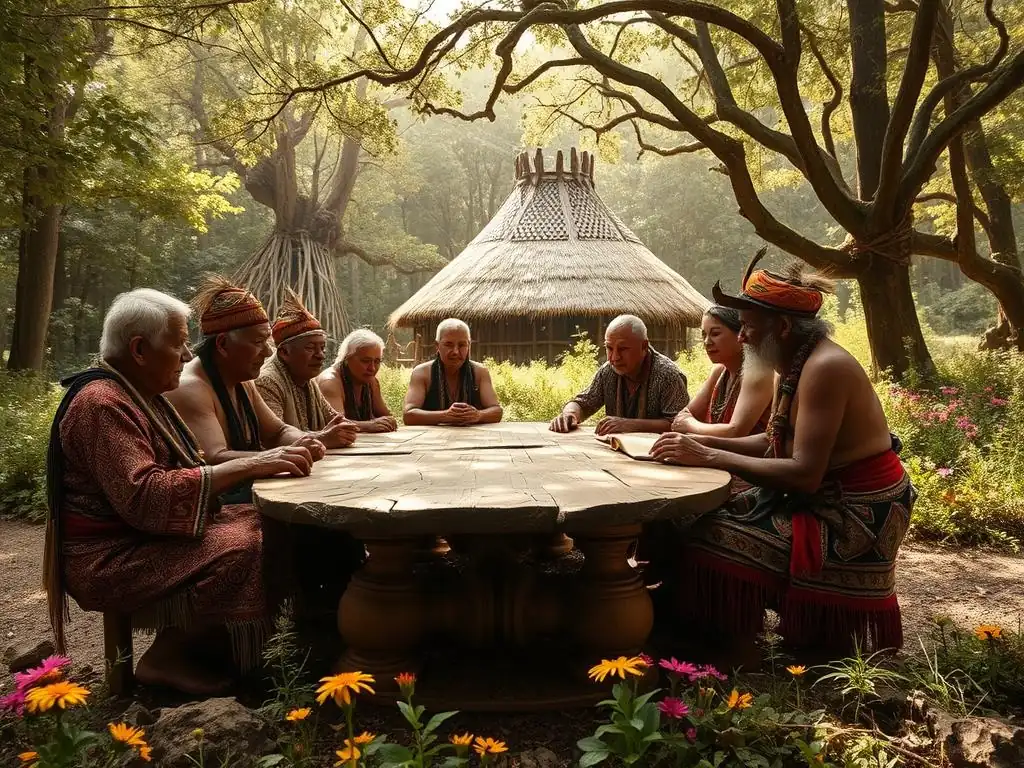
The application of indigenous ecological knowledge is evident in various case studies that highlight its effectiveness in addressing environmental challenges and promoting sustainable practices. These examples not only showcase the viability of IEK but also emphasize the importance of respecting and valuing indigenous perspectives in contemporary environmental management.
Success Stories from Indigenous Communities
- The Kayapó People in Brazil: The Kayapó community has successfully implemented sustainable forest management practices that balance economic needs with ecological preservation. By utilizing selective logging and engaging in reforestation efforts, they have maintained the health of the Amazon rainforest while generating income through eco-tourism.
- The Maori of New Zealand: The Maori have integrated traditional ecological knowledge with modern conservation efforts to protect their fisheries. By reinstating customary fishing regulations and practicing sustainable harvesting techniques, they have observed significant recovery in fish populations, demonstrating the effectiveness of their holistic approach to resource management.
- The Sámi of Scandinavia: The Sámi people have leveraged their knowledge of reindeer herding to adapt to changing climatic conditions. By implementing rotational grazing practices and monitoring animal health, they have managed to sustain their herds while preserving the Arctic ecosystem.
Comparative Analysis: Indigenous Knowledge vs. Conventional Practices
A comparative analysis of indigenous ecological knowledge and conventional practices reveals significant differences in approach and outcomes. While conventional methods often prioritize short-term gains and efficiency, indigenous practices emphasize long-term sustainability and ecological balance.
| Aspect | Indigenous Ecological Knowledge | Conventional Practices |
|---|---|---|
| Approach | Holistic and integrative | Fragmented and reductionist |
| Focus | Long-term sustainability | Short-term yields and profits |
| Biodiversity | Promotes biodiversity and resilience | Often leads to monocultures |
| Cultural Relevance | Deeply rooted in cultural traditions | Frequently disregards local context |
| Community Involvement | Highly participatory and inclusive | Generally top-down and exclusionary |
The effectiveness of indigenous ecological knowledge is further illustrated by its adaptability and resilience in the face of changing environmental conditions. As global challenges escalate, the integration of indigenous knowledge with conventional practices can pave the way for more sustainable solutions that honor both cultural heritage and ecological integrity.
Challenges to Indigenous Ecological Knowledge and Its Relevance
Indigenous ecological knowledge (IEK) encompasses the understanding, skills, and practices that Indigenous peoples have developed over centuries regarding their local environments. However, this vital knowledge faces numerous challenges that affect its relevance and application in today’s world. These challenges stem from historical injustices, environmental degradation, and socio-economic pressures that threaten the transmission and use of IEK.
The loss of biodiversity and climate change are two pressing issues that have a significant impact on Indigenous peoples and their knowledge systems. As natural ecosystems alter dramatically due to human activities, the traditional ecological knowledge that has been passed down through generations may no longer align with the changing environmental conditions. This disconnection poses a risk of losing valuable insights that could aid in sustainable practices and resilience building.
Moreover, the marginalization of Indigenous communities in decision-making processes often leads to the undervaluation of their ecological knowledge. As modern scientific approaches dominate environmental management, there is a tendency to overlook Indigenous perspectives, limiting their contributions to sustainability efforts. It is crucial to recognize that these challenges are not only ecological but also deeply rooted in social, political, and economic dimensions.
Threats to Indigenous Knowledge Systems
Several specific threats jeopardize Indigenous knowledge systems, including:
- Colonization and Cultural Erasure: The legacy of colonization has resulted in the suppression of Indigenous cultures and languages, leading to a loss of traditional knowledge and practices. Many Indigenous groups were forcibly removed from their lands, disrupting their relationship with the environment and undermining the transmission of ecological knowledge.
- Climate Change: Rapid climate change is altering habitats and ecosystems, affecting the traditional practices of Indigenous peoples. Changes in weather patterns and the availability of natural resources challenge the relevance of historical knowledge and necessitate adaptations that may not be well-documented.
- Commercialization and Exploitation: The commodification of Indigenous knowledge and resources poses a threat as commercial interests often prioritize profit over cultural integrity. Intellectual property rights issues also arise, where traditional knowledge is appropriated without consent, further marginalizing Indigenous communities.
- Loss of Language: Language is integral to the transmission of culture and knowledge. As Indigenous languages decline, so too does the knowledge embedded within them. Language loss diminishes the ability to convey ecological insights and the underlying philosophies that shape Indigenous relationships with nature.
Preserving and Revitalizing Indigenous Ecological Knowledge
Efforts to preserve and revitalize Indigenous ecological knowledge are essential for ensuring its ongoing relevance. Strategies include:
- Community-Led Initiatives: Empowering Indigenous communities to lead their own projects fosters ownership and encourages the revitalization of traditional practices. By engaging community members in documenting and sharing their knowledge, a more robust foundation for future generations can be established.
- Education and Intergenerational Knowledge Transfer: Integrating Indigenous knowledge into educational curricula is vital for fostering respect and understanding among all students. Programs that encourage intergenerational learning help bridge the gap between elders and youth, ensuring that traditional practices are maintained and adapted to modern contexts.
- Collaboration with Academia and NGOs: Partnerships between Indigenous communities and academic institutions or non-governmental organizations can facilitate research and advocacy efforts. Such collaborations can help validate Indigenous knowledge within broader environmental frameworks and promote its application in policy-making.
- Cultural Revitalization Movements: Supporting movements that aim to revitalize Indigenous languages, rituals, and cultural practices strengthens community identity and resilience. These movements are critical for the transmission of ecological knowledge and the continuation of sustainable practices.
Conclusion: The Future of Indigenous Ecological Knowledge
The future of Indigenous ecological knowledge hinges on navigating the complexities of contemporary challenges while honoring the wisdom of the past. As the world increasingly recognizes the importance of sustainability in addressing environmental crises, Indigenous knowledge offers invaluable insights rooted in centuries of experience and observation.
To enhance the relevance of Indigenous ecological knowledge today, it is essential to foster respectful collaborations between Indigenous peoples and wider society. This involves recognizing the rights of Indigenous communities to manage their lands and resources, ensuring that their voices are included in environmental decision-making processes.
As society moves towards greater environmental awareness, the integration of Indigenous ecological knowledge into mainstream practices can provide innovative solutions for sustainability. By valuing and preserving this knowledge, we can create a more equitable and resilient future that honors the contributions of Indigenous cultures and promotes a harmonious relationship with the natural world.
Resources for Further Exploration
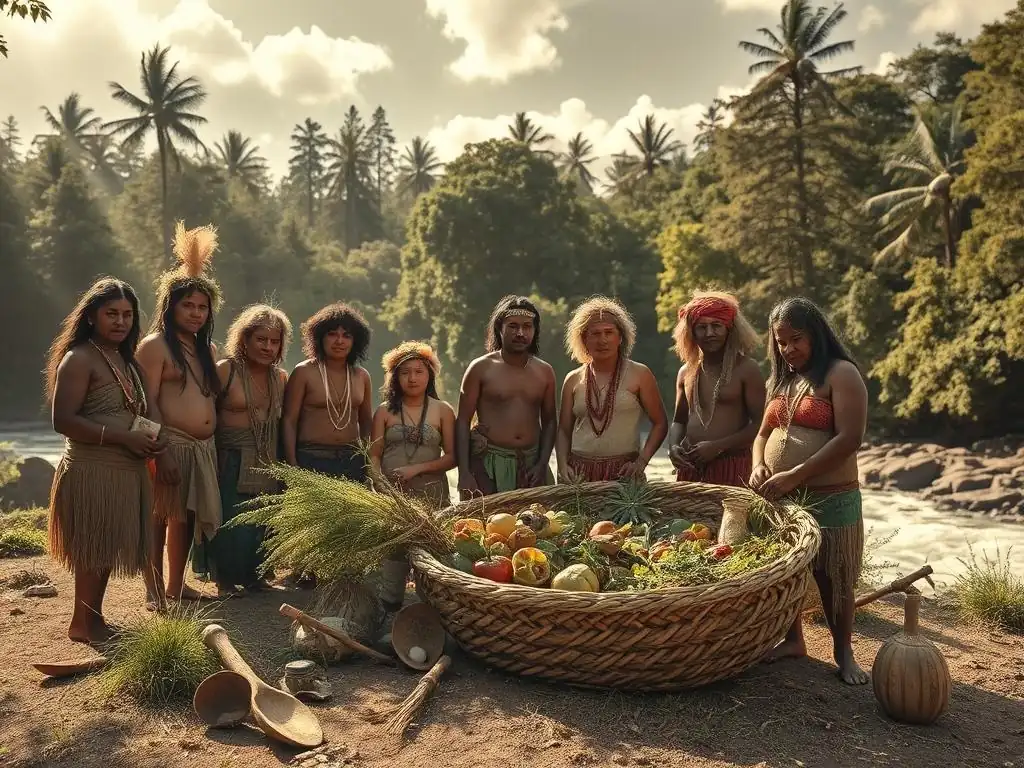
To deepen your understanding of Indigenous ecological knowledge and its relevance in contemporary society, several resources provide insights and comprehensive studies. Here’s a curated list to guide your exploration:
- Books:
- Braiding Sweetgrass: Indigenous Wisdom, Scientific Knowledge, and the Teachings of Plants by Robin Wall Kimmerer - This book interweaves Indigenous philosophy with scientific knowledge, offering a profound perspective on the interconnection of nature and culture.
- The Hidden Life of Trees: What They Feel, How They Communicate by Peter Wohlleben - While not exclusively Indigenous-focused, this book highlights traditional ecological knowledge related to forest ecosystems.
- Documentaries:
- The Great Green Wall - This documentary showcases efforts led by African nations to combat climate change, echoing Indigenous practices of land stewardship.
- Before the Flood - Featuring Leonardo DiCaprio, this film discusses climate change while considering Indigenous perspectives on environmental sustainability.
- Academic Journals:
- Journal of Ethnobiology - This journal publishes research on the relationships between people and their environment, often incorporating Indigenous knowledge systems.
- Environmental Science & Policy - Articles in this journal frequently explore how Indigenous ecological knowledge can inform modern environmental policies.
- Organizations:
- Indigenous Environmental Network - This organization promotes Indigenous rights and environmental justice, providing resources and advocacy tools.
- The Native American Rights Fund - Dedicated to protecting Indigenous peoples' rights, this organization offers insight into legal frameworks supporting ecological knowledge.
These resources not only broaden your understanding but also connect you with ongoing discussions about sustainability and ecological practices rooted in Indigenous wisdom.
Call to Action: Supporting Indigenous Communities
Supporting Indigenous communities is crucial for the preservation and application of Indigenous ecological knowledge. Here are practical steps you can take:
- Engage with Indigenous Businesses:
- Purchase from Indigenous-owned enterprises, which often incorporate sustainable practices and cultural values into their products and services.
- Advocate for Indigenous Rights:
- Stay informed about policies affecting Indigenous peoples and advocate for their rights to land, resources, and self-determination. Engage in local and national campaigns that promote Indigenous sovereignty.
- Participate in Workshops and Events:
- Attend workshops, cultural events, or lectures led by Indigenous leaders and scholars. These gatherings provide valuable insights into Indigenous perspectives on ecology and sustainability.
- Volunteer and Collaborate:
- Offer your skills to Indigenous-led environmental projects. Whether you are a researcher, educator, or simply passionate about the environment, collaboration can strengthen community efforts.
- Educate Others:
- Share your knowledge about Indigenous ecological practices and their relevance in today’s world. Use social media, community events, or educational platforms to raise awareness.
By taking these steps, you not only support Indigenous communities but also contribute to a broader movement towards ecological sustainability that honors traditional knowledge.
Final Thoughts on Indigenous Ecological Knowledge and Its Relevance
Indigenous ecological knowledge represents a wealth of understanding developed over millennia, reflecting a deep connection to the land and its ecosystems. As we face unprecedented environmental challenges, the relevance of this knowledge cannot be overstated. It offers diverse perspectives on sustainable practices, emphasizing the importance of community, reciprocity, and respect for nature.
Integrating Indigenous ecological knowledge into modern environmental practices can provide innovative solutions to contemporary issues like climate change, biodiversity loss, and resource management. Furthermore, recognizing and respecting the rights of Indigenous peoples to manage their lands fosters a more inclusive approach to environmental stewardship.
As we strive for a sustainable future, embracing Indigenous ecological knowledge is not just beneficial but essential. It invites us to learn from those who have long understood the intricate relationships between humans and nature, guiding us toward a more harmonious existence on our planet. By valuing this knowledge, we honor the wisdom of Indigenous cultures and pave the way for a more sustainable and equitable world.
- Introduction to Indigenous Ecological Knowledge
- The Relevance of Indigenous Ecological Knowledge Today
- Lessons from Indigenous Practices for Sustainable Development
- Case Studies: Indigenous Ecological Knowledge in Action
- Challenges to Indigenous Ecological Knowledge and Its Relevance
- Conclusion: The Future of Indigenous Ecological Knowledge
- Resources for Further Exploration
- Call to Action: Supporting Indigenous Communities
- Final Thoughts on Indigenous Ecological Knowledge and Its Relevance
- What is indigenous ecological knowledge?
- How does indigenous ecological knowledge relate to modern environmental practices?
- What are some key achievements of indigenous civilizations in ecology?
- Why is it important to preserve indigenous ecological knowledge today?
- How can we support the integration of indigenous ecological knowledge in current policies?
Frequently Asked Questions
What is indigenous ecological knowledge?
Indigenous ecological knowledge refers to the understanding and practices developed by indigenous cultures over generations regarding their environment and natural resources. This knowledge includes sustainable land management and resource conservation techniques.
How does indigenous ecological knowledge relate to modern environmental practices?
Indigenous ecological knowledge is increasingly recognized for its relevance in modern environmental management, offering insights into sustainable practices that can help address contemporary challenges like climate change and biodiversity loss.
What are some key achievements of indigenous civilizations in ecology?
Indigenous civilizations developed sophisticated agricultural systems, such as agroforestry and crop rotation, which demonstrated deep understanding of ecological balance and biodiversity, contributing significantly to their sustainability.
Why is it important to preserve indigenous ecological knowledge today?
Preserving indigenous ecological knowledge is crucial for maintaining cultural heritage, promoting biodiversity, and improving land management practices that are essential for climate resilience and sustainable development.
How can we support the integration of indigenous ecological knowledge in current policies?
Supporting the integration involves collaborating with indigenous communities, respecting their rights and traditions, and including their knowledge in environmental policies and decision-making processes for more effective sustainability efforts.
Final Reflection: The Enduring Relevance of Indigenous Ecological Knowledge
Indigenous ecological knowledge is not merely a relic of the past; it is a vital framework for understanding and addressing the pressing environmental challenges of today. As we face climate change, biodiversity loss, and unsustainable practices, the wisdom embedded in Indigenous cultures offers invaluable insights that can guide us toward more sustainable futures. This knowledge, honed over millennia, is increasingly recognized as essential for fostering resilience and harmony with nature in our modern world.
The influence of Indigenous ecological knowledge extends far beyond the communities that have preserved it; it shapes our collective cultural and social landscape. By integrating these perspectives into contemporary environmental practices, we can cultivate a more inclusive and effective approach to sustainability. As noted by environmentalist Robin Wall Kimmerer, The land is alive, and it is speaking to us. We must learn to listen.
This call to action emphasizes the importance of bridging traditional wisdom with modern science, creating a holistic understanding of our relationship with the Earth.
As you reflect on the themes presented in this article, consider how you can incorporate Indigenous ecological knowledge into your own life and community practices. Embrace the opportunity to learn from these rich traditions, advocate for their recognition, and apply their principles to foster a deeper connection with the environment. Together, we can honor the past while paving the way for a sustainable future, ensuring that the wisdom of Indigenous peoples continues to resonate for generations to come.
Thank you for diving into the profound wisdom of Indigenous ecological knowledge. You’ve explored how these practices not only support survival but also enrich our understanding of sustainable living today. Now, let's take meaningful steps to connect with and amplify this vital knowledge.
- Engage with your local Indigenous community: Attend workshops or talks to learn about their ecological practices firsthand.
- Share your insights: Use social media or have discussions with friends about the significance of Indigenous knowledge in enhancing modern ecological practices.
- Deepen your understanding: Read books or watch documentaries that showcase Indigenous strategies for sustainability.
How can you incorporate Indigenous ecological wisdom into your daily practices to create a more sustainable future?