
The Aztec Calendar: Scientific Precision in Timekeeping

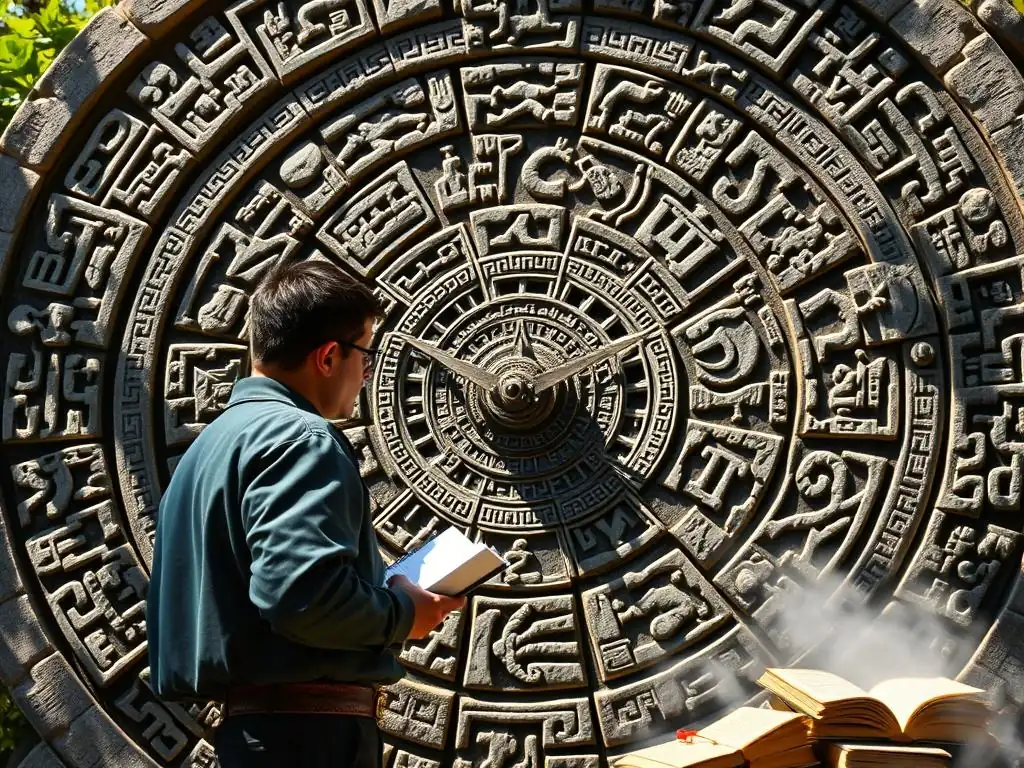
Welcome to Indigenous Civilizations of the Americas, where we delve deep into the rich tapestry of cultures that flourished across the continent long before European arrival. In our featured article, we invite you to discover the intriguing significance of the Aztec calendar and its remarkable precision in timekeeping. Uncover how this ancient system not only organized their daily lives but also reflected their profound understanding of the cosmos. Join us on this journey as we explore the achievements, societies, and enduring legacy of indigenous civilizations, igniting your curiosity about a world that continues to inspire and inform our own.
Introduction to the Aztec Calendar
The Aztec calendar, an intricate and sophisticated system of timekeeping, reflects the remarkable scientific achievements of the Aztec civilization. This calendar was not merely a way to mark the passage of time; it was a complex framework that shaped the cultural, religious, and agricultural practices of the Aztecs.
The calendar's significance extends beyond its practical applications, representing the civilization's deep understanding of celestial cycles and their connection to earthly life. By exploring the Aztec calendar's timekeeping significance, we delve into the profound beliefs and customs that governed Aztec society, illustrating how this ancient system continues to capture the imagination of scholars and enthusiasts alike.
Overview of the Aztec Calendar System
The Aztec calendar comprised two main cycles: the Tonalpohualli and the Xiuhpohualli, which together created a rich tapestry of time that was essential for various aspects of life. The Tonalpohualli, a sacred 260-day calendar, was primarily associated with religious and ceremonial events, while the Xiuhpohualli, a solar 365-day calendar, regulated agricultural activities and the annual cycle.
- Tonalpohualli:
- 260 days
- 20 periods of 13 days
- Used for divination and religious rituals
- Xiuhpohualli:
- 365 days
- 18 months of 20 days, plus an additional month of 5 days
- Related to the agricultural cycle
Understanding the interplay of these two systems reveals not only the Aztecs' advanced mathematical and astronomical knowledge but also their profound respect for the natural world and its rhythms.
Importance of Timekeeping in Aztec Society
Timekeeping played a critical role in the lives of the Aztecs, influencing everything from agricultural practices to religious ceremonies. The precision of the calendar allowed for the careful planning of planting and harvesting, which was vital for sustaining the population. Additionally, the calendar guided ritual observances, ensuring that ceremonies aligned with cosmic events, such as solstices and equinoxes.
The Aztecs viewed time as cyclical, with every cycle carrying the potential for renewal and rebirth. This belief system fostered a profound connection between the celestial realm and earthly existence, underscoring the importance of timekeeping in maintaining harmony within their society.
The Structure of the Aztec Calendar
The Aztec calendar's structure is a testament to the civilization's intricate understanding of time and its measurement. It consists of two interrelated calendars, each serving a unique purpose and reflecting the Aztecs' cosmological beliefs.
The Tonalpohualli: The Sacred 260-Day Calendar
The Tonalpohualli is a sacred calendar composed of 260 days, divided into 20 periods of 13 days, known as trecenas. Each day was associated with specific deities and had unique attributes, which influenced daily life and rituals. The Tonalpohualli was primarily utilized for religious purposes, including:
- Divination: Individuals would consult the calendar for guidance on auspicious days for various activities.
- Ceremonial Events: Important rituals were scheduled according to the calendar, ensuring alignment with spiritual beliefs.
The Xiuhpohualli: The Solar 365-Day Calendar
In contrast, the Xiuhpohualli is a solar calendar that tracks the annual cycle of the sun. It consists of 18 months, each containing 20 days, and an additional short month of 5 days known as "Nemontemi." This structure allowed the Aztecs to align their agricultural activities with seasonal changes, thereby optimizing crop yields. Key features include:
- Months: Each month had its own significance and was dedicated to various gods and goddesses.
- Holidays: The Xiuhpohualli included numerous festivals that celebrated agricultural cycles, reinforcing the connection between the people and their environment.
Interplay Between the Tonalpohualli and Xiuhpohualli
The interaction between the Tonalpohualli and Xiuhpohualli is a fascinating aspect of the Aztec calendar system. The two calendars would align every 52 years, marking a significant event known as the "Bundle of Years" or "Calendar Round." This period was celebrated with elaborate ceremonies, as it represented a renewal of time and the cosmos:
- Synchronization: The two calendars worked together, with each day having a unique combination of a Tonalpohualli and a Xiuhpohualli date.
- Cultural Significance: The convergence of the calendars emphasized the importance of time in maintaining balance between the divine and earthly realms.
The Aztec calendar exemplifies the civilization's scientific precision in timekeeping, showcasing their sophisticated understanding of the cosmos and its influence on daily life. Through this exploration, we gain insight into the enduring legacy of the Aztec civilization and its contributions to the broader narrative of indigenous cultures in the Americas.
Aztec Calendar Timekeeping Significance
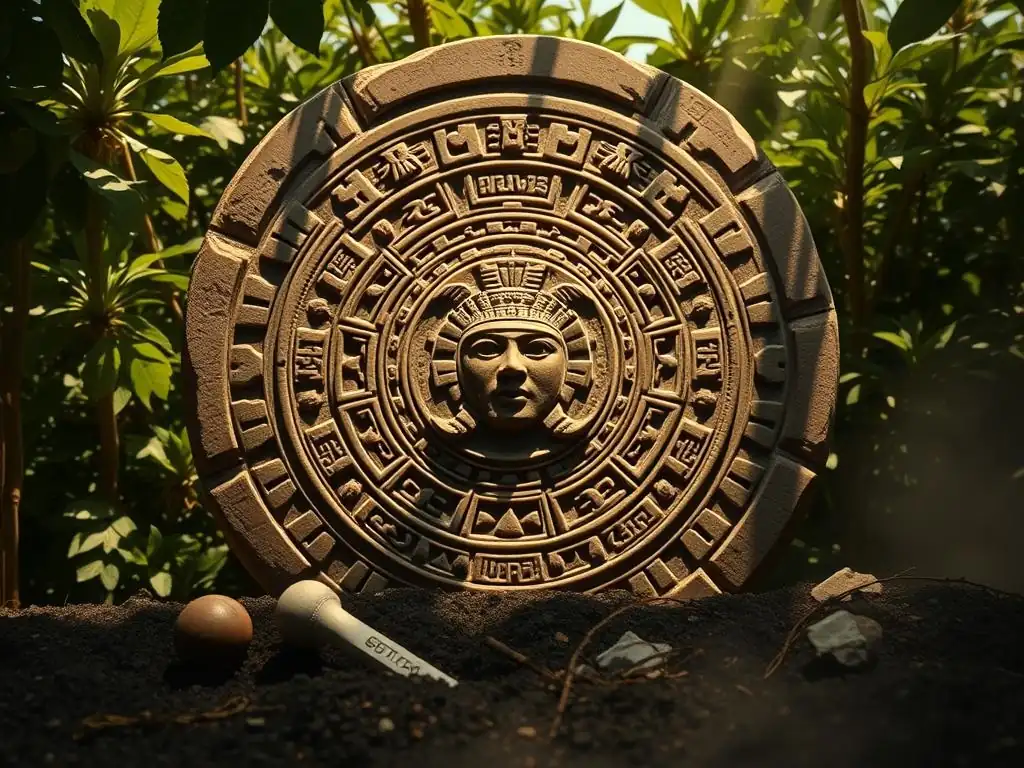
The Aztec calendar is a remarkable example of sophisticated timekeeping that reflects the rich cultural, agricultural, and cosmological beliefs of the Aztec civilization. Its significance extends beyond mere tracking of days; it served as a critical tool for organizing their society, guiding agricultural practices, and underpinning ritual life. The intricate design of the Aztec calendar, with its dual calendar systems—the Tonalpohualli (260-day sacred calendar) and the Xiuhpohualli (365-day solar calendar)—demonstrates a profound understanding of time and its cyclical nature, which was essential for maintaining harmony with the universe.
Cultural Significance of the Aztec Calendar
The cultural significance of the Aztec calendar is deeply rooted in the civilization's worldview. The calendar provided a framework for understanding their place within the cosmos, aligning daily life with spiritual beliefs. Each day was associated with specific deities, which influenced the activities and rituals undertaken by the Aztecs. Festivals and ceremonies were meticulously planned according to the calendar, reflecting a society that revered the passage of time as sacred. The calendar not only dictated agricultural cycles but also served as a communal guide, ensuring that social activities were synchronized with religious observances, thus reinforcing collective identity.
The Role of the Calendar in Agriculture and Rituals
Agriculture was the backbone of Aztec society, and the calendar played a crucial role in determining the timing of planting and harvesting. The Tonalpohualli's 260-day cycle, which included periods of fertility and rest, helped farmers maximize their yields and sustain their communities. Specific days were deemed auspicious for sowing and gathering crops, directly linking agricultural success to the calendar's influence.
In addition to agriculture, the calendar dictated the timing of significant rituals and festivals. These events were often tied to seasonal changes, such as the spring equinox or the summer solstice, reinforcing the connection between timekeeping, the natural world, and spiritual practices. For the Aztecs, adherence to the calendar was essential for ensuring the favor of the gods and maintaining the balance of the cosmos.
Timekeeping and Cosmology in Aztec Beliefs
The Aztec understanding of time was deeply intertwined with their cosmology. They viewed time as cyclical rather than linear, with the belief that the universe went through cycles of creation and destruction. Each of the calendar's 20 day signs was associated with specific energies and deities, intertwining daily existence with divine influence.
The dual calendar systems allowed the Aztecs to engage with both the spiritual and the physical realms. The Tonalpohualli was primarily used for religious and ceremonial purposes, while the Xiuhpohualli provided a framework for agricultural and civil activities. This intricate relationship between timekeeping and cosmology underscores the Aztecs' commitment to understanding and harmonizing with the universe, emphasizing the significance of the calendar in their worldview.
Scientific Precision of the Aztec Calendar
The scientific precision of the Aztec calendar is evident in its sophisticated design and mathematical foundations. The calendar reflects a high level of astronomical knowledge and a keen understanding of celestial cycles, making it one of the most advanced timekeeping systems of its time.
Astronomical Observations in Aztec Calendar Design
The Aztecs were keen observers of celestial events, and these observations played a crucial role in the development of their calendar. They closely monitored solar and lunar cycles, recognizing patterns that enabled them to predict eclipses and other astronomical phenomena. These insights were essential for aligning their calendar with the natural world, ensuring that agricultural and ceremonial activities were synchronized with seasonal changes.
The calendar’s design also reflects the Aztecs' understanding of the solar year, which they estimated to be approximately 365 days. This precision allowed them to develop a calendar that not only tracked time accurately but also adapted to the shifting cycles of nature. By integrating astronomical observations into their timekeeping, the Aztecs demonstrated a remarkable scientific acumen.
Mathematical Calculations Behind the Calendar Systems
The mathematical calculations underlying the Aztec calendar are a testament to their advanced understanding of numbers and geometry. The calendar's two systems—the Tonalpohualli and the Xiuhpohualli—are interrelated through a system of cycles that repeat every 52 years, known as the Calendar Round. This cyclical nature required sophisticated arithmetic to track and predict the alignment of days effectively.
The Aztecs employed a vigesimal (base-20) numeral system, which facilitated complex calculations related to timekeeping. Their ability to calculate and correlate events over extended periods showcases their mathematical prowess. This meticulous attention to mathematical detail ensured the calendar's effectiveness in both daily life and spiritual observance.
Comparison with Other Ancient Timekeeping Systems
When compared to other ancient timekeeping systems, the Aztec calendar stands out for its complexity and dual structure. While many civilizations, such as the Egyptians and Babylonians, developed solar calendars, the Aztecs uniquely integrated a sacred 260-day cycle alongside their solar year. This duality provided a more comprehensive framework for understanding time, blending agricultural, ceremonial, and astronomical elements.
Moreover, the precision of the Aztec calendar in predicting celestial events rivals that of other ancient civilizations. The calendar's ability to synchronize with natural cycles demonstrates a level of scientific sophistication that was advanced for its time. This comparison highlights the Aztec civilization's unique contributions to the field of timekeeping, illustrating their significance in the broader context of ancient scientific achievements.
Legacy of the Aztec Calendar
The Aztec calendar, known as "tonalpohualli" for the sacred 260-day cycle and "xiuhpohualli" for the 365-day solar cycle, is a remarkable legacy that reflects the sophisticated understanding of timekeeping held by the Aztec civilization. This dual calendar system was not merely a tool for tracking days; it was deeply woven into the fabric of Aztec life, influencing agriculture, religious ceremonies, and social organization. The precision of their astronomical observations allowed the Aztecs to create a system that harmonized their cultural practices with natural cycles, showcasing their advanced scientific methodologies.
The legacy of the Aztec calendar extends beyond its historical context. It serves as a testament to the intellectual achievements of Indigenous peoples in the Americas, highlighting their capacity for complex thought and innovation. The calendar's intricate design, featuring 18 months of 20 days each, with an additional month of 5 "empty" days, illustrates not only an understanding of time but also a profound reflection of their worldview, linking cosmology with daily life.
Impact on Modern Understanding of Indigenous Timekeeping
The Aztec calendar has significantly enriched modern understanding of Indigenous timekeeping practices. Scholars and researchers exploring pre-Columbian societies have recognized the calendar's dual system as a sophisticated means to organize time, contrasting sharply with Eurocentric notions of linear time. This recognition has led to a broader appreciation of how Indigenous cultures perceive and construct temporal realities, emphasizing cyclicality, spirituality, and a connection to the natural world.
Moreover, the study of the Aztec calendar has inspired contemporary scholars to delve deeper into the complexities of Indigenous knowledge systems. It challenges outdated stereotypes and fosters a more nuanced understanding of the intellectual traditions that predate European contact. By examining the calendar's role in agricultural cycles, for instance, researchers have uncovered how it facilitated sustainable practices that ensured food security and community resilience.
Preservation of the Aztec Calendar in Contemporary Culture
The Aztec calendar continues to hold relevance in contemporary culture, serving as a symbol of cultural pride and identity. It is frequently referenced in art, literature, and educational curricula, reflecting a resurgence of interest in Indigenous heritage. The iconic stone calendar, known as the Sun Stone, is a powerful emblem of Aztec culture and is often displayed in museums, inspiring awe and curiosity among visitors.
Furthermore, the calendar has been adopted in various forms by modern Indigenous communities as a way to reconnect with ancestral knowledge. Workshops and educational programs aim to teach younger generations about the significance of the calendar, ensuring that its legacy is preserved and celebrated. This cultural revival not only honors the past but also empowers Indigenous peoples to assert their identity and knowledge in a contemporary context.
Influence on Other Mesoamerican Civilizations
The influence of the Aztec calendar extended beyond its own civilization, impacting other Mesoamerican cultures. The calendar's structure and principles can be observed in the practices of neighboring societies, such as the Maya, who also employed sophisticated calendrical systems. The shared understanding of time as cyclical rather than linear reflects a broader Mesoamerican worldview that interconnected various cultures through shared astronomical knowledge.
Additionally, the Aztecs' calendrical innovations, including their methods for tracking celestial events, contributed to a regional understanding of time that transcended political boundaries. This interplay of ideas among civilizations showcases the collaborative nature of Mesoamerican cultures, emphasizing their collective advancements in science and mathematics.
Conclusion: The Enduring Significance of the Aztec Calendar
The Aztec calendar stands as a remarkable achievement in the realm of scientific timekeeping, illustrating the ingenuity and sophistication of the Aztec civilization. Its legacy, rooted in a deep understanding of natural cycles and astronomical phenomena, continues to influence modern perspectives on time and Indigenous knowledge systems.
Summary of Aztec Calendar Contributions to Timekeeping
The Aztec calendar's contributions to timekeeping are manifold. It provided a structured approach to organizing life cycles, agricultural practices, and religious observances. The dual calendar system exemplified a sophisticated grasp of astronomical phenomena and a belief system that integrated time with spirituality. This legacy informs current discussions on Indigenous scientific achievements, highlighting the advanced nature of pre-Columbian societies.
Final Thoughts on Indigenous Scientific Achievements
The enduring significance of the Aztec calendar is a reminder of the rich intellectual traditions that have shaped Indigenous civilizations in the Americas. As modern society continues to explore and appreciate these achievements, it becomes increasingly clear that Indigenous peoples possessed a wealth of knowledge that remains relevant today. Recognizing and celebrating the scientific accomplishments of cultures like the Aztecs enriches our understanding of human history and the diverse ways in which societies have sought to understand their place in the universe.
- Introduction to the Aztec Calendar
- Overview of the Aztec Calendar System
- Importance of Timekeeping in Aztec Society
- The Structure of the Aztec Calendar
- Aztec Calendar Timekeeping Significance
- Scientific Precision of the Aztec Calendar
- Legacy of the Aztec Calendar
- Conclusion: The Enduring Significance of the Aztec Calendar
Frequently Asked Questions
What is the significance of the Aztec calendar in timekeeping?
The Aztec calendar is renowned for its scientific precision, reflecting the advanced understanding of astronomy and mathematics among the Aztecs, which was essential for agricultural and religious practices.
How did the Aztec calendar influence their society?
The Aztec calendar organized time into cycles, which guided their agricultural activities, religious festivals, and social events, thus playing a crucial role in maintaining their societal structure.
What are the two main components of the Aztec calendar?
The Aztec calendar consists of the Tonalpohualli, a 260-day ritual calendar, and the Xiuhpohualli, a 365-day solar calendar, working together to create a comprehensive timekeeping system.
How did the Aztecs view the passage of time?
The Aztecs viewed time as cyclical, believing that each cycle was significant for renewal and recreation, which deeply influenced their mythology and cultural practices.
What impact did the Aztec calendar have on future civilizations?
The Aztec calendar's precision and intricacy influenced later Mesoamerican cultures and provided foundational concepts in timekeeping and astronomy, showcasing the lasting legacy of their knowledge.
Final Reflection: The Timeless Significance of the Aztec Calendar
The Aztec calendar serves as a profound reminder of the intricate relationship between culture and scientific precision in timekeeping. In today's fast-paced world, where time often feels like a commodity to be managed rather than a concept to be understood, the significance of the Aztec calendar stands out as a testament to the sophistication of ancient civilizations. Its ability to harmonize celestial events with daily life showcases not only a remarkable understanding of astronomy but also a deep respect for the cycles of nature that continue to resonate with us today.
Culture is a living tapestry woven from the threads of history, science, and spirituality. The Aztec calendar is not merely a relic of the past; it continues to influence contemporary perspectives on time and existence. Its intricate design and the philosophical underpinnings of timekeeping remind us that our ancestors viewed time as a cyclical journey rather than a linear progression.
As the renowned historian Miguel León-Portilla once said, "> The Aztec calendar reflects the profound connection between the cosmos and human life, revealing a worldview that is both timeless and relevant." This ongoing influence invites us to reconsider our own relationship with time and the natural world.
As we reflect on the lessons embedded within the Aztec calendar, let us strive to embrace a more holistic understanding of time in our lives. Consider how you can integrate the wisdom of ancient timekeeping into your daily routine, fostering a deeper connection with the rhythms of nature and the universe.
By doing so, we honor the legacy of the Aztecs and cultivate a more meaningful existence that transcends the mere ticking of the clock. Take a moment to pause, reflect, and appreciate the intricate dance of time that shapes our lives, and let it inspire you to live with intention and awareness.
Unveil the Wonders of Ancient Timekeeping!
Thank you for exploring the remarkable journey of the Aztec Calendar with us! Your interest in this extraordinary blend of science and culture highlights the incredible ingenuity of indigenous civilizations. Now that you've gained insights into their sophisticated timekeeping methods, it’s time to take action!
Here are some ways you can deepen your understanding and appreciation of this fascinating topic:
- Dive deeper: Visit a local museum or explore online exhibits featuring artifacts related to the Aztec Calendar and other indigenous timekeeping methods.
- Share your knowledge: Discuss what you've learned with friends or on social media—inspire others to appreciate the scientific precision of ancient cultures!
- Expand your research: Look for books, documentaries, or online resources that delve into the broader impact of the Aztec Calendar on modern science and culture.
What aspect of the Aztec Calendar fascinates you the most, and how can you share that passion with others?