
Music and Dance of the Guarani: An Immersive Experience into Indigenous Expressions

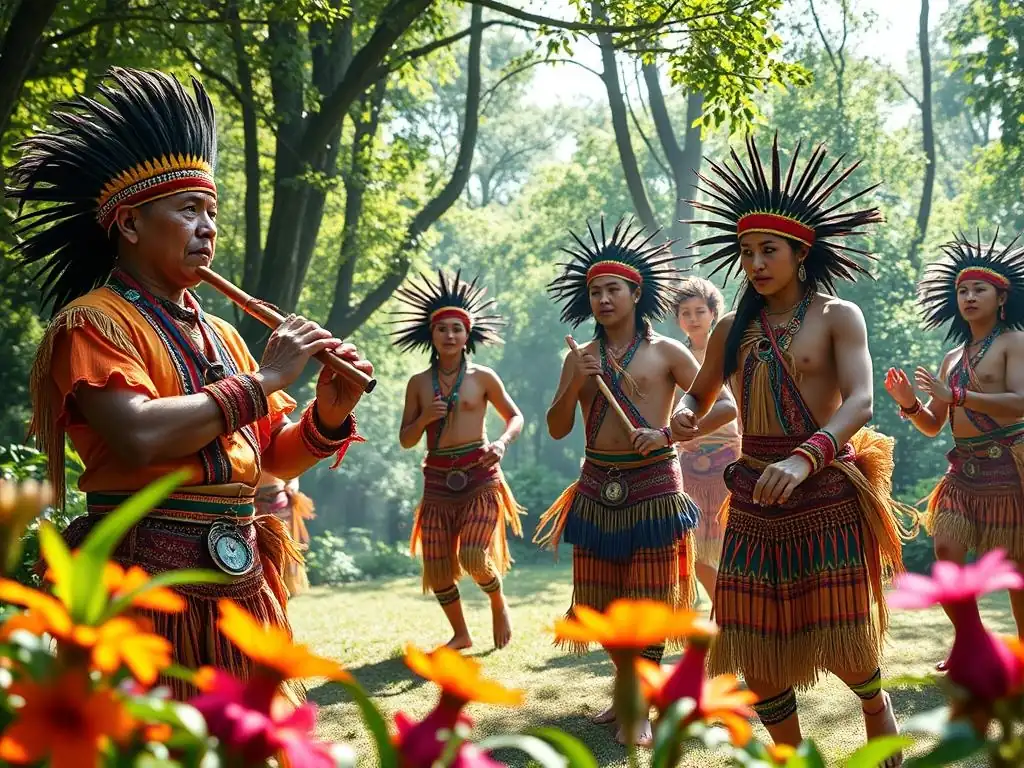
Welcome to Indigenous Civilizations of the Americas, where we embark on a captivating journey through the rich tapestry of indigenous cultures that flourished long before European contact. In our featured article, “Music and Dance of the Guarani: An Immersive Experience into Indigenous Expressions,” you’ll discover the vibrant rhythms and profound meanings behind Guarani indigenous music and dance.
Prepare to be enchanted as we unveil how these art forms not only celebrate community and identity but also echo the resilience and creativity of a people deeply connected to their heritage. Dive in and let the sounds of the Guarani inspire your exploration of the diverse cultural landscapes that shaped the Americas!
- Introduction to Guarani Indigenous Music and Dance
- The Roots of Guarani Indigenous Music
- The Role of Dance in Guarani Indigenous Culture
- Immersive Experiences: Participating in Guarani Music and Dance
- The Influence of Guarani Indigenous Music in Modern Contexts
- Conclusion: Embracing Guarani Indigenous Music and Dance as a Cultural Journey
-
Frequently Asked Questions
- What is the significance of Guarani indigenous music and dance?
- How do Guarani music and dance reflect their cultural values?
- What instruments are commonly used in Guarani indigenous music?
- How has Guarani indigenous music and dance evolved over time?
- Where can one experience Guarani music and dance today?
- Final Reflection: Embracing the Rhythm of Guarani Indigenous Music and Dance
- Immerse Yourself in the Rhythms of Guarani Culture!
Introduction to Guarani Indigenous Music and Dance
The Guarani people, an indigenous group native to South America, possess a rich cultural tapestry that is intricately woven with the threads of music and dance. This article delves into the vibrant world of Guarani indigenous music and dance, exploring their significance within the community and the profound impact they have had on both the Guarani culture and the broader South American landscape. Before European colonization, the Guarani societies flourished, fostering a deep connection to their environment through artistic expressions that resonate with their spiritual beliefs, social values, and communal bonds.
From enchanting melodies to rhythmic movements, the traditions of the Guarani offer an immersive experience into their world, revealing insights into their identity and resilience. Let us embark on this journey to understand the essence of Guarani music and dance and how these art forms continue to inspire and captivate.
Understanding the Importance of Music and Dance in Guarani Culture
Music and dance are not mere forms of entertainment for the Guarani; they serve as vital expressions of their cultural identity and communal life. These artistic forms are intertwined with daily rituals, celebrations, and spiritual practices, reflecting the Guarani's deep connection to nature and the cosmos.
- Cultural Significance:
- Music is often used in ceremonies, such as weddings and harvest festivals, symbolizing unity and gratitude.
- Dance is a way to convey stories and ancestral knowledge, fostering a sense of belonging among community members.
- Educational Role:
- Through music and dance, younger generations learn about their history, values, and traditions.
- These performances are often accompanied by traditional instruments, such as the mbopi (a type of guitar) and karai (a flute), which are essential in teaching rhythmic patterns and melodies.
- Spiritual Connection:
- The Guarani believe that music has the power to connect them with their ancestors and the spiritual world.
- Many songs are dedicated to their deities, expressing reverence and seeking blessings.
As we explore the various elements of Guarani music and dance, it becomes clear that they are central to the community’s social fabric, embodying their history, spirituality, and cultural resilience.
Overview of Guarani Indigenous Traditions and Their Impact
The Guarani's musical and dance traditions are characterized by their diversity and adaptability, influenced by their environment and historical experiences.
- Traditional Instruments:
- The mbopi and karai are complemented by percussion instruments like the pandeiro and trompa, creating a rich soundscape that enhances their performances.
- These instruments are often crafted from local materials, embodying the Guarani's connection to their land.
- Dance Styles and Themes:
- Guarani dances often depict themes of nature, history, and mythology, allowing performers to narrate their stories through movement.
- Each dance has its unique rhythm and style, often performed during significant communal events.
- Cultural Exchange and Influence:
- The Guarani music and dance traditions have not only preserved their identity but have also influenced neighboring cultures in South America.
- Contemporary artists draw inspiration from Guarani traditions, showcasing their relevance in today’s cultural landscape.
The Guarani indigenous music and dance are vital elements of their cultural heritage, reflecting their history, beliefs, and social values. As we further explore these traditions, we uncover the layers of meaning and significance that continue to resonate within and beyond the Guarani community.
The Roots of Guarani Indigenous Music
Historical Context of Guarani Music and Dance
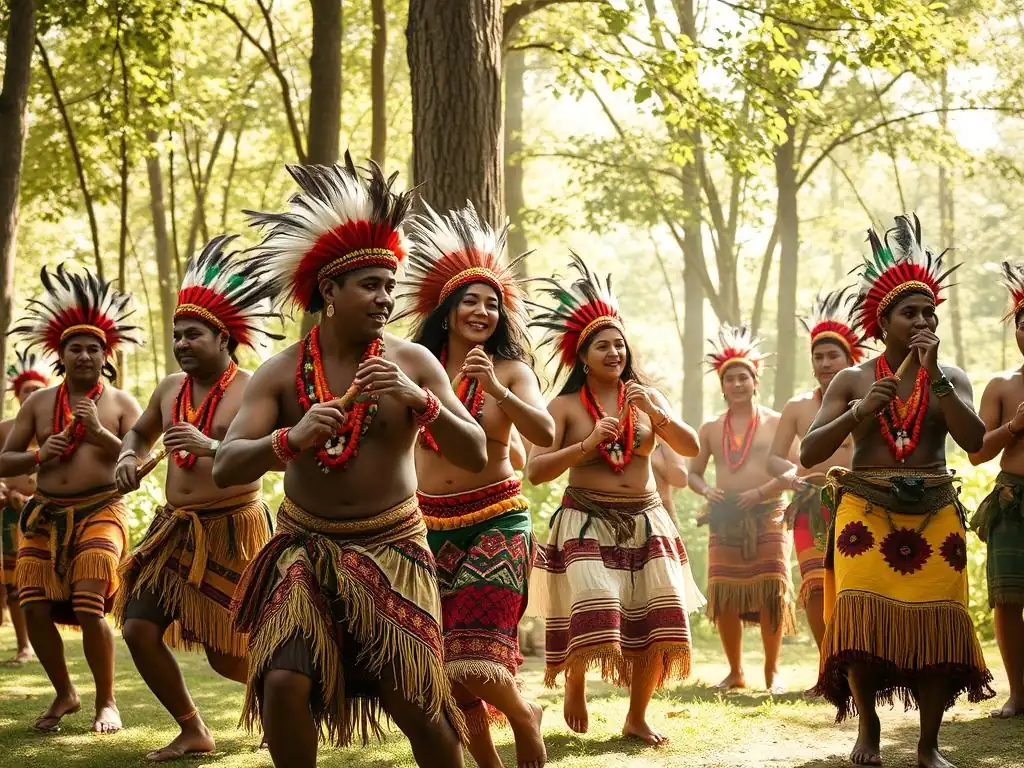
Guarani indigenous music and dance have deep historical roots that reflect the cultural and spiritual life of the Guarani people, predominantly located in Paraguay, parts of Brazil, Argentina, and Bolivia. Traditionally, music and dance were integral to various aspects of Guarani life, serving not only as forms of entertainment but also as essential components of rituals, ceremonies, and communal gatherings.
The history of Guarani music can be traced back to pre-colonial times when the Guarani engaged in storytelling through song, often using their performances to convey ancestral knowledge and cultural values. These musical expressions were closely tied to nature, with many songs inspired by the sounds of the surrounding environment, such as the rustling leaves, flowing rivers, and calls of wildlife. As a result, their music often reflects a profound respect for the land and its resources.
With the arrival of European colonizers in the 16th century, Guarani music faced significant changes. The introduction of new musical instruments and styles led to a fusion of indigenous and European influences. Despite these changes, the Guarani have maintained a strong connection to their traditional music, which remains a vital part of their cultural identity today. Rituals such as the Nande Reko (the "Way of Living") celebration showcase traditional dances and songs, emphasizing the continuity of their cultural practices.
Instruments Used in Guarani Indigenous Music
The Guarani people utilize a variety of instruments that play crucial roles in their musical expressions. These instruments are not only functional but also carry cultural significance, often being handcrafted with materials sourced from their natural environment.
Traditional Instruments: The Berimbau and the Maraca
Two of the most iconic traditional instruments in Guarani music are the Berimbau and the Maraca.
- Berimbau: This single-string percussion instrument, made from a wooden bow and a gourd resonator, is primarily used in capoeira but has found its place in Guarani musical traditions. The berimbau is played by striking the string with a small stick while simultaneously hitting the gourd, producing a rhythmic and melodic sound that enhances dance performances.
- Maraca: Known for its distinctive rattling sound, the maraca is typically made from hollowed-out gourds filled with seeds or pebbles. The Guarani use maracas during celebrations and rituals to maintain rhythm and engage participants in dance. The sound of the maraca symbolizes the heartbeat of the community, fostering a sense of unity among dancers.
Modern Adaptations: Fusion of Old and New Sounds
As Guarani indigenous music continues to evolve, modern adaptations have emerged that blend traditional sounds with contemporary music elements. This fusion has allowed for the exploration of new genres while preserving the essence of Guarani cultural expressions.
Musicians today often incorporate electronic instruments, such as synthesizers and digital percussion, alongside traditional instruments, creating a unique soundscape that resonates with younger generations. Collaborations with artists from various backgrounds have also led to innovative musical projects that celebrate Guarani heritage while engaging with broader audiences. This adaptation reflects a dynamic cultural landscape where tradition and modernity coexist, allowing the Guarani to share their rich musical heritage on a global stage.
The ongoing evolution of Guarani indigenous music and dance showcases their resilience and adaptability, ensuring that these cultural expressions remain relevant and vital for future generations.
The Role of Dance in Guarani Indigenous Culture
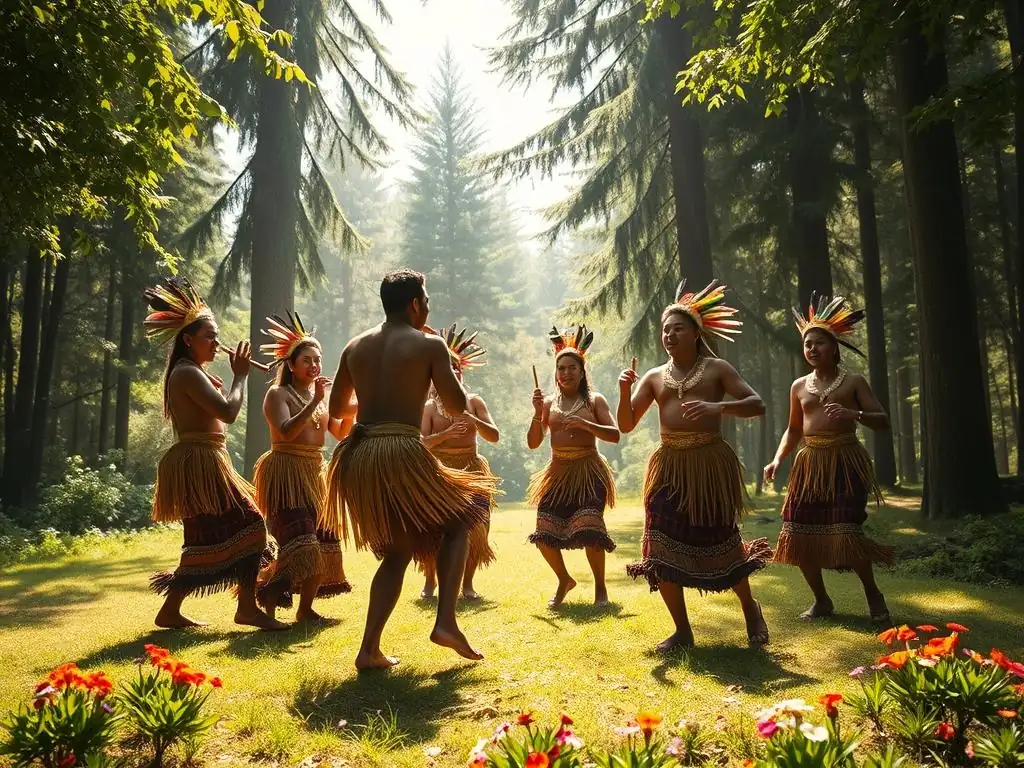
Dance holds a vital role in Guarani indigenous culture, serving as a medium for storytelling, cultural expression, and community bonding. It is not merely a form of entertainment; rather, it embodies the spiritual beliefs, historical narratives, and social values of the Guarani people. Through dance, the Guarani articulate their understanding of the world, their relationships with nature, and their communal identity.
Traditional dances are often accompanied by music that incorporates native instruments, such as the berimbau, rabel, and various percussion instruments. The rhythms and movements of the dances reflect the environment, imitating the sounds of nature and the essence of the spirits that inhabit it. These performances are integral to rituals, celebrations, and community gatherings, reinforcing social cohesion and cultural continuity.
Types of Traditional Guarani Dances
The diversity of traditional Guarani dances is a testament to their rich cultural heritage. Each dance serves a unique purpose and is characterized by specific movements, music, and attire. Below are some notable types of Guarani dances:
- Ceremonial Dances: Often performed during important rituals, these dances connect the community with their ancestral spirits and are integral to religious practices.
- Harvest and Agricultural Dances: These are performed to celebrate the cycle of planting and harvesting, showing gratitude to the earth for its bounty.
- War Dances: Historically, these dances were performed to prepare warriors for battle, instilling courage and unity among them.
- Social Dances: These dances serve to celebrate important life events such as weddings, births, and other communal festivities.
The "Teko Porã" and Its Significance
One of the most significant dances in Guarani culture is the "Teko Porã," which translates to "the good way of being." This dance encompasses the values of harmony, balance, and respect for life. It is often performed during communal gatherings and festivals, embodying the Guarani worldview that emphasizes the interconnectedness of all beings.
The movements in the Teko Porã are both graceful and deliberate, showcasing the dancers' connection to nature and each other. The dance serves as a reminder of the importance of living in accordance with the environment and maintaining respectful relationships within the community. Participants often dress in traditional attire made from natural materials, further emphasizing their connection to the land.
Celebratory Dances: Rituals and Festivals
Celebratory dances are central to Guarani festivals and rituals, marking important seasonal changes, agricultural cycles, and community milestones. These performances are characterized by festive music, vibrant costumes, and collective participation.
For instance, during the Año Nuevo Guaraní celebration, the community engages in various dances that symbolize renewal and the arrival of new beginnings. The dances often include storytelling elements that recount historical events and legends, fostering a sense of identity and belonging among participants.
Additionally, major life events, such as marriages or the initiation of young members into adulthood, are often accompanied by specific dances that reinforce social bonds and cultural teachings. These rituals highlight the importance of community and the shared heritage of the Guarani people.
The Connection Between Dance and Community Identity
Dance is a powerful expression of community identity among the Guarani. It serves as a repository of history, tradition, and collective memory. Through dance, the Guarani people transmit their values, beliefs, and stories to future generations, ensuring the continuity of their cultural identity.
Moreover, the act of dancing together strengthens interpersonal bonds within the community. It fosters a sense of belonging and unity, as individuals participate in the shared experience of cultural expression. The communal nature of dance reinforces social ties, encouraging collaboration and mutual support among community members.
As globalization and modernization continue to influence indigenous cultures, the preservation of traditional dance practices becomes increasingly crucial. By engaging in these dances, the Guarani reaffirm their identity and resist cultural erosion, celebrating their heritage while adapting to contemporary realities.
The role of dance in Guarani indigenous culture transcends mere performance; it is a vital component of their identity, spirituality, and social fabric. Through various traditional dances, the Guarani articulate their connection to the past, their community, and the natural world, ensuring that their rich cultural legacy endures.
Immersive Experiences: Participating in Guarani Music and Dance
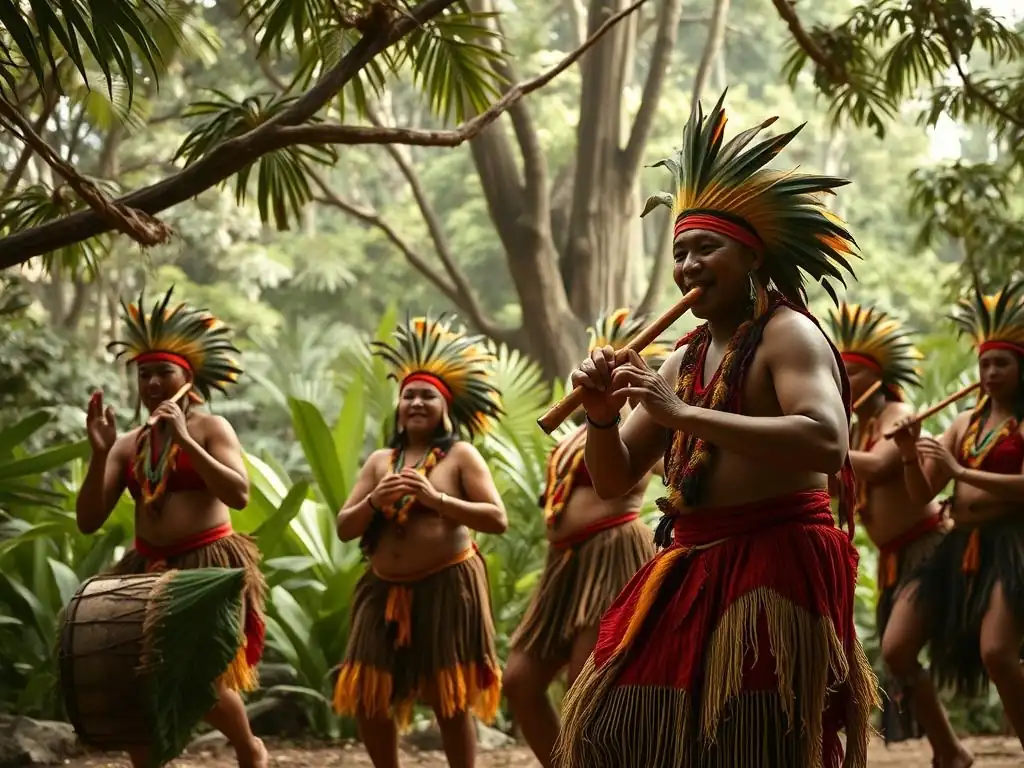
The Guarani people, known for their rich cultural heritage, invite enthusiasts to immerse themselves in their world through music and dance. Engaging with Guarani indigenous music and dance offers a unique opportunity to connect with the community, understand their traditions, and appreciate their artistic expressions. These immersive experiences are not just performances; they are a celebration of identity, history, and spirituality.
Cultural Centers and Workshops: Engaging with the Guarani Community
Top Places to Experience Guarani Indigenous Music
- Cultural Centers
- Centro Cultural Guarani (Asunción, Paraguay): This center serves as a hub for Guarani culture, offering workshops, exhibitions, and live performances. Visitors can participate in traditional music sessions and learn about the instruments used, such as the arpa paraguaia and the berimbau.
- Museo de la Ciudad (Curitiba, Brazil): The museum features regular events that showcase Guarani music and dance, providing an educational platform for those interested in indigenous culture.
- Workshops
- Guarani Music Workshops: Many cultural centers offer hands-on workshops where participants can learn about Guarani instruments and techniques. These sessions often include lessons on rhythm and melody, emphasizing the communal aspect of Guarani music.
- Dance Classes: Workshops focusing on traditional dance styles, such as the danza de las hojas or danza del fuego, allow participants to experience the physicality and storytelling inherent in Guarani dance.
Online Workshops for Learning Guarani Dance
In recent years, online platforms have made it easier to learn about Guarani indigenous music and dance from anywhere in the world. These virtual workshops often feature:
- Live Instruction: Qualified instructors guide participants through traditional dance movements, integrating cultural narratives and significance into the lessons.
- Recorded Sessions: Many organizations offer pre-recorded classes that allow learners to practice at their own pace, ensuring a deeper understanding of the movements and their meanings.
- Community Interaction: Online forums and social media groups enable participants to share their experiences and connect with others interested in Guarani culture.
Festivals Celebrating Guarani Music and Dance
Festivals play a crucial role in preserving and promoting Guarani culture. They serve as vibrant gatherings where music, dance, and community spirit flourish.
Notable Events: The Guarani Cultural Festival and Its Importance
One of the most significant events is the Guarani Cultural Festival, held annually in various locations across Paraguay and Brazil. This festival celebrates Guarani indigenous music and dance through:
- Performances: Traditional music and dance performances take center stage, showcasing both professional artists and community members. The festival often features groups performing música ancestral, a blend of ancient melodies and contemporary interpretations.
- Workshops and Talks: Attendees can participate in interactive workshops and attend lectures that delve into the history and significance of Guarani music and dance, providing context to the performances.
- Cultural Exchange: The festival serves as a platform for cultural exchange, attracting visitors from around the world who come to appreciate and learn about Guarani traditions. This interaction fosters respect and understanding between different cultures.
Engaging with Guarani indigenous music and dance through immersive experiences not only enriches personal knowledge but also contributes to the preservation and appreciation of a vibrant cultural heritage that continues to thrive today.
The Influence of Guarani Indigenous Music in Modern Contexts
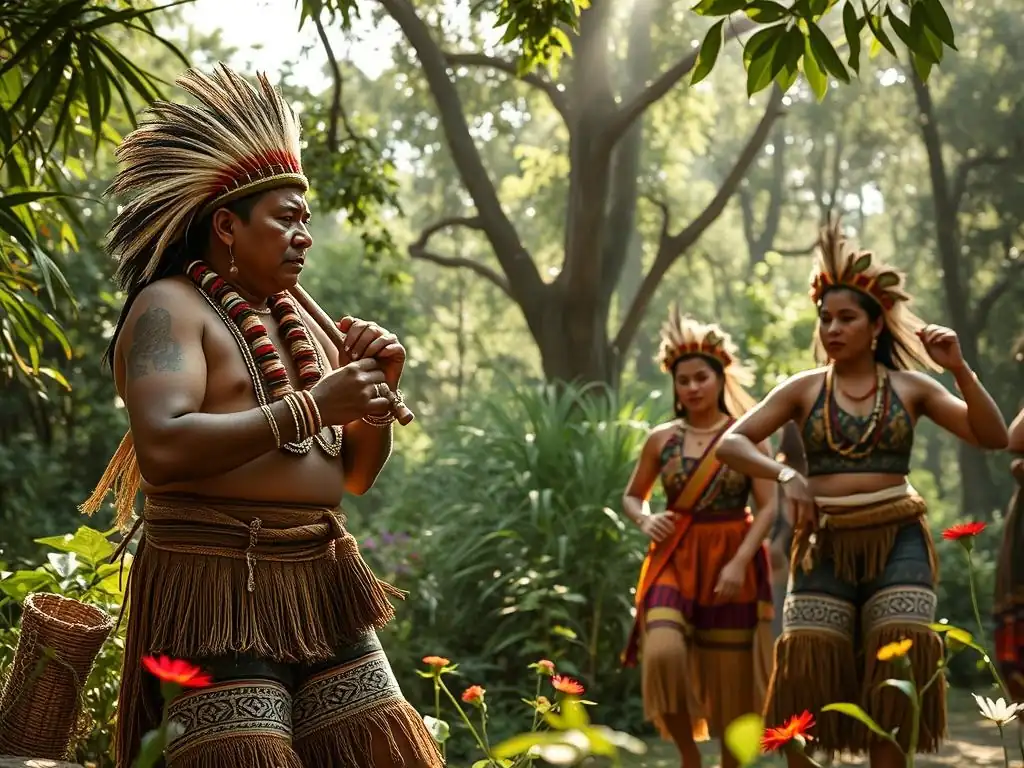
In recent years, Guarani indigenous music has transcended its traditional boundaries, influencing contemporary music scenes both in South America and globally. This evolution is not merely a matter of aesthetic adaptation; it reflects a deeper appreciation and recognition of the cultural heritage embedded within these musical forms. As the world becomes increasingly interconnected, the sounds of Guarani music resonate with new audiences, creating a vibrant dialogue between the past and present.
Contemporary Artists and Their Contributions
Contemporary artists have been pivotal in revitalizing and promoting Guarani indigenous music, often blending traditional elements with modern musical styles. This fusion not only enhances the accessibility of Guarani music but also ensures its preservation. Below are some noteworthy contributions:
- Zé Vicente: A prominent figure in the Guarani music scene, Zé Vicente has dedicated his career to showcasing the depth and beauty of Guarani musical traditions. His works often incorporate traditional instruments, such as the berimbau and flute, weaving them into contemporary arrangements that appeal to a wider audience.
- Yvoty: This group combines Guarani rhythms with popular music genres, creating a unique sound that resonates with younger generations. Their performances are characterized by vibrant energy, making them a staple at cultural festivals.
- Mimi: An emerging artist who infuses Guarani musical themes into electronic music, Mimi’s approach demonstrates the versatility of Guarani sounds. Her innovative style has garnered attention on social media platforms, encouraging a new appreciation for indigenous music.
Highlighting Artists: Zé Vicente and Their Impact on Guarani Music
Zé Vicente stands as a quintessential example of how traditional Guarani music can be reinterpreted in a modern context. His music often features lyrics that reflect Guarani spirituality, nature, and community life, allowing listeners to connect with the cultural narratives of the Guarani people. Here are some of his notable contributions:
- Albums: Zé Vicente's albums, such as Cantos do Povo Guarani, have been instrumental in educating audiences about the Guarani culture. His songs often tell stories of ancestral knowledge and the importance of land and nature.
- Collaborations: By collaborating with artists from various genres, Vicente has broadened the reach of Guarani music. His work with various Brazilian musicians has helped to bridge cultural gaps and foster appreciation for indigenous sounds.
- Workshops and Performances: Through workshops, Zé Vicente engages with communities, teaching the younger generation about traditional music. His performances are celebrated for their authenticity, serving as a cultural revival tool.
Collaboration Between Traditional and Modern Genres
The collaboration between traditional Guarani music and modern genres exemplifies a creative synergy that enriches both forms. Musicians are increasingly experimenting with cross-genre collaborations, leading to innovative projects that highlight the adaptability of Guarani music. Here are some key aspects of these collaborations:
- Fusion Genres: Artists are blending Guarani rhythms with genres such as jazz, rock, and electronic music, creating a new soundscape that respects traditional elements while appealing to contemporary tastes.
- Cultural Festivals: Events like the Festival Internacional de Música Guarani showcase these collaborations, bringing together artists from various backgrounds to celebrate and innovate upon indigenous music.
- Educational Outreach: Many modern musicians are committing to educating their audiences about the significance of Guarani music and its cultural context. This outreach fosters a greater understanding and appreciation for indigenous traditions.
The influence of Guarani indigenous music in modern contexts is a testament to its resilience and adaptability. Through the efforts of contemporary artists and innovative collaborations, Guarani music continues to thrive, ensuring its legacy for future generations.
Conclusion: Embracing Guarani Indigenous Music and Dance as a Cultural Journey
The Guarani indigenous music and dance offer a profound insight into the rich cultural heritage of the Guarani people. Engaging with these artistic expressions not only allows us to appreciate their aesthetic beauty but also fosters a deeper understanding of their histories, beliefs, and social structures. Music and dance serve as a bridge connecting generations, maintaining traditions that have been passed down through oral history and performance.
Incorporating elements such as traditional instruments, vibrant costumes, and choreographed movements, Guarani performances encapsulate the essence of their worldview. Every rhythm and step has meaning, reflecting the spiritual and communal values of the Guarani culture. This immersive experience allows participants to engage with the culture on a sensory level, promoting a greater appreciation for the diversity of indigenous traditions across the Americas.
The Importance of Preserving Indigenous Expressions
Preserving Guarani indigenous music and dance is crucial for several reasons. Firstly, these art forms are vital components of cultural identity, providing a sense of belonging and continuity for the Guarani people. As globalization threatens to dilute cultural uniqueness, actively preserving these expressions helps maintain the integrity of Guarani heritage.
Moreover, music and dance serve as living histories, conveying stories and teachings that have been integral to the Guarani way of life. For instance, traditional songs often recount historical events, mythologies, and natural phenomena, encapsulating the community's collective memory. By ensuring that these expressions are passed on to future generations, we safeguard not only the artistic forms but also the narratives and values embedded within them.
In addition, supporting Guarani indigenous music and dance contributes to the broader movement of cultural revitalization. As more individuals and organizations recognize the importance of indigenous expressions, there is a growing movement to create platforms for these performances, fostering appreciation and respect among diverse audiences. This not only benefits the Guarani community but also enriches the cultural tapestry of the Americas.
How to Support Guarani Culture Through Music and Dance
Supporting Guarani culture through music and dance can take many forms, and every effort contributes to the preservation and appreciation of this rich heritage. Here are several ways individuals and communities can engage:
- Attend Performances: Engaging with Guarani music and dance by attending local performances or cultural festivals helps raise awareness and appreciation for their art forms. This also provides a platform for Guarani artists to showcase their talents.
- Participate in Workshops: Many organizations offer workshops led by Guarani artists, providing an opportunity to learn traditional dances or music techniques. Participation in these workshops can deepen understanding and ensure that these practices are kept alive.
- Promote Indigenous Artistry: Sharing information about Guarani musicians and dancers through social media or community events can help amplify their voices. Highlighting their contributions fosters a greater appreciation for their cultural expressions.
- Support Indigenous Organizations: Contributing to organizations that work towards preserving indigenous cultures can have a lasting impact. These organizations often focus on educational initiatives, cultural exchanges, and direct support for artists.
- Advocate for Cultural Recognition: Engaging in dialogues about the importance of indigenous rights and cultural expression can influence policies that affect indigenous communities. Supporting initiatives that recognize the rights of the Guarani and other indigenous peoples is essential for their cultural survival.
By actively participating in these supportive actions, individuals can play a crucial role in ensuring that Guarani indigenous music and dance continue to thrive, enriching not only the Guarani community but also the cultural landscape of South America.
Frequently Asked Questions
What is the significance of Guarani indigenous music and dance?
Guarani indigenous music and dance play a crucial role in expressing cultural identity, preserving traditions, and fostering community bonds among the Guarani people.
How do Guarani music and dance reflect their cultural values?
The rhythms and movements in Guarani music and dance often convey spiritual beliefs, stories, and historical narratives, highlighting the importance of nature and community in their worldview.
What instruments are commonly used in Guarani indigenous music?
Traditional instruments such as the berimbau, maracas, and flutes are integral to Guarani music, providing distinctive sounds that accompany various dances and rituals.
How has Guarani indigenous music and dance evolved over time?
While maintaining their cultural essence, Guarani music and dance have incorporated elements from other cultures, leading to a dynamic fusion that reflects changing social contexts and influences.
Where can one experience Guarani music and dance today?
Many communities and festivals in regions where the Guarani reside offer opportunities to experience live performances, workshops, and cultural events that celebrate and promote Guarani indigenous music and dance.
Final Reflection: Embracing the Rhythm of Guarani Indigenous Music and Dance
The vibrant expressions of Guarani indigenous music and dance are not just relics of the past; they are living traditions that resonate deeply in today's world. As we navigate a global landscape increasingly marked by cultural homogenization, the unique rhythms and movements of the Guarani serve as a powerful reminder of the richness of indigenous heritage. These art forms are not only vital for preserving identity but also for fostering understanding and respect among diverse cultures.
The influence of Guarani music and dance extends far beyond their geographical origins, shaping the cultural landscape and inspiring countless artists and communities worldwide. The intricate melodies and dynamic dances invite us to reflect on our own connections to heritage and community. As noted by a renowned ethnomusicologist, Music and dance are the heartbeats of culture; they pulse with the stories and struggles of a people.
This observation underscores the importance of engaging with and honoring the traditions that have shaped our collective human experience.
As you reflect on the themes presented in this article, I invite you to consider how you can incorporate the lessons of Guarani indigenous music and dance into your own life. Take a moment to explore the rhythms that resonate with you, whether through dance, music, or simply by appreciating the stories behind these art forms. By embracing and celebrating the diversity of cultural expressions, we can contribute to a more inclusive and harmonious world, where every voice is heard and every rhythm is valued.
Immerse Yourself in the Rhythms of Guarani Culture!
Thank you for taking the time to explore the vibrant music and dance of the Guarani people. We hope you feel inspired by their incredible artistry and the deep cultural expressions they represent. Now, it’s your turn to dive deeper and connect with these indigenous traditions in meaningful ways!
Here are some actionable steps you can take to further engage with the Guarani culture:
- Attend a local event: Look for cultural festivals or workshops focused on indigenous music and dance in your area. Experiencing these performances live allows you to support and appreciate these beautiful expressions of identity!
- Explore online resources: Dive into documentaries or podcasts that feature Guarani music and stories. These narratives can greatly enrich your understanding and appreciation of their rich heritage.
- Share your newfound knowledge: Spread the word about the beauty of Guarani culture on your social media platforms. Encourage your friends to join in this exploration!
How has the music and dance of the Guarani influenced your perspective on indigenous cultures? We invite you to share your thoughts in the comments below!