
The Preservation of Moche Artifacts: Challenges and Innovations in Archaeology

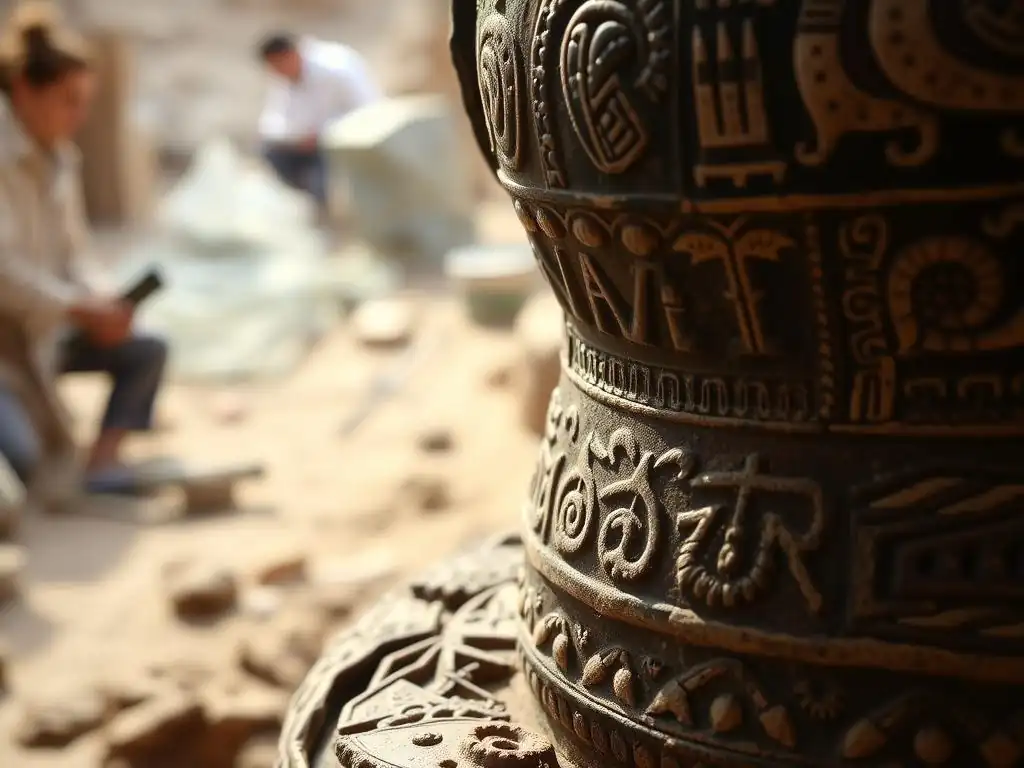
Welcome to Indigenous Civilizations of the Americas, where we embark on a captivating journey through the rich tapestry of indigenous cultures that flourished before European colonization. Here, you will uncover the remarkable achievements and enduring legacies of these societies. In our featured article, “The Preservation of Moche Artifacts: Challenges and Innovations in Archaeology,” we delve into the intricate world of preserving Moche archaeological artifacts.
What methods are being employed to protect these treasures from the past, and what obstacles do archaeologists face in their preservation efforts? Join us as we explore these pressing questions and more, igniting your curiosity about the incredible civilizations that shaped the Americas.
- Introduction to the Preservation of Moche Artifacts
- Historical Context of Moche Civilization
- Challenges in Preserving Moche Archaeological Artifacts
- Innovations in the Preservation of Moche Artifacts
- Best Practices for Preserving Moche Artifacts
- Future Directions for Moche Artifact Preservation
- Conclusion: The Ongoing Journey of Preserving Moche Archaeological Artifacts
- Frequently Asked Questions
- Final Reflection: Preserving Moche Archaeological Artifacts for Future Generations
- Unveil the Mystery: Take Action for Moche Artifacts!
Introduction to the Preservation of Moche Artifacts
The preservation of Moche archaeological artifacts stands as a testament to the rich and complex history of the Moche civilization, which flourished along the northern coast of present-day Peru between 100 and 800 AD. As one of the most significant pre-Columbian cultures, the Moche left behind a remarkable legacy of art, architecture, and innovation that continues to captivate archaeologists and historians alike.
However, the preservation of these artifacts faces numerous challenges due to environmental factors, human activities, and the inherent fragility of the materials used by the Moche artisans. This article delves into the importance of these artifacts in understanding indigenous history, highlights the obstacles encountered in their preservation, and explores the innovative techniques being implemented to safeguard this invaluable cultural heritage for future generations.
Importance of Moche Artifacts in Indigenous History
Moche artifacts provide critical insights into the social, political, and religious life of one of the most advanced civilizations in ancient America. Their intricate pottery, elaborate metalwork, and monumental architecture reveal a society that was not only skilled in craftsmanship but also complex in its structure and beliefs.
- Cultural Significance:
- The Moche were known for their detailed ceramics that often depicted mythological themes, daily life, and ritual practices. These artifacts serve as a window into their worldview and social practices.
- Technological Advancements:
- The Moche were pioneers in various forms of engineering, as seen in their irrigation systems and large-scale construction projects. Artifacts related to these innovations highlight the sophistication of their society.
- Artistic Legacy:
- The artistry of Moche metalwork, particularly in gold and silver, is renowned for its exquisite detail and craftsmanship, influencing subsequent cultures in the region.
These artifacts not only enrich our understanding of the Moche civilization but also contribute to the broader narrative of indigenous cultures across the Americas, underscoring their achievements and resilience in the face of external challenges.
Overview of Challenges in Preserving Moche Archaeological Artifacts
The preservation of Moche archaeological artifacts is fraught with challenges that threaten their integrity and future accessibility. Key issues include:
- Environmental Factors:
- Humidity and Temperature: The coastal climate of Peru poses risks such as corrosion of metals and deterioration of organic materials.
- Natural Disasters: Earthquakes, flooding, and erosion can rapidly alter archaeological sites and compromise artifacts.
- Human Activities:
- Looting and Illegal Excavation: The high value placed on Moche artifacts has led to rampant looting, resulting in irreversible loss of context and history.
- Urban Development: Expansion of urban areas can encroach on archaeological sites, leading to destruction or damage of artifacts.
- Material Fragility:
- Many Moche artifacts are made from perishable materials, such as textiles and organic compounds, which are inherently susceptible to decay over time.
Addressing these challenges is crucial for ensuring that Moche artifacts are not only preserved for academic study but also appreciated by future generations. Innovative preservation techniques and community engagement are essential components of a comprehensive strategy to protect these irreplaceable cultural treasures.
Historical Context of Moche Civilization
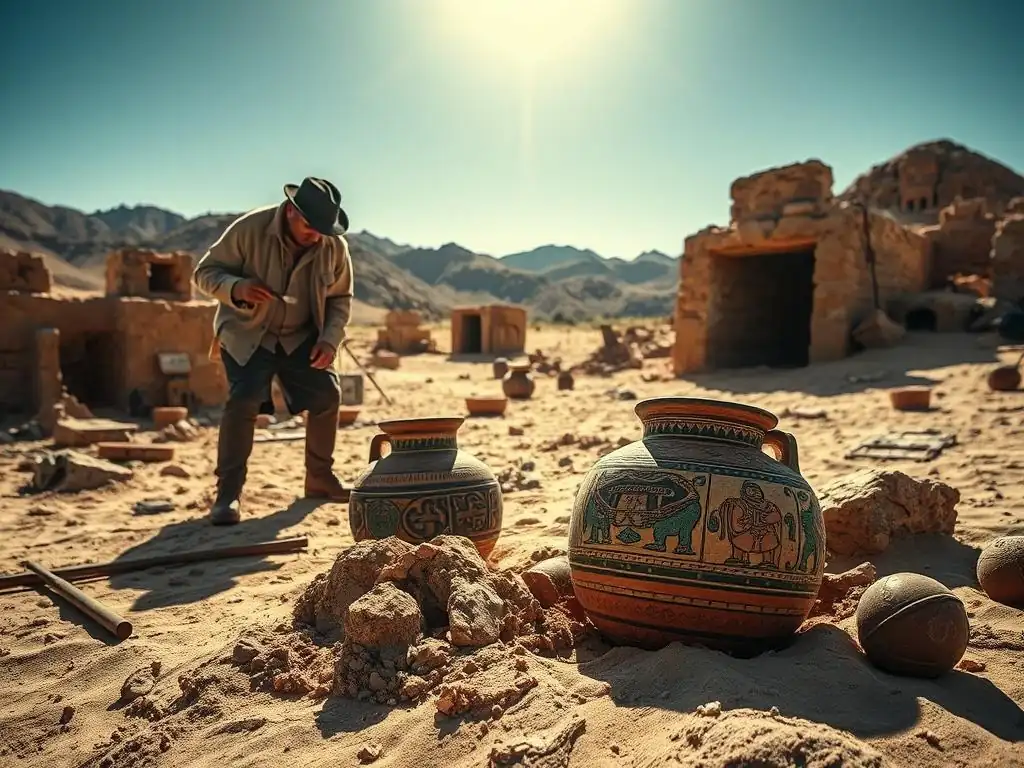
The Moche civilization, which flourished along the northern coast of present-day Peru from approximately 100 CE to 800 CE, is renowned for its sophisticated society, intricate artistry, and impressive engineering. This culture emerged in a region characterized by its arid climate, where the Moche ingeniously developed agricultural practices, including irrigation systems that allowed them to cultivate crops in challenging conditions. Their society was deeply hierarchical, with a clear distinction between the elite and the common populace, and it was marked by an impressive array of achievements in various domains, including art, architecture, and metallurgy.
The Rise and Fall of the Moche Culture
The Moche civilization rose to prominence around the beginning of the first millennium, largely due to its agricultural advancements and strategic location along the coast. The Moche were adept at managing river systems, particularly the Moche River, which provided the necessary water for agriculture. This success in farming supported a growing population and led to the establishment of complex urban centers, such as the renowned city of Huacas del Sol y de la Luna.
Moche society was characterized by a theocratic system, where religious leaders held significant power. The civilization is famous for its monumental architecture, including the construction of large ceremonial pyramids made from adobe bricks. These structures served not only as religious centers but also as political hubs, reflecting the sophisticated organization of Moche society.
However, the Moche civilization faced significant challenges toward the end of the first millennium. Environmental factors, such as prolonged droughts and flooding, likely contributed to agricultural decline, which in turn affected the social structure and economic stability of the civilization. By around 800 CE, the Moche civilization began to decline, leading to the eventual disintegration of their society. Despite this fall, the legacy of the Moche persists through their remarkable artifacts, which provide insight into their complex belief systems, daily life, and social organization.
Significance of Moche Artifacts in Understanding Indigenous Civilizations
Moche artifacts hold immense significance in the study of indigenous civilizations, serving as a window into the cultural, social, and technological innovations of the Moche people. These artifacts include pottery, textiles, metalwork, and monumental architecture, each revealing aspects of Moche life and worldview.
- Artistic Expression: The Moche were exceptional artisans, with their pottery often characterized by intricate designs and realistic depictions of human figures, animals, and mythological themes. This artistry not only showcases their skills but also provides insights into their beliefs, rituals, and social hierarchy.
- Technological Advancements: The metalwork of the Moche, particularly their use of gold and silver, demonstrates their advanced techniques in metallurgy. These artifacts highlight the Moche's trade networks and their interactions with other cultures, reflecting a broader context of cultural exchange in the Americas.
- Religious and Political Insights: The ceremonial items and architectural remnants, such as the pyramids and temples, illustrate the Moche's religious practices and the central role of the elite in maintaining social order. The artifacts found within these sites often include offerings made to deities, revealing the spiritual life and cosmology of the Moche people.
- Cultural Continuity: Studying Moche artifacts helps to trace the continuity and transformations in indigenous cultures in Peru. Many aspects of Moche culture influenced later civilizations, such as the Inca, making their artifacts crucial for understanding the broader narrative of Andean history.
Preserving Moche archaeological artifacts is vital for safeguarding the rich legacy of this civilization and enhancing our understanding of the complex societies that existed in the Americas prior to European colonization.
Challenges in Preserving Moche Archaeological Artifacts
Environmental Factors Affecting Moche Artifacts
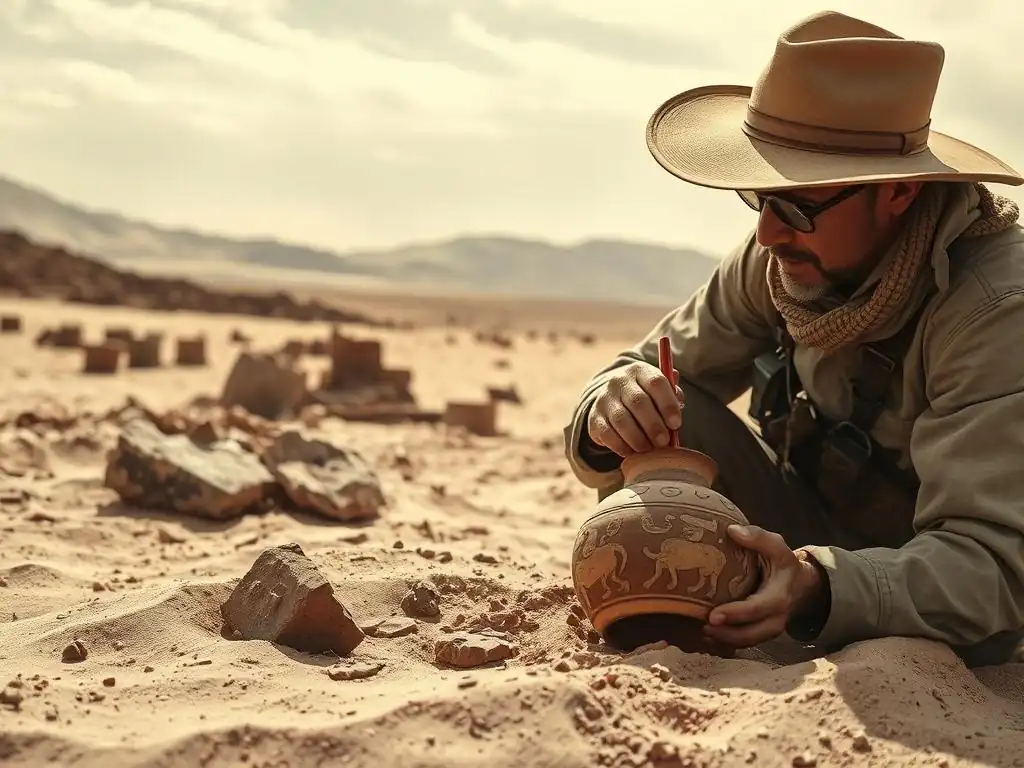
Preserving Moche archaeological artifacts poses significant challenges, primarily due to environmental factors. The Moche civilization, which flourished in what is now northern Peru between 100 AD and 800 AD, left behind a rich legacy of pottery, textiles, and metalwork. However, these artifacts are vulnerable to various elements:
- Humidity and Moisture: The coastal desert climate of Peru can be deceptive, with dry conditions leading to rapid deterioration of organic materials. For instance, textiles made from cotton and wool are particularly susceptible to mold and decay when exposed to moisture.
- Temperature Fluctuations: Extreme temperature changes can cause materials like ceramics to crack. The rapid heating and cooling can create stress fractures, compromising the integrity of Moche pottery, which is renowned for its intricate designs and craftsmanship.
- Soil Composition: The acidic nature of certain soils can lead to the corrosion of metal artifacts, while alkaline soils may promote the breakdown of organic materials. The interaction between artifacts and their burial environments can dictate their preservation state significantly.
Strategies to mitigate these environmental impacts include controlled storage conditions, climate-controlled exhibition spaces, and the use of protective coatings on susceptible artifacts. However, these measures require ongoing research and innovation to be effective.
Human Impact on Moche Artifact Preservation
Human activities have profoundly influenced the preservation of Moche artifacts, both positively and negatively. The impact can be categorized into two main areas:
- Looting and Vandalism: The rise in interest in Moche artifacts has led to increased looting. Artifacts are often removed from their archaeological contexts, leading to significant loss of information about the Moche civilization. The illicit trade of these artifacts not only depletes cultural heritage but also destroys the historical narratives tied to these items.
- Cultural Misunderstanding: There can be a disconnect between local communities and archaeological efforts, wherein the significance of Moche artifacts is not fully appreciated. This misunderstanding may lead to neglect or even destruction of sites deemed unimportant. Engaging local populations through education about the value of their heritage is crucial in fostering stewardship.
Conversely, positive human impact includes the efforts by archaeologists and cultural organizations to raise awareness and promote conservation initiatives. Collaborative projects with local communities can enhance preservation efforts and lead to the sustainable management of archaeological sites.
Limitations of Current Preservation Techniques
Current techniques for preserving Moche archaeological artifacts face several limitations, which hinder effective conservation. Some of the primary challenges include:
- Resource Constraints: Many archaeological institutions operate with limited funding, which restricts their ability to implement advanced preservation techniques. This often results in a reliance on outdated methods that may not adequately protect artifacts from deterioration.
- Inadequate Research: While significant strides have been made in understanding the materials and techniques used by the Moche, ongoing research is necessary to develop effective preservation methods. The unique compositions of Moche artifacts, such as specific clay mixtures in pottery, require tailored approaches that are not yet fully understood.
- Technological Limitations: Although new technologies, such as 3D scanning and digital archiving, have emerged, their application in preserving Moche artifacts is still in its infancy. Many institutions lack the expertise or equipment to effectively utilize these technologies for conservation purposes.
To address these limitations, a multi-faceted approach involving interdisciplinary collaboration, increased funding for research, and the adoption of innovative preservation techniques is essential. By enhancing the methods used to preserve Moche archaeological artifacts, we can better protect this invaluable cultural heritage for future generations.
Innovations in the Preservation of Moche Artifacts
Advanced Technologies in Archaeological Preservation
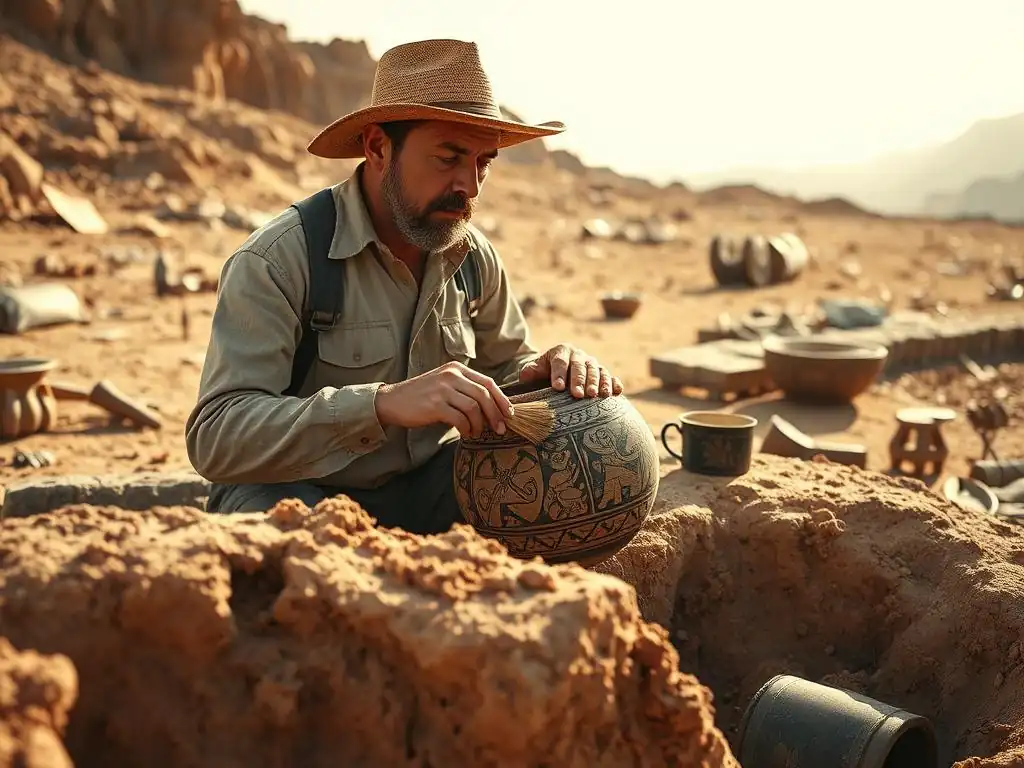
The preservation of Moche archaeological artifacts has significantly benefited from advancements in technology. Innovative techniques such as 3D scanning, digital imaging, and non-invasive analysis have emerged as vital tools for archaeologists. These technologies not only aid in documentation but also enhance the conservation process, ensuring that artifacts are preserved in their original state while minimizing the risk of damage.
- 3D Scanning:
- This technology allows for the creation of highly detailed digital models of artifacts.
- Researchers can analyze and share these models globally, enabling scholars to study the artifacts without physically handling them.
- Digital Imaging:
- High-resolution imaging techniques, like infrared and ultraviolet photography, reveal details that are not visible to the naked eye.
- These methods help in identifying previous restoration efforts and understanding the original surface conditions of the artifacts.
- Non-invasive Analysis:
- Techniques such as X-ray fluorescence (XRF) and neutron activation analysis (NAA) allow scientists to determine the composition of materials without damaging the artifacts.
- This information is crucial for developing appropriate conservation strategies.
As technology continues to evolve, its application in archaeology presents new opportunities for preserving Moche artifacts, ensuring that these invaluable pieces of history remain intact for future generations.
Case Studies of Successful Moche Artifact Preservation
Numerous case studies highlight successful initiatives in preserving Moche artifacts, showcasing innovative methods and collaborative efforts.
1. The Sipán Tomb Discovery
- The excavation of the Sipán tomb in the late 1980s revealed a wealth of Moche artifacts, including elaborate ceramics and metalwork.
- Archaeologists employed controlled excavation techniques, ensuring the preservation of the delicate artifacts in situ before removal.
- Post-excavation, the artifacts were subjected to rigorous conservation processes, including cleaning and stabilization, which extended their lifespan significantly.
2. The Huaca de la Luna Preservation Project
- This project has focused on the preservation of murals and ceramics at the Huaca de la Luna site.
- Advanced techniques such as biocleaning were utilized to remove biological growth without harming the underlying materials.
- The integration of community education programs has also played a crucial role, as local stakeholders are trained in preservation techniques to ensure ongoing care for the site.
3. The Moche Pottery Restoration Initiative
- This initiative aimed at restoring fragmented Moche pottery found during excavations.
- Using digital reconstruction techniques, conservators were able to create accurate replicas of the pottery, which allowed for studies without risking the integrity of the original pieces.
- The project emphasized the importance of documentation, with every step meticulously recorded for future reference.
These case studies exemplify the effectiveness of innovative preservation strategies, underlining the importance of both technology and meticulous care in maintaining Moche artifacts.
Collaborative Efforts in Archaeology and Indigenous Communities
The preservation of Moche archaeological artifacts is significantly enhanced through collaborative efforts between archaeologists and Indigenous communities. This partnership recognizes the cultural significance of these artifacts, allowing for a holistic approach to preservation.
1. Community Involvement
- Engaging local communities in preservation efforts ensures that traditional knowledge and practices are integrated into archaeological work.
- Indigenous peoples often possess invaluable insights regarding the cultural context of the artifacts, leading to more respectful and effective preservation strategies.
2. Training and Education
- Collaborative programs often include training workshops for community members, focusing on conservation techniques and archaeological methods.
- This empowerment fosters a sense of ownership and responsibility towards local heritage, encouraging sustainable preservation efforts.
3. Ethical Considerations
- Ethical frameworks that prioritize Indigenous rights and perspectives are becoming more common in archaeological practice.
- By respecting the wishes and beliefs of Indigenous communities, archaeologists can create preservation strategies that honor the cultural significance of the artifacts.
The interplay between advanced technology, successful case studies, and collaborative efforts with Indigenous communities forms the backbone of innovative strategies for preserving Moche archaeological artifacts. This multifaceted approach not only enhances the preservation process but also ensures that these artifacts remain a vital part of cultural heritage for generations to come.
Best Practices for Preserving Moche Artifacts
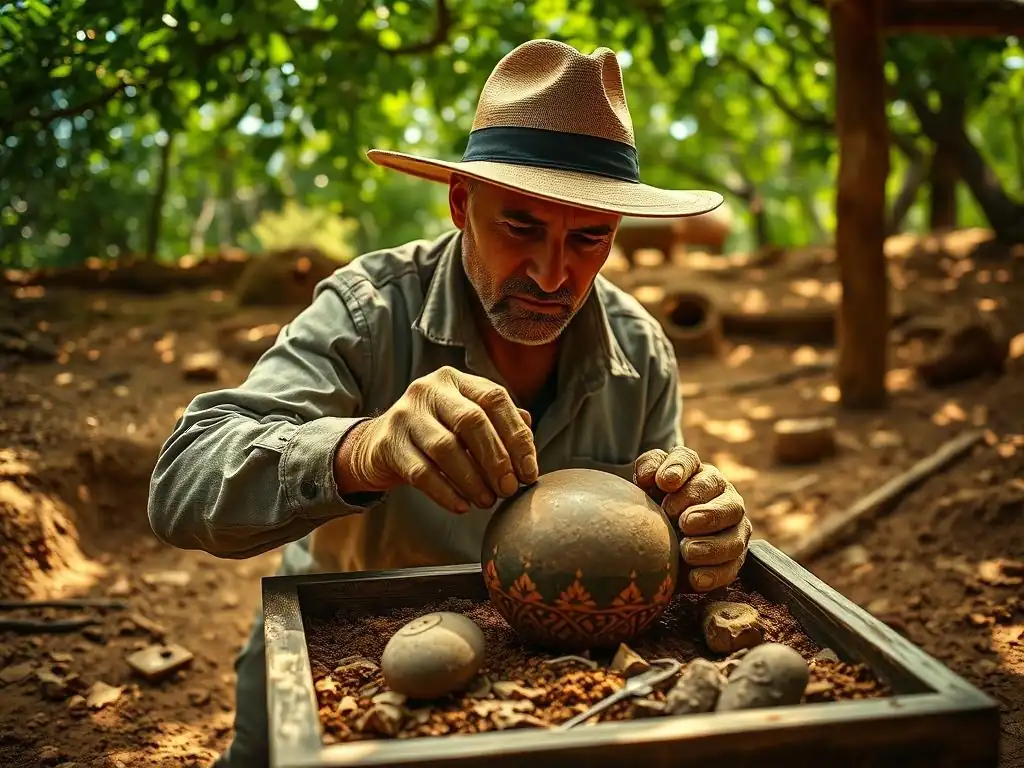
Preserving Moche archaeological artifacts is a critical endeavor in maintaining the legacy of one of the most advanced civilizations in pre-Columbian America. The Moche culture, flourishing between 100 and 800 CE along the northern coast of Peru, is renowned for its sophisticated ceramics, metalwork, and monumental architecture. To ensure these invaluable artifacts endure for future generations, both archaeologists and conservators must adhere to best practices in preservation.
Recommendations for Archaeologists and Conservators
- Controlled Excavation Techniques
- Employing meticulous excavation methods is essential to minimize damage to the artifacts and their context. This includes:
- Using hand tools: Soft brushes and small trowels can prevent accidental breakage.
- Stratigraphic excavation: Documenting layers of soil to understand the artifact's historical context.
- Employing meticulous excavation methods is essential to minimize damage to the artifacts and their context. This includes:
- Proper Handling and Transport
- When moving artifacts from excavation sites to conservation labs, the following protocols should be implemented:
- Use of protective padding: Soft materials like foam or bubble wrap should encase fragile items.
- Temperature and humidity control: Transport should occur in climate-controlled environments to mitigate stress on the materials.
- When moving artifacts from excavation sites to conservation labs, the following protocols should be implemented:
- Environmental Control in Storage
- Artifacts must be stored in conditions that prevent deterioration:
- Temperature: Ideal storage temperatures should range between 18-22°C (64-72°F).
- Humidity: Relative humidity should be maintained between 30-50% to prevent mold growth and corrosion.
- Artifacts must be stored in conditions that prevent deterioration:
- Regular Monitoring and Maintenance
- Implementing a schedule for ongoing assessment of the artifacts is crucial:
- Visual inspections: Regularly check for signs of deterioration, such as cracks or discoloration.
- Condition reports: Documenting the state of artifacts over time assists in tracking changes and implementing timely interventions.
- Implementing a schedule for ongoing assessment of the artifacts is crucial:
- Innovative Conservation Techniques
- The integration of modern technologies can enhance preservation efforts, including:
- 3D scanning: Creating digital replicas allows for study and public display without risking damage to original artifacts.
- Chemical treatments: Utilizing advanced materials to stabilize and protect artifacts while ensuring long-term preservation.
- The integration of modern technologies can enhance preservation efforts, including:
Role of Education and Awareness in Preservation Efforts
Education and awareness are vital components in the successful preservation of Moche archaeological artifacts. By fostering a deeper understanding of the significance of these items, various stakeholders can contribute more effectively to their protection.
- Engaging the Local Community
- Involving local populations in preservation efforts can lead to more sustainable practices:
- Workshops and seminars: Informing community members about the cultural importance of Moche artifacts encourages stewardship.
- Volunteer programs: Opportunities for locals to participate in conservation projects can enhance community ties to cultural heritage.
- Involving local populations in preservation efforts can lead to more sustainable practices:
- Incorporating Preservation into Academic Curriculums
- Educational institutions play a pivotal role in shaping future archaeologists and conservators:
- Courses on indigenous cultures: Integrating the study of Moche civilization into archaeology programs can broaden the understanding of their artifacts' significance.
- Internships and field schools: Practical experiences can empower students with hands-on skills in preservation techniques.
- Educational institutions play a pivotal role in shaping future archaeologists and conservators:
- Public Awareness Campaigns
- Raising awareness about the challenges of preserving Moche artifacts can galvanize support:
- Social media initiatives: Sharing stories, images, and information about Moche artifacts can engage a wider audience.
- Exhibitions and lectures: Hosting public events showcases artifacts and educates attendees on their historical context and preservation needs.
- Raising awareness about the challenges of preserving Moche artifacts can galvanize support:
- Collaborative Partnerships
- Forming partnerships between museums, universities, and indigenous communities can enhance preservation efforts:
- Joint projects: Collaborating on research and conservation projects fosters shared responsibility and resources.
- Funding opportunities: Partnerships can lead to grant applications for preservation initiatives, ensuring financial support for ongoing efforts.
- Forming partnerships between museums, universities, and indigenous communities can enhance preservation efforts:
The preservation of Moche archaeological artifacts hinges on the application of best practices in excavation, handling, and storage, as well as the promotion of education and awareness. By fostering a collaborative approach among archaeologists, conservators, and the community, we can safeguard the rich cultural heritage represented by these remarkable artifacts.
Future Directions for Moche Artifact Preservation
Emerging Trends in Archaeological Preservation Techniques
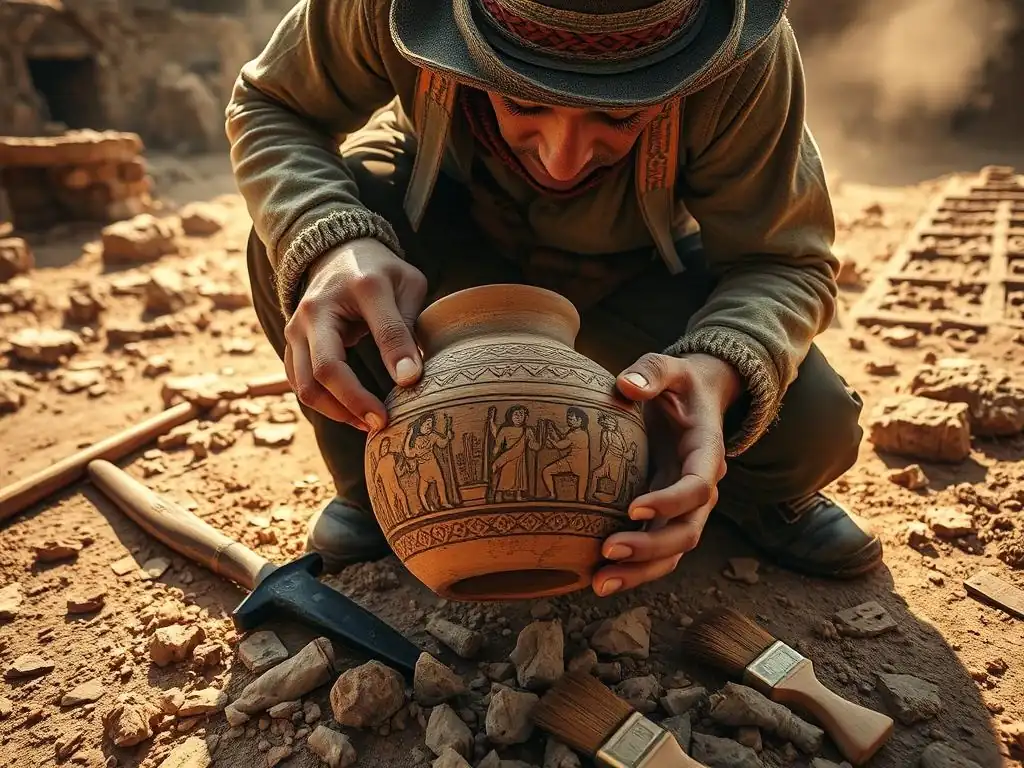
The preservation of Moche archaeological artifacts is entering an exciting phase, fueled by advancements in technology and innovative methodologies. One prominent trend is the use of 3D scanning and printing. This technique not only facilitates the digital documentation of artifacts but also allows for the creation of accurate replicas. These replicas can be used for educational purposes and exhibitions, minimizing the handling of original items.
Another emerging trend is the integration of nanotechnology in conservation practices. Nanomaterials can enhance the structural integrity of fragile artifacts while providing protective coatings that resist environmental damage. For example, researchers are exploring the application of silica nanoparticles to reinforce ceramics and textiles, which are particularly susceptible to deterioration.
Moreover, the application of artificial intelligence (AI) in analyzing artifact degradation patterns is gaining traction. AI algorithms can predict how environmental factors, such as temperature and humidity fluctuations, will affect artifacts over time. This predictive modeling enables conservators to implement preemptive measures to mitigate damage.
Recent collaborative projects have also highlighted the importance of community involvement in preservation efforts. Engaging local indigenous communities in the preservation process not only enriches the conservation strategies with traditional knowledge but also fosters a sense of ownership and stewardship over cultural heritage.
The Importance of Sustainable Practices in Artifact Management
Sustainable practices in the management of Moche artifacts are critical for ensuring their longevity and integrity. As climate change poses new threats to archaeological sites, it becomes imperative to adopt strategies that minimize environmental impact.
One key aspect of sustainability is the use of environmentally friendly materials for restoration and preservation. For instance, utilizing biodegradable adhesives and paints can significantly reduce the ecological footprint of conservation efforts. Additionally, implementing energy-efficient climate control systems in storage and exhibition facilities helps to maintain stable conditions for artifacts while conserving resources.
Ethical considerations are also paramount in sustainable practices. This includes ensuring that all preservation efforts respect the cultural significance of the artifacts and adhere to protocols that involve indigenous communities. Collaboration with these communities can guide best practices that honor traditional methods of care and respect for cultural heritage.
Furthermore, the integration of education and outreach programs can promote sustainable practices among the public, encouraging a broader understanding of the importance of preserving Moche artifacts. By fostering a culture of appreciation and responsibility for these treasures, future generations can be empowered to engage in preservation efforts.
The future of preserving Moche archaeological artifacts lies in the embrace of innovative techniques and sustainable practices that not only protect these valuable resources but also honor the cultural narratives they embody. By actively involving local communities and adopting cutting-edge technologies, the field of archaeology can ensure that the legacy of the Moche civilization endures for many years to come.
Conclusion: The Ongoing Journey of Preserving Moche Archaeological Artifacts
The preservation of Moche archaeological artifacts is a multifaceted endeavor that reflects the rich cultural heritage of the Moche civilization. These artifacts, which include pottery, textiles, and metalwork, not only hold aesthetic value but also provide critical insights into the social, political, and economic structures of the Moche people. As scholars and archaeologists continue to uncover new findings, the necessity of implementing advanced preservation techniques becomes increasingly apparent.
One of the main challenges in preserving these artifacts is the deterioration caused by environmental factors, such as humidity and temperature fluctuations, as well as the impact of human activity. To combat these issues, innovative strategies are being developed, including the use of controlled environments, specialized storage solutions, and cutting-edge conservation materials. Furthermore, collaborative efforts among indigenous communities, archaeologists, and conservationists are vital in ensuring that traditional knowledge and modern science work hand in hand to safeguard these treasures for future generations.
Call to Action for Continued Research and Innovation in Preservation
The journey of preserving Moche archaeological artifacts is far from complete. It requires a concerted effort from researchers, institutions, and the broader community to explore new methodologies and technologies that can enhance preservation efforts. Here are some suggested actions:
- Invest in Research: Support studies that focus on the long-term impacts of environmental conditions on Moche artifacts. Understanding these factors can lead to better protective measures.
- Enhance Collaboration: Foster partnerships between cultural institutions, universities, and local indigenous communities. Such collaborations can facilitate knowledge exchange and promote culturally sensitive preservation practices.
- Promote Public Awareness: Increase awareness of the importance of preserving indigenous artifacts through educational programs, workshops, and community events. Engaging the public can garner support for preservation initiatives.
- Adopt Innovative Technologies: Explore and implement advancements in materials science and conservation technology. Techniques such as 3D scanning and digital archiving can provide invaluable resources for research and education while minimizing physical contact with the artifacts.
- Document and Share Findings: Create platforms for sharing successful preservation techniques and case studies within the archaeological community. This collective knowledge can drive further innovation and improvement.
The preservation of Moche archaeological artifacts is an ongoing journey that necessitates dedication, creativity, and collaboration. By taking proactive steps and encouraging continuous research and innovation, we can ensure that the legacy of the Moche civilization is cherished and understood by future generations.
Frequently Asked Questions
What are Moche artifacts and why are they significant?
Moche artifacts are archaeological treasures from the Moche civilization, known for their elaborate pottery, textiles, and metalwork. They provide insight into the cultural practices and sophisticated societies of the pre-Columbian era.
What challenges are faced in preserving Moche artifacts?
The preservation of Moche artifacts is hindered by factors such as environmental degradation, looting, and inadequate funding for conservation efforts. These challenges threaten the integrity and availability of these important cultural items.
What innovations are being used in the preservation of Moche artifacts?
Innovations in the field include advanced imaging techniques, 3D printing, and digital documentation, which help in the conservation and study of Moche artifacts, allowing for greater public access and understanding.
How can the public contribute to the preservation efforts?
The public can help by supporting local museums, participating in educational programs, and advocating for sustainable practices that protect archaeological sites and artifacts from destruction and neglect.
Why is it important to preserve Moche artifacts?
Preserving Moche artifacts is crucial for maintaining cultural heritage, understanding historical societal structures, and ensuring that future generations can learn about the rich traditions and innovations of the Moche civilization.
Final Reflection: Preserving Moche Archaeological Artifacts for Future Generations
The preservation of Moche archaeological artifacts is not just a matter of safeguarding history; it is a critical endeavor that connects us with our past and informs our future. As we face the dual challenges of environmental degradation and cultural erosion, the importance of innovative preservation techniques becomes ever more apparent. The Moche civilization, with its rich artistic legacy, serves as a poignant reminder of the intricate relationship between humanity and its heritage. To ignore these challenges is to risk losing invaluable insights into our collective identity.
The ongoing efforts to preserve Moche artifacts reflect a broader cultural and social commitment to understanding and valuing our shared history. These artifacts are not merely relics; they are voices from the past that continue to resonate in our contemporary society. As we engage with these treasures, we foster a deeper appreciation for the artistry and ingenuity of the Moche people. The past is never dead. It's not even past.
— William Faulkner. This quote encapsulates the essence of our connection to history and underscores the significance of preserving artifacts that tell stories of resilience, creativity, and cultural richness.
As we reflect on the importance of preserving Moche archaeological artifacts, I invite you to consider your role in this ongoing narrative. How can you contribute to the appreciation and protection of cultural heritage in your own community? Whether through advocacy, education, or simply by fostering curiosity about the past, each of us has the power to make a difference. Let us embrace the responsibility of safeguarding our shared history, ensuring that future generations can learn from and be inspired by the remarkable legacy of the Moche civilization.
Unveil the Mystery: Take Action for Moche Artifacts!
Thank you for exploring the fascinating world of Moche artifacts with us. You’ve gained insights into the remarkable challenges and innovations that shape the preservation of these ancient treasures. Now, it’s time to take meaningful action!
Here are some ways you can contribute and deepen your connection with this vital aspect of Indigenous heritage:
- Join a local archaeology group or volunteer with organizations dedicated to preserving Indigenous artifacts—your efforts can make a significant impact!
- Share your knowledge! Discuss what you've learned with friends and family, and encourage them to explore more about Moche culture.
- Explore further—visit museums that showcase Indigenous art or look for upcoming exhibitions that may provide opportunities to see these artifacts up close.
What aspect of Moche artifacts resonates with you the most, and how do you envision contributing to their preservation? Let’s start the conversation!