
The Economic Impact of Trade Networks on PreColumbian Civilizations

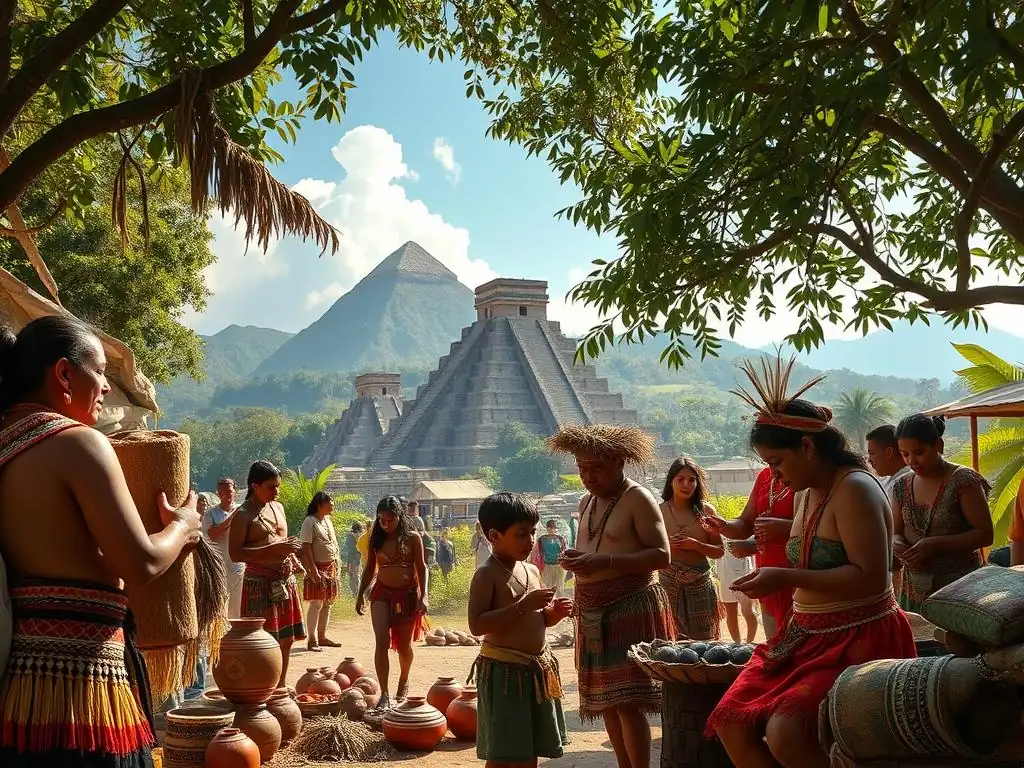
Welcome to Indigenous Civilizations of the Americas, where we invite you to embark on a fascinating journey through the rich tapestry of indigenous cultures that flourished long before European colonization. Our exploration delves deep into the economic impact of trade networks on Pre-Columbian civilizations, revealing how these intricate systems not only fueled prosperity but also shaped the very essence of social and cultural dynamics.
As you navigate through our content, prepare to uncover the remarkable achievements and enduring legacies of these vibrant societies. Join us in unraveling the stories that have shaped the Americas and discover the powerful connections that bound these civilizations together.
- Introduction to Pre-Columbian Trade Networks Impact
- The Formation of Trade Networks in Pre-Columbian Civilizations
- Economic Impact of Trade Networks on Pre-Columbian Civilizations
- Cultural and Social Influence of Trade Networks
- Case Studies of Specific Trade Networks
- Lasting Effects of Pre-Columbian Trade Networks
- Conclusion: The Enduring Economic Impact of Trade Networks
- Frequently Asked Questions
- Final Reflection: The Enduring Legacy of Pre-Columbian Trade Networks
- Unveil the Secrets of Ancient Trade!
Introduction to Pre-Columbian Trade Networks Impact
The extensive trade networks established by pre-Columbian civilizations were vital to their economic success and cultural development. These intricate systems of exchange not only facilitated the movement of goods but also fostered the sharing of ideas, technologies, and cultural practices among diverse indigenous groups across vast distances.
Understanding the impact of these trade networks helps illuminate the sophisticated nature of pre-Columbian societies, their ability to adapt to changing circumstances, and their lasting contributions to the economic foundations of the Americas. This article delves into the economic impact of trade networks on pre-Columbian civilizations, exploring the ways in which these interactions shaped their societies and influenced their legacies.
Overview of Pre-Columbian Civilizations
Pre-Columbian civilizations in the Americas were remarkably diverse, ranging from the highly organized societies of the Aztecs and Maya in Mesoamerica to the intricate mound-building cultures of the Mississippian peoples in North America. Each civilization developed unique social structures, political systems, and economic practices, all of which were profoundly influenced by their trading activities.
- Major Civilizations:
- The Maya: Known for their advanced writing, astronomy, and architecture, the Maya engaged in extensive trade networks that connected them to other regions, allowing the exchange of goods such as cacao, textiles, and obsidian.
- The Aztecs: With a capital at Tenochtitlan, the Aztecs created a vast empire that relied heavily on trade, facilitating the movement of resources across Mesoamerica and integrating diverse cultures.
- The Inca: In South America, the Inca established a vast empire connected by an extensive road system, facilitating trade that supported their economy and administrative control.
These civilizations not only traded goods but also engaged in cultural exchanges that enriched their societies and laid the groundwork for future interactions.
Importance of Trade Networks in Indigenous Societies
The significance of trade networks in pre-Columbian societies goes beyond mere economic transactions; they served as conduits for cultural exchange and social cohesion.
- Economic Growth:
- Trade networks enabled the distribution of surplus goods, leading to economic specialization and growth. Regions could focus on producing specific items, such as textiles or ceramics, which enhanced their economic stability.
- Cultural Exchange:
- Through trade, indigenous groups shared innovations, agricultural techniques, and artistic expressions. For example, the introduction of new agricultural practices allowed societies to flourish and adapt to their environments.
- Political Alliances:
- Trade often facilitated political relationships among various groups. Alliances formed through trade agreements could lead to greater stability and cooperation, impacting regional politics significantly.
- Technological Advancements:
- The exchange of knowledge regarding tools, farming techniques, and construction methods greatly influenced technological progress. Trade networks acted as a vehicle for these advancements, allowing civilizations to enhance their capabilities.
The impact of pre-Columbian trade networks was profound, shaping not only the economies but also the cultural and political landscapes of indigenous societies across the Americas. Understanding these networks provides a clearer picture of the intricate relationships that defined pre-Columbian life and their enduring legacy.
The Formation of Trade Networks in Pre-Columbian Civilizations
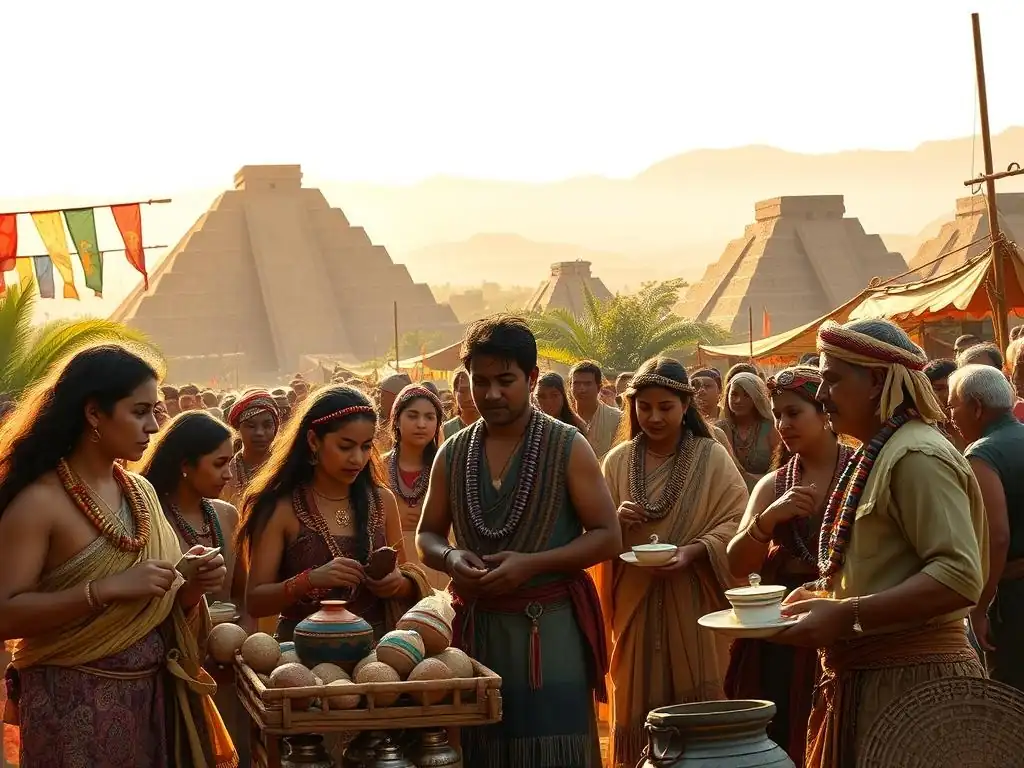
The formation of trade networks in Pre-Columbian civilizations was a complex process influenced by various geographic, social, and cultural factors. These networks were not just means for exchanging goods but also conduits for cultural exchange and political alliances. By understanding the intricacies of these networks, we can appreciate their profound impact on the development of indigenous societies across the Americas.
Geographic Factors Influencing Trade Networks
Geography played a pivotal role in shaping the trade networks of Pre-Columbian civilizations. The diverse landscapes of the Americas, from mountains and rivers to deserts and forests, created unique opportunities and challenges for trade.
- Natural Resources: Civilizations often traded based on the availability of local resources. For instance, the abundant mineral wealth in the Andes allowed civilizations such as the Inca to trade metals like gold and silver with coastal societies that had access to marine resources.
- Topography: The Andes Mountains created natural barriers but also facilitated specific trade routes through passes. Similarly, the Mississippi River served as a vital trade artery for various cultures, allowing for the transportation of goods across vast distances.
- Climate Zones: Different regions supported distinct agricultural practices, leading to the exchange of crops like maize, beans, and squash in Mesoamerica. These agricultural products became staples traded among various groups, enhancing food security and fostering interdependence.
The interplay between these geographic factors not only influenced the types of goods traded but also the relationships formed between different cultures, resulting in a rich tapestry of economic interactions.
Key Trade Routes and Their Development
The development of trade routes was essential for the economic prosperity of Pre-Columbian civilizations. These routes were often established through a combination of land and water pathways, adapting to the geography of each region.
- Mesoamerican Trade Routes: The extensive trade networks in Mesoamerica included routes connecting the Gulf Coast to the Pacific Ocean. The Teotihuacan civilization, for example, was a central hub, facilitating the exchange of obsidian, textiles, and ceramics across vast distances.
- The Incan Road System: The Inca Empire developed an impressive network of roads (known as the Inca Road or Qhapaq Ñan) that spanned over 25,000 miles. This system allowed for relatively rapid movement of goods, troops, and information across the mountainous terrain of the Andes, linking various ecological zones and cultures.
- The North American Trade Network: The Mississippian culture, centered around the Mississippi River, utilized waterways for trade. Major sites like Cahokia became vital trade centers where goods such as shell beads, copper, and pottery were exchanged.
Through these trade routes, civilizations not only exchanged physical goods but also shared technologies, religious beliefs, and cultural practices, thus enriching their societies.
Major Civilizations Involved in Trade Networks
Several Pre-Columbian civilizations were instrumental in the development and expansion of trade networks across the Americas. Their economic interactions had lasting impacts on their societies and beyond.
- The Maya Civilization: Known for their sophisticated trade systems, the Maya established regional markets and trade routes that linked cities such as Tikal and Calakmul. They traded jade, cacao, textiles, and pottery, influencing neighboring cultures.
- The Aztec Empire: The Aztecs created an extensive trade network that spanned Mesoamerica. Their capital, Tenochtitlán, acted as a major trading hub where merchants (called pochteca) played a crucial role in commerce, facilitating the exchange of goods ranging from luxury items to everyday necessities.
- The Inca Empire: The Inca’s centralized control over trade allowed them to manage resources effectively across their vast territory. Their extensive road system enabled the exchange of goods like textiles, agricultural products, and pottery, fostering economic stability and social cohesion.
- The North American Indigenous Cultures: Various tribes, such as the Ancestral Puebloans and the Mississippians, engaged in trade networks that connected them to different regions. They exchanged goods like pottery, tools, and agricultural products, creating a rich intertribal economy.
These major civilizations not only influenced their immediate surroundings but also contributed to the broader economic landscape of the Americas, laying the groundwork for future cultural exchanges and economic systems.
The economic impact of trade networks on Pre-Columbian civilizations reflects a dynamic interplay of geography, culture, and commerce, highlighting the sophistication of indigenous societies long before European contact.
Economic Impact of Trade Networks on Pre-Columbian Civilizations
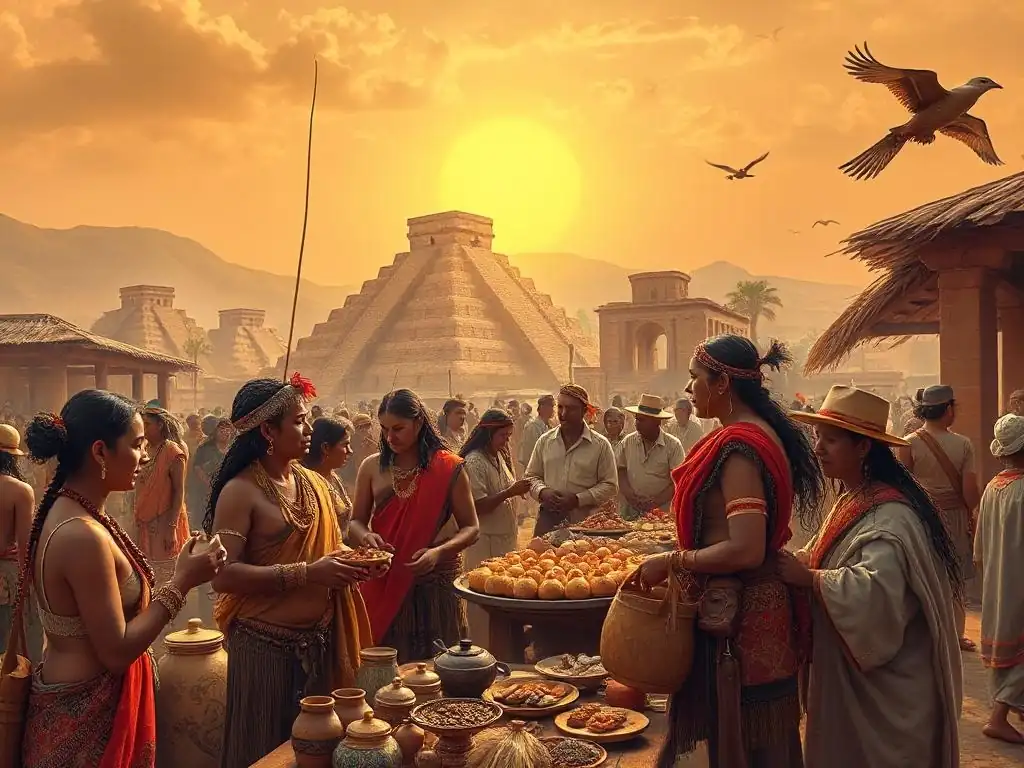
The economic impact of trade networks on Pre-Columbian civilizations was profound and multifaceted, shaping not only the societies involved but also influencing their cultural, political, and technological developments. These trade networks facilitated the exchange of goods, ideas, and innovations across vast distances, allowing diverse indigenous cultures to thrive and interact in ways that significantly affected their economies.
Agricultural Exchange and Its Significance
Agriculture was one of the cornerstones of Pre-Columbian economies, and trade networks greatly enhanced agricultural practices through the exchange of crops and farming techniques. Notably, crops such as maize, beans, and squash—often referred to as the "Three Sisters"—were not only staples in various regions but were also traded extensively.
- Diverse Crop Exchange: Different regions specialized in certain crops due to climatic and geographical factors. For instance, the Andean civilizations cultivated potatoes and quinoa, while the Mesoamerican cultures focused on maize. Trade enabled the diffusion of these essential crops, which contributed to food security and population growth across different regions.
- Technological Innovations: Agricultural techniques, including irrigation methods and crop rotation practices, were shared through trade networks. The exchange of knowledge led to improved yields and sustainability, impacting the overall economic stability of these civilizations.
- Cultural Significance: Agricultural products often held cultural importance, serving as symbols of identity and community. Trade helped to reinforce social ties and cultural exchange, as communities engaged in rituals and celebrations surrounding agricultural abundance.
The Role of Luxury Goods in Trade
Luxury goods played a crucial role in the trade networks of Pre-Columbian civilizations, often serving as status symbols and mediums of exchange that transcended local economies.
- High-Value Items: Goods such as jade, turquoise, cacao, and textiles were highly sought after. These items were not only valuable but also carried significant cultural meanings, often associated with religious and political power. For instance, cacao was used in ceremonial contexts and as a currency among the Maya.
- Regional Specialization: Different regions became known for particular luxury items, fostering regional trade. The Mississippian culture, for example, was noted for its intricate pottery and shell ornaments, while the Aztecs were famous for their gold and silver artifacts. This specialization promoted inter-regional trade, enhancing economic ties and fostering a sense of interconnectedness.
- Trade Routes: The establishment of trade routes, such as the extensive network connecting Mesoamerica to the American Southwest, facilitated the movement of luxury goods. These routes were not only vital for commerce but also for the exchange of ideas, art, and technology, contributing to the cultural richness of the civilizations involved.
Barter Systems and Their Economic Implications
Barter systems were foundational to the economies of Pre-Columbian civilizations, allowing for the direct exchange of goods and services without the use of currency.
- Direct Trade: The lack of a standardized currency meant that barter was the primary means of economic interaction. Goods were exchanged based on mutual needs, with some items, like cacao, sometimes serving as a quasi-currency in certain regions.
- Economic Flexibility: Barter systems allowed for flexibility in trade, accommodating local customs and available resources. This adaptability enabled communities to respond to changes in supply and demand, fostering resilience in the face of environmental challenges.
- Social Relationships: The nature of barter trade emphasized social relationships and trust between trading partners. The exchange of goods often occurred within the context of established social ties, reinforcing community bonds and shared identities.
The economic impact of trade networks on Pre-Columbian civilizations was significant, shaping their agricultural practices, promoting cultural exchange through luxury goods, and facilitating complex barter systems. These networks not only enriched the economies of indigenous cultures but also contributed to their lasting legacies in the Americas.
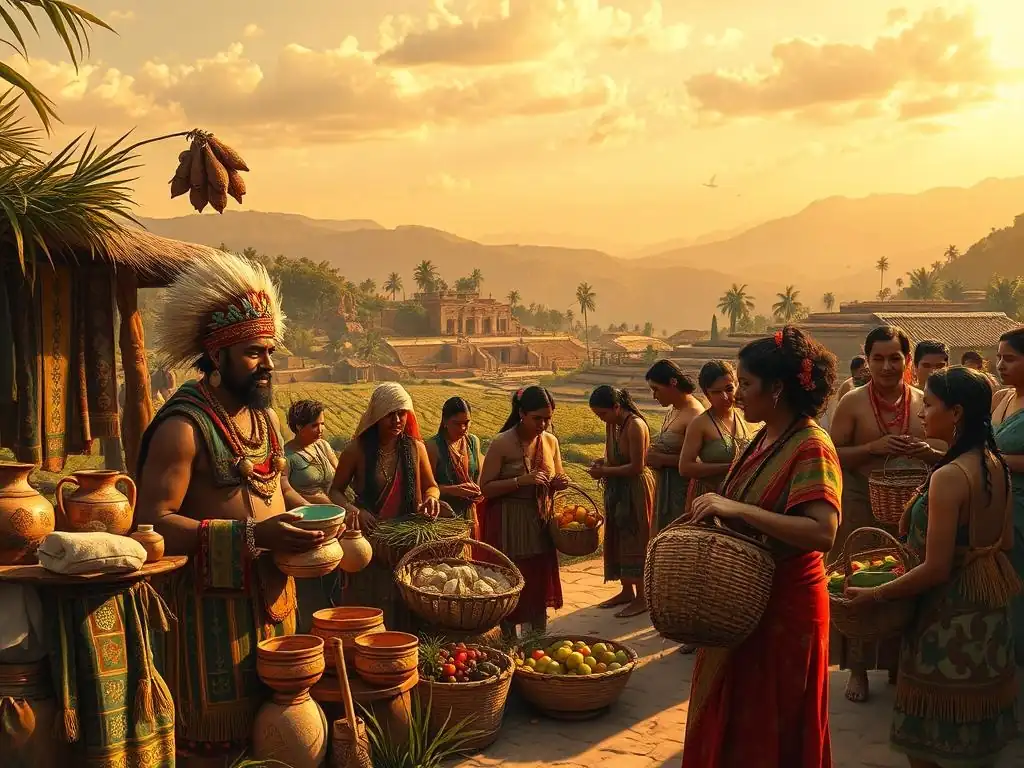
The trade networks established by Pre-Columbian civilizations were not solely economic in nature; they significantly influenced cultural and social dynamics. Through the exchange of goods, ideas, and practices, these networks fostered relationships among diverse groups, leading to a rich tapestry of shared cultures and innovations across vast regions.
Exchange of Ideas and Innovations
Trade networks acted as conduits for the exchange of ideas and innovations, leading to significant advancements in various fields. For instance, the Mesoamerican trade routes connected civilizations such as the Aztecs and the Maya, allowing them to share agricultural techniques, particularly the cultivation of maize and the use of chinampas (floating gardens). This exchange not only improved agricultural productivity but also contributed to the rise of urban centers.
| Innovation | Civilization | Impact |
|---|---|---|
| Calendar Systems | Maya | Enhanced agricultural planning and religious observance |
| Pottery Techniques | Olmec | Improved storage and cooking methods |
| Metallurgy | Inca | Development of tools and weapons |
Through these interactions, innovations spread rapidly, leading to improved technologies that benefited multiple societies. The sharing of artistic styles, such as pottery designs and textile techniques, also enriched the cultural landscape. Consequently, the exchange of ideas and innovations was crucial in shaping the identities of Pre-Columbian civilizations.
The flourishing of trade networks led to the emergence of complex social hierarchies and class structures within Pre-Columbian societies. As trade expanded, certain groups began to accumulate wealth and power, creating distinct classes. For instance, in the Inca Empire, control over trade routes allowed elites to dictate economic activity and resource distribution, leading to a stratified society.
- Elites: Controlled trade and wealth, often engaging in luxury goods trade (e.g., gold, textiles).
- Merchants: Acted as intermediaries in trade, gaining social status and influence.
- Commoners: Engaged in local agriculture and crafts, often dependent on the trade networks for essential goods.
This stratification had profound implications for social cohesion and conflict. The wealth generated from trade could lead to increased tensions between classes, as seen in various Mesoamerican states where merchants gained significant influence, sometimes rivaling the power of nobility. The intricate relationships fostered by trade networks were pivotal in shaping the social landscapes of these civilizations.
Spread of Religion and Cultural Practices Through Trade
Trade networks were instrumental in the dissemination of religious beliefs and cultural practices across Pre-Columbian societies. As merchants traveled between regions, they not only exchanged goods but also shared spiritual ideologies and rituals. For example, the Huitzilopochtli cult of the Aztecs spread to various regions through trade, leading to the adoption of similar practices by neighboring cultures.
The following factors highlight the role of trade in the spread of religion:
- Pilgrimages: Traders often traveled to important religious sites, facilitating the exchange of religious artifacts and practices.
- Shared Festivals: Trade interactions led to the integration of festivals, allowing for cultural syncretism among different groups.
- Artistic Representations: Religious themes in pottery and textiles often reflected the influences of multiple cultures, showcasing a blend of traditions.
As a result, trade networks acted as vital links not only for economic exchange but also for the intermingling of beliefs and customs, enriching the cultural heritage of Pre-Columbian civilizations. The blending of religious practices often resulted in unique cultural identities that persisted long after the decline of these societies.
The cultural and social influences of trade networks in Pre-Columbian civilizations were profound, shaping their innovations, social structures, and cultural practices in ways that have left lasting legacies. The impact of these networks continues to be a subject of interest for scholars studying the complexities of indigenous civilizations in the Americas.
Case Studies of Specific Trade Networks
The Mesoamerican Trade Network: A Detailed Analysis
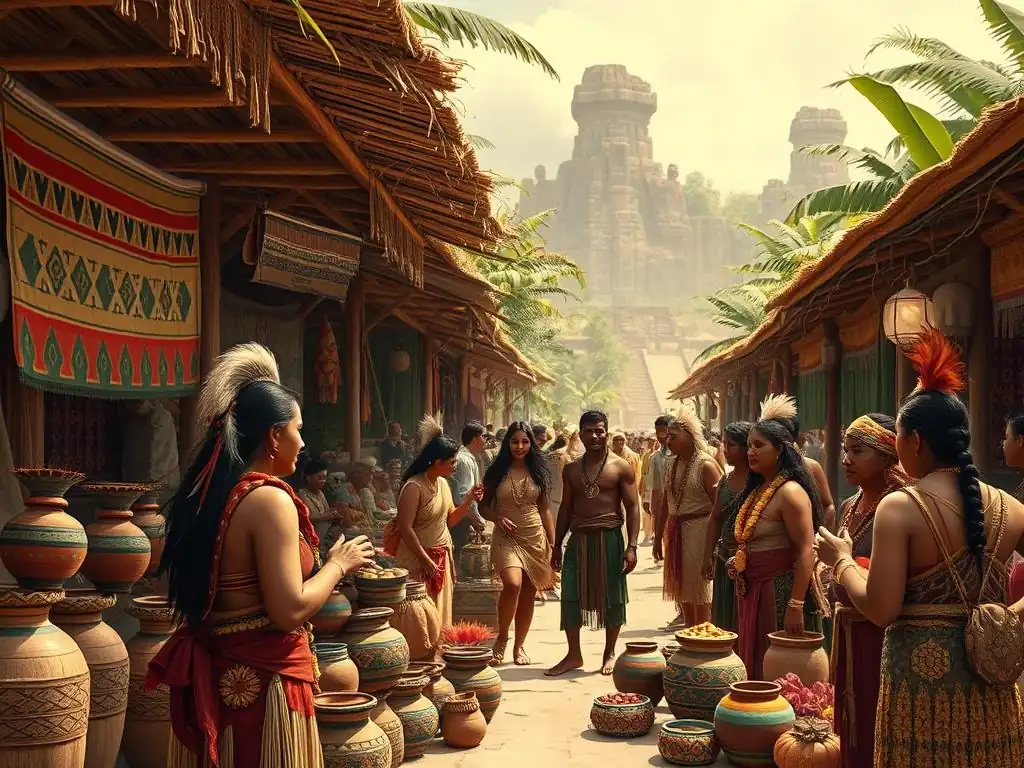
The Mesoamerican trade network was a complex system that connected various civilizations, including the Olmec, Maya, and Aztec. This network facilitated the exchange of goods, ideas, and cultural practices across vast distances, significantly impacting the economic landscape of the region.
Key Goods and Commodities
The Mesoamerican trade network was characterized by a variety of goods that were exchanged among different cultures. Key commodities included:
- Cacao: Highly valued, cacao was used not only as a currency but also in ceremonial drinks.
- Textiles: Intricate weaving techniques produced textiles that were sought after for trade.
- Obsidian: This volcanic glass was essential for tool-making and weaponry, leading to its high demand.
- Feathers: Exotic bird feathers were coveted for adornment and ceremonial purposes.
Trade Routes and Mechanisms
Trade routes in Mesoamerica were primarily overland and navigable waterways. Merchants often traveled in caravans, carrying goods on their backs or using canoes on rivers and lakes. The emergence of large marketplaces, such as Tlatelolco in the Aztec Empire, played a crucial role in facilitating trade. These markets served as hubs where a wide range of goods were exchanged, fostering economic interactions among diverse peoples.
Economic Impact
The economic impact of the Mesoamerican trade network was profound. It not only stimulated local economies but also led to the rise of powerful city-states. By fostering interdependence among different regions, the trade network helped establish social hierarchies and influenced political structures. The wealth generated through trade allowed for the construction of monumental architecture and the support of elite classes.
The Great Lakes Trade Network: Key Features and Impact
The Great Lakes trade network was a vital system that connected various indigenous groups across the Great Lakes region of North America. This network facilitated the exchange of goods, culture, and technology among tribes such as the Anishinaabe, Iroquois, and Huron.
Unique Characteristics of the Network
The Great Lakes trade network was distinguished by its:
- Geographical Advantage: The network utilized the interconnected waterways of the Great Lakes, making transportation of goods efficient.
- Diverse Goods: Key items traded included furs, fish, pottery, and agricultural products. Furs, in particular, became highly valuable in trade with European settlers.
- Alliances and Relationships: The network fostered alliances among tribes, facilitating cooperation in trade and mutual defense against external threats.
Impact on Indigenous Societies
The Great Lakes trade network significantly impacted indigenous societies by promoting economic stability and cultural exchange. It facilitated the dissemination of new agricultural practices, such as the cultivation of maize and beans, which enhanced food security. Furthermore, interactions through trade led to the sharing of technological innovations, such as canoes and fishing gear, which improved the ability of tribes to navigate and exploit their environments.
Economic Consequences
The economic consequences of the Great Lakes trade network were profound. It allowed tribes to accumulate wealth, which in turn supported social and political structures. The competition for control over trade routes and resources often led to conflicts, influencing the political landscape of the region.
The Andean Trade Network: Economic and Cultural Significance
The Andean trade network was an extensive system that connected various cultures in the Andean region, including the Inca Empire and other pre-Columbian civilizations. This network played a crucial role in the economic and cultural development of the area.
Trade Routes and Practices
The Andean trade network utilized a series of well-established routes that traversed challenging terrains, including mountains and valleys. Key features included:
- Llama Transportation: Llamas were the primary pack animals, enabling the movement of goods across difficult landscapes.
- Chasquis: These relay runners were employed to carry messages and small goods, facilitating communication and trade.
- Marketplaces: Towns like Cusco served as central hubs for trade, where diverse products from different regions were exchanged.
Goods Traded
The Andean trade network was characterized by the exchange of a variety of goods, including:
- Textiles: High-quality textiles made from alpaca and cotton were traded extensively.
- Metals: Gold and silver were not only traded but also held significant cultural and religious value.
- Agricultural Products: Potatoes, quinoa, and maize were vital staples that were distributed throughout the region.
Cultural Exchange and Economic Impact
The cultural exchange facilitated by the Andean trade network significantly enriched the societies involved. As goods flowed between regions, so did ideas, religious practices, and technologies. The economic impact was equally profound—trade allowed for the specialization of production, increased agricultural output, and the emergence of social hierarchies based on wealth generated from trade.
The Andean trade network ultimately contributed to the cohesion of the Inca Empire, supporting its expansion and administration. The integration of diverse cultures through trade solidified the region's economic strength and cultural richness, leaving a lasting legacy on the indigenous civilizations of the Americas.
Lasting Effects of Pre-Columbian Trade Networks
Influence on Modern Indigenous Economies
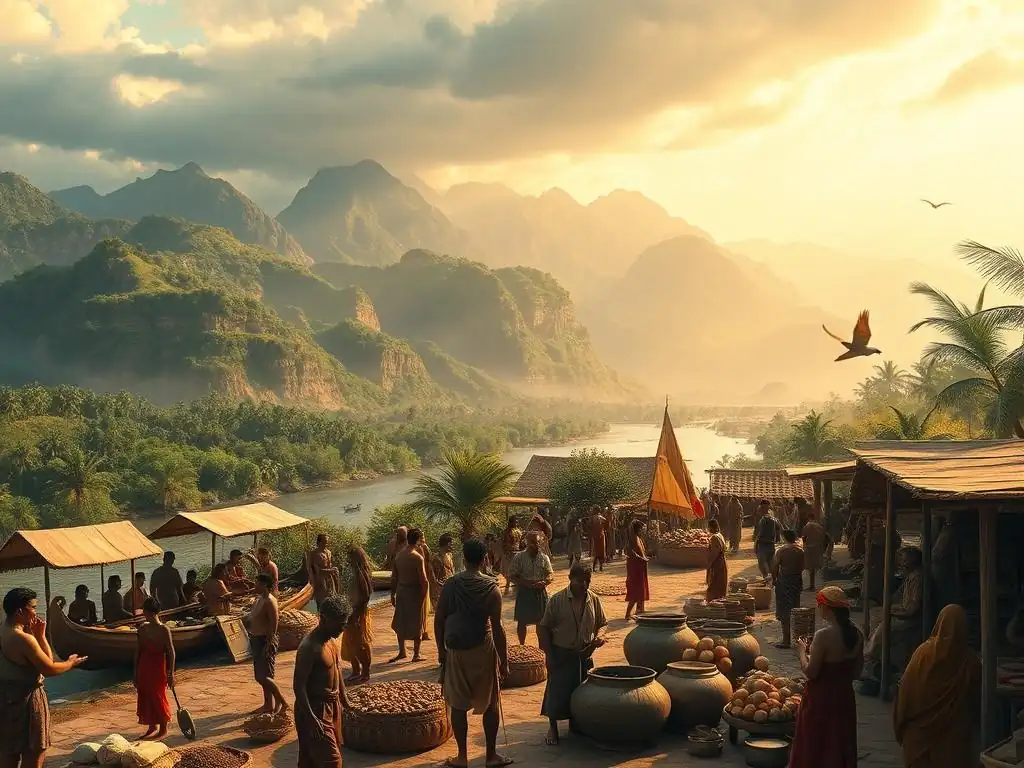
The legacy of Pre-Columbian trade networks continues to resonate in the economic structures of contemporary Indigenous communities across the Americas. These ancient networks established not only the flow of goods but also the exchange of ideas, technologies, and cultural practices, which have shaped the economic landscapes of Indigenous peoples today.
- Resource Management: Many Indigenous communities today draw upon traditional ecological knowledge that was refined through centuries of trade. For instance, the agricultural techniques developed by the Incas, such as terracing and crop diversity, have been adapted by modern Indigenous farmers to enhance sustainability and yield.
- Cultural Exchange: The intricate trade networks facilitated the exchange of cultural artifacts, leading to the development of unique regional identities. For example, the trade of pottery and textiles among tribes has evolved into contemporary crafts that not only serve economic purposes but also foster cultural pride and heritage.
- Economic Resilience: The interconnectedness established by Pre-Columbian trade networks has laid a foundation for modern economic resilience. Indigenous communities often engage in cooperative enterprises reminiscent of ancient practices, pooling resources for mutual benefit. This strategy enhances their bargaining power in markets dominated by external forces.
- Tourism and Cultural Heritage: Many Indigenous groups capitalize on their rich trade history to promote cultural tourism. By showcasing traditional crafts, foods, and practices, they attract visitors seeking authentic experiences, which bolsters local economies and preserves cultural heritage.
Legacy of Trade Practices in Contemporary Society
The trade practices of Pre-Columbian civilizations have left an indelible mark on modern society, influencing not only economic systems but also social structures and political relations among Indigenous peoples and the broader community.
- Bartering Systems: Modern Indigenous communities often engage in bartering systems that echo those of their ancestors. This practice reinforces community bonds and fosters local economies, allowing for the exchange of goods and services without reliance on cash-based systems.
- Networking and Alliances: The extensive trade networks fostered by Pre-Columbian societies laid the groundwork for contemporary alliances among Indigenous groups. These alliances facilitate cooperative marketing and resource sharing, enabling communities to strengthen their economic positions in a globalized market.
- Cultural Revitalization: Trade practices have spurred movements for cultural revitalization among Indigenous peoples. The revival of traditional crafts and trade goods serves both economic and cultural purposes and is often accompanied by educational initiatives that promote knowledge of ancestral practices.
- Political Advocacy: The historical significance of trade networks has also influenced contemporary political advocacy. Indigenous groups often leverage their historical ties to trade routes in negotiations for land rights and resource management, asserting their sovereignty and the importance of their traditional practices in current economic discussions.
The impact of Pre-Columbian trade networks extends far beyond their historical context. They continue to shape the economic realities and cultural identities of Indigenous peoples today, fostering resilience and adaptability in the face of modern challenges. The echoes of these ancient practices remind us of the vital role trade has played in the development of societies and economies throughout history.
Conclusion: The Enduring Economic Impact of Trade Networks
Trade networks in Pre-Columbian civilizations were far more than mere conduits for goods; they were vital arteries through which cultural, social, and political influences flowed. The economic impact of these trade networks laid the groundwork for complex societies, enabling the exchange of not just commodities but also ideas, technologies, and practices that shaped the development of entire civilizations.
The intricate web of trade that connected various indigenous cultures across the Americas fostered economic interdependence and facilitated access to resources that were otherwise unavailable in local regions. For instance, the trade routes of the Mesoamerican civilizations allowed for the exchange of precious materials like jade, cacao, and obsidian, which played significant roles in both economic and ritual contexts.
Summary of Key Findings
- Diverse Goods Exchange: Pre-Columbian trade networks facilitated the exchange of a wide variety of goods, including agricultural products, textiles, ceramics, and luxury items. This diversity not only enhanced local economies but also supported specialized crafts and industries.
- Cultural Exchange: Through trade, different cultures shared knowledge, agricultural practices, and technologies. The introduction of new crops, such as maize and potatoes, revolutionized diets and agricultural practices across regions.
- Social Structures: Trade networks contributed to the emergence of social hierarchies and political structures. Leaders often arose from those who controlled trade routes, creating a system of wealth and power that influenced societal organization.
- Long-Lasting Effects: The economic models established by these trade networks had lasting impacts, influencing post-colonial economies and contemporary indigenous communities that continue to rely on traditional trade practices.
The Importance of Recognizing Indigenous Trade Networks in History
Acknowledging the role of indigenous trade networks in historical narratives is crucial for a complete understanding of pre-Columbian civilizations. These networks were not merely economic; they were integral to the identity and cohesion of numerous cultures.
By recognizing the sophisticated nature of these trade systems, we can challenge Eurocentric historical perspectives that often diminish the complexity of indigenous societies. Understanding the impact of Pre-Columbian trade networks helps to appreciate the resilience of these cultures and their contributions to global history.
The study of Pre-Columbian trade networks reveals a rich tapestry of interconnected societies whose economic activities were instrumental in shaping their worlds. As we delve deeper into this history, we not only honor the legacies of these civilizations but also enrich our understanding of human development and interconnectivity across time and space.
Frequently Asked Questions
What were the main trade networks in Pre-Columbian civilizations?
The main trade networks included extensive routes that connected various indigenous cultures across the Americas, facilitating the exchange of goods like food, textiles, and tools.
How did trade networks influence Pre-Columbian societies?
Trade networks significantly influenced social structures, economies, and cultural exchanges, leading to increased wealth and the development of complex societies.
What goods were commonly traded in these networks?
Commonly traded goods included agricultural products such as maize and potatoes, as well as precious materials like gold, silver, and obsidian, which were vital for craftsmanship and trade.
What was the impact of trade on indigenous cultures?
The impact of trade on indigenous cultures was profound, fostering cultural interactions, technological advancements, and the establishment of political alliances among different groups.
How did European colonization affect Pre-Columbian trade networks?
European colonization severely disrupted existing trade networks, leading to the decline of many indigenous economies and altering the dynamics of trade in the Americas.
Final Reflection: The Enduring Legacy of Pre-Columbian Trade Networks
The intricate web of trade networks established by Pre-Columbian civilizations not only shaped their economies but also laid the groundwork for cultural exchange and innovation that resonates today. The economic impact of these networks reveals a profound understanding of resource management and interdependence, which is increasingly relevant in our globalized world where trade continues to drive societal development.
The legacy of Pre-Columbian trade networks is evident in the way modern societies engage in commerce and cultural exchange. These ancient systems fostered relationships that transcended geographical boundaries, influencing social structures and cultural practices. As we reflect on this, we are reminded of the words of historian Charles C. Mann: The Americas were not isolated; they were part of a vast network of trade and communication.
This observation underscores the importance of recognizing historical interconnectedness, which continues to shape our contemporary landscape.
As we move forward, I invite you to consider how the lessons from Pre-Columbian trade networks can inform our approach to modern economic and cultural interactions. Reflect on the ways in which you can foster connections and collaborations in your own life, embracing the spirit of exchange that these ancient civilizations exemplified. By doing so, we not only honor their legacy but also contribute to a more interconnected and harmonious future.
Unveil the Secrets of Ancient Trade!
Thank you for delving into the fascinating world of pre-Columbian trade networks! You've discovered how these intricate connections shaped economies and cultures long before modern commerce emerged. Now, let's take action to deepen your understanding and keep the conversation going.
Here’s how you can explore further:
- Investigate local museums or online resources that focus on indigenous trade artifacts to see these historical treasures firsthand.
- Share your newfound knowledge with friends or family—consider hosting a discussion night centered on the economic impact of trade in indigenous civilizations!
- Join online forums or community groups that discuss indigenous history and trade, and contribute your insights or questions.
What aspect of ancient trade networks piqued your interest the most, and how do you think it influences modern economic practices?