
The Role of Cuzco: The Political Heart of the Inca Empire

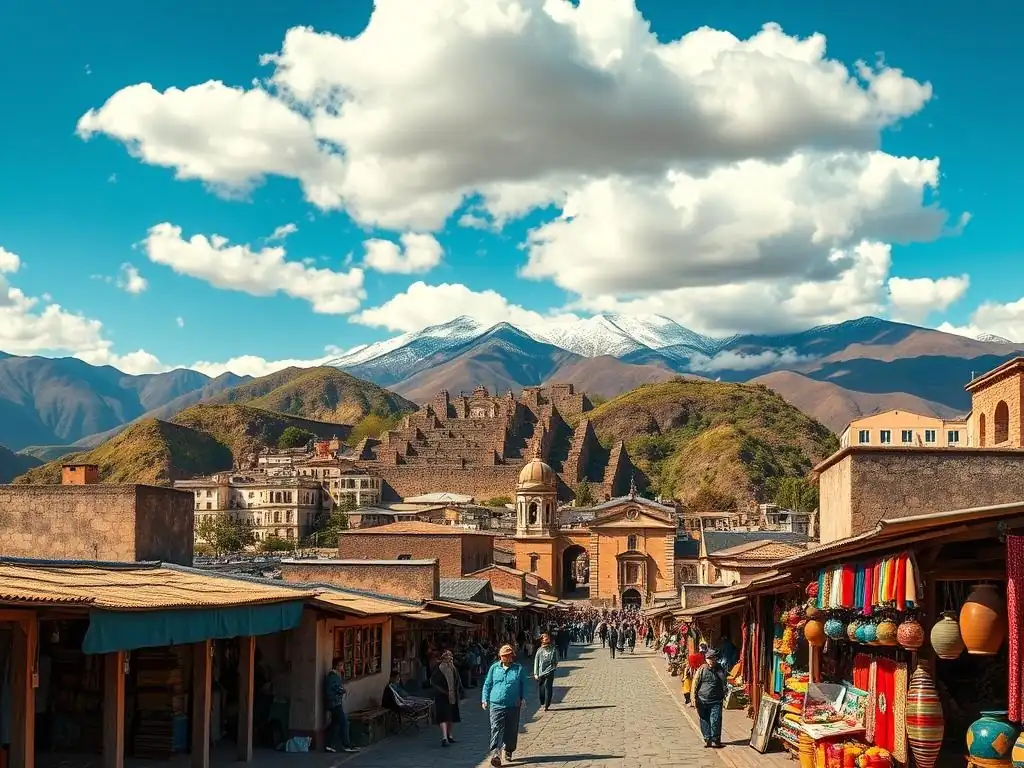
Welcome to Indigenous Civilizations of the Americas, where we embark on a compelling journey through the rich tapestry of cultures that flourished across the continent long before European contact. Our exploration begins with an in-depth look at the Cuzco Inca Empire's political significance, a city that was not merely a geographical center but the very heartbeat of a vast empire. What made Cuzco the epicenter of Incan power and influence?
As you delve into our articles, prepare to uncover the intricate web of achievements, societal structures, and the enduring legacy of these remarkable civilizations. Join us as we unveil the stories that shaped the Americas!
Introduction to Cuzco and Its Importance
Cuzco, often referred to as the capital of the Inca Empire, was not merely a city; it was the political, cultural, and spiritual nucleus of one of the most advanced civilizations in pre-Columbian America. The phrase "Cuzco Inca Empire political significance" encapsulates the essence of this remarkable city, as it played a crucial role in the administrative and governance structures that defined the Inca state.
Cuzco's strategic location in the Andean highlands allowed it to serve as a vital hub for trade, communication, and military operations, ultimately influencing the empire's ability to expand and maintain control over vast territories. This article explores the multifaceted political significance of Cuzco, examining its historical context, governance systems, and the legacy it left behind.
Overview of the Inca Empire's Political Landscape
The Inca Empire, known as Tawantinsuyu, was an intricate network of administrative divisions and regions governed from Cuzco. Its political landscape was characterized by a centralized authority, with the Sapa Inca (the supreme ruler) holding absolute power. The structure was hierarchical, comprising various levels of governance, including:
- Sapa Inca: The divine ruler and head of state.
- Nobles and Officials: Assisted in administration, tax collection, and law enforcement.
- Local Leaders: Managed specific regions or communities, often with loyalty to the Sapa Inca.
Cuzco played a pivotal role in this landscape, serving as the epicenter from which policies and decisions radiated, reinforcing the empire's cohesion and stability.
Significance of Cuzco in Inca Governance
Cuzco's significance extends beyond its role as the political capital; it was also a symbol of Inca identity and unity. The city housed the Qorikancha, the Temple of the Sun, which embodied the Inca's religious beliefs and was a place of worship for their sun deity, Inti. This interweaving of politics and religion helped legitimize the authority of the Sapa Inca. Additionally, the administrative infrastructure established in Cuzco allowed for effective governance across diverse regions, facilitating the management of resources, labor, and tribute systems that were essential for the empire's prosperity.
Historical Context of Cuzco’s Political Significance
The Founding of Cuzco and Its Early Role
Cuzco's foundation dates back to the early 15th century, attributed to the legendary first Sapa Inca, Manco Cápac, who is said to have emerged from Lake Titicaca. Initially, Cuzco was a modest settlement, but it quickly evolved into a crucial political center as the Inca expanded their territory. The early role of Cuzco was marked by its strategic position, serving as a gathering point for tribes and communities that would later form the backbone of the Inca Empire.
Evolution of Cuzco as the Capital of the Inca Empire
As the empire expanded, Cuzco transformed into a symbol of power and authority. By the time of Pachacuti, the ninth Sapa Inca, Cuzco became the official capital, reflecting the centralized governance model that characterized the empire. Under Pachacuti's leadership, Cuzco underwent significant urban development, including the construction of monumental architecture and extensive road networks that facilitated communication and trade. This evolution solidified Cuzco's status as not only a political capital but also a cultural and economic hub, solidifying its legacy in the annals of history.
Cuzco's political significance within the Inca Empire is a testament to its role as the heart of governance, culture, and identity for one of the most formidable civilizations in the Americas. Its historical evolution illustrates the intricate relationship between power, place, and the enduring legacy of the Inca people.
Cuzco as the Political Center of the Inca Empire
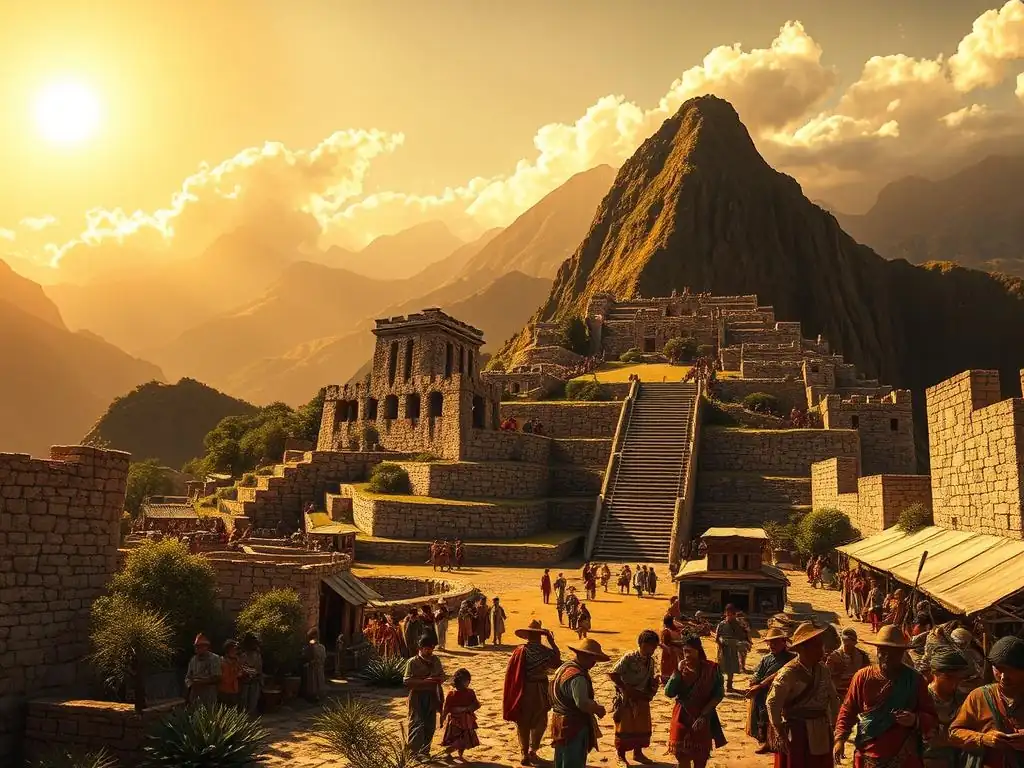
Cuzco, often referred to as the "navel of the world," served as the political heart of the Inca Empire, which spanned from the northern regions of modern-day Ecuador to central Chile. Its strategic location in the Andean highlands made it an ideal hub for governance, administration, and cultural integration. As the capital city, Cuzco was not only the residence of the Sapa Inca, the supreme ruler, but it also housed the central government apparatus that orchestrated the vast empire's activities.
The architecture of Cuzco reflected its political significance, with grand structures like the Coricancha (Temple of the Sun) and the Sapa Inca's palace showcasing the empire's wealth and power. The city's layout was meticulously designed, symbolizing the Inca worldview, where the four regions of their empire converged at its center. Cuzco's political role extended beyond mere administration; it was a cultural and religious center that fostered unity among the diverse populations within the empire.
Administrative Functions of Cuzco in the Inca Government
Cuzco served as the administrative epicenter for the Inca Empire, where intricate systems of governance were developed to manage the vast territories. The central government in Cuzco was responsible for various administrative functions, including tax collection, resource distribution, and legal adjudication. The Inca bureaucracy was highly organized, with officials known as "curacas" overseeing local communities and reporting back to the central authority.
In terms of governance, Cuzco implemented a system of record-keeping, utilizing quipus—an intricate network of knotted strings—to maintain accurate records of population, resources, and tribute. This allowed the Sapa Inca and his advisors to make informed decisions regarding the empire's needs and logistics. The centralized nature of governance in Cuzco facilitated efficient communication and coordination across the extensive territories, ensuring that local administrations adhered to the policies set forth by the imperial government.
Cuzco’s Role in Territorial Control and Management
Cuzco was pivotal in the Inca Empire's territorial control and management, functioning as the command center for military and administrative operations. The city's geographical location allowed for effective oversight of the empire's diverse regions, enabling the Sapa Inca to deploy armies swiftly to quell uprisings or expand territory.
The Inca utilized a network of roads radiating from Cuzco, known as the "Qhapaq Ñan," which facilitated trade, communication, and troop movements across the empire. This infrastructure not only enhanced military logistics but also promoted economic integration by linking different regions and allowing for the exchange of goods and resources.
Moreover, Cuzco played a crucial role in the management of agricultural production and labor. The state imposed a system of labor taxation called "mita," which required communities to contribute labor to state projects, including agriculture and infrastructure. This system, managed from Cuzco, ensured a steady supply of resources to support the empire's populace and military endeavors.
Key Political Institutions Based in Cuzco
Cuzco was home to several key political institutions that shaped the governance of the Inca Empire. These institutions were integral to maintaining order, enforcing laws, and executing the Sapa Inca's directives throughout the realm.
The Sapa Inca: Leadership and Authority
The Sapa Inca was the supreme ruler of the Inca Empire, embodying both political and religious authority. As the descendant of the sun god Inti, the Sapa Inca was viewed as a divine figure, which legitimized his rule and reinforced the social hierarchy. His power extended over all aspects of governance, including military leadership, economic control, and religious practices.
The Sapa Inca's court in Cuzco was populated by nobles and advisors who assisted in decision-making and administration. The ruler's authority was absolute, and he governed through a combination of charisma and the established laws of the empire. The Sapa Inca's leadership was characterized by a strong emphasis on expansion, infrastructure development, and the integration of conquered peoples into the Inca way of life.
The Role of the Council of the Realm (Apu) in Governance
The Council of the Realm, known as the "Apu," played a significant advisory role in the governance of the Inca Empire. Composed of high-ranking nobles and officials, the Apu provided counsel to the Sapa Inca on matters of state, including military strategy, resource management, and legal issues.
This council was instrumental in maintaining the balance of power within the empire, as it represented various regional interests and perspectives. The Apu's influence was crucial in decision-making processes, ensuring that the Sapa Inca was informed about the diverse needs of the empire's constituents. This collaborative governance model fostered loyalty among the nobility, as they had a platform to voice concerns and contribute to the welfare of their regions.
Religious Institutions and Their Political Influence in Cuzco
Religious institutions in Cuzco held significant political influence, intertwining governance with spirituality. The most revered site was the Coricancha, dedicated to the sun god Inti, which served as the religious heart of the empire. Priests and religious leaders played crucial roles in legitimizing the Sapa Inca's authority, as they performed rituals that reinforced his divine status.
Religious festivals and ceremonies organized in Cuzco were not only spiritual events but also opportunities for political display and community cohesion. These events reinforced the social order and the Inca's connection to the gods, further solidifying their rule over the empire. The interplay between religion and politics in Cuzco exemplified the Inca's belief in the divine right of kings and the necessity of maintaining harmony between the earthly and spiritual realms.
Cuzco’s Influence on Inca Society and Culture
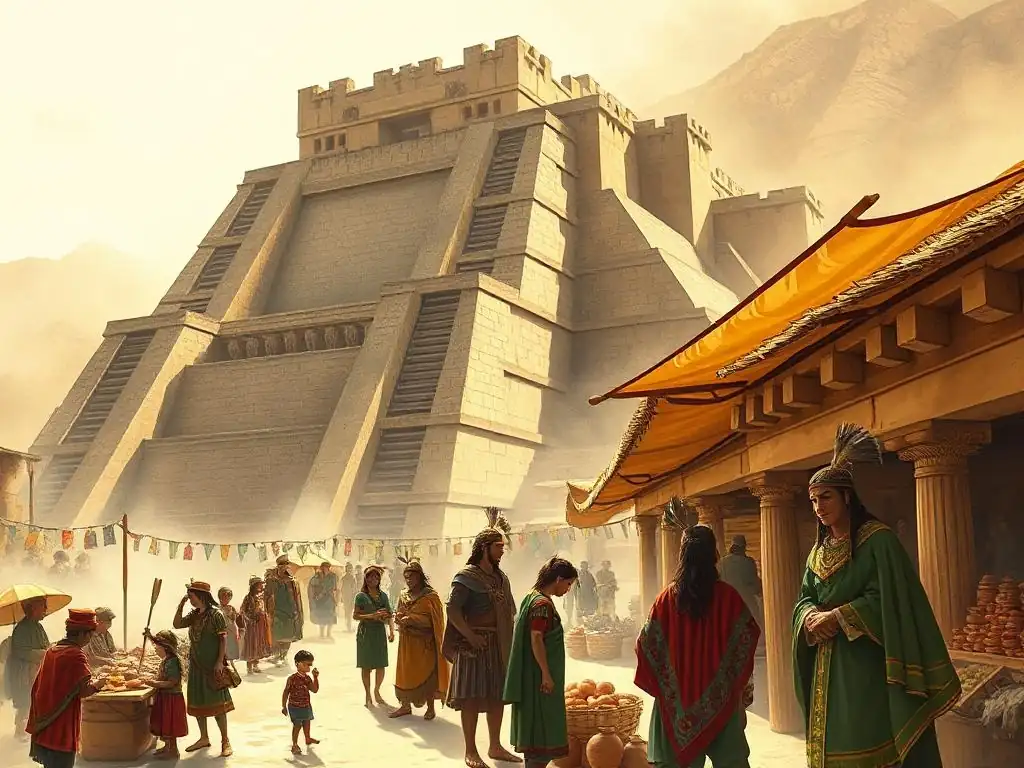
Cuzco, often regarded as the heart of the Inca Empire, served not only as its political capital but also as a vibrant cultural center. The city was a melting pot of diverse ethnic groups, languages, and traditions, which contributed to a rich tapestry of Inca identity. Cuzco's layout, with its impressive stone architecture and religious temples, reflected the Inca values of organization, strength, and reverence for the gods. The famous Qorikancha, or Temple of the Sun, epitomized this blend of politics and spirituality, showcasing how the Incas intertwined their governance with their religious beliefs.
Moreover, Cuzco was instrumental in disseminating cultural practices throughout the empire. Festivals, rituals, and communal gatherings often originated in Cuzco before spreading to other regions. The Inti Raymi, or Festival of the Sun, celebrated in Cuzco, exemplified the connection between agriculture, religion, and state power, reinforcing the emperor's divine right to rule.
The Interconnection Between Politics and Religion in Cuzco
In Cuzco, politics and religion were inseparable, as the Inca rulers were considered both political leaders and divine figures. The emperor, or Sapa Inca, was viewed as the son of the sun god, Inti, which bestowed a sacred legitimacy to his authority. This intertwining of governance and spirituality meant that political decisions were often justified through religious doctrine, creating a society that revered its leaders as intermediaries between the gods and the people.
Ceremonies held in Cuzco had profound political implications, as they were essential for maintaining social order and unity within the empire. Rituals often involved sacrifices and offerings to the gods, reinforcing the notion that the welfare of the state was directly linked to divine favor. As a result, Cuzco became a focal point for both political power and religious devotion, shaping the ideological framework that governed Inca society.
Cuzco as a Hub of Economic Activity and Trade
Cuzco was not only the political capital of the Inca Empire but also a vital economic hub. Its strategic location facilitated trade routes that connected various regions, enabling the exchange of goods, resources, and cultural ideas. The city became a center for the production and distribution of agricultural products, textiles, and precious metals, contributing significantly to the empire's wealth.
The Inca road system, which radiated from Cuzco, played a crucial role in enhancing trade efficiency. Merchants and travelers utilized these roads, allowing for the movement of goods across vast distances, which in turn fostered inter-regional trade. Cuzco's bustling marketplaces were filled with diverse products, showcasing the empire's economic diversity and the importance of trade in sustaining Inca society.
Cuzco’s Political Legacy in the Inca Empire
Cuzco's political legacy is foundational to understanding the governance of the Inca Empire. The city established a model of centralized authority that influenced the administrative structures of the entire empire. Through a combination of direct rule and local governance, the Incas managed to effectively administer vast territories while maintaining loyalty among diverse populations.
The political organization centered in Cuzco laid the groundwork for the establishment of provincial capitals and regional governors, known as curacas, who were responsible for local administration. This system not only facilitated the control of resources and labor but also ensured that Cuzco remained the epicenter of political activity, reinforcing its status as the heart of the Inca Empire.
How Cuzco Shaped Inca Political Strategies
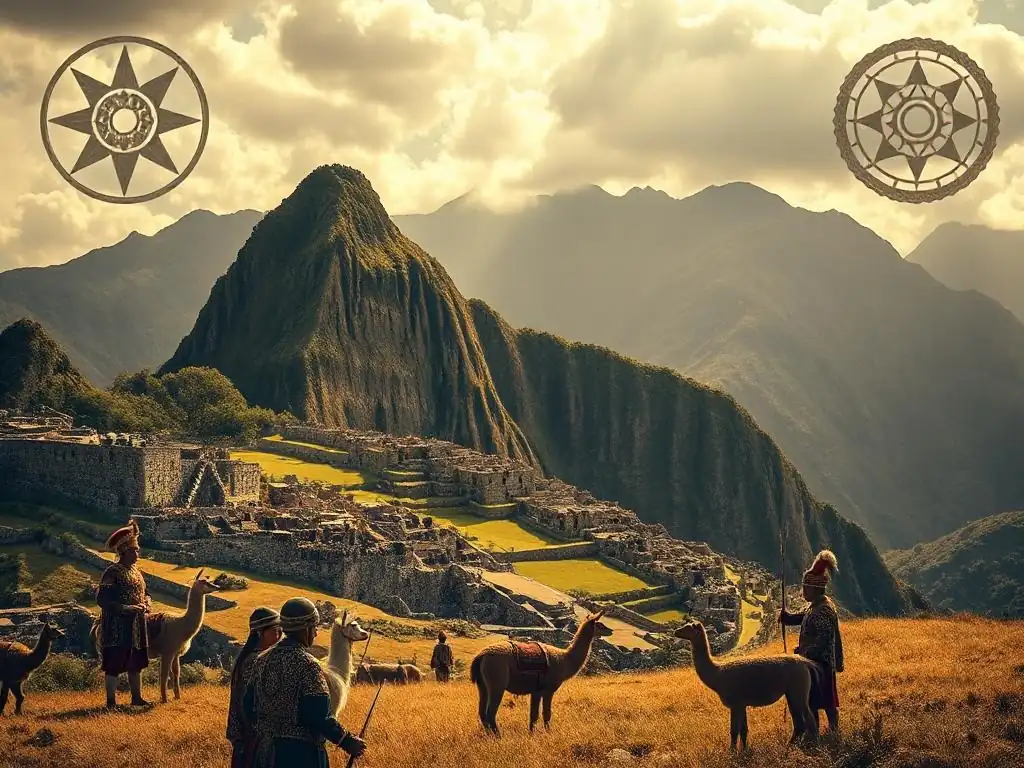
Cuzco's unique position allowed it to shape various political strategies that ensured the stability and longevity of the Inca Empire. The city served as a training ground for future leaders and administrators, fostering a culture of loyalty to the Sapa Inca and the central government. The emphasis on education and military training in Cuzco prepared leaders to effectively manage regional affairs and respond to challenges.
Additionally, the Incas employed strategic marriages and alliances, often orchestrated from Cuzco, to consolidate power and expand their influence. These alliances not only secured loyalty from local leaders but also integrated various ethnic groups into the Inca political framework, promoting unity and reducing the likelihood of rebellion.
The Impact of Cuzco’s Governance on Inca Society
The governance model developed in Cuzco had profound impacts on Inca society. The centralized authority of the Sapa Inca, coupled with a well-organized bureaucracy, facilitated the implementation of policies that affected all aspects of life, from agriculture to military service. The redistribution of resources, managed from Cuzco, ensured that the needs of the population were met, contributing to social stability.
Moreover, the governance structure fostered a sense of collective identity among the diverse peoples of the empire. The promotion of the Inca language, Quechua, and the establishment of a common legal framework helped unify various cultural groups under a single political entity. This legacy of governance not only defined the Inca Empire during its height but also influenced subsequent Andean societies after the fall of the Incas, leaving a lasting imprint on the region's history.
Conclusion: The Lasting Political Significance of Cuzco
Cuzco, often referred to as the political heart of the Inca Empire, played a pivotal role not only in the governance of the empire but also in shaping cultural and economic frameworks that influenced various aspects of life within the region. The city served as the administrative and ceremonial center, where the Sapa Inca, the emperor, wielded significant power, and decisions affecting the vast empire were made. Cuzco's strategic location and intricate network of roads facilitated communication and trade, which were essential for maintaining control over the diverse territories of the Inca Empire.
Moreover, the architectural marvels, such as the Sacsayhuamán fortress and the Coricancha temple, not only exemplified the political might of the Incas but also symbolized the integration of religion and governance. Thus, Cuzco's political significance extends beyond its historical role; it continues to resonate in contemporary discussions about indigenous governance and cultural identity in Peru.
Reflection on Cuzco’s Role in the Decline of the Inca Empire
Cuzco's political significance was intricately linked to the empire's eventual decline. As the capital, it was the epicenter of administrative and military activities. However, the challenges posed by internal strife, such as succession disputes and the impact of Spanish colonization, contributed to its downfall. The city became a target for conquest, leading to its occupation and the dismantling of the Inca political structure.
The weakening of Cuzco's authority reflected broader vulnerabilities within the Inca Empire. The lack of a clear succession plan and the administrative complexities that arose from governing a vast and diverse territory made it difficult to maintain cohesion. These factors, alongside the arrival of European powers, ultimately led to the disintegration of the central authority that Cuzco represented.
Modern Perspectives on Cuzco's Political Heritage
Today, Cuzco stands as a symbol of resilience and cultural pride for the descendants of the Inca civilization. Modern perspectives on its political heritage highlight the importance of indigenous governance systems that predate European contact. Scholars and activists emphasize the need to recognize and integrate these systems into contemporary political discourse.
Cuzco's legacy is also evident in the revival of traditional practices and languages among indigenous groups in Peru. There is a growing movement to reclaim Cuzco's historical significance, not only as a relic of the past but as a living example of indigenous political organization that can inspire modern governance. This shift encourages a dialogue about sovereignty, cultural identity, and the importance of indigenous perspectives in shaping Peru's future.
Further Reading and Resources on Cuzco and Inca Political Structure
Recommended Books and Articles
- "The Inca Empire: A Multi-faceted Society": by David M. Jones: This book provides an in-depth analysis of the social, political, and economic structures of the Inca Empire, with specific focus on Cuzco's pivotal role.
- "Cuzco: The Heart of the Inca Empire": by Marcia A. Smith: A comprehensive exploration of Cuzco's history and its significance as the political center of the Inca civilization.
- "The Last Days of the Incas" by Kim MacQuarrie: This narrative history discusses the fall of the Inca Empire, including the critical events that took place in Cuzco.
Online Resources for Exploring Inca Governance
- The Inca Project: An extensive online resource dedicated to the study of Inca civilization, offering research articles, maps, and databases on Cuzco and its political structures.
- Cuzco Virtual Museum: An interactive platform that allows users to explore artifacts, architecture, and the historical significance of Cuzco in the Inca Empire through virtual exhibits.
- Peruvian Ministry of Culture - Inca Heritage: A portal that provides information about conservation efforts and the cultural significance of Cuzco, along with resources for further exploration of Inca governance.
- Introduction to Cuzco and Its Importance
- Overview of the Inca Empire's Political Landscape
- Significance of Cuzco in Inca Governance
- Historical Context of Cuzco’s Political Significance
- Cuzco as the Political Center of the Inca Empire
- Administrative Functions of Cuzco in the Inca Government
- Cuzco’s Role in Territorial Control and Management
- Key Political Institutions Based in Cuzco
- Cuzco’s Influence on Inca Society and Culture
- The Interconnection Between Politics and Religion in Cuzco
- Cuzco as a Hub of Economic Activity and Trade
- Cuzco’s Political Legacy in the Inca Empire
- How Cuzco Shaped Inca Political Strategies
- The Impact of Cuzco’s Governance on Inca Society
- Conclusion: The Lasting Political Significance of Cuzco
- Further Reading and Resources on Cuzco and Inca Political Structure
- What was the political significance of Cuzco in the Inca Empire?
- How did Cuzco contribute to the Inca Empire's administration?
- What role did religion play in Cuzco's political structure?
- How did Cuzco's geography enhance its political importance?
- What lasting impacts did Cuzco have on indigenous cultures?
Frequently Asked Questions
What was the political significance of Cuzco in the Inca Empire?
Cuzco served as the political capital of the Inca Empire, where key decisions were made, and political power was centralized, influencing governance across vast territories.
How did Cuzco contribute to the Inca Empire's administration?
Cuzco was the administrative hub of the empire, housing officials, records, and taxation systems, enabling effective management and control over diverse regions.
What role did religion play in Cuzco's political structure?
Religion was intertwined with politics in Cuzco, as sacred sites and temples reinforced the authority of leaders, linking them to the divine and ensuring social cohesion.
How did Cuzco's geography enhance its political importance?
Cuzco's strategic location in the Andes allowed it to serve as a center for trade, communication, and military operations, strengthening the Inca's political reach.
What lasting impacts did Cuzco have on indigenous cultures?
Cuzco's legacy includes influencing political structures and cultural practices across subsequent indigenous civilizations, perpetuating its significance long after the fall of the Inca Empire.
Final Reflection: The Enduring Legacy of Cuzco's Political Significance
Cuzco's role as the political heart of the Inca Empire remains profoundly relevant today, as it serves as a testament to the power of centralized governance and cultural identity. The intricate systems of administration and societal organization established in Cuzco not only shaped the Inca civilization but also laid the groundwork for understanding the complexities of political structures in contemporary societies. The lessons drawn from Cuzco's political significance resonate with modern governance, reminding us that strong leadership and cultural cohesion are essential for societal advancement.
The influence of Cuzco extends beyond its historical context, continuing to shape the cultural and social landscape of Peru and the broader Andean region. The city stands as a symbol of resilience and unity, showcasing how a centralized political hub can foster a rich tapestry of cultural heritage. As we reflect on this legacy, we are reminded of the words of historian John Hemming: The Incas created a society that was both complex and cohesive, a model of governance that still inspires modern nations.
This observation underscores the ongoing relevance of Cuzco's political significance, as it invites us to explore how historical frameworks can inform current governance and community-building efforts.
As we conclude this exploration of Cuzco's political heart, I invite you to reflect on the lessons it imparts for our own lives and communities. Consider how the principles of leadership, unity, and cultural identity exemplified by the Incas can be applied in your personal and professional spheres. Let the story of Cuzco inspire you to embrace the power of collaboration and vision in your endeavors, fostering a sense of belonging and purpose that transcends time and place. Together, we can honor the legacy of Cuzco by building stronger, more connected communities that celebrate our shared histories and aspirations.
Unveil the Secrets of Cuzco’s Legacy!
Thank you for exploring the fascinating story of Cuzco, the political heart of the Inca Empire! Your interest in this rich history highlights the incredible achievements of indigenous civilizations. Now, let’s take those insights further and actively engage with this legacy.
Here are some steps you can take to deepen your connection with Cuzco:
- Discover Cuzco's Wonders: Plan a visit to this historic city or explore virtual tours; immersive experiences can ignite your passion for history!
- Join the Conversation: Share this article with friends or on social media to inspire others to appreciate the significance of indigenous cultures.
- Dive Deeper: Read more about the incredible innovations of the Inca Empire, such as their unique agricultural practices and architectural marvels.
What aspect of Cuzco's history fascinates you the most, and how do you think it shapes our understanding of indigenous resilience today?