
Machu Picchu: A Case Study of Resilience in Indigenous Architecture Amidst Climate Change

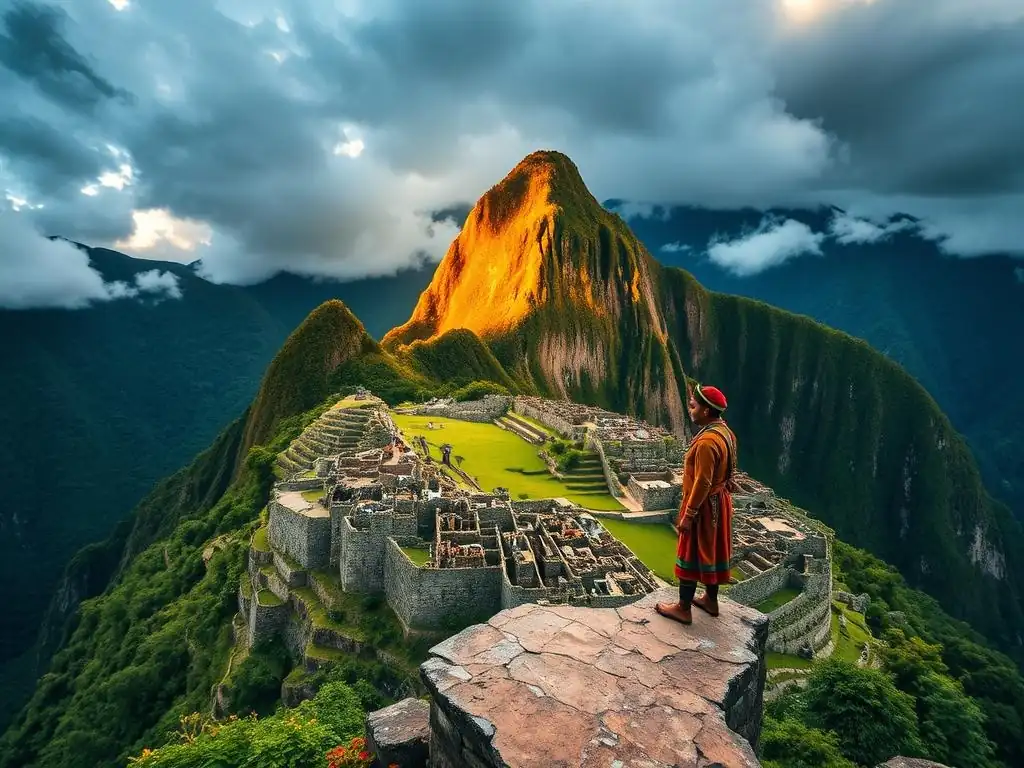
Welcome to Indigenous Civilizations of the Americas, where we embark on a fascinating journey through the rich tapestry of indigenous cultures that flourished across the continent long before European colonization. Here, we delve into their remarkable achievements and the profound legacy they left behind. In our featured article, “Machu Picchu: A Case Study of Resilience in Indigenous Architecture Amidst Climate Change,” we explore how these ancient architects not only adapted to their environment but also crafted solutions that resonate with today's challenges.
Join us as we uncover the ingenuity and resilience that define these extraordinary civilizations, and discover how their wisdom can inform our understanding of sustainability in the face of climate change. Dare to dive deeper into this captivating narrative!
- Introduction to Machu Picchu and Indigenous Architecture
- Historical Context of Machu Picchu
- Climate Change Challenges Facing Machu Picchu
- Indigenous Architectural Resilience at Machu Picchu
- Case Studies of Resilience in Indigenous Architecture
- Future Directions for Preservation and Sustainability
- Conclusion
-
Frequently Asked Questions
- What is the significance of Machu Picchu in indigenous architecture?
- How does Machu Picchu demonstrate resilience to climate change?
- What are the key architectural features of Machu Picchu?
- How did indigenous cultures influence modern architectural practices?
- What lessons can we learn from indigenous architecture regarding climate change?
- Final Reflection: Resilience in Indigenous Architecture Amidst Climate Change
- Unveil Your Connection to Indigenous Resilience!
Introduction to Machu Picchu and Indigenous Architecture
Machu Picchu, often referred to as the "Lost City of the Incas," stands as a testament to the ingenuity and resilience of indigenous architecture in the Americas. Nestled high in the Andes Mountains of Peru, this remarkable site not only showcases sophisticated construction techniques but also reflects the cultural and spiritual beliefs of the Inca civilization.
As we examine Machu Picchu through the lens of indigenous architecture, it becomes evident that these ancient builders possessed a profound understanding of their environment, allowing them to create structures that have withstood the test of time and climate. This article delves into the intricate relationship between Machu Picchu and the resilience exhibited by indigenous architecture, particularly in the face of contemporary climate change challenges.
Overview of Machu Picchu as a Historical Site
Machu Picchu was constructed in the mid-15th century under the reign of Inca Emperor Pachacuti, and it served both as a royal estate and a religious site. This UNESCO World Heritage site boasts a remarkable array of stone structures, terraces, and agricultural fields that blend seamlessly with the surrounding natural landscape.
- Key Features of Machu Picchu:
- Terraced Agriculture: Ingeniously designed terraces allowed for efficient farming on steep slopes.
- Astronomical Alignments: Structures such as the Intihuatana stone demonstrate the Incas' advanced understanding of astronomy.
- Advanced Engineering: The precise stone-cutting and fitting techniques used in construction reflect sophisticated engineering skills.
The location of Machu Picchu, perched at an elevation of over 2,400 meters (about 7,874 feet), illustrates the Inca's ability to adapt to challenging terrains. The site remains a profound symbol of Inca civilization and continues to captivate visitors from around the globe.
Importance of Indigenous Architecture in the Andes
Indigenous architecture in the Andes is characterized by its deep connection to the environment and the cultural practices of the people. The architectural styles reflect a harmonious relationship with the natural world, utilizing local materials and adapting designs to the climatic conditions.
- Core Aspects of Indigenous Architecture:
- Material Usage: Indigenous builders primarily used stone, adobe, and wood sourced from their immediate environment.
- Cultural Symbolism: Structures often held spiritual significance, embodying the values and beliefs of the communities.
- Sustainability: Traditional building practices promoted sustainability, ensuring that structures blended into the landscape without depleting local resources.
The architectural achievements of indigenous cultures in the Andes serve as critical insights into their societies, revealing their strategies for survival and adaptation.
Significance of Resilience in Climate Change Adaptation
As climate change poses increasing threats to global heritage sites, understanding the resilience of indigenous architecture becomes paramount. Machu Picchu exemplifies how ancient builders anticipated and mitigated environmental challenges through innovative design and construction methodologies.
- Resilience Strategies Observed:
- Terracing for Erosion Control: The stepped terraces not only maximized arable land but also reduced soil erosion during heavy rains.
- Water Management Systems: Ingenious aqueducts and drainage systems were employed to manage water flow effectively.
- Material Durability: The use of locally sourced, durable materials allowed structures to withstand seismic activity and weathering.
Recognizing these resilient practices can inform contemporary approaches to preserving cultural heritage sites in the face of climate change, highlighting the enduring legacy of indigenous architecture and its relevance in today's world.
Historical Context of Machu Picchu
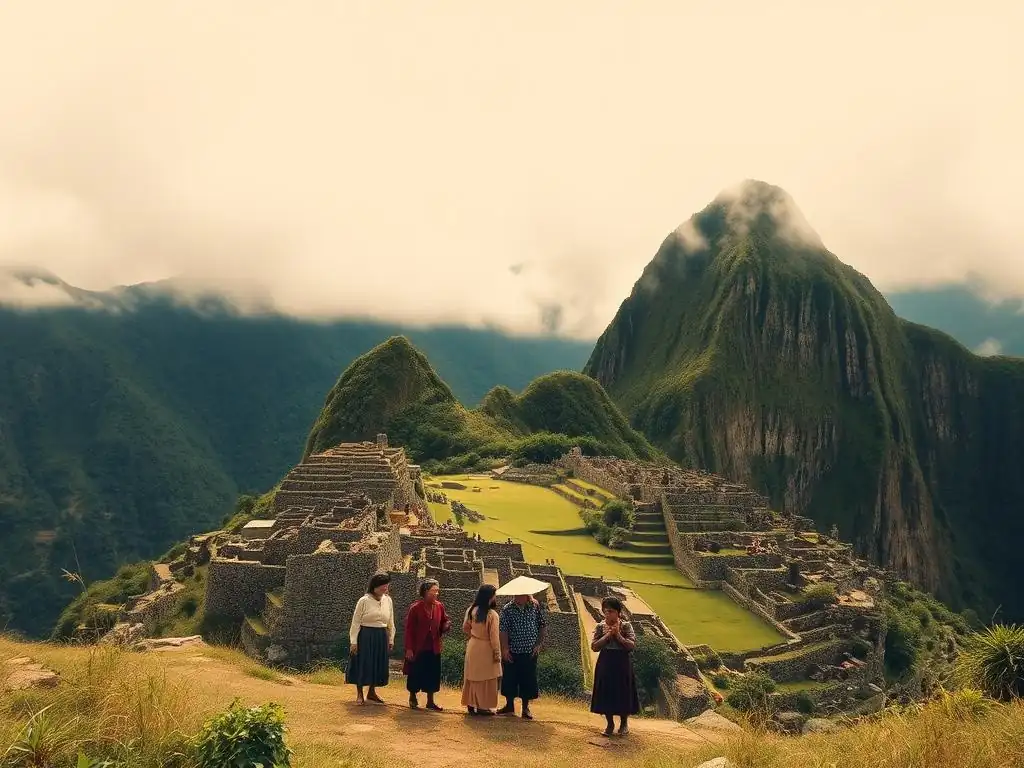
Machu Picchu, often referred to as the "Lost City of the Incas," represents a pinnacle of indigenous architecture and ingenuity. Constructed in the mid-15th century under the reign of the Inca Emperor Pachacuti, this monumental site reflects not only the architectural prowess of the Inca civilization but also their profound relationship with the surrounding environment. The historical context of Machu Picchu is crucial for understanding its design, construction, and the resilience displayed in its architecture amidst climate change.
The Inca Civilization and Architectural Innovations
The Inca civilization, which flourished from the early 15th century until the Spanish conquest in the 16th century, was notable for its advanced engineering and architectural techniques. Their ability to adapt to diverse terrains, such as the steep Andean mountains, showcased their resilience and ingenuity. Key innovations included:
- Terracing: The Incas developed extensive terracing systems that maximized agricultural production in high-altitude environments. This technique not only prevented soil erosion but also regulated water flow, essential for sustaining crops in a challenging climate.
- Stone Masonry: Inca architecture is characterized by finely crafted stonework, with structures built using precisely cut stones that fit together without mortar. This technique enhanced durability and stability, enabling buildings to withstand seismic activity common in the region.
- Water Management Systems: Machu Picchu features sophisticated water management systems, including aqueducts and fountains, which harnessed natural springs. These systems were crucial for providing water to the inhabitants and agricultural areas, demonstrating an understanding of hydrology and environmental management.
These architectural innovations not only served practical purposes but also held cultural significance, reflecting the Inca's cosmological beliefs and social organization.
Cultural Practices and Indigenous Knowledge Systems
Indigenous knowledge systems played a vital role in the construction and sustainability of Machu Picchu. The Incas possessed a deep understanding of their environment, which informed their architectural choices and cultural practices. Key aspects include:
- Agricultural Practices: The Incas employed traditional farming methods, such as crop rotation and companion planting, which enhanced soil fertility and resilience to climate variations. These practices were integral to food security and sustainability.
- Ritual and Spiritual Significance: The design of Machu Picchu was influenced by spiritual beliefs, with structures aligned to astronomical events and sacred landscapes. This connection between architecture and spirituality reinforced the cultural identity of the indigenous people.
- Community Collaboration: The construction of Machu Picchu was a communal effort, reflecting the Inca's social organization. Labor was often organized through the mit'a system, which required individuals to contribute to public works, fostering a sense of community and shared responsibility for the environment.
These cultural practices and knowledge systems contributed to the resilience of Machu Picchu, enabling it to endure environmental challenges over centuries.
Relationship Between Indigenous Architecture and the Environment
The relationship between indigenous architecture, such as that of Machu Picchu, and the environment is a testament to the adaptability and resilience of indigenous cultures. Several elements illustrate this connection:
- Site Selection: Machu Picchu's location was strategically chosen for its natural defenses and access to resources. The site is perched on a ridge surrounded by steep cliffs and mountains, allowing for natural protection against invasions and climate extremes.
- Integration with Nature: The architecture of Machu Picchu harmonizes with the landscape. Many structures are built into the natural topography, minimizing disruption to the environment while maximizing sunlight and wind exposure. This design principle shows an understanding of local climatic conditions and ecological balance.
- Resilience to Climate Change: The Inca's architectural strategies, including terracing and water management, illustrate a proactive approach to potential climate variations. This resilience is particularly relevant today, as contemporary societies seek inspiration from indigenous practices to address climate challenges.
Machu Picchu stands as a powerful symbol of indigenous architecture's resilience in the face of climate change, offering valuable lessons in sustainability and environmental stewardship. Its enduring legacy continues to inspire both admiration and reflection on the importance of integrating indigenous knowledge with modern practices in architecture and urban planning.
Climate Change Challenges Facing Machu Picchu
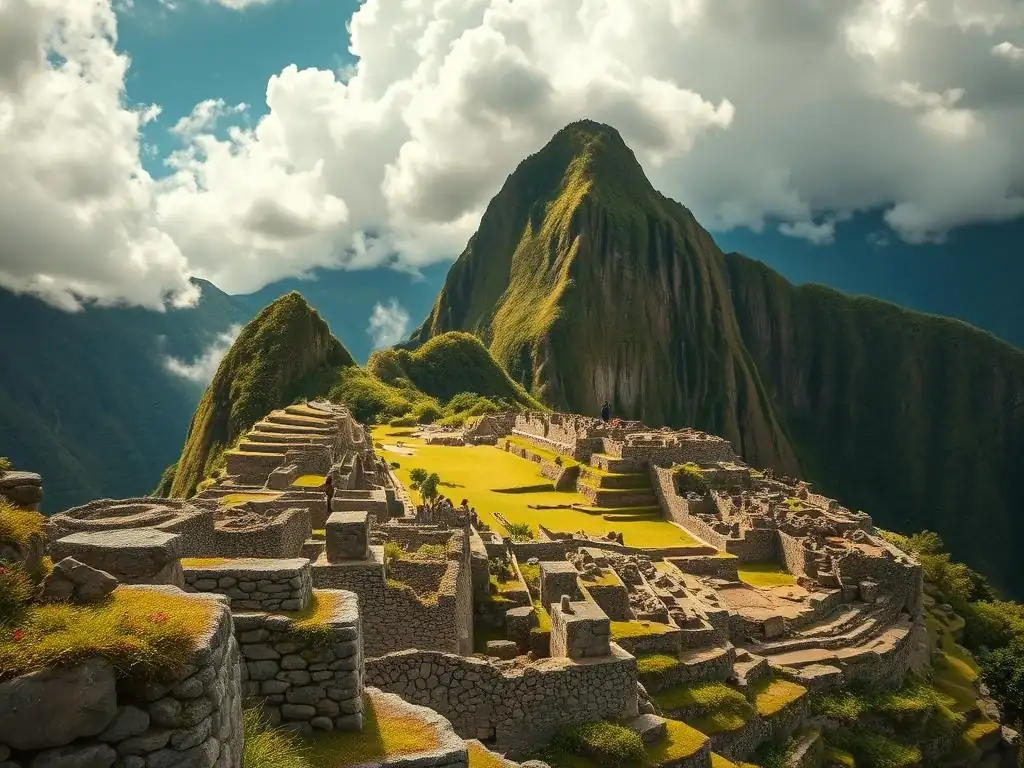
The magnificent site of Machu Picchu, a UNESCO World Heritage Site, stands as a testament to the ingenuity and resilience of indigenous architecture. However, the ongoing climate crisis poses significant challenges to its preservation and structural integrity. This section explores the multifaceted impacts of climate change on Machu Picchu, examining both environmental shifts and specific threats to its architectural marvels.
Impact of Climate Change on Andean Ecosystems
The Andean ecosystems, which encompass Machu Picchu, are uniquely adapted to their high-altitude environment. However, climate change is inducing notable transformations in these ecosystems:
- Temperature Increases: Average temperatures in the Andean region have risen by approximately 1.5°C over the last century, influencing flora and fauna.
- Glacial Retreat: The glaciers that feed the rivers surrounding Machu Picchu are retreating, leading to changes in water availability and increased risk of landslides.
- Biodiversity Loss: Alterations in climatic conditions threaten endemic species, disrupting ecological balance and impacting traditional agricultural practices of indigenous communities.
These changes not only affect the local environment but also challenge the sustainability of the indigenous practices that have thrived for centuries.
Specific Threats to Machu Picchu’s Structure and Preservation
Machu Picchu's architectural resilience is being tested by various climate-related threats:
- Increased Rainfall and Erosion: The region has experienced intensified rainfall patterns, leading to soil erosion and destabilization of structures. This phenomenon is exacerbated by deforestation and land-use changes.
- Landslides: Heavy rainfall increases the likelihood of landslides, which can damage pathways and terraces, posing immediate risks to the site’s structural integrity.
- Vegetation Growth: Warmer temperatures and increased humidity promote rapid vegetation growth, which can infiltrate stone walls and compromise their stability.
To combat these challenges, ongoing preservation efforts must integrate sustainable practices, enhancing the resilience of both the site and its surrounding ecosystems.
The Role of Weather Patterns in Architectural Resilience
Weather patterns play a crucial role in determining the resilience of Machu Picchu's architecture. The Incas demonstrated a profound understanding of their environment, incorporating features that enhanced the durability of their structures:
- Terracing Techniques: The use of terracing not only maximizes arable land but also mitigates the impact of erosion by managing water flow effectively.
- Drainage Systems: Ingenious drainage systems were integrated into the architecture, allowing for the proper management of rainwater and reducing the risk of flooding and erosion.
- Orientation and Materials: The orientation of buildings and the choice of local materials were carefully considered to withstand climatic conditions, showcasing an early understanding of sustainable architecture.
As climate change continues to reshape weather patterns, the lessons gleaned from indigenous architecture can inform contemporary preservation strategies, ensuring that Machu Picchu remains a resilient symbol of indigenous ingenuity in the face of environmental challenges.
Indigenous Architectural Resilience at Machu Picchu
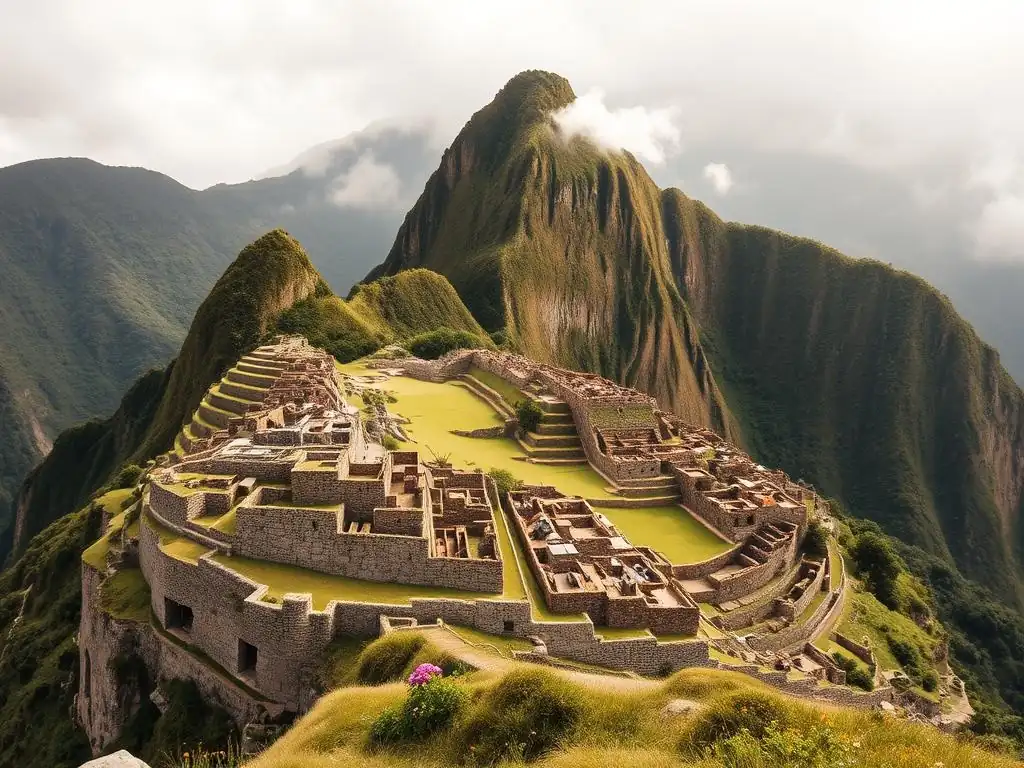
Machu Picchu, a remarkable testament to the ingenuity of the Inca civilization, exemplifies the resilience of indigenous architecture in the face of climate change. This iconic site, nestled high in the Andes Mountains of Peru, showcases a harmonious relationship between its structures and the natural environment. The architectural strategies employed by the Incas not only demonstrate their advanced understanding of local conditions but also highlight the importance of sustainable practices in mitigating the impacts of climate change.
Sustainable Building Materials Used in Incan Architecture
The Inca civilization utilized a variety of sustainable building materials that contributed to the resilience of Machu Picchu. These materials were locally sourced and carefully selected for their durability and suitability for the harsh Andean climate. Some key materials include:
- Stone: The Incas are renowned for their sophisticated stone masonry. They used granite and limestone, which were abundant in the region. The precision of their stone-cutting techniques ensured that the blocks fit together without the need for mortar, allowing for flexibility during seismic events.
- Adobe: In certain areas of Machu Picchu, adobe bricks were utilized. Made from clay mixed with straw, these bricks provided excellent insulation against temperature fluctuations, helping to maintain stable indoor climates.
- Wood: Timber, sourced from local forests, was employed in various structures, including roofs and doors. The use of native wood species helped minimize the ecological footprint of construction while ensuring that the materials were adapted to the local environment.
This careful selection of materials not only reflects the Incas' deep understanding of their surroundings but also their commitment to sustainability—a principle that continues to be relevant today in discussions of indigenous architecture resilience in the face of climate change.
Design Features that Enhance Structural Durability
The design features of Machu Picchu are a testament to the ingenuity of Incan architecture. Several key elements contribute to the structural durability of the site, particularly in relation to climate resilience:
- Terracing: The Incas implemented extensive agricultural terraces, which not only maximized arable land but also helped prevent soil erosion. This technique stabilized the landscape and allowed for effective water management, crucial in a region prone to heavy rainfall.
- Drainage Systems: Machu Picchu boasts an intricate drainage system designed to channel rainwater away from buildings and pathways. The use of stone-lined channels and carefully graded slopes minimizes water damage and reduces the risk of landslides.
- Orientation and Ventilation: The orientation of buildings at Machu Picchu was carefully planned to optimize natural ventilation. This design feature minimizes reliance on artificial cooling and heating, further enhancing the site's resilience to climatic variations.
By integrating these design features, the Incas created a robust architectural framework that continues to withstand the test of time and climate challenges, exemplifying indigenous architecture resilience.
Community Involvement in Preservation Efforts
The preservation of Machu Picchu is not solely the responsibility of government authorities; it also involves active community participation. Local communities play a vital role in maintaining the site and ensuring its resilience against climate change impacts. Key aspects of community involvement include:
- Cultural Heritage Education: Local organizations are dedicated to educating residents about the significance of Machu Picchu, fostering a sense of pride and responsibility towards its preservation. This awareness is crucial in promoting sustainable practices that protect both the site and the surrounding environment.
- Sustainable Tourism Practices: Communities are increasingly involved in promoting sustainable tourism initiatives that minimize the ecological footprint on Machu Picchu. By prioritizing eco-friendly practices, locals help ensure that the site remains resilient and that its natural resources are preserved for future generations.
- Collaborative Restoration Projects: Community members often collaborate with archaeologists and conservationists to restore and maintain structures within Machu Picchu. These joint efforts not only enhance the physical resilience of the site but also strengthen cultural ties and support traditional knowledge.
Through these collaborative efforts, local communities are empowered to take an active role in the preservation of Machu Picchu, ensuring that the architectural resilience of this monumental city continues to thrive amidst the challenges posed by climate change.
Case Studies of Resilience in Indigenous Architecture
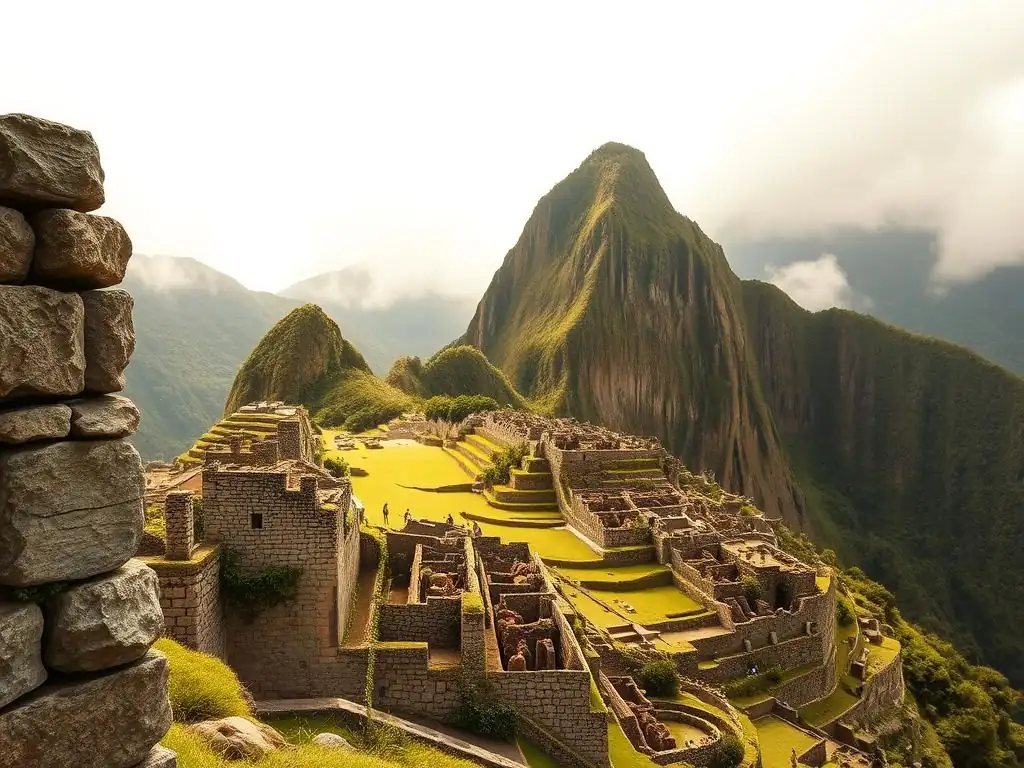
Indigenous architecture across the Americas showcases remarkable resilience in the face of environmental challenges, particularly in the context of climate change. The architectural practices of various civilizations not only reflect their deep understanding of local ecosystems but also demonstrate innovative techniques that have allowed them to adapt to shifting climatic conditions. Machu Picchu serves as an exemplary case study, but it is beneficial to explore other significant structures that illustrate similar resilience.
Comparative Analysis of Other Indigenous Structures
When examining indigenous architecture, several structures stand out for their resilience and ingenuity. Here are a few notable examples:
-
Mesa Verde (Ancestral Puebloans):
Located in Colorado, the cliff dwellings of the Ancestral Puebloans were designed to mitigate the impacts of harsh weather conditions. The overhanging cliffs provided natural insulation, while the precise orientation of the structures maximized sunlight exposure during winter months, thereby reducing the need for heating.
-
Chaco Canyon (Puebloan Civilization):
The monumental buildings of Chaco Canyon, New Mexico, showcase advanced engineering techniques that allowed for effective water management and thermal regulation. The community developed sophisticated irrigation systems that channeled water from seasonal rains, ensuring agricultural sustainability despite erratic climate patterns.
-
Tikal (Maya Civilization):
The Maya in Tikal utilized an intricate system of raised fields and canals to adapt to the region's tropical climate. By elevating their agricultural plots and creating drainage channels, they were able to cultivate crops effectively during periods of heavy rainfall, demonstrating a profound understanding of hydrology.
These examples highlight the overarching theme of resilience in indigenous architecture, revealing how various cultures have tailored their building practices to harmonize with their environments.
Lessons Learned from Machu Picchu’s Architectural Resilience
Machu Picchu is often regarded as a pinnacle of indigenous architectural achievement, particularly in its ability to withstand the test of time and climate. Several key lessons can be gleaned from its design and construction:
-
Integration with Nature:
The Inca civilization epitomized the principle of building in harmony with the landscape. Machu Picchu’s terraced fields and structures are seamlessly integrated into the mountainous terrain, minimizing disruption to the natural environment.
-
Sustainable Materials:
The use of local materials, such as granite, ensured not only structural integrity but also reduced the environmental footprint associated with transporting materials. The careful selection of stone types also contributed to the building's resilience against seismic activity.
-
Water Management Systems:
The sophisticated aqueducts and drainage systems at Machu Picchu are critical for managing water flow during heavy rains. These systems prevent erosion and flooding, demonstrating an advanced understanding of hydrological dynamics.
-
Thermal Regulation:
The orientation of buildings and the use of thermal mass in construction materials allowed for effective temperature control. This design strategy minimized the need for artificial heating or cooling, showcasing an environmentally sustainable approach.
Successful Adaptation Strategies Implemented
The resilience of indigenous architecture in the face of climate change is not solely dependent on historical practices; contemporary adaptations are equally vital. Here are several successful strategies that can be observed:
-
Restoration and Preservation Efforts:
Ongoing restoration projects at Machu Picchu aim to reinforce its structural integrity while respecting traditional building techniques. This blend of old and new practices ensures that the site remains an enduring symbol of indigenous resilience.
-
Community Engagement:
Involving local communities in the management and preservation of these sites fosters a sense of ownership and responsibility. Educational programs that emphasize the importance of traditional knowledge can empower new generations to continue these practices.
-
Innovative Agricultural Practices:
The revival of ancient farming techniques, such as terracing and companion planting, can help modern communities adapt to changing climates. These practices maximize land use and enhance food security, drawing on indigenous wisdom to address contemporary challenges.
-
Research and Technology:
The integration of modern technology, such as GIS mapping and environmental monitoring, with traditional knowledge enhances the ability to respond to climate-related threats. This fusion of old and new methodologies is crucial for future resilience.
The exploration of indigenous architecture, particularly through the lens of Machu Picchu, reveals a wealth of strategies and insights that can inform present and future approaches to resilience amid climate change. By learning from these monumental cities, we can better appreciate the profound relationship between architecture, culture, and the environment.
Future Directions for Preservation and Sustainability
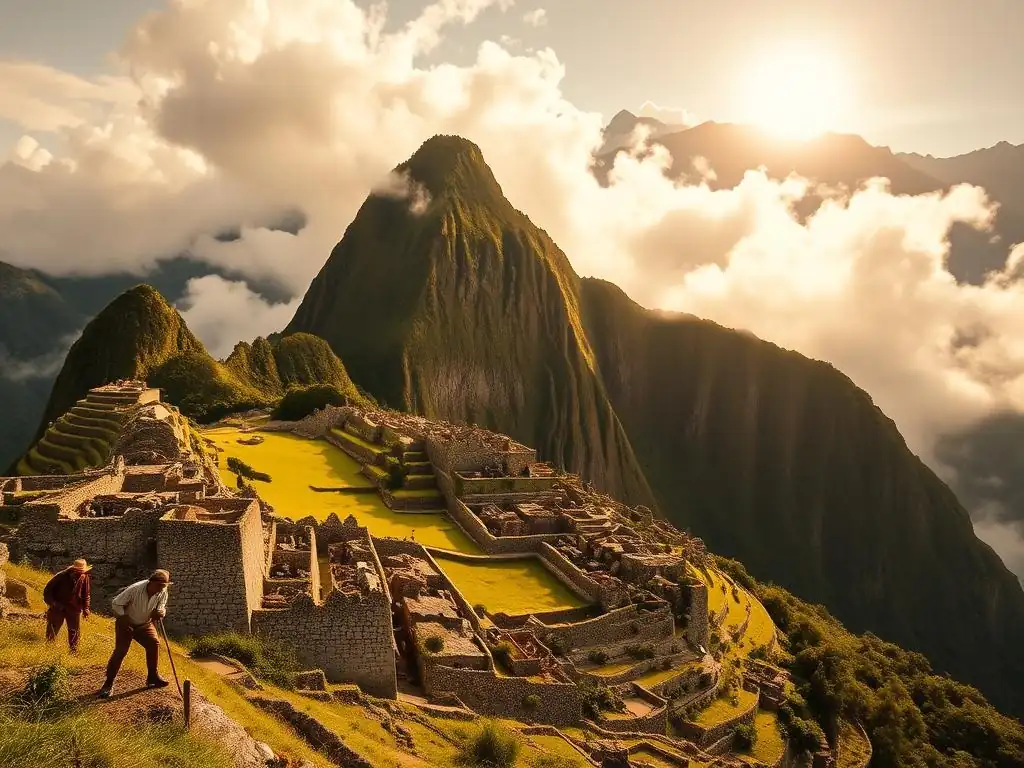
As we look to the future, the preservation and sustainability of Machu Picchu, an emblem of indigenous architecture resilience against climate change, become increasingly vital. This iconic site not only reflects the ingenuity of the Inca civilization but also poses significant challenges in the face of environmental alterations. The future strategies must encompass innovative approaches that integrate both modern technology and traditional practices.
Strategies for Protecting Machu Picchu from Climate Change
To effectively safeguard Machu Picchu, several strategies can be employed:
- Monitoring and Research
- Climate Impact Assessments: Regular assessments of climate impacts, including rainfall patterns and temperature changes, will help identify vulnerabilities.
- Technological Integration: Utilizing drones and satellite imagery to monitor changes in vegetation and erosion patterns.
- Infrastructure Improvements
- Water Management Systems: Enhancing drainage systems to manage increased rainfall effectively. Retrofitting ancient channels can bolster resilience.
- Visitor Management: Implementing controlled access to limit human impact, including timed entry systems and guided tours.
- Restoration Projects
- Traditional Techniques: Revitalizing indigenous building techniques and materials that have historically proven resilient to local environmental conditions.
- Sustainable Landscaping: Using native flora in restoration efforts to enhance the ecosystem and provide natural barriers against erosion.
- Community Involvement
- Local Training Programs: Educating local communities in conservation methods and sustainable tourism practices to ensure collective stewardship.
- Cultural Workshops: Engaging indigenous groups to share their knowledge of sustainable practices that align with the preservation of their heritage.
Role of Indigenous Knowledge in Modern Conservation Efforts
Indigenous knowledge plays a crucial role in modern conservation efforts for Machu Picchu. The teachings and practices of the Inca civilization provide invaluable insights into sustainable living and environmental stewardship.
- Traditional Ecological Knowledge (TEK): This encompasses understanding local ecosystems, which can guide current conservation strategies. For example, indigenous methods of crop rotation and land management can help restore soil health and enhance biodiversity.
- Community-Led Initiatives: By involving indigenous communities in conservation efforts, we recognize their deep connection to the land. Their participation fosters a sense of ownership and responsibility, which is essential for the long-term success of preservation projects.
- Adaptive Practices: Indigenous peoples have historically adapted to changing climates. By studying these adaptations, modern conservationists can develop strategies that are both resilient and culturally relevant.
The Importance of Global Awareness and Support
Global awareness and support are critical for the preservation of Machu Picchu and similar sites facing climate change. The following points underscore the importance of international collaboration:
- Funding and Resources: Increased financial support from global organizations can provide the necessary resources for conservation initiatives. This can include grants for research, restoration, and community education programs.
- Cultural Exchange Programs: Establishing partnerships between indigenous communities and international institutions can facilitate knowledge sharing and capacity building. This collaboration can foster innovative solutions tailored to local contexts.
- Advocacy and Education: Raising awareness about the significance of Machu Picchu beyond its archaeological value can encourage global advocacy for its preservation. Educational programs highlighting the importance of indigenous architecture resilience can inspire action and support.
The preservation and sustainability of Machu Picchu require a multifaceted approach that combines modern technology, indigenous knowledge, and global collaboration. By implementing these strategies, we can ensure that this remarkable site continues to thrive amid the challenges posed by climate change.
Conclusion
Recap of Indigenous Architecture’s Resilience Against Climate Change
The indigenous architecture of Machu Picchu serves as a profound testament to the ingenuity and resilience of the Inca civilization in the face of climate challenges. Constructed in the 15th century, this remarkable site showcases advanced engineering techniques that have allowed it to withstand the test of time and the elements. Key features contributing to this resilience include:
- Terracing: The Incas employed an extensive terracing system, which not only maximized arable land but also effectively managed water runoff and soil erosion. This technique is crucial in the steep Andean environment, particularly during heavy rainfall.
- Drainage Systems: A sophisticated network of drainage channels and soakaways was integrated into the architecture, ensuring that excess water was diverted away from structures. This proactive approach mitigated the risks associated with landslides and flooding, highlighting a deep understanding of local hydrology.
- Adaptation to Local Materials: The use of locally sourced materials, such as granite, ensured that the structures were durable and harmonized with the surrounding landscape. The architectural style was tailored to withstand seismic activity, with techniques that allowed for flexibility and stability.
These elements collectively illustrate how indigenous architecture not only responded to immediate environmental challenges but also demonstrated a sustainable approach to building practices that can inform contemporary climate resilience efforts.
Final Thoughts on the Importance of Protecting Machu Picchu
Machu Picchu stands as a symbol of indigenous achievement and cultural heritage, embodying the resilience of the Inca civilization against the backdrop of climate change. Its preservation is not merely about protecting a historical site; it is about honoring the rich cultural narratives and knowledge systems that Indigenous peoples have developed over centuries.
Protecting Machu Picchu is vital for several reasons:
- Cultural Significance: As a UNESCO World Heritage Site, Machu Picchu represents the cultural identity and historical legacy of the Indigenous peoples of the Andes. Preserving it ensures that future generations can connect with their heritage.
- Educational Opportunities: Machu Picchu offers invaluable insights into Indigenous architectural practices and their relationship with the environment. By maintaining the site, we foster a deeper understanding of sustainable practices that can inspire current and future generations.
- Biodiversity Conservation: The preservation of Machu Picchu also supports the surrounding ecosystem, which is home to diverse flora and fauna. Protecting this environment contributes to global biodiversity and ecological health.
Call to Action for Sustainable Practices in Heritage Preservation
To ensure the resilience of Machu Picchu and similar sites against the impacts of climate change, a proactive approach to heritage preservation is essential. Here are actionable steps that can be taken:
- Promote Sustainable Tourism: Encourage responsible tourism practices that minimize environmental impact. This includes limiting visitor numbers, promoting eco-friendly transportation, and supporting local businesses.
- Invest in Research and Monitoring: Ongoing research into the effects of climate change on Machu Picchu is critical. Monitoring environmental conditions and architectural integrity can inform adaptive management strategies.
- Engage Local Communities: Involving Indigenous communities in the stewardship of Machu Picchu is key to its preservation. Their traditional knowledge and practices can enhance conservation efforts and ensure the site remains a living cultural landscape.
- Advocate for Policy Support: Support policies that prioritize the protection of cultural heritage sites in climate action plans. This includes funding for conservation projects and regulations that mitigate climate impacts.
Taking these steps will not only help protect Machu Picchu but also serve as a model for preserving other Indigenous heritage sites around the world, ensuring that the valuable lessons of resilience in architecture continue to inspire us in the face of climate change.
Frequently Asked Questions
What is the significance of Machu Picchu in indigenous architecture?
Machu Picchu is a prime example of indigenous architecture, showcasing advanced engineering and integration with the natural environment, which emphasizes the resilience of Incan building techniques.
How does Machu Picchu demonstrate resilience to climate change?
The site incorporates drainage systems and terracing that mitigate erosion and manage water flow, highlighting the innovative adaptations of indigenous peoples to their climatic challenges.
What are the key architectural features of Machu Picchu?
Machu Picchu is renowned for its precision stonework, astronomical alignments, and sustainable design, which exemplify the sophisticated understanding of the local ecosystem by the Inca civilization.
How did indigenous cultures influence modern architectural practices?
Indigenous architectures, like that of Machu Picchu, provide valuable insights into sustainable building practices that are increasingly relevant in today's climate-conscious world, emphasizing harmony with nature.
What lessons can we learn from indigenous architecture regarding climate change?
The resilience and adaptability of indigenous structures inspire current architectural strategies that focus on sustainability and creating designs that are not only practical but also environmentally friendly.
Final Reflection: Resilience in Indigenous Architecture Amidst Climate Change
The enduring legacy of Machu Picchu serves as a powerful reminder of the resilience of indigenous architecture in the face of climate change. As we navigate an era marked by environmental challenges, the ingenuity and adaptability of ancient builders offer invaluable lessons for contemporary society. The structures of Machu Picchu not only showcase remarkable engineering but also reflect a profound understanding of the natural world, emphasizing that sustainable practices are not merely modern innovations but have deep roots in indigenous wisdom.
The influence of Machu Picchu extends beyond its breathtaking beauty; it stands as a testament to the cultural and social significance of indigenous architecture. The principles of resilience embedded in its design continue to inspire architects and environmentalists alike, urging us to rethink our approach to building in harmony with nature. Indigenous knowledge is not just a relic of the past; it is a living framework that can guide us toward a sustainable future.
This perspective invites us to explore how traditional practices can inform modern solutions, fostering a deeper connection to the land and its ecosystems.
As we reflect on the lessons from Machu Picchu, I encourage you to consider how you can integrate the principles of resilience and sustainability into your own life. What steps can you take to honor indigenous wisdom and contribute to a more sustainable future? Whether through supporting local communities, advocating for environmental justice, or simply being mindful of your impact on the planet, every action counts. Together, we can build a world that respects and learns from the resilience of those who came before us, ensuring that their legacy endures amidst the challenges of climate change.
Unveil Your Connection to Indigenous Resilience!
Thank you for exploring the remarkable case of Machu Picchu and its enduring architectural prowess in the face of climate change. You’ve taken a step toward understanding the profound relationship between indigenous cultures and their environment. Now, it’s your turn to embrace and share this knowledge!
Take action and make a difference:
- Dive Deeper: Research a specific indigenous architectural practice that resonates with you and share your insights with friends or on social media.
- Get Involved: Join a local or online community focused on sustainability and indigenous rights to inspire and advocate for resilience in architecture.
- Spread the Word: Write a blog post or create a short video about Machu Picchu’s innovative strategies to raise awareness about the importance of preserving cultural heritage.
How can understanding the resilience of indigenous architecture influence your own approach to sustainability?