
A Clash of Cultures: The Impact of European Ideologies on Indigenous Resistance

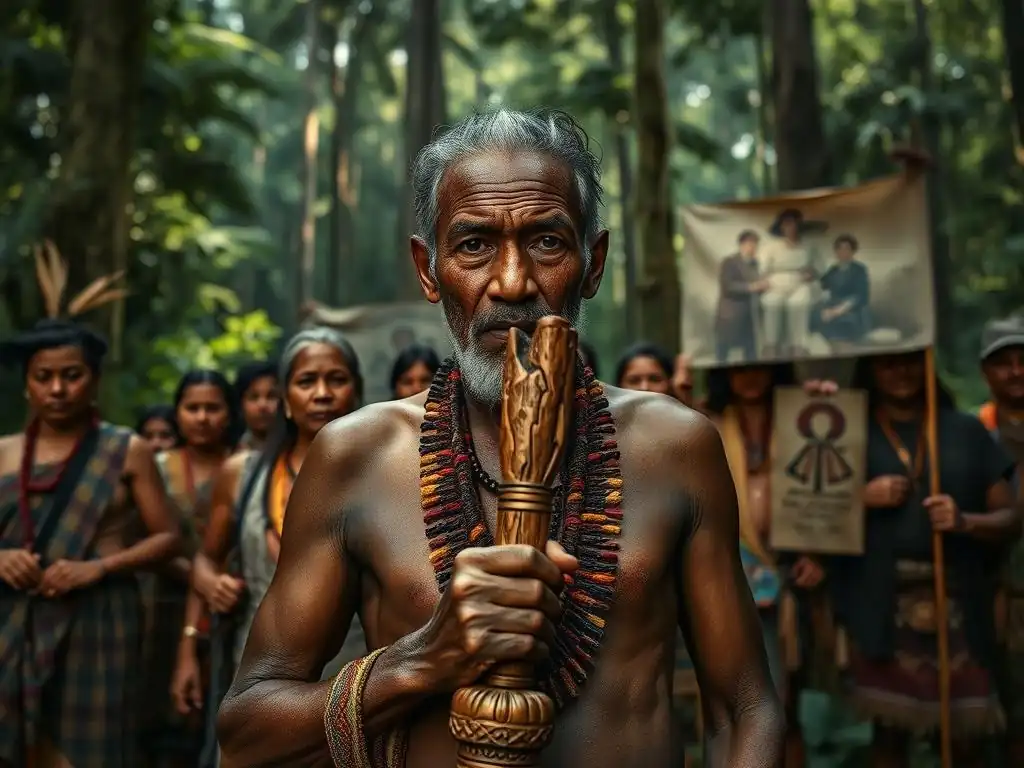
Welcome to Indigenous Civilizations of the Americas, your gateway to uncovering the rich tapestry of indigenous cultures that flourished long before European colonization. Here, we delve into the remarkable achievements and resilient societies that shaped the continent. In our featured article, “A Clash of Cultures: The Impact of European Ideologies on Indigenous Resistance,” we explore the profound transformations brought about by European encounters and how these interactions sparked both conflict and resilience among indigenous peoples.
Join us as we journey through history, revealing the enduring legacy of these vibrant cultures and the intricate dynamics of their resistance. Explore further to understand the lasting impact that these encounters have left on today's world.
- Introduction to European Impact on Indigenous Cultures
- Historical Context of European Colonization
- The Clash of Cultures: European Ideologies and Indigenous Societies
- Indigenous Resistance Movements: Responses to European Impact
- The Role of European Ideologies in Shaping Indigenous Resistance
- Long-Term Effects of European Ideologies on Indigenous Cultures
- Conclusion: Understanding the Legacy of European Impact on Indigenous Cultures
-
Frequently Asked Questions
- What does the article discuss regarding European impact on indigenous cultures?
- How did indigenous cultures respond to European colonization?
- What are some achievements of indigenous civilizations before European contact?
- Why is it important to study indigenous cultures in the context of European colonization?
- What lasting impacts did European colonization have on indigenous societies?
- Final Reflection: The Enduring Legacy of European Impact on Indigenous Cultures
- Unveil New Perspectives: Join the Conversation!
Introduction to European Impact on Indigenous Cultures
The encounter between European colonizers and indigenous cultures of the Americas marked a significant turning point in history, one that shaped the course of both continents for centuries to come. As European powers expanded their reach, they brought with them a complex web of ideologies that not only clashed with but also profoundly affected the existing social, political, and economic structures of indigenous societies.
This article delves into the European impact on indigenous cultures, examining how these ideologies prompted diverse forms of resistance among indigenous peoples. Through a comprehensive exploration of this clash of cultures, we seek to illuminate the resilience and agency of indigenous movements that emerged in response to European colonization.
Overview of European Ideologies
European ideologies during the Age of Exploration and colonization were rooted in concepts such as empire-building, religious conversion, and economic exploitation. These ideologies had far-reaching implications for the indigenous populations they encountered:
- Empire-Building: European nations, driven by the desire for territorial expansion, pursued aggressive colonization strategies. This often involved the subjugation of native populations and the imposition of foreign governance structures.
- Religious Conversion: Many European powers, particularly Spain and Portugal, sought to spread Christianity among indigenous peoples. Missions were established with the dual purpose of converting indigenous groups and asserting European cultural dominance.
- Economic Exploitation: The quest for resources led to the establishment of exploitative economic systems, including the encomienda and plantation systems, which drastically altered indigenous ways of life and their relationships with the land.
These ideologies did not merely impose new systems on indigenous societies; they also provoked responses that would shape the course of resistance movements throughout the Americas.
Significance of Indigenous Resistance Movements
Indigenous resistance movements emerged as a powerful response to the European impact on indigenous cultures, highlighting the agency and resilience of native peoples. These movements varied widely in form and strategy, encompassing both armed conflict and peaceful protest. Some key aspects include:
- Cultural Preservation: Many indigenous groups sought to preserve their cultural identities by reaffirming traditional practices, languages, and beliefs in the face of colonization.
- Political Alliances: In some cases, indigenous leaders formed strategic alliances with European powers or other indigenous groups to resist encroachment on their lands and sovereignty.
- Armed Rebellions: Numerous instances of armed resistance occurred across the Americas, including notable uprisings such as the Pueblo Revolt of 1680 and the Taíno resistance against Spanish colonizers. These movements were significant not only for their immediate impact but also for their lasting influence on indigenous identity and solidarity.
Through the examination of these resistance movements, we gain a deeper understanding of the complexities surrounding the European impact on indigenous cultures and the enduring legacies of these historical interactions.
Historical Context of European Colonization
The Arrival of European Powers in the Americas
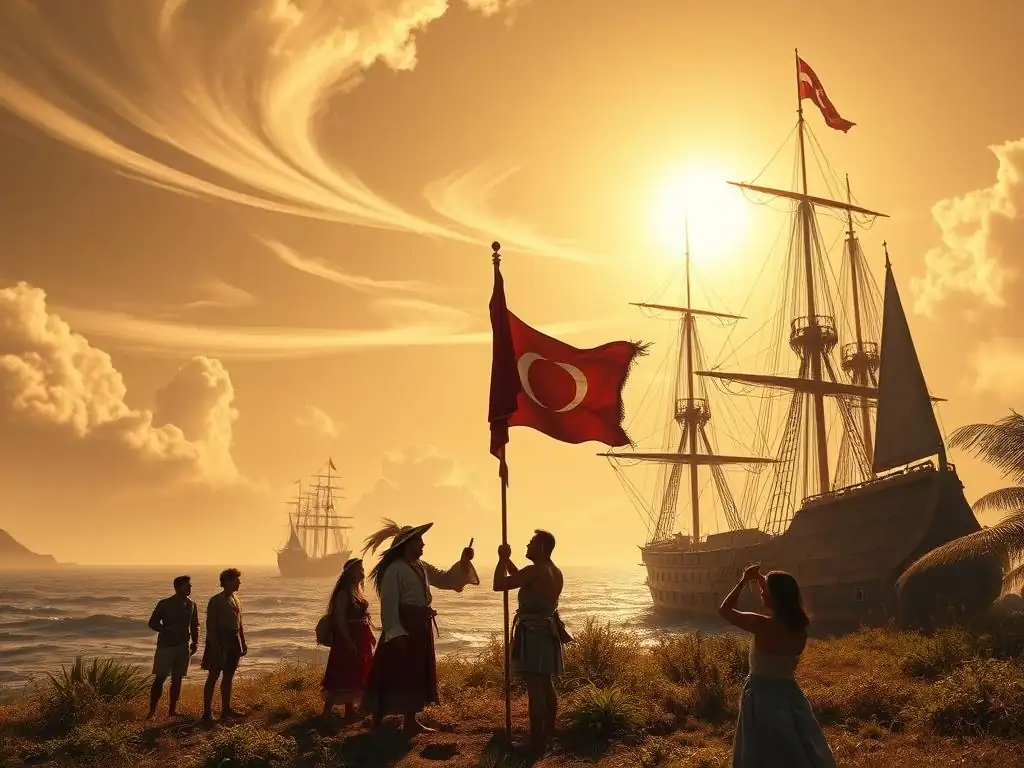
The arrival of European powers in the Americas during the late 15th century marked a crucial turning point in the history of indigenous cultures. Christopher Columbus's voyage in 1492 is often recognized as the beginning of this era, though it was merely the first of many expeditions that would follow. Spain, Portugal, France, and England quickly established their presence, driven by the pursuit of wealth, land, and new trade routes.
- Spanish Conquistadors: Figures like Hernán Cortés and Francisco Pizarro played pivotal roles in the conquest of vast territories. Cortés's defeat of the Aztec Empire in 1521 exemplifies the brutal tactics employed by the Spanish, which included alliances with rival indigenous groups and the introduction of European diseases that decimated native populations.
- French and English Expeditions: The French focused on the northern regions, establishing trade networks with indigenous tribes, particularly in fur trading. Meanwhile, the English settled along the eastern seaboard, often displacing indigenous peoples through a combination of treaties and outright violence.
The arrival of these European powers brought about profound changes in indigenous societies, igniting conflicts that would shape the future of the continent. The introduction of European ideologies and economic systems often clashed with indigenous ways of life, leading to resistance movements that would emerge in response to the encroachment.
Initial Encounters between Europeans and Indigenous Peoples
The initial encounters between Europeans and indigenous peoples were marked by a complex mix of curiosity, distrust, and conflict. While some indigenous groups viewed Europeans as potential allies or trade partners, others recognized the threat they posed to their way of life.
- Mutual Misunderstandings: Cultural misunderstandings were rampant. Europeans often misinterpreted indigenous customs, leading to conflict. For instance, the concept of land ownership was foreign to many indigenous cultures, who viewed land as a communal resource. This difference sparked disputes when Europeans claimed land for themselves.
- Trade Dynamics: Some indigenous groups engaged in trade with Europeans, exchanging furs, food, and resources for metal tools and weapons. However, this exchange often came at a cost, as it introduced new dependencies that disrupted traditional economies.
- Violence and Resistance: As European settlements expanded, so did the violence. Indigenous resistance took various forms, from armed conflict to more subtle methods of defiance. Communities banded together to fight against land encroachment, leading to a series of skirmishes and wars.
These initial encounters set the stage for a long history of conflict, with indigenous peoples striving to maintain their autonomy in the face of European expansion.
Ideological Foundations of European Colonization
The ideological foundations of European colonization were deeply rooted in a worldview that justified the subjugation of indigenous peoples. Central to this ideology were notions of superiority, civilization, and religious obligation.
- The Doctrine of Discovery: This legal and moral framework posited that Christian nations had the right to claim lands inhabited by non-Christians. It provided a rationale for territorial expansion and the displacement of indigenous populations.
- Civilizing Mission: Many Europeans believed they were on a divine mission to "civilize" indigenous peoples, viewing their cultures as primitive and in need of salvation. This paternalistic attitude often masked the exploitative nature of colonization.
- Economic Motivations: The pursuit of wealth and resources was intertwined with ideological beliefs. Colonizers sought to extract gold, silver, and agricultural products, often at the expense of indigenous labor and welfare. The introduction of systems like encomienda allowed Europeans to exploit native labor under the guise of protection and conversion.
The ideological underpinnings of European colonization had a profound impact on indigenous cultures, leading to widespread disruption, resistance, and the eventual redefinition of social structures in the Americas. The clash of these ideologies continues to resonate in contemporary discussions about indigenous rights and cultural preservation.
The Clash of Cultures: European Ideologies and Indigenous Societies
Exploration of European Cultural Superiority Beliefs
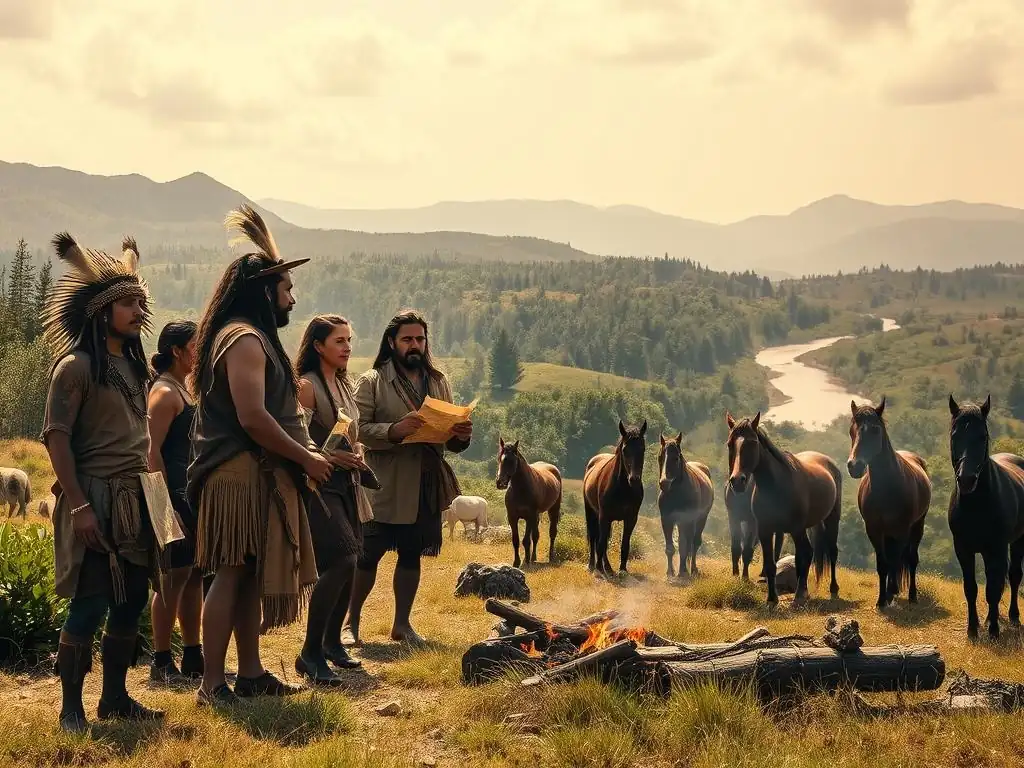
The arrival of European powers in the Americas was marked by a pervasive belief in cultural superiority. This ideology stemmed from a combination of religious conviction, economic motivations, and a sense of racial hierarchy. Europeans, particularly during the Age of Discovery, viewed themselves as bearers of civilization, tasked with the mission to convert and "civilize" the so-called "savages" they encountered. This belief was not merely a social perspective but was deeply embedded in the policies and practices of colonial administrations.
The Doctrine of Discovery exemplifies this mindset. Rooted in papal bulls and European legal frameworks, it justified the seizure of lands inhabited by indigenous peoples under the premise that these lands were "vacant" and thus available for European appropriation. This legal and ideological justification led to systematic disenfranchisement and displacement of numerous indigenous communities.
Moreover, the influence of Enlightenment thought during the 17th and 18th centuries further propagated ideas of progress and rationality. Europeans categorized societies based on perceived levels of civilization, often relegating indigenous cultures to the status of "primitive" and "uncivilized." This belief not only fueled colonization efforts but also fostered a profound sense of entitlement among colonizers, leading to the exploitation of indigenous resources and peoples.
Indigenous Worldviews and Societal Structures
In stark contrast to European ideologies, indigenous cultures of the Americas were characterized by rich and diverse worldviews that emphasized community, sustainability, and a deep connection to the land. Each indigenous society had its unique systems of governance, spirituality, and social organization, often centered around the principle of reciprocity with nature.
Many indigenous cultures operated under matrilineal systems, where lineage and inheritance were traced through the mother, providing women with significant social power and responsibility. This contrasts sharply with European patriarchal structures, leading to conflicts in the understanding of societal roles and governance.
Indigenous spirituality was often intertwined with daily life, emphasizing a reverence for the natural world and the interconnectedness of all living beings. For example, the Pueblo peoples of the Southwest practiced a form of animism, where they believed that all elements of the environment possessed a spiritual essence. This worldview fostered sustainable practices, ensuring that natural resources were preserved for future generations, a stark contradiction to European exploitative practices.
Points of Conflict: Religion, Land Use, and Governance
The clash between European ideologies and indigenous cultures manifested most vividly in three primary areas: religion, land use, and governance.
- Religion: The European mission to convert indigenous peoples to Christianity often disregarded and disrespected existing spiritual practices. Missionaries aimed to erase indigenous beliefs, viewing them as obstacles to salvation. This led to significant unrest and resistance, as many indigenous groups fought to preserve their spiritual identities, resulting in uprisings like the Pueblo Revolt of 1680.
- Land Use: European concepts of land ownership were fundamentally different from indigenous practices. While Europeans viewed land as a commodity to be owned, bought, and sold, indigenous cultures saw land as a communal resource, essential for survival and spiritual connection. This discrepancy led to violent confrontations, as treaties were often made and broken, leading to the forced removal of indigenous peoples from their ancestral lands.
- Governance: Indigenous governance systems, often democratic and consensus-based, clashed with European hierarchical models. The imposition of European legal systems undermined traditional governance structures, sparking conflicts. For instance, the Iroquois Confederacy operated under a sophisticated system of governance that emphasized collective decision-making, which was often dismissed by European authorities as primitive.
The European impact on indigenous cultures cannot be understated. The ideological clash led not only to significant cultural disruptions but also to the emergence of indigenous resistance movements that sought to reclaim their rights, lands, and identities in the face of overwhelming colonial pressures.
Indigenous Resistance Movements: Responses to European Impact
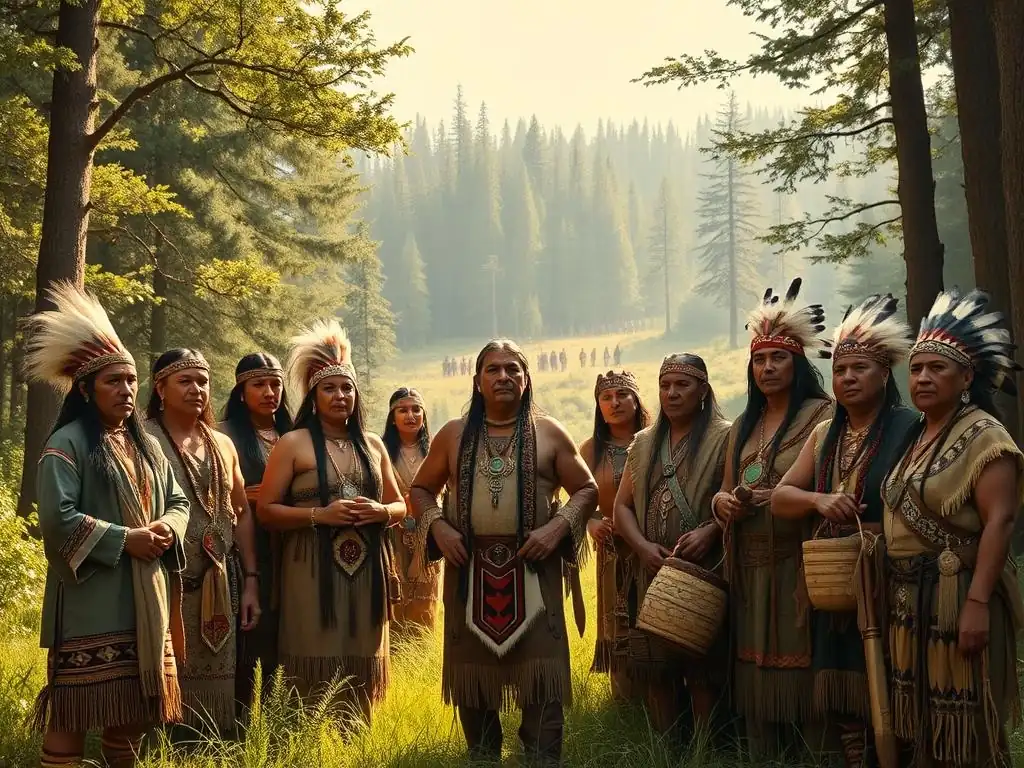
The arrival of European colonizers in the Americas marked a profound transformation in the lives of indigenous peoples. The impact of European ideologies on indigenous cultures was not merely a passive experience; rather, it sparked a series of resistance movements that showcased the resilience and adaptability of these communities. Indigenous resistance manifested in various forms, from subtle adaptations to outright rebellion, as communities sought to preserve their identities, lands, and ways of life in the face of colonization.
Early Forms of Resistance: Adaptation and Rebellion
Indigenous responses to European encroachment varied significantly across different regions and cultures. In many cases, early forms of resistance involved strategic adaptations to new circumstances. Indigenous peoples often sought to negotiate with Europeans, leveraging their alliances and knowledge of the land to maintain some degree of autonomy. For example:
- Trade Alliances: Many tribes engaged in trade with European settlers, using these relationships to bolster their local economies and secure valuable goods.
- Strategic Marriages: Some indigenous leaders arranged marriages between their kin and European settlers to forge alliances, hoping to gain political leverage.
However, as European expansion intensified, many indigenous groups turned to more direct forms of rebellion. These uprisings were often fueled by a sense of urgency to defend their lands and cultural practices. Notable examples include:
- Pueblo Revolt (1680): In what is now New Mexico, the Pueblo people united to drive out Spanish colonizers, temporarily reclaiming their sovereignty.
- Metacom's War (1675-1676): Also known as King Philip’s War, this conflict involved a coalition of indigenous tribes in New England resisting English land encroachments, resulting in significant casualties on both sides.
These early forms of resistance reveal a complex interplay of adaptation and confrontation, illustrating how indigenous cultures navigated the challenges posed by European ideologies.
Case Studies of Notable Indigenous Resistance Leaders
Tecumseh
Tecumseh, a Shawnee leader in the early 19th century, emerged as a prominent figure in the indigenous resistance against European encroachment. He recognized the need for a united front among various tribes to effectively counter the growing threat posed by American settlers. Tecumseh's vision was not only one of military resistance but also of cultural revival. He sought to:
- Forge Alliances: Tecumseh traveled extensively, rallying tribes across the Midwest to form a confederation aimed at resisting American expansion.
- Revitalize Indigenous Culture: He emphasized the importance of returning to traditional practices and beliefs as a means of strengthening tribal identity.
Despite his efforts, Tecumseh's resistance ultimately culminated in the War of 1812, where he allied with the British against American forces. His legacy, however, remains one of courageous resistance and the pursuit of indigenous unity.
Sitting Bull
Sitting Bull, a leader of the Hunkpapa Lakota Sioux, is perhaps one of the most iconic figures of indigenous resistance in the United States. His leadership during the late 19th century was characterized by a steadfast commitment to protecting Native lands and ways of life. Key aspects of his resistance include:
- Defiance against U.S. Policies: Sitting Bull openly resisted U.S. government policies that sought to confine the Sioux to reservations and eradicate their cultural practices.
- The Battle of Little Bighorn (1876): Under Sitting Bull's leadership, a coalition of Lakota and Cheyenne warriors achieved a significant victory against General George Custer's forces. This event became a symbol of indigenous resistance and defiance.
Sitting Bull's determination and leadership inspired many in the fight against the injustices faced by indigenous peoples, leaving a lasting legacy that continues to resonate today.
The responses of indigenous peoples to European impact were diverse and dynamic, characterized by both adaptation and fierce resistance. Leaders like Tecumseh and Sitting Bull exemplified the spirit of resilience and the ongoing struggle to preserve indigenous identities amidst the challenges posed by European ideologies. These movements not only highlight the complexities of indigenous responses but also underscore the enduring impact of these cultures in the face of colonization.
The Role of European Ideologies in Shaping Indigenous Resistance
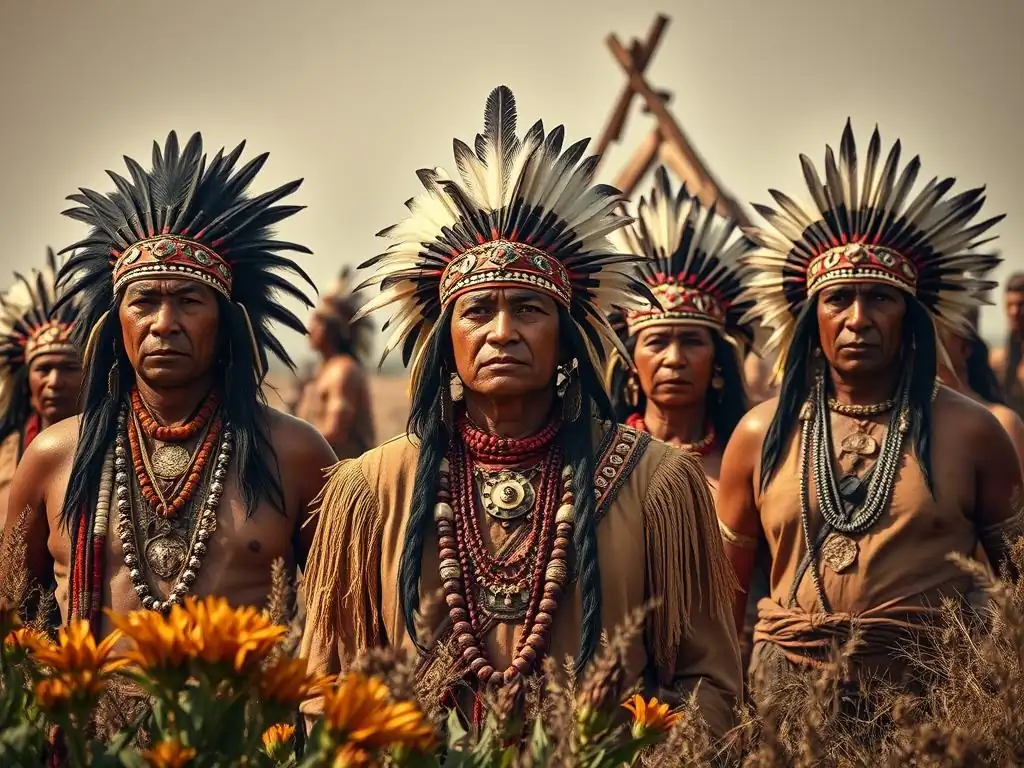
The encounter between European colonizers and Indigenous peoples of the Americas was marked not just by conflict but also by the interaction of vastly different worldviews. European ideologies, particularly those related to law, order, and religion, significantly influenced the ways in which Indigenous groups responded to colonization. This section explores how these ideologies shaped Indigenous resistance movements, providing insight into the complexities of cultural exchange and conflict during this tumultuous period.
How European Concepts of Law and Order Influenced Indigenous Responses
European colonizers brought with them distinct concepts of law and order, rooted in their own cultural, political, and social frameworks. These concepts often clashed with Indigenous systems of governance and societal norms.
- Imposition of Legal Frameworks: The European legal system was predicated on a notion of private property and individual rights, which was alien to many Indigenous cultures that viewed land as a communal resource. The introduction of treaties, land claims, and legal disputes forced Indigenous groups to navigate a foreign legal landscape. This often led to a dual approach:
- Acceptance of European Law: Some Indigenous leaders sought to work within the European legal framework to protect their rights and lands, strategically utilizing treaties to assert their sovereignty.
- Rejection and Resistance: Others outright rejected these laws, viewing them as tools of oppression. This led to organized resistance movements that aimed to defend their traditional governance systems.
- The Role of Alliances: European ideologies also prompted Indigenous groups to form alliances, either among themselves or with European powers. These alliances were often strategic, enabling them to gain leverage against both colonizers and rival Indigenous groups. For instance, during the wars of resistance, alliances were formed based on the shared goal of resisting European encroachment, demonstrating a tactical adaptation to the European legal environment.
The clash of legal ideologies not only shaped resistance strategies but also redefined Indigenous political identities in the face of colonialism.
The Influence of Christianity on Indigenous Resistance Strategies
The arrival of European settlers also brought Christianity, profoundly impacting Indigenous cultures and their resistance strategies. The missionaries aimed to convert Indigenous peoples, often viewing them as "heathens" in need of salvation. However, this religious imposition led to unexpected consequences in the form of resistance.
- Adoption and Adaptation of Christianity: Some Indigenous groups adopted elements of Christianity, integrating them into their own spiritual practices. This syncretism often served as a form of resistance, allowing Indigenous peoples to reinterpret Christian teachings in ways that aligned with their cultural identities. For example:
- Spiritual Empowerment: The adoption of Christian symbols and narratives provided a framework for Indigenous resistance, reinforcing their struggles against colonization as a moral battle.
- Community Mobilization: Churches became centers for organizing resistance, where community meetings could take place under the guise of religious gatherings.
- Rejection of Colonial Christianity: Conversely, many Indigenous groups rejected Christianity outright, viewing it as a tool of colonial oppression. This rejection often fueled their resistance movements, as they sought to preserve their traditional spiritual practices and societal structures. The emphasis on maintaining cultural identity became a rallying point in various resistance movements, such as the Ghost Dance movement in the late 19th century.
The interplay between European ideologies, particularly Christianity, and Indigenous resistance illustrates the complexities of cultural interactions during colonization. It highlights how Indigenous peoples not only fought against European domination but also actively reshaped their identities and strategies in response to foreign influences.
The impact of European ideologies on Indigenous cultures was profound, leading to a myriad of resistance strategies that were as diverse as the cultures themselves. Understanding these dynamics is essential to appreciating the resilience and adaptability of Indigenous peoples in the face of European colonization.
Long-Term Effects of European Ideologies on Indigenous Cultures
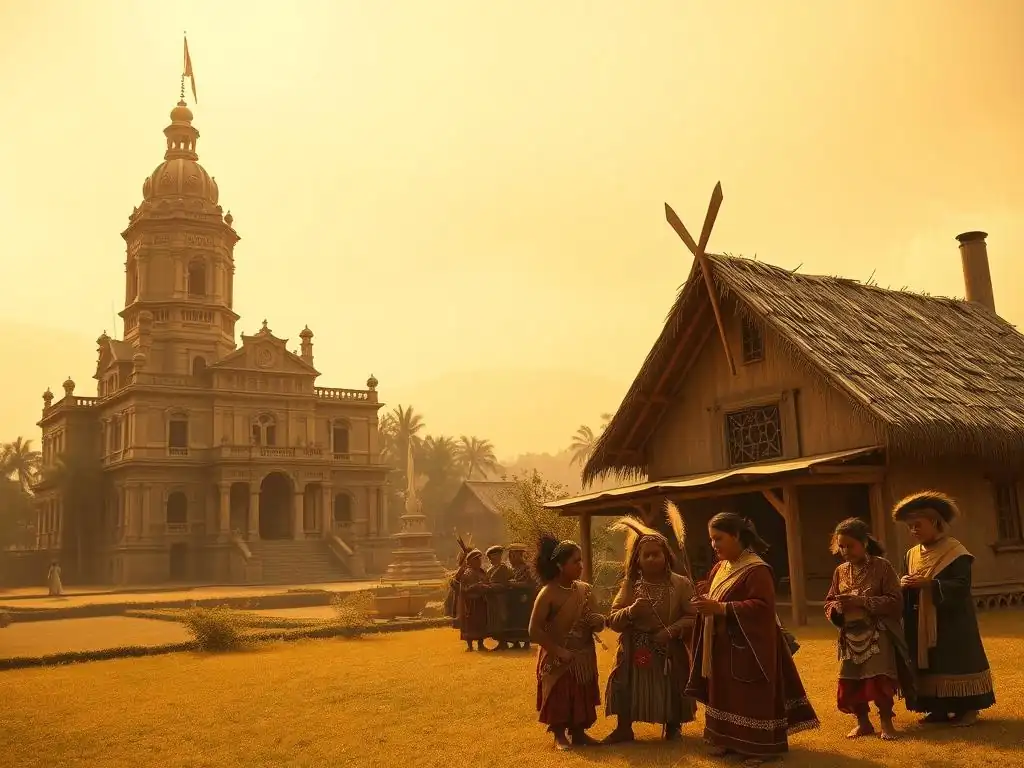
The long-term effects of European ideologies on indigenous cultures in the Americas are both profound and multifaceted. The arrival of European colonizers introduced a range of philosophical, religious, and social constructs that directly challenged and often undermined the existing indigenous systems of belief and governance. As a result, the impact of these ideologies has reverberated through generations, shaping contemporary indigenous identities and cultural practices.
One of the most significant consequences was the imposition of European religious beliefs, particularly Christianity, which led to the systematic denigration of indigenous spiritual practices. This religious conversion often involved coercive measures, including the destruction of sacred sites and rituals, which eroded traditional belief systems and practices. Many indigenous peoples experienced a forced assimilation that stripped them of their cultural heritage, contributing to a gradual loss of languages, customs, and social structures.
In contrast, the resilience exhibited by indigenous cultures in the face of these ideologies is equally significant. Many communities adapted European influences while maintaining core aspects of their identity. This cultural resilience has manifested in the revival and reinterpretation of traditional practices, languages, and governance structures, often blending indigenous and European elements in unique ways.
The interplay between cultural erosion and resilience has thus created a complex landscape where indigenous cultures continue to navigate the legacies of European colonization. This duality is essential to understanding the contemporary struggles and triumphs of indigenous peoples today.
Cultural Erosion vs. Cultural Resilience
The dichotomy of cultural erosion and resilience is a critical theme in the study of the European impact on indigenous cultures. Cultural erosion refers to the gradual decline and displacement of indigenous traditions, languages, and practices as a direct result of European colonization. This erosion was often enforced through:
- Forced Assimilation: Policies aimed at assimilating indigenous populations into European ways of life, including residential schools that prohibited the use of native languages and customs.
- Land Dispossession: The seizure of traditional lands disrupted economic systems and social structures, leading to loss of cultural practices tied to the land.
- Cultural Misrepresentation: European narratives often portrayed indigenous cultures as primitive or inferior, further contributing to their marginalization.
Conversely, cultural resilience highlights the capacity of indigenous communities to withstand and adapt to external pressures. This resilience is characterized by:
- Cultural Revitalization: Movements focused on reclaiming and revitalizing languages, traditions, and practices, such as the resurgence of indigenous languages in educational systems.
- Hybridization: The blending of indigenous and European elements to create new forms of expression, evident in music, art, and community governance.
- Political Activism: Indigenous movements advocating for rights, land, and recognition have emerged as a powerful means of asserting identity and sovereignty.
This ongoing struggle between erosion and resilience illustrates the dynamic nature of indigenous cultures, demonstrating their ability to adapt while fiercely holding on to their heritage.
The Evolution of Indigenous Identity Post-Colonization
The evolution of indigenous identity following European colonization is a complex narrative shaped by historical trauma, resilience, and contemporary politics. Post-colonial periods have seen indigenous peoples redefine their identities amid the remnants of colonial ideologies. Key aspects of this evolution include:
- Reclamation of Identity: Many indigenous groups have embarked on journeys to reclaim their identities, emphasizing their unique cultural narratives and histories. This reclamation is evident in the resurgence of traditional practices, storytelling, and community rituals.
- Intergenerational Transmission: The passing down of knowledge, languages, and traditions from elders to younger generations plays a crucial role in sustaining indigenous identities. This intergenerational transmission has been pivotal in maintaining cultural continuity despite historical disruptions.
- Political and Social Movements: The rise of indigenous rights movements has significantly influenced identity formation. Activism aimed at self-determination, land rights, and cultural preservation has empowered communities and fostered a sense of solidarity among indigenous peoples.
- Globalization and Cultural Exchange: The impact of globalization has presented both challenges and opportunities for indigenous identities. While globalization can threaten traditional ways of life, it also allows for greater visibility and solidarity among indigenous groups worldwide.
The evolution of indigenous identity in the post-colonial era reflects a dynamic interplay of historical experiences, cultural resurgence, and the ongoing quest for autonomy and recognition. As indigenous cultures continue to navigate their complex histories, they remain resilient, adaptive, and deeply rooted in their unique identities.
Conclusion: Understanding the Legacy of European Impact on Indigenous Cultures
The legacy of European impact on indigenous cultures is a complex tapestry woven from threads of resistance, adaptation, and resilience. Throughout history, indigenous peoples faced significant challenges due to European colonization, which imposed new ideologies, economic systems, and social structures that often disregarded or suppressed indigenous ways of life. However, the response from these cultures was not one of passive acceptance; instead, they exhibited remarkable resistance movements that played a crucial role in shaping their identity and continuity.
Understanding this legacy involves recognizing the multifaceted nature of indigenous resistance, which encompassed not only physical confrontations but also cultural preservation, spiritual resilience, and the reclamation of traditional practices. This dynamic interplay between European ideologies and indigenous responses has led to the formation of contemporary identities that reflect both indigenous heritage and the influences of colonization.
Reflection on the Importance of Indigenous Resistance Movements
Indigenous resistance movements have been pivotal in challenging the narrative of European superiority and asserting the rights and identities of indigenous peoples. These movements take various forms, including armed uprisings, peaceful protests, cultural revitalization efforts, and legal battles for land and sovereignty. Each method reflects a deep commitment to preserving ancestral traditions and advocating for justice and recognition.
One notable example is the Māori protest movements in New Zealand, which have highlighted issues of land rights and cultural preservation. The American Indian Movement (AIM) in the United States serves as another significant case, emphasizing the need for social justice and the restoration of indigenous rights. These movements not only address historical grievances but also serve to educate broader society about the enduring impacts of colonization and the value of indigenous knowledge systems.
The importance of these resistance movements lies not only in their achievements but also in their ability to inspire future generations. They serve as powerful reminders of the strength and resilience of indigenous cultures, challenging the dominant narratives imposed by colonial ideologies.
Future Considerations for Indigenous Cultures in Contemporary Society
As we move further into the 21st century, the future of indigenous cultures remains a critical area of focus. The ongoing effects of European impact on indigenous cultures continue to manifest in various ways, including socio-economic disparities, environmental challenges, and cultural erosion. Addressing these issues requires a concerted effort to promote indigenous rights and self-determination.
Key considerations for the future involve:
- Cultural Revitalization: Supporting programs that aim to revive and maintain indigenous languages, traditions, and practices is essential for the sustainability of these cultures. This includes integrating indigenous knowledge into educational systems and promoting cultural exchanges.
- Legal and Political Advocacy: Advocating for the recognition of indigenous land rights and sovereignty is crucial. Legal frameworks that protect these rights can empower indigenous communities to reclaim their heritage and resources.
- Environmental Stewardship: Indigenous peoples have long been stewards of the land, and their traditional ecological knowledge offers valuable insights for contemporary environmental challenges. Collaborative efforts that respect indigenous practices can lead to more sustainable management of natural resources.
- Intercultural Dialogue: Fostering meaningful conversations between indigenous and non-indigenous communities can bridge gaps and promote mutual understanding. This dialogue can help dismantle stereotypes and encourage respect for diverse cultural perspectives.
The impact of European ideologies on indigenous cultures has been profound and multifaceted. Recognizing and supporting indigenous resistance movements is vital for ensuring that these cultures not only survive but thrive in contemporary society. The legacy of resistance is a testament to the strength and resilience of indigenous peoples, and it offers valuable lessons for future generations in navigating the complexities of cultural identity and coexistence.
Frequently Asked Questions
What does the article discuss regarding European impact on indigenous cultures?
The article explores the clash of cultures that occurred due to European ideologies and their significant impact on indigenous resistance and societies.
How did indigenous cultures respond to European colonization?
Indigenous cultures demonstrated resilience through various forms of resistance, including armed conflict, diplomacy, and the preservation of their traditional practices.
What are some achievements of indigenous civilizations before European contact?
Before European colonization, indigenous civilizations made remarkable advancements in agriculture, architecture, and social organization, showcasing their rich cultural heritage.
Why is it important to study indigenous cultures in the context of European colonization?
Understanding indigenous cultures provides insight into their sophisticated societies and highlights the lasting effects of European colonization on these communities, which is crucial for acknowledging their historical significance.
What lasting impacts did European colonization have on indigenous societies?
European colonization led to dramatic changes, including loss of land, cultural assimilation, and the introduction of new diseases, which had profound effects on indigenous populations and their way of life.
Final Reflection: The Enduring Legacy of European Impact on Indigenous Cultures
The clash of cultures between European ideologies and indigenous traditions is not merely a historical footnote; it is a living narrative that continues to shape our world today. The repercussions of colonization and the imposition of foreign beliefs have left deep scars on indigenous communities, yet they also serve as a testament to resilience and resistance. This ongoing struggle for identity and recognition underscores the importance of understanding the European impact on indigenous cultures, as it informs current discussions about cultural preservation, social justice, and reconciliation.
Cultural landscapes are continually influenced by the historical interactions between colonizers and the colonized. The legacy of European ideologies has not only altered indigenous ways of life but has also sparked movements that reclaim and celebrate these cultures. As we witness a resurgence of indigenous voices in art, politics, and education, it becomes clear that the fight against cultural erasure is far from over. In the face of oppression, the spirit of a culture can never be extinguished; it merely adapts and evolves.
This sentiment resonates deeply as we recognize the importance of honoring indigenous narratives and their contributions to our shared humanity.
As you reflect on the themes presented in this article, consider how you can engage with and support indigenous communities in your own life. Take a moment to educate yourself about their histories, advocate for their rights, and celebrate their cultures. Your actions can contribute to a more equitable future where diverse voices are heard and valued. Let this reflection inspire you to be a part of the change, fostering understanding and respect for the rich tapestry of cultures that shape our world.
Unveil New Perspectives: Join the Conversation!
Thank you for taking the time to explore the rich and complex interactions between European ideologies and Indigenous resistance. Your engagement with this topic highlights a critical intersection of history and culture that continues to shape our world today. Now, let’s transform that curiosity into action!
Here are a few impactful steps you can take:
- Dive Deeper: Explore Indigenous history by reading more articles on our site. Discover the stories that resonate with you and broaden your understanding of these cultures.
- Share the Knowledge: Initiate conversations in your community or on social media about what you’ve learned. Use your voice to raise awareness and foster dialogue around Indigenous issues and history.
- Support Indigenous Voices: Follow Indigenous artists, scholars, and activists. Engage with their work to better understand their challenges and triumphs, and take part in their narratives.
What insights did this exploration bring to you about the resilience of Indigenous cultures in the face of external pressures?