
Healing Traditions: How Syncretic Practices Shaped Medicine in the Americas

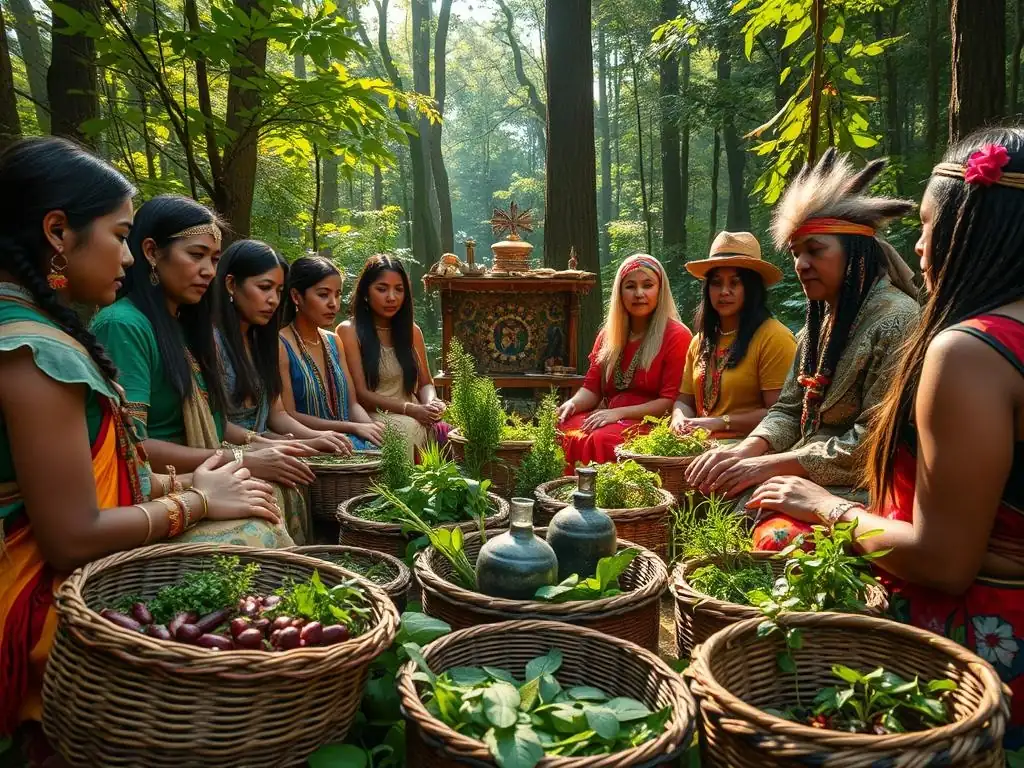
Welcome to Indigenous Civilizations of the Americas, where we invite you to embark on a journey through the rich tapestry of pre-colonial cultures that shaped the continent. Here, you will uncover the profound indigenous healing traditions of the Americas, revealing how these time-honored practices not only reflect the wisdom of ancient societies but also influenced modern medicine through their unique syncretic approaches. As you delve deeper into our featured article, "Healing Traditions: How Syncretic Practices Shaped Medicine in the Americas," prepare to be captivated by the resilience and ingenuity of these civilizations.
Join us as we explore their lasting impact and the intricate legacies they left behind in the face of European conquest. Your adventure begins now!
Introduction to Indigenous Healing Traditions in the Americas
Indigenous healing traditions in the Americas encompass a rich tapestry of cultural practices and knowledge systems that have developed over millennia. These traditions represent an intricate blend of spiritual beliefs, environmental understanding, and medicinal knowledge that indigenous peoples used to maintain health, treat illness, and foster community well-being. The impact of these practices extends far beyond the individual, influencing social structures and cultural identities.
As the Americas faced the waves of European colonization, these healing practices underwent significant transformations, leading to the emergence of syncretic practices that merged indigenous and European medical traditions. This article explores the profound ways in which these healing traditions have shaped medicine in the Americas, highlighting their resilience and adaptability in the face of external pressures.
Overview of Indigenous Medical Practices
Indigenous medical practices in the Americas were deeply rooted in a holistic understanding of health, which integrated physical, spiritual, and social dimensions. Traditional healers, often referred to as shamans or medicine people, played a crucial role in their communities. They utilized a variety of methods including:
- Herbal Remedies: Many indigenous cultures had extensive knowledge of local flora, using plants for treating ailments. For example, the use of willow bark as a pain reliever was known long before it became known as aspirin in Western medicine.
- Ceremonial Healing: Rituals and ceremonies were conducted to restore balance and harmony, often invoking spiritual forces.
- Physical Therapy Techniques: Practices such as massage and acupuncture-like techniques were employed for physical ailments.
These practices illustrate the sophisticated understanding of health and disease present in indigenous cultures, showcasing their contributions to the field of medicine.
Importance of Syncretic Practices in Medicine
The concept of syncretism is vital to understanding the evolution of indigenous healing traditions, particularly in the context of European colonization. Syncretic practices refer to the blending of different religious or cultural beliefs and practices. In medicine, this has led to the incorporation of European medicinal knowledge with indigenous healing traditions. The importance of these syncretic practices lies in:
- Cultural Resilience: They demonstrate how indigenous cultures adapted to new realities while retaining essential elements of their traditions.
- Wider Healing Options: This blending of practices provided communities with a broader range of healing options, combining the strengths of both indigenous and European methods.
- Community Identity: Syncretic practices have helped forge a unique cultural identity that reflects both heritage and adaptation in the face of adversity.
Historical Context of Indigenous Healing Traditions
Understanding the historical context of indigenous healing traditions is essential to appreciate their evolution and significance. The pre-colonial era saw the development of complex medical systems that were later influenced by European colonization.
Pre-Colonial Medical Systems in the Americas
Before European contact, indigenous societies across the Americas had developed intricate medical systems that were deeply connected to their environments and spiritual beliefs. These systems varied widely among different cultures, but common elements included:
- Community-Centered Care: Healthcare was often a communal responsibility, with knowledge shared among members to ensure collective well-being.
- Spirituality in Healing: Many indigenous cultures believed that illness was caused by spiritual imbalances or disruptions, leading to a focus on spiritual healing alongside physical treatment.
- Preventive Practices: Emphasis was placed on maintaining health through balanced diets, physical activity, and spiritual practices, showcasing a preventive approach to medicine.
These systems laid the groundwork for how indigenous peoples approached health and healing long before European influence.
Influence of European Colonization on Indigenous Healing
The arrival of Europeans in the Americas marked a significant turning point for indigenous healing traditions. Colonization brought not only new diseases but also new medical practices and beliefs. The interaction between indigenous and European healing traditions resulted in various influences:
- Adaptation of New Remedies: Indigenous peoples began to incorporate European medicinal plants and techniques, leading to the development of hybrid healing practices.
- Suppression and Resistance: Many indigenous healers faced persecution, leading to a decline in traditional practices in some areas, but also a strong resistance that preserved these traditions in others.
- Cultural Exchange: The sharing of knowledge between indigenous and European healers created a dynamic medical landscape, where both traditions informed and enriched one another.
These influences have shaped the course of healing practices in the Americas, illustrating the complex interplay between indigenous and European medical systems.
Key Elements of Syncretic Healing Practices
Syncretic healing practices in the Americas represent a unique blending of indigenous and European medicinal traditions. These practices emerged as communities confronted the profound changes brought about by European colonization, leading to a rich tapestry of healing approaches that drew from both ancestral knowledge and newly introduced techniques. The key elements of these syncretic practices include:
- Cultural Adaptation: Indigenous communities adapted their traditional healing methods to incorporate elements from European medicine, resulting in practices that reflect both cultural heritages. This adaptability was crucial for survival in a rapidly changing environment.
- Herbal Remedies: The integration of European herbs and remedies with native plants created a more extensive pharmacopoeia. For instance, the use of plants like willow bark, introduced by Europeans, was combined with traditional herbal knowledge to enhance the efficacy of treatments.
- Healing Rituals: Rituals often merged indigenous spiritual practices with European religious elements, creating unique healing ceremonies. These rituals not only served medical purposes but also reinforced community bonds and cultural identity.
- Holistic Approaches: Syncretic practices frequently emphasize a holistic view of health, considering the physical, mental, emotional, and spiritual aspects of well-being. This comprehensive perspective is foundational in many indigenous cultures and was retained even as new practices were adopted.
Definition of Syncretism in Indigenous Medicine
Syncretism in indigenous medicine refers to the process through which different healing traditions, beliefs, and practices blend to form new systems of healing. This phenomenon became particularly evident after European contact, as indigenous peoples encountered foreign medical concepts and tools.
Key characteristics of syncretism in this context include:
- Cultural Exchange: Syncretism emphasizes the dynamic interactions between cultures, where indigenous healing practices influence and are influenced by European traditions. This exchange leads to a continuous evolution of medical practices.
- Pragmatic Adaptation: Indigenous healers often adopted European techniques and materials when they proved effective or beneficial, illustrating a pragmatic approach to health care that prioritizes results over cultural purity.
- Preservation of Indigenous Knowledge: While integrating new elements, syncretism also serves to preserve crucial aspects of indigenous knowledge and practices, ensuring that traditional wisdom continues to play a central role in healing.
Integration of Native and European Healing Techniques
The integration of native and European healing techniques represents a significant aspect of how indigenous healing traditions evolved post-contact. This process involved the exchange of knowledge, practices, and beliefs, leading to a diverse array of medical systems.
- Adoption of New Practices: Indigenous healers began to incorporate European practices such as bloodletting and vaccination, adapting them to fit their cultural context and understanding of health.
- Cross-Pollination of Knowledge: As indigenous and European medical practitioners interacted, a mutual exchange occurred. Indigenous healers shared their extensive knowledge of local flora and fauna, while European practitioners introduced new surgical techniques and medicinal compounds.
- Hybrid Treatments: The resulting hybrid treatments often included elements from both traditions. For example, the use of traditional plants might be combined with European surgical methods, creating a more comprehensive approach to health care.
Role of Spirituality in Healing Traditions
Spirituality plays a pivotal role in indigenous healing traditions, serving as a fundamental component of health and well-being. In many indigenous cultures, healing is viewed as a holistic process that encompasses not just the physical body but also the spirit and mind.
- Connection to the Spiritual Realm: Many indigenous healing practices involve rituals that seek to connect with spiritual forces or ancestors. This connection is believed to facilitate healing by aligning the individual with the larger cosmos.
- Use of Rituals: Healing ceremonies often incorporate music, dance, and prayer, creating a sacred space that enhances the healing process. These rituals serve to empower both the healer and the patient, fostering a sense of community and shared purpose.
- Restoration of Balance: Spirituality in healing practices often focuses on restoring balance within the individual and their environment. This concept of balance is central to many indigenous belief systems and is seen as essential for achieving optimal health.
Prominent Indigenous Healing Traditions in the Americas
The Americas are home to a rich variety of indigenous healing traditions, each shaped by the unique cultural, environmental, and historical contexts of different regions. These traditions have evolved over centuries and continue to play a vital role in the health and spirituality of indigenous communities today.
North American Indigenous Healing Practices
North American indigenous healing practices are characterized by their diversity and deep cultural roots.
- Shamanism: Many tribes, such as the Lakota and Navajo, utilize shamans or medicine men/women who act as intermediaries between the physical and spiritual worlds. They perform healing ceremonies that often involve the use of sacred plants and rituals.
- Herbal Medicine: Indigenous communities have extensive knowledge of local flora, using plants such as echinacea and sage for medicinal purposes. The blending of this knowledge with European herbal traditions has led to the development of unique medicinal practices.
- Community Healing: Healing in North American indigenous cultures often involves the community, with group rituals and ceremonies reinforcing social ties and collective well-being.
Central American Indigenous Healing Practices
Central American indigenous healing practices reflect a blend of ancient traditions and influences from European colonization.
- Mayan Medicine: The Maya utilized a sophisticated system of healing that combined herbal remedies, spiritual rituals, and diagnostic techniques. Their understanding of anatomy and physiology was advanced for their time, and many practices continue today, intertwined with Catholic beliefs.
- Curanderismo: This syncretic tradition combines indigenous and Spanish healing practices, focusing on holistic approaches that address physical, emotional, and spiritual ailments. Curanderos (healers) use herbal remedies, prayers, and rituals in their healing processes.
- Rituals and Ceremonies: Many Central American cultures engage in elaborate healing rituals that incorporate music, dance, and offerings to spirits, emphasizing the interconnectedness of health and spirituality.
South American Indigenous Healing Practices
South American indigenous healing practices are equally diverse and deeply rooted in the region's cultural heritage.
- Andean Healing Traditions: In the Andes, indigenous communities like the Quechua and Aymara employ healing practices that include the use of medicinal plants, such as coca leaves and various herbs. Traditional healers, known as yatiris, conduct ceremonies that often involve offerings to Pachamama (Mother Earth).
- Ayahuasca Rituals: Ayahuasca, a powerful psychoactive brew, is used in various indigenous cultures for spiritual and healing purposes. The rituals surrounding its use are profound, involving deep introspection and connection to the spiritual world.
- Integration of Catholicism: Many South American indigenous healing practices have integrated elements of Catholicism, resulting in unique syncretic traditions that retain indigenous beliefs while incorporating Christian symbols and rituals.
These healing traditions not only showcase the resilience and adaptability of indigenous cultures but also highlight the complex interplay of beliefs and practices that have shaped the medical landscape of the Americas.
Case Studies of Syncretic Healing Practices
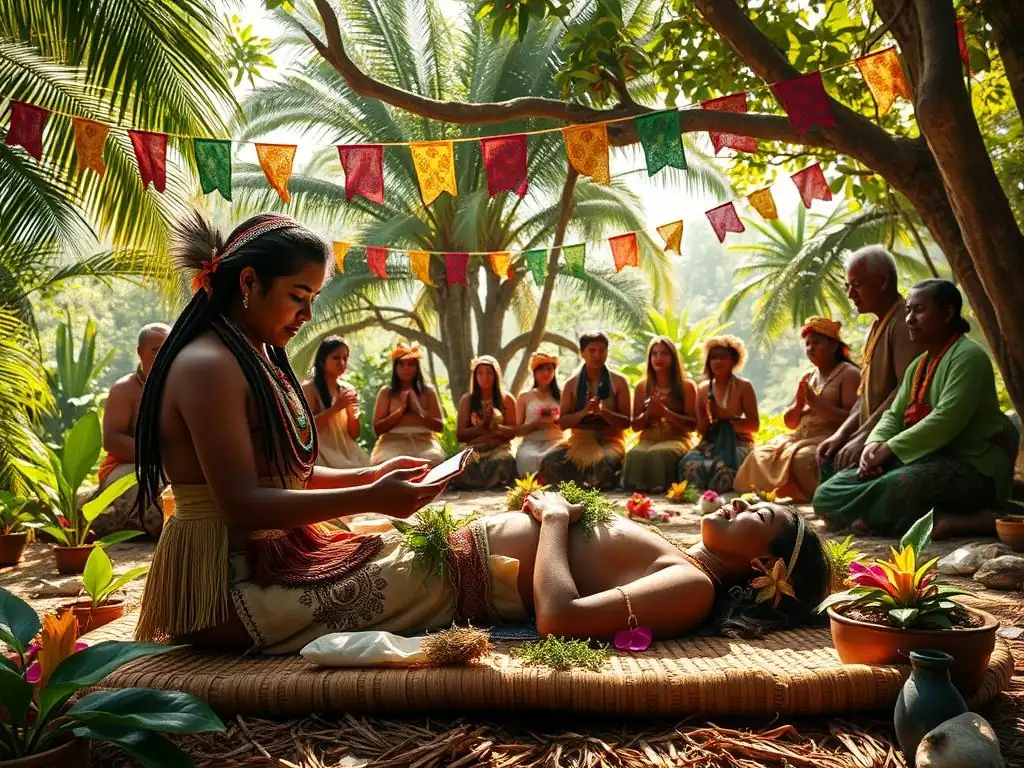
Indigenous healing traditions in the Americas have evolved through centuries of interaction with European medical practices, leading to unique syncretic approaches that combine elements from both cultures. These case studies illustrate how these blended practices manifest in contemporary settings, showcasing the resilience and adaptability of indigenous healing traditions.
Example 1: The Use of Herbal Remedies in Urban Settings
In urban areas across the Americas, indigenous communities have adapted their traditional herbal remedies to meet the demands of modern life. For instance, in cities like Los Angeles and Toronto, urban indigenous populations are rediscovering and utilizing native plants such as sage, cedar, and sweetgrass. These plants are not only used for their medicinal properties but also serve as a bridge to cultural identity and ancestral practices.
- Sage: Commonly used for purification, sage is often burned in ceremonies and is believed to have antimicrobial properties that can help with respiratory issues.
- Cedar: Known for its calming effects, cedar is often infused into teas or used in steam baths to promote relaxation and mental clarity.
- Sweetgrass: Used to create a peaceful atmosphere, sweetgrass is also believed to have healing qualities that benefit emotional well-being.
In these urban settings, community gardens and workshops are springing up, where knowledge about these remedies is shared, encouraging intergenerational dialogue and fostering a sense of belonging among urban indigenous peoples.
Example 2: Modern Integration of Indigenous Healing in Healthcare Systems
Across North America, there has been a growing recognition of the importance of integrating indigenous healing practices into mainstream healthcare systems. Health facilities in places like Canada and the United States are beginning to acknowledge and incorporate indigenous healing methods alongside conventional medicine.
- Cultural Competency Training: Hospitals and clinics are implementing training programs for healthcare professionals to better understand indigenous healing practices, enhancing communication and trust between patients and providers.
- Healing Circles: Some healthcare systems are now offering healing circles, where indigenous healers and patients can come together to discuss health issues in a culturally sensitive environment. This approach not only respects traditional practices but also empowers patients to take an active role in their healing journey.
This integration is not merely a trend but a vital aspect of providing holistic care that honors the cultural backgrounds of indigenous patients while addressing their medical needs.
Challenges Facing Indigenous Healing Traditions Today
Despite the resilience of indigenous healing traditions, they face several challenges in the modern world. These issues often stem from external pressures, including globalization and the ongoing struggle to preserve cultural heritage.
Effects of Globalization on Indigenous Practices
Globalization has significantly impacted indigenous healing practices, often leading to a dilution of traditional knowledge and methods. The following factors contribute to these challenges:
- Cultural Appropriation: The commodification of indigenous healing practices by non-indigenous practitioners can lead to the misrepresentation and exploitation of sacred traditions. This often results in a loss of authenticity and respect for the origins of these practices.
- Loss of Biodiversity: The encroachment of urban development and industrial agriculture threatens the natural habitats of many medicinal plants used in indigenous healing. As these plants become scarce, the knowledge associated with them may also fade away.
- Standardization of Health Practices: The push towards standardized healthcare often overlooks the nuanced and individualized approaches present in indigenous healing traditions, leading to a one-size-fits-all model that may not serve indigenous communities effectively.
Preservation of Knowledge and Cultural Heritage
The preservation of indigenous healing traditions is vital for maintaining cultural identity and knowledge. Efforts to safeguard this heritage face several hurdles, including:
- Intergenerational Knowledge Transfer: As younger generations move to urban areas, they may lose touch with traditional practices. Bridging the gap through education and community initiatives is essential to ensure that knowledge is passed down.
- Documentation and Research: There is a pressing need for comprehensive documentation of indigenous healing practices. Collaborative research initiatives that involve indigenous communities can help in archiving this knowledge while ensuring that it is respected and used appropriately.
- Support for Indigenous Healers: Providing support and recognition for indigenous healers can help sustain these practices. This could involve establishing networks where healers can share knowledge, resources, and training opportunities, reinforcing the importance of their roles within their communities.
By addressing these challenges, there is potential for indigenous healing traditions to not only survive but thrive, contributing to the broader discourse on health and wellness in the Americas.
The Future of Indigenous Healing Traditions in the Americas
As societies evolve and face new challenges, the future of indigenous healing traditions in the Americas hinges on various factors, including cultural preservation, community engagement, and the broader acceptance of alternative medicine practices. These traditions, deeply rooted in the values, beliefs, and practices of indigenous peoples, have shown resilience in the face of colonization and modernization. Their ongoing relevance can be seen in the growing interest in holistic approaches to health and wellness, which often mirror indigenous philosophies that emphasize balance, community, and the interconnectedness of body, mind, and spirit.
Moreover, the integration of indigenous healing methods into contemporary health systems presents an opportunity for synergy. By acknowledging and valuing these practices, there is potential for a more inclusive healthcare framework that respects and incorporates the wisdom of indigenous cultures. The preservation of these traditions is not just about maintaining cultural identity; it is also about recognizing their significant contribution to overall health and well-being in a rapidly changing world.
Revitalization Efforts and Community Initiatives
Revitalization efforts are crucial for the preservation of indigenous healing traditions. Many indigenous communities have initiated programs aimed at teaching younger generations about traditional practices, herbal medicine, and spiritual healing techniques. These community-led initiatives often involve:
- Workshops and Educational Programs: Many tribes organize workshops to educate their members about traditional healing methods, including the use of medicinal plants, rituals, and the philosophical underpinnings of their practices.
- Collaboration with Universities and Research Institutions: Partnerships between indigenous communities and academic institutions can facilitate research into traditional practices, ensuring that this knowledge is documented and respected. Such collaborations also provide platforms for indigenous voices in the academic discourse surrounding health and medicine.
- Cultural Festivals and Events: These events serve as platforms to celebrate and share indigenous healing practices with broader audiences, fostering greater understanding and appreciation of these traditions.
As these efforts continue to grow, they not only strengthen community ties but also empower individuals to reclaim and revitalize their cultural heritage.
Potential for Integrating Indigenous Practices in Modern Medicine
The integration of indigenous healing practices into modern medicine holds significant potential, especially in addressing health disparities faced by indigenous populations. By recognizing the efficacy of these practices, healthcare systems can adopt a more holistic approach to treatment. This integration may include:
- Complementary Health Practices: Traditional healing methods can complement modern medical treatments, particularly in areas such as chronic pain management, mental health, and addiction recovery. For example, practices like sweat lodges, smudging, and the use of specific herbs have been shown to improve patient outcomes when combined with conventional therapies.
- Culturally Competent Care: Training healthcare providers in indigenous philosophies can foster a more respectful and understanding healthcare environment, which could lead to better patient engagement and adherence to treatment plans.
- Policy Advocacy: Advocating for policies that recognize and support the use of indigenous healing practices in public health initiatives can pave the way for broader acceptance and utilization of these valuable resources.
By embracing the wisdom of indigenous healing traditions, modern medicine can create a more inclusive and effective approach to health care.
Conclusion: The Lasting Impact of Indigenous Healing Traditions
The lasting impact of indigenous healing traditions in the Americas is profound and multifaceted. These traditions not only represent a rich cultural heritage but also offer valuable insights into holistic health practices that can enhance contemporary medical paradigms. As awareness grows, there is an increasing recognition of the importance of these practices in promoting wellness and resilience among indigenous communities and beyond.
Summary of Key Insights
- Indigenous healing traditions emphasize holistic health, community, and spiritual well-being, which can complement modern medical practices.
- Revitalization efforts are essential for the preservation of these traditions, with community initiatives playing a pivotal role.
- The integration of indigenous practices into modern medicine presents opportunities for improved health outcomes and culturally competent care.
The Importance of Understanding Syncretic Practices in Healing
Understanding syncretic practices in healing is crucial for several reasons:
- Cultural Sensitivity: Recognizing the blending of indigenous and European healing practices can foster appreciation for the cultural contexts of health and medicine.
- Holistic Approaches: Syncretic practices highlight the interconnectedness of various healing modalities, emphasizing the importance of addressing physical, emotional, and spiritual health.
- Empowerment of Indigenous Communities: Acknowledging and valuing these practices empowers indigenous communities in their health sovereignty and cultural identity.
As we move forward, embracing the wisdom of indigenous healing traditions and their syncretic practices will be vital for fostering a more inclusive and effective healthcare landscape in the Americas.
- Introduction to Indigenous Healing Traditions in the Americas
- Historical Context of Indigenous Healing Traditions
- Key Elements of Syncretic Healing Practices
- Prominent Indigenous Healing Traditions in the Americas
- Case Studies of Syncretic Healing Practices
- Challenges Facing Indigenous Healing Traditions Today
- The Future of Indigenous Healing Traditions in the Americas
- Conclusion: The Lasting Impact of Indigenous Healing Traditions
- What are indigenous healing traditions in the Americas?
- How did syncretic practices influence medicine in the Americas?
- What role did spirituality play in indigenous healing?
- Can you name some common herbal remedies used in indigenous healing?
- What is the lasting impact of indigenous healing traditions today?
Frequently Asked Questions
What are indigenous healing traditions in the Americas?
Indigenous healing traditions refer to the traditional practices and spiritual approaches used by native cultures in the Americas to promote health and well-being, often incorporating herbal remedies and holistic methods.
How did syncretic practices influence medicine in the Americas?
Syncretic practices emerged from the blending of indigenous knowledge with European medical practices, leading to a unique approach to healing that integrated various cultural beliefs and treatments.
What role did spirituality play in indigenous healing?
Spirituality is a crucial element in many indigenous healing traditions, where the spiritual realm is believed to influence physical health, and healing often involves rituals and ceremonies to restore balance.
Can you name some common herbal remedies used in indigenous healing?
Common herbal remedies include plants like sage, sweetgrass, and cedar, which are often used for their purifying and healing properties in various ceremonial practices.
What is the lasting impact of indigenous healing traditions today?
The lasting impact of these traditions is evident in modern alternative medicine, where many practices and beliefs have been incorporated into holistic health approaches, acknowledging the value of cultural heritage in healing.
Final Reflection: Embracing Indigenous Healing Traditions for a Healthier Future
The exploration of indigenous healing traditions in the Americas reveals a profound connection between culture, spirituality, and health that remains incredibly relevant today. As modern medicine continues to evolve, the integration of these ancient practices offers a holistic approach to well-being that resonates with many seeking alternatives to conventional treatments. The wisdom embedded in these traditions serves as a reminder that healing is not merely a physical process but a journey that encompasses the mind, body, and spirit.
The influence of these syncretic practices extends far beyond their historical roots; they continue to shape the cultural and social landscape of contemporary medicine. The resurgence of interest in indigenous healing methods reflects a growing recognition of their value in addressing health disparities and promoting wellness in diverse communities. As Dr. Robin Wall Kimmerer eloquently states, We are all indigenous to the Earth; we just need to remember the stories of our ancestors.
This quote encapsulates the essence of our shared human experience and the importance of reconnecting with the healing practices that have sustained generations.
As we reflect on the lessons learned from these rich traditions, I invite you to consider how you can incorporate elements of indigenous healing into your own life. Whether through mindfulness, herbal remedies, or community support, embracing these practices can lead to a more balanced and fulfilling existence. Let us honor the wisdom of our ancestors and take actionable steps toward a future where holistic health is valued and accessible to all. Together, we can foster a deeper understanding of the interconnectedness of our well-being and the world around us.
Uncover Your Path to Wellness!
Thank you for exploring the fascinating world of healing traditions that have shaped medicine in the Americas! We hope you discovered the profound impact of syncretic practices on health and wellness. Now, it's time to take action and deepen your understanding of these remarkable traditions!
Here are a few steps you can take to honor and engage with these healing practices:
- Explore Traditional Healing: Research local practitioners of indigenous medicine in your area and consider scheduling a session to experience the healing firsthand.
- Share Your Knowledge: Discuss what you've learned with friends and family! Share this article or use social media to spread awareness about the significance of these healing traditions.
- Join a Community: Look for workshops or online forums focused on indigenous health practices where you can learn more and connect with others on a similar journey.
Now we’d love to hear from you! Which traditional healing practice resonates with you the most, and how would you like to integrate it into your daily life?