
From Monuments to Masks: New Discoveries Highlight Olmec Cultural Achievements

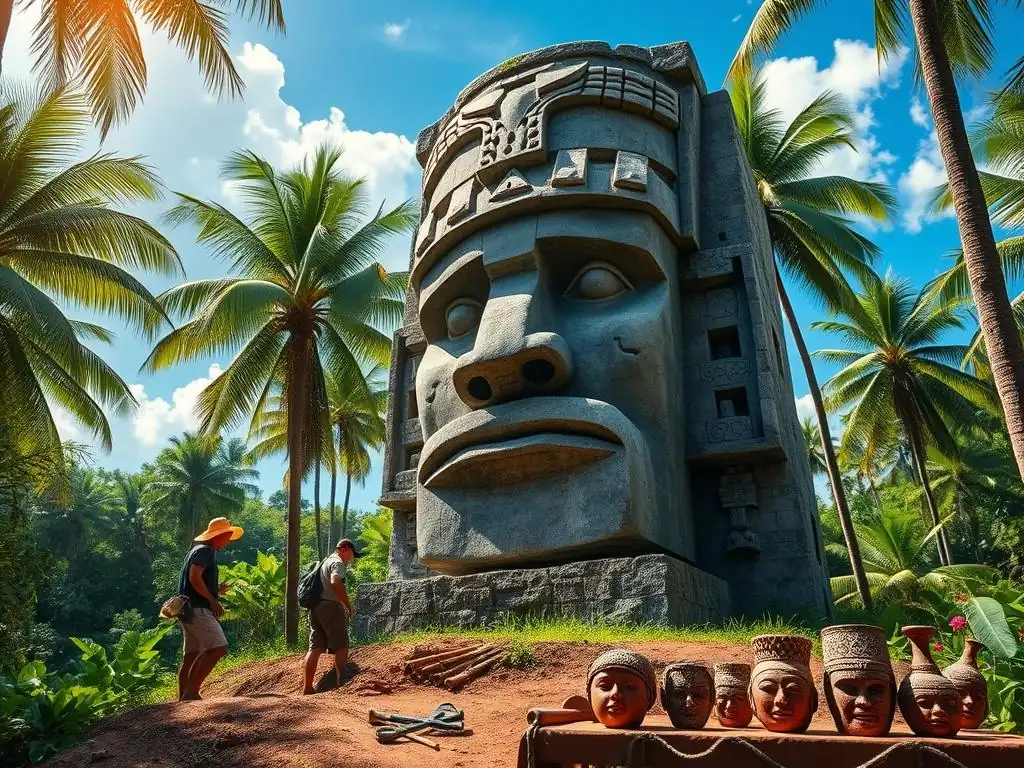
Welcome to Indigenous Civilizations of the Americas, where we invite you to journey through the rich tapestry of cultures that flourished long before European contact. Here, you will uncover the profound Olmec cultural achievements that have recently come to light, revealing the sophisticated artistry and innovations of one of Mesoamerica's earliest civilizations.
From the enigmatic monuments to the intricate masks, our latest article, "From Monuments to Masks: New Discoveries Highlight Olmec Cultural Achievements," promises to captivate your imagination and deepen your understanding of these remarkable societies. Dive in, and let the stories of the past inspire your exploration of their enduring legacy!
- Introduction to Olmec Cultural Achievements Discoveries
- Significant Findings in Olmec Cultural Achievements
- The Role of Recent Excavations in Olmec Cultural Understanding
- Insights into Olmec Society Through Recent Discoveries
- The Impact of Olmec Discoveries on Indigenous Studies
- Conclusion: The Future of Olmec Cultural Achievements Discoveries
- Frequently Asked Questions
- Final Reflection: Embracing the Legacy of Olmec Cultural Achievements
- Unveil the Secrets of Olmec Mastery!
Introduction to Olmec Cultural Achievements Discoveries
The Olmec civilization, often referred to as the "mother culture" of Mesoamerica, has long captivated archaeologists and historians due to its rich tapestry of cultural achievements and contributions to subsequent civilizations. This article delves into the latest discoveries that shed light on the extraordinary accomplishments of the Olmec, highlighting how recent excavations have unveiled new artifacts and insights that enhance our understanding of their societal structures, artistic expressions, and technological innovations.
Through this exploration, we aim to illustrate the lasting impact of Olmec culture on the Americas and the importance of these findings in the broader context of indigenous civilizations.
Overview of the Olmec Civilization
The Olmec civilization emerged around 1400 BCE in the tropical lowlands of south-central Mexico, primarily in the present-day states of Veracruz and Tabasco. Known for their colossal stone heads and intricate jade carvings, the Olmecs were pioneers in several fields, including:
- Art and Architecture: The Olmecs produced large-scale sculptures and monumental architecture, which showcased their advanced artistic techniques and societal organization.
- Writing and Mathematics: They are believed to have developed one of the earliest forms of writing in Mesoamerica and demonstrated a sophisticated understanding of mathematics and astronomy.
- Religion and Rituals: The Olmec culture was deeply spiritual, with a pantheon of deities and elaborate rituals that influenced later Mesoamerican religions.
These achievements not only laid the groundwork for future civilizations, such as the Maya and Aztecs, but also reflected the complexity and richness of Olmec society.
Importance of Recent Excavations in Understanding Olmec Culture
Recent excavations have significantly advanced our knowledge of Olmec cultural achievements, leading to groundbreaking discoveries that challenge previous understandings. Some key findings include:
- New Artifacts: Archaeologists have unearthed a variety of artifacts, including ceremonial masks, pottery, and tools that provide insight into the daily lives and spiritual practices of the Olmecs.
- Urban Planning: Evidence of advanced urban planning has emerged, revealing how the Olmecs organized their cities and interacted with their environment, which is crucial for understanding their societal dynamics.
- Trade Networks: Discoveries of imported materials suggest that the Olmecs were part of extensive trade networks, indicating their influence and connections with other cultures in the region.
These excavations not only enrich our understanding of the Olmec civilization but also highlight the importance of ongoing archaeological efforts in uncovering the complexities of indigenous cultures in the Americas. The revelations from these discoveries serve as a vital reminder of the Olmec's enduring legacy and their role as a foundational civilization in Mesoamerican history.
Significant Findings in Olmec Cultural Achievements
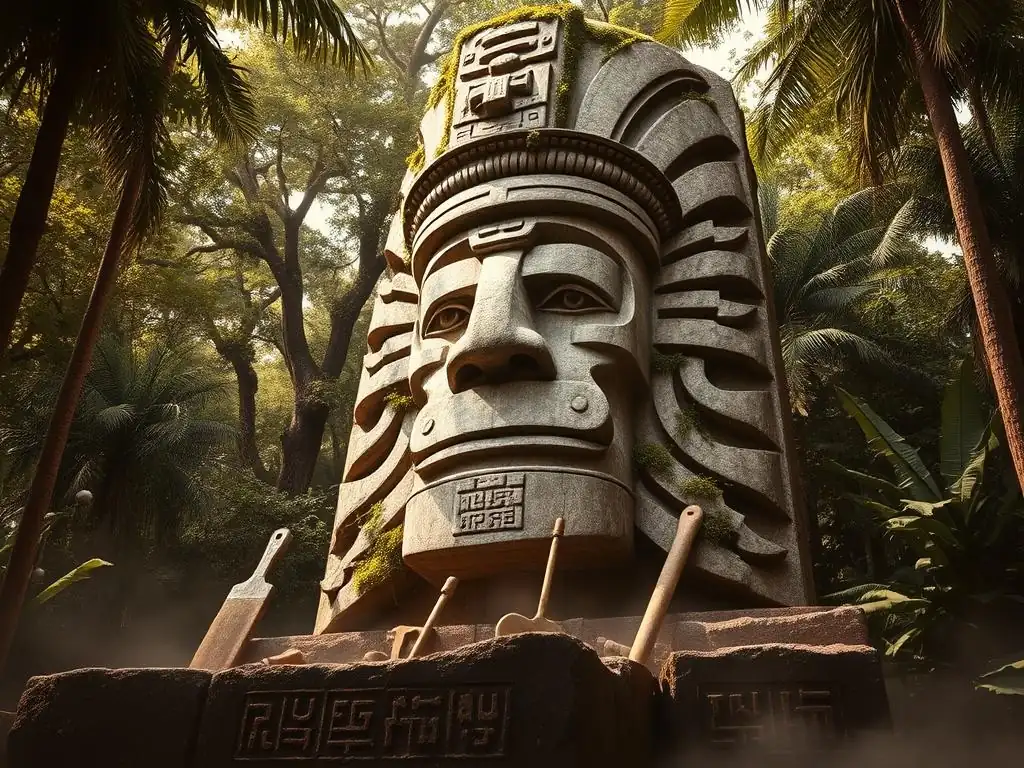
The Olmec civilization, often regarded as the "mother culture" of Mesoamerica, has revealed a wealth of discoveries that underscore their profound cultural achievements. Recent excavations have provided deeper insights into their monumental architecture, artistic expressions, and everyday artifacts, shedding light on a society that significantly influenced later Mesoamerican cultures.
Discovery of Monuments and Their Cultural Significance
The discovery of colossal stone heads and other monumental structures has been pivotal in understanding the Olmec's architectural and artistic prowess. These monumental sculptures, which can weigh several tons, are believed to represent rulers or deities, showcasing the Olmec's social hierarchy and religious beliefs.
- Colossal Heads: The most famous of these are the colossal heads, often measuring over 3 meters in height. Each head is characterized by unique features, suggesting they may represent specific individuals. This indicates a sophisticated level of artistry and the importance of individual leadership within Olmec society.
- La Venta and San Lorenzo: Excavations at sites like La Venta and San Lorenzo have uncovered not only the heads but also altars, platforms, and other ceremonial structures, highlighting the significance of these sites as centers of political and religious activity.
- Cultural Implications: The significance of these monuments extends beyond mere artistry. They provide insight into the Olmec's religious practices, political organization, and social structure. The orientation and placement of these monuments suggest a connection to celestial events and agricultural cycles, indicating their integration of spirituality and daily life.
Unveiling Olmec Masks: Artistry and Symbolism
Masks are another remarkable aspect of Olmec cultural achievements, reflecting their artistic skill and complex belief systems. Recent excavations have uncovered numerous masks made from jade, stone, and other materials, each imbued with symbolic meanings.
- Materials and Techniques: The use of jade, a material highly valued in Olmec society, demonstrates the civilization's advanced techniques in stone carving. The intricate designs and craftsmanship of these masks suggest they were not only used for ceremonial purposes but also as status symbols.
- Symbolism: Many masks are thought to represent deities or ancestral spirits, playing a crucial role in rituals and ceremonies. The detailed engravings often depict features such as fangs or exaggerated facial expressions, which may symbolize power, protection, or the afterlife.
- Cultural Exchange: The discovery of masks in trade routes indicates the Olmec's influence on neighboring cultures. The spread of Olmec-style masks across Mesoamerica highlights their role as cultural intermediaries, facilitating the exchange of ideas and artistic styles.
Other Key Artifacts and Their Contributions to Olmec Heritage
In addition to monuments and masks, various other artifacts have been discovered that contribute to our understanding of Olmec heritage. These artifacts provide a more comprehensive view of their daily life, trade, and technological advancements.
- Ceramics and Pottery: The Olmec produced a variety of ceramics, including utilitarian wares and elaborate ceremonial pieces. Recent findings suggest that these ceramics were used in both daily life and rituals, reflecting the duality of their functional and spiritual roles.
- Tools and Implements: Stone tools and implements, such as axes and grinding stones, have been uncovered, indicating a highly developed agricultural society. These tools suggest that the Olmec were skilled farmers, cultivating crops like maize, beans, and squash.
- Symbolic Objects: Artifacts such as figurines, amulets, and ritual objects provide insight into the Olmec's belief systems and social practices. These items often feature motifs related to fertility, warfare, and the natural world, indicating a complex relationship with their environment.
The recent discoveries related to Olmec cultural achievements reveal a civilization rich in artistry, social complexity, and spiritual depth. From monumental sculptures to intricate masks and everyday artifacts, the Olmec's legacy continues to captivate researchers and enthusiasts alike, highlighting their significant role in the tapestry of Mesoamerican history.
The Role of Recent Excavations in Olmec Cultural Understanding
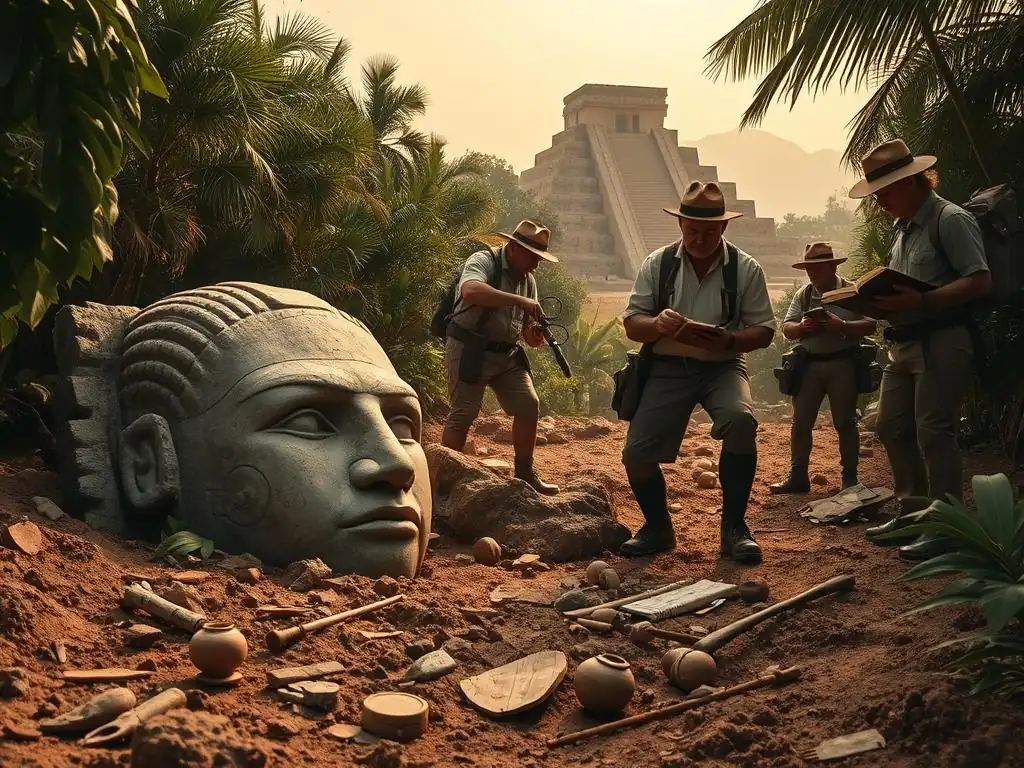
Recent excavations have significantly transformed our understanding of the Olmec civilization, one of the earliest complex societies in Mesoamerica. These explorations have unveiled remarkable insights into Olmec cultural achievements, showcasing their sophisticated societal structures, artistic expressions, and technological advancements. By studying the remnants of their civilization, archaeologists are piecing together the intricate tapestry of Olmec life, which flourished from around 1200 BCE to 400 BCE.
The importance of these excavations cannot be overstated. They not only reveal physical artifacts but also help reconstruct the social, political, and religious frameworks that underpinned Olmec society. The findings from various sites, including San Lorenzo and La Venta, have provided critical context about their economy, trade networks, and spiritual beliefs. Each excavation contributes to a broader narrative that enhances our appreciation of the Olmec's role in shaping the cultural landscape of ancient Mesoamerica.
Archaeological Techniques Used in Olmec Excavations
The methodologies employed in recent Olmec excavations have evolved significantly, integrating a variety of archaeological techniques to uncover the rich heritage of this civilization. Some of the notable techniques include:
- Stratigraphic Excavation: This method involves digging in layers, allowing archaeologists to understand the chronological sequence of human activity in a site. By carefully analyzing each layer, researchers can date artifacts and gain insights into changes over time.
- Remote Sensing: Technologies such as LiDAR (Light Detection and Ranging) have revolutionized the way archaeologists survey Olmec sites. LiDAR enables the detection of structures hidden beneath dense vegetation, revealing extensive urban planning and monumental architecture without disturbing the ground.
- Geophysical Surveys: Techniques like ground-penetrating radar (GPR) and magnetometry are used to identify subsurface features without excavation. These methods help locate burial sites, foundations, and other significant structures that contribute to understanding Olmec societal organization.
- Material Analysis: Advanced techniques such as petrographic analysis and chemical composition studies allow researchers to determine the origins of materials used in Olmec artifacts. This analysis sheds light on trade relationships and resource usage within the Olmec economy.
These techniques collectively enhance the accuracy and depth of archaeological findings, leading to a more nuanced understanding of Olmec cultural achievements.
How Modern Technology Enhances Olmec Discoveries
Modern technology plays a pivotal role in advancing our knowledge of Olmec cultural achievements through innovative methods and tools. Key advancements include:
- 3D Modeling and Reconstruction: With the help of photogrammetry and 3D scanning, archaeologists can create detailed digital models of artifacts and sites. This technology allows for virtual reconstructions of Olmec monuments and structures, facilitating better analysis and public engagement.
- Database Management Systems: The use of sophisticated databases helps in cataloging and analyzing vast amounts of data collected from excavations. These systems allow researchers to share findings and collaborate more effectively across different institutions.
- DNA Analysis: Genetic studies of human remains found at Olmec sites provide insights into population dynamics, migration patterns, and social structure. This data enriches our understanding of the Olmec's interactions with neighboring cultures.
- Isotope Analysis: By examining the isotopic composition of materials, researchers can trace the origins of food and resources, revealing dietary practices and trade networks that influenced Olmec society.
Through the integration of these modern technologies, researchers are not only uncovering new artifacts but also redefining our comprehension of the Olmec civilization's complexity and its lasting impact on subsequent cultures in the Americas. The ongoing discoveries continue to illuminate the rich cultural heritage of the Olmec, making a compelling case for their pivotal role in the history of indigenous civilizations.
Insights into Olmec Society Through Recent Discoveries
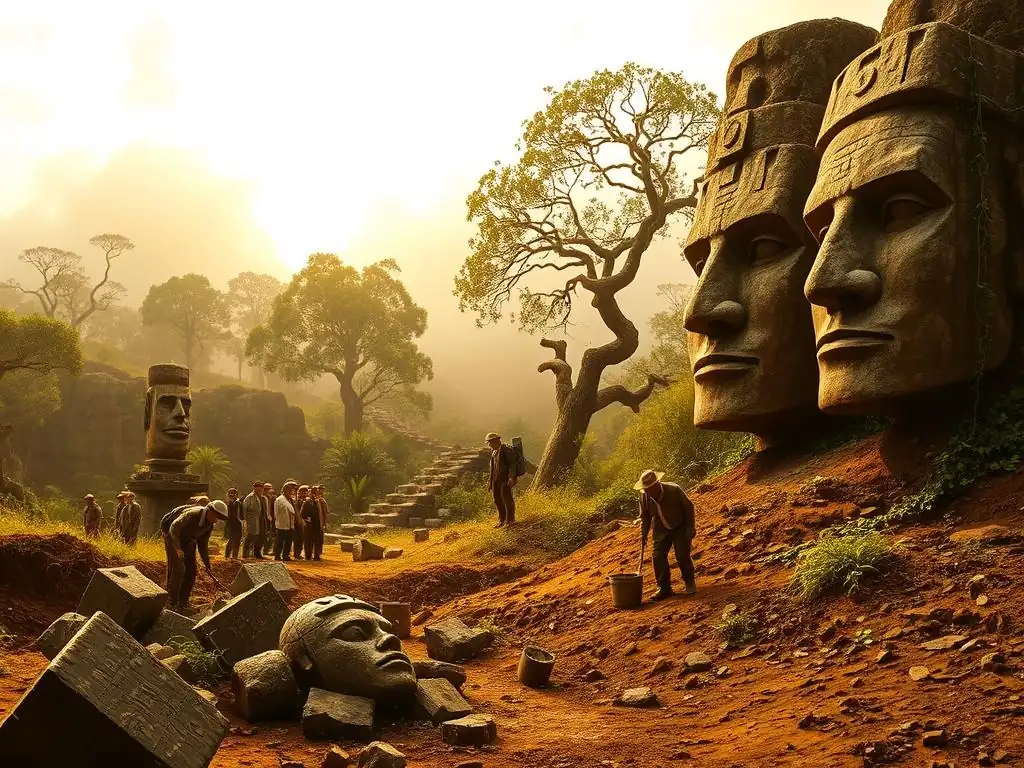
The Olmec civilization, often regarded as the "mother culture" of Mesoamerica, has continually captivated archaeologists and historians alike. Recent discoveries have provided profound insights into their complex society, revealing crucial aspects of their social structure and religious beliefs. These findings not only highlight Olmec cultural achievements but also underscore the civilization's influence on subsequent Mesoamerican cultures.
Recent excavations have unearthed a wealth of artifacts that illuminate the hierarchical nature of Olmec society. Notably, the discovery of intricately carved jadeite and basalt artifacts indicates a sophisticated artisan class. These items, often adorned with symbols and motifs, suggest a clear distinction between social roles.
- Artistic Hierarchies: The quality and complexity of Olmec art reflect not only aesthetic values but also the social stratification of their society. For instance, colossal heads, believed to represent elite rulers, showcase the importance of leadership and power in Olmec culture. These massive sculptures, some weighing several tons, were often placed in ceremonial centers, reinforcing the authority of the ruling class.
- Ceremonial Objects: Items such as ceremonial masks and ritual tools indicate that the Olmec had specialized craftsmen. These artifacts, often decorated with elaborate designs, suggest that they were not merely functional but held significant social and spiritual value. The presence of such objects in burial sites points to beliefs surrounding an afterlife, further emphasizing the status of individuals within their society.
- Settlement Patterns: Excavations at sites like La Venta and San Lorenzo reveal urban planning that reflects social organization. The layout of these sites, with their pyramidal structures and plazas, suggests a centralized authority and a community that engaged in collective labor. This organization likely facilitated the construction of monumental architecture, an enduring testament to Olmec cultural achievements.
Religious and Spiritual Beliefs Revealed by New Findings
The Olmec's religious and spiritual beliefs are pivotal in understanding their worldview and cultural achievements. Recent archaeological discoveries have shed light on their complex pantheon and the rituals associated with it.
- Deity Representations: Findings of figurines and effigies depicting jaguars and other animals suggest that the Olmec revered these creatures as powerful spiritual symbols. The jaguar, in particular, is often associated with strength and fertility, hinting at a belief system that intertwined nature with spiritual significance. These representations are not only artistic achievements but also indicative of a theocratic society where religion played a central role in governance.
- Ritual Practices: The discovery of ceremonial altars and offerings reveals that the Olmec engaged in elaborate rituals, possibly to appease their deities or to ensure agricultural fertility. Evidence suggests that human sacrifice may have been a component of these ceremonies, reflecting the intense spiritual beliefs that governed their lives.
- Cosmology and Symbolism: Recent studies of Olmec iconography indicate a sophisticated understanding of cosmology. Symbols such as the Olmec dragon and the were-jaguar motif suggest a complex mythology that sought to explain the universe's workings. This intricate belief system influenced not only Olmec society but also later Mesoamerican cultures, highlighting the far-reaching impact of Olmec cultural achievements.
Recent discoveries about the Olmec civilization reveal a society rich in complexity, marked by a stratified social structure and profound religious beliefs. The artifacts and monuments unearthed in ongoing excavations continue to expand our understanding of Olmec cultural achievements, emphasizing their significance in the broader narrative of indigenous civilizations in the Americas.
The Impact of Olmec Discoveries on Indigenous Studies
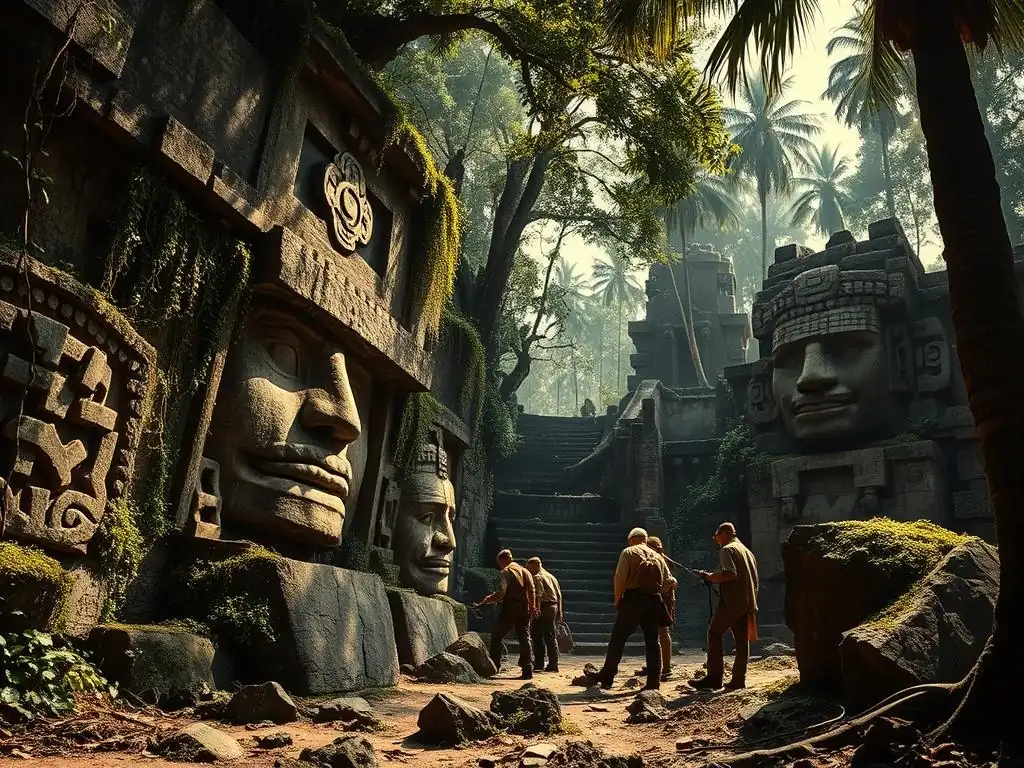
The recent discoveries related to Olmec cultural achievements have significantly enriched the field of Indigenous studies, providing a clearer understanding of Mesoamerican civilizations. These findings are not only a testament to the intricate societal structures and artistic expressions of the Olmec but also serve as a crucial link to understanding the broader tapestry of indigenous history and culture across the Americas.
Contributions to the Broader Understanding of Mesoamerican Civilizations
The Olmec civilization, often regarded as the "mother culture" of Mesoamerica, has provided scholars with essential insights into the development of subsequent civilizations, such as the Maya and Aztec. Recent excavations have unveiled new artifacts, including monumental sculptures, ceramics, and ceremonial tools that highlight the complexity of Olmec society.
- Artistic Expressions: The discovery of large basalt heads and intricate jade carvings has showcased the advanced artistic techniques employed by the Olmecs. These artifacts illustrate a deep understanding of symbolism and aesthetics, which influenced later Mesoamerican cultures.
- Societal Structure: Archaeological findings have indicated that the Olmec had a sophisticated political and social hierarchy. Evidence of planned urban centers, such as San Lorenzo and La Venta, suggests a level of organization previously underestimated. This has led researchers to rethink the dynamics of power and governance in early Mesoamerican societies.
- Trade Networks: Recent studies have uncovered evidence of extensive trade routes connecting the Olmec to other regions, facilitating the exchange of goods such as obsidian, rubber, and marine shell products. This finding underscores the Olmec's role as pivotal players in regional commerce, further influencing the cultural and economic landscapes of neighboring civilizations.
- Religious Practices: Discoveries of ritual sites and offerings have shed light on the religious beliefs and practices of the Olmec. The presence of intricate altars and figurines suggests a complex spiritual life that may have laid the groundwork for the religious systems of later cultures.
The analysis of these contributions helps to construct a more nuanced picture of Mesoamerican history, emphasizing the Olmec's foundational role and their lasting impact on subsequent indigenous cultures.
The Legacy of Olmec Cultural Achievements in Contemporary Indigenous Cultures
The cultural achievements of the Olmecs resonate well into the present, influencing various facets of contemporary indigenous cultures across Mexico and Central America. As modern indigenous groups reclaim and celebrate their heritage, the legacy of the Olmecs serves as a powerful symbol of resilience and continuity.
- Cultural Identity: Many contemporary indigenous communities draw inspiration from Olmec art and traditions. The motifs and symbols found in Olmec artifacts are often echoed in modern crafts, textiles, and ceremonies, helping to reinforce cultural identity and pride.
- Educational Initiatives: Recent discoveries have sparked interest in educational programs focused on indigenous history. Schools and cultural centers are increasingly incorporating Olmec studies into their curricula, fostering a greater awareness of the significance of these ancient civilizations among younger generations.
- Artistic Revival: The resurgence of traditional art forms can be directly linked to the discoveries of Olmec artifacts. Artists today are experimenting with techniques reminiscent of Olmec craftsmanship, revitalizing ancient practices while also addressing contemporary issues within their communities.
- Cultural Festivals: Events celebrating indigenous heritage often feature elements inspired by Olmec civilization, highlighting the importance of these ancient peoples in the broader narrative of indigenous history. These festivals serve as platforms for cultural expression and community cohesion, reinforcing the relevance of Olmec achievements in today's society.
The recent discoveries related to Olmec cultural achievements not only enhance our understanding of ancient Mesoamerican civilizations but also play a critical role in shaping the cultural landscape of contemporary indigenous communities. By examining the profound legacy of the Olmecs, we gain deeper insights into the resilience and continuity of indigenous cultures throughout the Americas.
Conclusion: The Future of Olmec Cultural Achievements Discoveries
The ongoing exploration of Olmec cultural achievements continues to reveal fascinating insights into one of Mesoamerica's earliest and most influential civilizations. As archaeological methods advance, researchers are uncovering new artifacts, structures, and cultural practices that enrich our understanding of the Olmecs. These discoveries not only shed light on the societal complexities of the Olmec people but also highlight their significant contributions to later Mesoamerican cultures, such as the Maya and Aztec.
Ongoing Research and Its Potential Impact
Current archaeological projects are employing cutting-edge technologies, such as LiDAR (Light Detection and Ranging) and ground-penetrating radar (GPR), to explore previously inaccessible areas. These methods enable archaeologists to map out ancient sites, revealing hidden structures that were once obscured by vegetation or earth. For instance, recent excavations in areas like La Venta and San Lorenzo have unveiled monumental sculptures and ceremonial sites that challenge existing narratives about Olmec society.
The potential impact of this ongoing research is profound:
- Reevaluation of Cultural Influence: New findings may lead to a reevaluation of the Olmec's influence on subsequent civilizations. Understanding their role as a cultural precursor can reshape our comprehension of Mesoamerican history.
- Interdisciplinary Collaborations: The integration of art history, anthropology, and archaeology fosters a more holistic view of Olmec society, allowing for the exploration of social, political, and religious dimensions.
- Public Engagement: As discoveries are made public, they can inspire a greater appreciation of indigenous heritage and encourage local communities to take pride in their ancestral roots.
Encouraging Further Exploration of Olmec Heritage
To truly grasp the significance of Olmec cultural achievements, it is crucial to encourage further exploration and study of their heritage. This can be facilitated through various avenues:
- Educational Programs: Developing curriculum resources that focus on Olmec history can enhance awareness among students and the general public. Interactive workshops and lectures can bridge the gap between academic research and community knowledge.
- Community Involvement: Engaging local communities in archaeological efforts fosters stewardship of cultural heritage. Initiatives that involve community members in fieldwork and research can promote sustainable practices and a sense of ownership over their history.
- International Collaboration: Partnerships between Mexican institutions and international universities can lead to collaborative research projects, allowing for a diverse range of expertise and perspectives. This can enhance the depth and breadth of Olmec studies.
- Preservation Efforts: As discoveries continue, it’s essential to prioritize the protection of Olmec sites from environmental threats and human interference. Establishing protected areas and promoting responsible tourism can help safeguard these invaluable cultural landmarks for future generations.
As we delve deeper into the past through ongoing research, the Olmec cultural achievements discoveries remind us of the rich tapestry of human history that precedes modern civilizations. The future holds promise for even greater revelations about this remarkable society and its enduring legacy.
Frequently Asked Questions
Recent discoveries include monumental sculptures and intricately designed ceremonial masks, which showcase the Olmec's impressive artistry and cultural complexity.
How did the Olmec civilization influence later cultures?
The Olmec laid the groundwork for later Mesoamerican civilizations through their advancements in religion, governance, and art, significantly impacting cultures like the Maya and Aztec.
What types of artifacts were found in the latest discoveries?
Artifacts such as jade figurines, colossal stone heads, and ceremonial masks have been uncovered, revealing insights into Olmec beliefs and social organization.
Why is the study of Olmec achievements important today?
Understanding Olmec cultural achievements helps us appreciate the rich heritage of indigenous civilizations, fostering a deeper respect for their contributions to human history.
How can I learn more about Olmec cultural achievements?
You can explore dedicated resources, including academic articles, museum exhibits, and websites like "Indigenous Civilizations of the Americas" for a comprehensive overview of their achievements and discoveries.
Final Reflection: Embracing the Legacy of Olmec Cultural Achievements
The exploration of Olmec cultural achievements discoveries not only sheds light on a remarkable civilization but also emphasizes the enduring relevance of understanding our past. As we uncover the intricacies of the Olmec society, we recognize that their innovations in art, architecture, and social organization continue to resonate in contemporary discussions about cultural identity and heritage. The Olmecs were pioneers, and their legacy challenges us to appreciate the depth of human creativity and resilience throughout history.
The impact of Olmec discoveries extends far beyond archaeology; it influences our cultural and social landscape today. As we engage with these ancient achievements, we are reminded of the interconnectedness of cultures and the importance of preserving our shared history. History is not a burden on the memory but an illumination of the soul.
This quote encapsulates the essence of our journey through the Olmec narrative, urging us to reflect on how these ancient accomplishments shape our understanding of identity and community in the modern world.
As we conclude this exploration, I invite you to reflect on the lessons from the Olmec civilization and consider how their achievements can inspire your own life. What aspects of their creativity and resilience can you incorporate into your personal journey? Let the discoveries of the Olmecs serve as a reminder that our cultural heritage is a treasure trove of wisdom, waiting to be embraced and celebrated. Take a moment to honor the past, and allow it to guide you toward a more enriched and connected future.
Unveil the Secrets of Olmec Mastery!
Thank you for diving deep into the fascinating world of Olmec cultural achievements! Your interest is the first step toward understanding the incredible history and contributions of this ancient civilization. Now, it's time to take action and explore further.
- Dive into the richness of Olmec art by visiting a local museum or exploring reputable online galleries that showcase their incredible artifacts.
- Engage with your community! Start a conversation with friends or family about the Olmec civilization and share the knowledge you've gained from this article.
- Consider joining a local archaeological society or attending educational lectures to deepen your understanding of Indigenous cultures and their histories.
Are you ready to unlock more mysteries of the Olmec civilization? What aspect of their culture intrigues you the most, and how will your newfound knowledge guide your next steps?