
Inca Resistance: Uncovering the Strategies Against Spanish Conquistadors

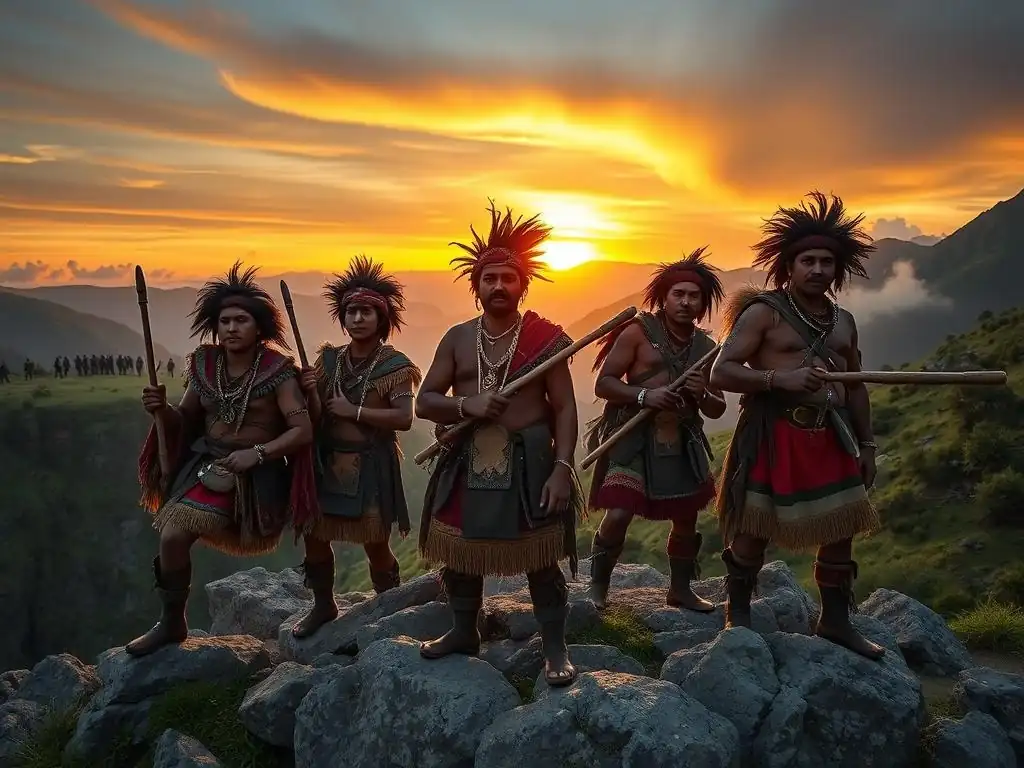
Welcome to Indigenous Civilizations of the Americas, where we invite you to embark on a fascinating journey through the rich tapestry of indigenous cultures that flourished long before the arrival of European colonizers. In this exploration, we dive deep into the Inca resistance strategies, revealing the remarkable tactics and resilience that defined their struggle against the Spanish conquistadors. What drove these extraordinary civilizations to defy the odds? Join us as we uncover the profound achievements and enduring legacies of the Inca and other indigenous societies, and discover how their stories continue to shape our understanding of history today.
Introduction to Inca Resistance Strategies History
The story of the Inca Empire is one of incredible achievements, rich cultural heritage, and ultimately, profound resistance. As the Spanish conquistadors arrived in the early 16th century, they encountered a complex society that was not only vast in territorial expanse but also sophisticated in governance, agriculture, and architecture.
The Inca resistance strategies against the Spanish invaders were significant and multifaceted, reflecting the resilience and adaptability of the Inca people in the face of overwhelming odds. This article delves into the historical context of Inca resistance, exploring the diverse strategies employed to combat the Spanish conquest, highlighting the socio-political dynamics, geographical advantages, and cultural tenacity that defined this critical period in history.
Overview of Inca Civilization Before Conquest
Before the arrival of the Spanish, the Inca civilization was the largest empire in pre-Columbian America, stretching along the western coast of South America. Centered in modern-day Peru, the Inca Empire was known for its impressive achievements in various fields:
- Architecture: The Incas constructed monumental structures such as Machu Picchu and Cusco, showcasing advanced engineering techniques.
- Agriculture: They developed terraced farming and irrigation systems that allowed them to thrive in the diverse Andean environment.
- Political Organization: The Inca Empire was characterized by a centralized government led by the Sapa Inca, who wielded significant authority and maintained a complex bureaucratic system.
This well-organized society created a foundation for resilience in the face of the Spanish conquest, as the Incas were not only skilled warriors but also adept at mobilizing resources and rallying their people.
The Impact of Spanish Arrival on Inca Society
The arrival of Spanish conquistadors, led by Francisco Pizarro in 1532, marked a turning point for the Inca civilization. The initial encounters were marked by confusion, deception, and violence, leading to the capture of the Sapa Inca, Atahualpa. This event had devastating effects on Inca society:
- Disruption of Leadership: The capture and subsequent execution of Atahualpa created a power vacuum that disrupted the political structure of the empire.
- Spread of Disease: The introduction of European diseases, such as smallpox, decimated the Inca population, significantly weakening their ability to resist.
- Cultural Clash: The Spanish imposed their own culture and beliefs, challenging the spiritual and social fabric of Inca society.
Despite these challenges, the Inca people exhibited remarkable resilience and devised various strategies to resist Spanish domination.
Key Factors Influencing Inca Resistance
The Inca resistance was not a singular effort but rather a complex interplay of various factors that enabled the Incas to mount a formidable opposition to the Spanish conquistadors. Understanding these factors provides insight into the historical narrative of the Inca resistance.
Geographic Advantages of the Inca Empire
The Inca Empire's geography played a crucial role in its resistance efforts. The rugged Andean mountains provided a natural barrier against the Spanish forces. Key geographic advantages included:
- Difficult Terrain: The mountainous landscape hindered the movement of Spanish cavalry and artillery, giving the Incas a tactical advantage in defensive warfare.
- Strategic Locations: The Incas utilized their knowledge of the terrain to establish ambush points and fortified positions, allowing them to effectively resist Spanish advances.
Social Structure and Unity Among the Inca People
The Inca social structure was integral to their resistance strategies. The Incas had a well-defined hierarchy and a sense of collective identity that facilitated mobilization against the invaders:
- Community Cohesion: The Ayullu, or kinship groups, fostered strong community bonds, enabling swift organization of resistance efforts.
- Leadership and Strategy: Local leaders emerged to rally the people, utilizing their knowledge of Inca military tactics to coordinate resistance against the Spanish.
Cultural Resilience and Spiritual Beliefs
The Incas' cultural resilience and deeply rooted spiritual beliefs also played a significant role in their resistance. The connection to their land and deities provided motivation and purpose:
- Cultural Identity: The Inca people's rich traditions and customs instilled a sense of pride and a determination to preserve their way of life.
- Spiritual Motivation: The belief in their gods and the importance of protecting their sacred lands fueled the resistance, as many saw the conflict as a struggle for their very existence.
The strategies employed by the Incas in their resistance against the Spanish conquistadors were shaped by a combination of geographic, social, and cultural factors. Understanding these elements is essential to appreciating the depth of Inca resistance and its significance in the broader narrative of the Spanish conquest of the Americas.
Major Inca Resistance Strategies Against Spanish Conquistadors
The Inca Empire employed a variety of resistance strategies in response to the Spanish conquest, combining military, diplomatic, and guerrilla tactics to defend their territory and culture. These strategies were essential in their efforts to resist the overwhelming power of the conquistadors. The Incas relied on their extensive knowledge of the Andean geography, organizational skills, and established military structure, which allowed them to mobilize quickly against the Spanish forces. Their resistance was not only a fight for survival but also a determination to preserve their identity and way of life.
Military Tactics Employed by the Incas
The military tactics of the Incas were sophisticated and well-coordinated. They utilized the following strategies:
- Terrain Utilization: The Incas expertly used the rugged Andean terrain to their advantage. They conducted ambushes in narrow mountain passes and utilized high-altitude sites for strategic positioning, making it difficult for the Spanish cavalry to maneuver effectively.
- Guerrilla Warfare: The Incas engaged in guerrilla tactics, employing hit-and-run strategies that disrupted Spanish supply lines and communication. This approach allowed them to minimize direct confrontations while still inflicting damage on the enemy.
- Mobilization of Local Forces: The Incas organized local resistance by rallying various ethnic groups within their empire. They capitalized on existing grievances against the Spanish and united these diverse groups under a common cause.
- Adaptation of Weaponry: While the Incas traditionally used weapons made from stone and bronze, they adapted by acquiring Spanish firearms and armor, enabling them to match the technological advantages of their opponents.
Diplomatic Strategies Used by the Inca Leaders
In addition to military action, the Inca leaders employed various diplomatic strategies to forge alliances and undermine Spanish efforts:
- Alliances with Other Indigenous Groups: The Incas sought alliances with other indigenous groups who were discontented with Spanish rule. By leveraging these relationships, they aimed to create a united front against the conquistadors.
- Negotiation and Deception: In some instances, Inca leaders engaged in negotiations with the Spanish, buying time to regroup and strengthen their forces. They often used deceitful tactics to mislead the Spanish about their true strength and intentions.
- Cultural Preservation Efforts: The Incas emphasized the importance of their cultural identity, using diplomacy to promote unity among the diverse peoples within their empire. This cultural cohesion was critical in maintaining morale and resistance against the Spanish.
Significant Events in Inca Resistance History
Several key events marked the struggle of the Incas against the Spanish, shaping the course of their resistance efforts.
The Siege of Cusco: A Turning Point
The Siege of Cusco in 1536 was a pivotal moment in Inca resistance history. After the fall of Atahualpa, the Inca capital became a focal point for resistance. Led by Manco Inca, the Incas launched a fierce campaign to reclaim their city:
- Initial Successes: The Incas managed to push back Spanish forces and temporarily regain control of Cusco, demonstrating their military prowess and determination.
- Siege Techniques: The Incas employed siege tactics, including cutting off supplies to the Spanish and constructing fortifications around the city.
- End of the Siege: Despite initial victories, the siege ultimately failed due to the arrival of reinforcements for the Spanish and internal divisions among the Incas.
The Role of Manco Inca in Resistance Efforts
Manco Inca played a crucial role in the resistance against the Spanish. As a leader, he was instrumental in organizing the Inca response:
- Symbol of Resistance: Manco Inca became a symbol of Inca resistance, rallying various groups under his leadership to fight against the Spanish.
- Strategic Leadership: His strategic decisions, including the relocation of the Inca capital to Vilcabamba, were key in sustaining the resistance and evading Spanish forces.
- Legacy: Manco Inca's efforts left a lasting legacy, inspiring future generations to resist foreign domination and fight for indigenous rights.
Key Battles and Confrontations with Spanish Forces
Throughout the resistance period, several key battles and confrontations occurred, highlighting the tenacity of the Inca fighters:
- Battle of Ollantaytambo: In 1537, the Incas achieved a significant victory against the Spanish at Ollantaytambo, showcasing their ability to effectively mobilize and utilize the terrain.
- Battle of Intipampa: This confrontation in 1538 further demonstrated the Incas' resistance capabilities, as they employed guerrilla tactics to inflict casualties on Spanish forces.
- Continued Skirmishes: Despite facing numerous setbacks, the Incas engaged in continued skirmishes throughout the late 1530s, maintaining pressure on Spanish forces and disrupting their plans for consolidation.
These events collectively illustrate the resilience and resourcefulness of the Inca civilization in the face of European conquest, reflecting a rich history of resistance strategies that are essential to understanding the broader context of indigenous struggles in the Americas.
Outcomes of Inca Resistance Strategies
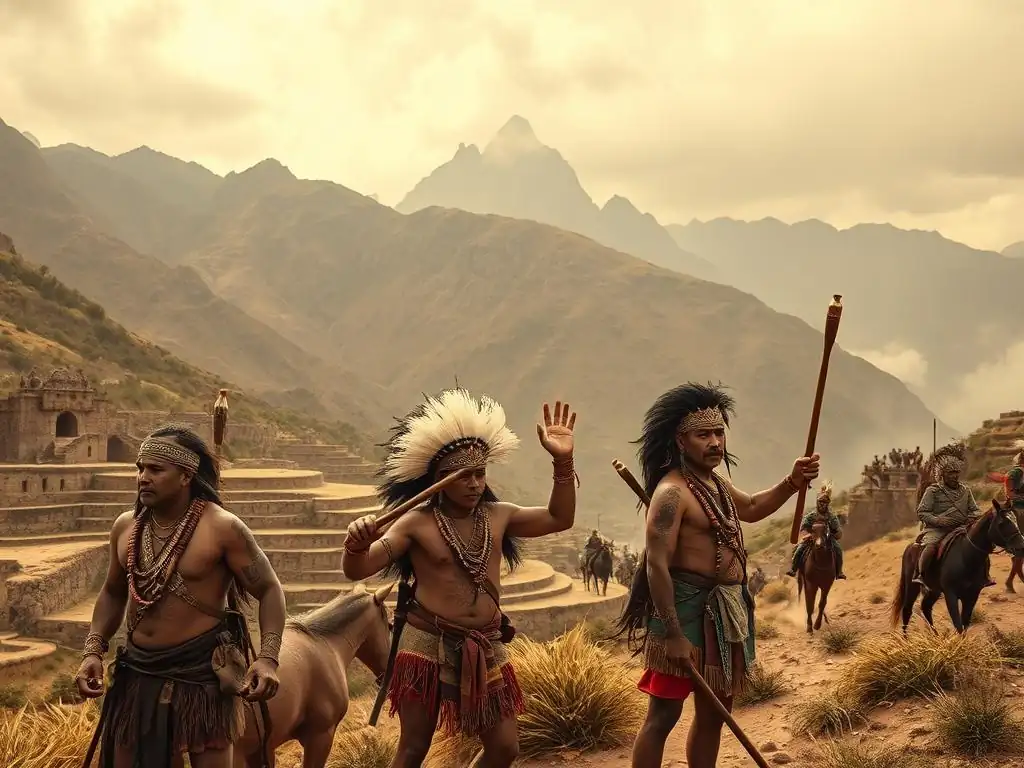
The Inca Empire’s resistance against Spanish conquistadors was marked by a series of strategic approaches that significantly shaped the trajectory of both the conquest and the subsequent colonial period. The outcomes of these resistance strategies can be categorized into short-term impacts on the Spanish conquest, long-term effects on Inca society and culture, and valuable lessons that can be drawn from this historical episode.
Short-Term Impacts on the Spanish Conquest
In the immediate aftermath of the conquest, the Inca resistance presented several challenges for the Spanish forces. The Incas employed guerrilla warfare tactics, utilizing their intimate knowledge of the rugged Andean terrain to stage ambushes and surprise attacks. This not only delayed Spanish advances but also inflicted significant casualties, complicating their efforts to establish control.
Moreover, the Inca's ability to unify disparate groups against a common enemy temporarily hindered the Spanish from effectively exploiting divisions among indigenous populations. The fierce resistance at key locations, such as the Battle of Vilcabamba, demonstrated the Incas' resolve and military organization, which forced the conquistadors to reconsider their strategies. Such resistance led to a protracted conflict that stretched Spanish resources and often resulted in their retreat in the face of determined Inca opposition.
Long-Term Effects on Inca Society and Culture
The long-term effects of the Inca resistance strategies were profound. Although the eventual conquest led to the collapse of the Inca Empire, the resistance fostered a sense of identity and unity among the indigenous peoples in the region. The struggle against the Spanish invaders became a point of cultural pride and historical significance, influencing future generations and inspiring subsequent uprisings against colonial rule.
Furthermore, the integration of resistance strategies into the cultural memory helped preserve aspects of Inca traditions, language, and social structures despite the overwhelming pressure from Spanish colonial policies. The legacy of this resistance can be seen in contemporary Andean societies, where indigenous identity is often marked by a strong historical consciousness of resilience against colonization.
Lessons Learned from Inca Resistance History
The history of Inca resistance against Spanish conquistadors is rich with lessons that resonate beyond the context of the 16th century. One key lesson involves the importance of adaptation and innovation in the face of overwhelming odds. The Inca's ability to quickly adopt guerrilla tactics and leverage their knowledge of the local geography highlights the significance of strategic flexibility.
Additionally, the Inca experience illustrates the power of unity among diverse groups. By rallying various factions against a common threat, the Incas demonstrated that collective action can be a formidable force against invaders. This lesson remains relevant today, as communities worldwide continue to face external pressures that threaten their sovereignty and identity.
Conclusion: The Legacy of Inca Resistance Against Conquistadors
The legacy of Inca resistance against the Spanish conquistadors is a testament to the enduring spirit of indigenous peoples in the Americas. Their strategies of resistance not only shaped the immediate dynamics of the conquest but also left a lasting impact on future generations.
Reflections on Indigenous Resilience
Reflecting on the Inca resistance underscores the broader theme of indigenous resilience in the face of colonization. Despite the eventual fall of the Inca Empire, the tenacity exhibited by its leaders and warriors serves as a powerful reminder of the strength inherent in indigenous cultures. This resilience continues to inspire movements for cultural preservation and rights among indigenous communities today.
The Importance of Studying Inca Resistance Strategies Today
Studying Inca resistance strategies is crucial for understanding the complexities of colonial encounters and the responses these encounters elicited. By examining these historical events, we gain insights into the dynamics of power, culture, and identity that remain relevant in contemporary discussions about colonial legacies and indigenous rights. Such studies not only honor the memory of those who resisted but also inform current efforts towards reconciliation and justice for indigenous peoples around the world.
Further Reading and Resources on Inca Resistance
Understanding the complexities of Inca resistance against Spanish conquistadors requires exploring a variety of resources that delve into their history, culture, and the specific strategies employed during the Spanish conquest. Below is a curated list of recommended books and online resources that provide a deeper insight into this significant historical episode.
Recommended Books on Inca History and Resistance
-
"The Last Days of the Incas" by Kim MacQuarrie
This compelling narrative combines historical detail with vivid storytelling, offering readers a comprehensive view of the Inca civilization's fall and the fierce resistance they mounted against the Spanish forces.
-
"Inca Warfare: A Study of the Inca Military System" by Edward A. McDonald
This scholarly work investigates the military strategies of the Incas, providing context to their resistance efforts and examining the organization and tactics of their armies.
-
"The Inca Empire: A Multidisciplinary Approach" by David M. Jones
This book presents a multidisciplinary perspective on the Inca Empire, touching upon various aspects of their culture, social structure, and the impact of European conquest, including resistance strategies.
-
"Conquest of the Incas" by John Hemming
Hemming’s book is a classic in the field, detailing the Spanish conquest with a focus on the Inca response, resistance, and the intricate dynamics between the two cultures.
-
"Andean Archaeology III: North and South" edited by Helaine Silverman and William H. Isbell
This volume explores the archaeological record of the Andes, shedding light on the social and political structures of the Incas and their resistance to colonization.
Online Resources and Documentaries for Deeper Understanding
-
National Geographic: The Conquest of the Inca
An engaging online feature that provides insights into the Inca civilization and the Spanish conquest, including interactive maps and historical analyses.
-
PBS: "The Incas" Documentary
This documentary offers an in-depth look at Inca life, their achievements, and the challenges they faced during the Spanish invasion, highlighting their resistance strategies.
-
Smithsonian Channel: "Lost Cities: The Secrets of the Incas"
A visually stunning documentary that explores Inca civilization and its rich history, including the tactical responses to European colonization.
-
YouTube: "Inca Resistance: The Story of the Inca Empire"
This educational video provides a concise overview of the Inca resistance efforts, featuring interviews with historians and visuals of archaeological sites.
-
Online Archives and Journals
Many universities and institutions have digitized archives that include primary sources and academic papers on Inca resistance strategies. Notable platforms include JSTOR and Google Scholar for peer-reviewed articles.
By engaging with these resources, readers can gain a nuanced understanding of the Inca resistance strategies and the broader historical context of their civilization during the Spanish conquest.
- Introduction to Inca Resistance Strategies History
- Key Factors Influencing Inca Resistance
- Major Inca Resistance Strategies Against Spanish Conquistadors
- Significant Events in Inca Resistance History
- Outcomes of Inca Resistance Strategies
- Conclusion: The Legacy of Inca Resistance Against Conquistadors
- Further Reading and Resources on Inca Resistance
- What were the main strategies used by the Inca against Spanish conquistadors?
- How did the Inca society organize itself in response to colonization?
- What role did alliances play in Inca resistance?
- How did the Inca utilize their geography in their resistance?
- What were the long-term impacts of Inca resistance on Spanish colonization?
Frequently Asked Questions
What were the main strategies used by the Inca against Spanish conquistadors?
The Inca employed various resistance strategies, including guerrilla warfare, forming alliances with other indigenous groups, and leveraging their knowledge of the terrain to counter the Spanish invasion.
How did the Inca society organize itself in response to colonization?
The Inca society was highly organized, utilizing their existing administrative structures to mobilize resources and manpower effectively, which was crucial for their resistance efforts against the Spanish.
What role did alliances play in Inca resistance?
Alliances with other indigenous groups were pivotal; they provided additional manpower and resources, which strengthened the Inca's ability to resist the Spanish incursions.
How did the Inca utilize their geography in their resistance?
The Inca capitalized on their geographical knowledge, using the mountainous terrain to create defensive positions and conduct surprise attacks, which played a significant role in their resistance strategies.
What were the long-term impacts of Inca resistance on Spanish colonization?
The Inca resistance delayed Spanish colonization, allowing for the preservation of some cultural practices and traditions among indigenous groups, which had a lasting effect on the cultural landscape of the Americas.
Final Reflection: The Enduring Legacy of Inca Resistance Strategies
The struggle of the Inca against Spanish conquistadors exemplifies the power of resilience and ingenuity in the face of overwhelming odds. Today, as we navigate our own challenges, the strategies employed by the Inca serve as a reminder that resistance can take many forms, from guerrilla warfare to diplomatic negotiations. Their story is not just a chapter in history; it is a testament to the human spirit's capacity to fight for survival and autonomy against colonization and oppression.
Culture and identity are often forged in the fires of resistance. The Inca's strategies against the Spanish were not merely tactical; they were deeply intertwined with their cultural values and social structures. This ongoing influence can be seen in contemporary movements that advocate for indigenous rights and cultural preservation. As the historian Tzvetan Todorov once said, “History is a story we tell ourselves about ourselves.” The Inca's narrative of resistance continues to inspire those who seek justice and equity in today's world.
As we reflect on the lessons of Inca resistance, I invite you to consider how these strategies can inform our own lives. What battles are you facing, and how can you draw inspiration from the past to navigate them? Let the story of the Inca remind you that resilience is not just about enduring; it is about adapting, strategizing, and ultimately thriving in the face of adversity. Embrace the lessons of history, and let them guide you in your journey toward empowerment and change.
Empower Yourself: Explore Inca Resilience Today!
Thank you for diving into the incredible story of Inca resistance against Spanish conquistadors! By learning about their strategies and resilience, you not only honor their legacy but also gain valuable insights for facing challenges today.
To actively engage with this powerful history, consider these next steps:
- Join a local history group or online forum dedicated to Indigenous cultures. Share your insights and deepen your understanding of the Inca and other civilizations!
- Create a mini-project focused on an aspect of Inca resistance that resonates with you—whether it’s a blog, an art piece, or a community presentation.
- Read further about the tactics employed by the Incas and other Indigenous groups; seek out lesser-known narratives that highlight their ingenuity and resilience.
Which strategy from Inca resistance do you believe could be effectively applied in today’s social movements? We invite you to share your thoughts in the comments!