
Spiritual Syncretism: The Fusion of Indigenous Beliefs and European Religions

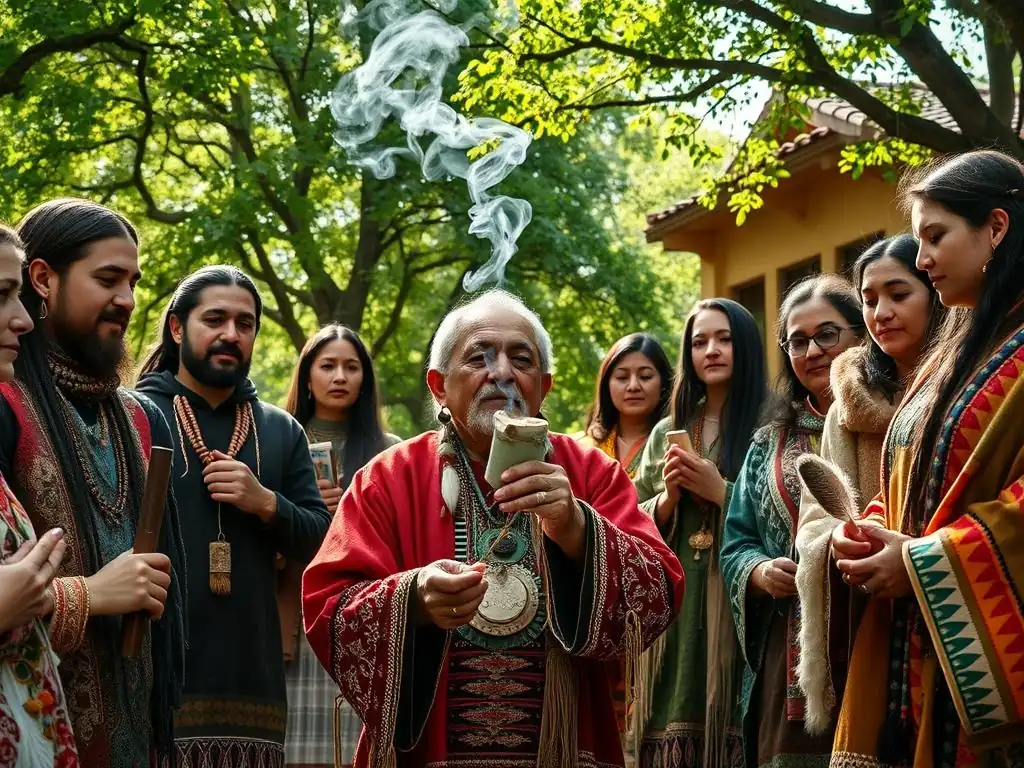
Welcome to Indigenous Civilizations of the Americas, where we embark on a fascinating journey through the rich tapestry of indigenous cultures that flourished long before European contact. In our featured article, “Spiritual Syncretism: The Fusion of Indigenous Beliefs and European Religions,” we delve into the intricate interplay between traditional indigenous beliefs and the new religious paradigms introduced by European colonizers. Discover how these dynamic exchanges shaped spiritual practices and community identities, leaving a profound and lasting legacy.
Prepare to be intrigued as we unravel the complexities of this cultural fusion and its significance in understanding the past—and present—of the Americas. Join us as we explore the depths of history that continue to resonate today!
- Introduction to Spiritual Syncretism
- Historical Context of Indigenous Beliefs
- European Religions and Their Influence
- The Fusion of Indigenous Beliefs and European Religions
- The Impact of Spiritual Syncretism on Indigenous Cultures
- Challenges and Controversies Surrounding Syncretism
- Conclusion
- Further Reading and Resources
-
Frequently Asked Questions
- What is spiritual syncretism?
- How did European colonization impact indigenous cultures?
- What are some examples of indigenous beliefs that merged with European religions?
- Why is it important to study indigenous beliefs and European religions together?
- How can we recognize the lasting impact of this syncretism today?
- Final Reflection: Embracing the Harmony of Indigenous Beliefs and European Religions
- Ignite Your Journey: Explore Spiritual Syncretism!
Introduction to Spiritual Syncretism
Spiritual syncretism represents a complex and fascinating phenomenon that emerged in the wake of European colonization of the Americas. It refers to the blending of indigenous beliefs and practices with European religions, primarily Christianity, resulting in unique cultural expressions that reflect the resilience and adaptability of native populations.
This process was not merely a passive absorption of foreign ideas; rather, it involved active negotiation, reinterpretation, and incorporation of spiritual elements, leading to new forms of worship, ritual, and identity. Understanding spiritual syncretism is crucial for appreciating the rich tapestry of cultural heritage that has shaped contemporary indigenous identities and communities across the Americas.
Definition of Spiritual Syncretism
Spiritual syncretism can be defined as the merging of different religious and spiritual traditions into a cohesive belief system. In the context of the Americas, this often involved the integration of indigenous spiritual practices—such as animism, ancestor worship, and nature reverence—with European religions, especially Christianity. This fusion resulted in various outcomes, including:
- Creation of New Rituals: Traditional ceremonies were adapted to incorporate Christian elements, creating rituals that honored both indigenous and European traditions.
- Reinterpretation of Icons: Indigenous deities were often reimagined as saints, allowing for a continuity of worship while aligning with Christian practices.
- Cultural Resilience: The blending of these belief systems served as a form of resistance against colonial domination, helping indigenous peoples maintain their cultural identity.
The process of spiritual syncretism is evident in various cultural practices and religious expressions throughout the Americas, showcasing the dynamic interactions between different belief systems.
Importance of Studying Indigenous Beliefs and European Religions
The study of indigenous beliefs and European religions is essential for several reasons:
- Cultural Heritage: Understanding how these belief systems merged provides insight into the rich histories and cultural legacies of indigenous peoples.
- Identity Formation: Spiritual syncretism plays a significant role in the formation of contemporary indigenous identities, as communities continue to navigate their historical narratives and spiritual practices.
- Social Dynamics: Analyzing the interactions between indigenous and European religions reveals the complexities of power, resistance, and adaptation within colonial contexts.
- Modern Implications: The ongoing influence of these blended spiritual practices can be seen in contemporary indigenous movements, where tradition and modernity coexist and inform one another.
By exploring the fusion of indigenous beliefs and European religions, we gain a deeper understanding of the impact of colonization on spiritual life in the Americas, as well as the resilience of indigenous cultures in the face of profound change. This exploration not only enriches our knowledge of history but also fosters a greater appreciation for the diversity of spiritual expressions that continue to thrive today.
Historical Context of Indigenous Beliefs
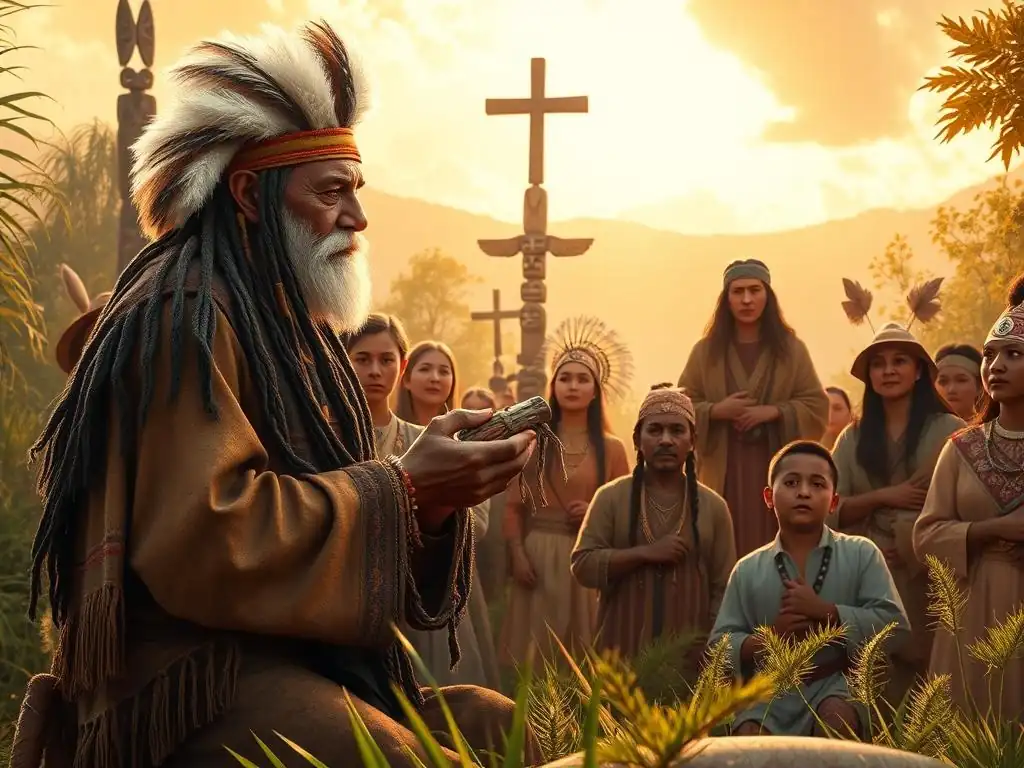
Understanding the historical context of indigenous beliefs is crucial to grasp the complex interplay between these spiritual systems and European religions following the conquest. Indigenous civilizations across the Americas developed rich spiritual traditions deeply intertwined with their daily lives, social structures, and environmental interactions. This historical backdrop sets the stage for the syncretism that occurred post-conquest, revealing how indigenous beliefs adapted and transformed in the face of European colonization.
Overview of Indigenous Cultures in the Americas
Indigenous cultures in the Americas were characterized by a remarkable diversity, with each civilization contributing unique beliefs and practices. From the intricate cosmologies of the Maya and Aztec to the spiritual connection with nature found in the beliefs of many North American tribes, these cultures shared a profound respect for the earth and its cycles.
- Mesoamerican Civilizations: The Maya and Aztecs, for instance, had complex pantheons of gods associated with agriculture, war, and celestial bodies. Rituals often included elaborate ceremonies intended to maintain harmony with the divine.
- North American Tribes: Tribes such as the Lakota, Navajo, and Iroquois practiced spirituality that emphasized connection to the land, ancestors, and the spirit world. They believed in a Great Spirit and held sacred ceremonies that reinforced community ties and cultural identity.
- Andean Cultures: Civilizations like the Inca worshipped Pachamama (Mother Earth) and had intricate agricultural rituals aligned with seasonal changes, showcasing their deep understanding of ecological cycles.
This rich tapestry of beliefs and practices laid the groundwork for the cultural adaptations that would follow European contact.
Key Indigenous Spiritual Practices Before Colonization
Before European colonization, various spiritual practices were integral to the everyday lives of indigenous peoples. These practices often involved a combination of rituals, ceremonies, and oral traditions that passed down knowledge and beliefs through generations.
- Rituals and Ceremonies:
- Seasonal Festivals: Many indigenous cultures celebrated seasonal changes with festivals that honored deities related to agriculture and nature. For example, the Inti Raymi festival of the Inca celebrated the sun god and ensured a bountiful harvest.
- Healing Ceremonies: Shamans played a vital role in many communities, acting as mediators between the physical and spiritual worlds. Healing ceremonies often involved the use of herbs, chants, and rituals to restore balance and health within individuals and the community.
- Sacred Spaces:
- Natural Landmarks: Mountains, rivers, and other natural features were often considered sacred. These sites served as places for worship, reflection, and connection to the spiritual world.
- Temples and Altars: In Mesoamerica, pyramids and temples were constructed to honor gods and serve as sites for rituals and offerings.
- Storytelling and Oral Traditions:
- Creation Myths: Many indigenous cultures had rich narratives explaining the origins of the world and humanity. These stories often taught moral lessons and connected individuals to their cultural heritage.
- Ancestral Wisdom: Elders shared knowledge of spiritual practices, ecological stewardship, and community governance through oral traditions, ensuring that cultural identity was preserved.
These practices not only reflected the spiritual beliefs of indigenous peoples but also played a critical role in shaping their identities and communities. Understanding these elements is essential for appreciating the subsequent fusion of indigenous beliefs and European religions, which created a dynamic cultural landscape in the post-conquest era.
European Religions and Their Influence
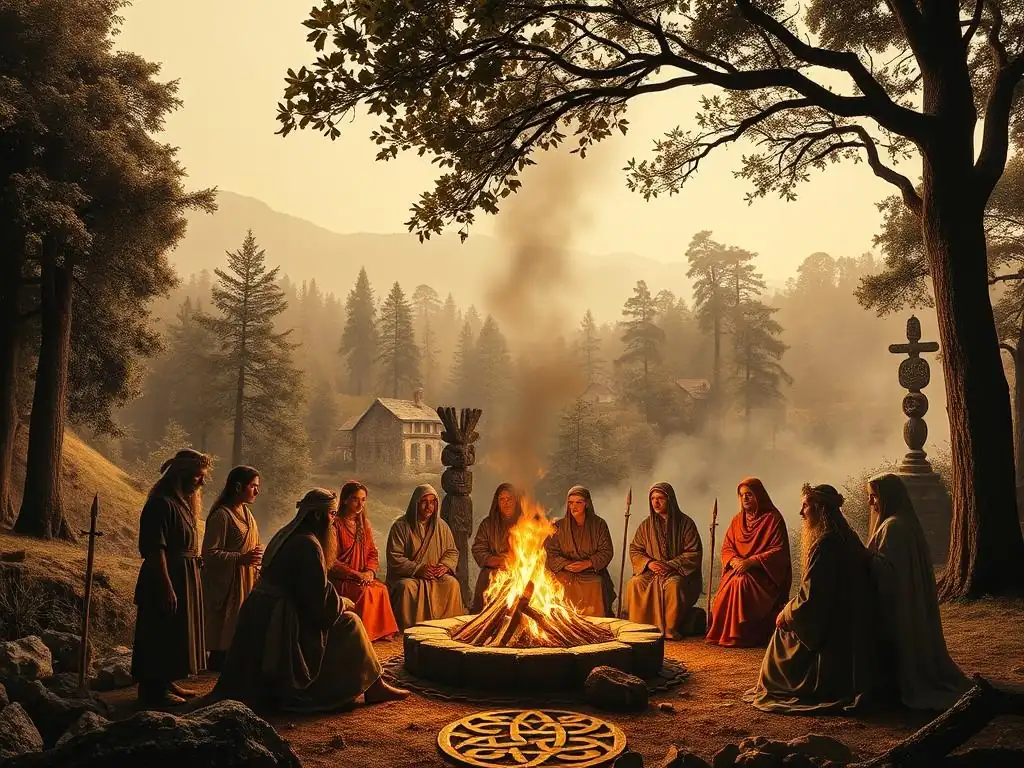
Introduction to European Religions Encountered in the Americas
The arrival of European colonizers in the Americas marked a significant turning point for indigenous beliefs and European religions. This encounter led to a complex interplay of faiths, where the spiritual traditions of Native peoples and European religious practices began to intertwine. The primary European religions that influenced this syncretism were Roman Catholicism, Protestantism, and, to a lesser extent, other forms of Christianity such as Anglicanism and various sects that emerged during the Reformation.
- Roman Catholicism: This was the dominant religious force brought by the Spanish and Portuguese colonizers. The Catholic Church aimed to convert indigenous populations, often employing missions and religious orders such as the Jesuits, Franciscans, and Dominicans. The church became a pivotal institution in colonial society, influencing social structures and governance.
- Protestantism: With the arrival of British settlers in North America, Protestant denominations such as Puritanism, Quakerism, and later Methodism began to take root. These groups had varied approaches to indigenous peoples, ranging from attempts at conversion to outright conflict and displacement.
- Other Christian Sects: The emergence of various sects, influenced by the Reformation and Enlightenment, introduced alternative interpretations of Christianity that sometimes resonated with indigenous beliefs, creating unique hybrid practices.
The fusion of these European religions with indigenous beliefs resulted in a rich tapestry of spiritual practices that reflected both the colonizers' faith and the resilience of indigenous cultures.
The Role of Christianity in Colonial Contexts
Christianity played a multifaceted role in the colonization of the Americas, serving as both a tool for conversion and a catalyst for cultural exchange. The methods and impacts of Christianization varied widely across different regions and indigenous groups.
- Conversion Efforts: Missionaries often viewed their work as a divine mandate, leading to widespread campaigns to convert indigenous peoples. These efforts included:
- Establishment of Missions: Missionaries established missions to educate and convert local populations. These centers became hubs of cultural exchange that often led to the fusion of Christian and indigenous beliefs.
- Translation of Texts: Many missionaries took on the task of translating biblical texts into indigenous languages, facilitating a deeper understanding of Christian teachings among native groups. This process sometimes led to the adaptation of biblical stories within the context of indigenous worldviews.
- Cultural Adaptation: Indigenous peoples did not passively accept Christianity; instead, they incorporated elements of it into their existing spiritual frameworks. This resulted in:
- Syncretic Practices: Blending Christian symbols, rituals, and saints with indigenous deities and traditions. For example, the veneration of Catholic saints often paralleled the reverence for indigenous spirits, creating a unique spiritual landscape.
- Resistance and Resilience: While some indigenous groups embraced Christianity, others resisted these changes, leading to a cultural preservation of their beliefs. This resistance manifested in various ways, such as the continuation of traditional rituals alongside Christian practices.
- Social and Political Dimensions: Christianity also influenced the social and political structures of indigenous communities.
- Community Organization: The church often dictated social norms and governance, shaping community organization in ways that sometimes undermined traditional leadership.
- Land and Power: The appropriation of land for missions and the church's role in colonial governance affected indigenous land rights and autonomy, often leading to conflict.
The role of Christianity in the Americas was complex, characterized by both transformation and resistance. The interplay between indigenous beliefs and European religions created a dynamic spiritual environment that continues to influence contemporary practices today. This fusion underscores the resilience of indigenous cultures in the face of colonization and their ability to adapt their beliefs to new realities.
The Fusion of Indigenous Beliefs and European Religions
The fusion of indigenous beliefs and European religions represents a complex tapestry of cultural adaptation that occurred following the European conquest of the Americas. This syncretism is characterized by the blending of distinct spiritual practices, rituals, and ideologies, resulting in unique religious expressions that reflect both indigenous heritage and European influence. Understanding this fusion offers insights into how indigenous communities navigated the challenges posed by colonization while preserving aspects of their spiritual identities.
Mechanisms of Syncretism: How Indigenous and European Practices Merged
The mechanisms of syncretism between indigenous beliefs and European religions can be categorized into several processes:
- Cultural Adaptation: Indigenous peoples often adapted European religious practices to fit their existing spiritual frameworks. For instance, the introduction of Christian saints into indigenous worship allowed communities to honor their traditional deities under the guise of European religious figures.
- Symbolic Integration: Many indigenous groups incorporated European symbols, such as the cross, into their rituals. This blending created new meanings and connections, allowing for the coexistence of different belief systems.
- Ritual Syncretism: The fusion of rituals is evident in ceremonies that combine elements from both indigenous traditions and European religious practices. Examples include the use of traditional dances alongside Catholic liturgies, creating a hybrid form of worship that resonates with both spiritual heritages.
- Language and Lore: The translation of religious texts into indigenous languages facilitated the incorporation of European religious concepts into local lore. This not only made Christianity more accessible but also allowed indigenous narratives to interweave with biblical stories, further enriching their spiritual landscapes.
- Resistance and Resilience: Many indigenous communities resisted complete assimilation by creatively integrating European influences into their practices. This resilience often involved maintaining core beliefs while adopting new elements, ensuring the survival of their cultural identity.
Case Studies of Syncretic Practices in Various Regions
Example 1: The Yoruba Religion and Vodou
The Yoruba religion, originating from the Yoruba people of West Africa, has made significant inroads into the Americas, particularly through the transatlantic slave trade. In the Caribbean, this tradition evolved into Vodou, a syncretic religion that blends Yoruba beliefs with elements of Catholicism.
- Deities and Saints: Yoruba deities, known as Orishas, are often equated with Catholic saints. For instance, Oshun, the goddess of fertility and rivers, is associated with Our Lady of Charity, a revered figure in Catholicism.
- Ritual Practices: Vodou practitioners engage in rituals that involve offerings to both Orishas and saints, creating a complex system where both African and European elements coexist harmoniously.
- Cultural Resilience: Despite historical oppression, the Yoruba religion and Vodou demonstrate cultural resilience, preserving African religious practices while adapting to new contexts imposed by European colonization.
Example 2: The Inca Religion and Catholicism
In South America, the Inca civilization faced the imposition of Catholicism following Spanish conquest. However, many aspects of Inca religious practices were retained and transformed within the framework of Christianity.
- Integration of Deities: The Inca sun god, Inti, was often conflated with the Christian concept of God, allowing for a smoother transition into Catholic worship.
- Ritual Adaptations: Traditional Inca ceremonies, such as Inti Raymi, were adapted to incorporate Christian elements, thus providing continuity for indigenous practices while aligning with European religious expectations.
- Community Cohesion: The syncretism of Inca religion and Catholicism fostered community cohesion, as indigenous peoples found ways to maintain their cultural identity while participating in the broader colonial society.
By examining these mechanisms and case studies, it becomes evident that the fusion of indigenous beliefs and European religions is not merely a historical footnote but a dynamic process that continues to evolve. This syncretism illustrates the resilience of indigenous cultures in the face of colonization and their ability to forge new identities through the blending of spiritual practices.
The Impact of Spiritual Syncretism on Indigenous Cultures
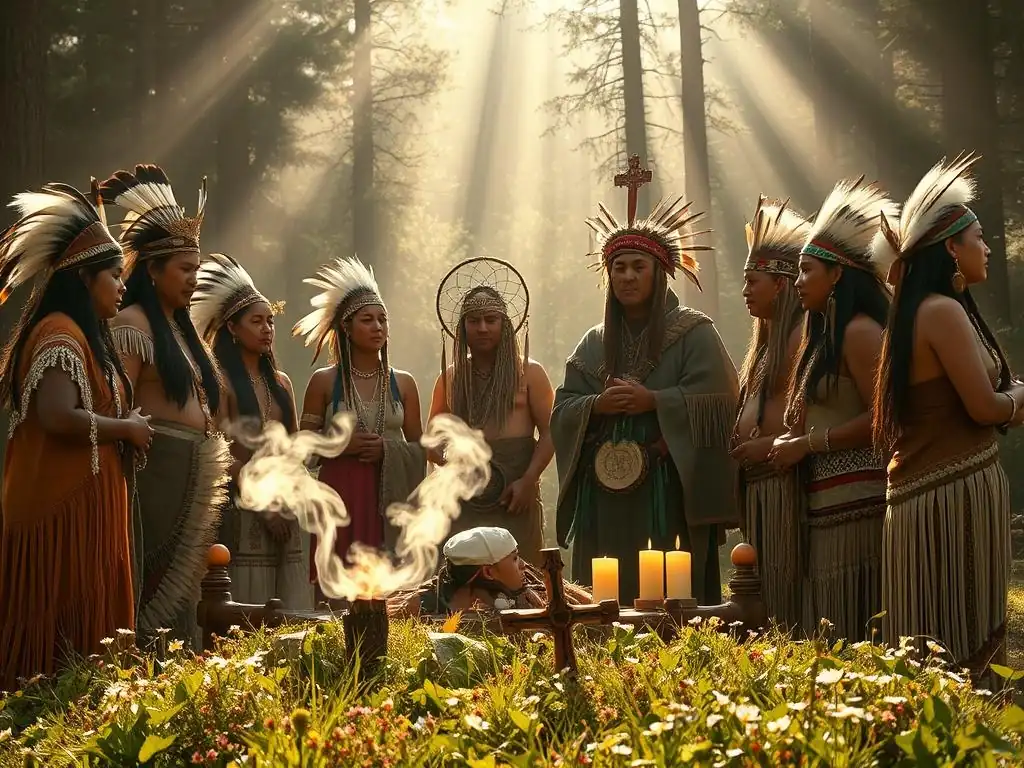
Preservation of Indigenous Identity Through Syncretism
Spiritual syncretism played a crucial role in the preservation of indigenous identity amidst the sweeping changes brought about by European colonization. As European religions, particularly Christianity, were introduced to the Americas, indigenous communities often faced immense pressure to abandon their traditional beliefs and practices. However, many groups chose to adapt rather than wholly reject their spiritual heritage.
- Cultural Resilience: By integrating elements of European religions with their indigenous beliefs, communities were able to maintain a sense of identity. For example, the incorporation of Christian saints into indigenous cosmology allowed for the continuation of pre-Columbian spiritual practices. This blending is evident in festivals where indigenous rituals coexist with Christian celebrations, such as the Day of the Dead in Mexico, which honors both indigenous ancestors and Catholic saints.
- Symbolic Adaptation: Indigenous peoples often reinterpreted Christian symbols and narratives to resonate with their cultural contexts. The Virgin of Guadalupe is a prime example; she is seen not only as a Christian figure but also as a representation of indigenous motherhood and femininity, merging both religious and cultural identities.
Changes in Religious Practices and Beliefs
The fusion of indigenous beliefs and European religions led to significant transformations in religious practices and beliefs across various cultures. This syncretic process resulted in new forms of worship and spirituality that reflect the complexities of colonized societies.
- Hybrid Rituals: Many indigenous groups developed rituals that combined elements from both spiritual traditions. For instance, in some Andean cultures, traditional agricultural ceremonies were infused with Christian prayers and practices, creating a hybrid that honored both the earth and the divine.
- Shifts in Cosmology: The introduction of European religious concepts altered indigenous worldviews. While many communities retained their ancestral beliefs, they often reinterpreted their cosmologies to include European deities and saints, leading to a complex theological landscape that embraced both indigenous and European elements. This shift is particularly visible in the incorporation of concepts such as salvation and sin, which were previously absent in many indigenous belief systems.
Influence on Contemporary Indigenous Spirituality
The legacy of spiritual syncretism continues to influence contemporary indigenous spirituality, shaping practices, beliefs, and identities in modern times.
- Revitalization Movements: Many indigenous communities have engaged in revitalization movements aimed at reclaiming and reinterpreting their traditional beliefs. These movements often draw inspiration from the syncretic practices established during the colonial period, emphasizing a blend of old and new. For example, contemporary indigenous ceremonies may still reflect the influence of Catholicism while emphasizing ancestral teachings and practices.
- Interfaith Dialogues: The historical interaction between indigenous beliefs and European religions has opened pathways for interfaith dialogues. Many indigenous spiritual leaders now engage with Christian communities, exploring common values and shared beliefs that can foster mutual respect and understanding. This dialogue often highlights the importance of environmental stewardship and community well-being, principles that resonate across both spiritual traditions.
The impact of spiritual syncretism on indigenous cultures is profound and multifaceted. Through the preservation of identity, transformation of religious practices, and ongoing influence on contemporary spirituality, the dynamic interplay between indigenous beliefs and European religions continues to shape the cultural landscape of the Americas today.
Challenges and Controversies Surrounding Syncretism
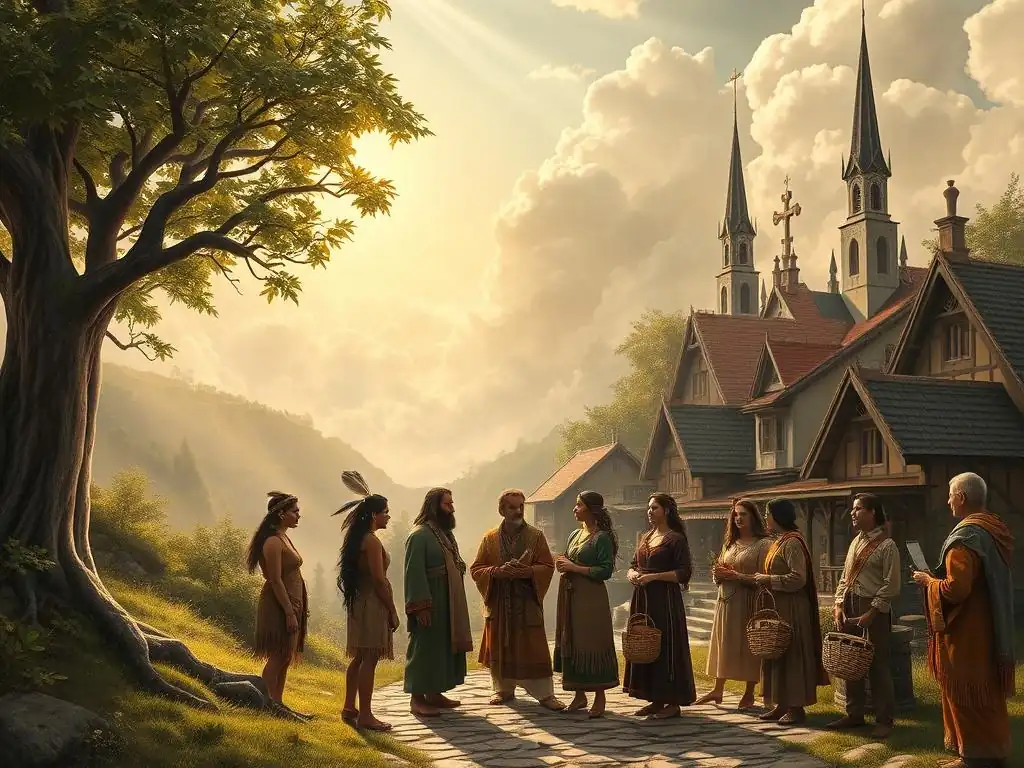
The emergence of spiritual syncretism, particularly in the context of indigenous beliefs and European religions, has been a complex and often contentious process. While it represents a blending of diverse spiritual practices, it also raises significant challenges and controversies. These issues stem from the differing worldviews, power dynamics, and the historical context in which these interactions occurred.
Critiques of Spiritual Syncretism
Criticism of spiritual syncretism often arises from both indigenous and European perspectives. Many indigenous groups argue that syncretism can dilute or misrepresent their traditional beliefs. For them, the fusion of indigenous beliefs with European religions may lead to a loss of cultural identity and the erosion of sacred practices. Key critiques include:
- Loss of Authenticity:
- Indigenous practitioners may see the adoption of European elements as a betrayal of their heritage. The blending can be perceived as a compromise, leading to questions about the authenticity of spiritual practices.
- Cultural Appropriation:
- Some argue that syncretism can lead to cultural appropriation, where elements of indigenous spirituality are co-opted without proper understanding or respect. This can perpetuate stereotypes and reinforce colonial attitudes.
- Theological Conflicts:
- The integration of European religious elements often leads to theological conflicts. For instance, concepts of sin, salvation, and the afterlife can differ significantly between indigenous beliefs and Christianity, creating confusion and tension.
- Resistance to Change:
- Many traditionalists within indigenous communities resist syncretism because they view it as a threat to their cultural continuity. This resistance can lead to internal divisions and conflicts within communities.
In contrast, some European perspectives may critique syncretism as a form of heresy or deviation from orthodox Christian teachings. This perspective often dismisses indigenous practices altogether, viewing them as inferior or misguided.
The Balance Between Tradition and Adaptation
Navigating the balance between tradition and adaptation is a crucial aspect of spiritual syncretism. This balance requires careful consideration and respect for both indigenous beliefs and European religions.
- Preservation of Core Beliefs:
- Many indigenous groups strive to retain the core elements of their spiritual practices while incorporating aspects of European religions that resonate with them. This selective adaptation can foster a sense of empowerment and continuity.
- Cultural Resilience:
- Syncretism can also be seen as a form of cultural resilience. By adapting to new influences while maintaining essential traditions, indigenous communities can affirm their identities in a changing world.
- Dialogue and Mutual Respect:
- A successful approach to syncretism often involves open dialogue and mutual respect between cultures. This can lead to a deeper understanding of shared values and beliefs, fostering a cooperative spiritual landscape.
- Innovative Spiritual Practices:
- The fusion of indigenous beliefs and European religions has led to innovative spiritual practices that reflect the unique experiences of blended communities. These new practices can create a sense of belonging and identity among individuals who navigate multiple cultural heritages.
While spiritual syncretism presents challenges and controversies, it also offers opportunities for cultural expression and resilience. By understanding the complexities of this phenomenon, we can better appreciate the rich tapestry of beliefs that emerged from the intersections of indigenous and European spiritual traditions.
Conclusion
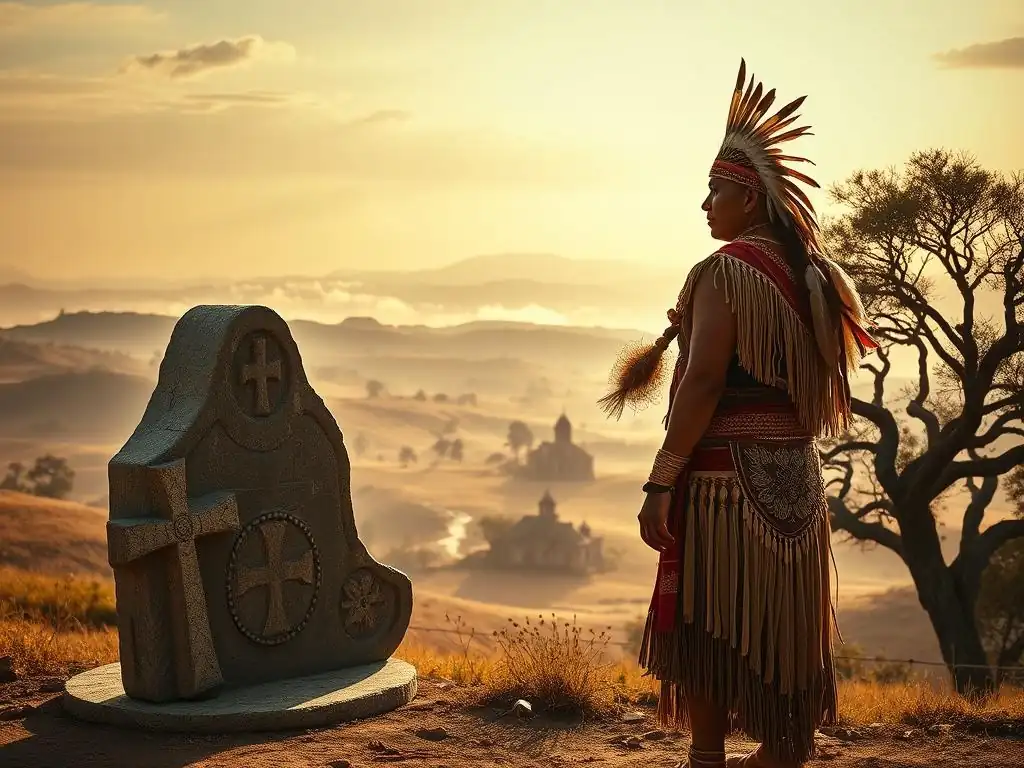
Summary of Key Points on Indigenous Beliefs and European Religions
The phenomenon of spiritual syncretism between indigenous beliefs and European religions represents a complex and multifaceted process that emerged in the wake of European colonization in the Americas. This fusion was not merely a passive absorption of foreign elements, but rather an active engagement where indigenous cultures adapted and reinterpreted European religious practices to align with their own spiritual frameworks.
- Mutual Influence: Indigenous beliefs often incorporated aspects of European religions, such as Catholicism, resulting in unique practices that blended traditional rituals with new religious elements. For instance, indigenous peoples might have maintained their ancestral deities while integrating saints and Christian symbols into their worship.
- Cultural Resilience: Despite the oppressive mechanisms of colonial rule, many indigenous communities demonstrated remarkable resilience. They preserved core aspects of their beliefs and practices, ensuring that their spiritual identities remained intact even as they adapted to the new religious landscape.
- Ritual Adaptations: The adaptation of rituals was a common theme, where traditional ceremonies were infused with European symbolism. This included the incorporation of Christian holidays into local celebrations, transforming them into syncretic events that honored both indigenous and Christian traditions.
- Art and Iconography: Art played a pivotal role in this syncretism. Indigenous artists often merged European artistic styles with traditional motifs, creating a rich tapestry of visual culture that reflected the intertwined nature of these beliefs. Such artworks became a means of cultural expression and a vehicle for preserving indigenous narratives.
- Social Structures: The fusion of indigenous beliefs and European religions also impacted social structures within communities. New religious leaders emerged, often blending roles of traditional shamans or priests with those of Christian clergy, fostering a unique spiritual authority that resonated with the community's historical context.
The Legacy of Spiritual Syncretism in Modern Indigenous Cultures
The legacy of spiritual syncretism is profoundly evident in modern indigenous cultures across the Americas. This legacy is characterized by a vibrant continuation of practices that reflect the historical blending of indigenous beliefs and European religions, demonstrating how these communities have navigated their identities through centuries of change.
- Contemporary Practices: Many indigenous groups today still engage in syncretic practices, where traditional ceremonies are performed alongside Christian rituals. For example, celebrations such as Día de los Muertos (Day of the Dead) illustrate the merging of Catholic and indigenous beliefs about death and ancestry, creating a rich cultural event that honors both traditions.
- Revitalization Movements: In recent decades, there has been a resurgence in efforts to reclaim and revitalize indigenous spiritual practices. These movements often emphasize the importance of traditional beliefs while recognizing the historical context of European influence, creating a dynamic landscape of spiritual expression.
- Cultural Education: Modern indigenous leaders and educators are increasingly focused on teaching younger generations about their cultural heritage, including the historical syncretism that shaped their spiritual practices. This education fosters pride in indigenous identity and encourages a critical understanding of their cultural history.
- Interfaith Dialogue: The legacy of spiritual syncretism has also opened avenues for interfaith dialogue, where indigenous leaders engage with Christian communities to foster mutual respect and understanding. These discussions often highlight the shared values between different belief systems, promoting coexistence and collaboration.
The fusion of indigenous beliefs and European religions has created a rich tapestry of spiritual practices that continue to evolve. The resilience and adaptability of indigenous cultures serve as a testament to their enduring legacy, illustrating how historical encounters have shaped contemporary identities and practices.
Further Reading and Resources
Suggested Books and Articles on Spiritual Syncretism
To deepen your understanding of spiritual syncretism and the fusion of indigenous beliefs and European religions, the following books and articles provide valuable insights. These works explore the complexities of cultural interactions, adaptations, and the resultant hybrid belief systems that emerged in the Americas.
-
"The Cross and the Serpent: Religious Syncretism in the Americas" by Dr. John L. Allen
This book examines how indigenous traditions adapted to European religious frameworks and the resulting syncretic practices.
-
"Religious Syncretism: A Global Perspective" by Dr. Maria Elena Ruiz
Ruiz discusses various case studies of syncretism across cultures, with a focus on the Americas and their indigenous populations.
-
"Indigenous Religions and European Culture: A Historical Overview" by Prof. Sarah Thompson
This article provides an analysis of the historical context in which indigenous beliefs were transformed and merged with European religious practices.
-
"Spirituality and Survival: The Role of Syncretism in Indigenous Cultures" by Dr. Timothy J. White
Focusing on specific indigenous groups, this work highlights how syncretic practices helped preserve cultural identity and spirituality.
Online Databases and Journals on Indigenous Studies
For those interested in academic research and contemporary discussions regarding indigenous beliefs and European religions, several online databases and journals offer a wealth of information:
-
JSTOR
A digital library providing access to thousands of academic articles, including those focused on indigenous studies, cultural adaptations, and spiritual syncretism.
-
Project MUSE
This platform offers a variety of scholarly journals covering the humanities and social sciences, including articles on indigenous cultures and their interactions with European religions.
-
American Indian Culture and Research Journal
This peer-reviewed journal publishes articles on various aspects of American Indian life, including spiritual practices and the effects of European colonization.
-
Indigenous Studies Portal (iPortal)
A comprehensive resource that aggregates indigenous-focused research, including works on spirituality and cultural adaptation in the face of colonialism.
Integrating these resources into your study will enhance your understanding of the intricate dynamics of spiritual syncretism and the ongoing legacy of indigenous beliefs and European religions in the Americas.
Frequently Asked Questions
What is spiritual syncretism?
Spiritual syncretism refers to the blending of indigenous beliefs with European religions, creating unique spiritual practices that reflect elements of both traditions.
How did European colonization impact indigenous cultures?
European colonization led to significant changes, including the imposition of European religions, which often suppressed indigenous beliefs while simultaneously leading to their adaptation and fusion.
What are some examples of indigenous beliefs that merged with European religions?
Examples include the incorporation of indigenous deities into Christian practices, as well as the celebration of traditional rituals alongside European holidays, illustrating a rich tapestry of cultural exchange.
Why is it important to study indigenous beliefs and European religions together?
Studying these together helps us understand the complex interactions and transformations of cultures post-colonization, revealing how indigenous peoples preserved their identities while adapting to new influences.
How can we recognize the lasting impact of this syncretism today?
The lasting impact can be seen in modern spiritual practices, festivals, and art forms that blend elements from both indigenous and European traditions, reflecting a rich cultural heritage that persists in contemporary society.
Final Reflection: Embracing the Harmony of Indigenous Beliefs and European Religions
The fusion of indigenous beliefs and European religions is not merely a historical phenomenon; it is a vibrant tapestry that continues to shape our spiritual landscape today. As we navigate an increasingly globalized world, the blending of these diverse spiritual traditions offers profound insights into the resilience of cultural identity and the power of shared faith. This synthesis is a testament to humanity's innate desire for connection, understanding, and transcendence, reminding us that spirituality knows no boundaries.
The ongoing influence of spiritual syncretism is evident in the cultural practices and rituals that thrive in contemporary society. From vibrant festivals to everyday spiritual expressions, the legacy of this fusion enriches our communities and fosters a sense of belonging among diverse populations. As noted by cultural anthropologist Victor Turner, The liminal space between cultures is where transformation occurs.
This transformation is not only a reflection of our past but also a guiding force for our collective future, encouraging us to honor and celebrate the myriad ways in which spiritual beliefs can coexist and flourish.
As you reflect on the themes of this article, I invite you to consider how you can embrace the lessons of spiritual syncretism in your own life. Seek out the beauty in diversity, engage with different spiritual traditions, and allow the wisdom of indigenous beliefs and European religions to inspire your journey.
By doing so, you contribute to a more harmonious world, where understanding and respect for one another's beliefs pave the way for unity and peace. Let us carry forward the legacy of spiritual syncretism, recognizing it as a powerful tool for personal growth and social cohesion in our ever-evolving global community.
Ignite Your Journey: Explore Spiritual Syncretism!
Thank you for diving into the fascinating world of spiritual syncretism with us! Your curiosity about the rich tapestry of Indigenous beliefs intertwined with European religions opens doors to a deeper understanding and appreciation of cultural heritage. Now that you've gained insights, it's time to take action and further explore!
- Immerse yourself in the vibrant stories of spiritual syncretism by visiting local cultural centers or exploring online exhibits.
- Join a community discussion, either online or in-person, to share your thoughts and insights about the connections between different traditions.
- Uncover personal experiences that illuminate your own beliefs—consider journaling or creating art inspired by what you’ve learned.
As you reflect on this convergence of faiths, we’d love to hear from you: What personal beliefs or traditions do you feel are influenced by the fusion of cultures?