
The Cosmic Dance: Understanding the Aztec Creation Myth and Its Significance

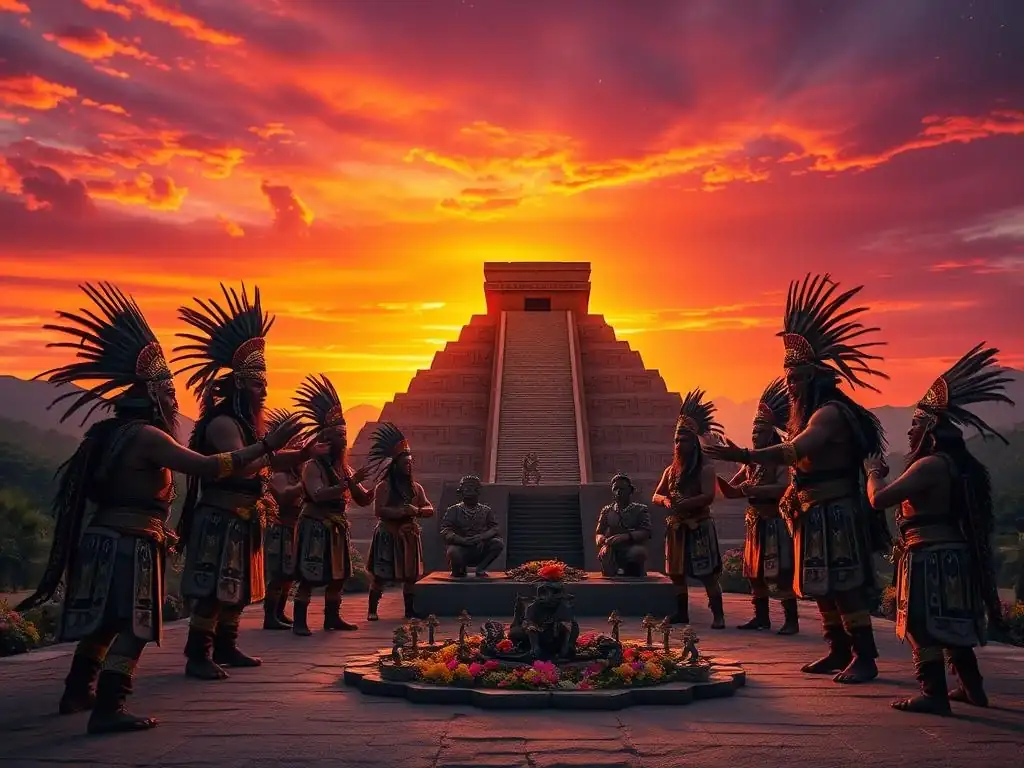
Welcome to Indigenous Civilizations of the Americas! Here, we invite you to embark on a captivating journey through the rich tapestry of indigenous cultures that flourished in the Americas long before European colonization. Our exploration begins with a deep dive into the Aztec creation myth significance—a fascinating narrative that reveals not only the beliefs of the Aztec people but also their profound connection to the cosmos and the natural world.
What secrets does this ancient story hold? Join us as we unravel the layers of meaning behind the Aztec creation myth, and discover how these enduring traditions continue to shape our understanding of history and culture today.
Introduction to the Aztec Creation Myth
The Aztec creation myth is not merely a story; it is a profound reflection of the beliefs, values, and worldview of the Aztec civilization. As one of the most intricate and significant narratives in Mesoamerican mythology, it articulates the origins of the universe, the purpose of human existence, and the cyclical nature of time.
This myth serves as a cornerstone for understanding how the Aztecs perceived their place in the cosmos and the divine forces that governed their lives. Through this exploration, we aim to uncover not only the details of the myth itself but also its significance in shaping Aztec culture, spirituality, and society.
Overview of Aztec Cosmology
In Aztec cosmology, the universe is divided into multiple layers, each inhabited by various deities and spiritual entities. Central to their belief system is the concept of Teotl, the divine energy that permeates all existence. The Aztecs believed in multiple suns and cycles of creation, each representing different eras of existence. This complexity reflects a deep understanding of the world around them and the intricate relationships between the celestial and terrestrial realms. The creation myth is often depicted through various symbols and rituals, illustrating the interconnectedness of life, death, and rebirth.
Importance of Myths in Aztec Society
Myths played a crucial role in the daily lives of the Aztecs, serving as both spiritual guidance and a framework for social order. These narratives were not only religious in nature but also provided explanations for natural phenomena and human experiences. The Aztec creation myth, in particular, was vital for fostering a sense of identity and continuity among the people.
It reinforced the values of sacrifice, duty, and harmony with the universe, which were essential for maintaining balance in their society. By understanding these myths, we can gain insights into the motivations that drove the Aztecs in their quest for knowledge, power, and connection to the divine.
The Narrative of the Aztec Creation Myth
The Aztec creation myth unfolds through a series of dramatic events that illustrate the emergence of the world and the establishment of human beings. This narrative is rich with symbolism and character, reflecting the complexity of the Aztec belief system.
Key Characters in the Aztec Creation Myth
At the heart of this myth are several key deities, each representing different aspects of creation and existence:
- Tezcatlipoca: The god of the night sky and sorcery, who plays a pivotal role in shaping the world.
- Quetzalcoatl: The feathered serpent god associated with wind and wisdom, who is often depicted as a benevolent force.
- Huitzilopochtli: The god of war and the sun, central to the Aztec identity and their military conquests.
- Tlaloc: The rain god, representing fertility and agricultural abundance.
These deities engage in a cosmic struggle that ultimately leads to the creation of the earth and humanity, each contributing to the ongoing cycle of life.
Stages of Creation According to the Aztec Beliefs
The Aztec creation myth unfolds in distinct stages, each marked by significant transformations:
- The Creation of the First Sun: A world is formed, but it is ultimately destroyed due to the conflicts among the gods.
- The Birth of the Second Sun: A new creation emerges, but it too faces destruction.
- The Emergence of Humanity: Finally, after several cycles, humans are created to honor the gods and maintain cosmic balance.
This cyclical nature emphasizes the importance of renewal and the ever-present potential for transformation.
Symbolism in the Creation Story
The symbolism embedded within the Aztec creation myth is profound, reflecting the values and beliefs of the civilization. Key themes include:
- Duality: The balance between light and darkness, creation and destruction.
- Sacrifice: The notion that the gods require offerings to sustain the universe.
- Cyclical Time: The idea that history repeats itself, with each cycle presenting new opportunities for growth and understanding.
Through these symbols, the myth conveys essential lessons about the human condition and the importance of living in harmony with the cosmos.
By understanding the intricacies of the Aztec creation myth and its significance, we gain a deeper appreciation for the rich tapestry of beliefs that shaped the Aztec civilization and continue to resonate in discussions of mythology and spirituality today.
The Significance of the Aztec Creation Myth
The Aztec creation myth holds immense significance within the broader context of Aztec civilization, encapsulating not only their understanding of the cosmos but also their cultural identity and religious practices. This myth is fundamentally a narrative that explains the origins of the universe, the gods, and humanity itself, emphasizing the cyclical nature of life and the interconnectedness of all beings. Central to this myth is the idea of a cosmic dance, where gods and humans engage in a perpetual cycle of creation and destruction, symbolizing the balance necessary for life to thrive.
The significance of the Aztec creation myth is evident in its ability to unite the community through shared beliefs and rituals. It fostered a sense of belonging among the Aztecs, as the myth provided a framework for understanding their place in the universe. In this way, the creation myth not only informed their worldview but also influenced their social structures and governance. This interconnectedness between myth and society underscores the importance of the creation narrative in shaping the identity of the Aztec civilization.
Cultural Identity and the Aztec Creation Myth
The Aztec creation myth is a cornerstone of cultural identity, serving as a narrative that binds the community together. It reflects the values, beliefs, and historical experiences of the Aztec people. For the Aztecs, understanding their origins was crucial for defining who they were, and the myth played a pivotal role in the formation of a collective identity.
Key elements of the myth, such as the duality of creation and destruction, resonate with the Aztec worldview, where life is seen as a continuous cycle. The myth also emphasizes the importance of sacrifice, which was not only a religious duty but also an essential aspect of their identity. Through rituals and ceremonies, the Aztecs reaffirmed their connection to their ancestors and the gods, reinforcing their cultural identity and continuity.
The Role of the Creation Myth in Aztec Religion
Within the framework of Aztec religion, the creation myth served as a foundational narrative that guided their spiritual beliefs and practices. The myth illustrated the relationships between gods and humans, emphasizing the importance of worship and sacrifice to maintain cosmic order. The Aztecs believed that the gods created the world and humanity through acts of sacrifice, which necessitated reciprocal offerings from humans to sustain the deities.
Moreover, the creation myth informed the Aztec calendar, which was intricately linked to their religious observances. Each year was marked by specific rituals that celebrated different aspects of the myth, reinforcing the idea that the cosmos was alive and required continuous engagement from humanity. This cyclical understanding of time and existence was central to their religious philosophy, shaping their approach to life, death, and spirituality.
Reflections of the Creation Myth in Aztec Art and Architecture
The Aztec creation myth is vividly reflected in their art and architecture, serving as a visual representation of their beliefs and cosmology. Temples, sculptures, and codices often depict scenes from the creation narrative, illustrating the gods' roles in the formation of the world and humanity. For instance, the Templo Mayor, the main temple in Tenochtitlan, was dedicated to the gods Huitzilopochtli and Tlaloc, embodying elements of the creation myth through its design and iconography.
Artistic expressions, such as murals and relief carvings, further elaborate on the themes of the creation myth. These works not only celebrate the gods but also serve educational purposes, transmitting cultural knowledge and religious teachings to future generations. The use of symbolism in Aztec art—such as the representation of the sun, the duality of creation and destruction, and the cyclical nature of life—highlights the enduring impact of the creation myth on Aztec aesthetics and cultural expression.
The Cosmic Dance: Rituals and Practices
The concept of the cosmic dance is integral to understanding the rituals and practices associated with the Aztec creation myth. This idea encapsulates the dynamic relationship between the divine and the earthly, illustrating how Aztecs engaged with their beliefs through various ceremonies and daily activities. Rituals inspired by the creation myth not only honored the gods but also reinforced the community's connection to the cosmos.
Ceremonies Inspired by the Aztec Creation Myth
Ceremonies inspired by the Aztec creation myth were vital to the religious life of the Aztec people, often featuring elaborate rituals that sought to appease the gods and ensure the continuation of the world. One of the most significant ceremonies was the Feast of the New Fire, which symbolized the renewal of life and the cosmos. Held every 52 years, it involved the extinguishing of all fires and the relighting of a new fire, representing the cyclical nature of existence.
Other ceremonies, such as the Tlacaxipehualiztli, honored the god Xipe Totec and involved ritual sacrifices. These rituals were not only acts of devotion but also reaffirmed the community's commitment to the cosmic balance established by the creation myth. The performance of such ceremonies allowed the Aztecs to participate actively in the divine order, reinforcing their cultural beliefs and social cohesion.
The Influence of the Myth on Daily Life and Agriculture
The Aztec creation myth profoundly influenced daily life and agricultural practices among the Aztecs. The belief in the cyclical nature of the cosmos translated into agricultural cycles, with farmers timing their planting and harvesting according to religious calendars that were based on the creation myth. The gods' roles in creation were mirrored in the agricultural cycle, where rituals were performed to ensure bountiful harvests and divine favor.
Additionally, the myth influenced social practices, such as the importance of community gatherings for festivals and rituals. These events not only served a religious purpose but also fostered social unity and cooperation, essential for survival in a society that relied heavily on agriculture. The interconnectedness of the creation myth with daily life highlights its significance in shaping the Aztec worldview and practices.
Connection Between the Cosmos and the Earth in Aztec Rituals
In Aztec rituals, there was a profound connection between the cosmos and the earth, reflecting the belief that human actions could influence celestial events. The creation myth emphasized that the universe was a living entity where every aspect of life was interconnected. Rituals often aimed to align earthly activities with cosmic cycles, reinforcing the idea that human existence was part of a larger, divine order.
For instance, rituals involved offerings to the gods that were believed to maintain balance in the universe. These offerings could include food, flowers, and even human sacrifices, reflecting the belief that the gods required sustenance to continue their roles in the cosmic dance. This deep reverence for the cosmos and the earth shaped the Aztec understanding of their environment, fostering a sense of responsibility towards both the divine and the natural world.
Comparisons with Other Indigenous Creation Myths
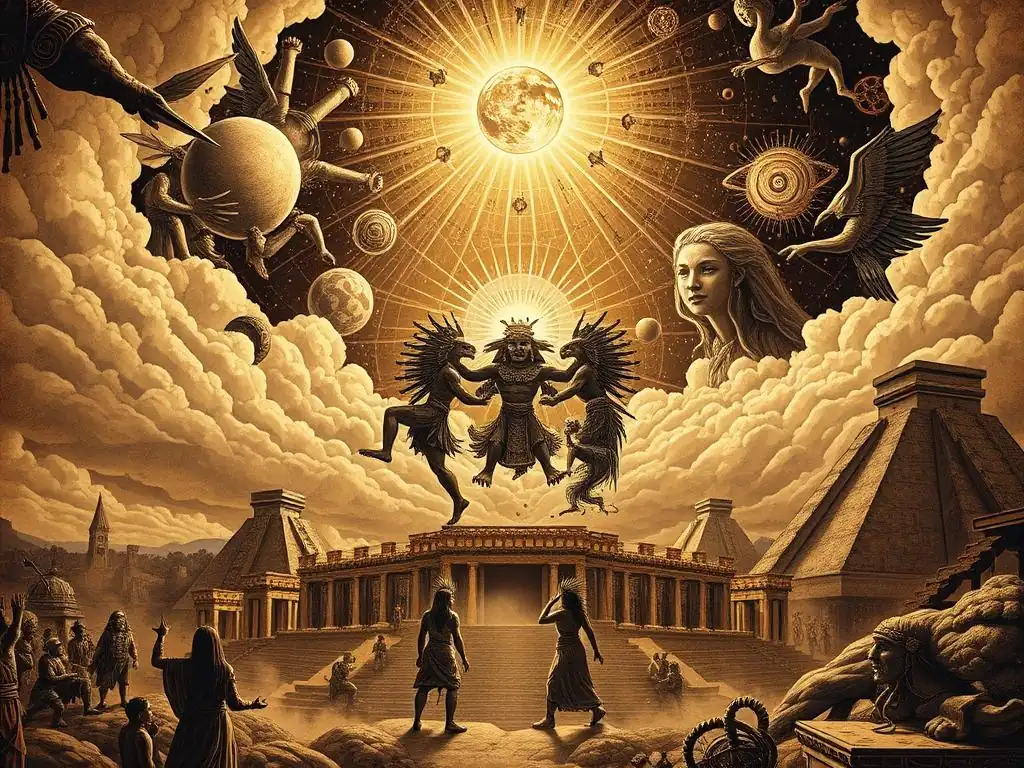
The Aztec creation myth shares several striking similarities and unique features when compared to other Indigenous creation narratives across the Americas. This comparative approach not only highlights the rich tapestry of beliefs held by various cultures but also illustrates the interconnectedness of human experiences in explaining the origins of life and the universe.
Similarities with Other Mesoamerican Myths
One notable similarity between the Aztec creation myth and other Mesoamerican myths, such as those of the Maya and the Olmec, is the concept of duality. Many of these cultures presented creation as a cosmic struggle between forces of light and darkness, order and chaos. For instance, the Maya's Popol Vuh narrates the gods' attempts to create humanity, echoing the Aztec belief in multiple attempts at creation, ultimately leading to the creation of the Fifth Sun.
Additionally, the use of symbolic representations of natural elements—such as water, earth, and fire—plays a crucial role in Mesoamerican myths. In the Aztec tradition, the primordial waters and the god Tezcatlipoca are central figures in the creation narrative, paralleling the role of similar deities in other Mesoamerican cultures that signify the life-giving properties of water and the cyclical nature of existence.
Unique Aspects of the Aztec Creation Myth
While the Aztec creation myth incorporates elements common to other Mesoamerican traditions, it also possesses unique attributes that underscore the distinct cultural identity of the Aztecs. Notably, the emphasis on the cyclical nature of time—represented through the Five Suns—illustrates the Aztec belief in continual rebirth and the importance of sacrifice to maintain cosmic balance.
Moreover, the Aztec narrative is heavily influenced by the notion of reciprocity between humans and the divine, where the gods sacrifice themselves to create the world, and in return, humans must offer their own sacrifices. This reciprocal relationship is a defining characteristic of the Aztec worldview, setting it apart from other Indigenous narratives that may not emphasize such an interdependent bond as strongly.
The Significance of Creation Myths Across Indigenous Cultures
Creation myths serve as foundational narratives that not only explain the origins of the world but also establish moral codes, social structures, and cultural identities within Indigenous societies. Across the Americas, these myths provide insight into how various cultures perceive their place in the universe and the relationships they maintain with their environment and each other.
For many Indigenous peoples, creation myths are not merely ancient stories but living traditions that inform contemporary practices and beliefs. They often encapsulate lessons about harmony with nature, the importance of community, and the respect for spiritual forces, thus guiding the moral compass of the society. The Aztec creation myth, like others, serves to reinforce these vital cultural tenets and offers a lens through which to understand the complexities of their civilization.
Conclusion: The Lasting Impact of the Aztec Creation Myth
The Aztec creation myth continues to resonate not only within Indigenous communities but also in broader cultural contexts, reflecting the enduring significance of these narratives in contemporary society.
Modern Interpretations of Aztec Myths
In recent years, the Aztec creation myth has been revisited through various modern interpretations, including literature, art, and academic discourse. These reinterpretations often highlight themes of resilience, identity, and the struggle against colonization, providing a platform for Indigenous voices to reclaim their narratives.
Artists and writers draw inspiration from the myth to explore contemporary issues, such as environmental concerns and social justice, thereby connecting ancient wisdom with present-day challenges. This relevance underscores the adaptability and enduring power of the Aztec creation myth in a rapidly changing world.
The Importance of Preserving Indigenous Narratives
Preserving Indigenous narratives like the Aztec creation myth is crucial for maintaining cultural heritage and identity. As modern societies evolve, these stories serve as a reminder of the rich histories and philosophies of Indigenous peoples, emphasizing the need to protect and honor these traditions against the backdrop of globalization and cultural homogenization.
Efforts to document, share, and teach these narratives play a vital role in fostering respect and understanding of Indigenous cultures, ensuring that future generations continue to appreciate the significance of their ancestral stories.
The Relevance of the Aztec Creation Myth Today
The relevance of the Aztec creation myth today is reflected in its ability to provide insight into the human condition, addressing fundamental questions of existence, purpose, and the interconnectedness of all life. As contemporary societies grapple with issues of identity, spirituality, and environmental stewardship, the lessons embedded in the Aztec creation myth offer wisdom that transcends time and culture.
By exploring the significance of the Aztec creation myth, we can better appreciate the depth of Indigenous knowledge systems and their contributions to our global heritage. This understanding fosters a greater respect for the diverse narratives that shape our world and encourages a more inclusive dialogue about our shared human experience.
References and Further Reading
Understanding the Aztec creation myth and its significance requires delving into a variety of academic sources and literature that explore both the narratives themselves and the broader context of Aztec culture. The following sections offer a curated list of recommended literature and online resources that can provide deeper insights into this fascinating subject.
Recommended Literature on Aztec Mythology
-
"The Mythology of Mexico and Central America" by Geoffrey W. MacLean
This comprehensive text explores the rich tapestry of myths from both Aztec and other Mesoamerican cultures, providing context for the creation myths and their implications on society and culture.
-
"Aztec Thought and Culture: A Study of the Ancient Nahuatl Mind" by Miguel León-Portilla
An essential read for those interested in the philosophical underpinnings of the Aztec worldview, this book delves into the Nahuatl language and its expressions of myth and thought.
-
"The Aztecs: A Very Short Introduction" by David Carrasco
This concise overview introduces readers to the essential aspects of Aztec civilization, including their mythology, religious practices, and societal structure.
-
"The Popol Vuh: The Sacred Book of the Maya" translated by Dennis Tedlock
While primarily a Maya text, this work offers valuable comparative insights into Mesoamerican creation myths, enriching the understanding of the Aztec narratives.
-
"The Aztec Creation Myth: A Study of the Historical and Cultural Context" by John Pohl
This academic study focuses specifically on the Aztec creation myth, analyzing its origins, variations, and significance within the broader framework of Aztec culture.
Online Resources for Exploring Indigenous Civilizations
-
The World Digital Library
This resource provides access to a wealth of documents and images related to indigenous cultures, including Aztec mythology and history. It offers a global perspective on indigenous civilizations.
-
The Smithsonian National Museum of the American Indian
The museum's website features numerous resources, including articles and multimedia presentations, dedicated to Indigenous cultures of the Americas, with sections highlighting Aztec achievements and beliefs.
-
The Internet Archive
A vast repository of books and texts, the Internet Archive contains numerous historical texts related to Aztec mythology and civilization. Researchers can find digitized versions of many out-of-print works.
-
The British Museum: Aztec Civilization
The British Museum's website features detailed descriptions of Aztec artifacts, cultural practices, and mythology, providing users with an interactive experience to explore Aztec heritage.
-
The Library of Congress: American Folklife Center
This online resource includes collections and exhibitions focusing on the folklore and cultural narratives of Indigenous peoples across the Americas, including the Aztec civilization.
These references and resources will enhance your understanding of the Aztec creation myth and its significance, offering a comprehensive view of the cultural and historical contexts in which these narratives flourished.
- Introduction to the Aztec Creation Myth
- The Narrative of the Aztec Creation Myth
- The Significance of the Aztec Creation Myth
- The Cosmic Dance: Rituals and Practices
- Comparisons with Other Indigenous Creation Myths
- Conclusion: The Lasting Impact of the Aztec Creation Myth
- References and Further Reading
Frequently Asked Questions
What is the Aztec creation myth about?
The Aztec creation myth describes the origins of the world and humanity, emphasizing the cosmic battle between gods, which reflects the interconnectedness of life and the universe.
Why is the significance of the Aztec creation myth important?
The significance of the Aztec creation myth lies in its ability to shape cultural identity, guiding spiritual beliefs and practices within Aztec society, and influencing their views on life and death.
How does the Aztec creation myth compare to other indigenous myths?
Similar to other indigenous myths, the Aztec creation myth integrates themes of creation, destruction, and rebirth, highlighting shared human experiences while also revealing unique cultural perspectives.
What role did the Aztec creation myth play in their society?
The Aztec creation myth was central to their religious ceremonies, providing a framework for understanding their place in the cosmos and justifying their practices, including human sacrifice.
How can we see the impact of the Aztec creation myth today?
The impact of the Aztec creation myth persists in modern culture through art, literature, and spiritual practices, reflecting its enduring legacy and relevance in contemporary discussions of identity and heritage.
Final Reflection: The Enduring Significance of the Aztec Creation Myth
The Aztec creation myth serves as a profound reminder of our interconnectedness with the cosmos and the cycles of life. In a world increasingly driven by technology and individualism, the ancient narratives of civilizations like the Aztecs offer us a lens through which we can understand our place in the universe. The themes of creation, destruction, and rebirth resonate deeply today, urging us to reflect on our own existence and the legacies we leave behind.
Culture and mythology are not static; they evolve and influence the social landscape in ways we often overlook. The Aztec creation myth, with its rich symbolism and intricate storytelling, continues to inspire artists, writers, and thinkers, reminding us of the power of narrative in shaping our identities. As the philosopher Joseph Campbell once said, Myths are public dreams, and dreams are private myths.
This interplay between personal and collective experience underscores the importance of understanding these ancient stories, as they provide insight into our shared human experience and the values we hold dear.
As you reflect on the significance of the Aztec creation myth, consider how its lessons can be applied to your own life. Embrace the idea of cyclical renewal and the importance of community, and let these ancient teachings guide your actions and decisions. In a time where the future feels uncertain, the wisdom of the past can illuminate our path forward, encouraging us to dance in harmony with the cosmos and honor the interconnectedness of all life.
Unveil the Mysteries of Creation!
Thank you for journeying with us through the captivating world of the Aztec creation myth! We hope that you’ve gained fresh insights into their rich mythology and its profound significance in understanding the cosmos and the culture of the Aztec civilization. Now, let’s take that knowledge and transform it into action!
Here’s how you can delve deeper into this extraordinary narrative:
- Explore further by reading literature on other indigenous creation myths to broaden your understanding of diverse worldviews.
- Share your thoughts by discussing this article with friends or in a community group focused on indigenous cultures.
- Engage with local events or workshops that celebrate Indigenous history and heritage; you might be surprised by what you learn!
What aspect of the Aztec creation myth resonates with you the most, and how will you incorporate its lessons into your daily life?