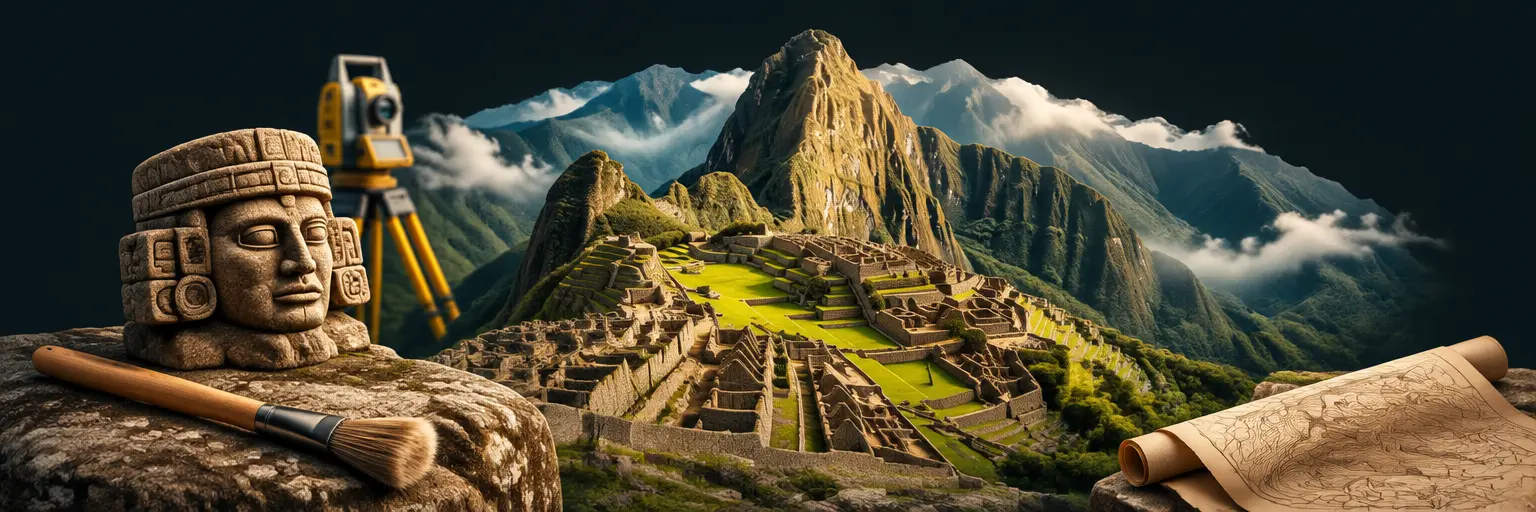
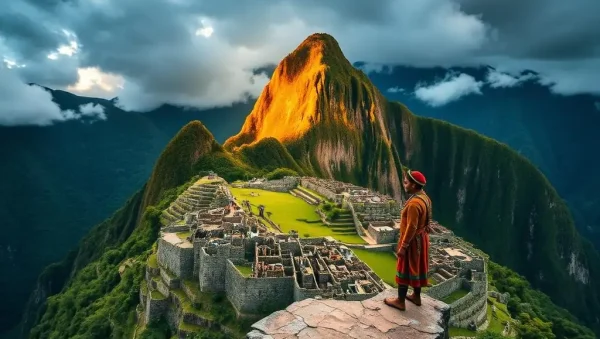
Explore the Wonder of Machu Picchu: A Monumental Citadel of the Inca Empire
Welcome to our deep dive into Machu Picchu, the crown jewel of Inca engineering and a UNESCO World Heritage site perched high in the Peruvian Andes. As part of our Archaeological Discoveries category, this subcategory unveils the secrets of a city that was never found by Spanish conquistadors, preserving its temples, terraces, and celestial alignments for centuries. Here, you’ll uncover the purpose, construction, and spiritual significance of this monumental city, while also learning practical insights for visiting and understanding its global legacy. Our goal is to provide a comprehensive, SEO-rich resource for history buffs, travelers, and students alike.
🏔️ The Historical Context and Rediscovery of Machu Picchu
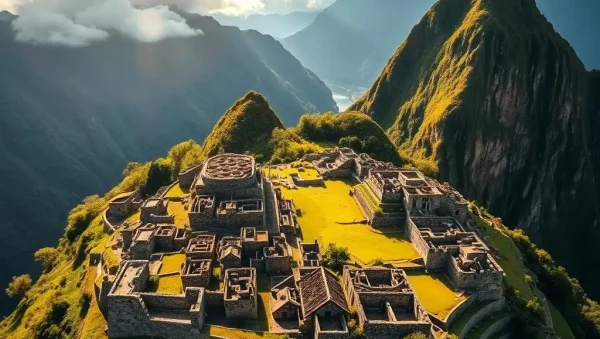
Machu Picchu, meaning “Old Peak” in Quechua, was built around 1450 AD during the reign of Inca emperor Pachacuti. Unlike other Inca sites, it escaped the destruction of the Spanish conquest, remaining hidden in the cloud forest until American explorer Hiram Bingham brought it to worldwide attention in 1911. However, recent research suggests local farmers had known of its existence for decades. The site’s isolation—positioned 2,430 meters above sea level—protected its intricate stonework, including the famous Intihuatana (hitching post of the sun), which was used for astronomical observations. This rediscovery transformed our understanding of Inca urban planning and their reverence for sacred landscapes.
For SEO, this section targets keywords like “Machu Picchu history,” “Hiram Bingham discovery,” and “Inca citadel purpose.” Readers will learn that the city was likely a royal estate and religious sanctuary, not a common settlement. The precise dry-stone construction, without mortar, showcases the Inca’s mastery of seismic-resistant architecture, a technique that still baffles modern engineers. Understanding its historical context enriches any visit, as you’ll appreciate why the Incas chose this dramatic ridge between Huayna Picchu and Machu Picchu mountains, aligning structures with solstices and water sources for both practical and ceremonial use.
🔧 Engineering Marvels: Terraces, Waterworks, and Stonework
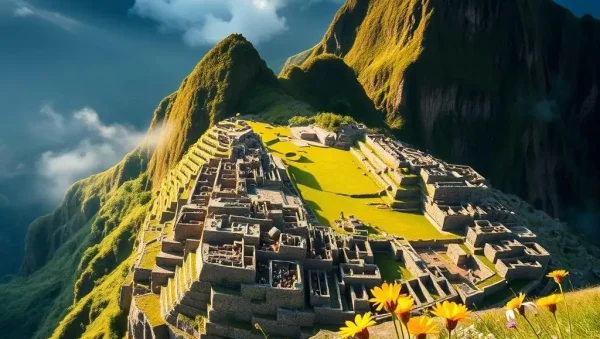
The monumental aspect of Machu Picchu lies in its advanced agricultural and hydraulic engineering. Over 700 terraces were carved into the mountain, preventing erosion while creating microclimates for crops like maize and potatoes. A sophisticated canal system, fed by natural springs, carried water through the city via a series of fountains, with the first fountain reserved for the royal sector. The stone blocks—some weighing over 50 tons—were shaped using bronze tools and hammerstones, fitted together with such precision that a knife blade cannot slide between them. This ashlar technique allowed buildings to withstand earthquakes, as the stones would settle back into place after shaking.
For those interested in construction secrets, this section emphasizes keywords like “Inca stonework,” “Machu Picchu terraces,” and “ancient water systems.” Visitors can see the Agricultural Sector and the Urban Sector, divided by a dry moat. The Sacred Plaza houses the Temple of the Sun, built on a curved stone base that aligns perfectly with the winter solstice. By understanding these engineering marvels, you’ll gain a profound respect for the Inca’s ability to harmonize nature with monumental architecture—a lesson in sustainable building that resonates today.
🌄 Spiritual and Astronomical Significance of the Citadel
Machu Picchu was not just a city; it was a celestial observatory and spiritual nexus. The Intihuatana stone, shaped like a sundial, captures sunlight to mark solstices, equinoxes, and cardinal directions. The Temple of the Sun features a window that precisely frames the sunrise during the June solstice, while the Temple of the Moon, carved into a cave, was used for lunar rites. The Incas believed in Pachamama (Mother Earth) and Inti (Sun God), and the citadel’s layout mirrors the sacred ceque lines radiating from Cusco, connecting mountains, springs, and shrines. This spiritual geography made Machu Picchu a microcosm of the Inca cosmos.
This section is rich with keywords like “Inca astronomy,” “Machu Picchu spiritual site,” and “Intihuatana meaning.” For visitors, sunrise over the Sun Gate (Inti Punku) is a bucket-list experience, offering a glimpse into how the Incas greeted their primary deity. Researchers have found that the city’s orientation aligns with the surrounding mountain peaks, such as the sacred Huayna Picchu, which is believed to be a royal lookout. Whether you’re a spiritual seeker or a scientist, this monumental city invites introspection—its silent stones still echoing prayers and astronomical chants from over 500 years ago.
🗺️ Modern Preservation, Tourism, and Responsible Travel
Today, Machu Picchu faces the delicate balance between global tourism and preservation. Over 1.5 million visitors annually marvel at this wonder, but this pressure has led to strict regulations: timed entry slots, limited daily tickets, and mandatory guides. The Inca Trail, a four-day trek, remains the iconic route, but its capacity is capped at 500 permits daily to protect the fragile ecosystem. UNESCO has listed Machu Picchu on its World Heritage list since 1983, and ongoing efforts focus on stabilizing slopes, monitoring water runoff, and conserving the original structures. New discoveries, like a 15th-century burial site found in 2021, remind us that the citadel still holds secrets beneath its surface.
For travelers, this section covers keywords like “Machu Picchu tickets,” “Inca Trail permits,” and “sustainable tourism Machu Picchu.” Supporting local Quechua communities, who act as guardians of this heritage, is essential for ethical travel. The nearby town of Aguas Calientes offers eco-lodges and hot springs, but visitors should prioritize low-impact practices—carry out all trash, stay on marked paths, and avoid touching ancient stones. By understanding preservation challenges, you become an advocate for this monumental city’s future, ensuring that future generations can witness its majesty as we do today.
📜 Cultural Legacy and Influence on Modern Indigenous Identity
Machu Picchu is more than a ruin; it is a powerful symbol of indigenous resilience and pride. For Quechua-speaking Andean peoples, the citadel represents the ingenuity of their ancestors, a counter-narrative to colonial histories that often diminished native achievements. In 2007, it was voted one of the New Seven Wonders of the World, sparking renewed interest in Inca heritage. The site influences modern Andean architecture, festivals, and even political movements advocating for indigenous rights. The Peruvian government’s use of Machu Picchu’s image on currency and tourism campaigns also highlights its role as a cultural touchstone, though debates continue about who controls and benefits from its representations.
Keywords like “Machu Picchu cultural impact,” “indigenous pride,” and “Inca legacy” anchor this section. This is crucial for appreciating that Machu Picchu is not a lost city but a living monument, maintained by descendants of the Incas who still perform rituals there, particularly during the Inti Raymi festival. Academics and activists argue that the site’s global fame should translate into better funding for local schools and healthcare. By learning about this legacy, you connect with the broader story of Indigenous civilizations of the Americas, understanding that their achievements were monumental not just in stone, but in spirit and continuity.
Frequently Asked Questions
How was Machu Picchu built without modern tools?
Inca engineers used hammerstones, bronze chisels, and sand to shape granite blocks, relying on trial-and-error to fit them perfectly. They used ramps and levers to move stones, and the precise ashlar technique allowed buildings to settle during earthquakes. Water channels were carved into bedrock, and terraces were filled with gravel for drainage—all done with meticulous hand labor.
What was the actual purpose of Machu Picchu?
Most historians believe it was a royal estate for Emperor Pachacuti and a religious retreat, not a bustling city. Its ceremonial structures, celestial alignments, and isolated location suggest it served for spiritual retreats and astronomical observations, possibly hosting elite pilgrims during solstices. No evidence of trade or warfare has been found.
Why was Machu Picchu never found by the Spanish?
The Spanish focused on conquering Cusco and cities along major roads, while Machu Picchu was hidden high in the cloud forest, with no gold or silver mines nearby. Its single narrow access path was overgrown, and the Incas likely abandoned it after the conquest, leaving it untouched for centuries until Bingham’s guided rediscovery.
Can you still climb Huayna Picchu or the Sun Gate?
Yes, but with restrictions. Huayna Picchu requires a separate, limited ticket (about 400 people daily) and involves steep stairs; it offers panoramic views. Sun Gate (Inti Punku) is accessible via the Inca Trail or a day trek, but you must book in advance. Both are challenging, so acclimate to altitude first.
What is the best time to visit Machu Picchu?
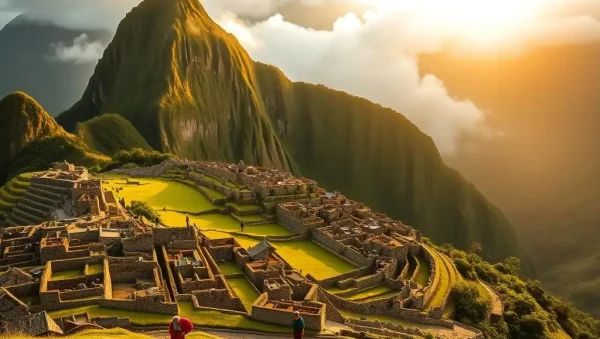
The dry season from May to September offers clear skies and sunny days, but also the most crowds. For fewer visitors, consider April or October, which have moderate weather. Always book tickets months ahead, and visit early morning (6 AM) to catch the famous misty sunrise over the citadel.