Exploring the Enigmatic Ruins of Cahokia: A Monumental City of the Mississippian Culture
🌍 The Cahokia Mississippian culture ruins stand as a testament to a sophisticated civilization that flourished over a thousand years ago. Discover…
Read article
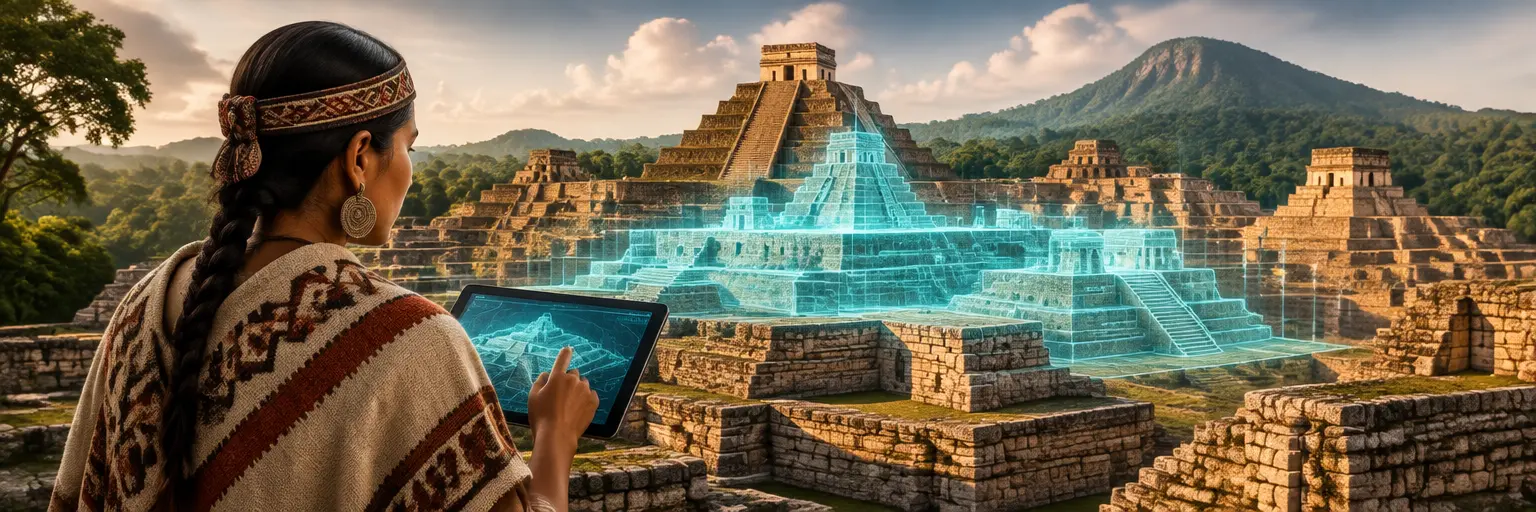
Explore the awe-inspiring Monumental Cities beyond the famous Inca and Maya metropolises, where ancient indigenous engineering transformed entire landscapes across the Americas. From the sprawling earthwork enclosures of the Amazon basin to the intricate stone plazas of the Andean highlands, these lesser-known urban centers reveal complex urban planning, celestial alignments, and sophisticated water management systems that rival any Old World wonder. Delve into the archaeological discoveries that uncover the daily lives, ceremonial rituals, and trade networks of civilizations that flourished without writing systems or iron tools, proving that monumentality is not defined by size alone but by cultural ingenuity. Unearth the hidden capitals of the Huari, the Tiwanaku, and the Mississippian mound-builders, where pyramids, causeways, and astronomical observatories still stand as silent testimonials to societies that mastered their environments.
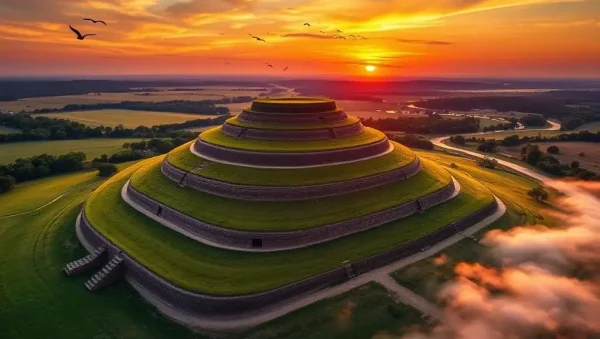
🌍 The Cahokia Mississippian culture ruins stand as a testament to a sophisticated civilization that flourished over a thousand years ago. Discover…
Read article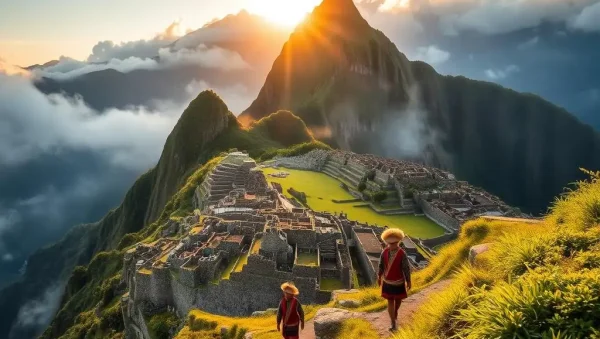
Machu Picchu stands as a testament to Inca architecture and indigenous identity, showcasing the advanced engineering skills and cultural significance of the…
Read article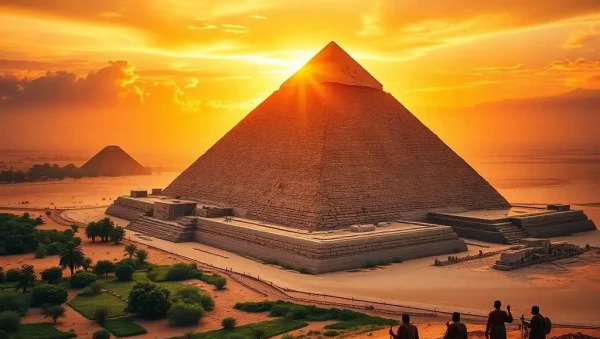
🌍 The Pyramids of Giza, while rooted in ancient Egyptian culture, reveal intriguing parallels with the architectural and societal achievements of Indigenous…
Read article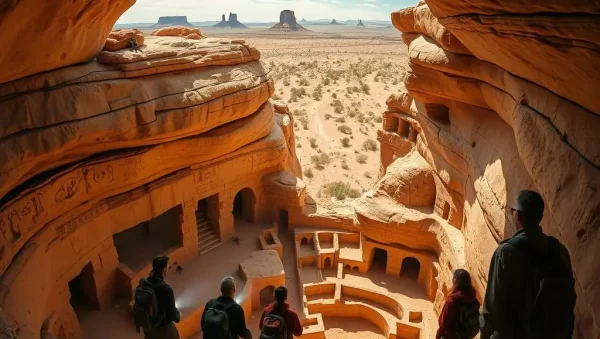
🌍 Discover the fascinating Ancestral Puebloan subterranean cities, where advanced engineering and rich cultural practices flourished. This exploration reveals the ingenuity of…
Read articleWhen we think of indigenous American cities, names like Tenochtitlan, Cusco, or Cahokia often come to mind. However, the Americas are dotted with extraordinary monumental urban centers that, while less publicized, reveal equally stunning feats of engineering, astronomy, and social organization. This subcategory, Monumental Cities - Others, takes you on a journey to these hidden jewels—from the adobe citadels of coastal Peru to the cliff dwellings of the Southwest and the earthwork enclosures of the Amazon. Each site tells a unique story of human adaptation and grandeur, offering a deeper, richer picture of pre-Columbian life beyond the iconic ruins. Explore these remarkable places to understand how diverse indigenous societies shaped their environments and left legacies that continue to inspire awe.
Channeling the arid northern coast of Peru, Chan Chan stands as the largest adobe city in the ancient world. Built by the Chimú civilization around 850 CE, this sprawling capital covered over 20 square kilometers and housed an estimated 30,000 people. Its intricate network of royal compounds, ceremonial plazas, and labyrinthine corridors is adorned with stunning reliefs depicting fish, birds, and waves—a testament to the society’s deep connection with the Pacific Ocean. Unlike stone-built cities, Chan Chan’s mud architecture required sophisticated water management to survive in a desert, demonstrating advanced hydraulic engineering. Today, while erosion and El Niño pose threats, preservation efforts reveal a sophisticated urban plan that rivaled any contemporary Old World city. Visiting here offers a rare glimpse into a civilization that mastered a fragile environment of sand and sea.
While Teotihuacan dominates central Mexico’s archaeological narrative, Cacaxtla emerges as a monumental hilltop city that thrived after Teotihuacan’s decline, between 650 and 900 CE. Perched strategically on a fortified bluff, Cacaxtla is celebrated for its vivid, well-preserved murals—including the famous “Battle Scene” and the “Bird Man” frescoes—which blend Maya, Zapotec, and central Mexican artistic traditions. This city’s architecture includes massive terraces, palaces, and a grand ceremonial plaza, showing a political and military power that controlled trade routes. Its unique position, overlooking the Puebla-Tlaxcala valley, allowed for both defense and surveillance. For those interested in transition periods and cultural fusion, Cacaxtla offers an unrivaled window into a post-Teotihuacan world where innovation and adaptation thrived, proving that monumental legacy extended far beyond the most famous pyramids.
Deep within the canyons of the American Southwest, Mesa Verde and its cliff dwellings represent a monumental city hidden in plain sight. Built by the Ancestral Puebloans between 600 and 1300 CE, these multi-story stone villages, such as Cliff Palace with over 150 rooms, were carved beneath overhanging cliffs. This remarkable architectural feat was not only defensive but also adapted to extreme temperatures and provided water catchment. The construction required careful planning, timber hauling, and masonry skills that rivaled any ancient builder. Beyond the sheer scale, the site reveals sophisticated astronomical alignments and kivas—underground ceremonial rooms—that anchored community life. This city-on-the-cliff is a testament to human resilience and ingenuity, thriving for centuries before an extended drought led to migration. It challenges the notion that monumental cities must exist on open plains.
Contrary to popular belief, the Amazon rainforest was not a wild, untouched wilderness but a cultivated landscape with monumental geometric earthworks. In the state of Acre, Brazil, recent LiDAR surveys have revealed hundreds of ditched enclosures, roads, and elevated causeways forming vast urban-like networks dating from 1000 to 1650 CE. These geoglyphs—perfectly shaped circles, squares, and octagons—spanned over 1,000 square kilometers, with some sites covering more than 10 hectares. They served as ceremonial gathering places, water management systems, and possibly astronomical observatories. Contrary to a simple village pattern, these interconnected sites formed a regional “garden city” cosmos, where the built environment was harmonized with seasonal floods. This discovery overturns narratives of sparse, nomadic Amazonians, proving that complex, monumental societies thrived in the rainforest, building from earth rather than stone.
Located in Morelos, Mexico, Xochicalco is a magnificent hilltop city that flourished between 700 and 900 CE, following the fall of Teotihuacan. Perched on a series of terraced hills, it features a central plaza, a ball court, and the famous Temple of the Feathered Serpent, adorned with intricate carvings of rulers and calendar glyphs. What sets Xochicalco apart is its observatory cave—a vertical shaft aligned to the zenith sun, which cast a precise beam of light during equinoxes, marking the start of planting seasons. The city also boasted advanced hydraulic systems, including cisterns and canals, to sustain its 10,000+ residents. As a trading nexus connecting the Gulf Coast, Maya region, and Pacific, its artifacts show a confluence of styles. Xochicalco’s strategic location and astronomical precision make it a key example of how monumental cities blended commerce, science, and defense.
A monumental city is defined by large-scale, planned architecture such as pyramids, plazas, and extensive residential complexes, often reflecting a centralized political or religious authority. These structures required organized labor, advanced engineering, and social cohesion, indicating complex societies. Monumentality also includes earthworks, terraces, and water systems, not just stone buildings, as seen in Amazonian geoglyphs.
Yes, most sites like Chan Chan, Cacaxtla, Mesa Verde, and Xochicalco are accessible national parks or UNESCO World Heritage sites with visitor facilities. Acre’s geoglyphs require guided tours due to remote access, while some cliff dwellings may have restricted entry to preserve them. Always check local regulations and hire certified guides for the best experience.
Each city employed innovative adaptations: Chan Chan used extensive canals to irrigate desert fields; Ancestral Puebloans used catchment basins and dry farming; Amazonians built raised fields and fish weirs; Xochicalco collected rainwater in cisterns. These systems integrated water, agriculture, and waste management, showing sophisticated ecological knowledge tailored to their ecosystems.
Most did not have a fully developed writing system like Maya hieroglyphs, but they used iconography—such as Cacaxtla’s murals or Xochicalco’s carvings—for ritual and historical narratives. Chan Chan used adobe reliefs, while Ancestral Puebloans left rock art. These visual records are vital for interpreting their beliefs, wars, and astronomical knowledge.
They broaden our perspective beyond a few “macro” civilizations, showcasing the diversity of urban planning, trade, and adaptation across the Americas. They challenge monolithic narratives and highlight how different societies solved similar challenges, from defense to sustainability. Studying them preserves the legacy of millions who built vast, complex worlds that were often destroyed or overlooked after colonization.