Unlocking the Past: Mastering Archaeological Techniques
Archaeological techniques are the meticulous, science-driven methods that allow us to piece together the daily lives, spiritual beliefs, and monumental achievements of Indigenous civilizations across the Americas. From the terraced hillsides of the Andes to the earthen mounds of the Mississippi Valley, these tools transform scattered artifacts into vivid narratives. On this page, you’ll discover how modern researchers use everything from satellite imagery to soil chemistry to unearth hidden cities and understand ancient farming, trade, and ritual. Dive in to see how each technique brings you closer to the hands that shaped these powerful cultures. Exploring these methods reveals not just what was found, but how we know it—and why it matters today.
🔍 Remote Sensing & Non-Invasive Surveys
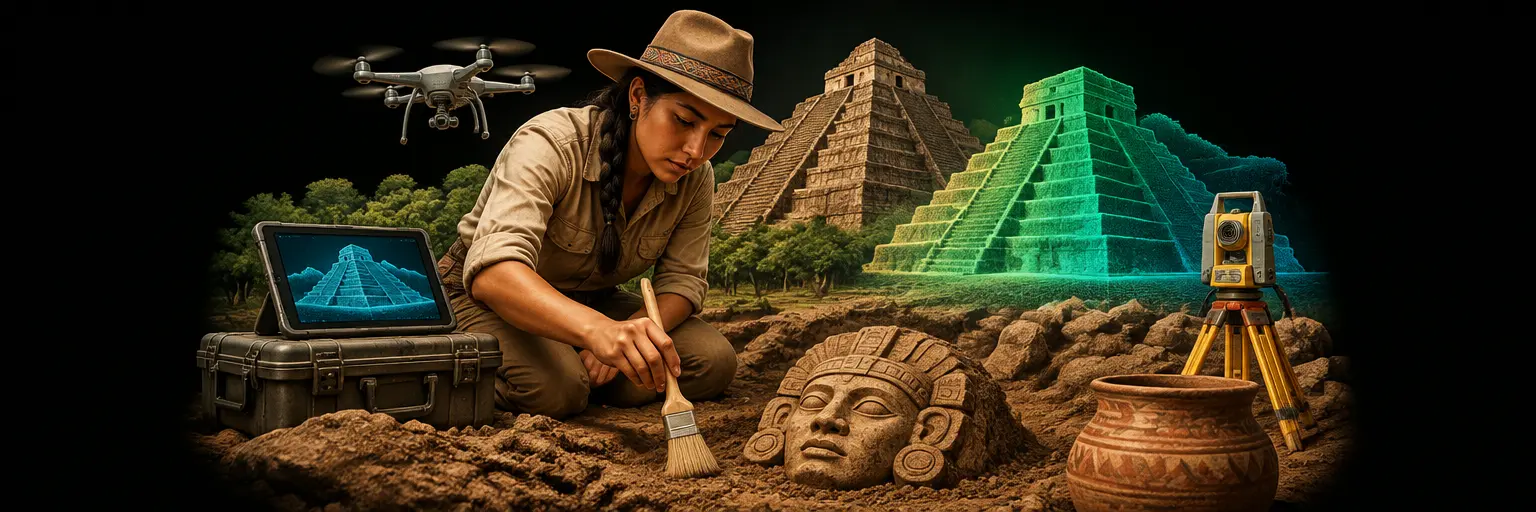
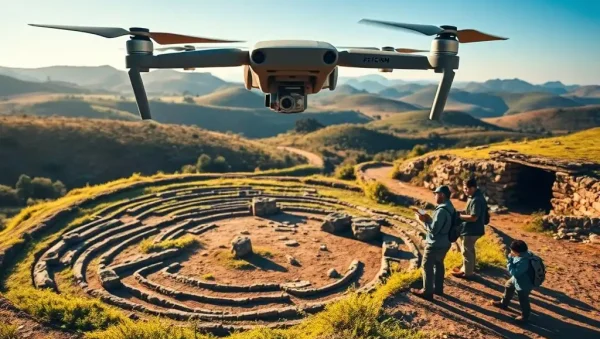
Before a single shovel breaks ground, archaeologists use remote sensing to see beneath the surface without disturbing the earth. Technologies like LiDAR (Light Detection and Ranging) penetrate dense jungle canopies in the Amazon or Mesoamerica, revealing grid-like patterns of lost urban centers and causeways that are invisible to the naked eye. Ground-penetrating radar (GPR) and magnetometry detect buried walls, hearths, and even large ceremonial plazas by measuring subtle changes in soil density and magnetic fields. This technique is a game-changer for Indigenous sites, allowing researchers to map entire settlements while preserving their integrity for future generations. By identifying high-probability areas first, teams can focus excavation efforts precisely, saving time and protecting sacred landscapes.
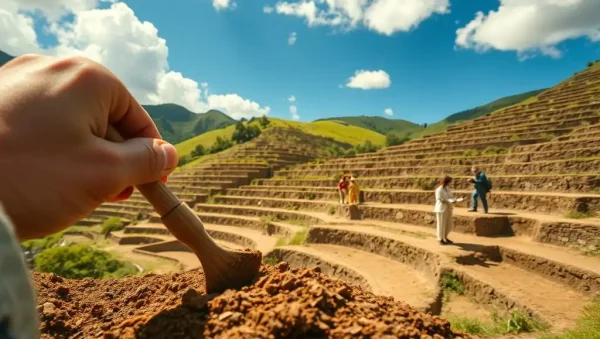
For Indigenous civilizations like the Ancestral Puebloans or the Maya, remote sensing has rewritten historical timelines. LiDAR in particular has revealed vast agricultural terraces and water-management systems that supported populations far larger than previously estimated. This non-invasive approach also aligns with ethical standards, respecting the descendant communities’ connection to the land. Remote sensing empowers us to understand sprawling, complex societies without invasive digging, creating a respectful yet revelatory conversation with the past.
⛏️ Stratigraphy & Excavation Methods
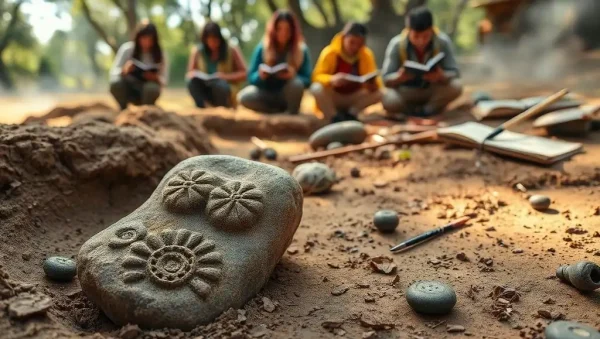
Excavation is the classic archaeological technique, but it’s far from random hole-digging. Stratigraphy relies on the law of superposition—deeper layers are older, while upper layers are more recent—to build a chronological sequence of occupation. At sites like Cahokia or Teotihuacan, excavators carefully peel back thin layers of soil, documenting every artifact’s exact position and depth. This meticulous process uncovers not just objects, but the sequence of building, renovation, and abandonment events. Precise grid systems and context recording ensure that every potsherd or obsidian flake tells a coherent story about daily life and cultural change.
Modern excavation also integrates flotation and dry-sieving to recover micro-remains like seeds, pollen, and tiny animal bones, which reveal ancient diets and climate conditions. For Indigenous sites, stratigraphy helps date the introduction of maize agriculture or the rise of social hierarchy. Every layer is a chapter, and careful excavation allows us to read the book of a civilization page by page, even when written materials are absent. This technique also helps distinguish between natural soil formation and human-made deposits, ensuring that interpretations are sound and defensible.
🕰️ Chronometric Dating: Radiocarbon & Luminescence
To place artifacts and structures in time, archaeologists rely on chronometric dating methods. Radiocarbon dating (C14) measures the decay of carbon-14 in organic materials like charcoal, bone, or shell, providing dates back to ~50,000 years. This is essential for charting the rise and fall of the Olmec, Inca, or Hopewell cultures. For inorganic materials like fired clay or stone, Optically Stimulated Luminescence (OSL) dates when sediments were last exposed to sunlight or heat, which is perfect for dating the construction of adobe walls or hearths. These techniques transform relative sequences into absolute calendars, allowing precise comparisons across regions and cultures.
One critical application is dating the initial peopling of the Americas. Radiocarbon dates from Monte Verde in Chile or Buttermilk Creek in Texas have pushed back settlement timelines, challenging older theories. By combining multiple dating methods, archaeologists cross-check results to ensure reliability, reducing errors from contamination or reservoir effects. This rigorous approach gives us confidence in the timelines that frame Indigenous histories, making it possible to track migrations, trade networks, and cultural interactions with unprecedented clarity.
🌾 Archaeobotany & Zooarchaeology
What did people eat, grow, and domesticate? Archaeobotany studies ancient plant remains, including charred seeds, phytoliths (microscopic silica bodies), and starch grains, to reconstruct agriculture and foraging. In the Americas, this reveals the domestication of maize, beans, squash, and potatoes—the “Three Sisters” and Andean staples that supported dense populations. Zooarchaeology analyzes animal bones, shells, and teeth to determine hunting practices, animal husbandry, and environmental adaptation. Together, these biological techniques offer a direct window into subsistence economics and seasonal movement patterns of Indigenous peoples.
For example, at the Hohokam sites in Arizona, archaeobotanical evidence shows complex irrigation canals supporting corn fields, while zooarchaeology reveals reliance on deer, rabbits, and riverine fish. These data also illuminate symbolic uses—such as the importance of turkeys in Maya ritual or the use of cacao beans as currency. Reconstructing ancient diets helps us appreciate the sophisticated ecological knowledge of Indigenous farmers and hunters, which is increasingly relevant for sustainable modern practices. Through these techniques, we see not just survival, but deliberate stewardship of diverse environments.
🎨 Artifact Analysis: Ceramics, Lithics, & Materials Science
Artifact analysis is where archaeology meets forensic science. Ceramic studies examine temper, clay composition, and firing techniques to identify local pottery versus imported wares, revealing trade routes and regional styles. Lithic analysis focuses on stone tools, from projectile points to grinding stones, assessing raw material sourcing and manufacturing skill. Advanced methods like X-ray fluorescence (XRF) and neutron activation analysis (NAA) determine the chemical fingerprint of obsidian or turquoise, linking artifacts to specific quarries hundreds of miles away. These techniques reconstruct exchange networks and technological innovations across the Americas.
For instance, identifying obsidian from a source in central Mexico at Maya sites proves the breadth of long-distance commerce. Similarly, iconographic analysis of painted pottery can decode mythological narratives or political propaganda. Materials science also reveals craft specialization, such as the lost-wax casting used in goldwork by the Muisca or the featherwork of the Aztecs. By understanding how objects were made, used, and broken, we gain insight into social status, gender roles, and ceremonial life. This methodological depth ensures that every artifact is a data-rich artifact, not just a museum piece.
🤝 Community & Ethical Collaborations
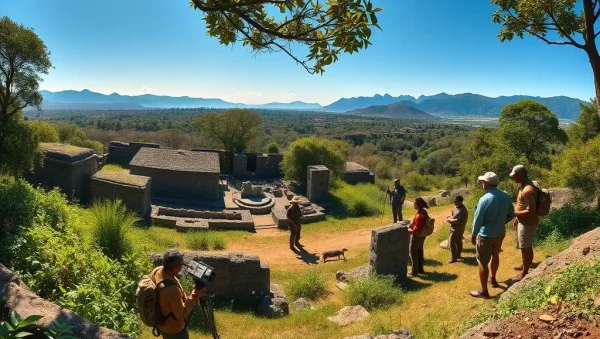
Modern archaeological techniques extend beyond science to include ethical partnerships with Indigenous descendant communities. Collaborative archaeology involves co-designing research questions, sharing findings, and respecting cultural protocols regarding burial remains and sacred objects. Techniques like geophysical survey are often preferred over excavation when communities request minimal disturbance. This approach ensures that archaeological knowledge serves living Indigenous peoples, not just academic narratives. It also promotes the repatriation of artifacts and human remains under laws like NAGPRA, using precise documentation to prove cultural affiliation.
In practice, this means incorporating oral traditions into hypothesis formation and site interpretation. For instance, the Zuni or Hopi tribes contribute valuable insights into the meanings of rock art or ancestral migration patterns. Digital techniques like 3D scanning also allow virtual access to sensitive sites without physical intrusion. By centering community voices, archaeology becomes a tool for healing and cultural revitalization, not colonial extraction. This ethical evolution ensures that the techniques we employ are as respectful as they are rigorous, creating a lasting legacy of mutual understanding.
Frequently Asked Questions
What is the most important archaeological technique for studying Indigenous American sites?
LiDAR is arguably the most transformative, as it can map vast forested areas and reveal entire city layouts, terraces, and road systems without cutting vegetation. However, no single technique is “best”—combining remote sensing, excavation, dating, and artifact analysis gives the most complete picture. The choice depends on the site’s environment, research questions, and ethical constraints.
How do archaeologists date pottery without organic materials?
Pottery can be dated using rehydroxylation dating or thermoluminescence (TL), which measures trapped electrons in fired clay. When heated during manufacture, the clock resets; over time, radiation causes electrons to accumulate. Heating a sample in the lab releases energy, measured to estimate the last firing. This is highly effective for ceramics across the Americas, from Maya polychrome vases to Anasazi corrugated pots.
Are archaeological techniques destructive to Indigenous heritage?
Some are, but modern ethics prioritize non-invasive methods first. Remote sensing, chemical analysis, and micro-sampling minimize disturbance. When excavation is necessary, it is done with rigorous documentation and often with permission from descendant communities. The field now emphasizes preservation, and many sites are left unexcavated to protect them for future research and cultural use.
Can DNA analysis be used in archaeological techniques for Indigenous remains?
Yes, ancient DNA (aDNA) can be extracted from bones, teeth, and sediments. This helps trace population migrations, kinship, and disease history. However, this is highly sensitive ethically and legally. Many Indigenous groups request strong consultation and consent before such analysis, and some decline due to spiritual beliefs. Researchers must balance scientific questions with cultural sovereignty.
How does community collaboration change the interpretation of archaeological finds?
It can significantly shift interpretations—oral traditions may explain ritual landscapes or artifact functions that Western scientists miss. For example, Apache knowledge about specific mountain spirit beings has reinterpreted certain rock art sites. Collaboration also prioritizes the community’s needs, such as reburial or preserving secrecy, ensuring that archaeological techniques serve cultural continuity rather than academic curiosity alone.