The Sacsayhuamán Stones: Architectural Marvels of the Inca Empire
The Sacsayhuamán stones stand as a testament to Inca architectural achievements, showcasing advanced engineering techniques and the empire's deep connection to its…
Read article
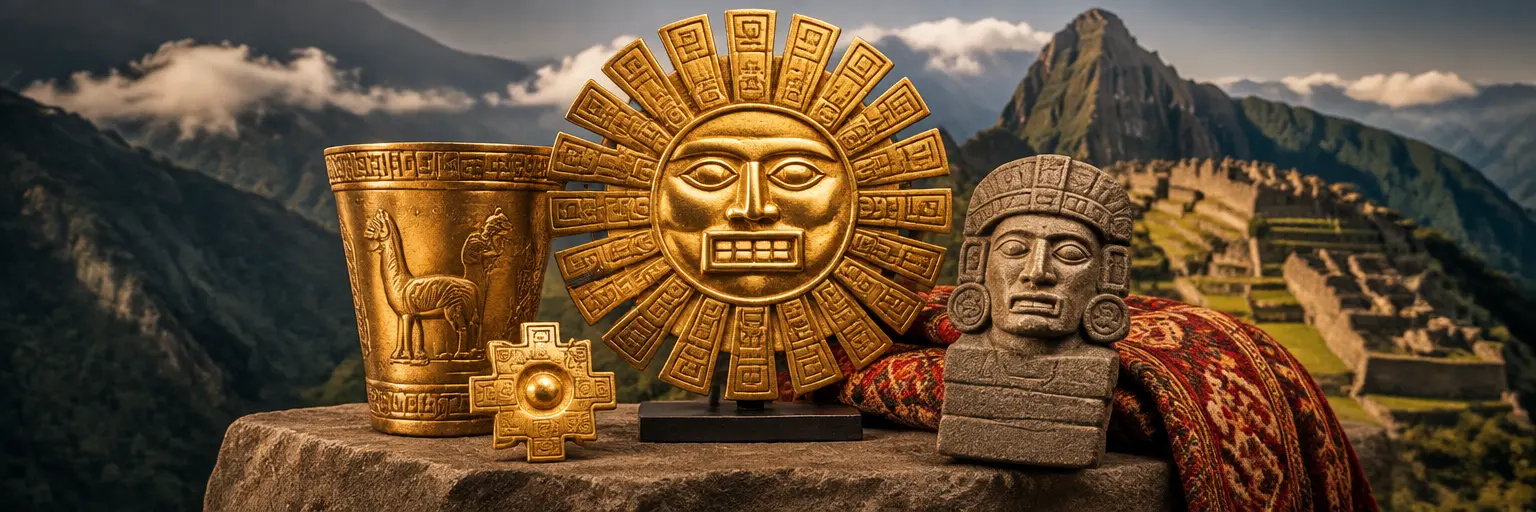
Unearth the extraordinary legacy of the Inca Empire through its most significant artifacts, where masterful craftsmanship meets profound spiritual meaning. From the breathtaking golden Inti sun discs and ceremonial tumi knives to intricately woven qompi textiles and the enigmatic quipu recording system, these treasures reveal a civilization of unparalleled engineering, artistry, and cosmological depth. Each artifact—whether forged in precious metals, carved from volcanic stone, or dyed with vibrant natural pigments—offers a tangible connection to the Andes’ imperial heart, showcasing the Inca’s sophisticated metallurgy, astronomical knowledge, and sacred rituals. Ideal for history enthusiasts, collectors, and students of pre-Columbian cultures, this curated exploration highlights iconic discoveries from Machu Picchu, Cusco, and sacred mountain shrines, decoding the symbolism, purpose, and enduring mystery behind objects that once served emperors, priests, and daily life.
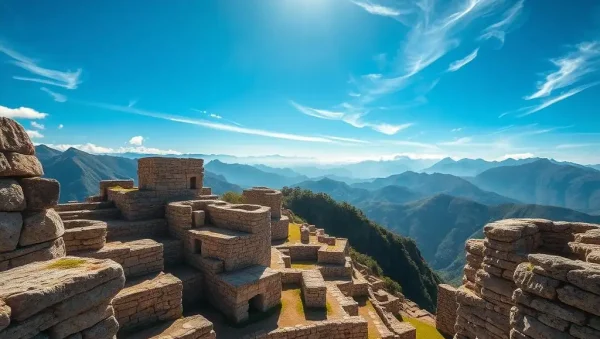
The Sacsayhuamán stones stand as a testament to Inca architectural achievements, showcasing advanced engineering techniques and the empire's deep connection to its…
Read article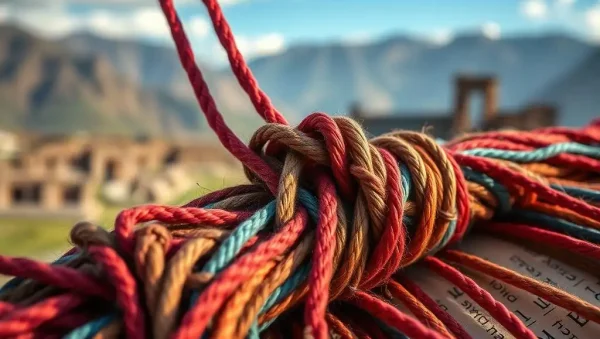
🌍 Unraveling the mystery of Inca quipus reveals a fascinating form of ancient communication. These intricate knotted strings served as a vital…
Read article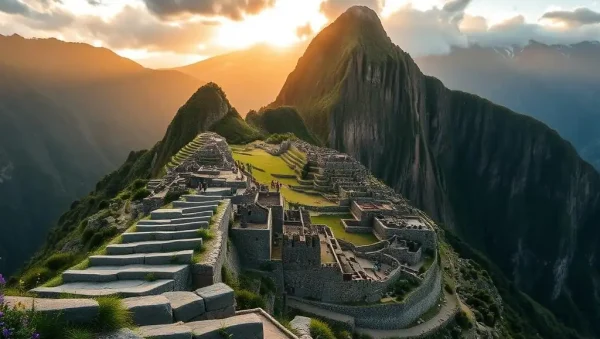
🚶♂️ The ancient Inca road systems history showcases remarkable engineering feats that facilitated trade, communication, and cultural exchange across diverse terrains, profoundly…
Read article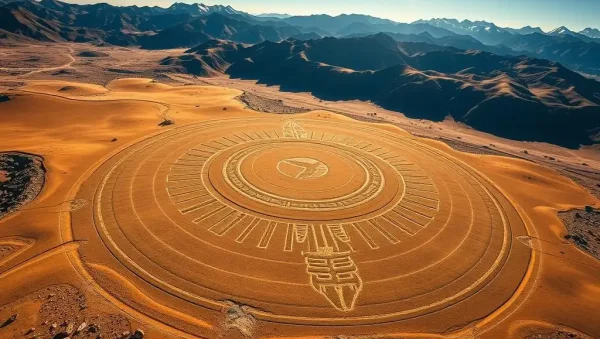
🌍 The Nazca Lines, remarkable geoglyphs etched into the Peruvian desert, embody the significance of Inca culture. These ancient artifacts reflect the…
Read articleStep into the world of the Tawantinsuyu, the Inca Empire, through its most treasured significant artifacts. These objects—from ceremonial gold and silver offerings to intricately knotted khipu records—are not mere relics; they are the keys to understanding a society that mastered engineering, astronomy, and statecraft without a written script. Here, we explore the material culture that survived conquest and time, revealing the artistry, spirituality, and administrative genius of the Andes.
The Incas referred to gold as “the sweat of the sun” and silver as “the tears of the moon.” These precious metals were not currency but sacred media for communicating with the divine. Artifacts like the Inti sun disk, miniature llamas, and qero drinking vessels were used in state rituals, temple offerings, and royal burials. Their craftsmanship—often achieved through lost-wax casting and hammering—reflects a deep understanding of metallurgy.
When exploring this subcategory, you will find detailed descriptions of the most famous pieces, such as the golden garden of Coricancha and the Tumi knife, along with their symbolic meanings. Expect insights into how these objects were seized or melted down by Spanish conquistadors, yet some survived hidden in caves or high-altitude shrines. This facet also covers miniature votive figures (conopas) used for fertility and protection, shedding light on household-level devotion within the empire’s vast territory.
The khipu (or quipu) is perhaps the most intellectually significant artifact of the Inca world—a system of colored, knotted cotton or camelid fiber cords used for numerical and narrative recording. Unlike a written language, khipus stored census data, tribute obligations, agricultural inventories, and even historical recounts. Specialists called khipukamayuq were trained to read these devices, which functioned as a state-wide database.
In this section, you will learn how to interpret the positional coding of knots, the significance of cord colors, and the binary-like structure that some researchers argue contains phonetic elements. We also address the ongoing debate about whether khipus encode language beyond numbers, featuring recent findings from colonial-era documents and microscopic fiber analysis. For enthusiasts, this subcategory offers a step-by-step visual guide to decoding a simple khipu’s decimal system, making this ancient technology accessible and fascinating.
Inca ceramics are masterpieces of standardized artistry, often produced in state-controlled workshops. The most iconic forms include the aryballos (a tall, pointed-base jar) and the keru (a drinking cup), both used for chicha (corn beer) and ritual offerings. Decorative motifs featured geometric patterns, stylized animals like the condor and puma, and abstract representations of the Andean cosmos. Production was highly uniform, yet regional variations reveal local influences.
Expect analyses of how ceramics served as political propaganda, disseminating imperial style across conquered lands. We highlight key archaeological sites—such as Machu Picchu and Ollantaytambo—where these vessels were unearthed, alongside their storage and production contexts. The subcategory also examines the role of pottery in feasting ceremonies, where the sharing of sacred beverages from identical kerus reinforced social hierarchies and kinship ties among the elite.
In Inca society, textiles were more valuable than gold. Made from alpaca, vicuña, and cotton, they were woven with techniques still admired today, including tapestry, brocade, and pile. The finest garments—featuring toquapu (geometric status symbols) and vivid dyes from cochineal and indigo—were reserved for the Sapa Inca and the nobility. Featherwork, attached to textiles or made into separate mantles, added color and divine associations with tropical birds.
This facet covers the function of textiles in the imperial economy, where cloth was used as tribute, currency, and diplomatic gifts. You will read about the famous Capac Hucha child sacrifices dressed in elaborate textiles, preserved by freezing in high-altitude shrines. We also detail how conservation techniques have allowed modern museums to display these luxurious fabrics, and how contemporary Andean weavers replicate ancient patterns, keeping these traditions alive for new generations.
Beyond entire cities, the Incas left behind portable stone artifacts that mirror their monumental architecture. These include ceremonial stools (tiana), carved huacas (sacred stones), and miniature models of plazas, temples, and terracing systems used for planning and ritual. The precision of Inca stonework—without mortar, yet fitting stones so tightly that a blade cannot pass between them—is replicated in these smaller pieces.
Here, you will discover how stone artifacts were integral to landscape reverence, serving as markers for astronomical alignments and water sources. We examine the role of ushnu platforms in ceremonial drink offerings, as well as the yupana (calculating board) that some scholars believe was used for arithmetic. By studying these objects, expect to gain a deeper appreciation for the Inca’s engineering mindset and their belief that stone was alive with ancestral power.
The Inca viewed death as a transition, not an end. Mummies of nobles were treated as living beings, given food, drink, and visitors. Their burial bundles—wrapped in layers of textiles and accompanied by grave goods like gold masks, shell beads, and wooden figurines—offer a direct window into social status and cosmological beliefs. The capacocha (royal sacrifice) featured children interred with exquisite items, both as tribute to the gods and as emissaries to the afterlife.
This subcategory profiles famous finds, including the Children of Llullaillaco and the Lady of Ampato, whose frozen bodies and artifacts are preserved with astonishing detail. You will learn about excavation methods, the ethical debates around displaying human remains, and how DNA analysis is revealing familial relationships among the buried. Expect practical insights into how grave goods reflect regional economic networks, from Spondylus shells of Ecuador to obsidian blades from highland quarries.
The golden sun disk of Coricancha is among the most legendary, but since it was melted down in the 16th century, no surviving piece matches its legend. The Children of Llullaillaco are considered priceless due to their pristine preservation and cultural significance, with each artifact bundle estimated to be worth millions in terms of research value rather than bullion.
Archaeologists use radiocarbon dating on organic materials like textiles and wood, plus thermoluminescence for ceramics. Stratigraphy and association with colonial documents narrow down time frames. For example, the presence of European glass beads in a burial helps date it post-1532. Recent AMS techniques have refined dates for key sites, such as Machu Picchu.
Yes, many high-altitude shrines and hidden caches remain unexplored. For instance, the Vilcabamba valley—the last Inca refuge—may still hold ceremonial objects. Also, under-growing urban areas like Cusco, underground chambers are occasionally found during construction. However, looting and climate change threaten these potential treasures, making preservation a race against time.
Under Peruvian and Bolivian laws, all pre-Columbian artifacts are national patrimony and cannot be privately sold or exported without explicit government permission, which is almost never granted. In the United States, import restrictions under bilateral agreements also apply. Genuine artifacts are rare on the open market; most museum pieces are on long-term loan from national collections.
Most researchers agree that khipu knots encode decimal numbers, with colors and cord direction adding context. A breakthrough in 2023 linked some khipus to place names and census records from colonial Spanish archives, suggesting they may have stored narrative history. However, a full “Rosetta Stone” for khipu remains unverified, though computational analysis is advancing the field rapidly.