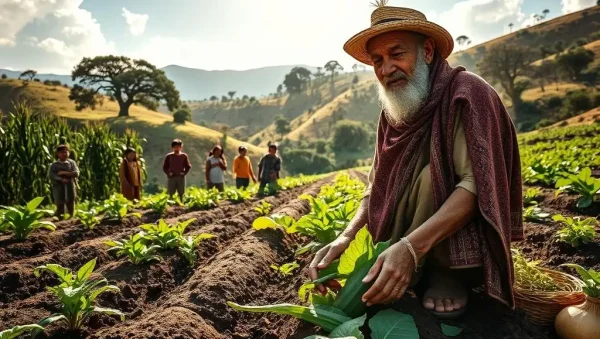
Environmental Adaptations: The Genius of Indigenous Ingenuity
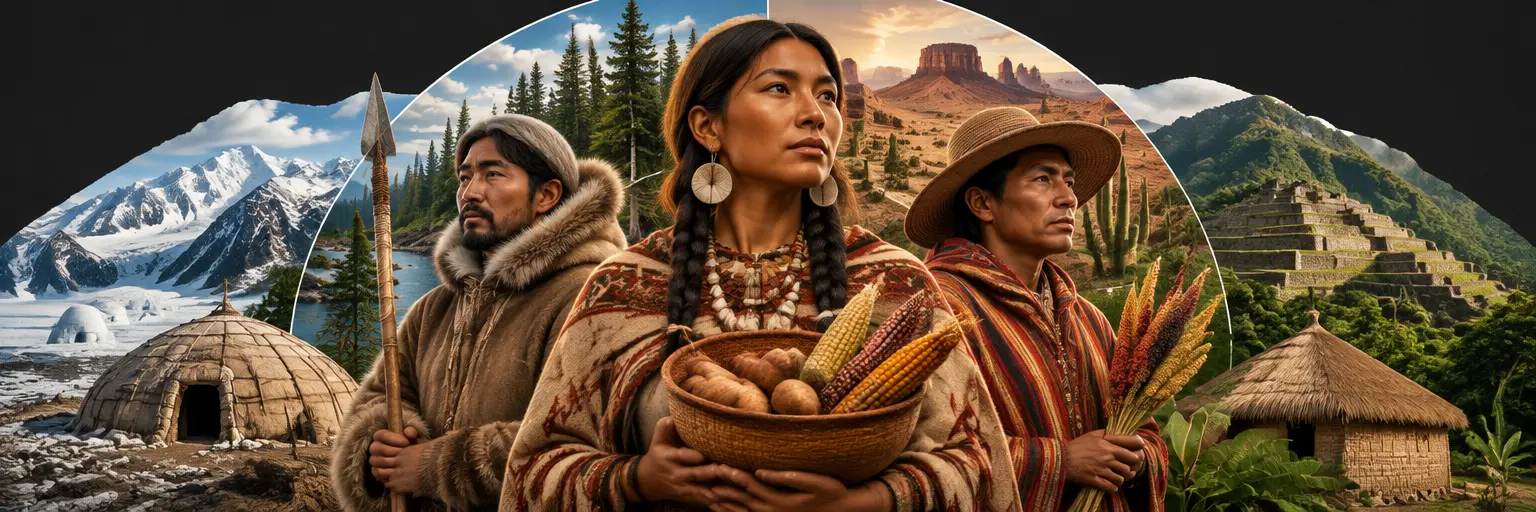
Explore how the Indigenous civilizations of the Americas mastered their environments, transforming deserts, rainforests, mountains, and coasts into thriving homelands. This subcategory reveals the sophisticated ecological knowledge, engineering feats, and sustainable practices that allowed societies to flourish for millennia without exhausting their natural resources.
🌵 Arid and Desert Adaptations: Thriving in Extreme Dryness
The Ancestral Puebloans of the Southwest and the Hohokam of present-day Arizona developed remarkable water-harvesting techniques. Canal irrigation systems, check dams, and waffle gardens captured scarce rainfall, while dry-farming methods used rock mulch to retain soil moisture. These innovations supported large populations in regions where annual precipitation often measured under ten inches.
In the Sonoran Desert, the Tohono O’odham practiced “floodwater farming,” planting at the mouths of arroyos to capitalize on seasonal runoff. Their deep knowledge of native plants like mesquite and agave ensured a resilient food web. These adaptations demonstrate that desert environments were not barriers but challenges met with multigenerational observation and precise ecological timing, forming the backbone of their cultural identity.
🌧️ Rainforest Mastery: Biodiversity as a Resource
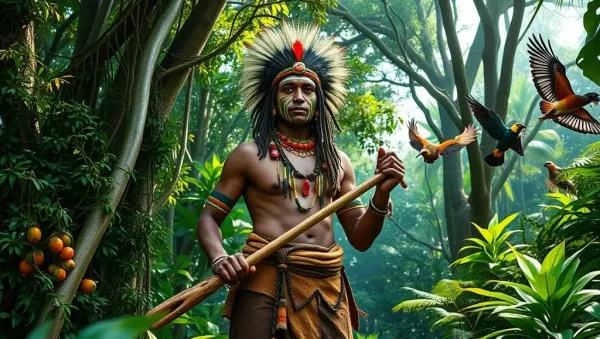
The Amazonian societies, including the ancestors of the Kayapó and the ancient Maya lowland cultures, transformed seemingly inhospitable jungle into highly productive landscapes. They created terra preta (fertile black earth) by mixing charcoal, bone, and organic waste, boosting soil fertility for centuries. Raised-field agriculture along river floodplains reduced flood damage and increased yields.
Furthermore, they practiced agroforestry, deliberately managing thousands of plant species, from cacao to rubber trees, within a single forest. This polyculture approach mimicked natural ecosystems, minimizing pests and erosion. The result was a symbiotic relationship where human activity enhanced biodiversity rather than depleting it, a lesson still vital for modern conservation.
🏔️ Andean High-Altitude Adaptations: Living at the Extremes
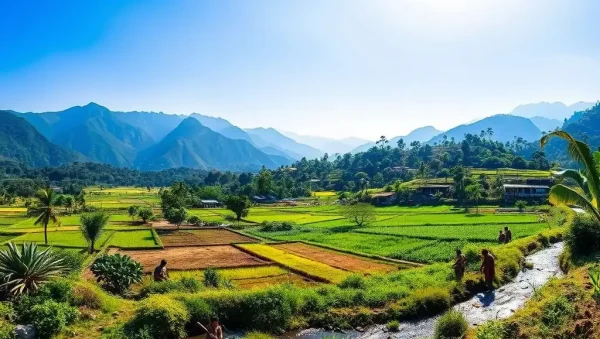
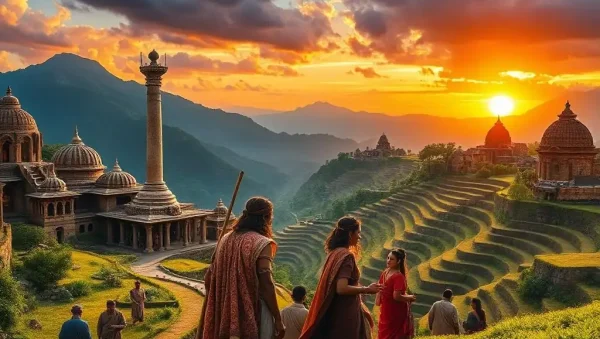
The Inca and their predecessors, such as the Tiwanaku, mastered life at altitudes above 12,000 feet. They developed terrace farming (andenes) that reduced erosion, prevented frost damage, and created microclimates for diverse crops. Their freeze-drying techniques (chuño) stored potatoes and other tubers for years, ensuring food security against harsh winters.
Equally impressive was their use of camelid livestock (llamas and alpacas) for transport, wool, and fertilizer. Andean engineers constructed suspended bridges and aqueducts that traversed deep canyons, while their system of vertical archipelagos allowed access to resources from sea level to mountain peaks. This integrated strategy exemplified a civilization that not only survived but prospered in Earth’s harshest highlands.
🌊 Coastal and Marine Adaptations: Harvesting the Oceans
From the Pacific Northwest’s Haida and Tlingit to the Chumash of California and the Marajoara of the Amazon delta, coastal peoples developed specialized maritime technologies. They built plank canoes for open-ocean fishing, used fish weirs and nets to capture salmon runs, and harvested shellfish through sustainable tidal garden systems.
These societies created complex trade networks based on marine products like dried fish, sea otter pelts, and whale bone. Seasonal calendars aligned with fish migrations and tidal cycles, ensuring predictable harvests. The Chumash even used shell beads as currency, linking coastal economies to inland communities. Their adaptations highlight a profound understanding of ocean ecosystems, one that modern fisheries still struggle to replicate.
🌾 Forest and Grassland Adaptations: Fire as a Tool
The Eastern Woodlands tribes, such as the Iroquois and Cherokee, managed forests through controlled burns to enhance berry production, improve hunting, and clear underbrush. This practice created “parkland” ecosystems that promoted the growth of sun-loving plants like oaks and hickories, which produced abundant nuts for food and animals for meat.
On the Great Plains, the Lakota and Pawnee followed bison herds, using fire to attract grazing animals and drive them toward hunting grounds. They also cultivated corn, beans, and squash in river valleys, adapting mobile lifeways with sedentary agriculture. These techniques show how Indigenous peoples actively shaped their environments, proving that “natural” landscapes in the Americas were often anthropogenic creations of sophisticated land stewardship.
Frequently Asked Questions
How did Indigenous peoples irrigate deserts without modern technology?
They used gravity-fed canal systems, underground aqueducts, and check dams to capture seasonal runoff. Technologies like waffle gardens and rock mulch reduced evaporation, while strategic planting in arroyos maximized floodwater use. These designs required precise surveying and community cooperation, demonstrating advanced engineering skills passed down for generations.
What is terra preta and why is it important?
Terra preta is a charcoal-rich, highly fertile soil created by Amazonian peoples over centuries. By mixing charcoal, bone, and organic waste, they improved nutrient retention and microbial life. It remains a model for sustainable agriculture, as it persists in the soil for hundreds of years and can offset carbon emissions.
Did high-altitude adaptation include specialized crops?
Yes, Andeans domesticated potatoes, quinoa, and cañihua, which tolerate frost and thin air. They also developed freeze-drying methods to store these crops. Terracing and microclimate management allowed multiple varieties to grow at different elevations, ensuring resilience against weather fluctuations.
How did Pacific Northwest tribes sustain salmon populations?
They used selective fishing techniques, such as fish traps that allowed younger salmon to escape, and practiced seasonal quotas. They also managed spawning grounds by clearing debris and maintaining riparian vegetation. This stewardship ensured salmon runs remained abundant, and they held rituals to honor the fish’s return, reinforcing conservation.
Are these environmental adaptations still relevant today?
Absolutely. Modern agriculture, water management, and conservation increasingly incorporate Indigenous techniques like agroforestry, controlled burns, and raised-field farming. These methods are proven to enhance biodiversity, soil health, and climate resilience, offering sustainable alternatives to industrial practices. Many Indigenous communities now lead ecological restoration projects using their ancestral knowledge.