The Revival of Traditional Ingredients in Modern Indigenous Cuisine
🌿 "Reviving Indigenous Traditional Ingredients" not only honors the culinary heritage of pre-colonial Americas but also empowers modern chefs to create dishes…
Read article
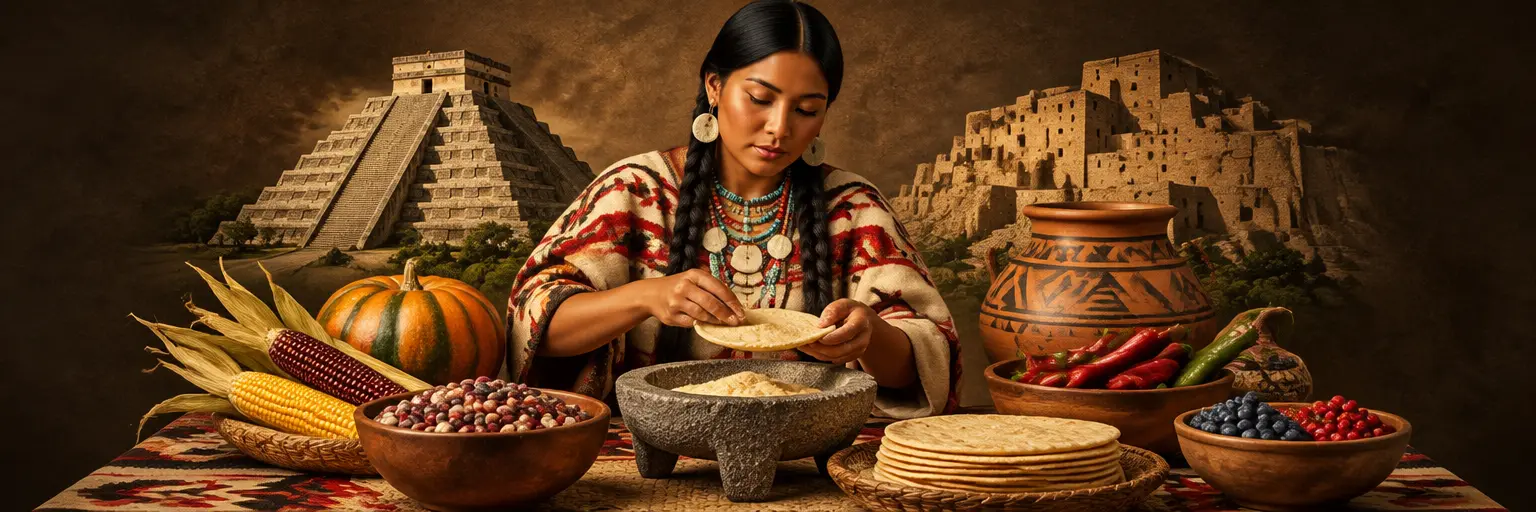
Delve into the rich tapestry of Indigenous culinary heritage with our exploration of Cuisine and Food Traditions, where ancient flavors meet enduring customs. Discover how the Three Sisters—corn, beans, and squash—formed the backbone of sustainable agriculture, while cacao, chili peppers, and maize revolutionized global gastronomy. From the stone-ground nixtamalization of Mesoamerica to the roasted agave and pinole of the Southwest, each tradition reflects a deep reverence for nature’s bounty. Uncover ceremonial feasts like the Andean pachamanca or the Amazon’s cassava-based rituals, and learn how foraging, hunting, and fishing were woven into seasonal cycles of gratitude. This section highlights the enduring legacy of indigenous foodways, from heirloom seed preservation to contemporary revitalization movements, proving that these culinary practices are not relics but lively, adaptive systems. Whether you’re a food historian, chef, or curious traveler, these insights reveal how ingredients, techniques, and storytelling continue to shape identity and resilience across the Americas.
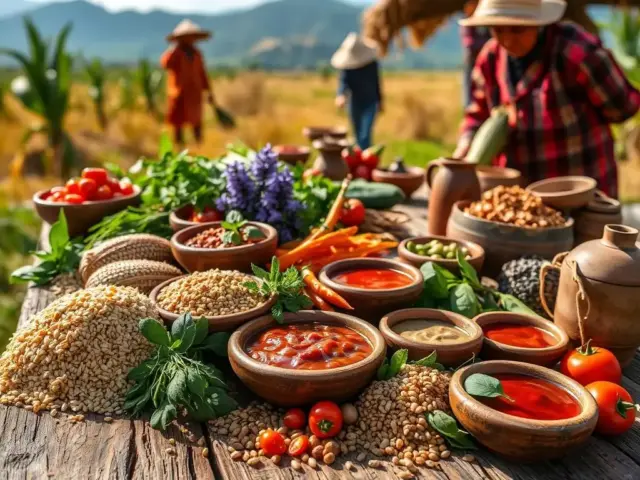
🌿 "Reviving Indigenous Traditional Ingredients" not only honors the culinary heritage of pre-colonial Americas but also empowers modern chefs to create dishes…
Read article
Explore how medicinal plants in indigenous cuisine serve not only as flavorful ingredients but also as natural remedies. This article delves into…
Read article
🌍 Indigenous food symbolism ceremonies serve as vital expressions of cultural identity and spirituality, reflecting the deep connections between communities and their…
Read article
🌽 Discover the rich tapestry of Aztec culinary traditions and innovations, where native ingredients and advanced cooking techniques not only shaped their…
Read article
🌾 PreColumbian agricultural practices were foundational to the prosperity of indigenous societies in the Americas. This article explores how these innovative methods…
Read article
Exploring Indigenous culinary trade routes reveals how interconnectedness among native nations fostered a rich tapestry of flavors and cooking techniques. These routes…
Read article
Indigenous women culinary traditions have profoundly influenced the culinary landscape of the Americas. Their knowledge of native ingredients and sustainable practices not…
Read articleWelcome to the Cuisine and Food Traditions subcategory of Indigenous Civilizations of the Americas. Here, we delve into the profound ways food shaped daily life, spiritual practices, and social structures among Native American, Mesoamerican, and Andean societies. From the sacred maize of the Maya to the salmon runs of the Pacific Northwest, these culinary traditions were not merely sustenance—they were expressions of identity, resilience, and harmony with nature. Discover the ingredients, techniques, and rituals that continue to influence modern gastronomy and cultural heritage.
Indigenous peoples of the Americas pioneered the domestication of crops that now feed the world, including maize, potatoes, beans, squash, and tomatoes. The “Three Sisters” companion planting method—corn, beans, and squash—exemplifies sustainable agriculture, where each plant supports the others’ growth. In the Andes, over 4,000 potato varieties were cultivated at extreme altitudes, showcasing remarkable biodiversity and adaptation.
These agricultural systems were deeply intertwined with cosmology. For the Maya, maize was a divine gift, and humans were believed to be created from corn dough. The Inca revered the potato as a symbol of abundance, while the Aztecs developed chinampas, floating gardens that produced multiple harvests yearly. Understanding these practices reveals sophisticated ecological knowledge and a profound respect for land that modern farming still strives to emulate.
From stone hearths to earthen ovens, indigenous cooking methods were as ingenious as their ingredients. The comal (flat griddle) for tortillas, metate (grinding stone) for nixtamalized maize, and horno (adobe oven) for baking bread are just a few examples. Techniques like pit-roasting, steaming in leaf wrappers, and smoking fish preserved food without refrigeration, ensuring survival through harsh seasons.
Fermentation also played a crucial role, yielding beverages like chicha (corn beer) and pulque (agave sap), used in ceremonies and as daily nourishment. The Inuit mastered freezing and fermenting meat, while the Cherokee used hickory nut milk as a creamy base. These methods not only extended shelf life but also enhanced nutritional value and flavor, reflecting a deep understanding of food chemistry centuries before modern science.
Each region developed distinct culinary identities. In Mesoamerica, tamales, pozole, and chocolate-based mole were staples at feasts and religious ceremonies. The Inca Empire popularized cuy (guinea pig), freeze-dried potatoes (chuño), and quinoa stews. The Taino of the Caribbean contributed cassava bread and barbacoa (barbecue), a technique that spread worldwide.
North American tribes showcased regional bounty: the Cherokee used black walnuts and berries, the Sioux relied on bison jerky and pemmican, and the Hopi cultivated blue corn for piki bread. Coastal tribes like the Tlingit revered salmon and shellfish, while the Navajo introduced frybread—a later adaptation, yet a symbol of resilience. These dishes tell stories of migration, trade, and adaptation, offering a flavorful window into daily life and ceremonial splendor.
Food was never merely physical—it was a conduit to the spiritual world. The Day of the Dead altars in Mesoamerica include food offerings (ofrendas) to honor ancestors, while the Inca held Capacocha ceremonies with corn beer and guinea pig sacrifices. The Hopi performed Snake Dances to ensure rain, accompanied by cornmeal blessings. Every harvest, hunt, and meal began with prayers or offerings to deities.
Sharing food forged alliances and reinforced social hierarchies. At Aztec royal feasts, chocolate was reserved for nobility, while commoners consumed atole (corn gruel). The Potlatch of Pacific Northwest tribes was a grand distribution of food and wealth, asserting status and reciprocity. These traditions illustrate how cuisine sustained not just bodies but communities, binding generations through shared memory and sacred practice.
Indigenous diets were remarkably balanced and nutritious, often superior to modern processed foods. Quinoa, amaranth, chia, and cacao are now celebrated as superfoods, but they were foundational to ancient diets. Nixtamalization, a process of treating maize with lime, increased calcium and niacin absorption, preventing deficiency diseases. The variety of wild greens, nuts, and lean meats provided complete proteins and essential fats.
Traditional dishes often paired complementary proteins—like beans and corn—creating complete amino acid profiles. Herbal knowledge was vast: the Maya used cacao for energy and medicinal preparations, while the Inca chewed coca leaves for altitude sickness. The Mediterranean-like diet of the Taino, rich in fruits, fish, and root vegetables, exemplifies preventive health through food. This wisdom offers timeless lessons for modern nutrition and chronic disease prevention.
Today, indigenous cuisine is experiencing a vibrant renaissance, with chefs like Sean Sherman (Oglala Lakota) reviving pre-colonial ingredients and techniques. Farm-to-table movements echo ancient practices, while crops like quinoa and amaranth have become global staples. The popularity of tacos, Peruvian ceviche, and Mexican chocolate traces directly to indigenous roots, now celebrated in high-end gastronomy.
Organizations and indigenous communities are reclaiming food sovereignty, preserving heirloom seeds, and reviving ancestral farming. Events like the Indigenous Food Lab and annual seed exchanges promote cultural continuity. This revival not only honors heritage but addresses contemporary issues like food deserts and climate resilience. By exploring these traditions, we recognize that indigenous cuisine is not a relic but a living, evolving force shaping the future of food worldwide.
The Three Sisters method pairs corn, beans, and squash together. Beans climb the corn stalks, fix nitrogen in the soil, squash spreads as ground cover to retain moisture and deter weeds. This polyculture system maximizes yields, enhances soil fertility, and provides balanced nutrition, reflecting sophisticated indigenous ecological knowledge still used by farmers today.
Maize was the foundation of Maya diet and cosmology. According to the Popol Vuh, gods created humans from maize dough. Maize was believed to have divine qualities, and its cultivation and consumption were central to rituals, calendars, and social status. Cornfields were seen as sacred spaces connecting earth and sky.
They used drying (sun-drying meat and fish), smoking, salting, fermenting, and storing in cool cellars or underground pits. The Inca freeze-dried potatoes (chuño) using Andean night frosts, while Plains tribes made pemmican—a durable mix of dried meat, fat, and berries—for long journeys.
Nixtamalization involves soaking and boiling maize in an alkaline solution (lime water), then washing it. This process loosens hulls, enhances flavor, and increases bioavailability of niacin and calcium. It prevents pellagra and was a crucial nutritional innovation that made maize a sustainable staple for Mesoamerican civilizations.
Absolutely. Tortillas, tamales, pozole, chile sauces, and guacamole originate from indigenous Mesoamerica. Peruvian lomo saltado includes pre-Hispanic potatoes. Frybread from Navajo culture, though post-colonial, is widely served. Many restaurants now feature authentic indigenous dishes, blending ancient recipes with modern presentation.