Explore Andean Religious Practices
Delve into the spiritual heart of the Andes, where the Inca Empire and its predecessors wove a complex tapestry of sacred rituals, mountain worship, and cosmic balance. This subcategory on Indigenous Civilizations of the Americas illuminates how Andean peoples understood the divine through nature, ancestors, and the living landscape—beliefs that continue to shape communities today. Discover the rituals, deities, and sacred sites that defined a world where the earthly and celestial were inseparable.
🏔️ The Sacred Landscape: Apus and Pachamama
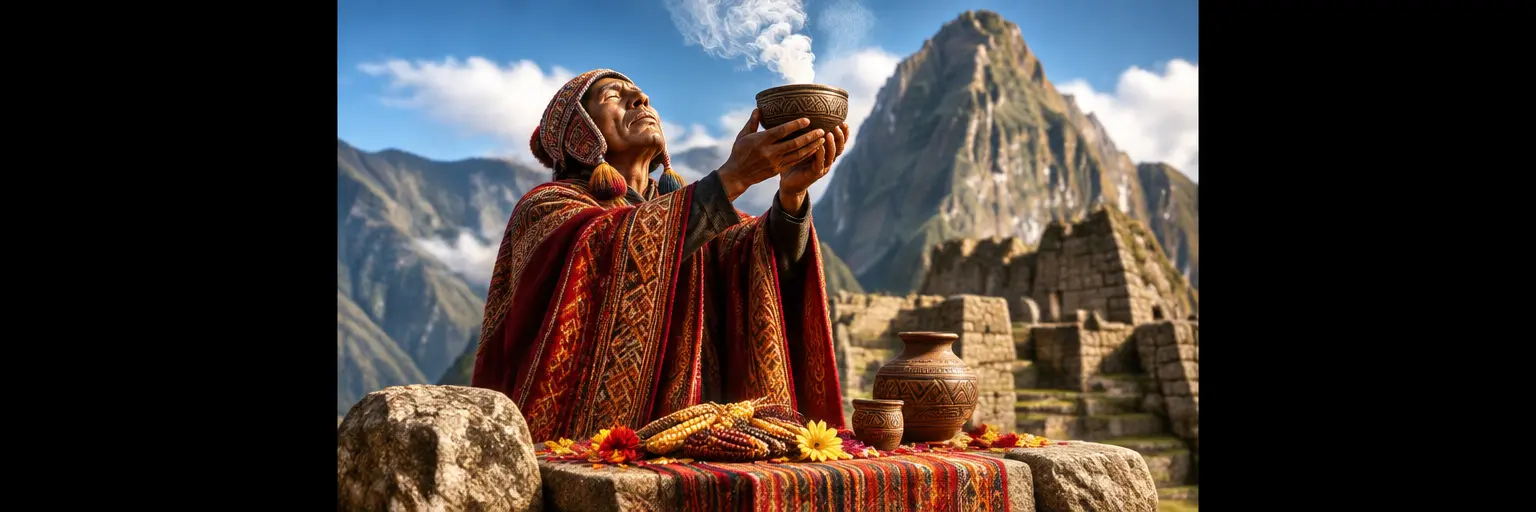
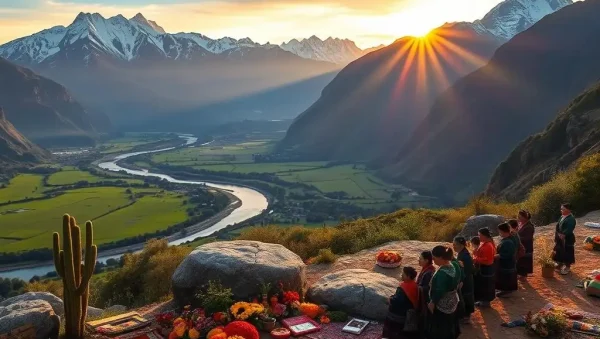
Central to Andean religious life is the veneration of Apus (mountain spirits) and Pachamama (Mother Earth). These forces were not distant gods but active participants in daily existence, controlling weather, harvests, and human fate. Rituals often involved offerings of coca leaves, maize beer (chicha), and even sacrificial llamas, performed at high-altitude shrines like Mount Ausangate to ensure fertility and protection.
Visitors to this section will learn how the Inca built usnu platforms and carved rock shrines (huacas) to harness these energies. The cyclical calendar dictated when communities made offerings, aligning with solstices and planting seasons. Understanding this landscape-based spirituality is key to grasping why the Inca saw their empire as a sacred, living organism, not merely a political entity.
🌌 Cosmology and the Celestial Order
The Andean cosmos operated on a principle of reciprocity (ayni) between humans, nature, and the divine. The sky was a mirror of the earth: the Milky Way (Mayu) was seen as a celestial river, and dark cloud constellations—like the Yacana llama—guided agricultural cycles. Priests (willaq umu) tracked the sun, moon, and stars to predict weather and schedule festivals, blending astronomy with theology.
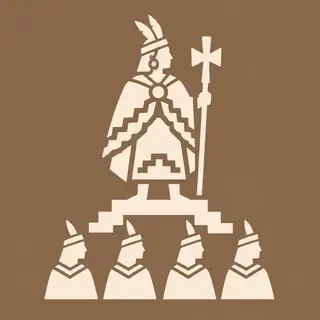
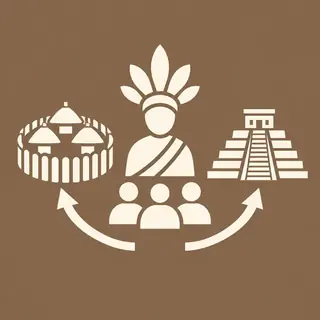
This subsection explains how the Inca divided the heavens into four quarters (suyus) that mirrored their empire’s administrative structure. Solar worship, particularly of Inti, was reserved for the elite, while commoners honored local deities. By decoding these celestial maps, you’ll see how religious observances were not passive but strategic tools for political cohesion and resource management across vast territories.
🦙 Ritual Practices and Offerings
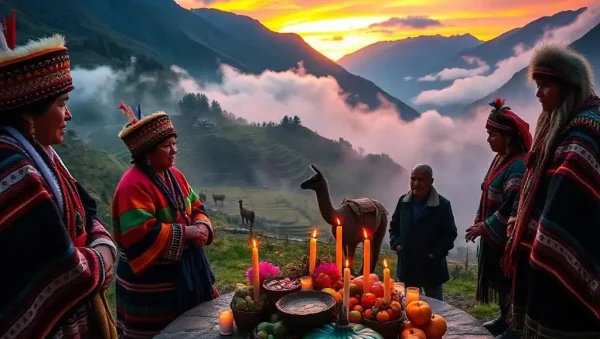
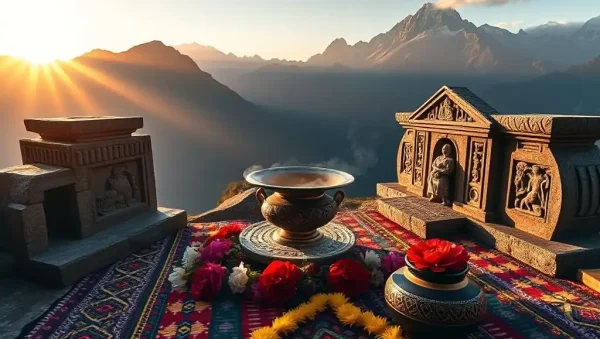
Andean rituals were highly sensory and structured, involving music, dance, and hallucinogenic plants like San Pedro cactus for shamanic visions. The Capacocha ceremony, the empire’s most solemn rite, involved the sacrifice of specially chosen children, who were considered to become messengers to the gods. More common were despachos—burned offerings of food, textiles, and shells—conducted by local priests or family heads.
Here, readers will uncover the materials, chants, and symbolic colors used in these rites, from white maize for peace to red for warfare. The role of chicha as a sacred beverage and the use of khipu (knotted cords) to record ritual inventories are highlighted. These practices reveal a religion that was pragmatic, adaptive, and deeply embedded in everyday survival, not exotic but logical within its worldview.
🏛️ Temples and Sacred Centers
Monumental architecture functioned as cosmic theaters. Coricancha in Cusco, the "Golden Enclosure," was the empire’s spiritual axis, housing shrines to Inti, Quilla (moon), and Illapa (thunder). The Qorikancha’s walls, once covered in gold, reflected solar rays to symbolize divine presence. Similarly, Machu Picchu served not only as a royal estate but as a pilgrimage site tied to mountain worship and astronomical alignments.
This section tours key sacred sites—from Tiwanaku’s Gateway of the Sun to Chavín de Huántar’s underground galleries—explaining their alignment with solstices and water sources. Learn how the Inca repurposed earlier holy places, absorbing local deities into their pantheon. This architectural reverence underscores that for Andeans, worship was a spatial, physical act connecting the empire's center to its farthest provinces.
🕊️ Syncretism and Enduring Legacy
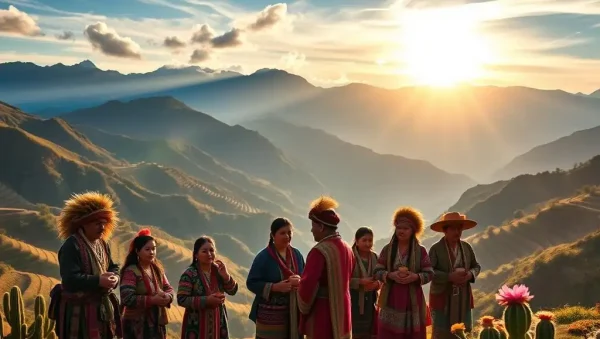
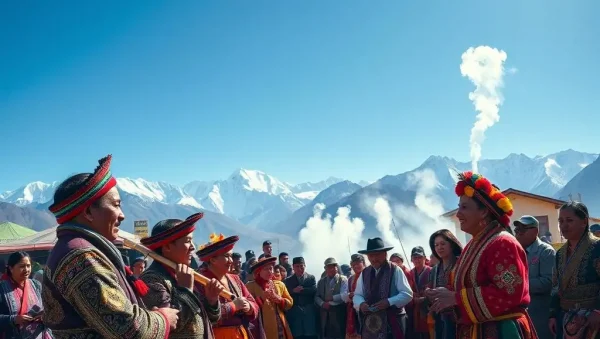
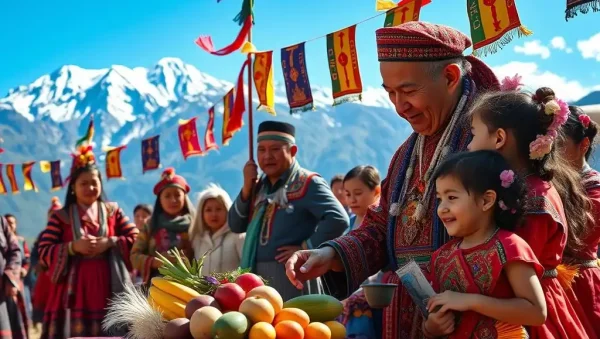
After the Spanish conquest, Andean religion did not vanish; it merged with Catholicism, creating vibrant hybrid traditions. Today’s festivals like Qoyllur Rit’i blend pilgrimages to Christ with glacier worship, while Pachamama rituals accompany Christian saints’ days. The coca leaf, once sacred, remains a mediator in offerings and social bonds, despite centuries of suppression.
This final facet explores how contemporary Indigenous communities preserve these practices as living heritage, resisting colonial erasure. You’ll see how Andean cosmology influences modern environmentalism, with debates over mining and water rights framed through the language of sacred land. Understanding this resilience is vital for appreciating how pre-Columbian beliefs continue to shape identity, politics, and spirituality in the Andes today.
Frequently Asked Questions
What is the main difference between Andean and European religious beliefs?
Andean religion is immanent—divine forces reside in nature, mountains, and ancestors—whereas European Christianity is largely transcendent, with God outside the world. Andeans practiced reciprocity, not sin-based morality, offering gifts to maintain cosmic balance rather than seeking salvation.
Why did the Inca sacrifice children in Capacocha?
Capacocha was a royal state ritual to ensure fertility, health, and imperial stability. Chosen children, often noble-born, were considered pure and became divine messengers. Their self-offering was seen as the highest honor, ensuring the sun god’s favor for the entire empire.
Are Andean religious practices still performed today?
Yes, millions in Peru, Bolivia, and Ecuador practice syncretic rituals, combining Catholic saints with Pachamama and Apu worship. Ceremonies like Despacho offerings and Inti Raymi are celebrated publicly, often led by Indigenous priests or local elders.
What role did coca leaves play in Andean religion?
Coca leaves were sacred, used for divination, offerings, and ritual chewing to mediate with spirits. They enabled communication with the divine and were essential in virtually every ceremony, from household blessings to imperial coronations.
How did the Spanish suppress Andean religion?
The Spanish destroyed temples, banned huacas and public rituals, and forced conversion to Catholicism. However, they often failed to eliminate practices, which survived covertly by mixing with Christian festivals, leading to the rich syncretism seen today.