Explore Ceremonial Practices of Indigenous Civilizations
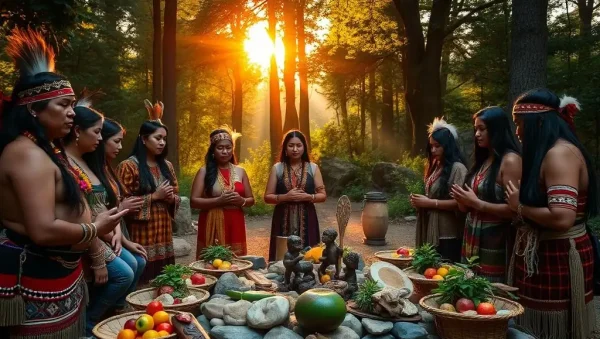
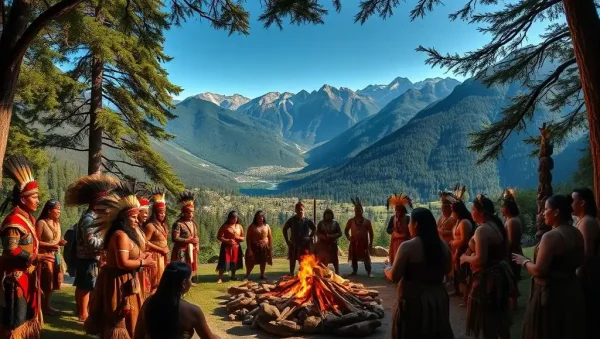
Ceremonial practices were the spiritual heartbeat of Indigenous civilizations across the Americas, weaving together cosmology, agriculture, politics, and daily life. From the sun-drenched plazas of the Maya to the snowy peaks of the Andes, these rituals honored deities, marked seasonal cycles, and reinforced social order. This subcategory delves into the rich tapestry of rites, offerings, and sacred performances that sustained these cultures. You’ll uncover how ceremonies were not mere spectacle but essential tools for survival, healing, and communal identity, offering profound insights into worldviews that still resonate today.
🌞 Seasonal Festivals and Agricultural Rites
Seasonal festivals aligned with solstices, equinoxes, and planting/harvest cycles were crucial for Indigenous societies. The Aztec’s Toxcatl honored Tezcatlipoca during the dry season, while the Inca’s Inti Raymi celebrated the winter solstice with sacrifices to the Sun God. These events ensured cosmic balance and agricultural fertility, often featuring processions, feasting, and ritual games. Expect to learn how communities predicted eclipses, built observatories like Caracol, and used ceremonial calendars to synchronize labor and tribute. The rites also reinforced social hierarchies, as rulers mediated between gods and people, legitimizing their authority through divine association.
Beyond practical agriculture, these ceremonies embodied a reciprocal relationship with nature. The Maya performed Cha Chaac rain ceremonies during droughts, invoking the rain god with offerings of maize and incense. In the Andes, the Capacocha involved child sacrifices at high altitudes to appease mountain deities, reflecting a belief in sacred landscapes. By exploring these practices, you’ll see how environmental knowledge, spirituality, and statecraft were inseparable, creating resilient communities that adapted to erratic climates. Such rites also served as social glue, uniting distant villages through shared festivals and trade, ensuring cultural continuity across vast empires.
🌿 Shamanism, Healing, and Vision Quests
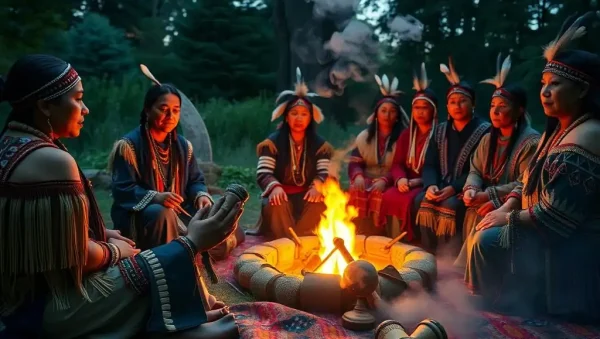
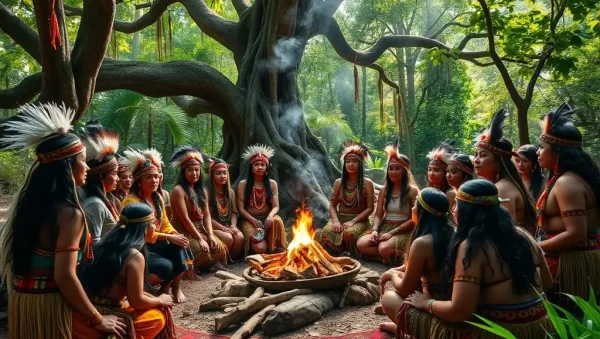
Shamanism formed the core of personal and communal healing, with practitioners acting as intermediaries between the human and spirit worlds. The Mapuche machi used herbal remedies, drumming, and trance states to cure illnesses, while Amazonian shamans consumed ayahuasca for visionary insights. Expect to discover how these rituals employed psychotropic plants, music, and dance to access altered consciousness, addressing psychological and spiritual ailments. Vision quests, common among Plains tribes, involved fasting and solitude to seek guardian spirits, guiding life decisions and warfare. These practices were not superstition but sophisticated psychological and ecological systems, preserving pharmacopeias and oral traditions.
Healing ceremonies also reinforced community bonds, as illness was often viewed as social or spiritual imbalance. The Aztec ticitl combined prayer, massage, and ritual cleansing, while the Inca used coca leaves and llama sacrifices in divination. Shamanic training involved years of apprenticeship, learning songs, medicinal plants, and symbolic narratives. By studying these practices, you’ll appreciate the holistic approach to health that integrated body, mind, environment, and ancestors. Moreover, shamans often acted as political advisors, maintaining moral order and resolving conflicts, proving that ceremonial healing was a cornerstone of governance and social stability.
🔥 Rites of Passage: Birth, Initiation, and Death
Life-cycle ceremonies marked crucial transitions, embedding individuals within the social fabric. Birth rituals among the Inca included bathing infants in cold water and offering sacrifices for their future. Initiation rites, like the Aztec’s telpochcalli graduation, involved bloodletting and endurance tests to confer adulthood. Expect to explore how these rites instilled gender roles, warrior ethos, and civic duties, using symbolic costumes, scarification, and seclusion. Death practices were equally elaborate, from Maya royal burials in jade masks to the Inca’s mummification of emperors, who were venerated as ancestors. These ceremonies ensured a smooth passage to the afterlife while reinforcing lineage and property rights.
Death rituals also served political and economic purposes. The Aztec Miccailhuitontli honored deceased children, while the Day of the Dead evolved from Indigenous traditions that celebrated skulls and marigolds. In the Andes, huacas (sacred shrines) housed mummies that were consulted for advice, effectively making the dead co-rulers. By analyzing burial goods, offerings, and tomb architecture, scholars reconstruct social stratification and cosmologies. These rites balanced grief with renewal, using food, music, and tequila to maintain connection with the departed, demonstrating how ceremonial practices underpinned family memory and historical continuity.
🎭 Music, Dance, and Ritual Drama
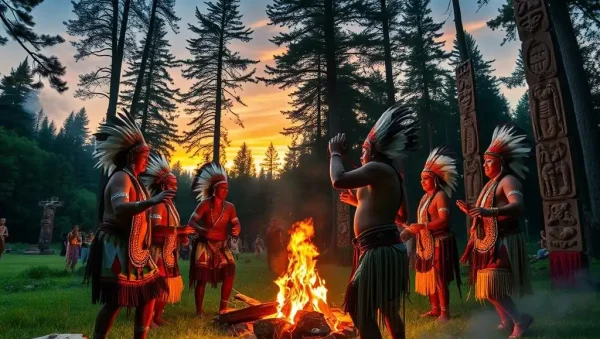
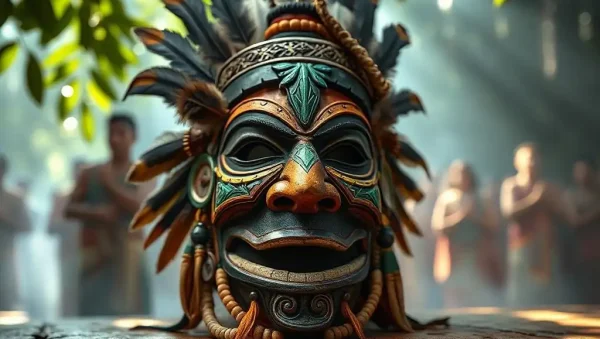
Music and dance were not entertainment but sacred languages that invoked deities and told creation stories. The Maya used tun drums, shell trumpets, and rattles during ceremonies, while the Aztec employed teponaztli and huehuetl drums to accompany dancers adorned with feathers and bells. Expect to learn about ritual theater, such as the Pachamama dances of the Andes or the volador “flying pole” rite, where performers descended on ropes to honor the sun. These performances followed strict choreography, often lasting hours, creating trance-like states that united participants and spectators. The symbolism extended to bodily movements mimicking animals or celestial motions, reflecting a deep understanding of natural rhythms.
Ceremonial music also encoded astronomical knowledge, with rhythms matching lunar cycles or agricultural schedules. Instruments were often considered living entities, consecrated through fasting and offerings. The Maya codices include songs and rituals for human sacrifice, while Aztec cuicatl (song-poems) blended poetry, history, and prayer. Dance served as a medium for social commentary, subtly critiquing rulers or reinforcing myths. By preserving these traditions in modern festivals, Indigenous communities maintain cultural resilience, adapting ancient steps to contemporary identities. This subcategory reveals how aesthetic expression was a conduit for religious experience and political propaganda.
🏛️ Temples, Altars, and Sacred Offerings
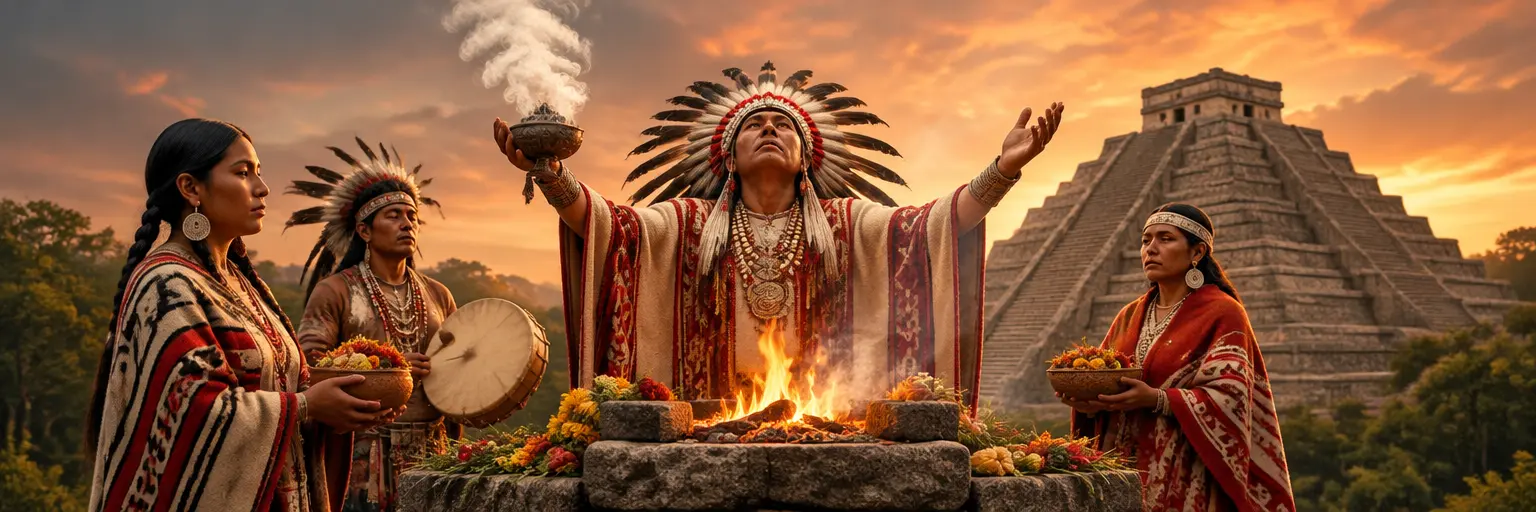
Temples and altars were architectural manifestations of celestial order, designed to channel divine energy. The Maya built step-pyramids aligned with cardinal points, while the Inca constructed Qorikancha, the “Temple of the Sun,” with golden walls and stone gardens. Expect to explore how these structures featured sacsays (ceremonial plazas), observatories, and underground chambers for burial. Offerings ranged from simple maize and coca to elaborate sacrifices of animals, gold, and even humans. The Aztec Huey Teocalli housed statues of Huitzilopochtli, receiving daily blood offerings to sustain the cosmic war. Rituals often involved processions from cities to mountain shrines, marking territorial boundaries and pilgrimage routes.
Offerings were meticulously prepared, with specific colors, sizes, and times dictated by calendars. The Inca’s chicha (corn beer) was poured on altars, while the Maya used balche and rubber balls in sacred games. Altars served as thresholds between worlds, elaborately decorated with flowers, bones, and mirrors. Axis mundi concepts placed temples at the center of the universe, connecting underworld, earth, and sky. By examining archaeological evidence of burnt offerings and votive deposits, you’ll understand how material culture expressed theological concepts. These practices also facilitated redistribution, as tribute goods were ritually consumed, reinforcing economic ties and reciprocity among classes.
Frequently Asked Questions
What is the significance of human sacrifice in ceremonial practices?
Human sacrifice, practiced by the Aztec, Maya, and Inca, was believed to nourish gods, maintain cosmic order, and ensure agricultural fertility. Victims were often prisoners of war or volunteers, seen as honored messengers. The ritual involved heart extraction, decapitation, or drowning, with blood used to consecrate temples. It also served political intimidation, demonstrating state power and divine favor, though its frequency is debated among scholars.
How did Indigenous calendars influence ceremonial timing?
Calendars like the Maya Haab (365 days) and Tzolk’in (260 days) synchronized civil and religious events. Priests tracked solstices, equinoxes, and venus cycles to schedule festivals, ensuring alignment with agricultural and astronomical phenomena. The Inca used quipus (knot records) for calendrical calculations. Errors were corrected through careful observation, demonstrating sophisticated mathematical and astronomical knowledge.
Were ceremonial practices uniform across Indigenous civilizations?
No, they varied significantly due to ecology, language, and history. For example, Amazonian groups emphasized shamanic plants, while Andean cultures focused on mountain worship and mummies. Even within empires, local deities and rites were incorporated via syncretism. However, shared themes like solar veneration, purification, and ancestor reverence appear across regions, indicating common ancestral roots and trade-driven diffusion.
Are any traditional ceremonies still practiced today?
Yes, many Indigenous communities preserve adapted ceremonies. The Maya perform Cha Chaac in Yucatán, the Quechua celebrate Inti Raymi in Cusco, and Aztec diaspora groups hold conchero dances. These practices blend Catholic elements, as seen in the Day of the Dead, yet retain core Indigenous beliefs. They serve as cultural resistance, identity affirmation, and tourism attractions, although some sacred aspects remain private.
What role did gender play in ceremonial leadership?
Gender roles were often complementary, not equal. Men typically dominated high priestly roles, warfare sacrifices, and solar rites, while women served as priestesses for fertility, healing, and household rituals. The Inca had acllas, “chosen women,” who wove sacred textiles and brewed chicha for ceremonies. Some societies, like the Maya, had female rulers who performed bloodletting, while Amazonian shamans could be any gender, reflecting flexible spiritual authority.