Exploring Comparative Political Structures in Indigenous Civilizations
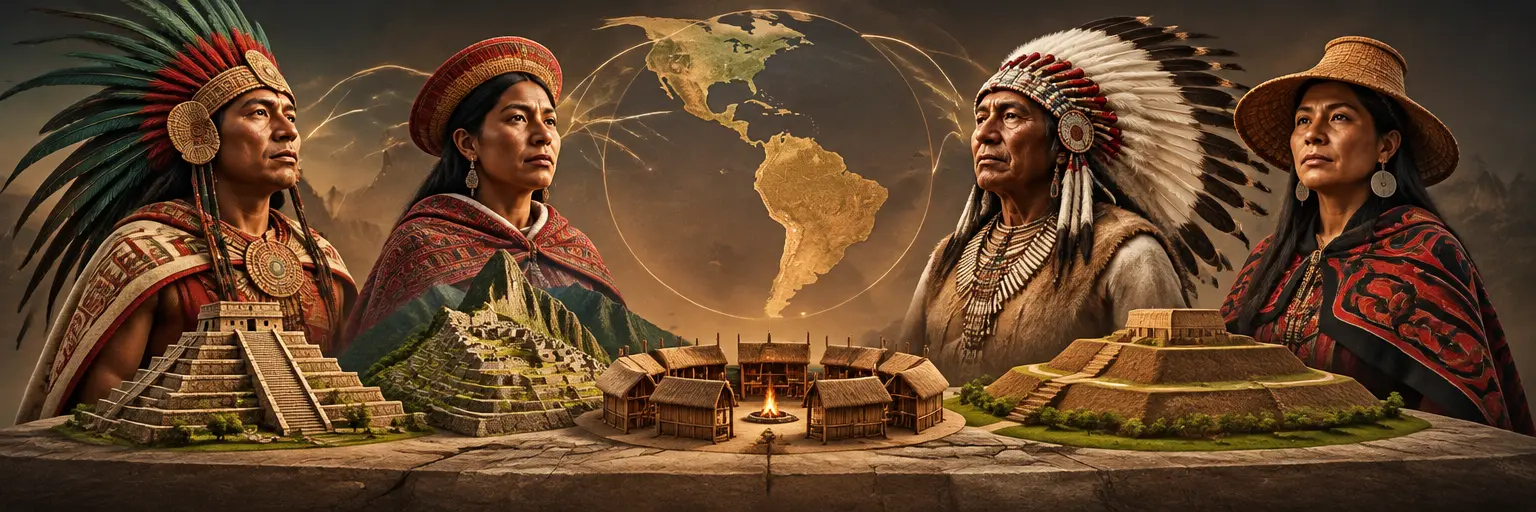
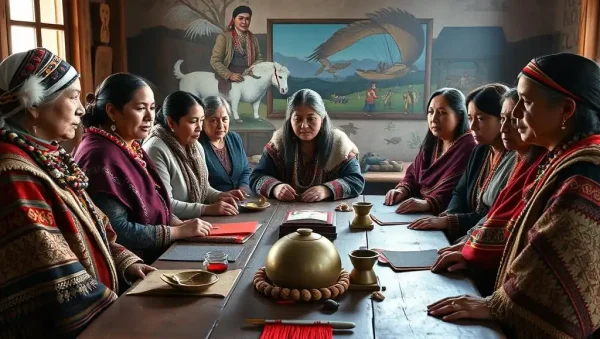
Understand how the Aztec, Inca, Maya, Iroquois, and other indigenous nations organized power, governance, and law—without the centralized European models. This subcategory dives into the sophisticated, often federated, and consensus-based political systems that shaped pre-Columbian America, offering insights for historians, political scientists, and cultural enthusiasts.
🏛️ Centralized Empires vs. Decentralized Confederacies
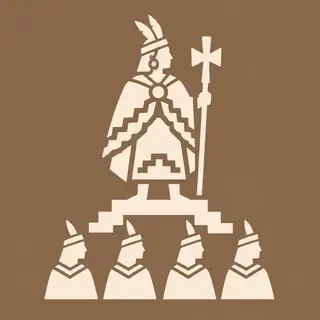
Here, we contrast the highly centralized empires of the Aztec (Triple Alliance) and Inca (Tawantinsuyu) with the decentralized, council-driven confederacies like the Iroquois (Haudenosaunee) and the Maya city-states. You’ll learn how resource extraction, tribute networks, and divine kingship enabled massive territorial control, while other societies favored clan-based autonomy and rotative leadership to avoid tyranny.
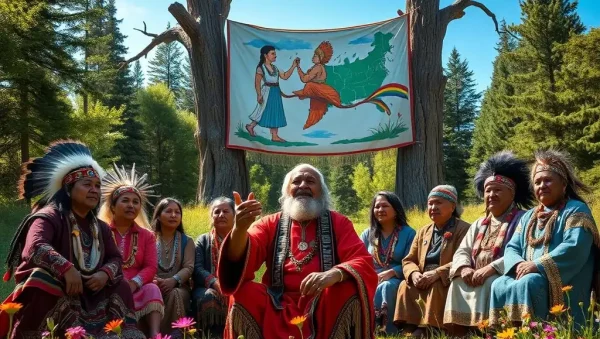
The Inca used a quipu record-keeping system to manage provinces, while the Aztec relied on military conquest and tribute lists. In contrast, the Iroquois Grand Council operated on consensus decision-making, with women’s clan mothers wielding veto power. Understanding these differences helps dispel the myth that all indigenous governance was either primitive or despotic—it was adaptive, sophisticated, and deeply tied to cosmology.
⚖️ Legal Systems, Justice, and Social Contracts
This segment examines how laws were codified, enforced, and interpreted. The Inca emperor’s “Do not steal, do not lie, do not be lazy” was a moral code backed by state coercion, whereas Maya rulers often decreed laws based on astronomical cycles. Meanwhile, Iroquois Gayanashagowa (Great Law of Peace) provided a constitutional framework that modern scholars compare to federalism—protecting individual rights while binding nations together.
You’ll explore how justice was restorative rather than punitive in many societies, with communal labor or exile as penalties. The Aztec legal system had specialist judges and appeals courts, proving that judicial complexity existed outside European influence. This section is critical for SEO queries like “indigenous law codes” and “pre-Columbian justice systems.”
🌐 Diplomacy, Alliances, and Interstate Relations
Discover how indigenous polities conducted foreign policy: through marriage alliances, trade pacts, and ritual warfare. The Aztec Flower Wars were a diplomatic tool to capture prisoners for sacrifice while avoiding full-scale devastation. The Maya city-states formed shifting leagues, and the Inca expanded via negotiated incorporation, offering local elites positions in the imperial bureaucracy.
The Iroquois established the Great League of Peace to end intertribal warfare, influencing later U.S. federal ideas. This content targets long-tail keywords like “indigenous diplomacy” and “pre-colonial treaties.” You’ll see that diplomatic immunity and envoy protection were common practices, showcasing a nuanced international system beyond simple conquest.
👑 Leadership Roles: Kings, Councils, and Women’s Authority
This section details the varied leadership models—from the divine male ruler (Sapa Inca, Maya ajaw) to the dual leadership of the Aztec (tlatoani and cihuacoatl) and the democratic councils of the Powhatan Confederacy. Uniquely, many societies integrated female authority: among the Iroquois, clan mothers selected and could depose male chiefs, while the Inca had qoyas (queens) with economic roles.
We explain succession rituals, merit-based promotions for warriors, and the role of shamans as political advisors. This is prime content for keywords like “female leadership in indigenous societies” and “hereditary vs. elective chieftainship.” Recognize that political power was never monolithic—it was negotiated, spiritual, and often constrained by ritual taboos.
🛡️ Military Organization and Governance Integration
Learn how military structures influenced governance. The Aztec had elite warrior societies (Eagle and Jaguar) with political privileges, while Inca armies doubled as labor teams for public works. The Maya used warfare for dynastic legitimization, and the Iroquois confederacy was a peace league that nonetheless launched punitive expeditions—showing that military force was tightly integrated with civic identity.
This content answers queries like “indigenous military hierarchy” and “war and state formation.” You’ll explore how conscription, veteran councils, and war chiefs fit into broader administrative systems, proving that warfare was not chaos but a regulatory mechanism for population control and resource access.
Frequently Asked Questions
What is a comparative political structure in indigenous contexts?
It compares how different Native American societies organized governance—from centralized empires with bureaucracies to federations with council-based rule. It examines leadership, law, diplomacy, and military integration, highlighting that these systems were varied, adaptive, and often more participatory than European contemporaries.
Did indigenous civilizations have written constitutions?
Most relied on oral tradition and ritual codification. However, the Iroquois Gayanashagowa was a formal, memorized constitutional framework passed down orally, with specific clans as keepers. The Inca used quipus as mnemonic devices for administrative laws, but no written text like modern constitutions existed—order was maintained through custom and spiritual sanction.
How did indigenous political systems handle dissent or rebellion?
Methods varied: the Inca imposed resettlement and cultural assimilation, while the Aztec used punitive tribute increases. The Iroquois allowed constituent nations to leave the league under strict procedures. Many societies practiced exile or ritual humiliation over execution, emphasizing reintegration and communal harmony over retribution.
What role did religion play in political legitimacy?
Almost universally, rulers were considered divine or semi-divine. The Sapa Inca was the “Son of the Sun,” the Aztec tlatoani was a living god, and the Maya kings performed bloodletting rituals to communicate with ancestors. Priests often held veto power over state decisions, making religion inseparable from political authority.
Are there modern descendants of these political structures?
Yes. The Haudenosaunee Confederacy still operates its Grand Council, influencing modern indigenous rights movements. Andean ayllu communal governance persists in Bolivia and Peru. Many Latin American nations recognize indigenous customary law, proving these structures are not just historical—they remain living political systems.