Dance and Performing Arts in Indigenous Civilizations of the Americas
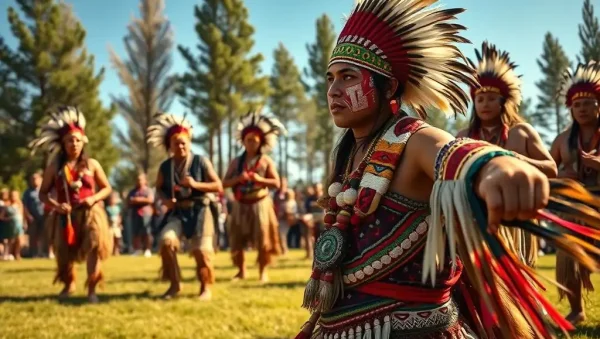
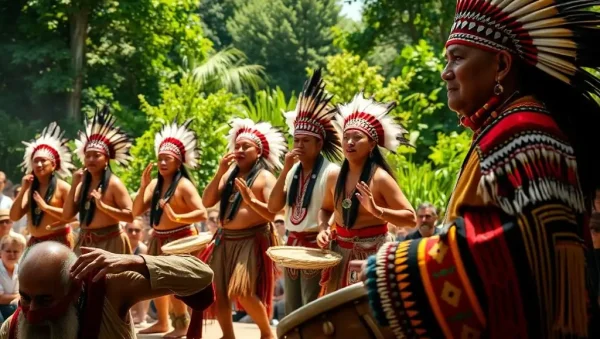
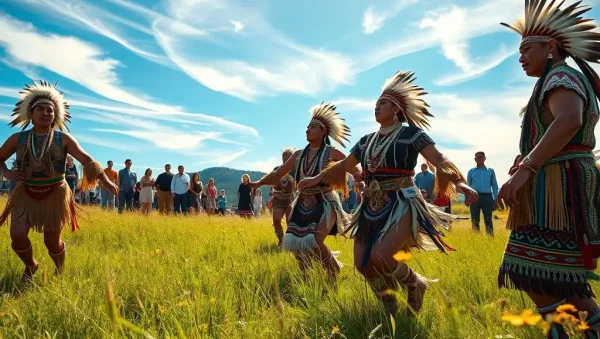
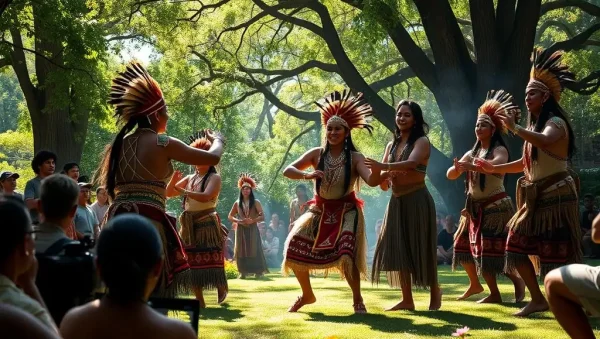
Dance and performing arts were not mere entertainment for Indigenous civilizations of the Americas—they were sacred languages, historical archives, and living connections to the spiritual world. From the Aztec ritual dances in Tenochtitlan to the Inca’s sun ceremonies in Cusco and the complex storytelling of the Maya, these performances encoded cosmology, agricultural cycles, and social hierarchy. This subcategory explores how movement, music, and theatrical expression shaped identity, politics, and resilience across pre-Columbian societies, offering an immersive lens into their enduring cultural legacy.
🪘 Ritual and Ceremonial Dances
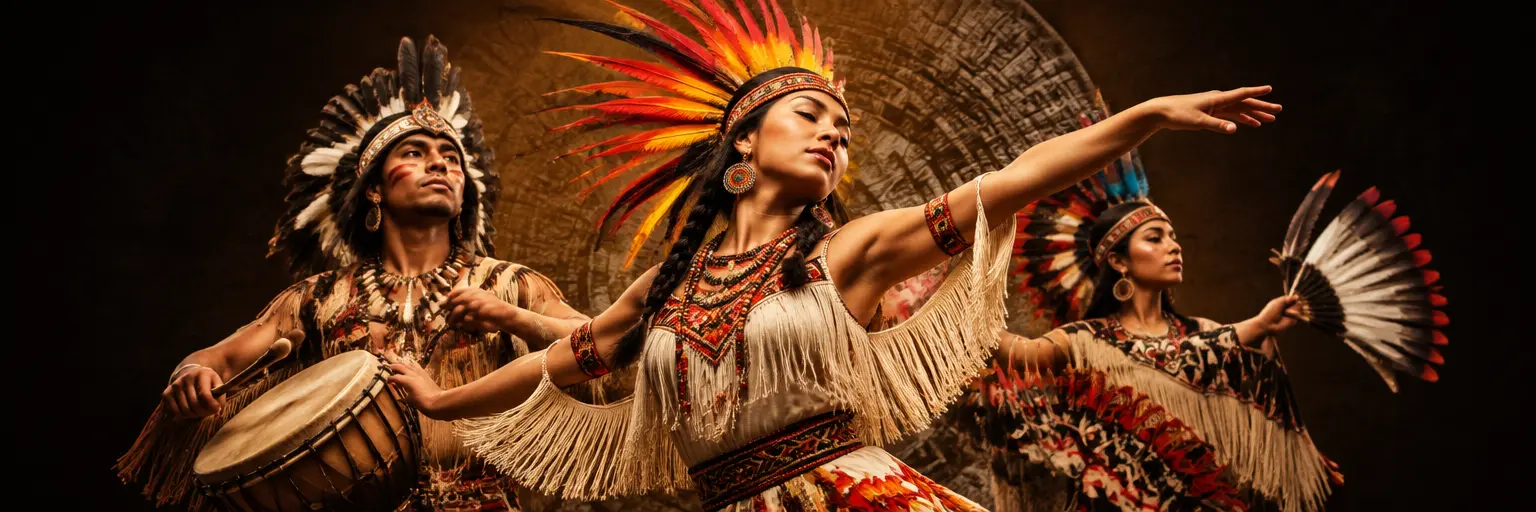
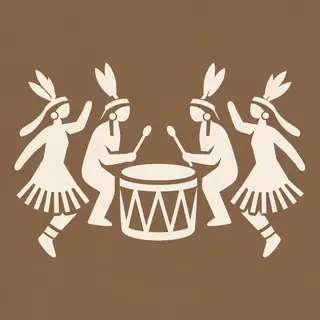
Ritual dances were the heartbeat of indigenous religious life, performed to honor deities, ensure harvests, and mark cosmic events. The Aztecs executed the mitotiliztli, a circular dance synced with drum rhythms, while the Inca performed the Qhapaq Raymi solstice rituals with masked dancers representing celestial forces. These performances were not optional but obligatory—failing to dance correctly could offend the gods, disrupting natural order.
Expect to learn how movement mapped celestial calendars, with steps mirroring planetary orbits, and how specific colors, feathers, and body paint transformed dancers into living embodiments of spirits. The music—often wooden flutes, shell trumpets, and skin drums—was composed to induce trance states, blurring the line between performer and deity. This section also reveals how burial sites and codices preserve these choreographies, allowing modern scholars to reconstruct ancient rhythms that still echo in contemporary indigenous festivals.
🦚 Theatrical Storytelling and Mythological Reenactments
Performing arts doubled as oral libraries, with dramatic reenactments of creation myths, heroic epics, and historical battles. The Maya staged the Popol Vuh narrative through masked actors, while the Aztecs performed Netotiliztli—theatrical dialogues merging song, dance, and poetry that narrated the fall of Tollan or the birth of Huitzilopochtli.
These productions used elaborate wooden stages, sometimes temporary platforms in plazas, with puppets and giant effigies. The performers, often priests or elite youths, underwent ritual purification before stepping into roles. Expect insights into how these performances functioned as political propaganda—legitimizing rulers by linking them to mythic ancestors. Additionally, this section explores how the arrival of Spanish chroniclers documented these events, sometimes misunderstanding them as mere idolatry, yet inadvertently preserving scripts, costumes, and staging instructions that reveal a sophisticated theatrical tradition rivaling classical Greece.
🎵 Music, Instruments, and Rhythmic Foundations
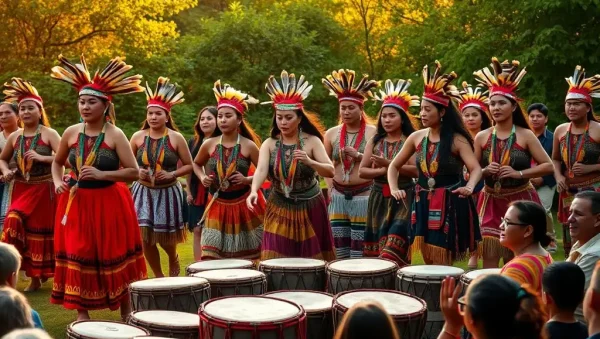
Music was inseparable from dance, providing the structural grid for every movement. Indigenous civilizations developed a vast array of instruments—the Andean quena flute, the Mesoamerican huehuetl drum, the Amazonian maraca, and the conch shell trumpet called pututu. Each instrument had spiritual associations; for instance, drum beats represented the heartbeat of the earth or the pulse of a sacrificial offering.
Here, you’ll discover how acoustic engineering was used in temples—like Chichen Itza’s pyramid, where a handclap produces the sound of the Quetzal bird, a sacred creature. Musical scales varied regionally, with the Maya using pentatonic systems while the Inca employed hemitonic pentaphonic structures. This section also examines how rhythms dictated communal cohesion, as entire villages danced in formation for hours, creating social bonds that reinforced political unity. You’ll find explorations of surviving notation systems, such as the Aztec Cuicamatl song books, which allowed precise transmission across generations.
👑 Social Hierarchies and Gender Roles in Performance
Who could dance, what they wore, and where they performed revealed deep social stratification. Among the Inca, aqllas—chosen women—performed sacred dances in the Temple of the Sun, while Aztec noble youths trained in calmecac schools for elite performances. Commoners participated in wide communal dances but were barred from wearing jaguar skins or quetzal feathers, reserved solely for royalty.
Gender roles were fluid yet codified: some dances were exclusively male, others female, and a few allowed cross-dressing to honor dual-gender deities like Ometeotl. Expect to learn how these performances reinforced class boundaries but also provided rare moments of social inversion—during certain festivals, slaves could dance beside nobles, mocking them without punishment. This section explores archaeological evidence from costume remnants and mural paintings, showing how performance spaces like the Aztec teotlalli were designed to amplify status differences through elevated platforms. Additionally, you’ll examine how colonial records misread these gendered practices, but modern indigenous communities still maintain distinct dance traditions, adapting them to contemporary social justice movements.
🏆 Legacy and Modern Revival in Indigenous Communities
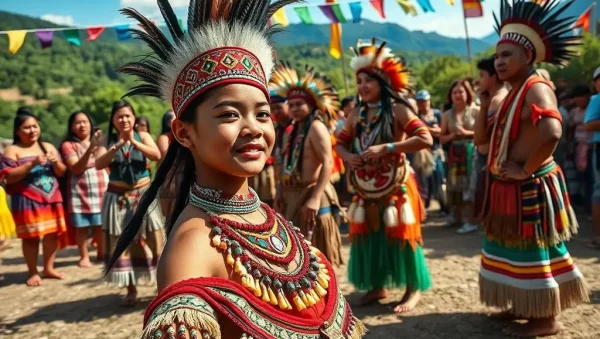
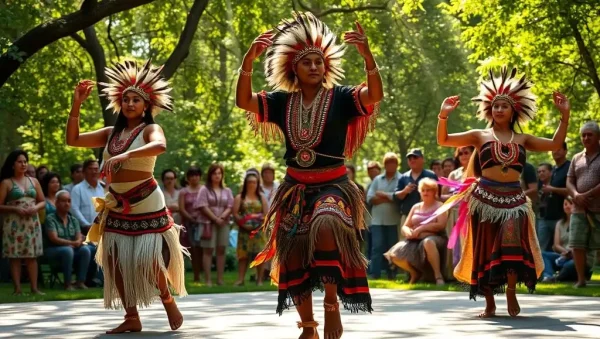
Today, thousands of indigenous communities across the Americas perform dances directly descended from pre-Columbian traditions, often blended with colonial influences. The Maya’s Palo Volador flyers still descend from tall poles in Guatemala, while the Inca’s Chuño harvest dance persists in the Andean highlands. These performances are not static fossils—they have evolved to address modern issues, including land rights and cultural preservation.
This section highlights how UNESCO has recognized several such performances—like the Danza de los Voladores and the Yaqui Easter dances—as Intangible Cultural Heritage. You’ll explore contemporary dance troupes that mix ancient steps with modern choreography, and how digital platforms now archive ritual knowledge to protect against erosion. Expect case studies of communities in Mexico, Peru, and Guatemala using performance as resistance against mining projects or political marginalization. This section also provides resources for immersive tourism, but stresses ethical engagement—ensuring visitors respect sacred protocols. Ultimately, you’ll see how dance remains a living bridge between ancient thought and present-day indigenous agency, strengthening communal identity for future generations.
Frequently Asked Questions
What was the primary purpose of dance in indigenous civilizations?
Dance served as a multidimensional tool—religious worship, historical memory, social cohesion, and political legitimation. It was believed to communicate with deities, influence weather, and reenact creation. Unlike modern entertainment, it was often obligatory for community members, reinforcing cosmic order and shared identity through synchronized movement and ritual music.
Are there surviving written records of these dances?
Yes, but limited. Aztec codices like the Florentine Codex describe dance steps and songs. The Maya left hieroglyphic inscriptions referencing performances, while Inca khipus may encode some musical patterns. Spanish chroniclers, such as Sahagún and Guamán Poma, provided detailed sketches and accounts. However, much knowledge was lost due to colonization, leaving reconstruction reliant on archaeology and oral traditions.
How were performers selected and trained?
Training often began in childhood. Among the Aztecs, noble children entered calmecac schools, while commoners attended telpochcalli for basic dance training. Inca selected girls as aqllas for temple service. Performers underwent fasting and purification before major ceremonies. Skill was considered a divine gift, but rigorous rehearsals ensured precision, as errors were thought to bring calamities.
Did indigenous dances survive European colonization?
Many were suppressed or transformed. Catholic missionaries often replaced sacred dances with Christian pageants, but indigenous communities secretly preserved core elements—like the Matachines dance, which blends Spanish and Indigenous steps. Some dances, like the Maya’s Rabinal Achí, survived nearly unchanged due to remote locations. Today, hundreds of communities practice authentic forms, adapting them to modern contexts.
Can visitors participate in these dances today?
In some communities, yes, but with strict protocols. Festivals like the Guelaguetza in Mexico or the Qoyllur Rit’i in Peru welcome respectful observers, and occasional dances invite public participation. However, many sacred dances remain restricted to initiated members. Always ask permission, avoid photographing during rituals, and follow local guidelines to honor cultural integrity.