Festivals and Social Events in Indigenous Civilizations of the Americas
Explore the vibrant tapestry of communal life among Native American, Mesoamerican, and Andean societies, where festivals were not mere entertainment but sacred calendars of agriculture, cosmology, and social cohesion. This subcategory uncovers how ritual dances, feasts, and ceremonial games reinforced identity, honored deities, and marked seasonal transitions, offering a window into the spiritual and civic heart of these civilizations.
🌽 Agricultural and Seasonal Celebrations
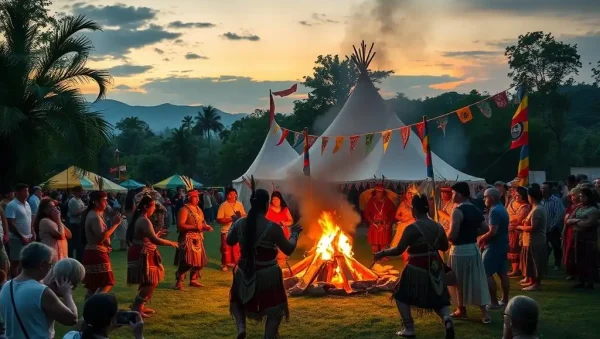
Agricultural festivals anchored indigenous calendars, tying survival to celestial cycles and gratitude. The Aztec Huey Tozoztli honored maize deities with offerings of young corn, while the Inca Inti Raymi celebrated the winter solstice with solar worship and llama sacrifices. These events were communal obligations, not optional gatherings, where every household contributed produce, labor, or ritual items.
Expect detailed narratives about planting and harvest rites, including the Maya Cha’a Chaak rain ceremonies and the Hopi Niman Kachina farewell dance. You’ll learn how these festivals synchronized agricultural work, redistributed surplus, and invoked supernatural favor—essential for societal stability in regions prone to drought or frost.
🎭 Ritual Dance, Music, and Costume
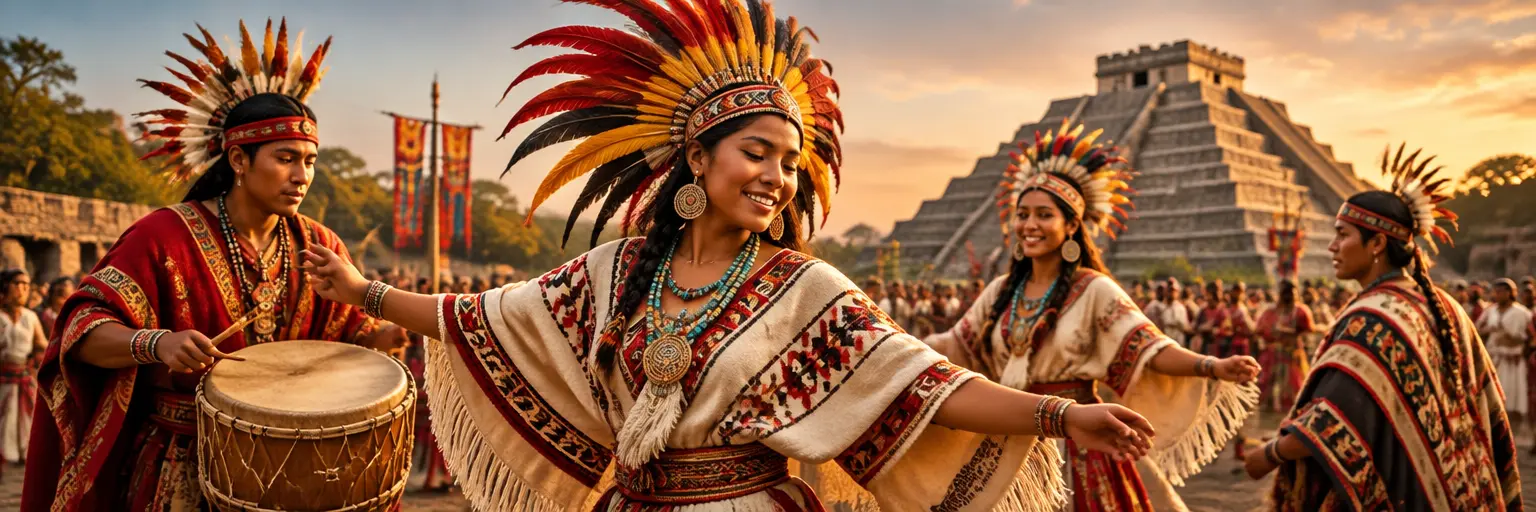
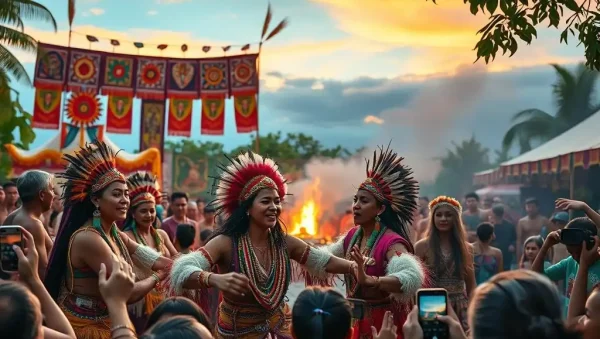
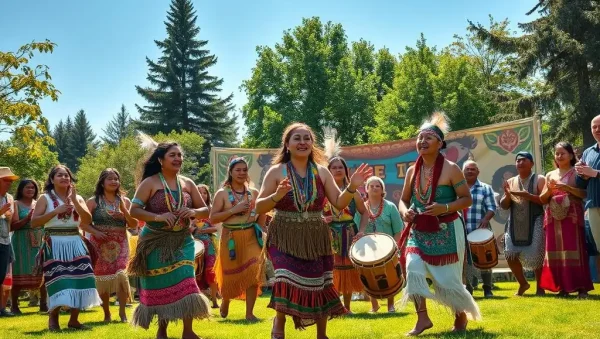
Dance and music were the language of the sacred, transforming performers into deities or ancestors. The Aztec Danza del Sol involved hundreds of synchronized steps, while Andean Qoyllur Rit’i blended Inca and Catholic elements into a pilgrimage of masked dancers. Costumes—feathered headdresses, jaguar skins, shell ornaments—encoded rank and cosmological meaning.
Dive into descriptions of instruments like the teponaztli slit drum and antara panpipes, alongside choreographic patterns that reflected cosmic cycles. Discover how each gesture, color, and rhythm was believed to sustain the universe, turning social events into living temples of movement that bound participants to their heritage.
🏹 Games, Sport, and Competitive Rites
Ball games transcended sport, serving as ritual warfare and divination. The Mesoamerican ollamaliztli played in stone courts, sometimes ending with human sacrifice, while the Inca Ch’aska involved racing and wrestling to honor the sun. These events fostered inter-community alliances, trained warriors, and adjudicated disputes without war.
Learn about the rules, rubber ball symbolism, and social strata of players—commoners could compete beside nobles, but victory carried spiritual weight. The patolli board game, played with beans, mirrored cosmic journeys, while athletic contests on Andean ushnu platforms doubled as state propaganda, showcasing physical fitness as divine favor.
🍲 Feasting and Social Hierarchy
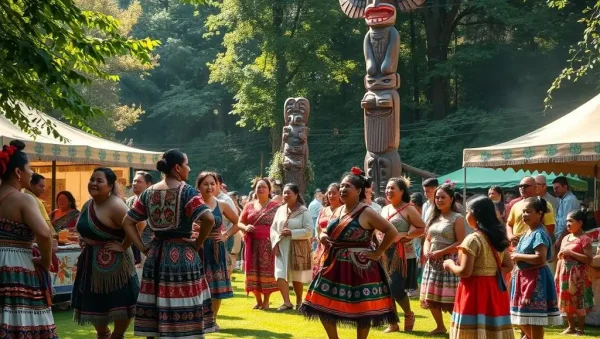
Communal feasts were political and economic engines, where hosts displayed generosity to cement alliances. Aztec altepetl feasts featured turkeys, chocolate drinks, and flower garlands, while Northwest Coast potlatches redistributed wealth through gifts. Food scarcity alternating with abundance created a rhythm of consumption and obligation.
Examine menus, serving protocols, and seating arrangements that mirrored class distinctions—nobles ate from polychrome pottery, commoners from plain ware. Feasts also served as archives of oral tradition, with poets reciting genealogies and histories, ensuring that every bite reinforced social memory and political legitimacy.
🕯️ Funerary Rites and Ancestor Veneration
Death festivals honored the departed as active community members, not passive memories. The Aztec Miccailhuitontli (Feast of the Little Dead) and the Inca Aya Marcay Quilla involved cleaning graves, offering food, and performing dances that guided souls to the afterlife. Ancestors were consulted via oracles and considered guardians of lineage.
Discover mummy cults among the Chiribaya, where ancestors were dressed, fed, and paraded during social events. These rites solidified property claims, because ancestral land stayed within kin groups, and reinforced communal identity by making the past coexist with the present.
Frequently Asked Questions
What was the purpose of human sacrifice during festivals?
Human sacrifice was a cosmic exchange—offering the most precious gift to repay divine creation. Aztec and Maya believed blood nourished the sun, ensuring sunrise, while Inca capacocha sent children to appease mountain deities. It was not random violence but a calculated ritual to restore order, often involving captives or volunteers seen as honored messengers.
How did indigenous festivals differ from modern ones?
Modern festivals prioritize entertainment and commerce, whereas indigenous ones were obligatory, sacred, and cyclic. Every community member had a role—cook, dancer, musician—and absences meant social and spiritual risk. Timing was astronomical, not arbitrary, and outcomes (rain, harvest, victory) were believed dependent on precise ritual execution, not mere celebration.
Were women allowed to participate in festivals?
Yes, though roles were gendered. In Aztec feasts, women prepared sacred foods and performed cīhuacōātl warrior dances; Maya women wove ritual garments and led mourning rites. Andean mamaconas curated temple festivals. Public leadership was often male, but women held indispensable domains—fertility, healing, and ancestral remembrance—making them co-creators of communal life.
How did festivals reinforce political power?
Rulers used festivals to display wealth, legitimize lineage, and exact tribute. Aztec emperors hosted enormous feasts with lavish gifts, inciting reciprocity from subordinate cities. Inca rulers staged Inti Raymi with provincial delegations, enforcing unity through shared worship. Failure to attend or host was a diplomatic insult, often triggering war or punitive measures.
Are any of these festival traditions still practiced today?
Many have syncretized with Catholic holidays—e.g., Andean Pachamama rites merge with Corpus Christi, and Guatemalan Día de los Muertos blends Maya ancestor worship with All Saints. Indigenous communities like the Hopi and Kogi maintain traditional calendar ceremonies, preserving ancient techniques and meanings, though often adapted for tourism or legal protection.