Linguistic Preservation Efforts: Reviving the Voices of the Americas
Language is the living heartbeat of Indigenous civilizations—carrying ancestral knowledge, oral histories, and worldviews that predate colonial borders. The Linguistic Preservation Efforts subcategory explores the urgent, inspiring work being done across the Americas to document, revitalize, and teach Native languages once silenced by forced assimilation. From digital archives to immersion schools, these initiatives are ensuring that the thousands of distinct tongues—from Quechua to Navajo, from Guaraní to Inuktitut—continue to resonate for future generations. Here, you’ll discover the tools, triumphs, and challenges of reclaiming linguistic heritage as a pillar of cultural sovereignty.
📜 Documentation and Archiving Technologies
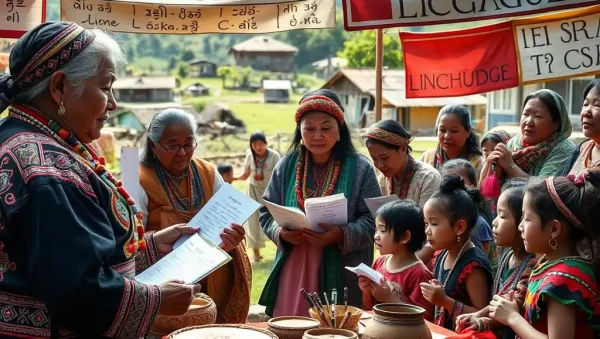
Modern preservation begins with meticulous recording. Linguists and community members collaborate to create audio, video, and written archives that capture not only vocabulary but also pronunciation, syntax, and cultural context. Tools like ELAN transcription software and AI-assisted language models are accelerating the process, yet the core remains human: elders sharing stories, songs, and prayers. These archives serve as digital treasure troves for researchers and as lifelines for learners who cannot access fluent speakers in person. Expect to learn how endangered-language repositories, such as the Archive of the Indigenous Languages of Latin America, are making these resources freely available worldwide, and how community-driven metadata ensures cultural protocols are respected.
Beyond storage, documentation now includes interactive dictionaries and glossaries that pair words with images, sounds, and usage examples. For instance, the Nawat Language Project in El Salvador uses smartphone apps to let users record their own pronunciations, which are then verified by native speakers. This crowdsourced model not only accelerates data collection but also fosters a sense of ownership and pride among younger Indigenous generations. The ultimate goal is not merely to preserve languages like artifacts but to create living, breathing databases that adapt as the language evolves in daily use.
🏫 Immersion Schools and Community Language Programs
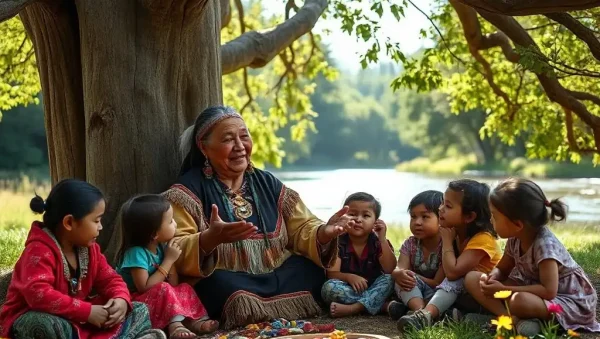
Revitalization cannot succeed through archives alone; it requires new speakers. Immersion schools—from preschools to universities—are the most effective method, where children learn math, science, and history entirely in their ancestral language. Take the Cherokee Nation’s language academy or the Māori kohanga reo model that inspired many North American programs. These institutions also engage parents and grandparents, turning households into language zones where daily routines—cooking, chores, storytelling—become teaching moments. Expect insights into curriculum design, teacher training, and the psychological impact on reclaiming identity, especially for communities where the language was banned in boarding schools just decades ago.
Community language programs extend beyond classrooms. Language nests for infants, mentorship pairings between elders and youth, and weekly conversation circles are revitalizing urban and rural communities alike. In Bolivia, the Aymara-language radio station and in Mexico, the Mixtec-led workshops after migration, show how mobility and media can sustain linguistic bonds. These programs often face funding gaps and policy hurdles, yet their resilience is remarkable. You’ll see case studies where successful initiatives have reversed language shift, producing fluent young speakers who now lead their own teaching teams—a powerful testament that languages can be reborn.
🌐 Digital Media and Social Networks
Smartphones and social media have become unexpected allies in linguistic preservation. Indigenous language apps, YouTube tutorials, and TikTok creators are normalizing everyday usage among younger demographics. Platforms like TikTok feature Native creators teaching phrases, performing traditional songs, and even making memes in their languages—making learning fun and shareable. Meanwhile, platforms like Tatoeba and Duolingo have added Indigenous languages, though community feedback often shapes these courses to reflect regional dialects. Expect to see how hashtag campaigns, such as #SpeakYourLanguage, have gone viral, and how virtual reality is being explored for immersive reenactments of ancestral environments where learners can practice conversations with AI-generated avatars.
Digital archives also serve as teaching aids for non-speakers, including language games, animated folklore, and subtitle tools for Indigenous cinema. Organizations like First Peoples’ Cultural Council provide online toolkits for building community websites and podcasts. Crucially, these digital spaces are designed with cultural safety—allowing communities to restrict access to sacred or ceremonial language. The result is a hybrid ecosystem where ancient tongues coexist with modern tech, proving that preservation is not about freezing a language in time but enabling its natural growth in a digital age.
📚 Policy, Legislation, and Institutional Support
Lasting preservation depends on legal recognition and government backing. National and international laws, such as the United Nations Declaration on the Rights of Indigenous Peoples (UNDRIP), affirm the right to speak, teach, and promote Indigenous languages. Countries like New Zealand and Canada have passed specific language acts that allocate funding for revitalization programs. This section explores how activists, lawyers, and educators lobby for official status, bilingual education mandates, and the inclusion of Indigenous languages in public services, courts, and health care. You’ll learn about the victories—like Peru’s recognition of Quechua as an official language—and the persistent gaps in implementation across the Americas.
Institutional support also comes from universities, museums, and cultural centers, which offer degree programs in Indigenous linguistics and host annual conferences. However, a key shift is moving away from paternalistic models—where outside academics control data—to co-management where communities lead research. Models like the “language of the land” initiatives, where elders are salaried teachers alongside professors, ensure that intellectual property is protected. Expect case studies from countries like Colombia, where the Nasa Yuwe language is taught in public schools with government funding, demonstrating that policy alone cannot save a language, but it can create the necessary scaffolding for success.
🤝 Challenges and Ethical Considerations
Preserving a language is not without deep dilemmas. Ethical concerns include the risk of commodification, where outsiders commercialize Indigenous knowledge without fair benefit-sharing. There is also the painful reality of “last speaker” situations, where documentation may feel like preparing a eulogy rather than a renaissance. This section addresses how communities navigate trauma, internal divisions over dialectal choices, and the pressure to “purify” a language that naturally borrows and evolves. You’ll learn about protocols—such as respectful memory and consent-based recording—that prioritize the well-being of elders over archival completeness.
Another challenge is resource disparity: some languages have thousands of speakers and government support, while others have fewer than ten and no funding. Crowdfunding, global collaboration via online repositories, and volunteer linguists help, but sustainability remains precarious. Moreover, the digital divide means that some remote communities lack internet access, forcing reliance on oral methods. Through honest case studies, this section shows that acknowledging vulnerability is part of the work itself. It also highlights innovative solutions, like mobile offline apps and solar-powered recording labs, ensuring that no community is left behind in the race to save their voice.
Frequently Asked Questions
What is the difference between language preservation and language revitalization?
Preservation focuses on documenting and archiving a language—recording words, grammar, and stories—so that it is not lost to history. Revitalization is more active: it aims to increase the number of fluent speakers by teaching the language to new generations, often through immersion schools and day-to-day usage. Both are essential, but preservation without revitalization merely creates a museum piece, while revitalization without preservation risks losing crucial linguistic details.
How many Indigenous languages are spoken in the Americas today?
Estimates suggest that around 800 to 1,000 Indigenous languages are still spoken across the Americas, though most have fewer than 10,000 speakers. About 250 are considered critically endangered—some with only a handful of elderly speakers left. The most robust today include Quechua (over 8 million speakers in the Andes), Guaraní in Paraguay, and Navajo (Diné) in the United States. But every language counts, and efforts are growing to prevent further loss.
Can a language actually be revived if no native speakers are left?
Yes, in rare cases, through extensive archival research. The Wampanoag language in Massachusetts was revived after being dormant for over a century using written documents and related Algonquian languages. Similar projects, like the Miami-Illinois language, have created new fluent speakers from historical records and comparative linguistics. However, this process is slow and requires enormous community dedication, and it often results in a language that reflects older forms, with modern terms adapted as needed.
How can someone outside an Indigenous community help with linguistic preservation?
Outsiders can support by donating to reputable Indigenous-led organizations, amplifying their campaigns, and using or sharing educational content—but always respecting cultural protocols. If you are a linguist or tech professional, offer your skills under community direction, never assuming leadership. Most importantly, advocate for policies that fund Indigenous language programs, and challenge stereotypes by using and acknowledging Indigenous place names in your daily life. The best help is always led by, and credited to, the community itself.
Why is linguistic preservation important beyond the Indigenous communities themselves?
Languages hold unique scientific, cultural, and ecological knowledge—including medicinal plants, weather patterns, and sustainable land management—that can benefit humanity. They also represent irreplaceable artistic expressions, oral literatures, and ways of understanding time and space. On a global scale, language diversity is as crucial as biodiversity; losing a language is like losing a species. Moreover, supporting linguistic rights strengthens human rights, democracy, and social justice for all marginalized groups.