
Sustainable Living: How Indigenous Cultures Practiced Environmental Harmony

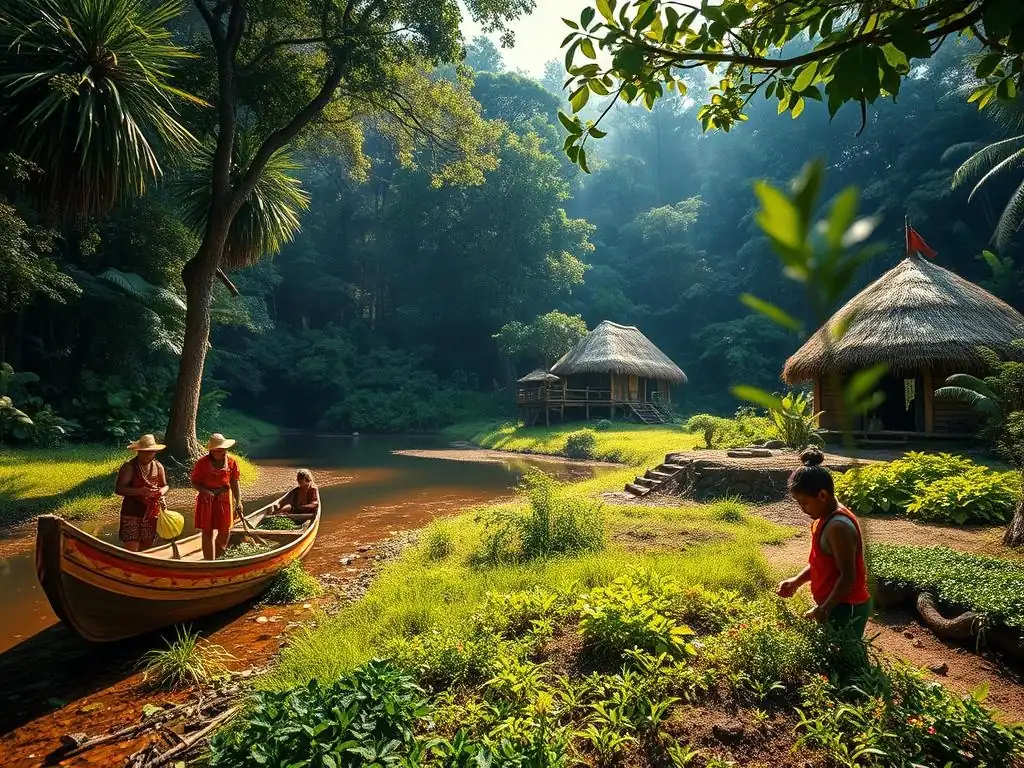
Welcome to Indigenous Civilizations of the Americas, where we invite you to embark on a journey through the rich tapestry of indigenous cultures that flourished long before European contact. Our featured article, “Sustainable Living: How Indigenous Cultures Practiced Environmental Harmony,” delves into the profound environmental practices that these societies developed, showcasing their remarkable ability to live in balance with the world around them.
Discover the wisdom and innovations that have shaped sustainable living for centuries, and join us as we uncover the remarkable legacy of these vibrant cultures that continue to inspire today. Your adventure into the heart of history and sustainability starts here—read on to explore the enduring impact of indigenous practices on our modern world!
Introduction to Indigenous Cultures Environmental Practices
Indigenous cultures across the Americas have long been stewards of their natural environments, developing sustainable living practices that reflect deep respect and understanding of the ecosystems around them. These traditions are not merely remnants of the past; they continue to inform contemporary approaches to environmental stewardship and sustainable living. Understanding how indigenous cultures practiced environmental harmony offers valuable insights into sustainable practices that can be adopted today. This article will delve into the myriad ways these cultures engaged with their environments, highlighting their innovative strategies and profound respect for the land.
Overview of Indigenous Cultures in the Americas
Indigenous cultures in the Americas encompass a vast array of societies, each with unique customs, languages, and worldviews. From the intricate societies of the Aztecs and Maya in Mesoamerica to the diverse tribes of North America, each group developed specific practices suited to their local environments.
- Key Features of Indigenous Cultures:
- Diversity: Thousands of distinct tribes and communities with unique languages and traditions.
- Connection to Land: A profound spiritual and practical relationship with nature, often viewing themselves as part of the ecosystem.
- Adaptive Practices: Innovative agricultural, hunting, and gathering techniques tailored to local resources.
Importance of Environmental Harmony in Indigenous Traditions
Environmental harmony is a cornerstone of indigenous belief systems. Many indigenous cultures view the earth as a living entity deserving respect and care. This worldview is reflected in their environmental practices, which prioritize balance and sustainability.
- Core Principles:
- Reciprocity: The belief that giving back to the earth is essential for its continued generosity.
- Sustainability: Practices designed to ensure resources are available for future generations.
- Cultural Significance: Many environmental practices are intertwined with cultural rituals and traditions, reinforcing community bonds and identity.
Historical Context of Environmental Practices
Understanding the historical context of indigenous environmental practices is crucial for appreciating their lasting impact. These practices evolved over centuries, shaped by local conditions, resources, and cultural beliefs.
Pre-Colonial Environmental Management
Before European colonization, indigenous societies implemented sophisticated methods for managing their environments. Techniques varied widely, but common strategies included:
- Agricultural Innovations:
- The use of crop rotation and companion planting to enhance soil fertility.
- Techniques like the three sisters method (corn, beans, and squash) to promote biodiversity.
- Fire Management:
- Controlled burns to manage landscapes, encourage new growth, and reduce wildfire risks.
- Water Conservation:
- The development of irrigation systems and water management practices to sustain agriculture in arid regions.
Relationship Between Indigenous Cultures and Nature
The relationship between indigenous cultures and nature is characterized by a deep sense of interdependence. Many indigenous peoples view themselves as caretakers of the land, embodying a philosophy that underscores the importance of living in harmony with the environment.
- Spiritual Connection:
- Nature is often seen as sacred, with mountains, rivers, and forests holding spiritual significance.
- Ecosystem Knowledge:
- Extensive knowledge of local flora and fauna, including medicinal plants and animal behaviors, facilitating sustainable harvesting practices.
- Community Practices:
- Traditional ecological knowledge passed down through generations, fostering a communal approach to resource management.
The environmental practices of indigenous cultures are rich and varied, offering critical lessons in sustainability and respect for the natural world. By examining these practices, we can gain valuable insights into how to create a more sustainable future.
Key Environmental Practices of Indigenous Cultures
Indigenous cultures across the Americas have long been recognized for their profound understanding of environmental balance and sustainability. These communities developed a range of practices that reflect their deep respect for nature and their ability to live harmoniously within their ecosystems. This section explores some of the key environmental practices employed by various indigenous cultures, highlighting their innovative techniques and the philosophies that underpinned their relationships with the land.
Agricultural Techniques and Sustainability
Indigenous agricultural practices were remarkably diverse and tailored to local ecosystems. Techniques such as intercropping, crop rotation, and the use of permaculture illustrate the sophisticated understanding these cultures had of ecological balance. For example:
- Milpa System: The Mesoamerican milpa system involved rotating maize, beans, and squash (the "Three Sisters"). This technique not only maximized yield but also enhanced soil fertility and reduced pest outbreaks.
- Slash-and-Burn Agriculture: Many indigenous groups, including the Amazonian tribes, practiced slash-and-burn agriculture, which allowed for the regeneration of forests and reduced long-term soil depletion. This method involved clearing small areas of forest to cultivate crops, after which the land was left fallow to recover.
- Sustainable Practices: Several indigenous communities also implemented sustainable practices such as selective harvesting and the use of native seed varieties, which were better adapted to local conditions and more resilient to pests and diseases.
Through these methods, indigenous peoples demonstrated a commitment to sustainability that has informed modern agricultural practices.
Water Management and Conservation Strategies
Water management was another critical component of indigenous environmental practices. Many cultures developed sophisticated systems that ensured the sustainable use of water resources:
- Terracing: In regions like the Andes, indigenous farmers constructed terraces to reduce soil erosion and manage water runoff. This allowed them to cultivate crops on steep slopes effectively, maximizing water retention.
- Aqueducts and Canals: The Hohokam people in the Southwestern United States engineered extensive canal systems to divert water from rivers for irrigation. These systems were crucial in supporting agriculture in arid environments.
- Rainwater Harvesting: Various indigenous cultures implemented rainwater harvesting techniques, utilizing natural reservoirs and cisterns to collect and store rainwater for agricultural and domestic use.
These water management strategies not only enhanced agricultural productivity but also fostered a deep respect for water as a vital resource.
Forest Management and Resource Use
Indigenous cultures engaged in sustainable forest management practices that ensured the continued health of their environments. Their approaches included:
- Controlled Burns: Many indigenous groups used fire intentionally to manage landscapes. Controlled burns helped to clear underbrush, promote the growth of certain plant species, and prevent larger wildfires.
- Selective Logging: Rather than clear-cutting forests, indigenous peoples practiced selective logging, which involved harvesting trees in a manner that preserved the overall forest ecosystem. This method allowed for the sustainable extraction of resources without compromising biodiversity.
- Non-Timber Forest Products: Indigenous communities often relied on non-timber forest products, such as nuts, fruits, and medicinal plants. These practices not only contributed to their diets but also ensured that forests remained intact and healthy.
Such resource-use strategies exemplify the balance indigenous cultures maintained with their natural surroundings.
Spiritual and Cultural Beliefs Influencing Environmental Practices
Indigenous cultures often viewed their relationship with the environment as sacred, integrating spiritual beliefs into their daily practices. This connection fostered a deep sense of responsibility toward nature, influencing how they interacted with their surroundings.
The Concept of Land as Sacred
For many indigenous peoples, the land is considered sacred and integral to their identity. This belief system manifests in various ways:
- Cultural Narratives: Stories passed down through generations often emphasize the importance of living in harmony with nature. These narratives reinforce the idea that the land provides for the community and must be respected and cared for.
- Ancestral Ties: Many indigenous cultures maintain a spiritual connection to their ancestors, who are believed to inhabit the land. This connection fosters a sense of duty to protect and preserve the environment for future generations.
- Land Management: The sacredness of land influences land management practices. For instance, certain areas may be designated for conservation or left untouched due to their spiritual significance, illustrating a holistic approach to land stewardship.
Rituals and Traditions Promoting Environmental Stewardship
Rituals and traditions play a crucial role in reinforcing environmental stewardship within indigenous cultures:
- Seasonal Ceremonies: Many communities hold seasonal ceremonies that celebrate natural cycles, such as planting and harvest times. These rituals often include offerings to the earth, acknowledging its gifts and reinforcing the community's commitment to sustainable practices.
- Education and Oral Traditions: Knowledge about environmental practices is often transmitted through oral traditions. Elders teach younger generations about sustainable harvesting, animal behavior, and the importance of biodiversity, ensuring that these practices are respected and continued.
- Community Involvement: Environmental stewardship is often a communal responsibility, with rituals involving collective activities such as tree planting, clean-up events, and restoration projects. This fosters a sense of unity and shared purpose in caring for the environment.
Through these rituals and traditions, indigenous cultures not only honor their beliefs but also promote active engagement in environmental stewardship, ensuring the health of their ecosystems for generations to come.
Case Studies of Indigenous Environmental Practices
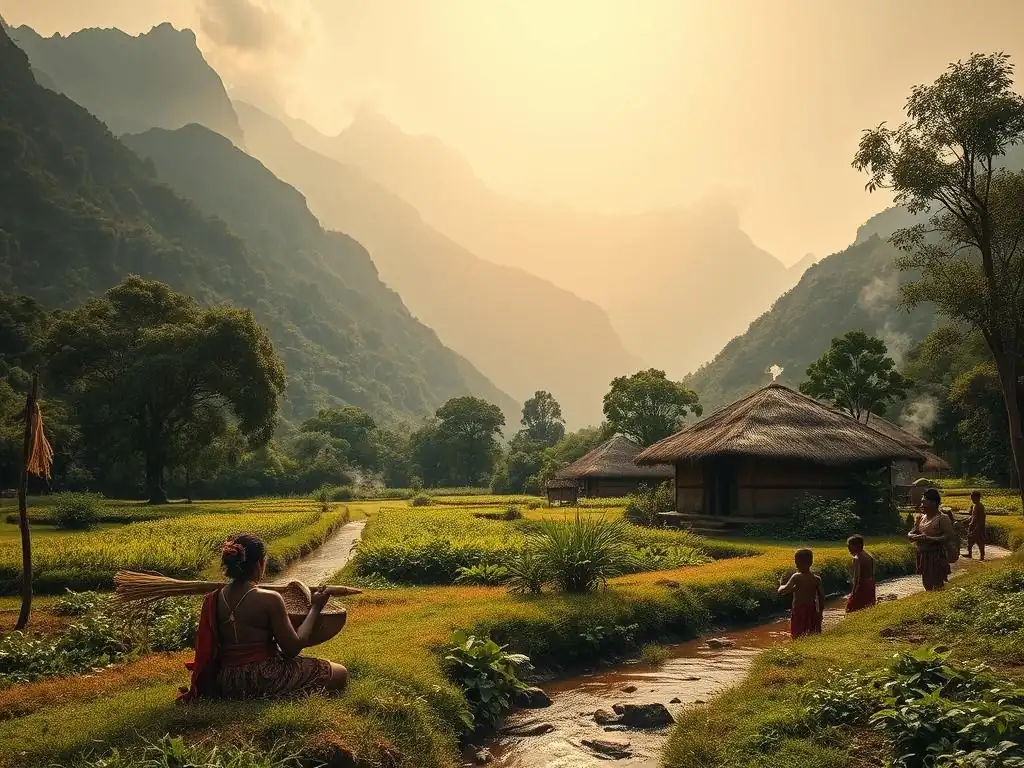
Indigenous cultures across the Americas developed a deep understanding of their environments, leading to sustainable practices that have been honed over centuries. These case studies highlight specific examples of how different indigenous groups managed their natural resources, demonstrating a profound respect for the land, water, and biodiversity. These practices not only ensured their survival but also contributed to the ecological balance of their regions.
The Pueblo Peoples and Water Management
The Pueblo peoples, primarily located in the Southwestern United States, are renowned for their advanced water management techniques, which reflect their adaptability to arid landscapes. They developed intricate systems to capture, store, and distribute water for agricultural purposes.
- Check Dams and Terracing: Pueblo farmers constructed check dams in arroyos to slow down the flow of water, allowing it to seep into the ground and recharge aquifers. They also created terraced fields to maximize water retention and reduce soil erosion on sloped terrains.
- Rainwater Harvesting: They implemented rainwater harvesting systems to collect runoff from roofs and channels. This practice not only provided a reliable water source for irrigation but also minimized water waste.
- Cultural Significance: Water is central to Pueblo spirituality and culture, often associated with life and fertility. Their practices reflect a holistic understanding of water’s importance, emphasizing stewardship rather than exploitation.
The Amazonian Tribes and Biodiversity Conservation
The Amazon rainforest, one of the most biodiverse regions on the planet, is home to numerous indigenous tribes who have lived in harmony with this rich ecosystem for millennia. Their environmental practices are crucial in maintaining the balance of the forest.
- Agroforestry Systems: Indigenous tribes such as the Kayapo and Yanomami utilize agroforestry, blending agricultural crops with native plants. This practice not only enhances food security but also promotes biodiversity by preserving a variety of plant species.
- Sacred Groves and Conservation: Many tribes maintain sacred groves, areas designated for spiritual practices that are also protected from exploitation. These groves serve as refuges for wildlife and contribute to the overall health of the ecosystem.
- Traditional Ecological Knowledge (TEK): The deep-rooted knowledge of flora and fauna enables these communities to sustainably harvest resources, ensuring that their practices do not deplete the environment, but instead promote its resilience.
The Iroquois Confederacy and Land Use Policies
The Iroquois Confederacy, consisting of several tribes in the northeastern United States, is an exemplary model of sustainable land use and governance. Their land use policies are based on principles that prioritize ecological balance and community well-being.
- The Seven Generations Principle: Iroquois decision-making is guided by the principle of considering the impact on the next seven generations. This long-term perspective fosters sustainable practices that protect resources for future descendants.
- Community-Based Resource Management: Land is viewed as a communal resource, leading to practices that discourage over-exploitation. The Iroquois engage in rotational farming and hunting, allowing ecosystems to recover and thrive.
- Restorative Practices: The Iroquois have historically engaged in restorative practices, including replanting trees and managing wildlife populations, ensuring that their interactions with the environment are sustainable and regenerative.
Lessons from Indigenous Cultures for Modern Sustainability
Modern society can draw invaluable lessons from the sustainable practices of indigenous cultures. By integrating these practices into contemporary life, we can develop more effective approaches to environmental stewardship and sustainability.
Integrating Indigenous Knowledge into Contemporary Practices
The incorporation of indigenous knowledge into modern sustainability practices can enhance ecological resilience and community well-being.
- Collaborative Conservation Efforts: By partnering with indigenous communities, policymakers can leverage traditional ecological knowledge to inform conservation strategies that respect both nature and cultural heritage.
- Cultural Revitalization: Integrating indigenous practices not only benefits the environment but also strengthens community identity and cultural ties, fostering a sense of belonging and responsibility toward natural resources.
- Best Practices in Agriculture: Techniques such as polyculture and permaculture, inspired by indigenous agricultural practices, can lead to healthier ecosystems and more sustainable food systems.
The Role of Indigenous Practices in Climate Change Mitigation
Indigenous practices play a pivotal role in mitigating climate change through sustainable land management and conservation strategies.
- Carbon Sequestration: By preserving forests and practicing agroforestry, indigenous communities contribute to carbon sequestration, which is essential in combating climate change. Their understanding of biodiversity enhances the resilience of ecosystems against climate impacts.
- Adaptation Strategies: Indigenous peoples have historically adapted to climate variability, offering insights into resilience strategies that modern societies can adopt to face changing environmental conditions.
- Advocacy and Leadership: Indigenous leaders are increasingly recognized as vital voices in climate discussions, advocating for the protection of their ancestral lands and the implementation of sustainable practices that benefit the global community.
The environmental practices of indigenous cultures provide a wealth of knowledge that can inform modern sustainability efforts. By understanding and respecting these traditions, we can work towards a more harmonious relationship with our planet.
Conclusion: The Legacy of Indigenous Cultures in Environmental Harmony
Indigenous cultures across the Americas have long demonstrated a profound understanding of their environments, developing sustainable living practices that harmonized with the natural world. This legacy is not merely historical; it serves as a vital blueprint for contemporary society in the face of pressing environmental challenges.
The intricate knowledge systems and practices established by these civilizations highlight the importance of balance, respect, and reciprocity in human-environment interactions. As we reflect on the sustainable living practices of indigenous cultures, it becomes clear that their contributions go beyond mere survival; they embody a holistic approach to life that prioritizes ecological integrity and community well-being.
Reflecting on Sustainable Living Practices
Indigenous peoples employed a variety of sustainable living practices that enabled them to thrive for centuries in diverse ecosystems. These practices were often guided by a deep spiritual connection to the land and a comprehensive understanding of local ecosystems.
For example, controlled burning techniques used by tribes such as the Plains Indians not only promoted biodiversity but also ensured the health of the land for future generations. Similarly, agricultural practices like the Three Sisters method, which involves planting corn, beans, and squash together, exemplified a synergistic approach to farming that enhanced soil fertility and reduced the need for chemical fertilizers.
Moreover, indigenous cultures often relied on seasonal cycles to govern their resource use, ensuring that they did not deplete the natural wealth of their environments. This reliance on nature’s rhythms fostered a sense of stewardship that is increasingly relevant today as we seek sustainable solutions to environmental degradation. By understanding and reflecting on these practices, modern societies can glean valuable lessons on sustainability, resilience, and the importance of living in harmony with the environment.
The Importance of Preserving Indigenous Knowledge and Practices
Preserving indigenous knowledge and practices is essential not only for honoring the legacies of these cultures but also for addressing contemporary environmental crises. Indigenous peoples possess unique insights into biodiversity, resource management, and climate resilience that are crucial for sustainable development. However, these knowledge systems are increasingly threatened by globalization, climate change, and encroaching industrial practices.
Efforts to document and revitalize indigenous environmental practices can empower communities and contribute to global sustainability initiatives. For instance, collaborative projects that integrate traditional ecological knowledge with modern science can lead to innovative solutions for conservation and climate adaptation. Additionally, recognizing and supporting indigenous land rights is vital for ensuring that these cultures can continue to practice their sustainable traditions.
The legacy of indigenous cultures in environmental harmony offers a rich repository of knowledge and practices that can guide humanity toward a more sustainable future. By reflecting on their sustainable living practices and prioritizing the preservation of indigenous knowledge, we can foster a deeper connection to the environment and work towards a more balanced and equitable world.
- Introduction to Indigenous Cultures Environmental Practices
- Historical Context of Environmental Practices
- Key Environmental Practices of Indigenous Cultures
- Spiritual and Cultural Beliefs Influencing Environmental Practices
- Case Studies of Indigenous Environmental Practices
- Lessons from Indigenous Cultures for Modern Sustainability
- Conclusion: The Legacy of Indigenous Cultures in Environmental Harmony
- What are some key environmental practices of indigenous cultures?
- How did indigenous cultures achieve sustainable living?
- Why is the study of indigenous cultures important for modern environmentalism?
- How did indigenous communities maintain their cultural identity while practicing environmental stewardship?
- What are some lasting impacts of indigenous environmental practices today?
Frequently Asked Questions
What are some key environmental practices of indigenous cultures?
Indigenous cultures utilized sustainable agriculture, forest management, and water conservation techniques that promoted harmony with their surroundings, ensuring biodiversity and ecosystem health.
How did indigenous cultures achieve sustainable living?
Through a deep understanding of their local ecosystems, indigenous peoples developed practices that minimized waste and maximized resource efficiency, leading to a balanced relationship with nature.
Why is the study of indigenous cultures important for modern environmentalism?
Examining indigenous practices can provide valuable insights into sustainable living and resource management, offering lessons that are crucial for addressing today's environmental challenges.
How did indigenous communities maintain their cultural identity while practicing environmental stewardship?
Indigenous cultures often integrated their spiritual beliefs and traditions with their environmental practices, reinforcing a sense of identity that emphasized respect for nature.
What are some lasting impacts of indigenous environmental practices today?
Many modern conservation efforts draw inspiration from traditional ecological knowledge of indigenous cultures, promoting strategies that honor biodiversity and sustainable land use.
Final Reflection: Embracing Indigenous Wisdom for a Sustainable Future
Sustainable living is not merely a trend; it is a necessity that resonates deeply with the practices of indigenous cultures, which have long understood the intricate balance between humanity and nature. In a world grappling with climate change and environmental degradation, the lessons from these cultures are more relevant than ever. Their time-tested methods of stewardship remind us that sustainability is not a modern invention but a way of life that has been practiced for centuries.
The influence of indigenous environmental practices extends beyond their communities, shaping a broader cultural and social landscape that values harmony with nature. As we face unprecedented ecological challenges, the wisdom of these cultures offers a blueprint for resilience and sustainability. In every walk with nature, one receives far more than he seeks.
– John Muir. This quote encapsulates the essence of what indigenous practices teach us: that our relationship with the environment is reciprocal, and through respect and understanding, we can cultivate a more sustainable existence.
As you reflect on the insights shared in this article, consider how you can incorporate the principles of indigenous environmental practices into your own life. Embrace the idea that every small action contributes to a larger impact. Whether it's reducing waste, supporting local ecosystems, or advocating for indigenous rights, your choices matter. Let us honor the wisdom of those who came before us and commit to a future where harmony with nature is not just an ideal, but a way of life.
Embrace a Greener Future with Indigenous Wisdom!
Thank you for taking the time to explore the profound insights of indigenous cultures and their sustainable practices. You've uncovered valuable lessons on environmental harmony that can inspire us all. Now, let’s turn that knowledge into action!
Here’s how you can begin your journey towards a more sustainable lifestyle:
- Start implementing one indigenous practice in your daily life, such as foraging for local plants or creating a compost bin. Every small step counts!
- Join a local environmental organization or community group focused on sustainability to learn from others and share your unique experiences.
- Share this article with friends and family to raise awareness about the importance of indigenous knowledge in fostering a sustainable future.
What is one sustainable practice you would like to adopt in your life, inspired by indigenous cultures? **We encourage you to share your thoughts below! **