
Preserving Knowledge through Dance and Music: An Exploration of Indigenous Performative Arts

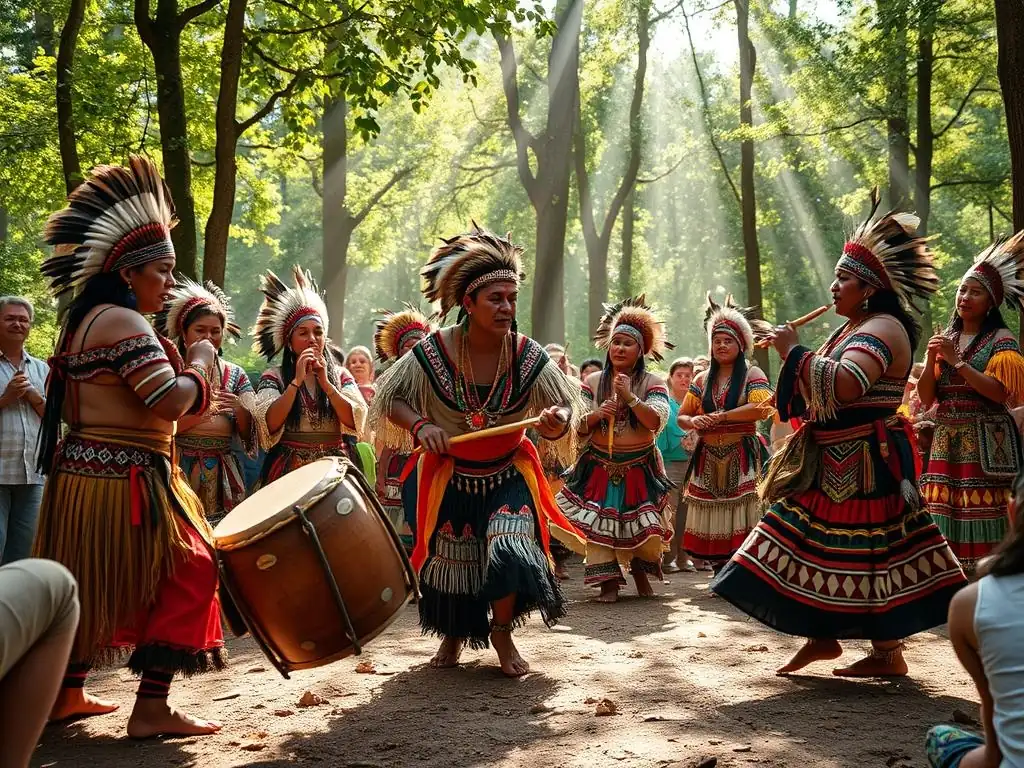
Welcome to Indigenous Civilizations of the Americas, where we invite you to embark on an enlightening journey through the rich tapestry of indigenous cultures that flourished long before European contact. Here, we delve into the remarkable performative arts traditions that not only reflect the vibrancy of these societies but also serve as vital vessels for preserving their knowledge and heritage.
In our featured article, "Preserving Knowledge through Dance and Music: An Exploration of Indigenous Performative Arts," discover how rhythm and movement have historically conveyed the wisdom, stories, and identities of indigenous peoples. Prepare to be inspired and intrigued as you explore how these artistic expressions continue to resonate through time, inviting you to learn more about their profound legacy.
- Introduction to Indigenous Performative Arts Traditions
- Historical Context of Indigenous Performative Arts
- Key Elements of Indigenous Performative Arts
- Functions of Indigenous Performative Arts in Knowledge Transmission
- Contemporary Challenges Facing Indigenous Performative Arts
- Case Studies of Indigenous Performative Arts
- Conclusion: The Future of Indigenous Performative Arts Traditions
- References
- Frequently Asked Questions
- Final Reflection: The Enduring Legacy of Indigenous Performative Arts Traditions
- Unleash Your Creative Spirit and Celebrate Indigenous Arts!
Introduction to Indigenous Performative Arts Traditions
Indigenous performative arts traditions, encompassing dance and music, serve as vital conduits for cultural expression and knowledge transmission among Indigenous communities across the Americas. These arts are not merely forms of entertainment; they embody the history, beliefs, and values of diverse civilizations that flourished long before European colonization.
Through rhythmic movements and melodic sounds, Indigenous peoples have preserved their stories, taught their youth, and fostered a sense of identity and belonging. This article delves into the profound significance of these performative arts, illuminating their role in community life and the ongoing efforts to safeguard this invaluable heritage for future generations.
The Role of Dance and Music in Indigenous Cultures
Dance and music are integral to Indigenous cultures, playing multifaceted roles that extend beyond mere performance. They are:
- Spiritual Practices: Many dances and songs are deeply spiritual, often performed during rituals to honor deities and ancestors. For example, the Powwow dances among Plains tribes celebrate community and spirituality, serving as a form of prayer and connection to the spiritual realm.
- Storytelling: Through intricate movements and lyrics, Indigenous artists narrate historical events, myths, and moral lessons. This storytelling tradition not only entertains but also educates younger generations about their heritage.
- Cultural Identity: Dance and music reinforce cultural identity, helping individuals connect with their roots. For instance, the use of traditional instruments like the flute or drum is a reflection of cultural uniqueness and pride.
- Community Cohesion: Performative arts foster a sense of unity within communities. Group dances and communal singing strengthen social bonds, enhancing collective identity and cooperation.
Importance of Knowledge Preservation in Indigenous Communities
The preservation of Indigenous performative arts traditions is crucial for several reasons:
- Cultural Survival: As globalization and modernization threaten traditional ways of life, maintaining performative arts ensures the survival of cultural practices that define Indigenous identities.
- Education: These arts serve as educational tools, imparting knowledge about history, language, and values that might otherwise be lost. They engage younger generations in learning about their culture through active participation.
- Resistance and Resilience: The act of performing traditional dances and songs can be a form of resistance against cultural erasure. It embodies resilience, showcasing the vibrancy and adaptability of Indigenous cultures despite historical challenges.
- Intergenerational Connections: Performative arts facilitate dialogue between generations. Elders pass down knowledge and skills to youth through mentorship, ensuring that traditions are not only preserved but also evolved.
By understanding the essence of Indigenous performative arts traditions, we can appreciate their role in shaping the identities of Indigenous communities and recognize the importance of supporting their ongoing preservation efforts.
Historical Context of Indigenous Performative Arts
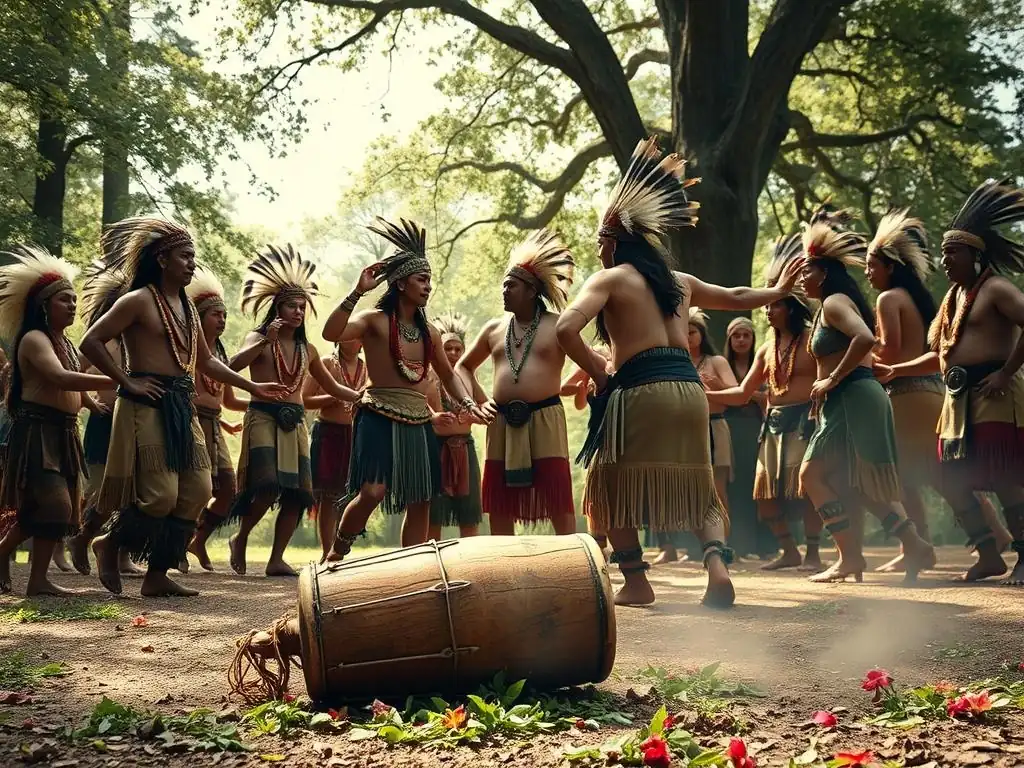
Indigenous performative arts traditions have deep historical roots that trace back to the earliest inhabitants of the Americas. These arts served not only as entertainment but also as vital tools for cultural expression, spiritual connection, and community cohesion. The performative arts encompassed a variety of forms, including dance, music, storytelling, and rituals, which collectively played a significant role in the preservation and transmission of knowledge across generations.
The historical context of these traditions is marked by the integration of various elements such as mythology, cosmology, and social structures. Each indigenous community adapted its performative arts to reflect its unique environment and experiences. For example, the use of specific instruments, costumes, and movements often symbolized natural elements or ancestral stories, creating a rich tapestry of cultural significance.
Moreover, the advent of European colonization posed significant threats to these traditions, leading to a decline in their practice. However, many indigenous communities have demonstrated resilience by revitalizing and adapting their arts in contemporary contexts, ensuring the survival of their cultural heritage. By understanding the historical context of indigenous performative arts, we can appreciate their role in shaping identities and fostering community bonds.
Evolution of Indigenous Dance and Music Traditions
The evolution of indigenous dance and music traditions is characterized by a dynamic interplay of continuity and change. Initially, these art forms were closely tied to ceremonial practices and communal gatherings, serving purposes such as storytelling, honoring the seasons, and invoking spiritual forces. Over time, they began to evolve in response to internal developments and external influences, particularly during and after the European encounter.
Key Stages in Evolution:
- Pre-Colonial Era: Indigenous dance and music were primarily oral traditions, with each tribe having its unique styles and themes. Instruments like the flute, drums, and rattles were commonly used, and performances were often accompanied by intricate costumes and body paint.
- Colonial Impact: The arrival of Europeans brought about significant disruption. Many indigenous practices were suppressed, and new forms of music emerged, influenced by European styles. Despite these challenges, many communities adapted by blending traditional elements with new influences.
- Revitalization Movements: In the 20th century, there was a resurgence of interest in indigenous identity and culture, leading to a revival of traditional dance and music. Festivals, powwows, and cultural exhibitions became platforms for showcasing indigenous performative arts, allowing them to flourish in contemporary society.
This evolution reflects the resilience of indigenous communities and their commitment to preserving their cultural heritage while adapting to changing circumstances.
Influential Indigenous Cultures and Their Performative Arts
Several indigenous cultures have made significant contributions to the rich tapestry of performative arts traditions across the Americas. Each culture embodies unique practices, styles, and philosophies that have shaped their artistic expressions.
Notable Cultures and Their Contributions:
- Navajo: The Navajo people are renowned for their ceremonial dances, such as the Yeibichai dance, which is performed during healing ceremonies. Music played on traditional instruments like the flute and drums enhances the spiritual significance of these performances.
- Lakota: The Lakota culture is known for its expressive dance forms, including the Grass Dance and the Sundance. These dances are not only artistic expressions but also serve as powerful rites of passage and communal gatherings.
- Mayan: The Maya civilization had a rich tradition of dance and music linked to their agricultural cycles and religious ceremonies. Their performances often included elaborate costumes and were integral to community life, reflecting their deep connection to the cosmos.
- Andean Cultures: In the Andes, indigenous groups such as the Quechua and Aymara have preserved their musical traditions through instruments like the pan flute and charango. Their music often accompanies traditional dances that celebrate agricultural festivals and ancestral stories.
These cultures exemplify the diversity and richness of indigenous performative arts traditions, highlighting their significance in maintaining cultural identity and fostering community ties. Through dance and music, these communities continue to transmit knowledge, values, and history, ensuring that their legacies endure for future generations.
Key Elements of Indigenous Performative Arts
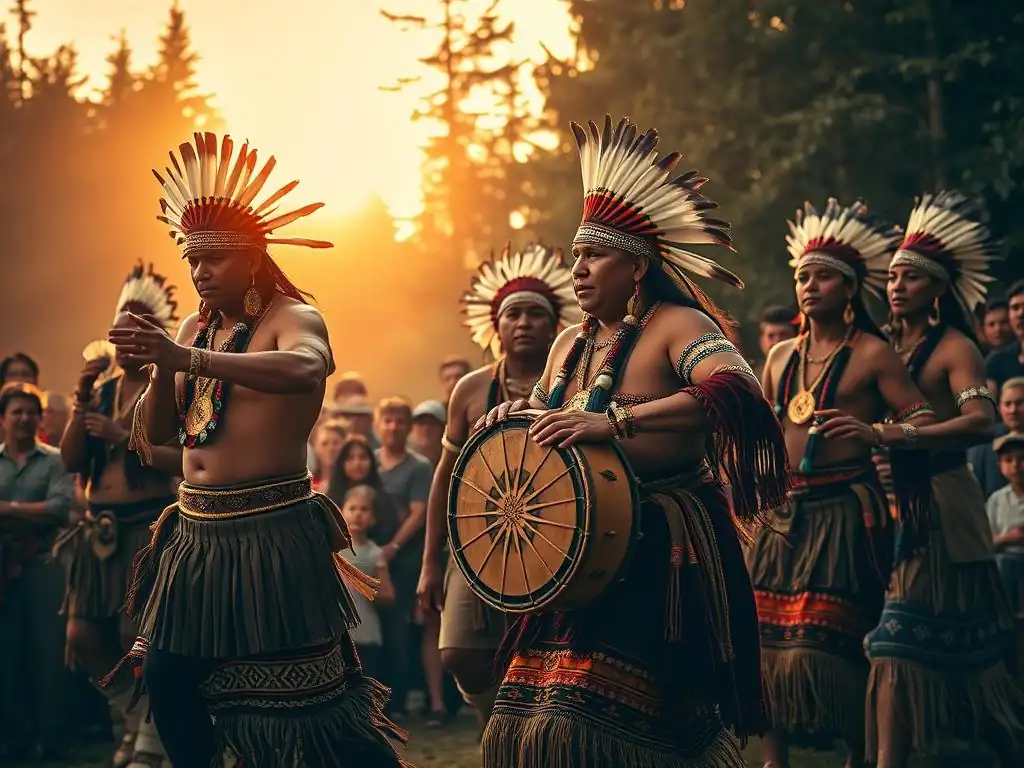
Indigenous performative arts traditions encompass a rich tapestry of cultural expressions that have been passed down through generations. These traditions are not merely forms of entertainment; they serve as vital conduits for preserving knowledge, history, and identity within indigenous communities. The interplay of dance, music, and storytelling creates a holistic experience that reflects the values, beliefs, and practices of diverse indigenous cultures across the Americas.
Rituals and Ceremonies in Dance
Dance is a fundamental aspect of indigenous performative arts, deeply intertwined with rituals and ceremonies. Each dance form is imbued with specific meanings and is often performed during significant communal events, such as harvests, weddings, and healing ceremonies.
- Spiritual Connection: Many dances are performed as a means of connecting with the spiritual world. For instance, the Powwow dances of the Plains tribes are not only celebratory; they are also a way to honor ancestors and seek blessings from the spirit world.
- Cultural Identity: Through dance, communities express their unique cultural identities. The traditional dances of the Navajo, for example, often incorporate intricate footwork and vibrant regalia, showcasing their connection to the land and their heritage.
- Community Engagement: Dance serves as a communal activity that fosters unity. Participants of all ages join in, reinforcing social bonds and collective memory. The cooperative aspect of group dances, such as the Circle Dance, highlights the importance of community in indigenous cultures.
Instruments and Sounds in Indigenous Music
Indigenous music is characterized by a diverse array of instruments and unique soundscapes that play a crucial role in cultural expression and knowledge transmission.
- Traditional Instruments: Instruments like the flute, drum, and rattle are central to indigenous music. The drum, for example, is not only a musical instrument but also a symbol of the heartbeat of the earth, often used in ceremonies to evoke spiritual presence.
- Vocal Techniques: Singing, often accompanied by chants or vocal improvisation, is a distinctive feature of indigenous music. These vocal traditions can convey stories, beliefs, and teachings, serving as a means of oral transmission of knowledge.
- Cultural Significance of Sound: Each sound produced is laden with significance. The rhythms and melodies may reflect the natural world, embodying elements such as the wind, water, and animals, thus reinforcing the connection to nature that is central to many indigenous worldviews.
Storytelling Through Movement and Melody
Storytelling is an integral part of indigenous performative arts, with dance and music acting as the medium through which narratives are conveyed.
- Narrative Dance: Many indigenous dances tell stories that convey moral lessons, historical events, or cultural myths. For instance, the Hopi Snake Dance is a ritual that symbolizes the relationship between the people and the snake, highlighting themes of fertility and sustenance.
- Musical Storytelling: Music accompanies storytelling, enhancing the emotional depth of the narratives. The use of melodies that reflect the mood of the story helps to engage the audience, inviting them to experience the journey alongside the performers.
- Preservation of Language and Culture: Through the combination of movement, melody, and language, indigenous peoples preserve their histories and languages. Songs often incorporate native languages, ensuring that linguistic heritage is maintained alongside cultural practices.
Indigenous performative arts traditions are a vibrant and essential part of the cultural fabric of indigenous societies. Through rituals, music, and storytelling, these traditions not only serve as a means of entertainment but also play a critical role in the transmission of knowledge and the preservation of cultural identity. Each performance is a celebration of heritage, reminding both performers and audiences of the richness of indigenous cultures.
Functions of Indigenous Performative Arts in Knowledge Transmission
Indigenous performative arts traditions serve as vital conduits for knowledge transmission within diverse indigenous cultures across the Americas. These arts encompass a range of expressions, including dance, music, storytelling, and rituals, all of which are deeply intertwined with the cultural fabric of indigenous societies. The functions of these performative arts extend far beyond mere entertainment; they are essential for the preservation and dissemination of cultural knowledge, values, and histories.
Through these artistic expressions, communities can maintain a connection to their ancestors, celebrate their heritage, and reinforce their unique identities. In this section, we will explore specific aspects of how indigenous performative arts facilitate knowledge transmission, focusing on cultural identity, education, and the role of elders.
Cultural Identity and Community Cohesion
Indigenous performative arts traditions are fundamental to the cultural identity of indigenous communities. They help foster a sense of belonging and promote community cohesion by:
- Establishing Shared Values: Performative arts often convey the beliefs and values that are central to a community’s identity. For instance, many dances and songs encapsulate traditional teachings about respect for nature, the importance of community, and spiritual beliefs.
- Reinforcing Social Bonds: Participating in communal dance and music events strengthens social ties among members. These gatherings are opportunities for collective expression, allowing individuals to unite in a shared cultural experience that reinforces their identity as a community.
- Preserving Language and Dialects: Many indigenous songs and dances incorporate native languages, which are critical for preserving linguistic heritage. By engaging with these performative arts, community members actively participate in keeping their languages alive, passing them down to future generations.
The impact of these arts on cultural identity is profound, as they not only celebrate the past but also adapt to contemporary contexts, ensuring that the culture remains dynamic and relevant.
Education and Oral Histories in Dance and Music
Education within indigenous communities often takes place through performative arts, where dance and music serve as vehicles for conveying oral histories and traditional knowledge. Key points include:
- Storytelling Through Movement: Dance often tells stories that are integral to a community’s history, mythology, and social values. For example, the intricate movements and rhythms of a dance may depict significant events, such as creation stories or historical battles, thus educating participants and audiences alike about their heritage.
- Intergenerational Learning: Performative arts create a platform for knowledge sharing between generations. Young members learn from elders through participation in dances and music, fostering a sense of continuity and respect for ancestral wisdom. This intergenerational approach ensures that essential teachings are preserved and adapted over time.
- Integration of Practical Knowledge: Many indigenous dances and songs include elements that reflect practical skills, such as hunting, farming, or gathering. For instance, the movements in certain dances may mimic the actions involved in traditional practices, thereby imparting essential survival skills and cultural knowledge.
Through these methods, indigenous performative arts not only educate but also create a shared narrative that binds communities together.
The Role of Elders in Indigenous Arts Education
Elders play a crucial role in the transmission of indigenous performative arts traditions, acting as custodians of knowledge and culture. Their involvement is characterized by:
- Mentorship and Guidance: Elders provide mentorship to younger generations, teaching them the intricacies of traditional dances, songs, and rituals. This mentorship is often informal, taking place in community settings where learning is experiential and rooted in practice.
- Curation of Cultural Practices: As the keepers of tradition, elders curate and safeguard the performative arts by ensuring their accuracy and relevance. They may adapt certain elements to reflect contemporary issues while maintaining the core values and stories that define their culture.
- Facilitating Community Events: Elders often lead community gatherings where performative arts are showcased. These events not only serve as educational opportunities but also strengthen community identity and pride, as they celebrate the richness of indigenous cultures.
The role of elders in indigenous performative arts education is indispensable, as they ensure the continuity of cultural practices and the survival of knowledge across generations. Through their guidance, the vibrancy of indigenous performative arts traditions is preserved, enabling future generations to connect with their heritage.
Contemporary Challenges Facing Indigenous Performative Arts
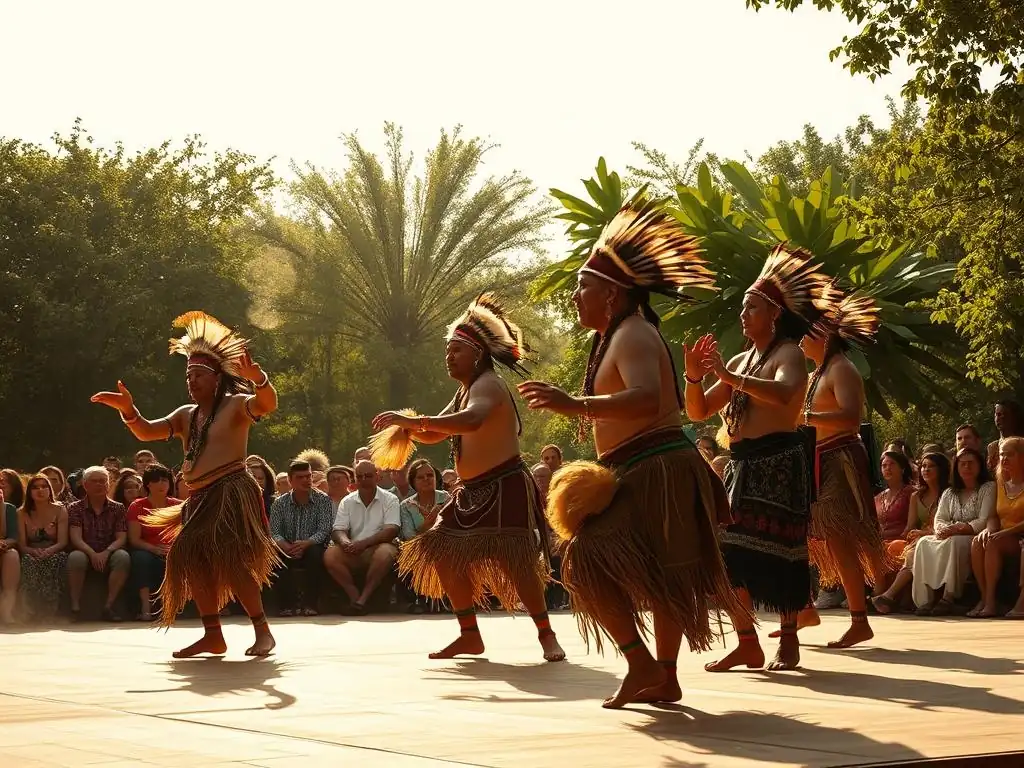
Impact of Colonialism on Indigenous Traditions
Colonialism has profoundly affected indigenous performative arts traditions across the Americas. The imposition of foreign cultures, languages, and belief systems disrupted the transmission of cultural practices, resulting in the marginalization of indigenous expressions. Many indigenous communities faced systematic attempts to erase their cultural identities, leading to the loss of traditional dance forms, music, and rituals that were integral to their social and spiritual lives.
The impact of colonial policies has been multifaceted:
- Cultural Suppression: Many indigenous groups were forbidden to perform their dances and music, which were often seen as pagan or primitive by colonial powers. This suppression led to a significant decline in the practice and transmission of these arts.
- Loss of Language: Language is a crucial element of performative arts. The forced adoption of colonial languages diminished the use of indigenous languages in songs and dances, resulting in a disconnect from the original meanings and contexts of these cultural expressions.
- Displacement: The forced relocation of indigenous communities disrupted traditional practices. Communities that were uprooted lost access to sacred spaces and resources necessary for performing cultural rituals, further eroding their performative arts.
Despite these challenges, many indigenous communities have begun to reclaim and revitalize their performative arts, fostering a renewed sense of identity and cultural pride.
Modernization and Its Effects on Cultural Practices
Modernization presents both opportunities and challenges for indigenous performative arts traditions. While it has facilitated the global sharing of indigenous cultures, it has also led to the commodification and dilution of these practices.
Some key effects of modernization include:
- Globalization of Performative Arts: With the advent of technology and social media, indigenous artists can share their work with a global audience. This exposure has led to increased interest in indigenous cultures, but it also risks the authenticity of traditional practices being overshadowed by commercial interests.
- Cultural Appropriation: As indigenous dances and music gain popularity, non-indigenous individuals and organizations often appropriate these art forms without understanding their cultural significance. This can lead to misrepresentation and exploitation of indigenous traditions.
- Changing Audiences: The audience for indigenous performative arts has expanded, with many indigenous artists adapting their work to appeal to contemporary tastes. While this can lead to innovative expressions, it may also result in a departure from traditional forms and meanings.
To navigate these challenges, many indigenous performers are working to strike a balance between honoring their cultural heritage and embracing modern influences, allowing for a dynamic evolution of their arts.
Preservation Efforts and Revitalization Movements
In response to the challenges posed by colonialism and modernization, many indigenous communities have initiated preservation efforts and revitalization movements focused on indigenous performative arts traditions. These initiatives aim to safeguard their cultural heritage and ensure its transmission to future generations.
Key strategies include:
- Cultural Education Programs: Many communities have established programs that educate both indigenous youth and the general public about traditional dance and music. These programs often involve workshops, performances, and cultural festivals that celebrate indigenous arts.
- Documentation Projects: Efforts to document traditional practices through video, audio recordings, and written accounts are crucial for preserving indigenous knowledge. These projects often involve collaboration between indigenous artists and anthropologists or historians, ensuring that the documentation respects the cultural context.
- Community Collaborations: Collaborative projects among different indigenous groups can foster a sense of solidarity and shared purpose. By working together, communities can strengthen their cultural practices and develop joint initiatives that promote their performative arts.
- Revitalization of Language: Efforts to revitalize indigenous languages play a significant role in preserving performative arts. Language revitalization programs ensure that songs and chants maintain their original meaning and significance, enhancing the depth of the performance.
Through these collective efforts, indigenous communities are not only preserving their performative arts traditions but also asserting their rightful place in the cultural landscape of the Americas, fostering resilience and a renewed sense of identity.
Case Studies of Indigenous Performative Arts
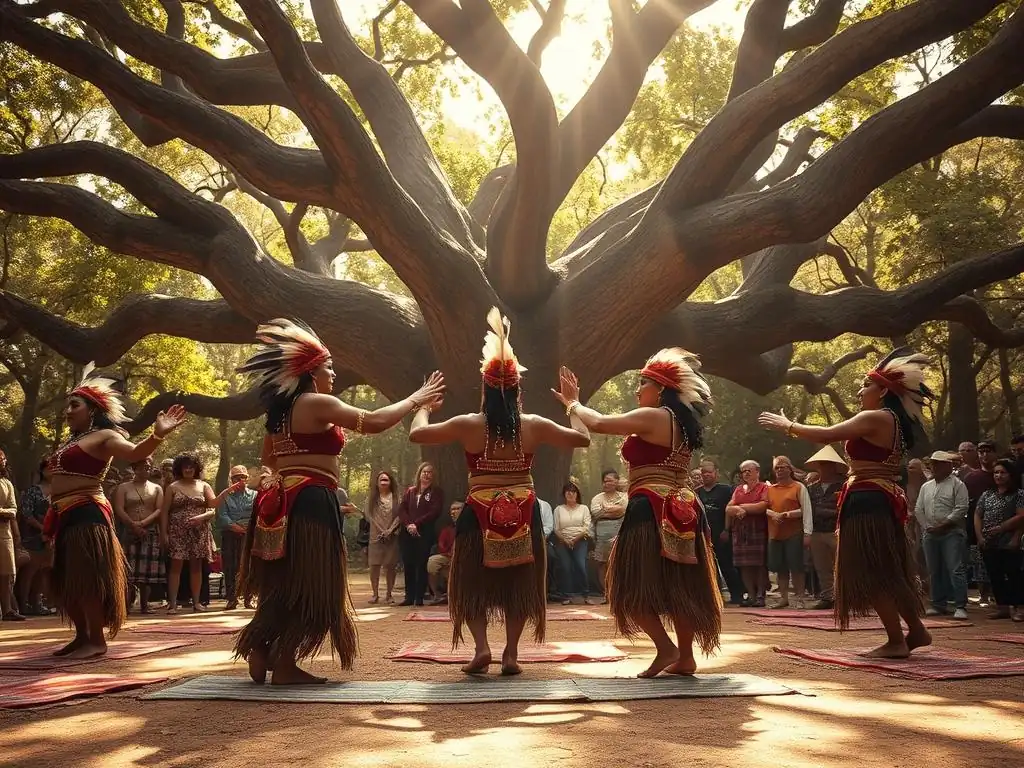
Exploring the rich landscape of indigenous performative arts traditions reveals the profound ways in which these cultures have maintained their identities, histories, and values. This section examines specific case studies that highlight the significance of dance and music within indigenous communities, illustrating how these art forms serve as vessels for knowledge transmission and cultural preservation.
The Navajo Nation, one of the largest indigenous tribes in the United States, exemplifies the vital role of performative arts in cultural expression. Their traditions encompass a variety of forms, including:
- Dance: The Navajo people engage in numerous dances, such as the Blessingway and Enemyway ceremonies, which are designed to restore balance and harmony. These dances are not merely entertainment; they are deeply spiritual practices that carry stories and teachings from generation to generation.
- Music: Traditional Navajo music features unique instruments like the drum and the rattle, which are essential during ceremonies. Songs often invoke natural elements and ancestors, reinforcing the connection between the living and the spiritual world.
- Storytelling: Alongside dance and music, storytelling is integral to Navajo culture. Oral traditions convey morals, historical events, and lessons about life, often performed in conjunction with musical elements to enhance the experience.
The preservation of these cultural expressions is crucial, especially in the face of modern challenges. The Navajo Nation actively promotes educational programs that teach youth about their cultural heritage through workshops focusing on dance, music, and storytelling. This approach not only fosters pride in their identity but also strengthens community bonds.
Successful Revitalization Projects in Indigenous Communities
Across North America and beyond, various indigenous communities have initiated successful revitalization projects aimed at preserving and promoting their performative arts traditions. Examples include:
- The Inuit Throat Singing Revival: This traditional form of music, practiced primarily by Inuit women, has seen a resurgence in popularity. Workshops and community events have been organized to teach younger generations the intricacies of throat singing, ensuring that this unique art form continues to thrive.
- The Powwow Movement: Powwows serve as a gathering for many Native American tribes, showcasing traditional dances, music, and crafts. These events have evolved into vibrant celebrations of indigenous culture, drawing participants from various tribes and promoting intertribal relationships. The revival of powwows has helped to bolster pride and understanding of indigenous performative arts traditions.
- The Maori Haka: In New Zealand, the Maori have worked diligently to preserve the haka, a traditional war dance characterized by vigorous movements and chanting. Educational initiatives in schools emphasize the importance of the haka in Maori culture, and it has gained international recognition, further solidifying its place in both indigenous and global contexts.
These revitalization efforts highlight the resilience of indigenous cultures and their commitment to preserving their performative arts. By engaging younger generations and fostering community involvement, these projects ensure that the rich traditions of dance and music continue to flourish, maintaining their relevance in contemporary society.
The case studies of the Navajo Nation and other successful revitalization projects illustrate the crucial role of indigenous performative arts traditions in cultural preservation and knowledge transmission. Through dance, music, and storytelling, indigenous communities not only celebrate their heritage but also educate future generations, fostering a deeper understanding of their rich histories and cultural significance.
Conclusion: The Future of Indigenous Performative Arts Traditions
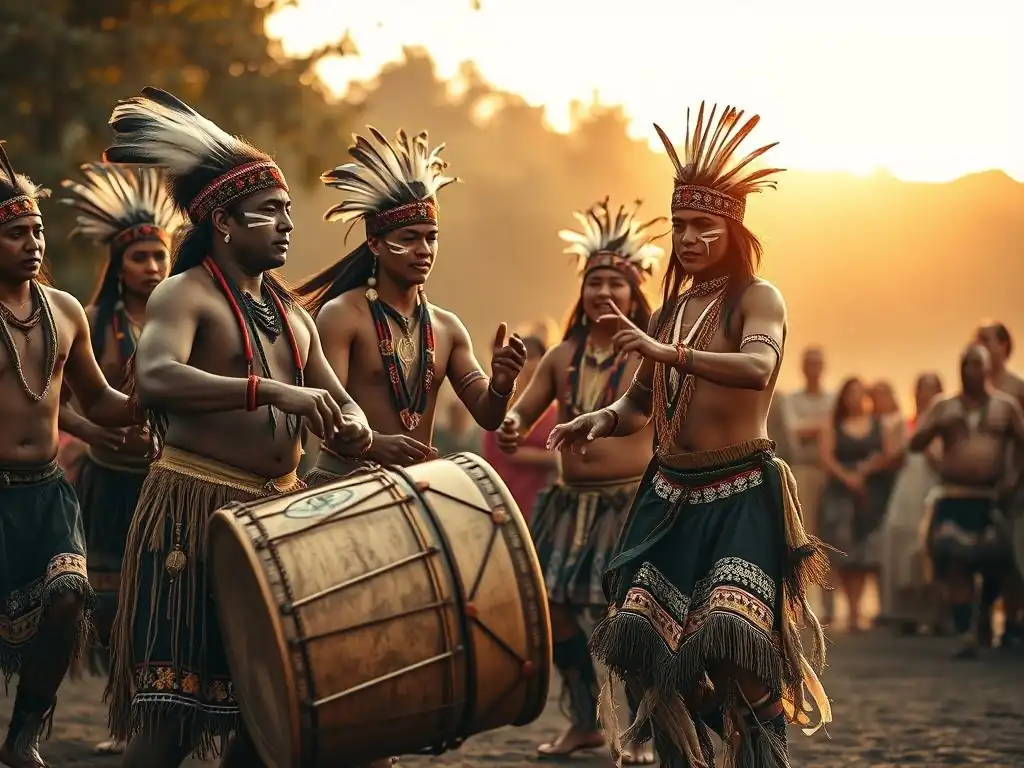
The Importance of Supporting Indigenous Arts
Indigenous performative arts traditions are not just artistic expressions; they embody the history, values, and spiritual beliefs of Indigenous communities. These traditions serve as vital means of knowledge transmission, where stories, cultural practices, and communal identities are shared and preserved through dance and music. Supporting these arts is crucial for several reasons:
- Cultural Heritage Preservation:
- Indigenous performative arts are often passed down through generations. By supporting these traditions, we ensure that they remain vibrant and relevant in contemporary society.
- Many Indigenous communities face the risk of losing their cultural heritage due to globalization and modernization. By fostering an appreciation for their arts, we help combat cultural erosion.
- Community Empowerment:
- Engaging with Indigenous performative arts strengthens community bonds and fosters a sense of pride among Indigenous peoples. This empowerment can lead to increased cultural resilience and self-determination.
- Arts initiatives often provide economic opportunities for Indigenous artists, allowing them to sustain their livelihoods while promoting their cultural practices.
- Educational Opportunities:
- Indigenous arts offer rich educational experiences that can enhance understanding and appreciation of diverse cultures. They can be integrated into school curriculums, helping to bridge cultural gaps and foster mutual respect among students of all backgrounds.
- Workshops, performances, and community events provide platforms for learning about Indigenous histories and narratives, allowing for deeper connections and understanding.
Call to Action for Preservation and Recognition
To ensure the survival and flourishing of Indigenous performative arts traditions, it is imperative that individuals and organizations take action. Here are several ways to contribute:
-
Support Indigenous Artists:
Purchase artwork, attend performances, or participate in workshops led by Indigenous artists. This not only provides economic support but also encourages the continuation of their craft.
-
Advocate for Arts Funding:
Lobby for increased funding for Indigenous arts programs within local, state, and national governments. Highlight the significance of these traditions in cultural preservation and education.
-
Promote Awareness:
Utilize social media and community platforms to raise awareness about Indigenous performative arts traditions. Sharing stories, videos, and event information can broaden the audience and appreciation of these vital cultural expressions.
-
Engage in Cross-Cultural Dialogues:
Encourage discussions around the importance of Indigenous knowledge systems and performative arts within broader community contexts. These dialogues can foster understanding and appreciation, leading to collaborative initiatives that support Indigenous voices.
By taking these steps, we can contribute to a future where Indigenous performative arts traditions thrive, ensuring that the rich cultural legacies of Indigenous peoples are celebrated and preserved for generations to come.
References
Suggested Readings on Indigenous Performative Arts Traditions
Indigenous performative arts traditions encompass a rich tapestry of cultural expressions, each reflecting the unique histories and values of various indigenous communities across the Americas. To deepen your understanding of these traditions, consider the following recommended readings:
-
"The Sound of the Drum: A Study of Indigenous Music in the Americas"
This book delves into the significance of drumming in indigenous cultures, exploring how it serves as a vehicle for storytelling, spiritual practices, and community cohesion.
-
"Dancing the Ancestors' Way: The Importance of Dance in Indigenous Cultures"
This comprehensive work highlights the role of dance as a form of cultural expression and knowledge transmission, emphasizing its importance in rituals and celebrations.
-
"Songs of the Earth: Indigenous Music and Environmental Connection"
This text examines the relationship between indigenous music and the environment, showcasing how songs reflect ecological knowledge and cultural identity.
-
"Choreographies of Memory: Indigenous Dance and the Politics of Representation"
This critical analysis focuses on the representation of indigenous dance in contemporary contexts, addressing issues of appropriation, authenticity, and cultural resilience.
Further Resources for Learning About Indigenous Cultures
In addition to books, various resources are available to expand your knowledge of indigenous cultures and their performative arts traditions. Here are some valuable tools:
-
Documentaries and Films:
- "Rumble: The Indians Who Rocked the World" explores the influence of indigenous musicians on popular music.
- "We Are Still Here" highlights the resilience of indigenous communities through their cultural expressions.
-
Online Archives and Collections:
- The Smithsonian National Museum of the American Indian offers a digital collection of videos, audio recordings, and photographs showcasing indigenous performances.
- The Library of Congress provides access to historical recordings of indigenous music and dance.
-
Workshops and Cultural Events:
Participating in local workshops or attending cultural festivals can provide firsthand experience of indigenous performative arts. Many indigenous communities host events that celebrate traditional music and dance, offering an immersive learning opportunity.
-
Educational Websites and Blogs:
Websites like the Native Arts and Cultures Foundation provide insights into contemporary indigenous artists and their contributions to performative arts. Blogs focusing on indigenous issues often feature articles and interviews that highlight traditional practices.
By engaging with these readings and resources, one can gain a deeper appreciation of the indigenous performative arts traditions, their historical significance, and their role in the ongoing transmission of knowledge within indigenous communities.
Frequently Asked Questions
What are indigenous performative arts traditions?
Indigenous performative arts traditions encompass various forms of dance, music, and storytelling that express cultural heritage, spirituality, and community values among indigenous peoples of the Americas.
How do these traditions contribute to cultural preservation?
These traditions play a crucial role in preserving knowledge, as they serve as vehicles for transmitting history, beliefs, and practices from one generation to the next, ensuring the survival of cultural identity.
What types of performances are included in these traditions?
Performances can include ritual dances, ceremonial songs, and storytelling sessions, each with unique meanings and significance that reflect the diversity of indigenous cultures.
How have indigenous performative arts evolved over time?
While many performative arts traditions have remained rooted in their historical contexts, some have adapted to modern influences, allowing for a dynamic blend of old and new while still honoring original practices.
Why is it important to study indigenous performative arts?
Studying these arts is essential for understanding the rich cultural heritage of indigenous peoples, as well as their resilience, creativity, and ongoing contributions to the broader cultural landscape.
Final Reflection: The Enduring Legacy of Indigenous Performative Arts Traditions
In an era where cultural homogenization threatens the richness of our diverse heritage, the preservation of indigenous performative arts traditions stands as a vital testament to the resilience and creativity of indigenous communities. These art forms are not merely entertainment; they are living archives of history, spirituality, and identity. As we navigate a rapidly changing world, it becomes increasingly essential to recognize and celebrate these traditions, for they offer profound insights into the human experience and the interconnectedness of all cultures.
The influence of indigenous performative arts extends far beyond the stage, shaping our cultural and social landscapes in significant ways. These traditions invite us to engage with the stories, values, and wisdom of indigenous peoples, fostering a deeper understanding and respect for their contributions. Art is the most beautiful of all lies.
This quote encapsulates the power of art to convey truths that transcend the spoken word, reminding us that the narratives woven through dance and music are essential to our collective consciousness. As we embrace these art forms, we not only honor their origins but also enrich our own lives with the diverse perspectives they offer.
As we reflect on the importance of preserving these traditions, I invite you to consider how you can contribute to this vital cause. Engage with indigenous performative arts in your community, support artists, and advocate for the recognition of their cultural significance. By doing so, you become a part of a larger movement that values diversity and fosters understanding. Let us all take action to ensure that these vibrant traditions continue to thrive for generations to come, enriching our world with their beauty and wisdom.
Unleash Your Creative Spirit and Celebrate Indigenous Arts!
Thank you for diving into the vibrant world of Indigenous performative arts! You've discovered how dance and music are not just art forms but powerful vessels of history and culture. Now, it's time to take that inspiration and put it into action!
Here’s how you can connect more deeply with Indigenous arts and support the preservation of this rich heritage:
- Engage with local Indigenous communities: Attend cultural events or workshops to experience dance and music firsthand.
- Share your newfound knowledge: Discuss what you've learned with friends or on social media to spark interest in Indigenous arts.
- Explore: Research and practice an Indigenous art style—whether it's learning a dance or playing a traditional instrument.
What unique ways can you think of to celebrate and support Indigenous cultures in your everyday life?