
Water Management Systems of the Incas: Ingenious Solutions for Arid Environments

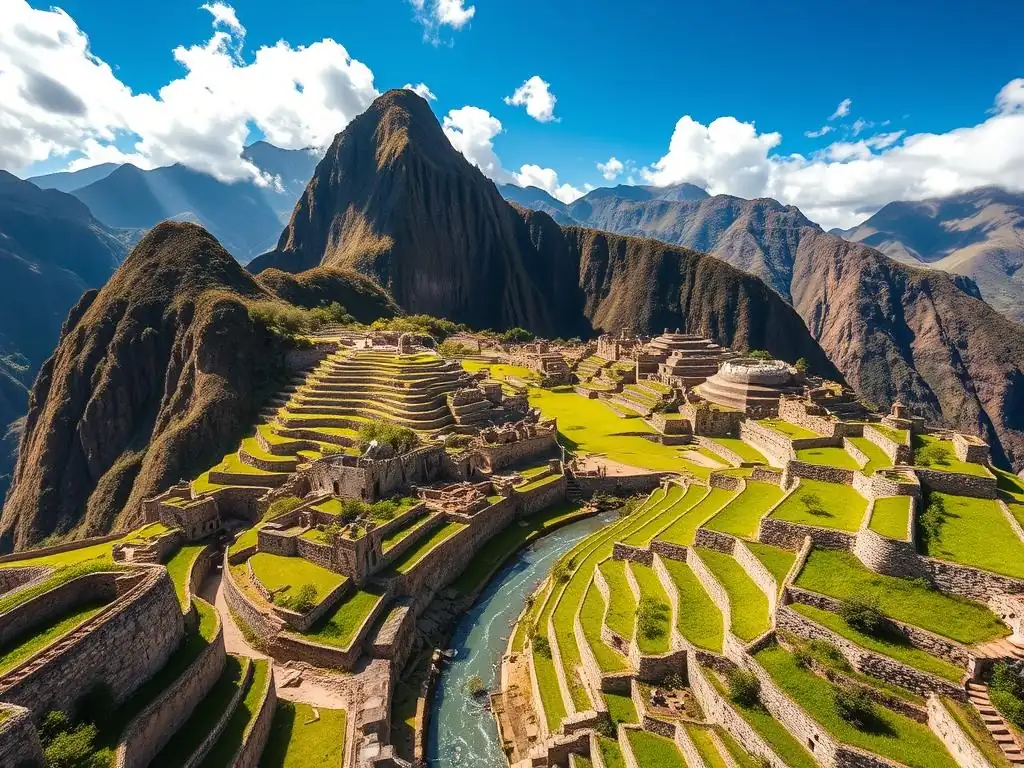
Welcome to Indigenous Civilizations of the Americas, where we invite you to embark on a journey through the rich tapestry of cultures that flourished across the continent long before European contact. Our exploration begins with a fascinating look at the Inca water management systems, a testament to the ingenuity and resilience of the Inca civilization in navigating arid environments.
As you delve deeper into this article, you'll uncover the remarkable techniques and innovations that not only sustained their society but also laid the groundwork for sustainable practices we can learn from today. Get ready to discover the profound achievements of the Incas and their enduring legacy within the landscape of indigenous history!
- Introduction to Inca Water Management Systems
- Historical Context of Inca Water Management
- Ingenious Techniques Used in Inca Water Management Systems
- The Role of Geography in Inca Water Management
- Social and Cultural Significance of Water Management
- Case Studies of Specific Inca Water Management Projects
- Legacy of Inca Water Management Systems
- Conclusion
-
Frequently Asked Questions
- What are the primary features of the Inca water management systems?
- How did the Incas adapt their water management techniques to different terrains?
- What role did water management play in Inca society?
- How do modern water management practices compare to those of the Incas?
- What is the legacy of Inca water management systems today?
- Final Reflection: The Enduring Legacy of Inca Water Management Systems
- Unleash Your Inner Innovator: Learn from the Incas!
Introduction to Inca Water Management Systems
The Inca civilization, known for its remarkable achievements in engineering, agriculture, and architecture, faced significant environmental challenges, particularly in the arid regions of the Andes Mountains. This article delves into the sophisticated water management systems developed by the Incas, which were crucial for sustaining their society and supporting agriculture in a harsh climate.
By examining these Inca water management systems, we can gain insight into how the Incas ingeniously harnessed natural resources to thrive in an environment that posed numerous obstacles. These systems not only reflect their advanced engineering skills but also their deep understanding of the ecosystem, offering valuable lessons for contemporary water management practices.
Overview of Inca Civilization and Its Environmental Challenges
The Inca civilization, which flourished from the early 15th century until the Spanish conquest in the 16th century, was the largest empire in pre-Columbian America. Encompassing vast territories across modern-day Peru, Ecuador, Bolivia, and Chile, the Incas adapted to a range of environmental conditions—from coastal deserts to high mountain regions. However, the Andean environment presented unique challenges:
- Topographical Diversity: The Incas lived in a region characterized by steep mountains, valleys, and plateaus, leading to variations in climate and soil quality.
- Aridity: Many areas within the empire experienced limited rainfall, particularly in the coastal and highland regions, making water a precious resource.
- Seasonal Variability: The reliance on seasonal rains meant that water availability fluctuated, impacting agricultural productivity.
To address these challenges, the Incas developed an array of innovative water management practices that were essential for their survival.
Importance of Water Management for the Incas
Water management was not merely a technical necessity for the Incas; it was a fundamental aspect of their agricultural and social organization. Here are some key reasons why these systems were vital:
- Sustaining Agriculture: The Incas relied heavily on agriculture to feed their population. Efficient water management allowed them to cultivate crops, such as maize, potatoes, and quinoa, which were essential for their diet.
- Supporting Urban Centers: Cities like Cusco and Machu Picchu required a stable water supply to support their inhabitants and infrastructure. The sophisticated irrigation systems ensured that these urban centers thrived.
- Cultural Significance: Water held spiritual and cultural importance for the Incas. Their reverence for natural elements influenced their water management practices, often incorporating rituals to honor water sources.
- Technological Innovation: The Inca water management systems exemplified advanced engineering, including the construction of aqueducts, terraces, and reservoirs, showcasing their ability to manipulate the environment for sustainable use.
The Inca civilization's success and longevity were deeply intertwined with their adept management of water resources. By exploring their innovative solutions, we can appreciate the ingenuity of the Incas and their lasting impact on agricultural practices in arid environments.
Historical Context of Inca Water Management
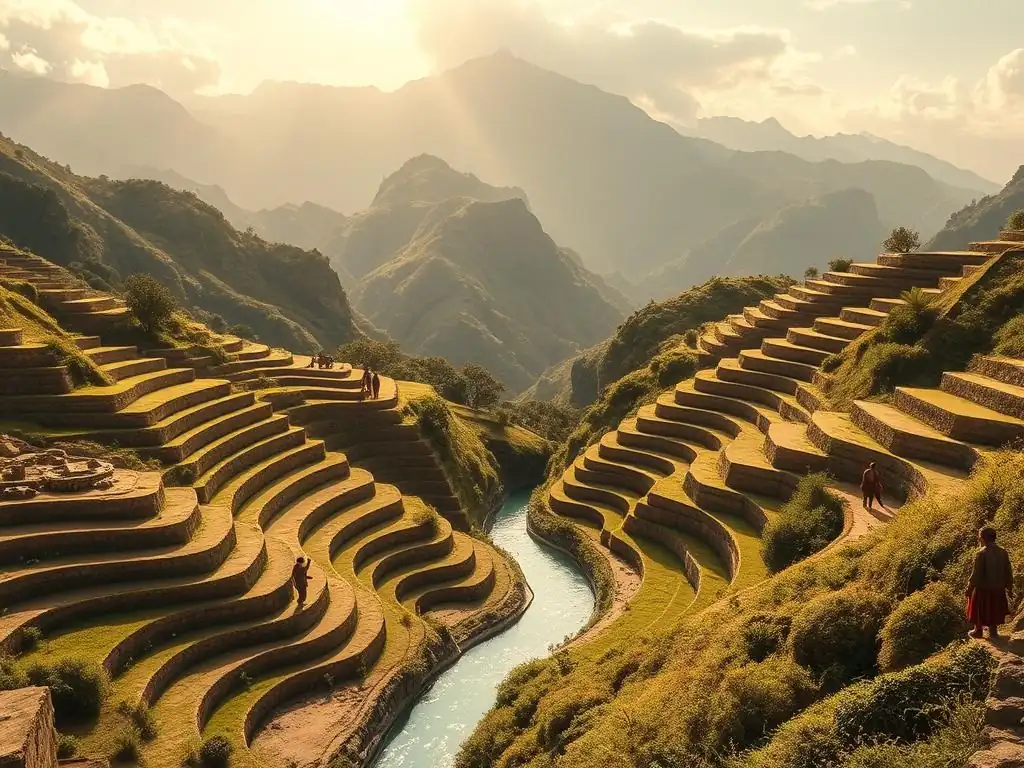
The Inca civilization, flourishing from the early 15th century until the Spanish conquest in the 16th century, was renowned for its sophisticated water management systems. Situated in the Andes mountains, the Incas faced unique challenges due to the arid and diverse environments they inhabited. This necessity led to the development of innovative solutions to harness and distribute water efficiently across their vast empire.
Development of Water Management Systems in Pre-Columbian Times
Long before the rise of the Incas, various indigenous cultures in the Americas had begun to develop water management systems tailored to their local environments. For instance, the Nazca culture (circa 100 BC – 800 AD) in southern Peru is famous for its underground aqueducts, called qanats or puquios, which transported water from distant sources to arid agricultural lands. These early innovations laid the groundwork for more advanced systems that the Incas would later adopt and refine.
The Incas took these ancient practices and expanded upon them, creating an extensive network of irrigation canals, reservoirs, and terraces. This allowed them to manage water not only for farming but also for urban needs and ceremonial purposes. Some key features of Inca water management included:
- Terracing: The Incas constructed stepped terraces on steep hillsides, which helped to reduce soil erosion and maximize arable land. These terraces also captured rainwater and increased moisture retention.
- Irrigation Canals: They engineered a complex system of canals to divert water from rivers and streams. These canals were meticulously designed to maintain a steady flow and prevent flooding during the rainy season.
- Storage Systems: The Incas built large reservoirs to store excess rainwater, ensuring a reliable water supply during the dry months.
The combination of these systems contributed to the agricultural productivity that sustained the Inca Empire, which was crucial for its growth and stability.
Key Historical Figures and Their Contributions to Water Management
Several key figures played significant roles in the development and implementation of the Inca water management systems. Among them, Pachacuti stands out as a transformative leader whose vision and policies greatly impacted the infrastructure of the Inca Empire.
- Pachacuti (1438-1471): Often credited with the expansion of the Inca Empire, Pachacuti recognized the importance of effective water management for agriculture and urban development. He initiated large-scale irrigation projects and emphasized the need for organized and sustainable practices. His administrative reforms allowed for the standardization of water distribution across various regions.
- Topa Inca Yupanqui (1471-1493): As the successor to Pachacuti, Topa Inca Yupanqui continued the work of his predecessor by further developing irrigation systems and expanding agricultural lands. Under his reign, the Incas constructed advanced hydraulic systems that included aqueducts and reservoirs which not only supported agriculture but also improved living conditions in urban areas.
These leaders exemplified the Inca commitment to innovative and sustainable water management practices, enabling the civilization to thrive in challenging environments. Their contributions remain a testament to the ingenuity and adaptability of the Inca civilization in harnessing one of the most vital resources for human survival.
Ingenious Techniques Used in Inca Water Management Systems
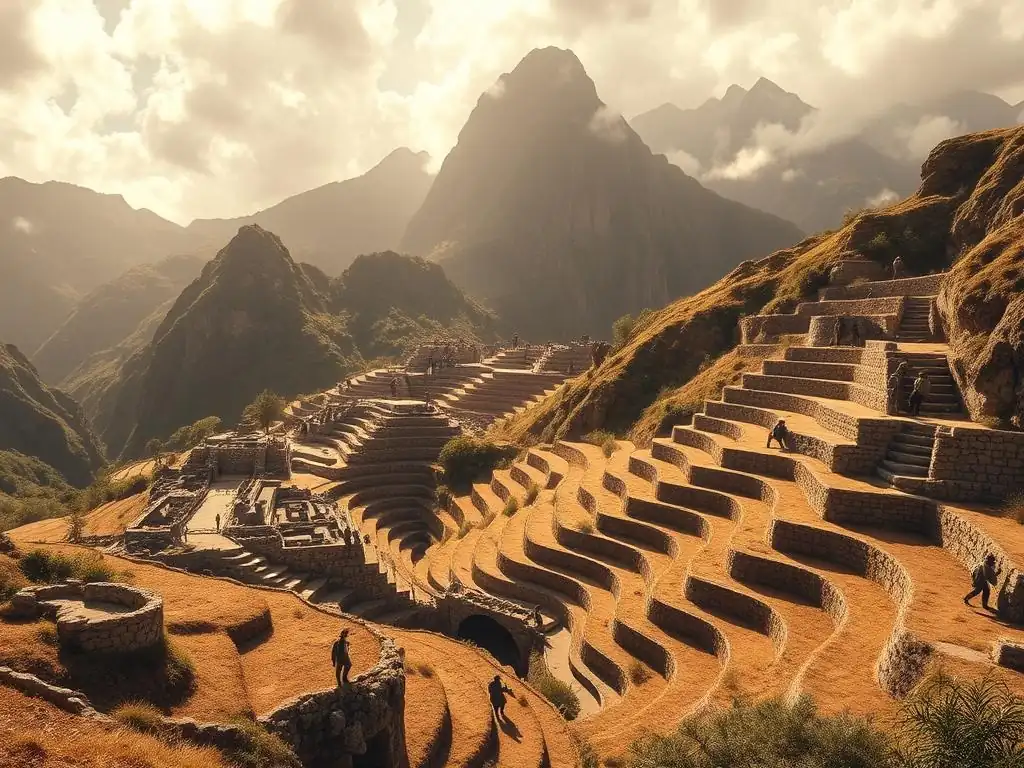
The Inca civilization, renowned for its sophisticated engineering and agricultural practices, developed a range of ingenious techniques to manage water resources in the challenging environments of the Andes. These techniques not only ensured the sustainability of their agriculture but also contributed to the overall prosperity of the Inca Empire. The following sections delve into specific methods employed by the Incas in their water management systems, highlighting their significance and functionality.
Terracing and Its Role in Water Conservation
Terracing was a cornerstone of Inca agricultural practices, particularly in the steep mountainous regions. The Incas constructed extensive terraces on slopes, which served multiple purposes:
- Soil Erosion Prevention: By creating flat surfaces, the terraces minimized soil erosion, allowing nutrients to remain in place and promoting healthier crops.
- Water Retention: Each terrace acted as a small reservoir, capturing rainwater and runoff. This water retention was crucial in arid periods, ensuring crops received the necessary moisture.
- Microclimates Creation: The varying heights of terraces allowed for the cultivation of diverse crops, as different microclimates could be harnessed. For instance, lower terraces could support water-intensive crops, while higher ones could accommodate drought-resistant plants.
The effectiveness of terracing can be illustrated by examining specific sites, such as the terraces at Ollantaytambo, which showcased the Incas' ability to adapt their agricultural practices to varying altitudes and climatic conditions.
Irrigation Canals: Design and Functionality
The Inca irrigation systems were remarkably advanced, featuring an extensive network of canals that distributed water from rivers and streams to agricultural fields. Key features of these irrigation canals included:
- Gravity-Fed Systems: The design of the canals utilized gravity to facilitate water flow, ensuring a consistent supply to farmlands without the need for pumps.
- Adaptive Construction: Canals were often built to follow the natural contours of the land, which helped minimize water loss through evaporation and seepage. This adaptive approach was essential in the arid Andean climate.
- Maintenance and Regulation: The Incas established a system for maintaining these canals, appointing community members to oversee their upkeep. This communal responsibility ensured that water resources were managed equitably and effectively.
The success of the Inca irrigation canals can be seen in the agricultural output of regions such as the Sacred Valley, where the combination of canals and terracing led to highly productive farming systems.
Aqueducts: Engineering Marvels of the Inca Empire
In addition to canals and terraces, the Incas constructed aqueducts that showcased their engineering prowess. These aqueducts served as vital conduits for transporting water over considerable distances. Key characteristics include:
- Stone Construction: Many aqueducts were built using durable stones, which allowed them to withstand the rigors of the environment. This solid construction also minimized maintenance needs over time.
- Elevation Control: The aqueducts were designed to traverse varying elevations, using a combination of slopes and tunnels to maintain a steady flow of water. Notably, the aqueduct of Tipón is a testament to this engineering skill, featuring precise gradients to control water flow.
- Cultural Significance: Aqueducts were not merely functional; they held cultural importance as well. They often symbolized the Incas' relationship with water and agriculture, reflecting their reverence for these resources.
The aqueducts played a crucial role in supporting urban centers and agricultural areas within the Inca Empire, ultimately contributing to the civilization’s stability and growth.
The water management systems of the Incas were not just practical solutions to environmental challenges; they were a reflection of a highly organized society that prioritized sustainability and efficiency. The terracing, irrigation canals, and aqueducts collectively illustrate the ingenuity and adaptability of the Inca civilization in harnessing one of their most vital resources: water.
The Role of Geography in Inca Water Management
The geography of the Inca Empire played a crucial role in shaping their sophisticated water management systems. Spanning diverse terrains, from the arid highlands to lush river valleys, the Incas faced significant challenges in sourcing and distributing water. The empire’s location in the Andes Mountains, characterized by extreme elevations and varying climates, necessitated innovative solutions to ensure a reliable water supply for agriculture, urban centers, and ceremonial sites.
Adapting to Arid Environments: Geographic Challenges
The western highlands of the Andes feature some of the most arid regions, presenting a formidable challenge for agricultural sustenance. The Incas encountered several geographic factors that influenced their water management strategies, including:
- Altitude Variability: The empire's altitude ranges from sea level to over 6,000 meters (19,685 feet), leading to diverse climatic conditions. In high-altitude areas, where rainfall is scarce, the Incas developed methods to capture and conserve water.
- Seasonal Rainfall Patterns: Most of the rainfall occurred during the wet season (November to March), which necessitated storage solutions to carry water through the dry months. The Incas harnessed this seasonal abundance through intricate systems of canals and reservoirs.
- Topographical Changes: The steep slopes and rugged terrain required the Incas to create terracing systems to prevent soil erosion and maximize arable land. These terraces also facilitated water retention and distribution.
The ingenuity of Inca water management systems, such as the use of qanats (underground aqueducts) and puquios (natural springs), allowed them to reroute water from rivers and streams to where it was most needed.
Regional Variations of Water Management Systems across the Inca Empire
The diversity of geography across the Inca Empire led to distinct regional adaptations in their water management practices. Here are some notable examples:
- Highland Regions:
- In the high-altitude areas, the Incas constructed stone-lined canals to redirect water from rivers into agricultural fields. They also built retaining walls to create terraced farming, which helped maintain moisture and reduced runoff.
- Coastal Areas:
- The arid coastal regions, such as those near modern-day Lima, saw the development of irrigation systems that utilized river water diverted from the Andes. The Incas built intricate channels that spread water across vast stretches of farmland, maximizing crop yields in an otherwise inhospitable environment.
- Amazon Basin:
- In the lush provinces of the Amazon, the Incas implemented flood control systems to manage the seasonal inundation. They constructed raised fields and canals that worked with the natural flood cycles, ensuring that crops were not only feasible but thriving.
The combination of local knowledge, innovative engineering, and adaptation to environmental conditions allowed the Incas to create a resilient agricultural system that sustained their civilization for centuries. The enduring impact of these water management systems continues to be a subject of study, revealing the profound relationship between geography and the development of indigenous technologies in the Americas.
The Relationship Between Water Management and Inca Society
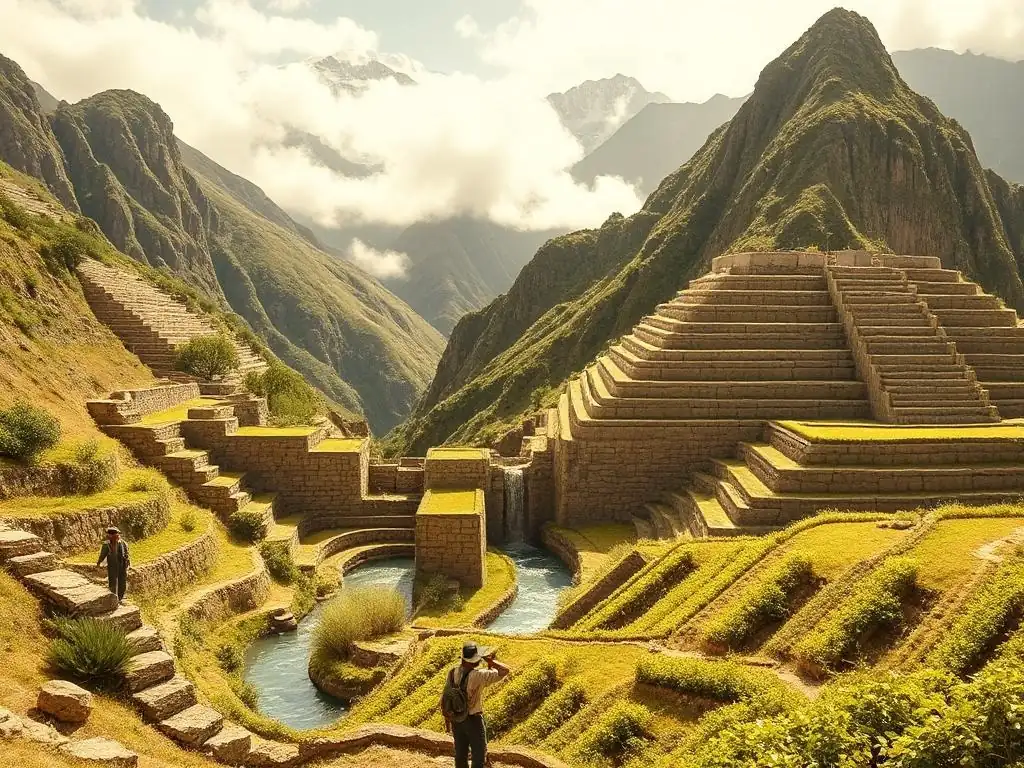
The Inca civilization, which flourished in the Andean region of South America, demonstrated remarkable ingenuity in their water management systems, which played a pivotal role in sustaining their expansive empire. Water was not just a physical resource for the Incas; it was deeply intertwined with their societal structure and agricultural practices.
Agricultural Dependence
The Incas relied heavily on agriculture, with crops such as maize, potatoes, and quinoa forming the backbone of their economy. To maximize agricultural output, they developed sophisticated irrigation systems that allowed them to cultivate lands in otherwise arid environments. These systems included:
- Terracing: The Incas built extensive terraces on steep slopes, which not only conserved soil but also managed water flow effectively.
- Canals: They constructed canals that diverted water from rivers to their fields, ensuring a steady supply for irrigation.
This meticulous approach to water management enabled the Incas to support large populations and maintain food security, which was essential for the stability of their society.
Social Stratification and Water Distribution
Water distribution in Inca society was also a reflection of its social hierarchy. The Incas established a system where water rights were allocated based on social status and community needs. This structure reinforced the authority of the ruling elite while promoting cooperation among community members.
- Community roles: Different clans or groups were assigned specific responsibilities for maintaining irrigation channels.
- Collective stewardship: The shared responsibility fostered a sense of unity and cooperation, vital for the Inca's social fabric.
The efficient management of water not only supported agriculture but also solidified the social structure within Inca society, illustrating the integral role of water in their daily lives.
Water as a Sacred Resource in Inca Culture
In Inca culture, water transcended its utilitarian function; it was revered as a sacred element imbued with spiritual significance. The Incas believed that water was a gift from the gods and an essential component of their cosmology.
Rituals and Worship
The Incas engaged in various rituals and ceremonies centered around water, recognizing its importance in agriculture and daily life. Key aspects included:
- Offerings to Pachamama: The Earth Mother, Pachamama, was honored through offerings of food and other items placed in rivers and streams, acknowledging her role in providing water.
- Sacred springs: Certain springs and bodies of water were considered sacred sites where the Incas performed rituals to ensure agricultural fertility and community well-being.
These practices not only highlighted the reverence for water but also reinforced community ties and cultural identity among the Incas.
Symbolism in Art and Architecture
Water's significance is also reflected in Inca art and architecture. Many Inca structures featured water channels, fountains, and pools, showcasing their advanced engineering skills while symbolizing purity and life.
- Symbolic motifs: Water motifs frequently appeared in textiles and pottery, illustrating the centrality of this resource in Inca artistic expression.
- Architectural designs: The incorporation of water-related features in temple complexes underscored its spiritual importance, further integrating the natural element into their cultural narrative.
Through these multifaceted relationships with water, the Incas not only managed a vital resource but also cultivated a rich cultural and spiritual legacy that underscores their sophisticated understanding of their environment.
Case Studies of Specific Inca Water Management Projects
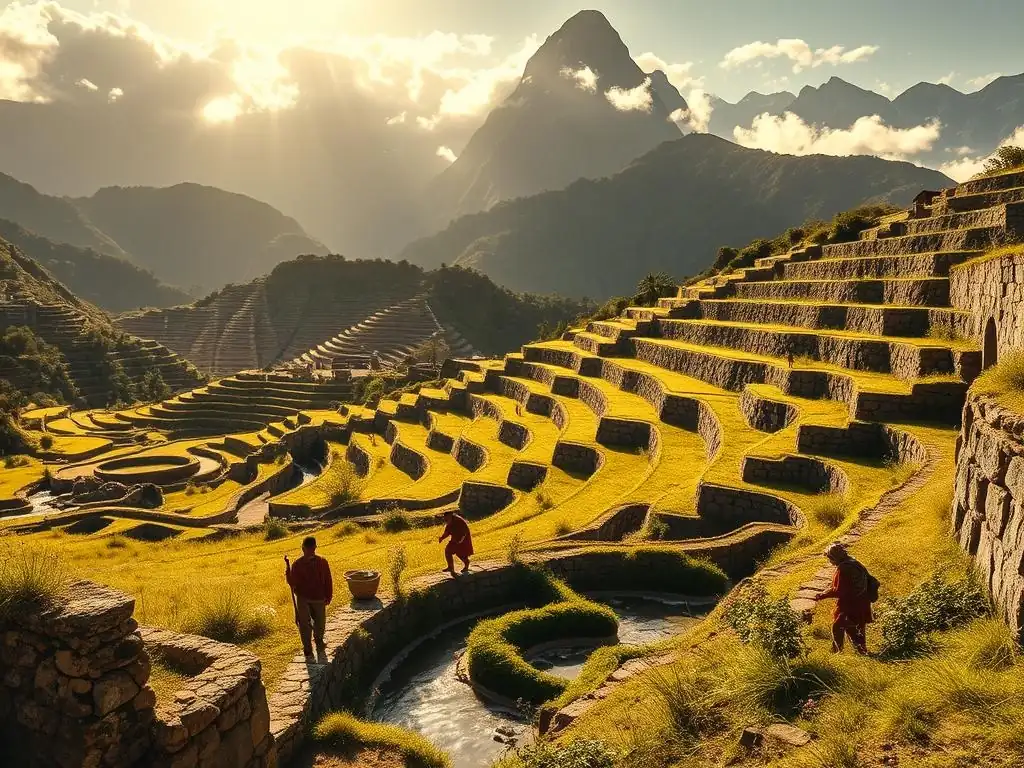
The Moray Agricultural Terraces: An Example of Innovation
The Moray agricultural terraces stand as a testament to the ingenuity of Inca water management systems. Located in the Sacred Valley of Peru, this site features a series of circular terraces that descend into a natural depression. This unique design was not merely aesthetic; it served a crucial purpose in agricultural productivity, particularly in adapting to the region's variable climate.
- Microclimate Creation: The terraces created distinct microclimates. Each level of the terraces varies in temperature and humidity, allowing for the cultivation of diverse crops. The lower terraces are warmer, which is ideal for plants like maize, while the cooler upper terraces support crops like potatoes and quinoa.
- Water Distribution: The Inca engineers ingeniously designed a system of channels and reservoirs that ensured efficient water distribution throughout the terraces. Water was sourced from nearby springs and carefully channeled down the terraces, optimizing irrigation. This method minimized water loss through evaporation and runoff, showcasing the effectiveness of their water management systems.
- Soil Conservation: The design of the terraces also played a critical role in soil conservation. The stepped structure reduced soil erosion, allowing fertile soil to remain in place and maintaining agricultural productivity over time. The Inca understood the importance of sustainable practices, which is reflected in their approach to water management.
The Ollantaytambo Irrigation System: Engineering Excellence
The Ollantaytambo irrigation system exemplifies the remarkable engineering skills of the Incas, showcasing their adeptness in creating sophisticated water management systems that supported large populations.
- Complex Water Network: At Ollantaytambo, the Inca constructed an intricate network of canals that diverted water from the nearby Patacancha River. This system allowed for the effective irrigation of agricultural lands, ensuring a consistent water supply for crops. The canals were designed to slope gently, facilitating gravity-fed irrigation that remains operational even today.
- Terracing Techniques: Similar to Moray, Ollantaytambo employed terracing techniques to maximize arable land in the steep mountainous terrain. The terraces not only provided level surfaces for farming but also helped manage water flow, reducing the risk of flooding and promoting better crop yields.
- Cultural Significance: The Ollantaytambo irrigation system was not just an agricultural tool; it also held cultural significance. The site served as a strategic military outpost and a religious center, demonstrating how water management systems were integral to Inca society's social, economic, and spiritual life.
- Lasting Impact: The sophistication of Ollantaytambo's irrigation system continues to inspire modern engineers and agriculturalists. Its principles of sustainable water management are still relevant today, highlighting the enduring legacy of Inca water management systems.
The Moray agricultural terraces and the Ollantaytambo irrigation system illustrate the Inca civilization's profound understanding of water management. Their innovative approaches not only supported their agricultural needs but also ensured the sustainability of their communities in the challenging Andean environment.
Legacy of Inca Water Management Systems
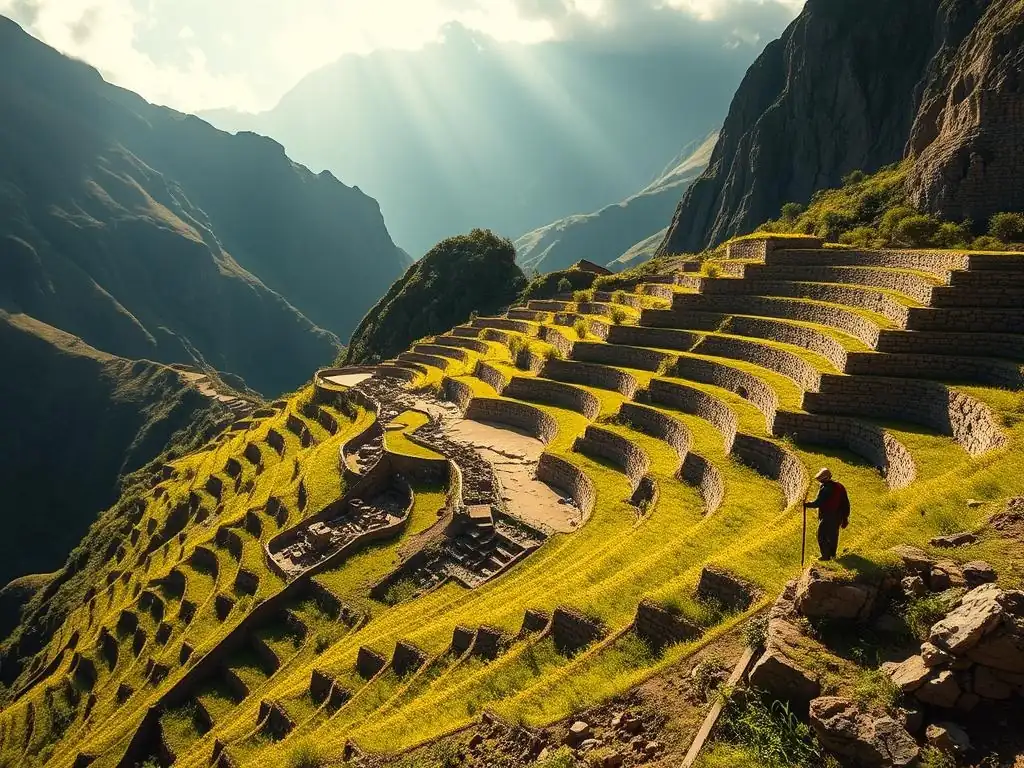
The Inca civilization, known for its remarkable engineering feats, has left a profound legacy through its innovative water management systems. These systems were not merely practical solutions to the challenges posed by their environment; they reflected a deep understanding of hydrology, agricultural practices, and sustainable resource management. The Incas developed an intricate network of channels, aqueducts, and terraces that allowed them to thrive in the arid Andes mountains, ensuring that water was efficiently distributed across their territories. This legacy continues to influence modern practices and offers valuable lessons in overcoming contemporary environmental challenges.
Influence on Modern Water Management Practices in the Andes
The principles underlying Inca water management systems have significantly influenced modern practices in the Andean region. Contemporary engineers and environmental planners often draw inspiration from the Incas’ methods to address water scarcity and improve agricultural productivity. Here are some key aspects of this influence:
- Terracing Techniques: The Incas constructed extensive terraces to maximize arable land and prevent soil erosion. Modern farmers have adopted similar terracing techniques, adjusting them to contemporary materials and technologies to enhance water retention and soil fertility.
- Canal Systems: The sophisticated network of canals developed by the Incas is mirrored in current irrigation systems. These modern systems often incorporate traditional Inca designs to efficiently channel water from rivers and streams to farmland, particularly in areas struggling with water access.
- Sustainable Practices: The Incas practiced sustainable water use by synchronizing agricultural activities with seasonal water availability. This principle is increasingly relevant today as communities work to develop sustainable practices that reduce water waste and enhance resilience amid climate change.
- Community Management: Inca water management was a communal effort that involved local populations in the maintenance and operation of water systems. This approach is echoed in modern initiatives that emphasize community engagement in water resource management, fostering local stewardship and cooperation.
The enduring influence of the Inca water management systems serves as a reminder of the importance of integrating traditional knowledge with contemporary practices to create effective solutions to modern water challenges.
Lessons Learned from Inca Water Management for Contemporary Environmental Challenges
The Inca civilization provides a wealth of lessons for addressing contemporary environmental challenges, particularly in the realm of water management. Their innovative approaches offer insights that can be applied to current issues, such as climate change and resource scarcity. Key lessons include:
- Adaptation to Local Conditions: The Incas tailored their water management practices to the specific environmental conditions of the Andes. This adaptability is crucial today, as communities face unique challenges based on geography and climate. Customizing solutions to fit local needs can enhance resilience.
- Integrated Water Resource Management: The Incas understood the interconnectedness of water systems, agriculture, and community well-being. Modern water management strategies can benefit from a similar holistic approach, considering how various elements of the ecosystem interact.
- Innovative Engineering Solutions: The creative engineering solutions developed by the Incas, such as siphons and aqueducts, highlight the value of innovation in water management. Emphasizing research and development in water technology can lead to breakthroughs in water conservation and distribution.
- Cultural Significance of Water: The Incas viewed water as a sacred resource, integral to their culture and spirituality. Recognizing and respecting the cultural significance of water in contemporary societies can foster greater community investment in sustainable water management practices.
- Collaboration and Knowledge Sharing: The Incas relied on collective effort for managing their water systems. Today's challenges necessitate collaboration among governments, NGOs, and local communities to share knowledge and resources effectively.
The legacy of Inca water management systems offers critical insights that can inform current strategies for addressing environmental challenges, emphasizing the importance of traditional knowledge, community involvement, and sustainable practices in the stewardship of water resources.
Conclusion
Summary of Inca Water Management Systems' Ingenious Solutions
The Inca water management systems are exemplary of the innovative engineering and environmental adaptation that characterized the Inca civilization. These systems were not merely functional but were intricately designed to address the specific challenges posed by the arid Andean environment. Key features of these systems included:
- Terracing: The Incas constructed extensive terraces that not only maximized arable land but also facilitated efficient water runoff and irrigation. This method allowed them to cultivate crops in areas that would otherwise be inhospitable to agriculture.
- Canals and Aqueducts: A network of canals and aqueducts directed water from mountain streams to agricultural fields. These structures were meticulously engineered to ensure a steady flow of water, particularly crucial during dry seasons.
- Storage Facilities: The Incas built sophisticated reservoirs to collect rainwater and runoff. These storage systems were essential for maintaining a consistent water supply, allowing for year-round agriculture and supporting large populations.
- Check Dams: In many areas, the Incas employed check dams to slow down water flow and prevent erosion, which helped in preserving soil moisture and improving agricultural productivity.
Through these ingenious solutions, the Incas not only sustained their civilization but also transformed the landscape of the Andes, demonstrating a profound understanding of hydrology and environmental management.
The Lasting Impact of Inca Innovations on Future Generations
The innovations of the Inca water management systems have had a lasting impact that extends far beyond their time. Several key aspects of their legacy include:
- Sustainable Agricultural Practices: The principles of sustainable water management developed by the Incas continue to influence modern agricultural practices in arid regions. Techniques such as terracing and the use of check dams are still employed by farmers today to make the most of limited water resources.
- Cultural Heritage and Knowledge Preservation: The Inca approach to water management has become a subject of study and admiration, highlighting the importance of indigenous knowledge systems. This legacy is preserved in the cultural practices of Andean communities, where traditional methods are integrated with modern techniques.
- Environmental Consciousness: The Incas' ability to harmonize their agricultural practices with the environment serves as a powerful example in contemporary discussions about sustainability and climate resilience. Their holistic approach can inspire current and future generations to develop solutions that respect and utilize natural resources wisely.
- Infrastructure Inspiration: Modern civil engineering can draw inspiration from Inca techniques. The principles behind their aqueducts and canals provide insights into sustainable infrastructure development, especially in regions facing water scarcity.
The lasting impact of Inca innovations serves as a testament to their ingenuity and adaptability, offering valuable lessons for future generations in managing natural resources effectively. The study of their water management systems not only enriches our understanding of Inca civilization but also informs contemporary practices in environmental management and sustainable agriculture.
Frequently Asked Questions
What are the primary features of the Inca water management systems?
The Inca water management systems included aqueducts, canals, and terraces that efficiently directed water from mountain sources to agricultural fields, ensuring sustainable farming in arid environments.
How did the Incas adapt their water management techniques to different terrains?
The Incas employed innovative engineering techniques to create terracing and irrigation systems that adapted to the diverse geographical landscapes, maximizing water usage and crop yields.
What role did water management play in Inca society?
Water management was crucial for the Inca civilization, supporting agriculture, settlement planning, and population growth, thereby establishing a strong economic foundation for their society.
How do modern water management practices compare to those of the Incas?
Modern systems often draw inspiration from Incan practices, emphasizing sustainability and community involvement; however, they utilize advanced technology and materials that differ from traditional methods.
What is the legacy of Inca water management systems today?
The Inca water management systems have left a lasting legacy, influencing contemporary agricultural practices in the Andes and highlighting the importance of sustainable resource management in arid regions.
Final Reflection: The Enduring Legacy of Inca Water Management Systems
The ingenuity of the Inca water management systems remains profoundly relevant today, as we face increasing challenges related to water scarcity and climate change. The sophisticated techniques developed by the Incas not only highlight their remarkable engineering skills but also serve as a blueprint for modern societies grappling with similar environmental issues. As we look to the future, the lessons learned from these ancient systems can inspire innovative solutions for sustainable water management in our own communities.
The impact of Inca water management extends far beyond historical significance; it continues to shape our understanding of sustainable practices in arid environments. The intricate networks of canals, aqueducts, and terraces not only optimized agricultural productivity but also fostered a deep connection between the people and their environment. This relationship is encapsulated in the words of environmentalist Aldo Leopold: The last word in ignorance is the man who says of an animal or plant, 'What good is it?'
. This perspective encourages us to appreciate the interconnectedness of ecosystems and the importance of preserving traditional knowledge in our quest for sustainability.
As we reflect on the remarkable achievements of the Incas, let us take a moment to consider how we can apply these lessons in our own lives. I invite you to explore your relationship with water and the systems that support it in your community. Whether through conservation efforts, advocating for sustainable practices, or simply being mindful of your water usage, every action counts. By embracing the wisdom of the past, we can forge a path toward a more sustainable future, ensuring that the legacy of the Inca water management systems continues to inspire generations to come.
Unleash Your Inner Innovator: Learn from the Incas!
Thank you for diving into the fascinating world of Inca water management systems! You’ve gained valuable insights into their ingenious strategies for thriving in arid environments. Now, it’s time to take action inspired by their innovation.
Here’s how you can further explore and apply these lessons in your own life and community:
- Implement sustainable practices: Start a small project focusing on efficient water use in your garden or community, utilizing techniques inspired by the Incas.
- Share your insights: Discuss the importance of water management with friends or on social media to spark conversations about sustainability.
- Explore local resources: Research traditional methods in your area that promote environmental stewardship and effective resource management.
How will you incorporate the wisdom of the Incas into your everyday life to tackle contemporary challenges?