
The Role of Priests: Spiritual Leaders and Their Influence in Inca Society

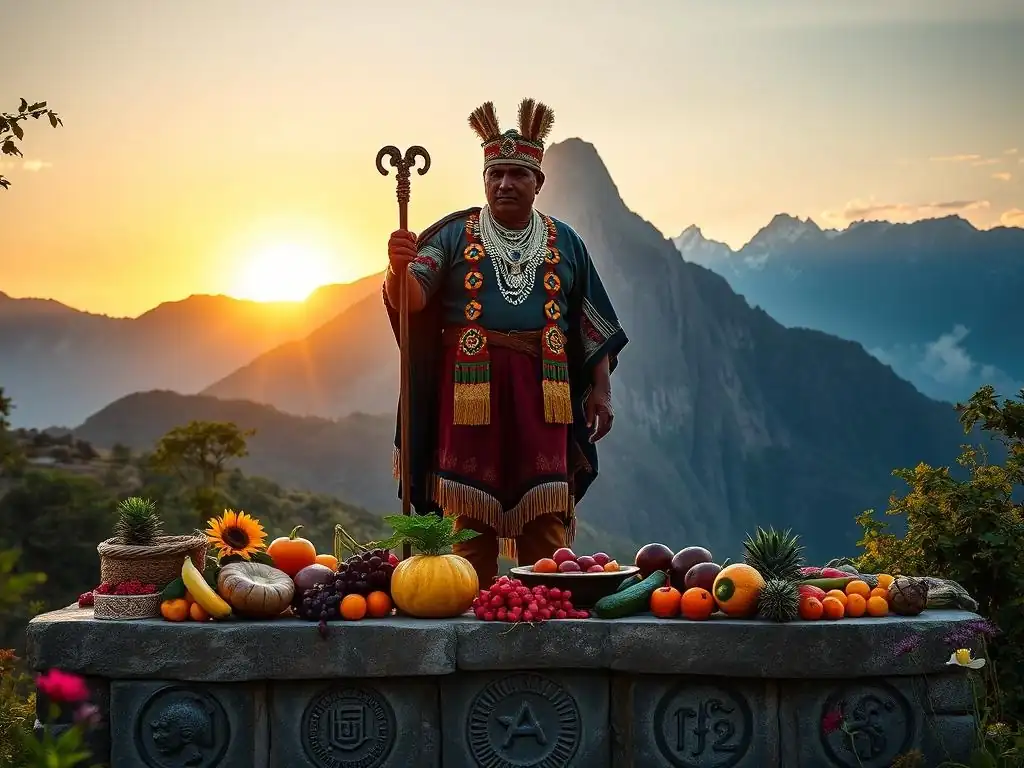
Welcome to Indigenous Civilizations of the Americas, where we invite you to embark on a captivating journey through the rich tapestry of indigenous cultures that flourished long before European colonization. Here, you'll uncover the remarkable achievements and profound societal structures of these civilizations. In our featured article, “The Role of Priests: Spiritual Leaders and Their Influence in Inca Society,” we delve into the pivotal role of Inca priests, exploring how their spiritual guidance shaped the very fabric of Inca life and governance.
Prepare to be intrigued as we reveal the powerful legacy they left behind, and discover how these ancient beliefs continue to resonate today. Dive in and let your curiosity lead the way!
Introduction to Inca Priests and Their Influence
The Inca civilization, one of the most remarkable cultures to flourish in the Americas prior to European colonization, is renowned for its sophisticated social structures, impressive architectural feats, and profound spiritual beliefs. At the heart of this civilization were the Inca priests, who played a pivotal role in the societal framework. These spiritual leaders not only guided religious practices but also wielded significant influence over political, social, and economic aspects of Inca life. Understanding the multifaceted role of these priests provides valuable insights into how they shaped the Inca worldview and maintained harmony within their communities.
Overview of Inca Civilization and Religion
The Inca Empire, which stretched along the western coast of South America from the early 15th century until its downfall in the 16th century, was marked by a rich tapestry of cultural practices and beliefs. Central to Inca religion was the worship of Inti, the sun god, alongside a pantheon of other deities representing natural elements and ancestral spirits. Religious observances were deeply intertwined with daily life and agriculture, dictating the timing of planting and harvests, and influencing decisions at every level of society.
Inca religion was characterized by:
- Rituals and Festivals: These events were essential for appeasing the gods and ensuring fertility and prosperity.
- Sacred Sites: Locations like Machu Picchu and Qorikancha served as important religious centers, where priests conducted elaborate ceremonies.
- Offerings and Sacrifices: The Incas believed that sacrifices, whether of crops, animals, or even humans, were necessary to maintain the favor of the gods.
Importance of Priests in Inca Society
Inca priests held significant authority and were regarded as intermediaries between the divine and the earthly realms. Their influence extended beyond mere religious functions; they were also involved in governance, societal norms, and community well-being. The priests' role was crucial in ensuring that the society adhered to religious laws and practices, which in turn helped to maintain order and stability within the empire.
The importance of priests can be summarized as follows:
- Spiritual Guidance: Providing direction for the populace on spiritual matters and community rituals.
- Cultural Preservation: Upholding and transmitting Inca beliefs, customs, and traditions throughout generations.
- Political Power: Many priests held positions of power that allowed them to influence governance and decisions made by Inca rulers.
The Responsibilities of Inca Priests
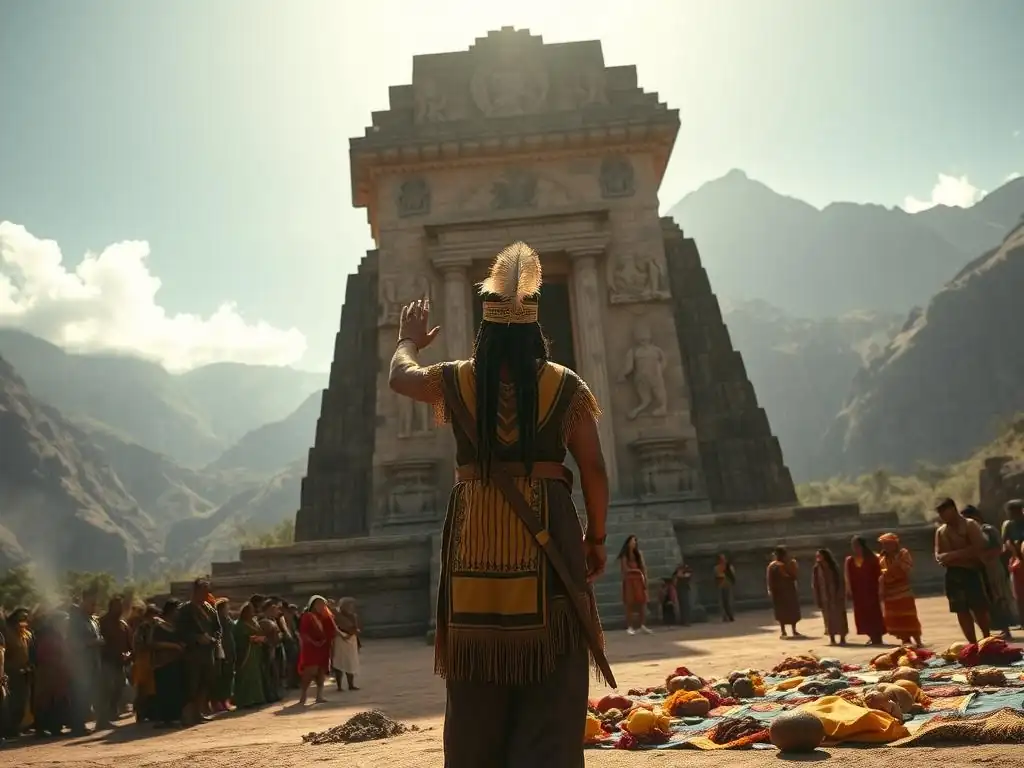
Spiritual Duties of Inca Priests
Inca priests were primarily responsible for conducting rituals and ceremonies essential to maintaining the favor of the gods. Their spiritual duties included:
- Performing Sacrifices: Offering animals or crops to deities to ensure good harvests or favorable weather.
- Conducting Ceremonies: Leading festivals and rituals that marked significant events in the Inca calendar, such as the Inti Raymi festival, dedicated to the sun god.
- Maintaining Sacred Sites: Responsible for the upkeep of temples and altars, where worship and offerings took place.
Administrative Roles of Priests in Inca Society
Beyond their spiritual obligations, Inca priests also played key administrative roles. They were involved in:
- Resource Management: Overseeing the distribution of surplus agricultural products generated from temple lands.
- Conflict Resolution: Acting as mediators in disputes, leveraging their respected status to maintain peace within communities.
- Education: Teaching the next generation about religious practices, history, and the importance of their cultural identity.
Inca Priests as Intermediaries between Gods and People
Inca priests served as vital links between the deities and the people, a role that was instrumental in the religious and social fabric of Inca civilization. They were perceived as possessing special knowledge and abilities to communicate with the gods, which included:
- Divination: Using various methods to interpret the will of the gods, guiding the populace in decision-making.
- Healing Practices: Employing traditional medicine and rituals believed to harness divine powers for healing the sick.
- Public Ceremonies: Organizing large-scale public rituals to unite the community in worship and reinforce their collective identity.
This multifaceted role of Inca priests not only highlights their spiritual significance but also underscores their integral position in maintaining the stability and continuity of Inca society.
Types of Inca Priests
Inca society was deeply intertwined with religion, and priests played a crucial role in maintaining the spiritual life of the empire. The hierarchy of priests reflected the complex religious framework of the Inca civilization, which included various types of priests, each with distinct responsibilities and areas of influence. The primary categories of Inca priests can be divided into high priests, local priests, and female priests, each contributing to the spiritual and communal fabric of Inca society.
High Priests and Their Authority
High priests, known as "Willaq Umu," held the most prestigious positions within the Inca religious hierarchy. They were responsible for overseeing the most significant temples and conducting elaborate ceremonies that were central to the Inca belief system. The high priests acted as intermediaries between the gods and the people, ensuring that divine favor was maintained through rituals and offerings. They were often of noble birth and were selected for their roles based on lineage and religious training.
The authority of high priests extended beyond mere religious duties; they wielded significant political power as well. They advised the Sapa Inca (the emperor) on matters of state and were instrumental in the governance of religious affairs. Their involvement in political decision-making highlighted the integral connection between spirituality and governance in Inca culture.
Local Priests and Their Community Roles
Local priests, or "Apu," served in smaller communities and were vital for maintaining the spiritual well-being of their villages. Unlike high priests, who often operated in the capital, local priests were deeply embedded in their communities and had a more personal relationship with the people they served. They conducted daily rituals, facilitated ceremonies, and provided guidance on spiritual matters.
These priests played a crucial role in agricultural cycles, performing rituals to ensure bountiful harvests and appease the deities associated with fertility and land. They also acted as healers and counselors, addressing the everyday spiritual and physical needs of the community. In this way, local priests were not only religious figures but also integral components of social cohesion and cultural identity within Inca society.
Female Priests in Inca Religion
Female priests, known as "Mamaconas," held unique and significant roles in Inca religion. They were often associated with the worship of Pachamama (Mother Earth) and other feminine deities. Mamaconas typically lived in convent-like settings and were dedicated to religious service from a young age. Their responsibilities included weaving sacred garments, preparing offerings, and participating in rituals that honored female deities.
The inclusion of female priests within the religious framework of the Incas illustrates the gender balance present in Inca spirituality. While male priests dominated many aspects of religious leadership, female priests contributed to the spiritual life of the community, ensuring that the worship of female deities was adequately represented and respected. Their involvement in religious practices highlighted the essential nature of women in sustaining and nurturing Inca spirituality.
Rituals and Ceremonies Led by Inca Priests
Rituals and ceremonies were vital components of Inca religion, serving to maintain the relationship between the people and their gods. Inca priests were the primary conductors of these rituals, which ranged from daily observances to grand festivals. These practices were not only spiritual but also reinforced social order and cultural identity among the Inca.
Major Religious Festivals and Their Significance
Among the most significant religious festivals in Inca society was Inti Raymi, the Festival of the Sun. Celebrated during the winter solstice, this festival honored Inti, the sun god, and was a time for the Sapa Inca to demonstrate his divine connection. High priests led elaborate ceremonies, including offerings of food and textiles, to ensure the sun's return and the fertility of the land.
Another significant festival was Pachamama Raymi, dedicated to Pachamama, the Earth goddess. This festival highlighted the Inca's deep connection to agriculture and the natural world, with priests leading rituals to thank the earth for its bounty and seek blessings for future harvests. These festivals were not only religious observances but also communal events that strengthened social ties and cultural identity.
Daily Rituals Performed by Inca Priests
In addition to grand festivals, Inca priests conducted daily rituals that maintained the spiritual health of the community. These rituals included offerings of food, animals, and textiles to the gods, as well as prayers and invocations. Each day began with a series of specific rituals aimed at ensuring harmony and balance within the community and the natural environment.
Priests also performed rituals to mark important life events, such as births, marriages, and deaths. By doing so, they provided spiritual guidance and comfort to the people, reinforcing the importance of religious observance in everyday life.
Sacrificial Practices in Inca Religion
Sacrificial practices were a significant aspect of Inca religion and were often overseen by priests. The most common forms of sacrifice involved the offering of llamas, guinea pigs, and other animals. These sacrifices were believed to appease the gods and ensure their favor in various aspects of life, including agriculture, health, and warfare.
In some cases, human sacrifices were also performed, particularly during times of crisis or significant events. High priests would lead these ceremonies, which were conducted with great reverence and solemnity. The practice of sacrifice underscored the deep-rooted belief in reciprocity between the Inca people and their deities, where offerings were made in exchange for divine blessings and protection.
The Influence of Inca Priests on Society
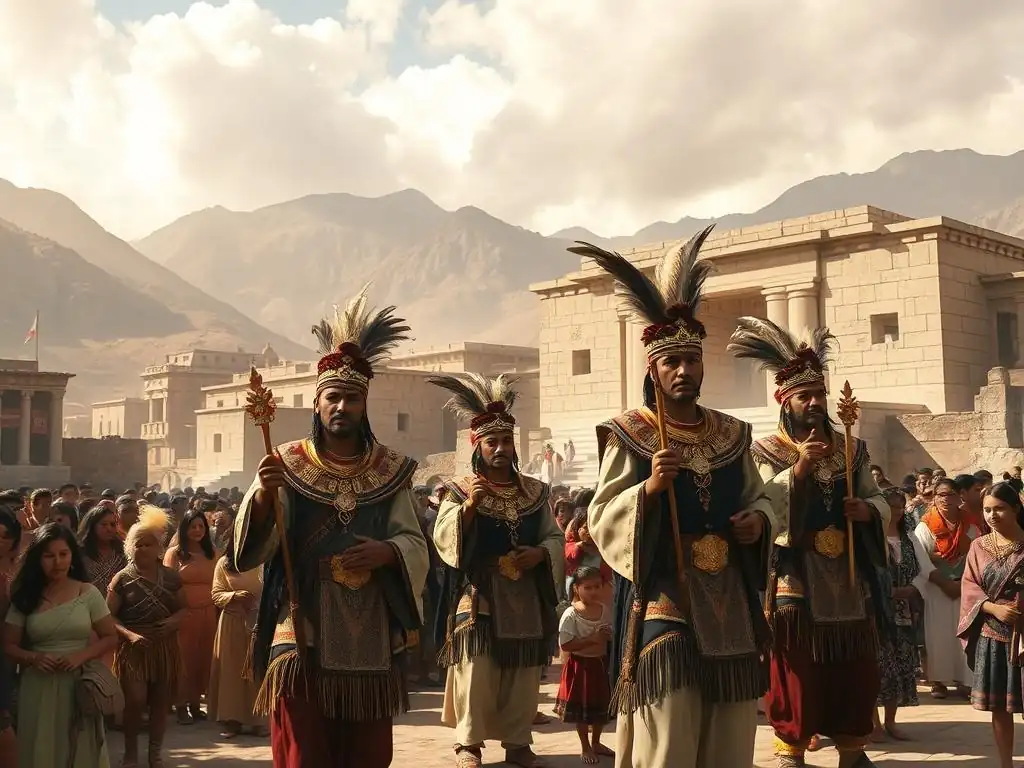
Inca priests held a position of immense influence within their society, acting as intermediaries between the gods and the Inca people. Their roles extended beyond mere religious duties; they were integral to the functioning of the Inca Empire, shaping political, economic, and social aspects of life. The priests were responsible for conducting rituals, offering sacrifices, and maintaining the temples, which were central to Inca worship. Their influence can be seen in various facets of Inca society, where they not only guided spiritual practices but also impacted the governance and daily lives of the people.
Political Power of Inca Priests
The political power of Inca priests was significant, as they were often involved in the decision-making processes of the empire. The highest-ranking priest, known as the Willaq Umu, was a major advisor to the Sapa Inca, the emperor. This priest was responsible for interpreting the will of the gods, which was crucial for legitimizing the ruler’s authority. The priests conducted important ceremonies that were believed to ensure the prosperity of the state and military success. Their ability to communicate divine intentions allowed them to wield considerable influence over political matters, with decisions being heavily influenced by religious beliefs.
Economic Impact of Priests in the Inca Empire
Priests also played a critical economic role in the Inca Empire. They managed vast estates that were dedicated to the temples, which produced agricultural surpluses. These lands were worked by the ayllu, the traditional kin-based social units of the Incas, and the produce was used to support the priests and fund religious ceremonies. Additionally, the priests controlled the distribution of goods during festivals and rituals, further solidifying their economic power. By overseeing these resources, priests not only facilitated the sustenance of religious practices but also contributed to the overall economy of the empire.
Social Influence of Priests on the Inca People
Socially, Inca priests were respected figures whose opinions and actions significantly influenced public life. They were responsible for teaching the populace about religious practices and moral codes, shaping the cultural values of the society. Priests conducted ceremonies that marked important life events, such as births, marriages, and deaths, thus reinforcing their role as pivotal figures in the social fabric of Inca life. Their presence ensured that spiritual beliefs permeated everyday activities, fostering a sense of community and shared identity among the Inca people.
The Legacy of Inca Priests and Their Influence
The legacy of Inca priests extends far beyond the fall of the Inca Empire. Their spiritual practices and social structures have left a lasting mark on indigenous cultures in the Andes and beyond. The rituals and beliefs established by these priests have evolved but remain integral to the identity of many indigenous groups today.
Historical Impact of Inca Priests on Indigenous Culture
Historically, Inca priests were instrumental in establishing a cohesive religious framework that united a vast and diverse empire. Their influence facilitated the spread of Inca religious practices across different regions, creating a shared cultural heritage. The syncretism of Inca beliefs with local traditions has contributed to the rich tapestry of indigenous spirituality in the Andes. This historical impact is evident in the continued reverence for certain deities and rituals that trace back to Inca priestly practices.
Modern Perspectives on Inca Priests and Religion
In modern times, scholars and indigenous communities have re-evaluated the role of Inca priests within the context of colonial history and cultural resilience. The resurgence of interest in indigenous spirituality has prompted a revival of traditional practices influenced by Inca religion. Many contemporary Andean communities celebrate festivals and rituals that reflect their ancestral heritage, often emphasizing the importance of the roles that priests played in preserving these traditions.
Continuing Influence of Inca Spiritual Practices
The spiritual practices initiated by Inca priests continue to resonate in modern religious expressions among indigenous peoples in the Andes. Elements such as Pachamama (Mother Earth) worship and offerings to ancestral spirits are deeply rooted in Inca traditions. These practices not only serve as a means of cultural continuity but also empower communities to assert their identity and heritage in a post-colonial context. The legacy of Inca priests is thus not just a historical footnote; it is a living tradition that informs the spiritual and cultural lives of many today.
Conclusion
The role of Inca priests was pivotal within the intricate societal framework of the Inca Empire. As spiritual leaders, they not only managed religious practices but also wielded significant influence over political and social affairs. Their authority extended to various aspects of daily life, including agriculture, health, and the overall well-being of the community.
Summary of the Role of Inca Priests in Society
Inca priests were central figures in the religious landscape, serving as intermediaries between the gods and the people. Their responsibilities included:
- Conducting Rituals: Priests performed essential ceremonies to honor deities, particularly Inti, the sun god, and other important figures in the Inca pantheon. These rituals were believed to ensure the favor of the gods, which was crucial for agricultural success and societal stability.
- Divination and Prophecy: Priests utilized various methods of divination to interpret the will of the gods. They often provided counsel to rulers and the populace, guiding decisions based on their spiritual insights.
- Education and Knowledge Preservation: Many priests were also educators, passing down sacred knowledge and teachings to the next generation, thus ensuring continuity in religious practices and cultural identity.
- Political Power: The influence of priests extended beyond the spiritual realm; they often held significant political power, advising emperors and participating in governance. Their endorsement could elevate a ruler's legitimacy, intertwining religion and politics.
Final Thoughts on the Influence of Inca Priests in Historical Context
Understanding the role of Inca priests and their influence offers a profound insight into the complexities of Inca society. Their impact transcended mere religious duties, reflecting a well-established hierarchy that integrated faith with governance. This interconnectedness highlights how spirituality shaped not only individual lives but also the very fabric of Inca civilization.
In the broader historical context, the legacy of Inca priests continues to resonate today. Their rituals and beliefs have influenced contemporary indigenous practices, showcasing the resilience of cultural traditions amidst colonial disruptions. As we delve into the rich tapestry of the Inca Empire, the significance of these spiritual leaders remains a testament to the enduring power of faith and community in shaping societal structures.
- Introduction to Inca Priests and Their Influence
- Overview of Inca Civilization and Religion
- Importance of Priests in Inca Society
- The Responsibilities of Inca Priests
- Types of Inca Priests
- Rituals and Ceremonies Led by Inca Priests
- The Influence of Inca Priests on Society
- The Legacy of Inca Priests and Their Influence
- Conclusion
Frequently Asked Questions
What was the primary role of Inca priests in society?
Inca priests served as spiritual leaders, guiding religious practices and rituals that were central to Inca culture and society.
How did Inca priests influence the political structure?
Inca priests often held significant political power, advising rulers and participating in governance, which intertwined spiritual authority with political leadership.
What were some key rituals performed by Inca priests?
Inca priests conducted various rituals, including sacrifices and ceremonies to honor the gods, ensuring the favor of deities for the prosperity of the Inca Empire.
How did the Inca religion affect daily life?
The Inca religion, led by priests, deeply influenced daily life, with rituals and festivals integrated into agricultural practices and community events.
What legacy did Inca priests leave behind?
The legacy of Inca priests continues to be felt today, as their spiritual practices and societal structures laid the groundwork for many contemporary Andean cultures and traditions.
Final Reflection: The Enduring Influence of Inca Priests in Society
The exploration of Inca priests and their influence reveals a profound connection between spirituality and governance that resonates even in today's world. Inca priests were not merely religious figures; they were pivotal in shaping societal norms, political structures, and cultural practices. This intricate relationship between faith and authority underscores how spiritual leaders can wield significant power, a concept that remains relevant as we navigate the complexities of modern leadership and belief systems.
The legacy of Inca priests continues to echo through contemporary discussions about the role of spiritual leaders in society. Their influence transcended mere rituals, embedding itself in the very fabric of Inca civilization. The rituals and beliefs they propagated fostered a sense of unity and identity among the people, illustrating the power of shared faith in shaping communities. Religion is the opium of the people,
Karl Marx famously stated, yet it is also a binding force that can inspire collective action and resilience. This observation invites us to reflect on how spiritual guidance can still mobilize societies today, whether through traditional practices or modern interpretations.
As we contemplate the lessons from the role of Inca priests, I encourage you to consider how spiritual leadership manifests in your own life and community. Reflect on the leaders who inspire you, the values they promote, and the impact they have on your worldview. Let the example of Inca priests remind us that spiritual influence can be a powerful catalyst for positive change. Embrace the opportunity to engage with your community, fostering connections that uplift and unite, just as the Inca priests did in their time.
Unveil the Legacy of Inca Spirituality!
Thank you for diving into the fascinating world of Inca spirituality and the profound influence of priests in their society! You've gained insights into how these spiritual leaders shaped culture, faith, and community among the Incas. Now, it's time to turn that knowledge into action!
Here are a few ways you can continue exploring and engaging with this rich topic:
- Dive deeper: Research a specific Inca priest or a significant ceremony that captured your interest, and share your findings with friends or on social media.
- Join discussions: Engage in online forums or local history groups to connect with others who are passionate about Indigenous cultures and spirituality.
- Spread the wisdom: Share this article with someone who would appreciate understanding the importance of spiritual leaders in ancient civilizations!
What aspect of Inca spiritual leadership intrigues you the most, and how do you think their values resonate in our society today?