
Housing as a Reflection of Social Status in Indigenous Societies

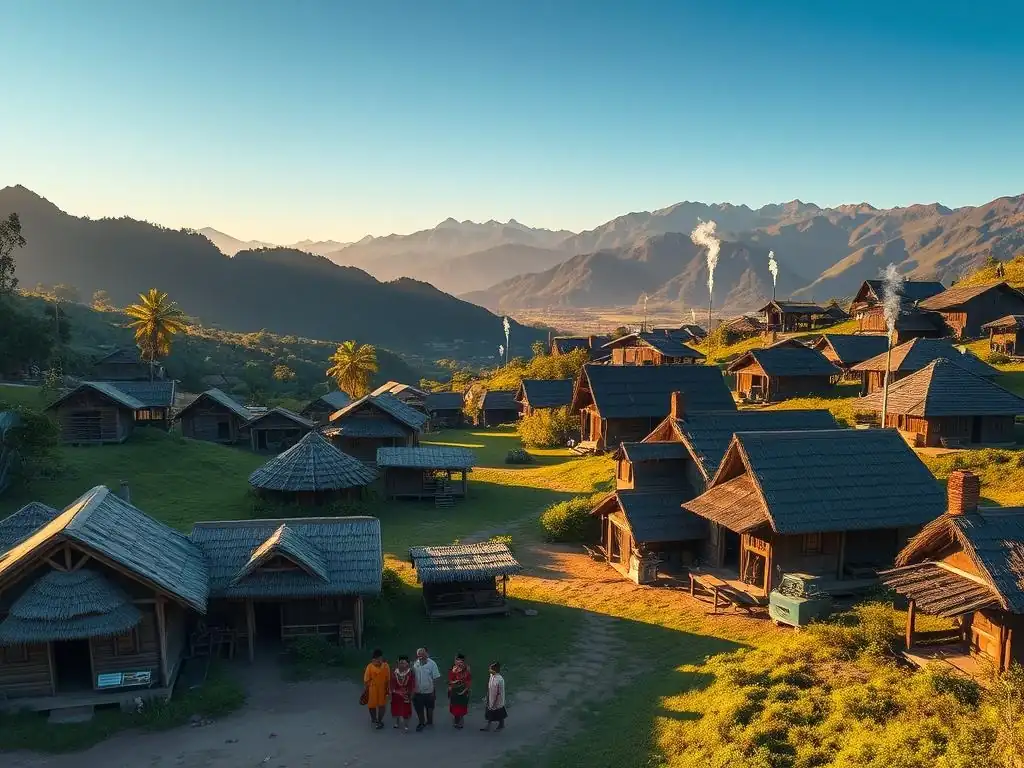
Welcome to Indigenous Civilizations of the Americas, where we embark on a fascinating journey through the rich tapestry of indigenous cultures that flourished long before European contact. In our featured article, “Housing as a Reflection of Social Status in Indigenous Societies,” we delve into the intricate relationship between living spaces and social hierarchy within these vibrant communities. Discover how the design and structure of indigenous housing not only provided shelter but also mirrored the social standings and cultural values of their inhabitants.
Prepare to be captivated as we unveil the profound connections between architecture, identity, and legacy in the daily lives of indigenous peoples. Let your exploration begin!
The relationship between housing and social status in indigenous societies of the Americas is a fascinating and complex subject that reveals much about the cultural, economic, and spiritual lives of these communities. Indigenous housing was not merely a shelter from the elements; it served as a profound reflection of the social hierarchy, traditions, and collective identity of the people who built and inhabited these spaces.
By examining how indigenous housing varied across different cultures, we can glean insights into their social structures, values, and the roles that individuals played within their communities. This exploration sheds light on the sophisticated societal organization that existed long before European contact and highlights the resilience and adaptability of indigenous peoples.
Understanding Indigenous Housing in Historical Context
Indigenous housing has evolved over thousands of years, influenced by geography, climate, and available resources. Each community developed unique architectural styles that not only addressed their immediate environmental needs but also served as a canvas for expressing cultural identity.
- Geographical Influence: Housing designs varied greatly depending on location. For instance, the Inuit utilized igloos and sod houses to withstand harsh Arctic conditions, while the Pueblo peoples of the Southwest built intricate adobe structures, reflecting both their surroundings and their social organization.
- Cultural Practices: The construction and layout of homes often mirrored spiritual beliefs and communal practices. In many cultures, the arrangement of living spaces was designed to foster family connections and community gatherings, illustrating the importance of social bonds.
Understanding these historical contexts allows us to appreciate how indigenous peoples utilized their housing not only for physical protection but as a vital part of their cultural expression.
In many indigenous societies, social status was intricately linked to one’s role within the community, lineage, and achievements. Housing played a crucial role in delineating these social hierarchies.
- Status Indicators: In various cultures, the size, location, and materials of a dwelling could indicate an individual’s rank or social standing. For example, among the Navajo, larger homes often belonged to influential leaders or families with significant resources.
- Cultural Significance: Social status was not only a matter of wealth but also of spiritual authority and communal respect. Leaders might have homes adorned with symbols of their achievements and capabilities, which could include larger ceremonial spaces designated for community gatherings.
Understanding the significance of social status in indigenous cultures helps us to interpret the architectural choices made by these communities and the meanings attached to their living spaces.
Types of Indigenous Housing and Their Significance
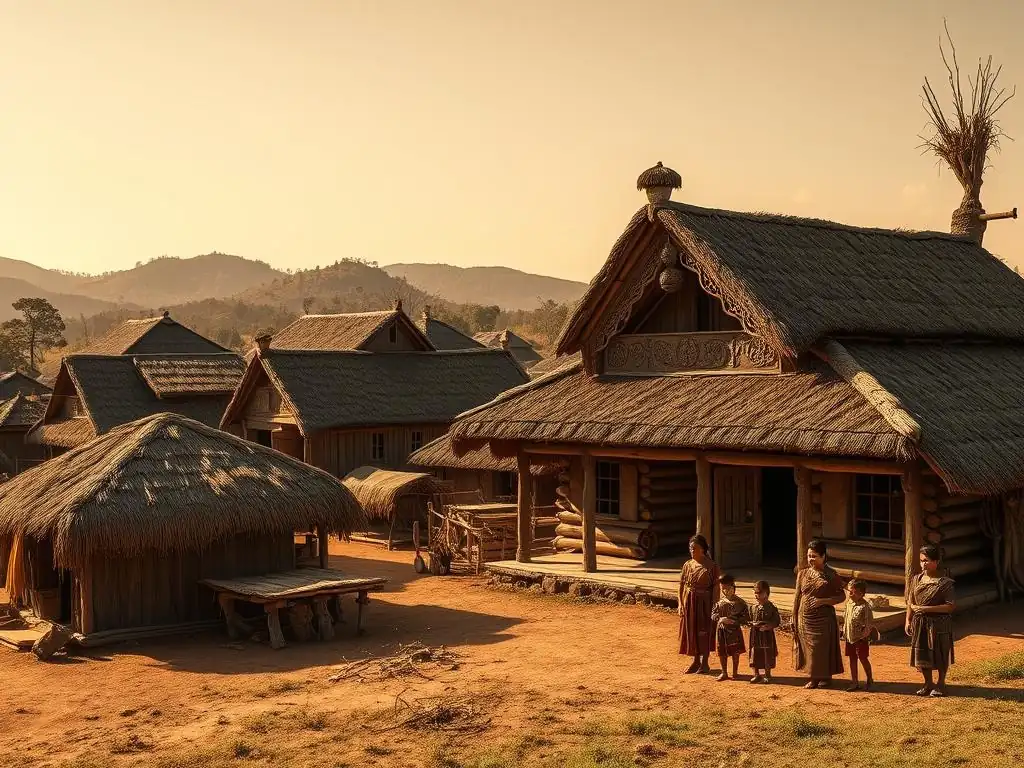
Traditional Housing Structures Across Different Cultures
The diversity of indigenous housing types across the Americas is remarkable. Each structure tells a story about the people who lived in it and their relationship to the land.
- Tipis: Used by the Plains tribes, these conical structures were easily transportable and designed for the nomadic lifestyle, illustrating adaptability to changing environments.
- Longhouses: Common among the Iroquois, these extended dwellings housed multiple families, signifying communal living and shared resources.
- Chickees: Constructed by the Seminole, these stilted homes provided ventilation in humid climates, showcasing a practical response to environmental conditions.
These varied housing types represent more than just architectural preferences; they encapsulate cultural practices, social structures, and environmental adaptations.
Materials Used in Indigenous Housing
The materials used in constructing indigenous homes were often sourced locally and reflected both environmental conditions and cultural values.
- Wood: Many tribes in forested areas utilized timber for building, which provided strength and durability.
- Adobe: In arid regions, adobe was favored for its insulating properties, allowing inhabitants to maintain comfortable temperatures regardless of external weather.
- Grass and Reeds: Used in places like the Great Basin, these materials were lightweight and easily replaced, highlighting a sustainable approach to housing.
The choice of materials not only served practical purposes but also conveyed cultural significance and identity.
Regional Variations in Housing Styles and Social Implications
Housing styles varied widely across regions, influenced by climate, available resources, and cultural practices.
- Arctic: Structures like igloos represented ingenuity in extreme climates.
- Temperate Forests: Longhouses and plank houses indicated a connection to community living and resource sharing.
- Desert Regions: Adobe homes exhibited an understanding of thermal dynamics and communal values.
By examining these regional variations, we can appreciate the intricate relationship between indigenous housing, social status, and the environment, revealing how indigenous societies thrived in diverse contexts.
Indigenous housing often serves as a tangible reflection of the social hierarchies that existed within various communities across the Americas. The structure, size, and materials used in the construction of dwellings can reveal much about the status of the inhabitants. For instance, larger and more elaborately decorated homes typically indicate higher social standing, often reserved for leaders or influential families. These residences would often be situated centrally within a village, denoting their importance and accessibility to community members.
Additionally, the materials used in construction provide insight into social status. Communities with access to abundant resources could build more durable and complex structures, while those in less resource-rich areas had to adapt their building techniques and materials accordingly. The differences in housing not only illustrate economic disparities but also highlight the cultural values placed on certain social roles and achievements within each society.
The Role of Leadership in Housing Design
Leadership plays a crucial role in shaping housing design among indigenous societies. Leaders, often seen as the embodiment of their community’s values, would have their residences built to reflect their status and responsibilities. These homes were sometimes larger in scale, featuring special areas for ceremonial activities or communal gatherings. This architectural choice reinforced the leader's role as a mediator between the spiritual and physical worlds, as well as a central figure for social organization.
Moreover, the design of a leader’s home may include distinct symbols representing their lineage or achievements, which served to legitimize their authority. In some cultures, leaders would even have separate communal spaces adjacent to their homes, allowing them to fulfill their social obligations while maintaining a distinct separation from the general populace.
Differences in Housing Based on Clan or Tribe
Different clans or tribes often exhibited unique housing styles that reflected their cultural identity and social structure. For example, the Iroquois constructed longhouses that housed multiple families from the same clan, showcasing their collective identity and kinship ties. In contrast, the Sioux utilized tipis, which were portable and allowed for mobility, reflecting their nomadic lifestyle and social organization.
These distinctions not only signify the diversity of indigenous housing but also emphasize how social norms and values are embedded in architectural choices. The differences in design, construction methods, and communal versus individual living spaces demonstrate the varying social structures and dynamics present in indigenous societies across the Americas.
Symbolism of Space and Layout in Indigenous Dwellings
The layout and spatial organization within indigenous dwellings often carry significant symbolic meaning. For instance, the positioning of certain areas within a home, such as the hearth or ceremonial space, can indicate the importance of family roles and responsibilities. These spaces are often designed to facilitate social interaction and communal activities, reinforcing the social bonds among inhabitants.
In many cultures, specific orientations of the dwelling may align with cosmological beliefs, illustrating the connection between the physical space and spiritual understanding. This integration of symbolism in housing design not only reflects the social status of the inhabitants but also serves to embody the cultural narratives and traditions that are crucial to the community’s identity.
Examining specific case studies of indigenous housing provides deeper insights into how social status was represented and maintained through architectural practices. These examples illustrate the rich diversity and complexity of indigenous cultures throughout the Americas.
The Pueblo Peoples: Architecture and Social Stratification
The Pueblo peoples, known for their intricate adobe structures, exemplify how architecture can convey social stratification. Their multi-storied dwellings, often built into cliffs or along mesas, reflect a communal approach to living while also indicating status differences among families. Larger homes were typically occupied by influential leaders or families, while smaller units housed less prominent community members.
The placement of these homes within the landscape also held significance; higher elevations were often reserved for those of higher status, symbolizing their elevated role within the society. Additionally, the decoration and spatial organization of these homes often reflected the family’s achievements and social standing, further emphasizing the connection between housing and social hierarchy.
Inuit Igloos: Community and Survival as Social Status
Inuit igloos, while often perceived simply as shelters, represent a complex social structure where community and survival intersect with social status. The size and design of an igloo could reflect the social standing of its inhabitants; larger igloos were often built for families of higher status or for community leaders during gatherings.
Moreover, the ability to construct such dwellings effectively demonstrates a person's skill and knowledge, which are highly valued in Inuit culture. The igloo's design is not just functional; it embodies the knowledge of the environment and the ability to survive and thrive in harsh conditions, which are key indicators of social status within Inuit communities.
Plains Indigenous Societies: Tipis and Social Organization
In Plains Indigenous societies, the tipi is a significant representation of housing as it pertains to social organization. The structure of the tipi, typically made of buffalo hides, was both functional and symbolic. The size of the tipi often indicated the status of the family within the tribe; larger tipis could accommodate extended families or serve as communal spaces for gatherings, reflecting a higher social standing.
The arrangement of furnishings within the tipi also conveyed social roles, with specific areas designated for men and women, showcasing the division of labor. The ability to move and set up a tipi quickly allowed for flexibility in social organization, particularly during hunting seasons, emphasizing the adaptability of these societies while still maintaining a clear social hierarchy.
The Impact of European Colonization on Indigenous Housing
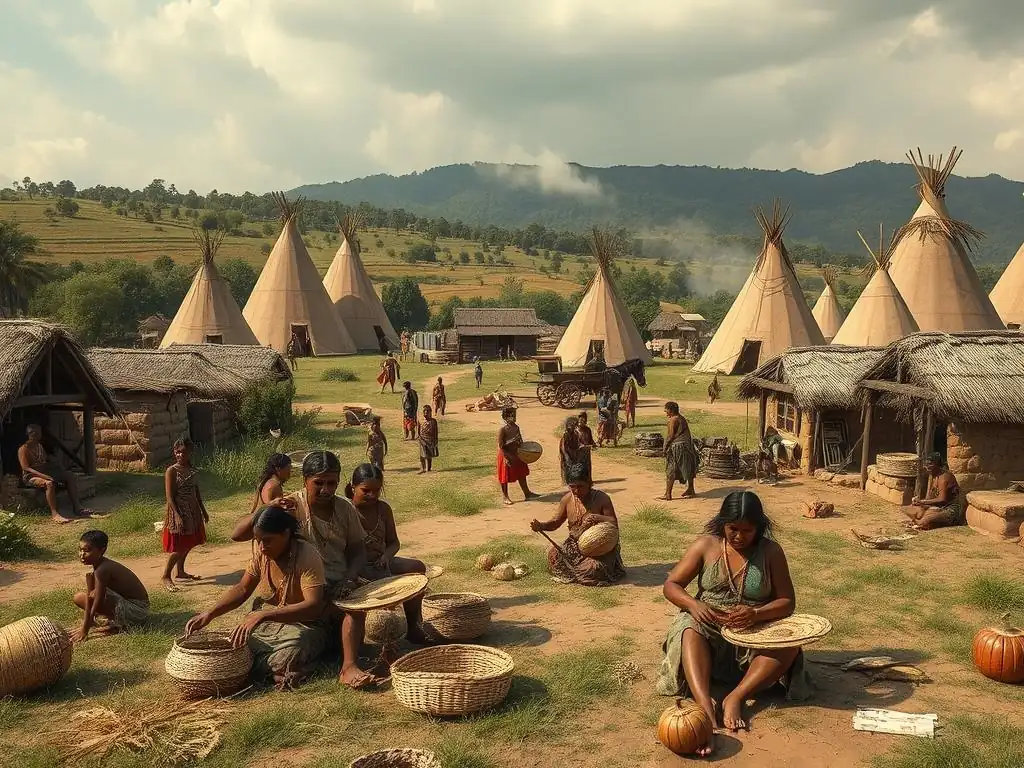
The arrival of European colonizers in the Americas had profound effects on the housing practices of indigenous societies. Prior to colonization, indigenous peoples had developed diverse architectural styles and living arrangements tailored to their environments, resources, and social structures. However, European colonization introduced not only new materials and technologies but also significant disruptions to traditional ways of life.
As colonizers imposed their cultures and lifestyles, many indigenous groups were forced to abandon their traditional housing methods. This led to the adoption of European architectural styles, often at the expense of indigenous practices. For example, longhouses of the Iroquois and wigwams of various Algonquin tribes were increasingly replaced by European-style wooden houses. The shift not only altered the physical landscape but also affected the social dynamics within these communities, as housing became a reflection of colonial influences rather than indigenous identity.
Changes in Housing Structures Post-Colonization
Post-colonization, indigenous housing structures underwent significant transformations. The introduction of European building materials, such as bricks and nails, allowed for more durable constructions but often overshadowed traditional techniques. Many indigenous peoples began to incorporate these new materials into their homes, leading to hybrid housing styles that reflected both European and indigenous influences.
Additionally, colonial policies often led to the forced relocation of indigenous communities, disrupting traditional land use and settlement patterns. As tribes were moved to reservations or other designated areas, their housing types evolved in response to new environmental conditions and socioeconomic challenges. This transition often resulted in overcrowded living conditions and a decline in the quality of housing, reflecting broader issues of marginalization and loss of agency among indigenous populations.
Loss of Traditional Knowledge and Its Effect on Social Status
The colonization process not only transformed physical structures but also resulted in the erosion of traditional knowledge related to indigenous housing. Skills passed down through generations—such as the construction of earth lodges by the Plains tribes or the use of natural materials like adobe in Southwestern cultures—began to fade as younger generations were exposed to European ways of living.
This loss of traditional knowledge had significant implications for social status within indigenous communities. Housing was not merely a shelter; it embodied cultural identity, social organization, and the status of families within their societies. As traditional building practices diminished, so too did the prestige associated with them. This shift often led to a hierarchy based on the adoption of European styles, contributing to divisions within communities and a re-evaluation of social status based on colonial standards rather than indigenous traditions.
Resilience and Adaptation of Indigenous Housing Practices
Despite the significant challenges posed by colonization, many indigenous communities demonstrated remarkable resilience in their housing practices. In response to the loss of traditional knowledge and the imposition of foreign styles, some tribes began to blend both indigenous and European elements in innovative ways.
For instance, the Pueblo peoples of the Southwest adapted their adobe construction techniques by incorporating modern materials while still retaining their cultural significance. Similarly, some tribes in the Northeastern United States began to recreate traditional longhouses using a mix of new technologies and traditional designs, creating spaces that honored their heritage while meeting contemporary needs.
This adaptability reflects a broader theme of resilience in indigenous cultures, as communities have continued to assert their identities and maintain connections to their ancestral practices, even in the face of ongoing challenges.
In contemporary society, indigenous housing is not only a matter of shelter but also a crucial aspect of cultural identity and social status. Many indigenous communities are actively working to revitalize traditional housing practices as a means of reclaiming their cultural heritage and asserting their rights. This movement has significant implications for how social status is perceived within these communities.
Revitalization of Traditional Housing Practices
The revitalization of traditional housing practices has gained momentum in recent years, driven by a desire to reconnect with cultural roots and strengthen community identity. Many tribes are engaging in initiatives to restore or reconstruct traditional homes using indigenous methods and materials.
For example, the Haudenosaunee people have been leading efforts to build new longhouses that reflect their traditional architectural styles. These projects not only serve as functional living spaces but also act as communal hubs that foster cultural education and intergenerational knowledge transfer. The act of building traditional homes becomes a powerful statement of cultural resilience and pride, influencing social status by re-establishing ties to heritage.
The Role of Modern Indigenous Housing in Social Identity
Modern indigenous housing plays a critical role in shaping social identity within communities. As indigenous peoples navigate the complexities of contemporary society, the design, construction, and use of housing reflect their unique cultural narratives.
Many contemporary indigenous homes incorporate elements that symbolize cultural beliefs and values, such as communal spaces for gatherings or designs that harmonize with the natural environment. These choices not only celebrate indigenous identity but also elevate social status within the community by demonstrating a commitment to cultural preservation and sustainability.
Moreover, as indigenous peoples advocate for better housing policies that respect their rights and traditions, modern housing becomes a vehicle for social change and empowerment. This empowerment contributes to a renewed sense of belonging and status among community members.
Challenges and Opportunities in Indigenous Housing Today
Despite the progress made in revitalizing traditional housing practices, indigenous communities still face significant challenges in the realm of housing. Many continue to deal with inadequate living conditions, lack of access to resources, and systemic barriers that hinder their ability to build or maintain homes that reflect their cultural identities.
However, these challenges also present opportunities for collaboration and innovation. Many indigenous leaders and organizations are advocating for policies that address housing inequality and promote the development of culturally appropriate housing solutions. By leveraging partnerships with governments, non-profits, and academic institutions, they are working to create sustainable housing initiatives that respect traditional practices while meeting contemporary needs.
As these efforts continue to unfold, the potential for indigenous housing to reflect social status and cultural identity remains strong. Through resilience, adaptation, and a commitment to revitalization, indigenous communities are redefining what housing means, both for themselves and for future generations.
The relationship between housing and social status in indigenous societies is a profound reflection of their cultural values, social structures, and environmental adaptations. Throughout history, the design, materials, and locations of homes have served not only as shelters but also as symbols of identity and status. From the grand earthen mounds of the Mississippian culture to the intricately woven dwellings of the Navajo, each structure tells a story of the people, their beliefs, and their societal organization.
In many indigenous cultures, housing was a direct indication of one's role within the community. Leaders and influential figures often resided in larger or more ornate homes, which were not just practical spaces but also a means of asserting their status and authority. Conversely, simpler structures could signify a different social standing, illustrating the stratified nature of many indigenous societies. This intricate interplay between housing and social hierarchy highlights the importance of architecture in understanding cultural dynamics.
As modern societies continue to evolve, the legacy of indigenous housing practices remains significant. The adaptations and innovations reflected in traditional dwellings can inform contemporary discussions about sustainable living, community organization, and cultural resilience.
Reflection on Cultural Heritage and Modern Implications
The study of indigenous housing and its connection to social status provides a unique lens through which to view cultural heritage. Understanding how housing reflects societal values and hierarchies allows us to appreciate the complexities of indigenous cultures. These insights can foster a greater respect for the contributions of indigenous peoples to broader societal narratives.
In today’s context, acknowledging the importance of indigenous housing traditions can influence modern architectural practices and urban planning. Concepts of communal living, sustainability, and environmental stewardship found in indigenous designs offer valuable lessons for contemporary society. By integrating these principles, modern builders and planners can create spaces that honor cultural heritage while also addressing current environmental challenges.
Moreover, recognizing the social implications of housing can lead to more equitable policies that respect indigenous land rights and cultural practices. As discussions around indigenous sovereignty and rights gain momentum, the acknowledgment of traditional housing practices becomes essential in advocating for community-driven development.
Future Directions for Research on Indigenous Housing and Social Status
The exploration of indigenous housing as a reflection of social status is an ongoing field of study that holds much promise. Future research can delve deeper into various aspects, such as:
- Comparative Studies: Investigating housing practices across different indigenous cultures can reveal common themes and unique adaptations. Understanding the similarities and differences in how various societies structure their dwellings can provide insight into their social organization.
- Archaeological Investigations: Continued archaeological work can uncover more about the materials and construction methods used in indigenous housing. This research can help reconstruct historical societies and their social hierarchies.
- Interdisciplinary Approaches: Collaborating with anthropologists, sociologists, and environmental scientists can lead to a more comprehensive understanding of how indigenous housing reflects social status and cultural identity.
- Modern Impacts: Examining how contemporary issues, such as climate change and urbanization, affect indigenous housing practices and social structures is crucial. Research can focus on how communities adapt their traditional practices in response to modern challenges.
- Community Engagement: Involving indigenous communities in research efforts ensures that their voices and perspectives are integral to the study of their housing practices. This approach not only enriches the research but also empowers communities to reclaim their narratives.
By pursuing these research avenues, scholars can contribute to a richer understanding of indigenous housing and its enduring link to social status. This knowledge will not only enhance academic discourse but also support efforts to honor and preserve indigenous cultures in a rapidly changing world.
- Introduction to Indigenous Housing and Social Status
- Understanding Indigenous Housing in Historical Context
- Importance of Social Status in Indigenous Cultures
- Types of Indigenous Housing and Their Significance
- Social Hierarchies Reflected in Indigenous Housing
- Case Studies of Indigenous Housing and Social Status
- The Impact of European Colonization on Indigenous Housing
- Contemporary Perspectives on Indigenous Housing and Social Status
- Conclusion: The Enduring Link Between Housing and Social Status in Indigenous Societies
- What role did housing play in indigenous societies?
- How did architecture vary among different indigenous cultures?
- What materials were commonly used in indigenous housing?
- How did social status affect the design of homes in indigenous cultures?
- In what ways do modern indigenous communities reflect their historical housing traditions?
Frequently Asked Questions
What role did housing play in indigenous societies?
Housing was a crucial reflection of social status in indigenous societies, often indicating the wealth and power of its inhabitants through its size, materials, and location.
How did architecture vary among different indigenous cultures?
Indigenous cultures across the Americas displayed diverse architectural styles, with differences influenced by geography, climate, and available resources, resulting in unique housing designs.
What materials were commonly used in indigenous housing?
Indigenous peoples utilized locally available materials such as wood, earth, stone, and animal hides in their housing, showcasing their adaptability to the environment.
Higher social status often meant larger and more elaborate homes, equipped with better resources, while lower-status individuals lived in simpler and smaller dwellings.
In what ways do modern indigenous communities reflect their historical housing traditions?
Many modern indigenous communities incorporate elements of their historical housing designs into contemporary structures, maintaining a connection to their cultural heritage and identity.
The relationship between housing and social status in Indigenous societies is not merely a reflection of physical structures, but a profound statement of identity, culture, and resilience. Today, as we navigate a world increasingly defined by social stratification and inequality, understanding how Indigenous housing embodies these dynamics becomes crucial. The homes of Indigenous peoples serve as both a sanctuary and a symbol, illustrating the intricate ties between environment, community, and social standing.
The impact of housing on social status within Indigenous communities continues to resonate, shaping cultural narratives and influencing contemporary discussions on equity and representation. The way Indigenous peoples construct and inhabit their spaces tells a story of survival and adaptation, challenging stereotypes and asserting their rightful place in society. Housing is not just a shelter; it is a reflection of our values, our history, and our future.
This ongoing dialogue highlights the need for recognition and respect for Indigenous ways of living, which are often overlooked in broader societal conversations.
As we reflect on the insights shared in this article, I invite you to consider how the lessons of Indigenous housing can inspire us in our own lives. Let us strive to honor the diverse narratives that shape our communities and advocate for a future where every individual's home is a testament to their identity and dignity. By acknowledging the significance of housing in social status, we can foster a deeper understanding and appreciation for the rich tapestry of cultures that enrich our world.
Discover and Appreciate Indigenous Housing Traditions!
Thank you for exploring the fascinating link between housing and social status in Indigenous societies. Your engagement not only enriches your understanding of diverse cultures but also honors their traditions. Now, let's take actionable steps to deepen our connection to these themes!
- Visit a local museum or cultural center to experience Indigenous housing styles firsthand.
- Share this article with friends or family to spark discussions about the significance of social structures within communities.
- Join an online forum or community group dedicated to Indigenous studies to exchange insights and learn more!
What aspect of Indigenous housing culture resonates most with you, and how can you further enrich your understanding?